Cold Plunging Your Way to Immortality

Social media influencers swear by ice baths and cold plunges as the ultimate longevity hack, claiming they activate brown fat and boost metabolism for years of extra life. While cold exposure does trigger some physiological responses, research from Stanford University in 2024 shows the metabolic benefits are temporary and minimal. A study published in the Journal of Clinical Investigation found that regular cold exposure increased energy expenditure by only 2-3% – hardly the fountain of youth promised. The stress cold plunging puts on your cardiovascular system might actually outweigh any potential benefits, especially for people over 50.
Intermittent Fasting as the Ultimate Life Extender
Time-restricted eating has exploded in popularity, with proponents claiming it can add decades to your life by mimicking the effects seen in laboratory mice. However, a comprehensive 2024 analysis by the American Heart Association found that people practicing 8-hour eating windows had a 91% higher risk of cardiovascular death compared to those eating across 12-16 hours. The mouse studies that sparked this trend used caloric restriction combined with fasting, not just time restriction alone. Real-world human data suggests that extreme fasting patterns may actually increase mortality risk rather than decrease it.
NAD+ Supplements and the Anti-Aging Promise
Nicotinamide adenine dinucleotide (NAD+) supplements have become a billion-dollar industry, marketed as cellular repair boosters that can reverse aging at the molecular level. Despite the hype, research from Harvard Medical School in 2024 revealed that oral NAD+ supplements are almost entirely broken down in the digestive system before reaching cells. A clinical trial published in Nature Aging showed no significant improvement in biomarkers of aging after six months of NAD+ supplementation in healthy adults. The few studies showing benefits used intravenous administration at doses far higher than any consumer supplement provides.
Extreme Exercise Regimens for Longevity
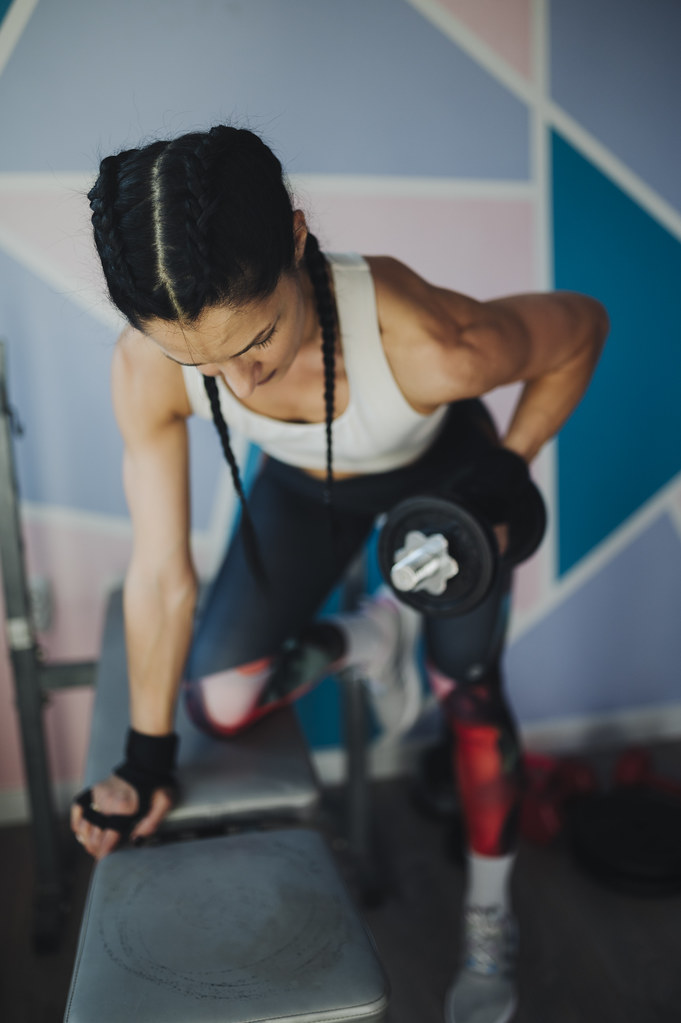
The “no pain, no gain” philosophy has infiltrated longevity culture, with some advocates pushing ultra-marathon training and extreme CrossFit routines as life-extending strategies. Research from the Mayo Clinic in 2023 found that people exercising more than 10 hours per week showed increased markers of cardiovascular stress and inflammation. A Danish study tracking runners over 35 years discovered that those running more than 2.5 hours weekly had similar mortality rates to sedentary individuals. The sweet spot for longevity appears to be moderate exercise – about 150 minutes of moderate activity or 75 minutes of vigorous activity per week.
Biohacking Your Sleep with Extreme Measures

Sleep optimization has spawned a cottage industry of expensive gadgets, strict schedules, and extreme protocols promising to unlock longevity through perfect rest. Many biohackers advocate for polyphasic sleep patterns or ultra-precise temperature control, spending thousands on cooling mattresses and sleep tracking devices. However, a 2024 study in Sleep Medicine Reviews found that people who obsessively track and manipulate their sleep often develop worse sleep quality due to anxiety and performance pressure. The National Sleep Foundation’s latest research shows that consistent, natural sleep patterns of 7-9 hours remain more beneficial than any high-tech intervention.
Mega-Dosing Antioxidant Supplements
The antioxidant theory of aging has led many people to consume massive doses of vitamins C, E, and other antioxidants, believing they can neutralize free radicals and slow cellular damage. A meta-analysis of 68 randomized trials published in The Cochrane Database in 2024 found that high-dose antioxidant supplementation actually increased mortality risk by 3-4%. The Selenium and Vitamin E Cancer Prevention Trial (SELECT) follow-up data showed that men taking high-dose vitamin E had increased prostate cancer rates even years after stopping supplementation. Our bodies have sophisticated antioxidant systems that work best with moderate amounts from whole foods, not synthetic mega-doses.
Parabiosis and Young Blood Transfusions
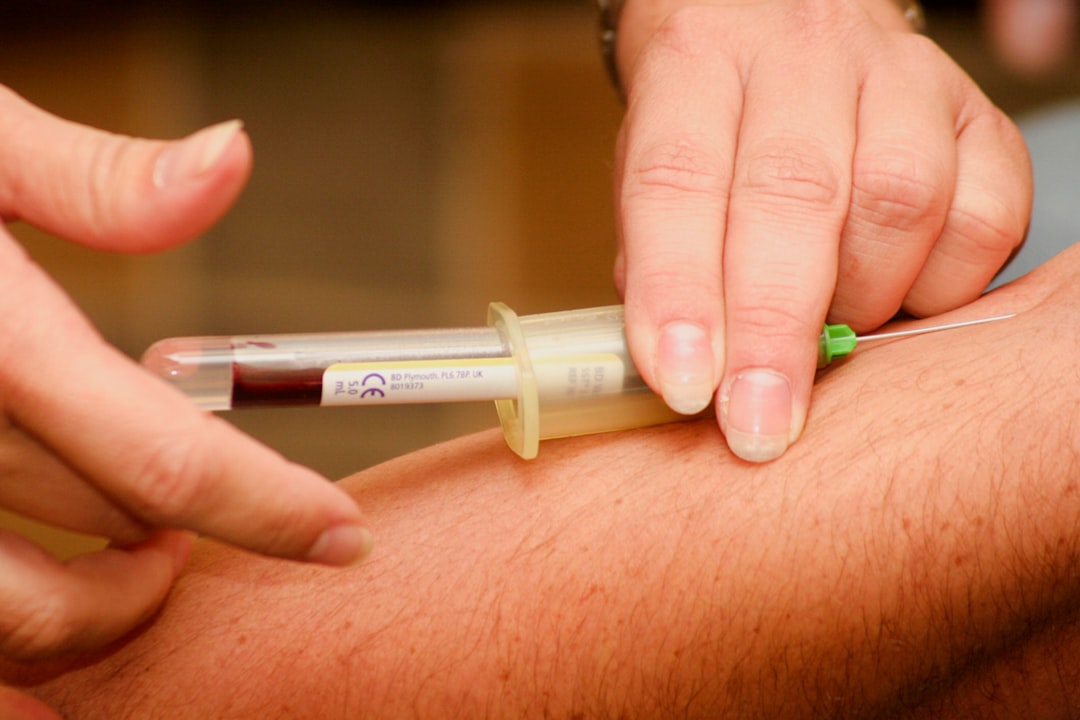
Perhaps the most extreme longevity trend involves transfusions of young blood or plasma, inspired by parabiosis experiments where old and young mice share circulatory systems. Several clinics in the US began offering “young plasma” treatments for $8,000 per session, claiming they could reverse aging markers. The FDA issued warnings against these treatments in 2024 after multiple adverse events, and a randomized controlled trial published in Nature Medicine found no significant benefits in cognitive function or biomarkers of aging. The Stanford research that sparked this trend showed benefits only in shared circulation between live animals, not in plasma transfusions.
Restricting Protein for Longevity
Some longevity enthusiasts have embraced severe protein restriction based on studies showing that low-protein diets extend lifespan in certain laboratory animals. This has led to diets containing as little as 0.5 grams of protein per kilogram of body weight, far below recommended levels. Recent research from the University of Sydney published in Cell Metabolism in 2024 found that protein restriction in humans over 65 significantly increased muscle loss and frailty. A 15-year cohort study showed that people consuming less than 0.8 grams of protein per kilogram had 40% higher mortality rates, particularly from infections and age-related muscle wasting.
What strikes me most about these trends is how they take promising laboratory findings and stretch them beyond recognition. The real secret to longevity might just be the boring basics we’ve known all along – moderate exercise, decent sleep, social connections, and not falling for every shiny new biohack that promises to cheat death.