

The Moon Landing: A Giant Leap or a Hoax?
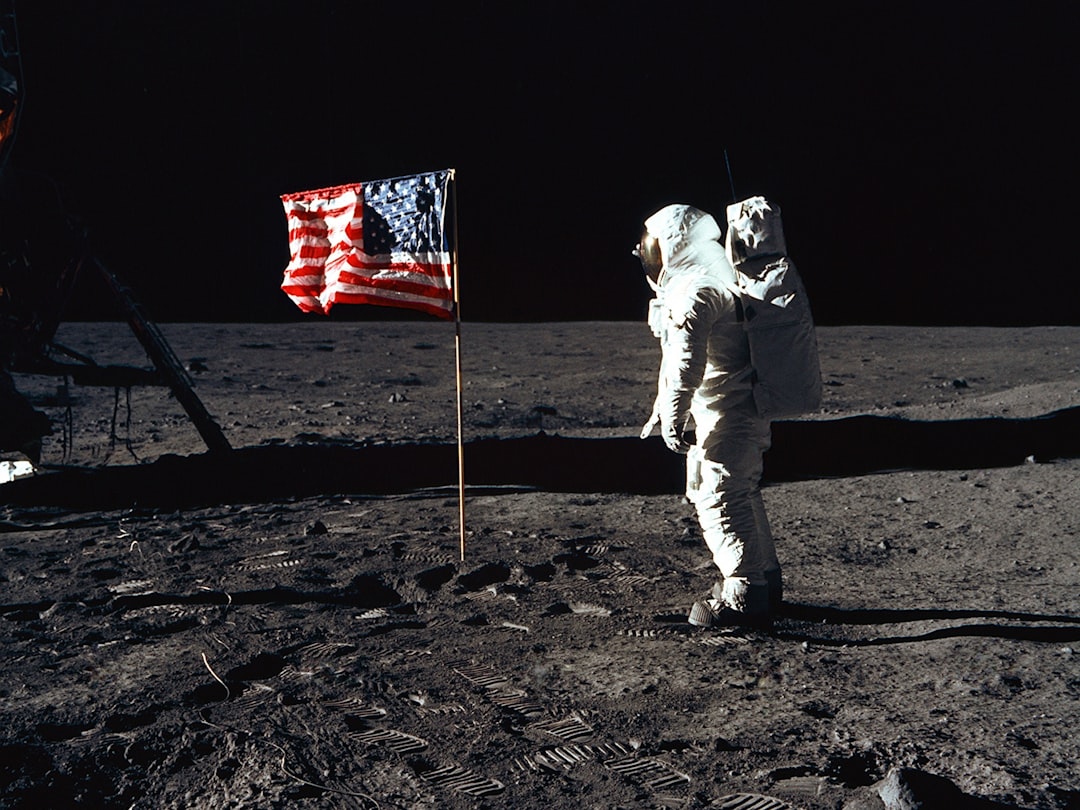
The Apollo 11 moon landing is often spoken about with awe and pride, but a surprising number of people still question if it really happened. Polls as recent as 2024 reveal that roughly 6% of Americans continue to believe the moon landing was faked, with some convinced the footage was filmed on a Hollywood set. This misconception is fueled by distrust in government institutions and a lack of understanding of the overwhelming evidence supporting the mission. Lunar rocks brought back by astronauts, which have unique chemical signatures, and thousands of detailed mission documents strongly support the authenticity of the landing. Astronauts like Buzz Aldrin and Neil Armstrong have repeatedly defended the truth of their journey, sharing personal stories that highlight the enormous risks they took. NASA’s Artemis program, which aims to send people back to the moon, is reigniting interest and may finally put persistent doubts to rest. The continued presence of retroreflectors on the lunar surface, which can be detected by Earth-based lasers, provides ongoing proof of mankind’s visit to the moon. Despite this, the myth endures in pop culture and online forums, showing just how stubborn some misunderstandings can be.
The Boston Tea Party: More Than Just Tea

When people think of the Boston Tea Party, they usually picture angry colonists dumping tea in Boston Harbor as a protest against unfair taxes. While this is partially true, the real story is much deeper and more strategic. The event was orchestrated by the Sons of Liberty, a group intent on uniting the colonies against British rule, not just protesting a single tax. Historians now emphasize that the Tea Party was as much about resisting British control and trade regulations as it was about taxation. In 2025, new educational programs are focusing on these complexities, teaching students that the Tea Party was a carefully planned act of rebellion with far-reaching consequences. The destruction of the tea was an act of economic sabotage, meant to send a clear message to Britain. It rallied other colonies to the cause, laying the groundwork for the American Revolution. This broader view helps explain why the Boston Tea Party remains such a powerful symbol of American defiance.
The Fall of the Berlin Wall: A Symbol of Freedom or Division?

The fall of the Berlin Wall is often remembered as a joyous moment that ended decades of Cold War tensions. Images of crowds celebrating and families reuniting dominate most discussions of the event. Yet, beneath the jubilation, the reunification of Germany brought about deep economic and social challenges, especially for those from the East. Recent studies show that many former East Germans still struggle with identity loss and the dismantling of social safety nets. The transition to a free-market economy left some people behind, creating a sense of inequality that lingers today. Public discourse in 2024 has shifted, with more attention paid to these ongoing difficulties and the need for reconciliation. Some East Germans express nostalgia for aspects of their former lives, especially the sense of community and stability. This more nuanced understanding helps explain why the fall of the wall, while historic, is also a source of unresolved pain for many.
The Emancipation Proclamation: A Step Toward Freedom or a Political Move?
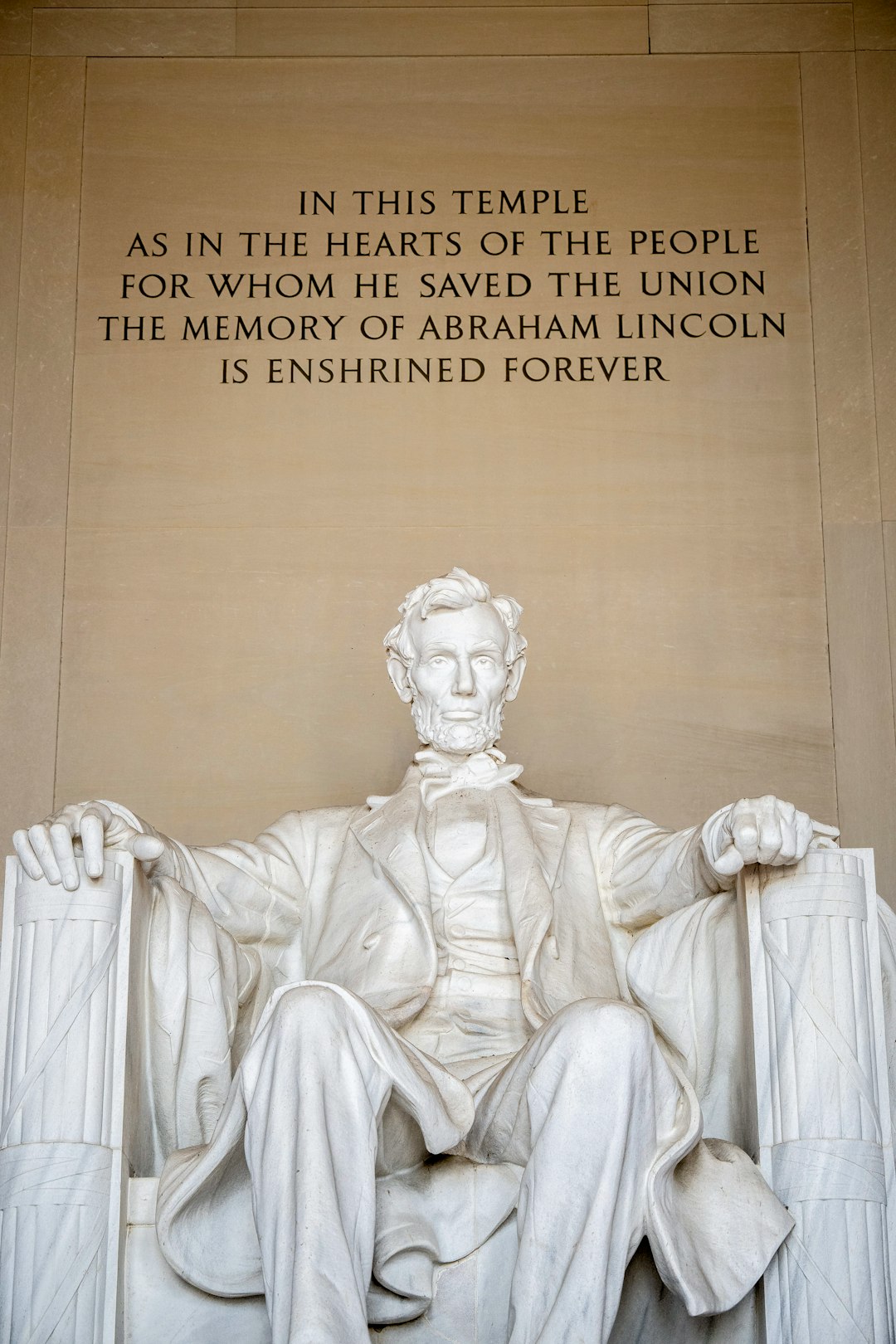
Most people see Abraham Lincoln’s Emancipation Proclamation as the document that instantly freed enslaved people in the United States. The reality, however, is more complicated. The proclamation only applied to Confederate states, leaving slavery untouched in loyal border states. Historians now agree that Lincoln’s primary goal was to preserve the Union, and the proclamation was a strategic move to weaken the Confederacy. In 2025, schools are making a concerted effort to teach the broader context of the Civil War and the limited immediate effects of the proclamation. The document’s symbolic power was immense, inspiring enslaved people and abolitionists, but it did not end slavery overnight. The struggle for true freedom continued for years, culminating in the 13th Amendment. This nuanced understanding sheds light on the long and difficult path toward civil rights in America.
The Signing of the Treaty of Versailles: Peace or Prelude to War?

The Treaty of Versailles is widely believed to have ended World War I and brought peace to Europe. In reality, its harsh terms against Germany—steep reparations and significant territorial losses—are now recognized as major factors that led to World War II. Economic instability and widespread resentment grew in Germany as a direct result of the treaty’s conditions. Modern historians use new data to show just how damaging these reparations were, with Germany’s economy struggling for years under their weight. In 2024, scholars are re-examining the treaty, warning that punitive peace agreements can sometimes sow the seeds for future conflict. The treaty’s perceived unfairness became a rallying point for extremist politics, including the rise of Adolf Hitler. Understanding this history helps illuminate why peace is sometimes more fragile than it appears.
The Civil Rights Movement: A Finished Chapter or Ongoing Struggle?
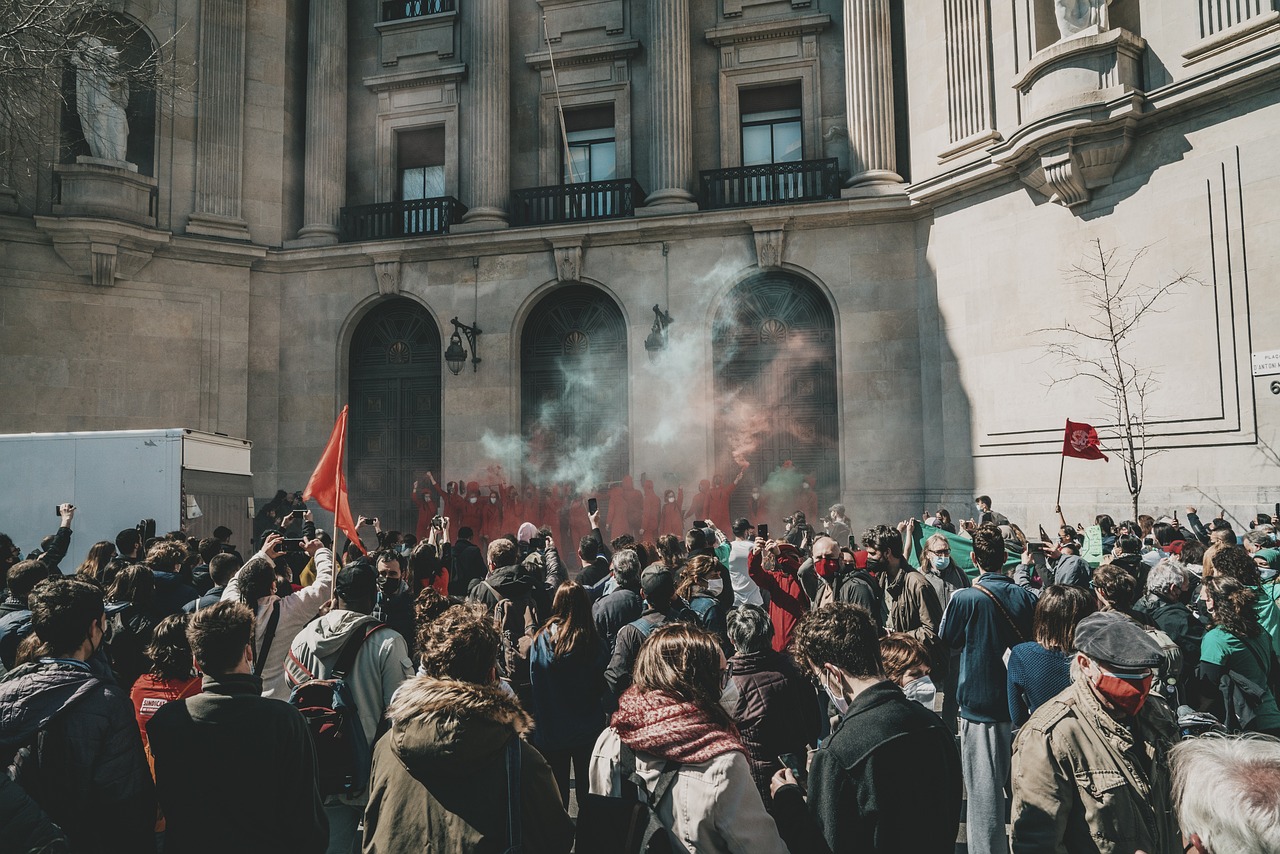
The Civil Rights Movement is often taught as a story with a clear beginning and end, culminating in major victories like the Civil Rights Act. However, many people fail to see that the fight for equality is far from over. Data from 2024 reveal persistent gaps in wealth, education, and political representation between racial groups in the United States. Systemic racism continues to affect millions, with new forms like voter suppression and housing discrimination making headlines. Today’s activists argue that the legacy of the Civil Rights Movement is not just in the victories of the past, but in the continued push for justice. Educational campaigns in 2025 highlight the movement’s unfinished business and encourage younger generations to get involved. The story of civil rights is still being written, with each generation adding its own chapter.
The Discovery of America: A Tale of Exploration or Colonization?

Christopher Columbus’s arrival in the Americas is often described as a bold discovery, but this narrative ignores the existence of thriving indigenous societies. For thousands of years before Columbus, Native American communities developed complex cultures and civilizations. The arrival of Europeans brought disease, violence, and forced displacement, with devastating effects still felt today. Recent educational reforms in 2024 emphasize the importance of teaching the full story, including the perspective of indigenous peoples. Public monuments and holidays are being re-examined, with some cities replacing Columbus Day with Indigenous Peoples’ Day. This shift reflects a growing understanding that history is not a single story, but many intertwined narratives. Recognizing the impact of colonization helps build respect and empathy for those whose voices were silenced.
The Internet Revolution: Connecting the World or Widening the Divide?

The internet is often celebrated for shrinking distances and making information accessible to everyone. While it has revolutionized communication, many people overlook the stark digital divide that persists. Recent studies show nearly 3 billion people globally still lack reliable internet access, most of them in rural or low-income regions. This gap affects education, job opportunities, and even access to healthcare, creating new forms of inequality. In 2025, governments and organizations are pushing for digital equity, recognizing that connectivity is now a basic need. Debates about privacy, misinformation, and the power of tech giants further complicate the picture. The internet has transformed society, but its benefits are not yet evenly shared. The challenge now is ensuring that the digital revolution truly connects, rather than divides, the world.