

Granola: The Sugar-Packed Breakfast Disguise
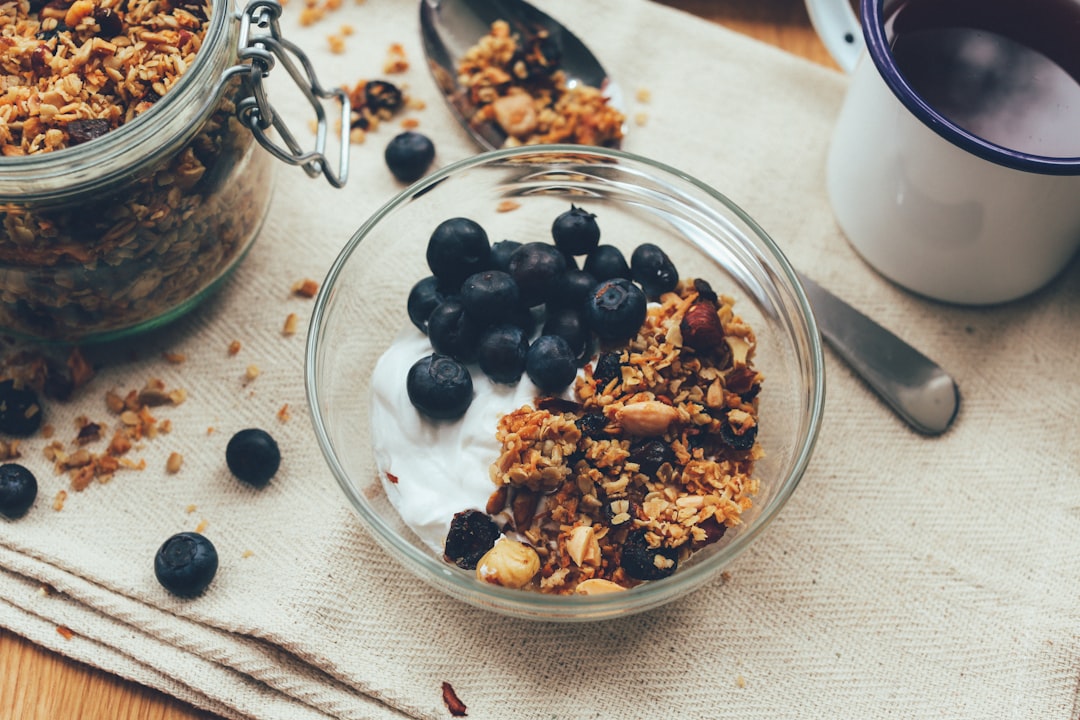
Most store-bought granolas contain between 12-16 grams of sugar per serving, which is nearly half your daily recommended intake before you even add milk. A 2024 study published in the American Journal of Clinical Nutrition found that people consuming high amounts of added sugars daily had a 31% higher risk of cardiovascular disease over a 15-year period. The oats and nuts in granola might seem healthy, but manufacturers often coat them in honey, maple syrup, and brown sugar to make them palatable. What’s worse is that most people pour granola into bowls without measuring, easily consuming double or triple the suggested serving size.
Protein Bars: Ultra-Processed Wolf in Sheep’s Clothing
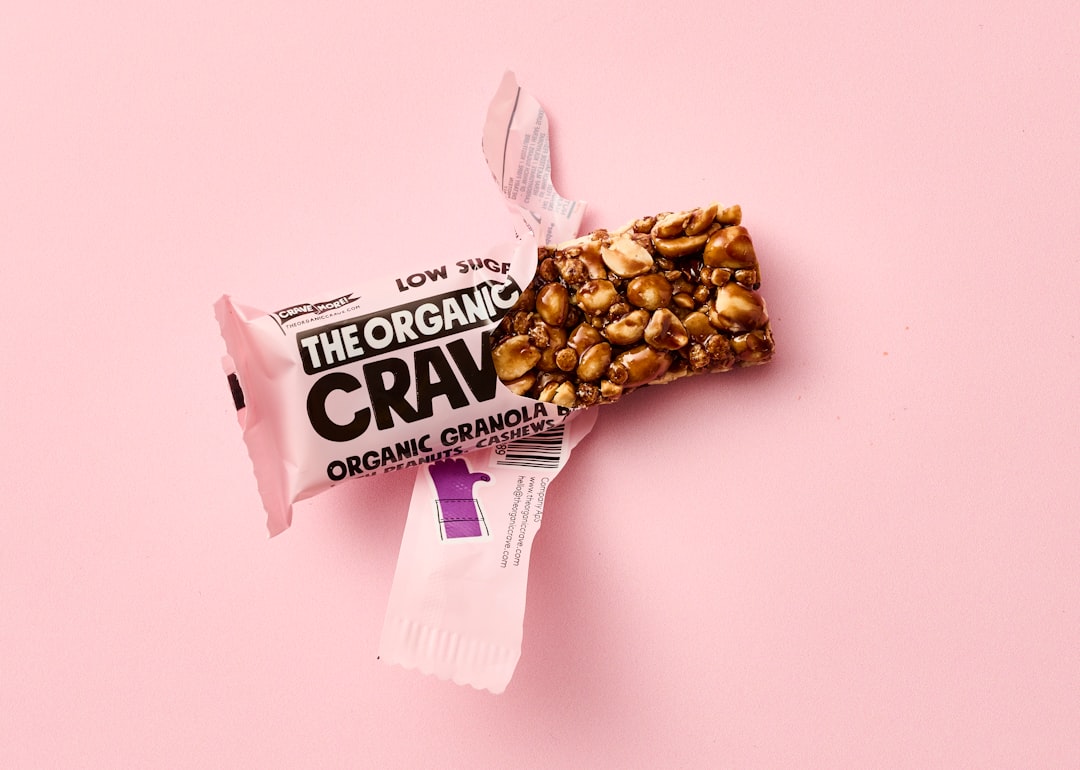
Despite their health claims, most protein bars are classified as ultra-processed foods containing 15-20 different ingredients including artificial sweeteners, preservatives, and synthetic vitamins. Research from Harvard’s School of Public Health in 2023 showed that people eating ultra-processed foods regularly had a 4% higher mortality risk for each 10% increase in their diet. Many protein bars contain as much sugar as candy bars, with some popular brands packing 20+ grams per serving. The protein isolates used are often heavily processed and lack the complete amino acid profile found in whole food sources.
Agave Nectar: The High-Fructose Health Halo

Agave nectar contains up to 90% fructose, making it higher in this problematic sugar than high-fructose corn syrup, which contains about 55% fructose. A longitudinal study from UC Davis in 2023 tracking 50,000 adults found that high fructose intake was linked to increased liver fat accumulation and insulin resistance over 10 years. Unlike glucose, fructose bypasses normal metabolic pathways and goes straight to the liver, where it’s converted to fat through a process called lipogenesis. Marketing campaigns have positioned agave as a “natural” alternative, but its processing is similar to making high-fructose corn syrup.
Vegetable Oils: The Inflammatory Time Bomb
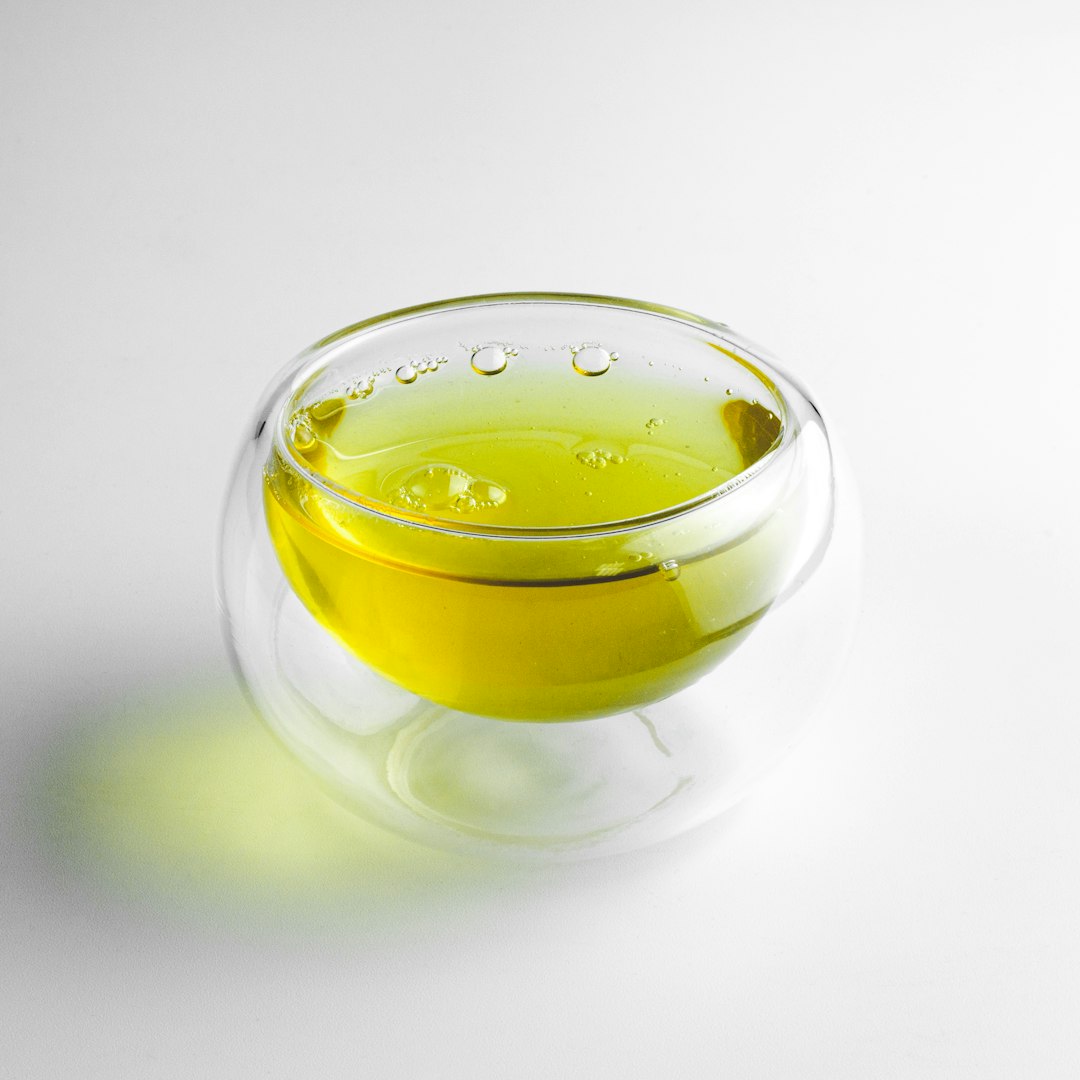
Common cooking oils like soybean, corn, and sunflower oil contain omega-6 fatty acids in ratios up to 50:1 compared to omega-3s, while the optimal ratio should be closer to 4:1. Data from the Framingham Heart Study published in 2024 revealed that people with the highest omega-6 to omega-3 ratios had 43% more inflammatory markers in their blood. These oils undergo extensive processing involving chemical solvents, high heat, and deodorization that creates trans fats and oxidized compounds. The Western diet’s heavy reliance on these oils has been linked to increased rates of arthritis, heart disease, and accelerated cellular aging.
Smoothie Bowls: Liquid Calories in Disguise
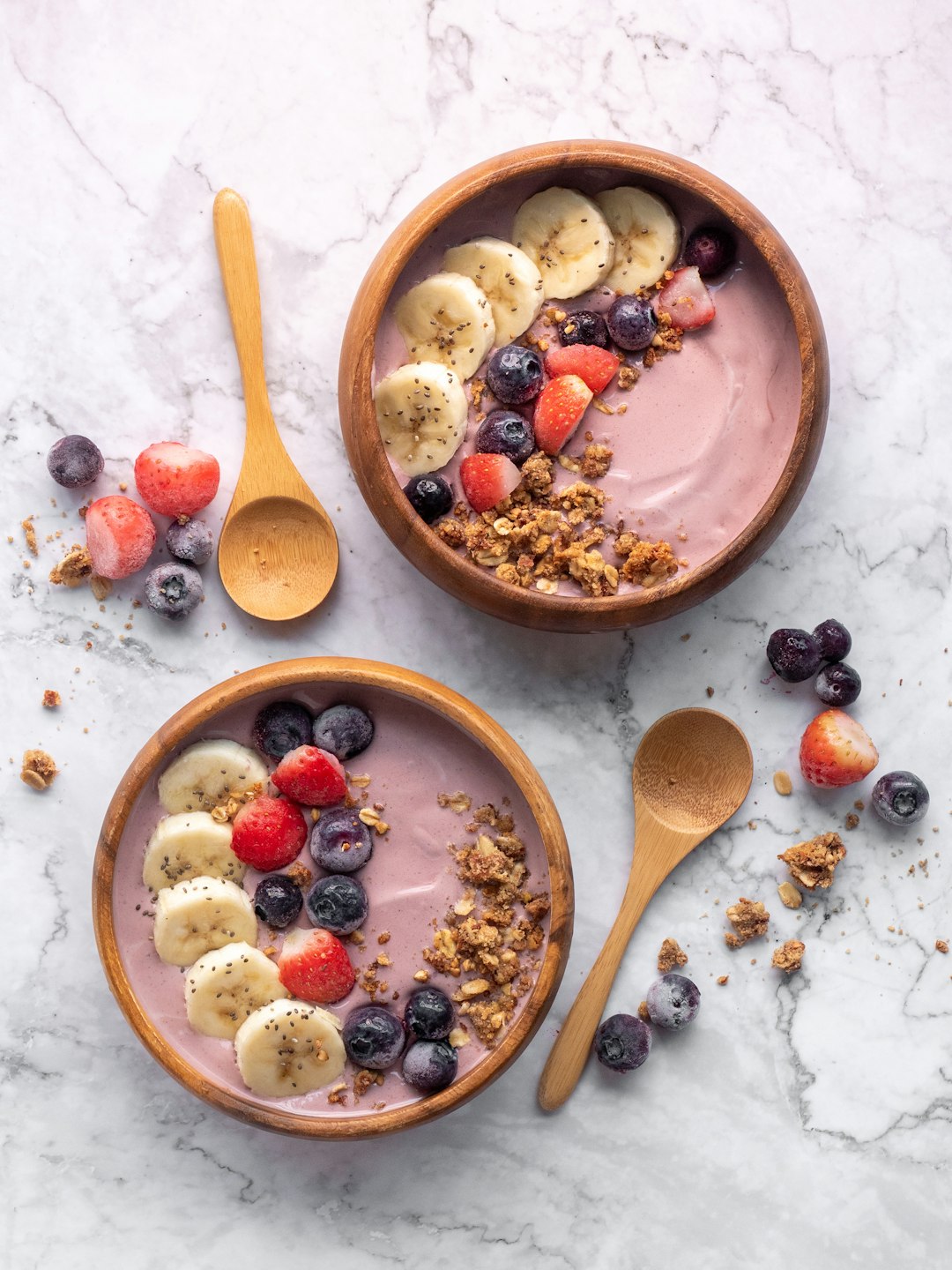
A typical smoothie bowl from popular chains contains 60-80 grams of sugar, primarily from fruit concentrates and added sweeteners, which is equivalent to drinking two cans of soda. Research published in Nutrition & Metabolism in 2024 found that liquid calories don’t trigger the same satiety responses as solid foods, leading to overconsumption throughout the day. The fiber in whole fruits gets broken down during blending, reducing its beneficial effects on blood sugar regulation and gut health. Most smoothie bowls lack adequate protein and healthy fats, causing rapid blood sugar spikes followed by crashes that promote cravings and overeating later.
Quinoa Salads with Store-Bought Dressings
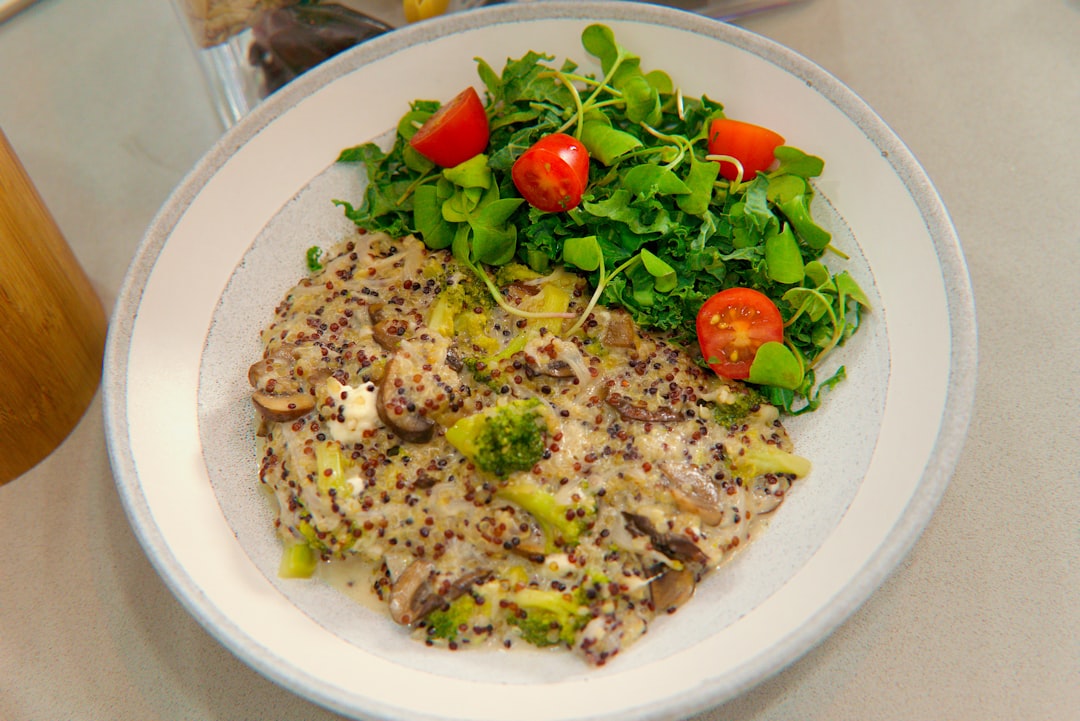
While quinoa itself is nutritious, most restaurant and pre-made quinoa salads are drowning in dressings containing soybean oil, high fructose corn syrup, and preservatives like potassium sorbate. A analysis of 200 commercial salad dressings by the Environmental Working Group in 2023 found that 78% contained ingredients linked to metabolic disruption. Two tablespoons of typical vinaigrette add 120-160 calories and 12-18 grams of inflammatory omega-6 fats to an otherwise healthy meal. The combination of processed oils and added sugars in these dressings can negate the anti-inflammatory benefits of the vegetables and quinoa.
Greek Yogurt with “Fruit on the Bottom”

Flavored Greek yogurts often contain 15-25 grams of added sugar per container, which is more sugar than protein in many cases. A 2024 study in the Journal of Dairy Science found that the fruit preparations used in commercial yogurts are primarily sugar, corn syrup, and artificial flavoring with minimal actual fruit content. The high sugar content feeds harmful bacteria in the gut, potentially negating the probiotic benefits that make plain Greek yogurt beneficial for longevity. Research from the Blue Zones Institute shows that centenarians typically consume fermented dairy products without added sugars, not the candy-like versions common in Western supermarkets.
Whole Grain Breakfast Cereals

Even cereals marketed as “whole grain” and “heart healthy” often contain 8-12 grams of sugar per serving, plus synthetic vitamins that aren’t well-absorbed by the body. A longitudinal study published in The Lancet in 2023 following 120,000 people for 20 years found that those eating fortified breakfast cereals had higher rates of type 2 diabetes despite the whole grain content. The extrusion process used to make these cereals involves extreme heat and pressure that damages the grain’s natural nutrients and creates inflammatory compounds called advanced glycation end products (AGEs). Most people eat 2-3 times the suggested serving size, turning their morning meal into a sugar bomb that sets them up for energy crashes and cravings all day long.