

The Tuskegee Syphilis Study: A Secret Unveiled
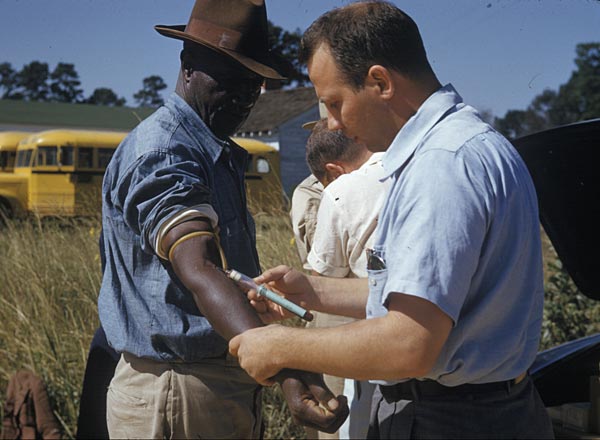
For forty years, hundreds of African American men in Tuskegee, Alabama, were enrolled in a government-run study on syphilis, but were never told they had the disease. Even when penicillin became the standard cure in the 1940s, the men went untreated so doctors could watch the disease progress. This shocking breach of trust was hidden from the public until 1972, when a whistleblower brought the truth to light. The U.S. government eventually admitted responsibility, and President Bill Clinton issued a formal apology in 1997. The scandal permanently changed how medical research is regulated in America, leading to the creation of Institutional Review Boards to protect research subjects. The emotional impact of this betrayal still lingers in many communities today, fueling mistrust toward medical institutions.
Operation Northwoods: Plans for False Flag Attacks
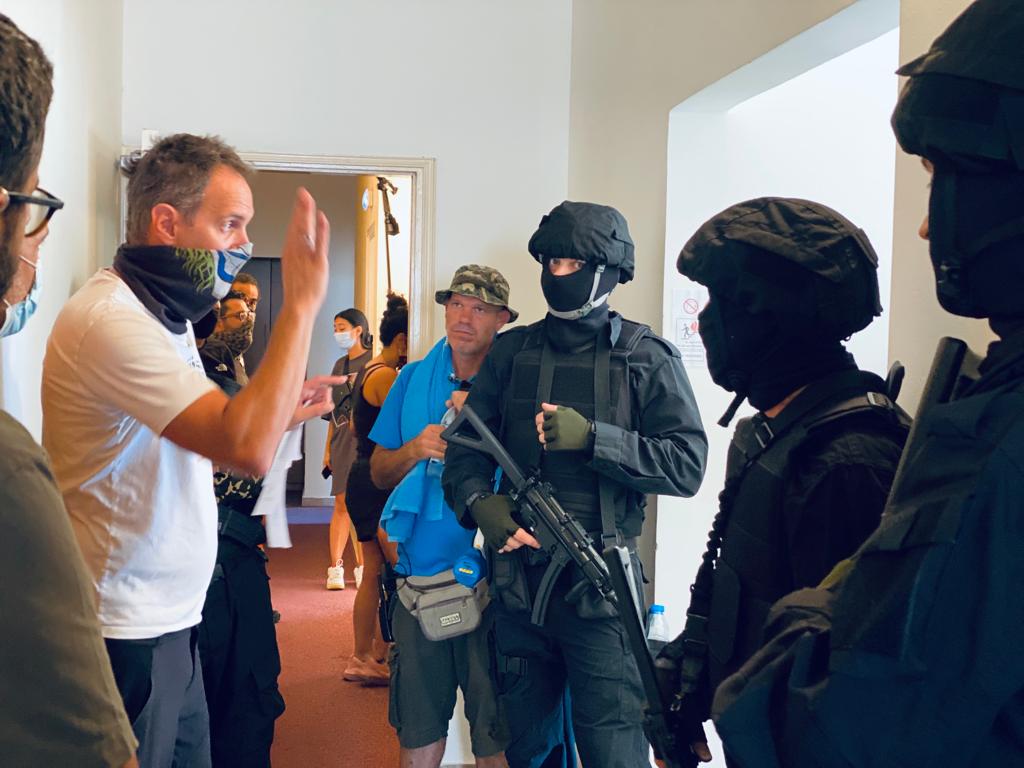
In the early 1960s, high-ranking officials in the U.S. Department of Defense proposed a series of covert operations to justify military intervention in Cuba. These plans, known as Operation Northwoods, included ideas like staging fake attacks on American soil, sinking boats carrying refugees, and even orchestrating hijackings. The documents outlining these plans were declassified in the 1990s, stunning the public with their audacity. While President John F. Kennedy ultimately rejected the proposals, the fact that such ideas were seriously considered by top officials highlights the lengths governments might go to further their agendas. This revelation has since become a prime example of real-life government conspiracy.
MKUltra: The CIA’s Mind Control Experiments
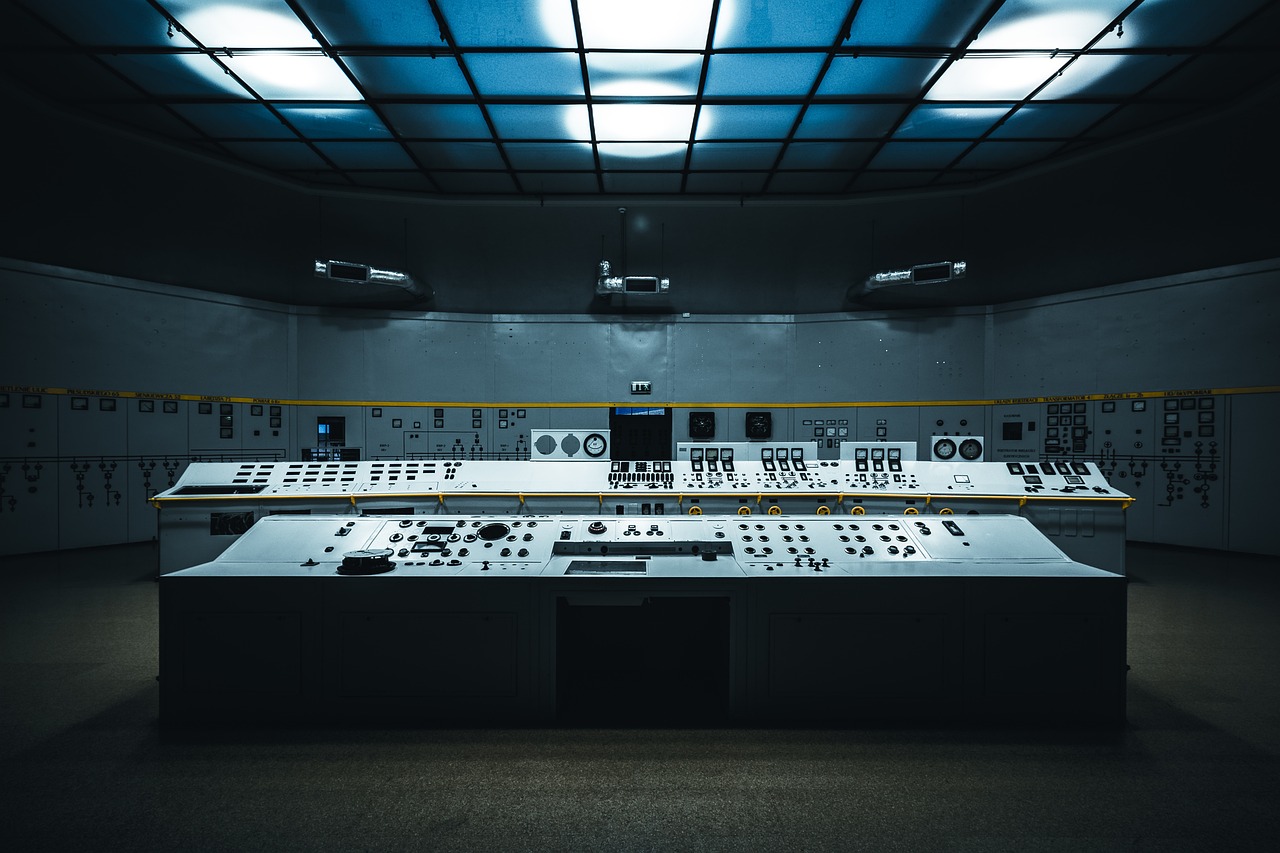
The CIA’s infamous MKUltra program was once dismissed as mere paranoia, but it turned out to be all too real. From the 1950s to the 1970s, the CIA secretly funded experiments with LSD and other drugs on unwitting American and Canadian citizens. The goal was to explore mind control, interrogation, and psychological torture. Details emerged during the Church Committee hearings in 1975, and thousands of pages of documents have since been released. Victims experienced lifelong trauma, and lawsuits followed. The scandal revealed not only unethical behavior but also the terrifying power of unchecked government agencies.
COINTELPRO: Spying on American Citizens

Between 1956 and 1971, the FBI ran a covert program called COINTELPRO, designed to infiltrate, discredit, and disrupt civil rights groups and political activists. Targets included Martin Luther King Jr., the Black Panthers, Native American activists, and anti-war protesters. The program used illegal surveillance, forged documents, harassment, and even attempts to break up marriages. In 1971, activists broke into an FBI office in Pennsylvania and uncovered documents that exposed the operation. The resulting outcry led to congressional investigations and significant reforms in intelligence oversight. COINTELPRO remains a chilling reminder of how far authorities might go to silence dissent.
The Iran-Contra Affair: Secret Arms Deals

In the mid-1980s, the U.S. government secretly sold weapons to Iran, despite an arms embargo, and used the proceeds to fund Contra rebels in Nicaragua. This was all done without congressional approval, making it a direct violation of U.S. law. The scheme unraveled in 1986 when Lebanese newspapers broke the story, leading to televised hearings and multiple convictions. The affair laid bare the shadowy world of covert operations and the limits of executive power. For many Americans, it shattered any lingering notions that their government always played by the rules.
Project Sunshine: Harvesting Human Tissue Without Consent
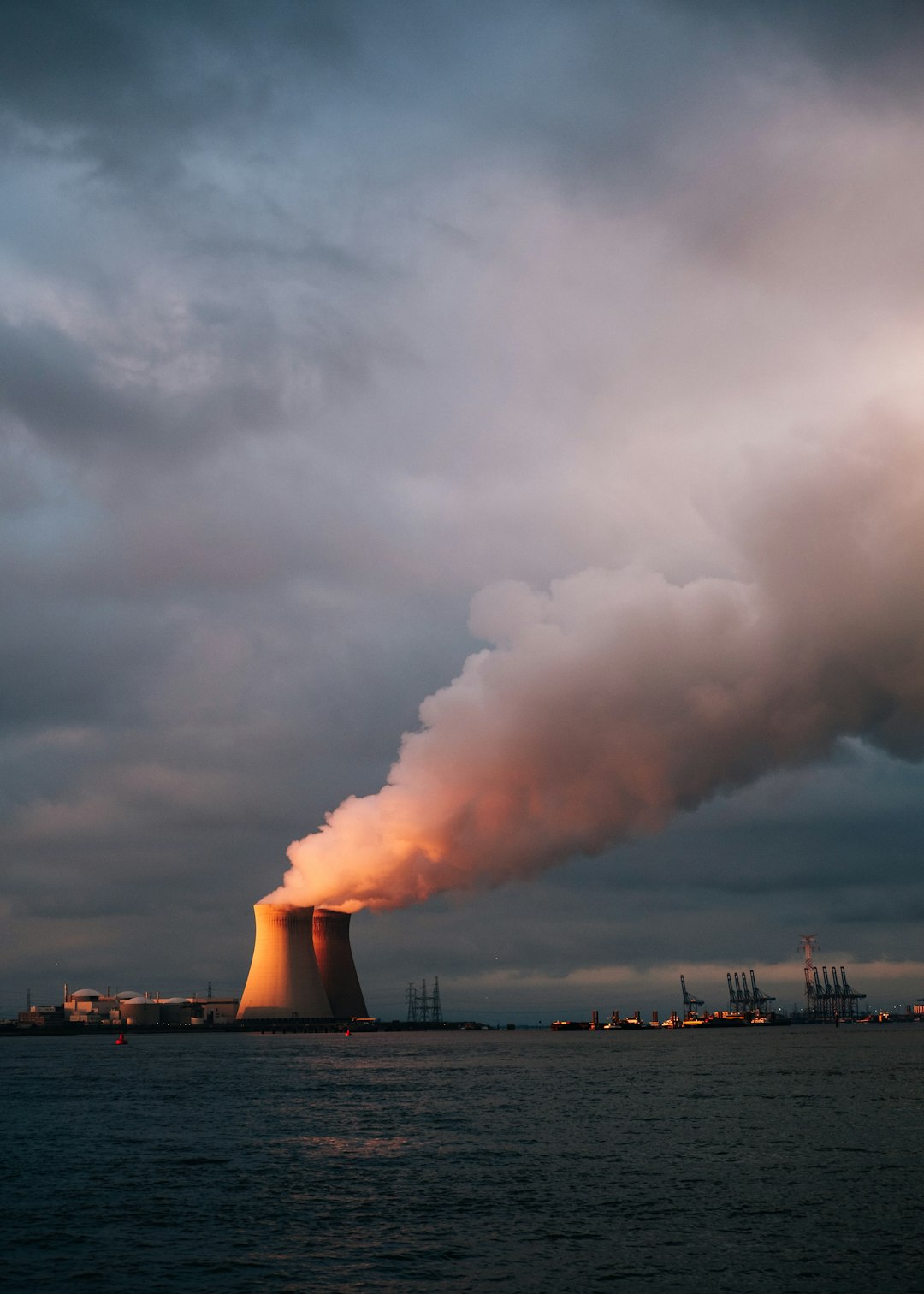
After nuclear bomb tests in the 1950s, the U.S. Atomic Energy Commission launched “Project Sunshine” to study the effects of radioactive fallout on humans. Shockingly, this meant secretly collecting tissue samples from deceased infants and children—often without parental consent. The grim details came out in the 1990s, horrifying the public and raising questions about ethics in scientific research. This real-life conspiracy confirmed fears that the government sometimes placed scientific advancement above basic human rights, leaving families devastated and angry.
Big Tobacco and the Lies About Smoking

For decades, tobacco companies insisted that smoking wasn’t harmful, even as their own internal studies showed otherwise. In the 1990s, whistleblowers and leaked documents revealed that companies like Philip Morris and R.J. Reynolds knew about the risks of cancer and addiction, but deliberately hid the truth from the public. The resulting lawsuits led to billions of dollars in settlements and forced the industry to change its advertising practices. The exposure of this conspiracy had a huge impact on public health, saving countless lives in the years since.
The NSA’s Mass Surveillance Exposed by Edward Snowden
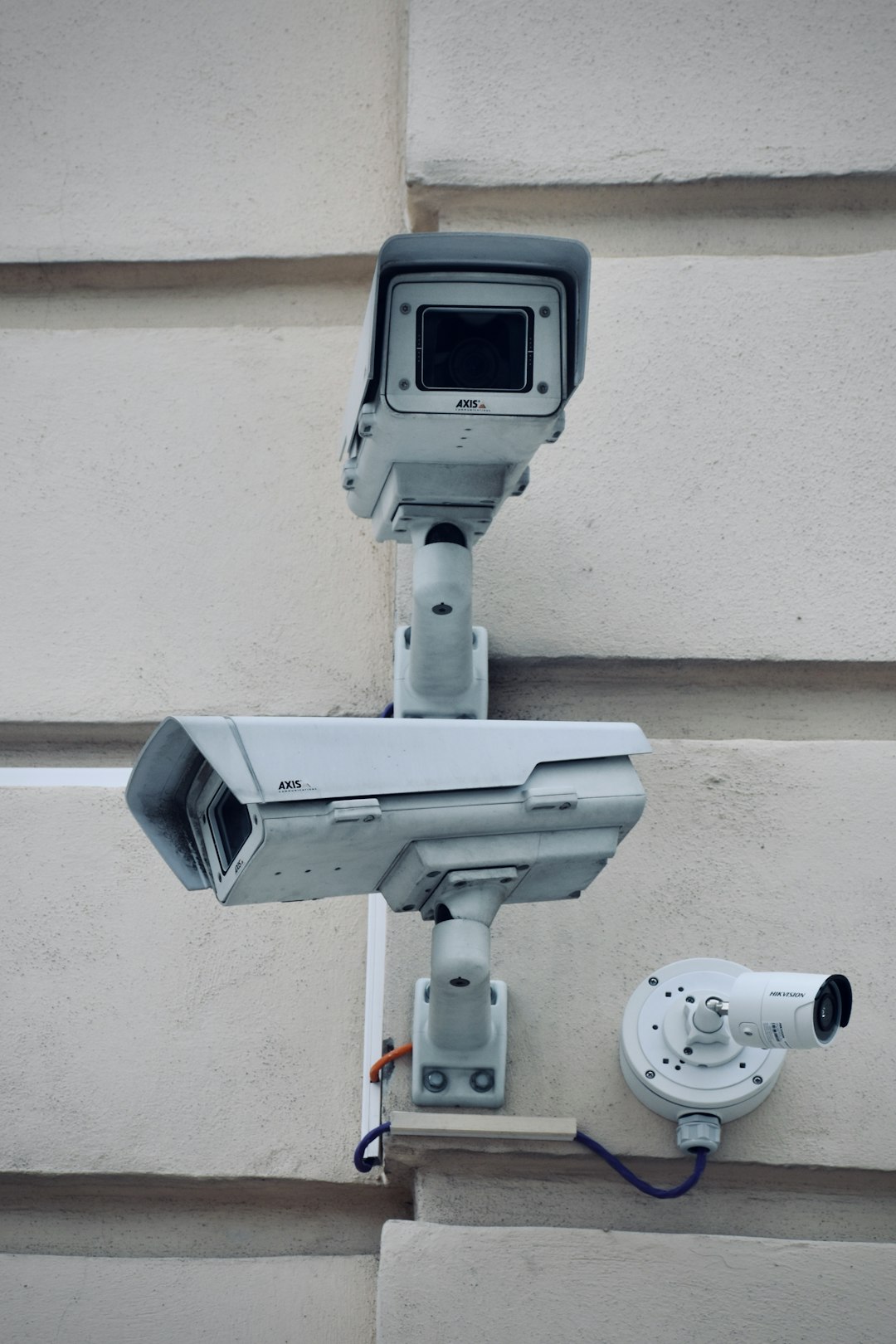
In 2013, former NSA contractor Edward Snowden shocked the world by leaking thousands of classified documents showing that the U.S. government was collecting massive amounts of data on American citizens and people around the globe. The revelations included details about phone metadata collection, PRISM, and other surveillance programs that had been kept secret from the public and even Congress. The fallout was enormous, sparking debates about privacy, security, and the balance of power. Snowden’s leaks confirmed the suspicions of privacy advocates and forced major tech companies to change the way they handle user data.
The Doping Scandal in Russian Sports

For years, rumors swirled about systematic doping in Russian athletics. In 2016, the World Anti-Doping Agency (WADA) released a damning report confirming that the Russian government had orchestrated a massive, state-sponsored doping program. The scandal led to the banning of many Russian athletes from the Olympics and other competitions. It proved that suspicions about sports conspiracies sometimes have a basis in fact, and raised big questions about fairness and the integrity of international competition. Investigations are still ongoing, with new details emerging as recently as 2024.
Operation Mockingbird: Media Manipulation
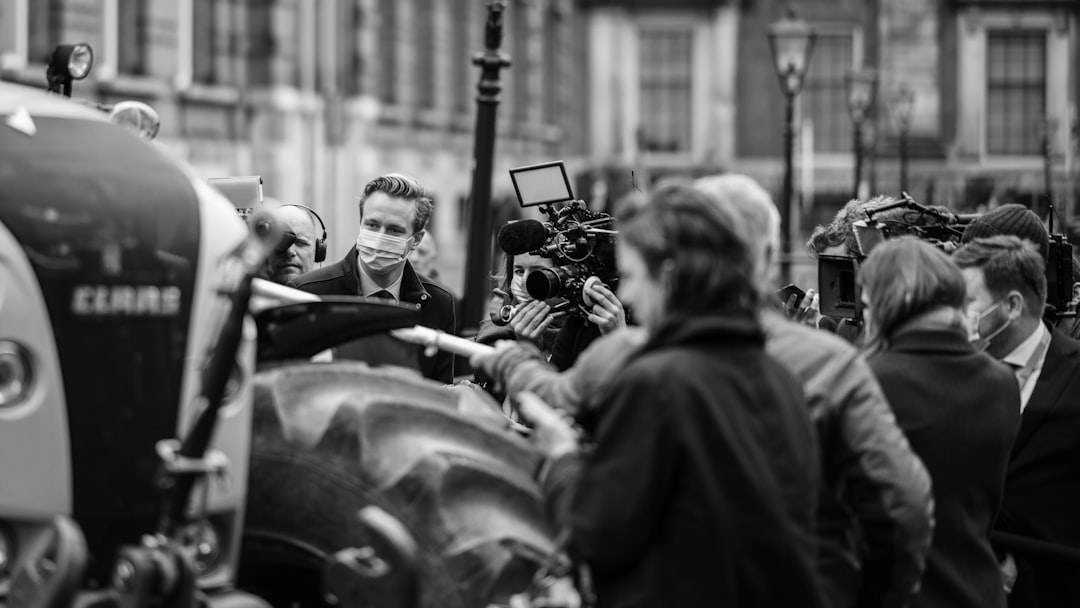
During the Cold War, the CIA ran a program known as Operation Mockingbird, aimed at influencing both foreign and domestic media. The agency recruited journalists from major news outlets to spread propaganda and suppress stories unfavorable to U.S. interests. Details surfaced during the Church Committee investigations in the 1970s, confirming what many had long suspected about government-media collusion. The revelation shook public confidence in the press and has fueled ongoing debates about media independence and government transparency. The echoes of Operation Mockingbird are still felt today, especially in an era of misinformation and “fake news.”