

The Tale of King Arthur: A Hero Meets Betrayal

King Arthur’s legend is filled with magic, bravery, and the shimmering blade of Excalibur. But not many expect that Camelot’s great king would meet his end because of betrayal from those closest to him. After countless victories and uniting all of Britain, Arthur’s downfall came from his own knight, Sir Lancelot, and his beloved Queen Guinevere. The Arthurian stories, especially as retold in Thomas Malory’s “Le Morte d’Arthur,” paint a picture of a hero brought low not by enemies, but by friends and the weight of human flaws. Recent historical analysis has found no definitive record of a real King Arthur, which only makes the legend’s tragic twist more poignant. The Battle of Camlann, where Arthur was mortally wounded by his own son Mordred, is a shocking end for a man destined for greatness. Modern adaptations, like BBC’s “Merlin,” continue to highlight this heartbreak, showing that legends aren’t always about happy endings. Arthur’s story is a reminder that even heroes can fall, sometimes because of the people they love most.
The Trojan Horse: Victory Turns to Tragedy

Everyone knows the story of the Trojan Horse—a masterstroke of Greek cunning that brought down mighty Troy. But what isn’t told as often is how things turned sour for the victors. According to Homer’s “Odyssey” and Virgil’s “Aeneid,” the Greeks’ triumph came at a heavy price. Many heroes, including Agamemnon and Odysseus, suffered terrible fates after returning home. Agamemnon was murdered by his own wife, and Odysseus wandered for years before finally reaching Ithaca. Archaeologists at the ancient site of Troy, now in modern Turkey, have found layers of destruction that support the legend’s violent climax. What began as a tale of cleverness ended as a warning about hubris and the unpredictable aftermath of war. For the Trojans, the horse brought doom; for the Greeks, their victory was tainted by tragedy and loss.
The Monkey King: Sun Wukong’s Surprising Humility
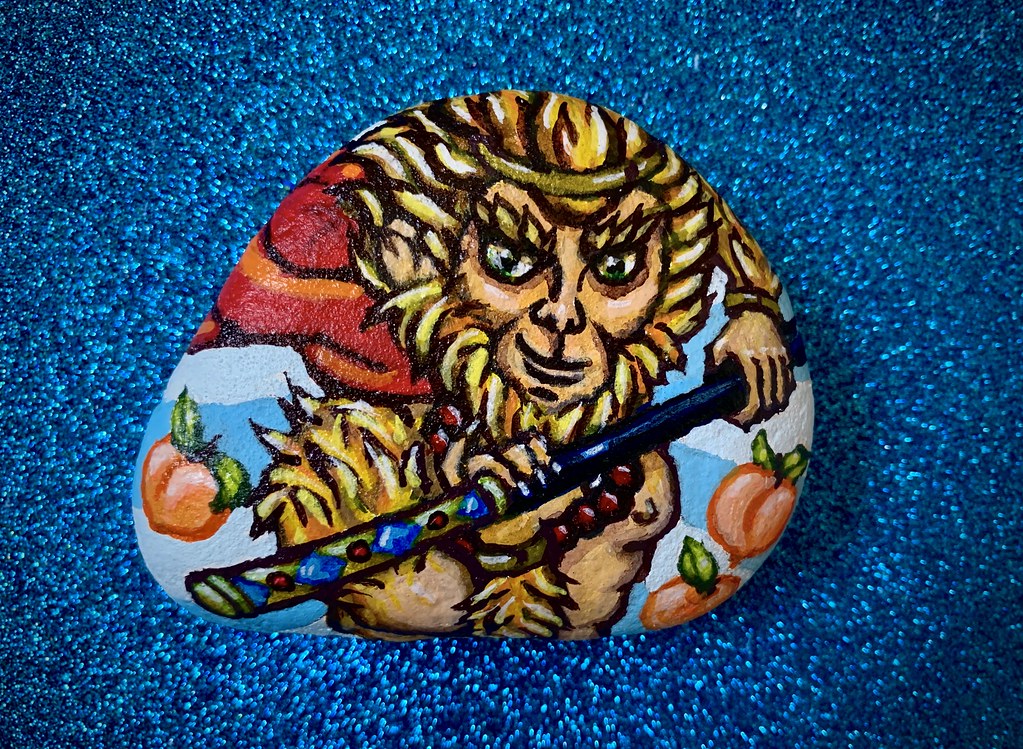
Sun Wukong, the Monkey King from the Chinese classic “Journey to the West,” is known for his wild antics, supernatural strength, and rebellious spirit. He battles gods and demons, wreaking havoc in heaven itself. But the unexpected twist comes when this unstoppable force learns humility and self-restraint. After being imprisoned under a mountain by Buddha for 500 years, Sun Wukong is released to serve the monk Xuanzang. Through hardship and spiritual lessons, he transforms from a proud troublemaker to a loyal protector. Modern scholars highlight this transition as a rare example of a trickster hero choosing wisdom over raw power. In 2024, a new animated adaptation in China drew millions of viewers, showing that people are still fascinated by Sun Wukong’s journey from chaos to calm. It’s a surprising end for a character who once thought himself above the gods.
Robin Hood: The Outlaw’s Lonely Farewell
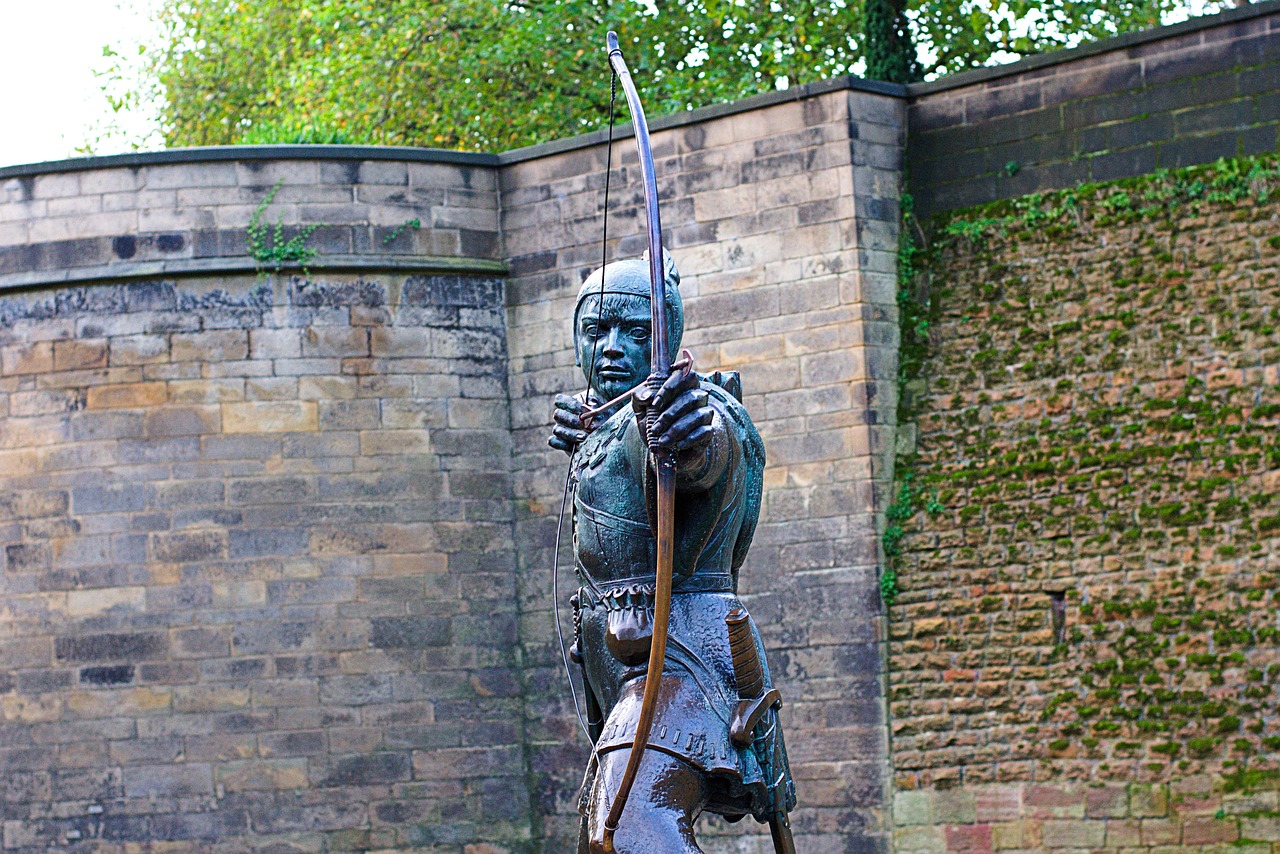
Robin Hood, the legendary outlaw of Sherwood Forest, is celebrated for stealing from the rich and giving to the poor. Most imagine him riding off into the sunset, victorious and beloved. But the old English ballads, especially “A Gest of Robyn Hode,” tell a different story. Robin is eventually betrayed by a trusted ally, the Prioress of Kirklees, and meets a lonely end from a fatal wound. Historical analysis of medieval texts by researchers at the University of Nottingham suggests that these darker endings were common in early versions of the tale. Robin’s death is quiet, without the fanfare of Hollywood, and his legacy is left to his loyal followers. This unexpected ending reminds us that even the boldest rebels are not immune to fate’s cruel hand.
The Legend of El Dorado: Gold, Greed, and Disillusionment

El Dorado, the city of gold, drove explorers mad with dreams of endless riches. Spanish conquistadors like Francisco Orellana and Sir Walter Raleigh searched the Amazon for decades, convinced by tales from indigenous peoples. But the legend’s shock comes in the form of emptiness—no golden city was ever found. Recent research, including 2023 excavations along the Rio Negro in Brazil, has unearthed evidence of complex ancient cities but no trace of El Dorado’s fabled wealth. The real ending is not a chest of jewels, but jungles, disease, and lost lives. The myth’s abrupt disappointment highlights how hope and greed can blind even the bravest adventurers. El Dorado became a symbol, not of riches, but of the dangers of obsession.
Orpheus and Eurydice: Love Lost in a Glance
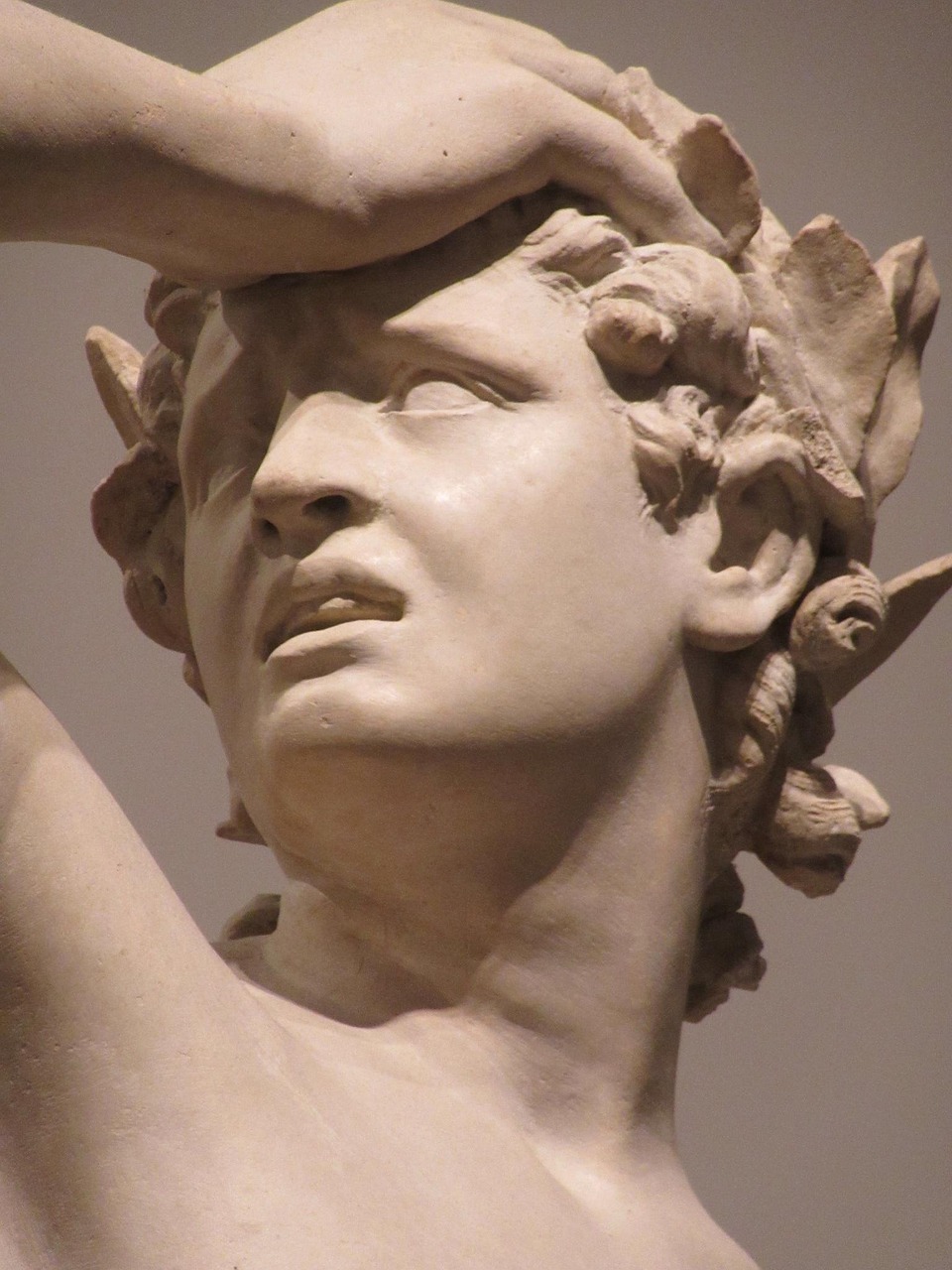
The Greek myth of Orpheus and Eurydice is a heartbreaking tale of love and loss. Orpheus, the world’s greatest musician, journeys to the underworld to save his beloved Eurydice. Hades agrees to let her go—on one condition: Orpheus must not look back at her until they reach the surface. Just steps away from freedom, Orpheus turns, and Eurydice vanishes forever. This cruel twist has inspired countless artists and composers, from ancient playwrights to modern movies like “Hadestown.” In psychological studies, such as those published in “The Journal of Mythology” in 2022, the story is often cited as an example of human doubt sabotaging happiness. The legend’s devastating end is a stark reminder that one small mistake can change everything.
The Flying Dutchman: The Curse that Never Breaks

The ghostly ship known as the Flying Dutchman haunts the seas, doomed to sail forever without making port. Sailors have reported sightings for centuries, especially off the coast of the Cape of Good Hope. The legend’s twist is that, despite countless attempts to break the curse—by love, bravery, or bargains—the ship and its captain never find peace. Recent maritime surveys, like the 2024 National Maritime Museum report, confirm that the legend still grips the imagination of those at sea, with new “sightings” recorded every year. The Flying Dutchman’s endless wandering is a metaphor for the burdens we carry, never finding rest, no matter how hard we try.