

Parking That RV in the Driveway

You’ve probably seen them in driveways across America – giant RVs and travel trailers parked where they don’t belong. Many homeowners unknowingly violate local ordinances by parking large commercial vehicles—like trucks or vans—in residential driveways. These rules aim to preserve neighborhood aesthetics and reduce congestion. Disregarding these rules may lead to hefty fines—or even having your vehicle towed away. Check municipal codes to understand size restrictions and designated parking areas before leaving commercial vehicles at home. California state rarely permits you to park your RV permanently in your driveway, but you can temporarily park it in your driveway. Delaware state does not allow you to park an RV on private roadways and driveways. If you only need to park your RV on your property for one or two days, you can get a temporary RV parking permit from your local city hall. These permits are typically good for one to two nights and legally allow you to park your RV anywhere on your property or on residential streets.
Making Noise During “Quiet Hours”

Many homeowners unknowingly break local noise laws by hosting late-night parties, playing loud music, or running power tools during restricted hours. Noise ordinances are designed to maintain neighborhood peace and prevent disturbances. Violating these rules can lead to fines or complaints from neighbors. Being mindful of quiet hours and keeping noise levels reasonable helps avoid legal trouble and fosters better community relations. Most local noise ordinances designate “quiet hours”—for example, from 10 p.m. to 7 a.m. on weekdays and until 8 or 9 a.m. on weekends. So, running a power mower might be permitted at 10 a.m. on Saturday, but not at 7 a.m. Under the guidelines of Section 415 of the California Penal Code, it is illegal for any resident to knowingly create loud and unreasonable noises as a means of disturbing another. Those convicted of violating this law face a maximum of 90 days in jail and/or a maximum fine of $400.00.
Building Fences Without Permits

Here’s something that catches thousands of homeowners off guard every year – building that perfect privacy fence without the proper paperwork. Many homeowners install fences without checking local regulations or securing permits. Overlooking permits can result in costly fines or being forced to tear down or alter your fence unexpectedly. Rules often dictate fence height, materials, and placement—especially near sidewalks or streets. Obtaining a permit ensures your fence complies with safety and aesthetic standards, avoiding costly disputes with neighbors or city officials down the line. What seems like a simple weekend project can turn into a nightmare if you don’t follow local building codes. Some jurisdictions have specific requirements about height, materials, and even the color of your fence.
Pointing Security Cameras at Neighbors
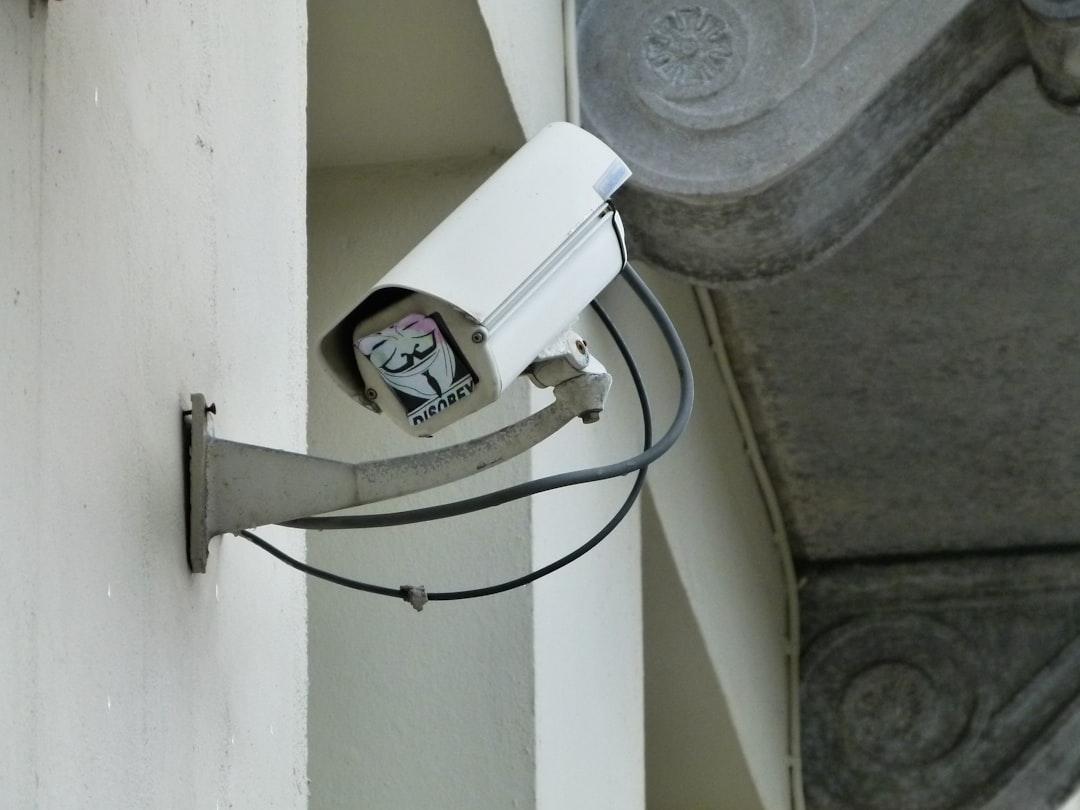
While security cameras are common, placing them to record neighbors’ private property or windows violates privacy laws. Such invasions can lead to legal action and strained community relations. Homeowners should position cameras to monitor their own property only, respecting neighbors’ boundaries while maintaining safety and peace of mind. Think about it this way – you wouldn’t want your neighbor watching your every move through your kitchen window, so why would you think it’s okay to do the same to them? Many homeowners install these systems with good intentions but end up crossing legal lines they didn’t even know existed. The key is keeping your cameras focused strictly on your own property boundaries.
Cutting Down Protected Trees
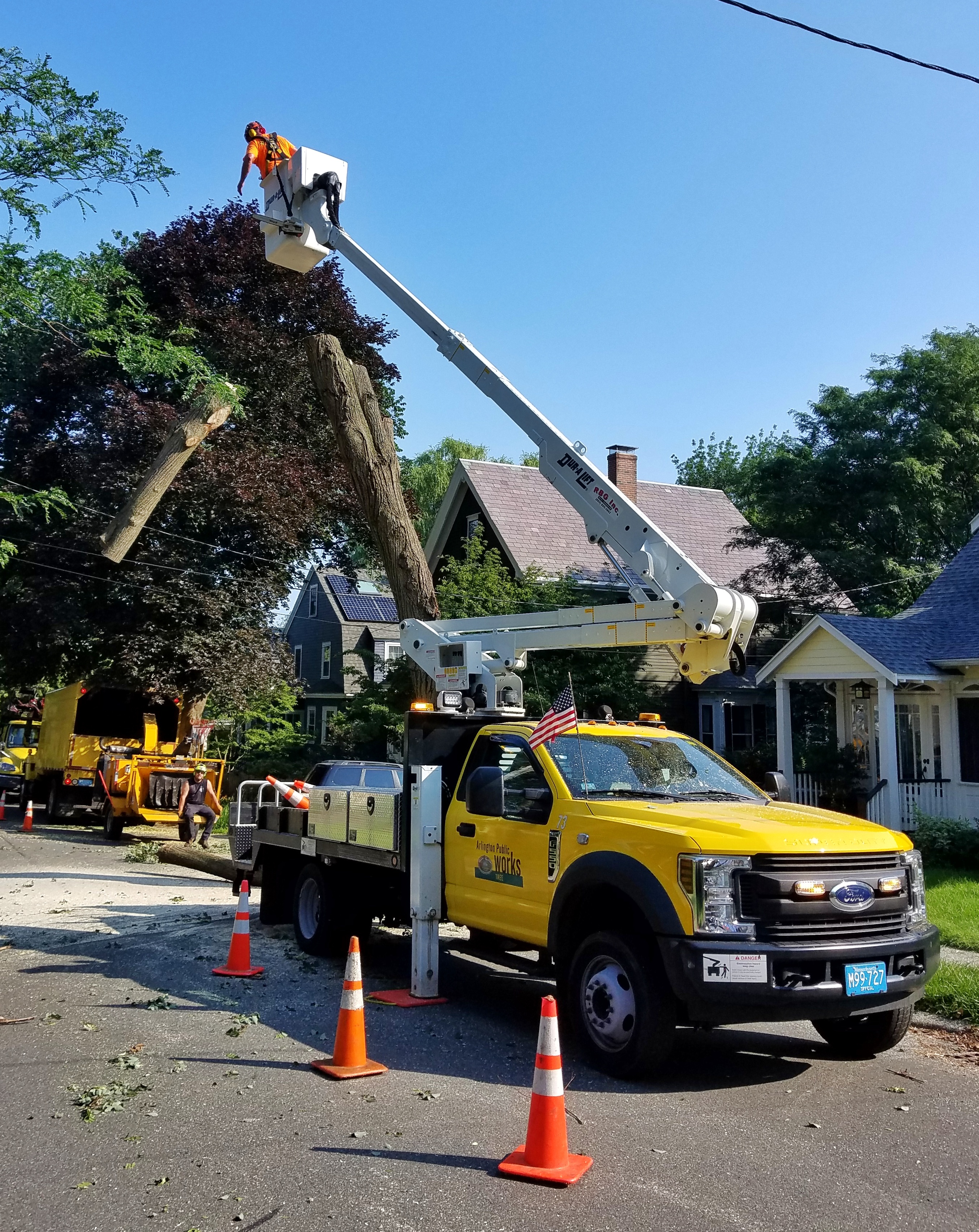
That old oak tree blocking your view might seem like fair game since it’s on your property, but hold your chainsaw. Cutting down or significantly altering protected or historic trees without proper authorization is illegal in many areas. These trees often have cultural or environmental importance, and removing them can result in hefty fines or mandated replanting. Homeowners must check with local authorities or tree boards before any major landscaping to ensure compliance and preserve neighborhood heritage. Some cities consider certain trees historic landmarks, while others protect species that are important to local ecosystems. Before you start any tree removal project, contact your local forestry department or city planning office. The fines for illegal tree removal can reach thousands of dollars, and in some cases, you’ll be required to plant multiple replacement trees at your own expense.
Installing Unpermitted Outdoor Fire Features

Backyard fire pits have become incredibly popular, but many homeowners don’t realize they need permits for these cozy additions. Outdoor fire pits and grills must meet safety codes and local regulations regarding size, location, and fuel type. Using non-compliant or makeshift fire features can be illegal and dangerous, risking fire hazards and fines. Before installing, check local fire codes and HOA rules to ensure your setup is safe, legal, and neighbor-friendly. The regulations aren’t just bureaucratic red tape – they’re designed to prevent house fires and keep neighborhoods safe. Some areas require fire pits to be a certain distance from structures, while others have restrictions on fuel types or require permanent installation by licensed contractors.
Putting Up Signs Without Permission

Installing signs—whether for sales, advertisements, or personal messages—without permits often violates local zoning laws. That “For Sale” sign in your yard, the garage sale banner, or even that cute welcome sign by your front door might be illegal depending on your local ordinances. Many cities have strict rules about signage to maintain neighborhood aesthetics and prevent visual clutter. These regulations often cover the size, placement, duration, and type of signs allowed on residential property. Some HOAs are even stricter than city codes, prohibiting almost all exterior signage except for approved house numbers.
Living in RVs on Your Property
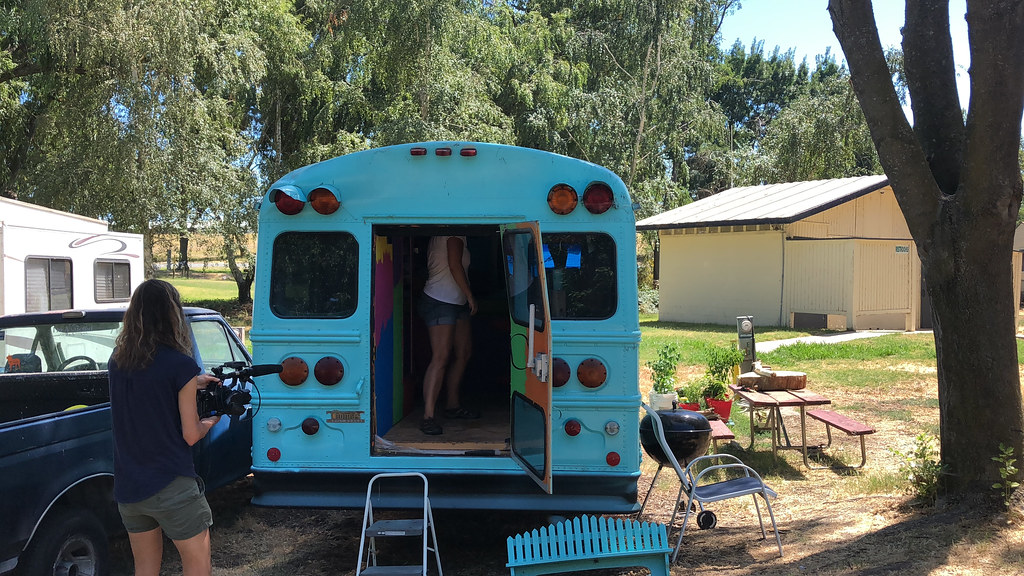
The dream of having guests stay in an RV in your backyard can quickly become a legal nightmare. What is illegal, however, is using the RV or camper as a permanent dwelling. Laws and regulations typically prohibit using an RV as a long-term or permanent residence on your property, as this could violate zoning laws or building codes. Therefore, while occasional use is usually acceptable, converting your RV into a permanent living space is not permitted. In Idaho, an RV can only be a permanent residence on private property if it has proper wastewater hookups and isn’t located inside an enclosed building. Occupancy is limited to six months and prohibited between November 30th and March 15th. Most residential areas are zoned specifically for traditional housing, not mobile homes or RVs as permanent residences.
Parking Commercial Vehicles at Home
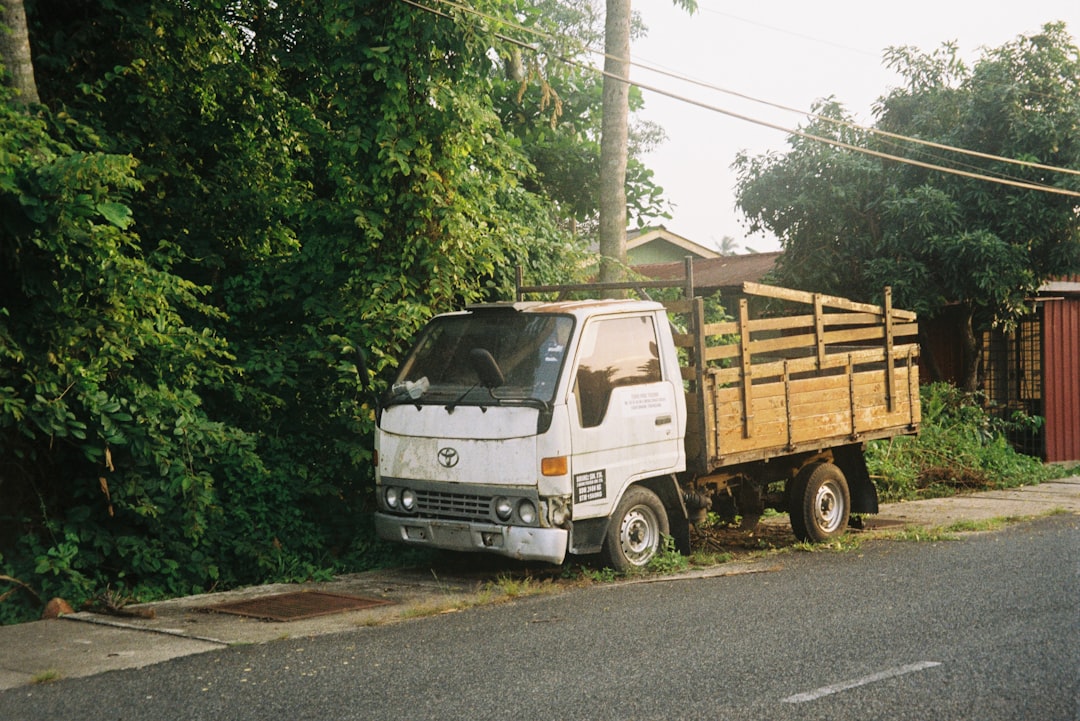
That work truck or van you drive home every night might be breaking the law in your neighborhood. Many homeowners unknowingly violate local ordinances by parking large commercial vehicles—like trucks or vans—in residential driveways. These rules aim to preserve neighborhood aesthetics and reduce congestion. Disregarding these rules may lead to hefty fines—or even having your vehicle towed away. Check municipal codes to understand size restrictions and designated parking areas before leaving commercial vehicles at home. These restrictions typically apply to vehicles over a certain weight limit, those with commercial lettering, or trucks with multiple axles. The rules exist to maintain the residential character of neighborhoods and prevent them from looking like industrial zones.
Operating Unpermitted Home Businesses

Running a business from your home seems harmless enough, but many homeowners cross legal lines without realizing it. Whether you’re cutting hair in your garage, running a daycare, or operating an online business with frequent deliveries, you might need special permits or licenses. Most residential areas have strict zoning laws about commercial activities, and operating without proper permits can result in fines, cease-and-desist orders, or even legal action from neighbors. The increased traffic, noise, and activity from home businesses can violate neighborhood covenants and local ordinances.
Installing Unpermitted Electrical Work

DIY electrical projects are incredibly dangerous and often illegal when done without permits. Many homeowners think they can handle simple electrical work like adding outlets, installing ceiling fans, or upgrading electrical panels, but most jurisdictions require licensed electricians and proper permits for this work. The consequences go beyond fines – unpermitted electrical work can void your homeowner’s insurance, create fire hazards, and make your home difficult to sell. Insurance companies can deny claims if they discover unpermitted electrical modifications caused a fire or other damage.
Storing Prohibited Items in Garages

Your garage might seem like the perfect place to store anything, but local fire codes often prohibit storing certain hazardous materials in attached garages. Items like large quantities of gasoline, propane tanks, paint thinners, and other flammable materials can violate fire safety codes. Some areas also prohibit storing recreational vehicles, boats, or commercial equipment in residential garages. These restrictions exist to prevent fires from spreading to the main house and to maintain the residential character of neighborhoods. HOAs often have additional restrictions on what can be visible in open garage doors.
Extending Structures Without Permits

Building that perfect deck, adding a room addition, or converting your garage into living space without permits is surprisingly common – and completely illegal in most areas. These projects require building permits to ensure they meet safety codes, zoning requirements, and structural standards. Unpermitted additions can create serious problems when selling your home, as buyers may demand they be brought up to code or removed entirely. Building departments can also force you to tear down unpermitted structures, resulting in thousands of dollars in wasted materials and labor.
Did you know that something as simple as parking your RV could land you in legal trouble? Most homeowners break these rules without ever realizing they’re doing anything wrong, but ignorance isn’t a defense when the fines start rolling in.