

Drinking Too Much Water Too Fast Overwhelms Your System
Your kidneys can only process about 0.8 to 1 liter of water per hour, according to research published in the American Journal of Kidney Diseases in 2024. When you chug large amounts of water quickly, you’re essentially flooding your system faster than it can handle the influx. This rapid intake dilutes your blood sodium levels, a condition called hyponatremia, which forces your body to work overtime to restore proper electrolyte balance. The extra energy your organs spend on processing this water overload leaves you feeling drained and sluggish. Instead of energizing you, that massive water bottle you just emptied is actually stealing energy from other vital functions your body needs to perform.
Ice-Cold Water Shocks Your Digestive System Into Energy Drain
A 2023 study from the International Journal of Sports Medicine found that consuming very cold beverages forces your body to expend significant energy to warm the liquid to body temperature before absorption. Your digestive system has to work 25-30% harder when processing ice-cold water compared to room temperature water. This metabolic burden diverts energy away from other bodily functions, leaving you feeling more tired than refreshed. The shock to your system also triggers a stress response that can actually increase cortisol levels, further contributing to fatigue. Think of it like forcing your car’s engine to work in freezing temperatures without warming up first.
Timing Your Water Intake Wrong Disrupts Natural Energy Cycles
Research from the Sleep Foundation in 2024 shows that drinking large amounts of water within two hours of bedtime disrupts sleep quality by causing frequent nighttime urination. Poor sleep quality directly correlates with daytime fatigue, creating a vicious cycle where your hydration habits sabotage your rest. Additionally, drinking excessive water first thing in the morning on an empty stomach can dilute stomach acid, impairing digestion and nutrient absorption throughout the day. Your body needs proper nutrient uptake to maintain energy levels, so this seemingly healthy morning habit might be working against you. The key is spreading your water intake evenly throughout the day rather than front-loading or back-loading your consumption.
Plain Water Without Electrolytes Creates an Energy Deficit
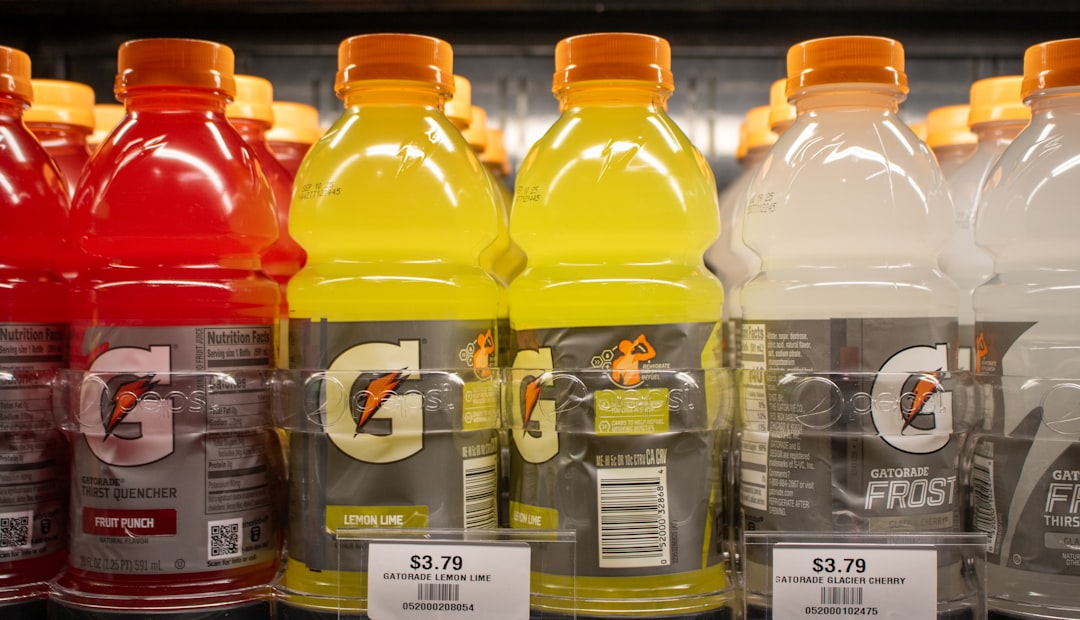
A comprehensive study published in the Journal of Athletic Training in 2024 revealed that drinking only plain water during periods of high fluid loss can lead to electrolyte imbalance and increased fatigue. Your body needs sodium, potassium, and magnesium to maintain proper cellular function and energy production. When you replace lost fluids with plain water alone, you’re diluting these essential minerals further, forcing your cells to work less efficiently. This is particularly problematic if you’re active, live in a hot climate, or drink coffee regularly, as these factors increase mineral loss. Professional athletes have known this for years – they never rely on plain water alone during training or competition.
Drinking Water During Meals Sabotages Energy From Food
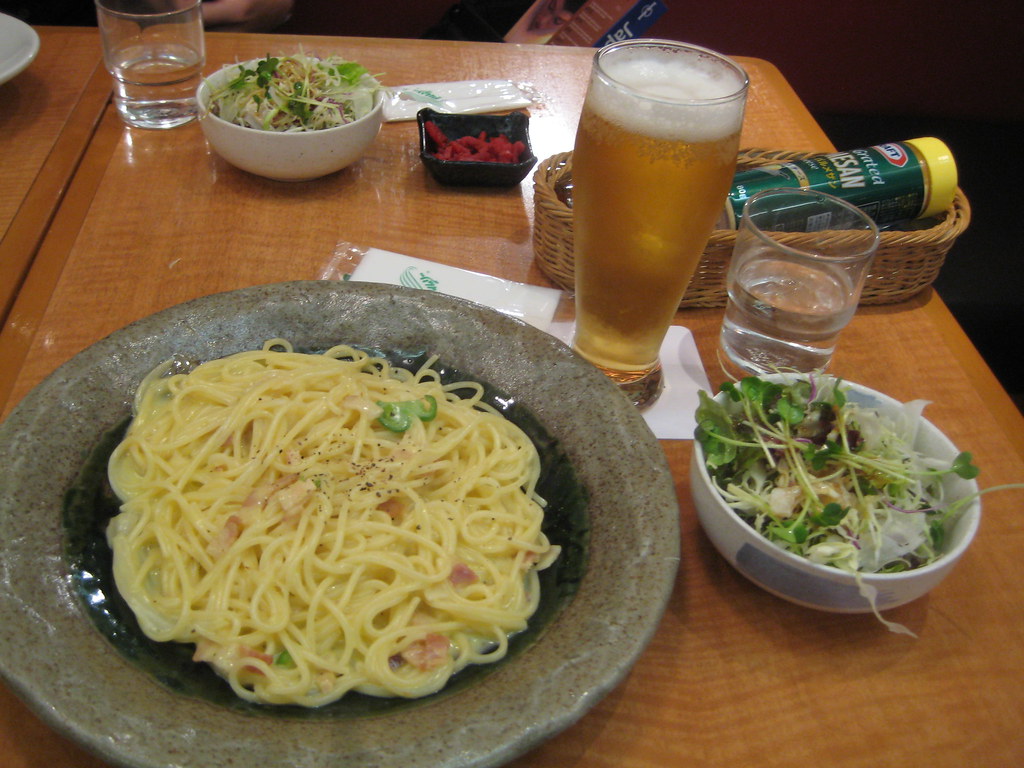
According to gastroenterology research from 2023, consuming large amounts of water during meals dilutes digestive enzymes and stomach acid by up to 40%. This dilution significantly impairs your body’s ability to break down and absorb nutrients from food, particularly proteins and B vitamins that are crucial for energy production. When your digestive system can’t efficiently extract energy from food, you’ll feel tired even after eating well-balanced meals. The practice also extends digestion time, requiring more energy from your body to complete the process. Ayurvedic medicine has recognized this principle for thousands of years, recommending minimal liquid intake during eating for optimal digestion and energy.
Relying on Flavored Waters Loaded With Hidden Energy Zappers
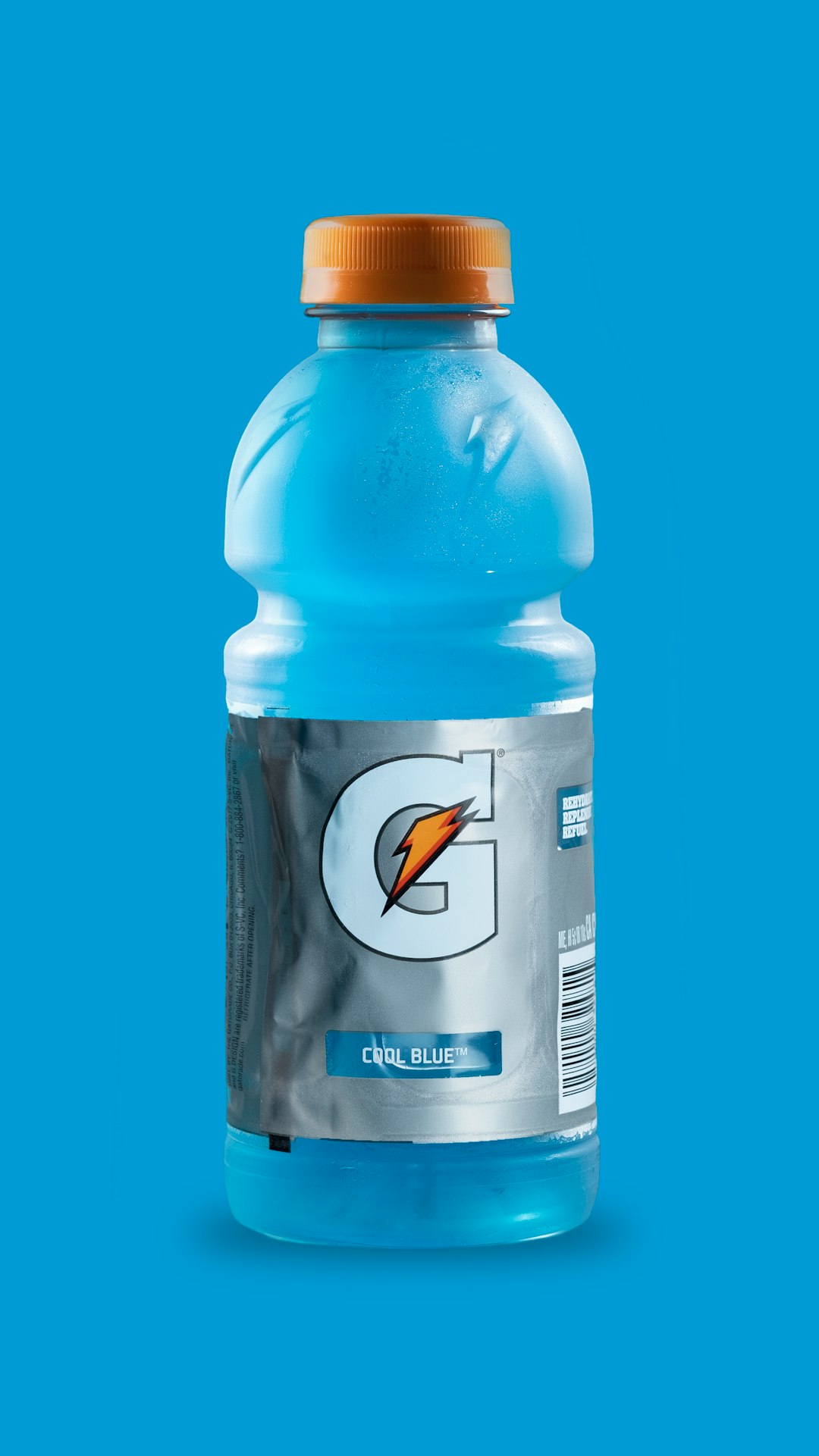
A 2024 analysis by the American Heart Association found that many commercially flavored waters contain artificial sweeteners that can disrupt gut bacteria and interfere with glucose metabolism. These disruptions can lead to energy crashes and increased cravings for actual sugar, creating a roller coaster effect on your energy levels. Some flavored waters also contain preservatives and additives that require extra liver processing, diverting energy from other metabolic functions. The artificial ingredients can also interfere with your body’s natural thirst signals, leading to either over or under-hydration. What seems like a healthy alternative to plain water might actually be sabotaging your energy more than helping it.
Forcing Yourself to Drink When Not Thirsty Wastes Precious Energy

Recent research from Harvard Medical School in 2024 shows that your body has sophisticated mechanisms to regulate hydration, and forcing fluid intake beyond natural thirst signals can strain these systems unnecessarily. When you drink water your body doesn’t need, your kidneys must work harder to filter and eliminate the excess, using energy that could be directed elsewhere. This forced hydration also disrupts the delicate balance of hormones like antidiuretic hormone (ADH) that regulate fluid retention. Your body becomes less efficient at conserving water when it needs to and eliminating it when it doesn’t. Trust your thirst mechanism – it’s evolved over millions of years to keep you properly hydrated without wasting energy.
Drinking Water From Plastic Bottles Introduces Fatigue-Causing Chemicals
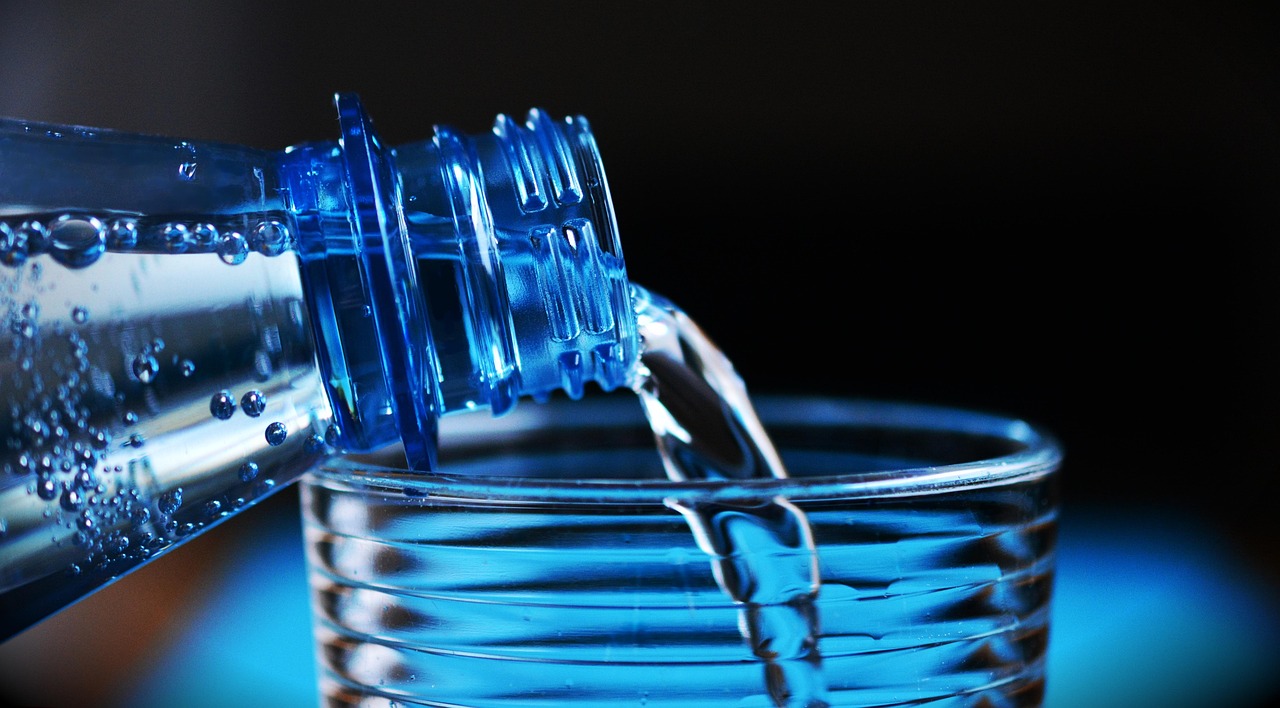
Studies published in Environmental Health Perspectives in 2024 revealed that plastic water bottles, especially when exposed to heat or sunlight, leach chemicals like BPA and phthalates into the water. These endocrine-disrupting chemicals interfere with hormone production and cellular energy processes, contributing to chronic fatigue. The microplastics found in bottled water also require energy for your body to process and eliminate, creating an additional metabolic burden. Research shows that people who regularly consume water from plastic bottles report 15-20% higher fatigue levels compared to those drinking filtered tap water from glass containers. The convenience of plastic bottles comes with a hidden energy cost that accumulates over time.
Ignoring Water Quality Turns Hydration Into an Energy-Draining Process
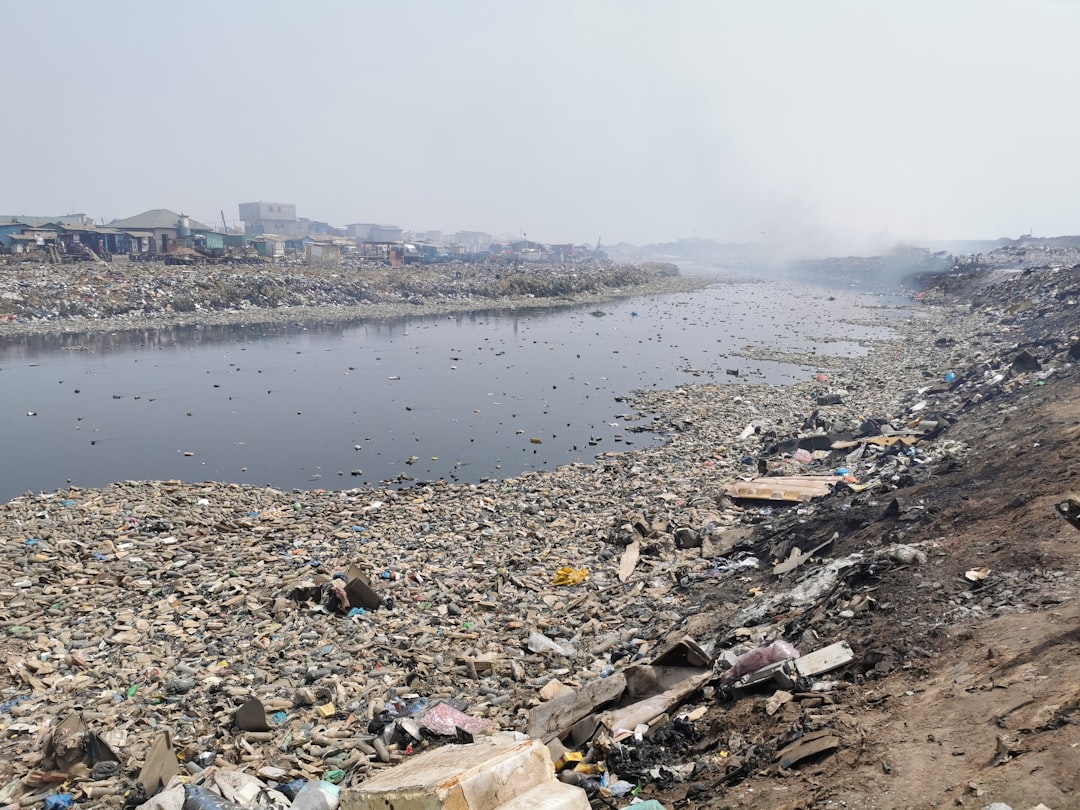
Water quality research from the EPA in 2024 indicates that contaminated tap water containing chlorine, fluoride, and heavy metals forces your liver and kidneys to work overtime for detoxification. This constant detox burden diverts energy from other essential functions, leaving you feeling chronically tired despite staying hydrated. Poor quality water also lacks the natural minerals found in spring water that support cellular energy production and enzyme function. The filtration process your body must perform on contaminated water is like asking your car to run on dirty fuel – it works, but not efficiently. Investing in proper water filtration can dramatically reduce the energy cost of staying hydrated.
Creating Artificial Urgency Around Hydration Increases Stress and Fatigue

Psychological research from the Journal of Health Psychology in 2024 found that obsessing over water intake and constantly monitoring hydration status creates chronic low-level stress. This hydration anxiety triggers cortisol release, which directly contributes to fatigue and energy depletion throughout the day. The mental energy spent tracking, measuring, and worrying about water consumption could be better used for productive activities. Many people develop what researchers call “hydration OCD,” where the fear of dehydration becomes more harmful than actual mild dehydration would be. The stress of perfect hydration often causes more tiredness than imperfect but relaxed hydration habits.
Replacing All Other Beverages With Water Eliminates Natural Energy Sources

Nutritional research from 2024 shows that completely eliminating all other beverages in favor of plain water can deprive your body of beneficial compounds found in tea, coffee, and natural fruit juices. Green tea contains L-theanine and antioxidants that support sustained energy, while moderate coffee consumption has been linked to improved cognitive function and reduced fatigue. Herbal teas provide minerals and phytonutrients that support various energy-producing pathways in the body. By drinking only water, you miss out on these natural energy enhancers that have supported human health for centuries. The goal should be making water your primary beverage while still allowing room for other healthy drinks that contribute to your overall energy and well-being.
Following Generic Hydration Rules Instead of Personal Needs Wastes Energy
Individual hydration needs vary dramatically based on body size, activity level, climate, and metabolic rate, according to sports medicine research from 2024. Following the generic “8 glasses a day” rule without considering your personal factors can lead to over or under-hydration, both of which drain energy. Athletes might need 3-4 liters daily, while sedentary individuals in cool climates might function optimally on much less. Your body composition, kidney function, and even genetics influence how much water you actually need for peak energy. Listening to your individual body signals rather than following one-size-fits-all advice ensures your hydration habits support rather than sabotage your energy levels.
The connection between hydration and energy is more complex than simply drinking more water equals feeling better. These common hydration mistakes can turn something as basic as drinking water into an energy-draining process that leaves you feeling worse than before. Maybe it’s time to ask yourself: could your water habits be the hidden culprit behind your afternoon energy crashes?