

“Macarena” – Los Del Rio
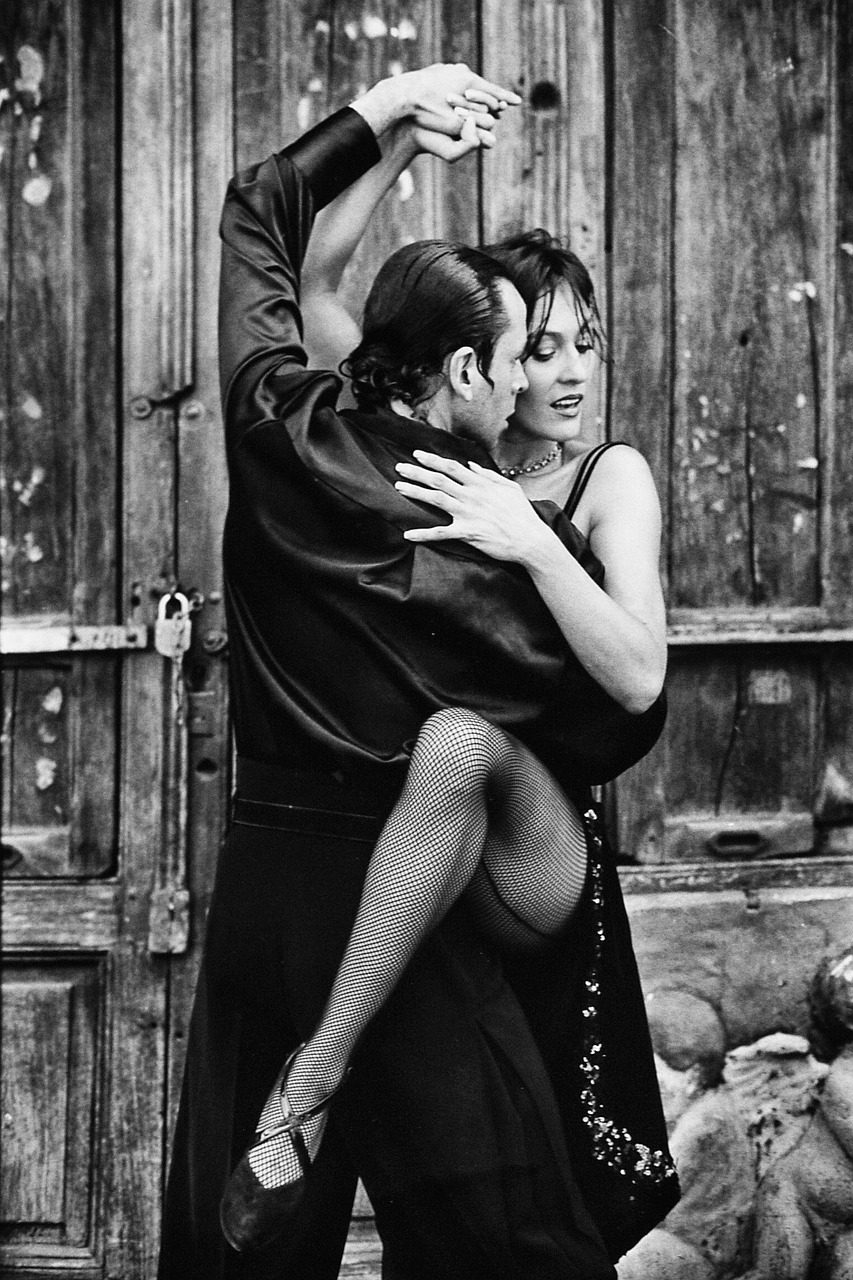
Two middle-aged Spanish guys created what would become a global phenomenon by accident, and they had no idea their silly dance song would spend fourteen weeks at number one on the Billboard Hot 100 in 1996. The melody came from a 1992 party in Venezuela where Antonio Romero was inspired by a flamenco dancer named Diana Patricia. Originally recorded as a traditional Spanish rumba, it only became an international hit after the Bayside Boys remixed it, creating the version that topped charts worldwide. In 2016, Los del Rio even teamed up with Cuban group Gente de Zona for a remix celebrating the song’s 20th anniversary of reaching number one in America. In 2009, Billboard actually ranked it as the number one song on its “All Time Latin Songs” list. What started as entertainment for a Venezuelan party became one of the most recognizable songs ever recorded.
“Barbie Girl” – Aqua
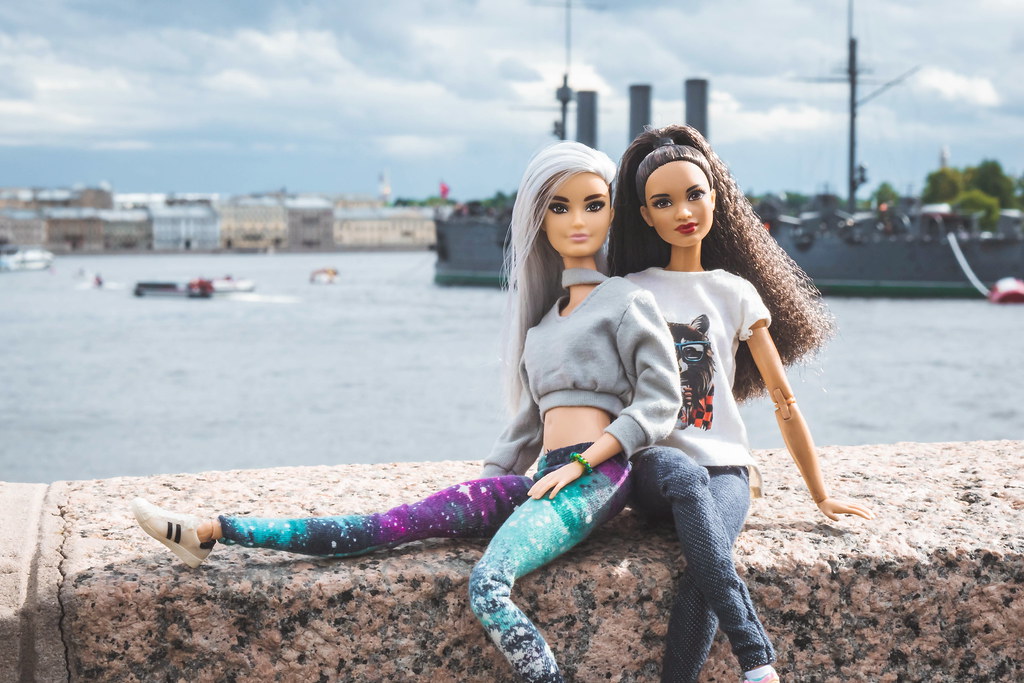
This Danish-Norwegian dance-pop group’s parody of plastic perfection became a huge hit across several continents and reached number one in more than 10 countries. The song was written after band member Søren Rasted saw an exhibit on kitsch culture in Denmark that featured Barbie dolls. The track became the second best-selling single of 1997 in the UK, behind only Elton John’s tribute to Princess Diana. Mattel wasn’t amused and sued the band, but a judge ultimately dismissed the case in 2002 with the memorable advice that “the parties are advised to chill”. The song has sold more than eight million copies worldwide, proving that sometimes the most ridiculous ideas become the biggest hits. In 2023, thanks to the Barbie movie, Aqua scored their first UK top 5 hit in 25 years with Nicki Minaj and Ice Spice’s “Barbie World” collaboration.
“Gangnam Style” – PSY

The term “Gangnam Style” refers to the nouveau riche lifestyles associated with the Gangnam district of Seoul, but this satirical commentary became something much bigger than PSY ever imagined. The song peaked at number two on the Billboard Hot 100, held from the top spot by Maroon 5’s “One More Night”, despite spending seven weeks battling for the number one position. It became the first video in internet history to reach one billion views, achieving this milestone just 27 days after surpassing Justin Bieber’s “Baby” as the most-watched YouTube video. At its peak, “Gangnam Style” hit number two on the Hot 100 and remains the highest-charting Korean song on Billboard, though BTS later reached number seven with “DNA”. At the video’s peak, it netted 14.9 million views per day and still averages 900,000 views per day as of 2022, with 4.4 billion total views. What started as a joke about wealthy Seoul neighborhoods accidentally launched the global K-pop phenomenon.
“Baby Got Back” – Sir Mix-a-Lot

Sir Mix-a-Lot wrote this anthem after seeing a Budweiser commercial featuring women “shaped like a stop sign, with big hair and straight up-and-down bird legs”, which frustrated him tremendously. The single spent five weeks at number one on the Billboard Hot 100 and was officially declared 1992’s Song of the Summer. It became the second best-selling song in the United States that year, proving that sometimes rebellion against beauty standards resonates widely. The track went double platinum and won the 1993 Grammy Award for Best Rap Solo Performance. Mix insists there was a sincere, socially progressive message behind the track – celebrating women with curves and bringing different body shapes into popular culture. When it debuted, many took it to heart as an anthem of body positivity, transforming what could have been just a silly rap song into a cultural statement.
“Achy Breaky Heart” – Billy Ray Cyrus
Billy Ray Cyrus never expected his country line-dancing anthem to cross over into mainstream pop success the way it did in 1992. The song was originally written by Don Von Tress and had been rejected by multiple artists before Cyrus recorded it for his debut album. What made it even sillier was the accompanying line dance that swept through country bars and wedding receptions across America. The track reached number four on the Billboard Hot 100 and spent five weeks at number one on the country charts. MTV played the music video constantly, helping introduce country music to a broader audience who had never line-danced before. The song’s success launched Cyrus into superstardom and paved the way for other country crossover hits throughout the 1990s.
“I’m Too Sexy” – Right Said Fred

This British duo created their tongue-in-cheek dance anthem as a parody of male vanity and fashion industry pretensions in 1991. Brothers Fred and Richard Fairbrass wrote the song after observing the narcissistic behavior at fashion shows and modeling events. The track became an international phenomenon, reaching number two in the United States and topping charts in multiple countries. What started as a joke about male models strutting down catwalks became a genuine dance floor anthem. The song’s success was so unexpected that the band struggled to follow it up with anything nearly as popular. Its influence can still be heard today in songs that sample its distinctive guitar riff and memorable vocal delivery.
“What Does the Fox Say?” – Ylvis

Originally created as an “anti-hit” to promote their Norwegian television talk show, “The Fox” was literally “created to fail” but went viral anyway. Vegard described the success as “definitely very shocking,” while Bård said it was “supposed to entertain a few Norwegians for three minutes — and that’s all”. The song peaked at number six on the Billboard Hot 100 for three consecutive weeks and was the highest-ranked song by a Norwegian artist since A-ha’s “Take On Me” in 1985. It took only 35 days to hit 100 million views on YouTube, faster than PSY’s “Gangnam Style” which took 51 days. The success even led to a children’s book that debuted at number one on The New York Times Best Sellers List, with the original music video reaching nearly 300 million views. The song sold 1.37 million copies in the US by June 2014, proving that sometimes the most absurd questions can capture the world’s imagination.
“Who Let the Dogs Out” – Baha Men

This Bahamian group turned a simple call-and-response chant into one of the most recognizable party anthems of the early 2000s. The song was originally written by Anslem Douglas from Trinidad and Tobago, but the Baha Men’s version became the worldwide hit. What made it particularly silly was how the “who, who, who, who” barking sound became impossible to ignore at sporting events and parties. The track reached number 40 on the Billboard Hot 100 but had much greater cultural impact than its chart position suggests. It won a Grammy Award for Best Dance Recording in 2001, legitimizing what many considered a novelty song. The phrase became so ubiquitous that it’s still shouted at stadiums and celebrations more than two decades later.
“The Ketchup Song (Aserejé)” – Las Ketchup
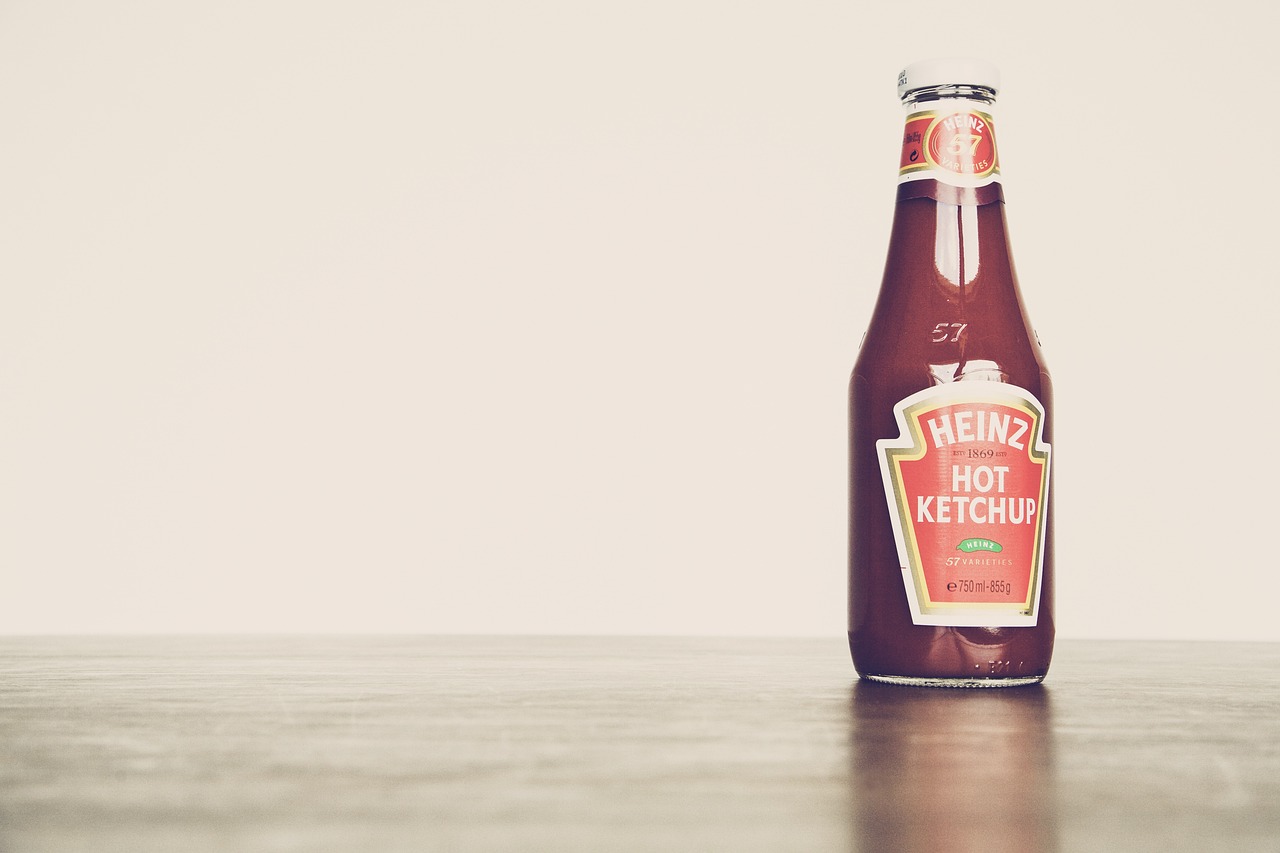
These Spanish sisters created an international dance craze with nonsensical lyrics that nobody could properly understand or pronounce. The song’s chorus consists of made-up words that sound vaguely like Spanish but are actually gibberish inspired by “Rapper’s Delight” by The Sugarhill Gang. Released in 2002, it topped charts across Europe and Latin America while spawning a dance that everyone attempted despite its complexity. The track reached the top 10 in more than 20 countries and sold millions of copies worldwide. What started as a local Spanish novelty became a global phenomenon that proved language barriers meant nothing when the beat was infectious enough. The song’s success was so unexpected that Las Ketchup never managed to replicate it with subsequent releases.
“Thrift Shop” – Macklemore & Ryan Lewis
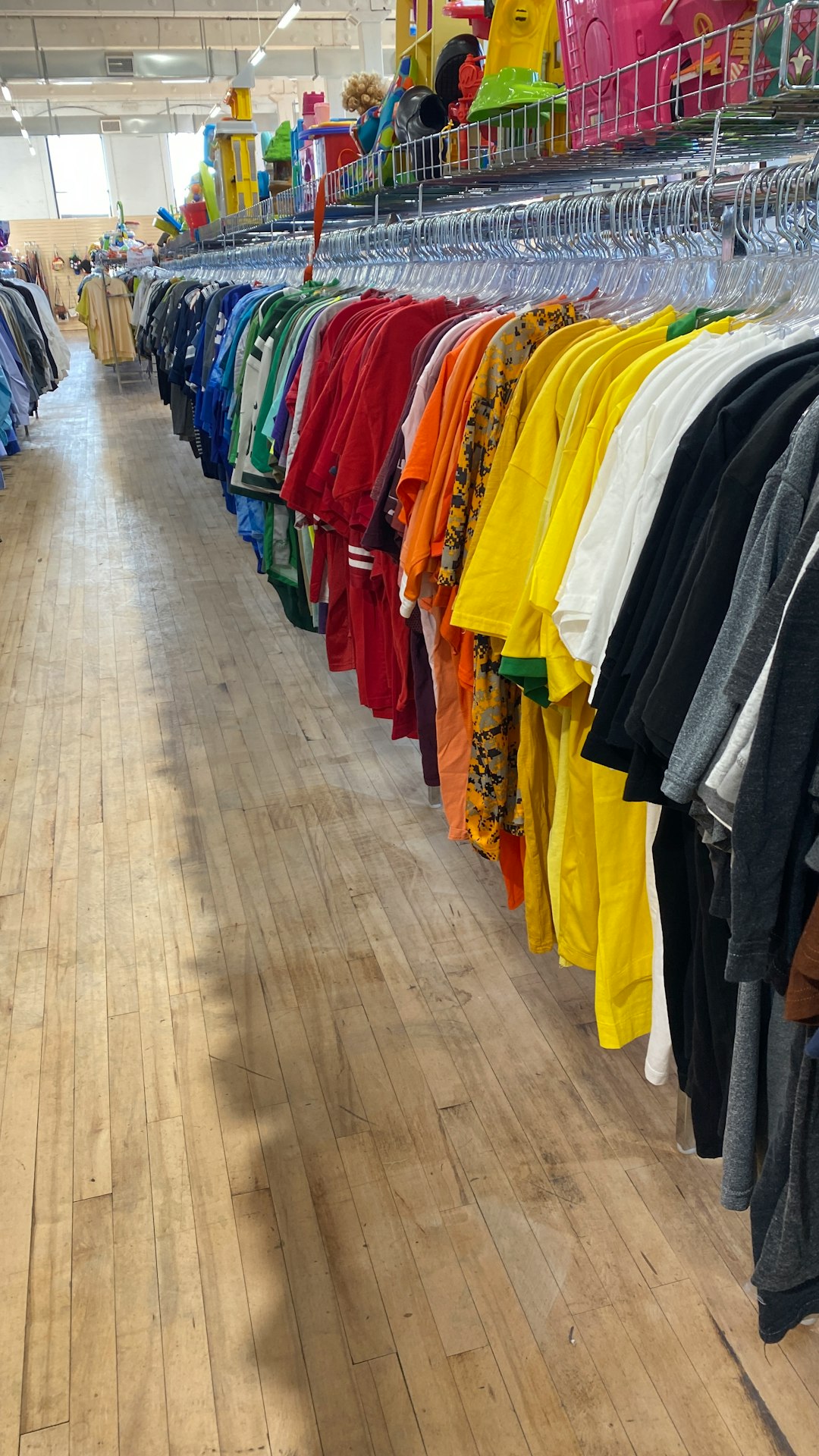
This Seattle duo created an anti-materialistic anthem that celebrated shopping at second-hand stores, completely opposite to hip-hop’s usual focus on expensive brands. Macklemore wrote the song to mock consumer culture and the obsession with designer labels, making it intentionally silly and self-deprecating. The track spent six weeks at number one on the Billboard Hot 100 in 2013, becoming one of the biggest rap hits of the decade. What made it even more remarkable was that it achieved this success as an independent release without major label support. The music video featured Macklemore wearing ridiculous thrift store outfits while rapping about finding bargains on used clothing. The song’s message resonated with audiences during the economic recession, turning what could have been a throwaway joke into a cultural statement about consumption and authenticity.
“Axel F (Crazy Frog)” – Crazy Frog

This electronic remake of Harold Faltermeyer’s “Axel F” theme from Beverly Hills Cop featured an annoying computer-animated frog that somehow became a European chart sensation in 2005. The Crazy Frog character was originally created for a ringtone advertisement, making irritating “bing bing” sounds that drove people crazy. Despite being universally mocked, the song reached number one in multiple European countries and stayed on the UK charts for months. The success was particularly baffling because the track contained no actual singing, just electronic sounds and the frog’s obnoxious noises. It spawned multiple albums and merchandise, proving that sometimes the most irritating songs can become the most commercially successful. The phenomenon highlighted how the early 2000s digital music landscape could turn the most unlikely content into mainstream hits.
“Red Solo Cup” – Toby Keith

This country star turned a novelty song about disposable party cups into a number 15 Billboard Hot 100 hit in 2011. Keith wrote the song as a tribute to the red plastic cups that have become synonymous with American parties and tailgating. The lyrics celebrate everything from beer pong to backyard barbecues, making it intentionally silly and lighthearted. What started as a joke became a genuine anthem for party-goers across the country, reaching number one on the country charts. The song’s success was remarkable because it proved that even the most mundane objects could become the subject of a hit song. Keith performed it everywhere from award shows to sporting events, where crowds would sing along enthusiastically despite the ridiculous subject matter.
“Cotton Eye Joe” – Rednex

This Swedish group took a traditional American folk song and turned it into a techno-country hybrid that became a global dance floor staple in 1994. The combination of banjo samples with electronic beats created something that shouldn’t have worked but somehow did. The track reached number 25 on the Billboard Hot 100 and topped charts across Europe, introducing line dancing to nightclub audiences. What made it particularly absurd was watching European DJs play American folk music while people attempted country line dances in discos. The song’s success spawned countless remixes and covers, becoming a wedding reception and party standard that crosses all cultural boundaries. Despite being performed by Swedes pretending to be American country musicians, it became more popular internationally than most authentic country songs.
“Friday” – Rebecca Black

This teenage YouTube sensation created what many considered the worst song ever recorded, yet it achieved massive viral success in 2011. The song was produced by ARK Music Factory as a vanity project for Black’s 13th birthday, featuring Auto-Tuned vocals and lyrics about the days of the week. Despite being universally mocked and criticized, the music video accumulated millions of views and spawned countless parodies and remixes. Black became a household name overnight, though mostly as the subject of internet memes and jokes. The track eventually reached number 58 on the Billboard Hot 100, proving that notoriety can sometimes translate into commercial success. Years later, Black embraced the song’s legacy and even released improved versions, showing how viral fame can evolve into legitimate career opportunities.
“Dance Monkey” – Tones and I

Australian street performer Tones and I created this quirky pop song with an unusual vocal style that many initially found annoying, yet it became one of the biggest hits of 2019. The song features high-pitched vocals and a repetitive melody that gets stuck in listeners’ heads whether they want it to or not. It spent seven weeks at number one in Australia and topped charts in over 30 countries worldwide. The track’s success was particularly surprising because major record labels had initially rejected it for being too strange and uncommercial. Tones and I wrote the song about her experiences as a busker, dealing with people who would demand she perform like a dancing monkey for their entertainment. Despite its polarizing reception, the song’s infectious energy and unique sound made it impossible to ignore, proving that sometimes the most unusual approaches can capture global attention.
“Baby Shark” – Pinkfong

This children’s song became a global phenomenon that torture parents worldwide while simultaneously topping charts and breaking YouTube records. Originally a traditional campfire song, Pinkfong’s version features simple lyrics and an impossibly catchy melody that gets stuck in everyone’s head. The music video became the most-watched video in YouTube history, surpassing even “Despacito” with over 13 billion views. What makes this particularly absurd is that a song designed for toddlers achieved mainstream chart success, reaching number 32 on the Billboard Hot 100. The song spawned merchandise, live shows, and even a feature film, turning a simple children’s tune into a multimedia empire. Parents may despise its repetitive nature, but “Baby Shark” proved that sometimes the simplest songs have the most universal appeal.
“Because I Got High” – Afroman

Afroman created this laid-back rap song about marijuana’s effects on productivity, never expecting it to become a mainstream radio hit in 2001. The track features a simple guitar loop and humorous lyrics about all the things the narrator failed to do because he got high. Despite its drug-related content, the song reached number 13 on the Billboard Hot 100 and received Grammy nominations. What made it particularly ironic was that a song celebrating laziness and procrastination actually required significant effort to promote and perform. The track became an anthem for stoner culture while simultaneously serving as a cautionary tale about marijuana’s potential negative effects. Afroman later recorded a revised version in 2014 supporting marijuana legalization, showing how a silly novelty song could evolve into political commentary.
“We Like to Party” – Vengaboys
This Dutch Eurodance group created the ultimate cheesy party anthem that became impossible to escape in the late 1990s. The song features repetitive lyrics, synthesized beats, and an aggressively cheerful energy that many found simultaneously annoying and irresistible. It reached number 26 on the Billboard Hot 100 and topped charts across Europe, becoming a staple at sporting events and dance clubs. What made it particularly silly was the group’s colorful costumes and over-the-top performances that looked like they were designed for children’s television. The Vengaboys embraced their cheesy image completely, creating music that was unashamedly fun and disposable. Their success proved that sometimes audiences just want uncomplicated party music that makes them dance, regardless of artistic merit or lyrical sophistication.
“I’m on a Boat” – The Lonely Island ft. T-Pain

This Saturday Night Live digital short was created as a parody of rap music’s obsession with luxury and status symbols, yet it became a legitimate hit in 2009. The comedy trio The Lonely Island, featuring Andy Samberg, created the song to mock hip-hop videos that featured expensive boats and champagne. Despite being a deliberate joke, the track reached number 56 on the Billboard Hot 100 and received Grammy nominations for Best Rap/Sung Collaboration. T-Pain’s earnest performance of obviously ridiculous lyrics made the parody even more effective and entertaining. The song’s success demonstrated how comedy could cross over into mainstream music when executed with sufficient production value and commitment. It launched The Lonely Island’s career as legitimate recording artists while proving that the line between parody and genuine entertainment had become increasingly blurred in the digital age.
“Stupid Hoe” – Nicki Minaj

Nicki Minaj intentionally created this aggressive, confrontational track as a response to criticism about dumbed-down pop music, making it deliberately abrasive and experimental. The song features harsh electronic beats, repetitive lyrics, and an intentionally annoying vocal delivery that