John Rambo in First Blood (1982)
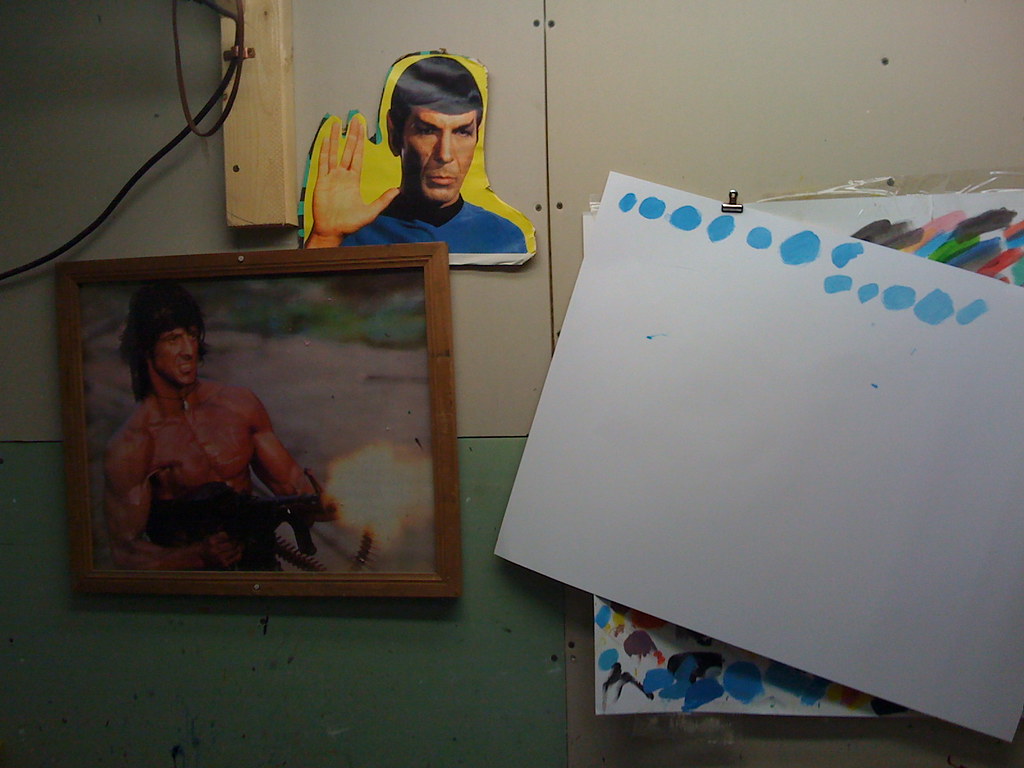
In both Morrell’s novel and the original version of the film, it’s Trautman who ultimately kills Rambo, with the ranking officer hesitating before Rambo grabs his hand and the gun goes off, sending a bullet into his stomach and propelling his body backwards in slow-motion, with the final shot being a close-up of the soldier’s lifeless form. Stallone used actual war stories he’d heard from Vietnam vets in that speech, feeling compelled to give some sense of hope to these guys that if they could somehow be understood or vocalize what their feelings are. Test audiences hated the ending where Rambo died, but luckily, they had an alternative option ready. Stallone worried that killing Rambo would send the wrong message, with every Vietnam vet who sees this ending thinking, “The only solution is death, death is the only thing that awaits us at the end of the tunnel.” Creating a franchise out of the Rambo character is exactly what Stallone accomplished.
Poe Dameron in Star Wars: The Force Awakens (2015)
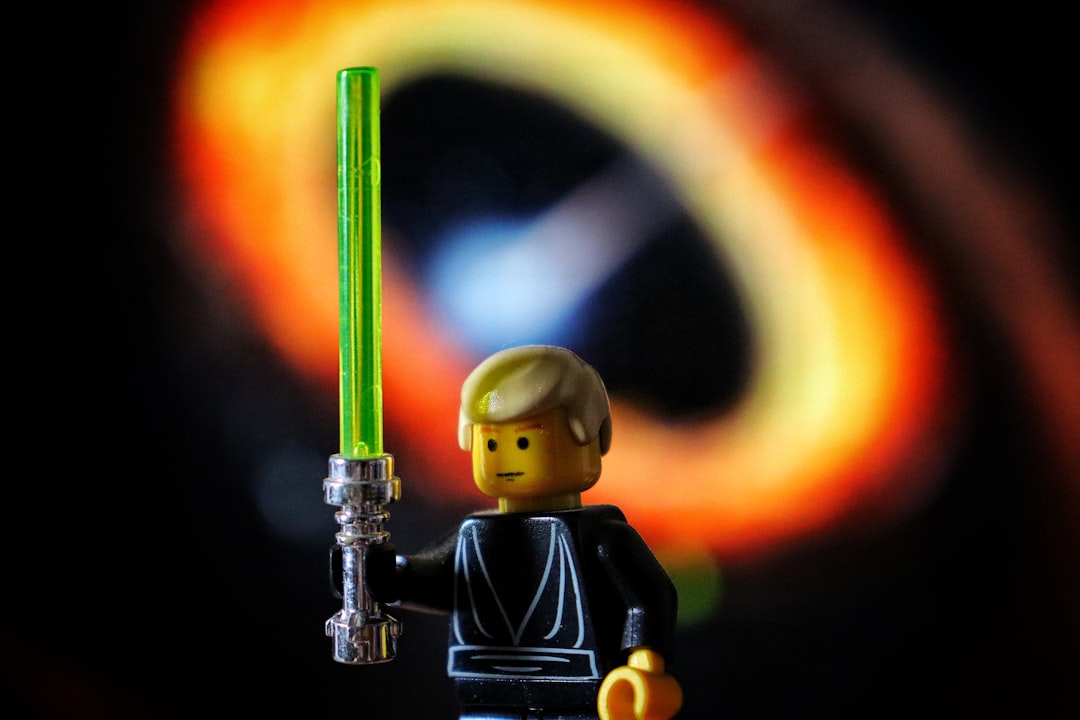
Another case of charisma trumping intent, Poe Dameron was originally supposed to die in the Jakku desert after helping Finn escape the First Order, which wasn’t exactly what Oscar Isaac wanted to hear when he hopped a plane to France to meet J.J. Abrams, as the actor recounts, “I’ve done that before, set up the plot for the main guy then die spectacularly.” Abrams said that Isaac had made “like four movies in which he died early,” and he and screenwriter Lawrence Kasdan ultimately changed the script to keep Poe around, with Isaac saying, “Obviously for me [it] was incredibly exciting and fantastic — I get to live!” As a result, Poe Dameron has become the swaggering Han Solo of this generation’s galaxy far, far away, with Abrams supremely happy with his decision, as he and co-writer Lawrence Kasdan made him so integral to The Force Awakens finale that reducing him to a first act death would’ve drastically undercut the resolution.
Dewey Riley in Scream (1996)
Another case of an actor altering his character, David Arquette didn’t exactly gel with Wes Craven’s original vision of Dewey, with the scream king director intending to get someone younger and sillier for the part, but every single draft of the script had the slow-witted deputy getting axed without exception, to the point where test screenings of Scream ran with Dewey’s divisive demise. But viewers weren’t having it, and Craven bowed to his fans by inserting an upbeat alternative, with this last minute adjustment only enhancing Craven’s meta-approach to the slasher genre, as for all intents and purposes, Dewey was a dude designed to get a knife in the dome, but by subverting this target, Scream dodged another yet cliche expectation. Dewey would go on to get stabbed a ridiculous amount of times in each sequel – only fair, given his miraculous survival each time out.
Dr. Ian Malcolm in Jurassic Park (1993)
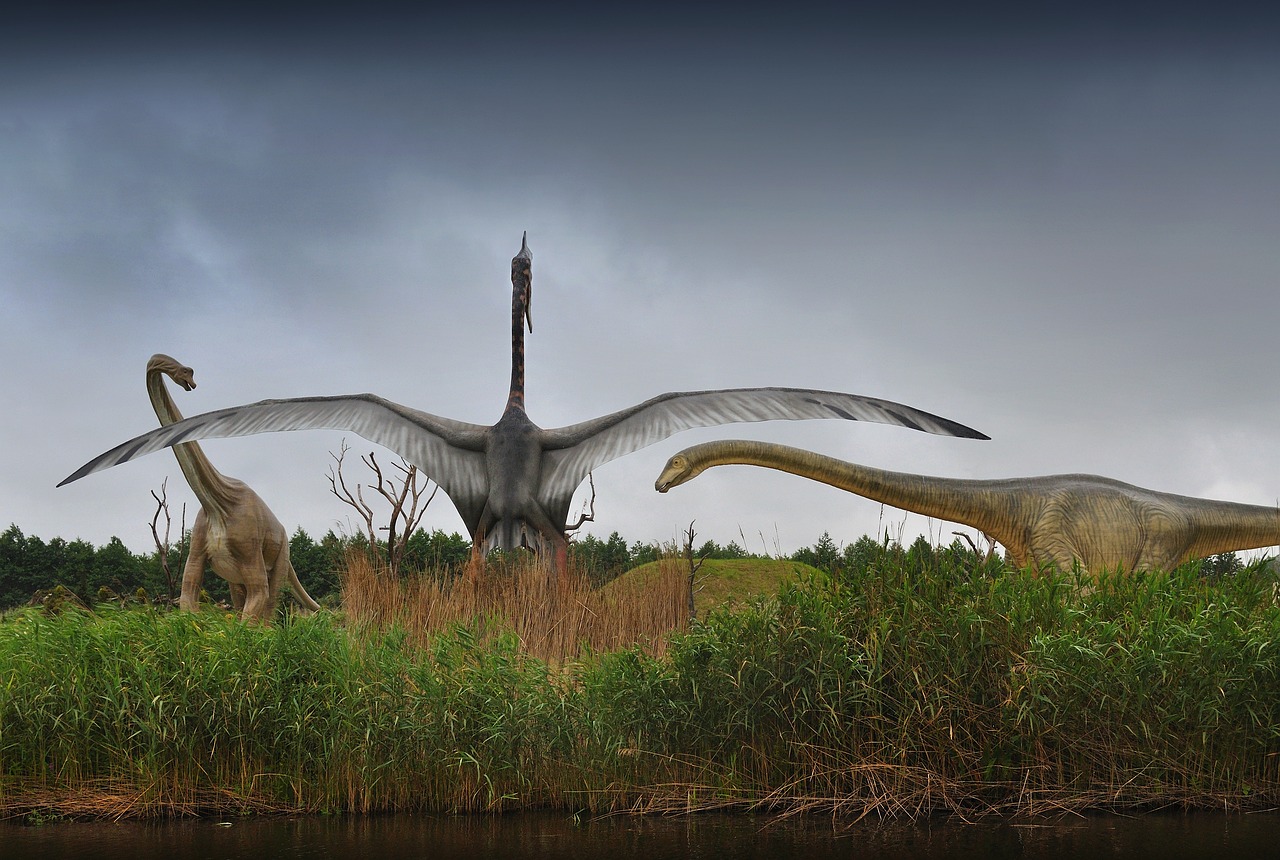
While Dr. Ian Malcolm, played by Jeff Goldblum, survived the dinosaur attack in Jurassic Park, he actually dies at the end of the novel on which it’s based, but since Steven Spielberg cast the very charismatic and likeable Jeff Goldblum to play Malcolm, co-screenwriter Michael Crichton let the character survive. Malcolm is also the central character in the sequel novel, The Lost World, with Crichton writing that the character survived the Tyrannosaur attack because of skillful Costa Rican surgeons; Malcolm even boasts reports of his death were “greatly exaggerated,” and as a result of the attack, the character had a permanent leg injury that required him to walk with a cane.
Happy Hogan in Iron Man 3 (2013)
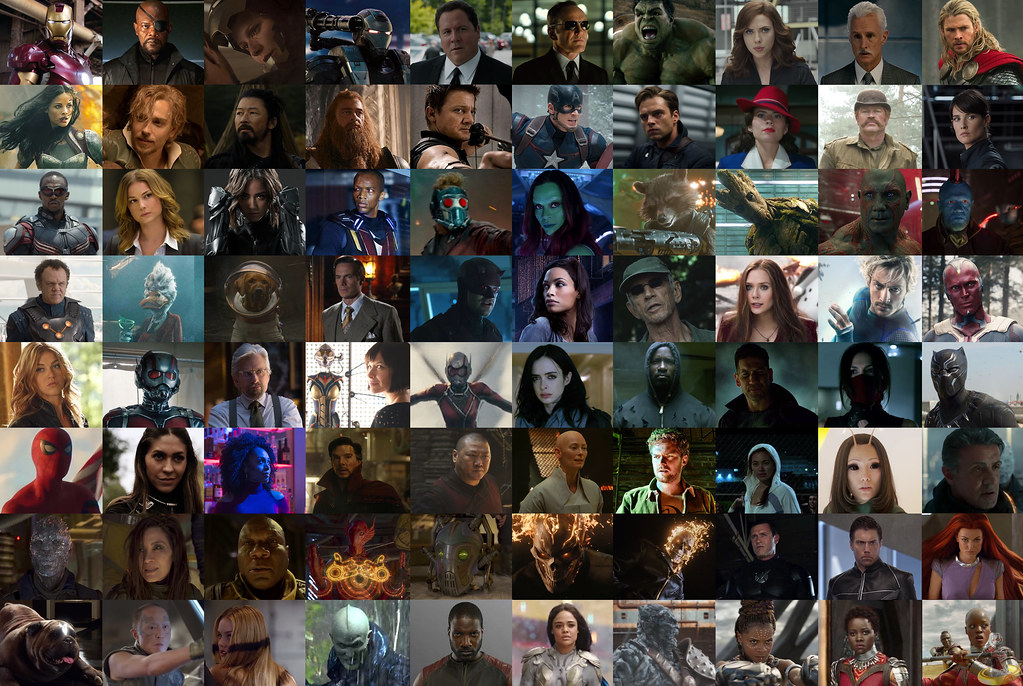
Iron Man 3 storyboards revealed that Stark Industries’ Head of Security, Happy Hogan (played by Jon Favreau), was supposed to die during a hand-to-hand fistfight with one of the villain’s henchmen at TCL Chinese Theatre in Hollywood, California, but in the final version, Happy slips into a coma and awakens at the end of the movie. In the final version of the movie, Happy is injured but survives the blast, while in the storyboards, he closes his eyes and dies. This change allowed the beloved character to continue appearing in future Marvel films. The producers were none too pleased that Kotcheff wanted a completely new ending when they were supposed to be wrapping the shoot, but he told them, “Listen, you assholes, I don’t take any shit from producers,” saying that American distributors would hate the downer ending, and he was saving them money they would’ve had to spend on reshoots later.
Katie Featherston in Paranormal Activity (2007)
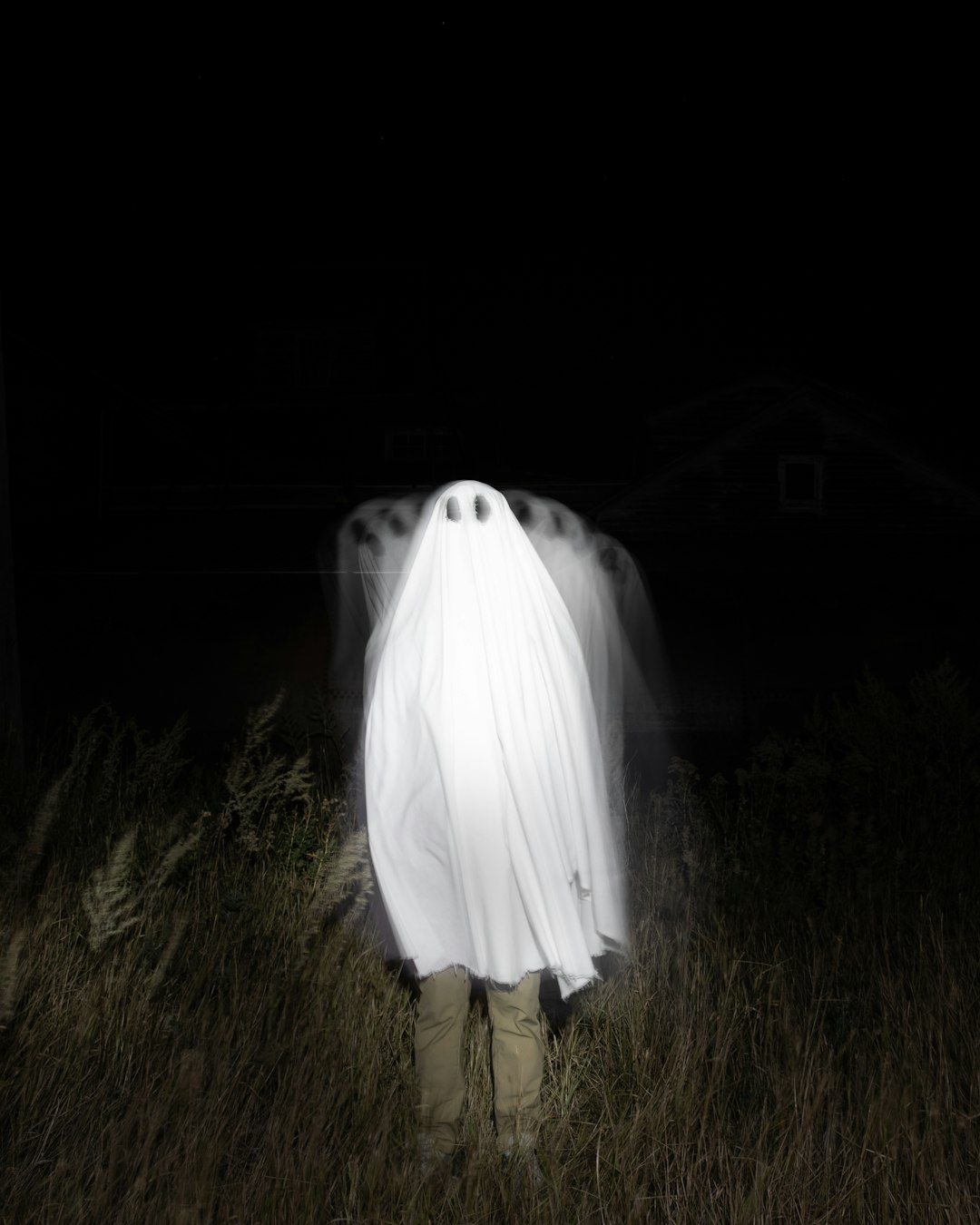
Before Paramount Pictures came into the fold, Paranormal Activity ended brutally, with the cops, called in to discover Micah’s dead body, coming across a possessed Katie in a catatonic state and still holding the murder weapon, leading to a standoff that ensued, with the doomed murderess getting gunned down by the officers in the room – a far cry from the ambiguous conclusion that writer/director Oren Peli eventually went with. Before Paramount Pictures acquired the film rights to Paranormal Activity, its original ending featured the police discovering Micah’s dead body in the house, while a catatonic (and possessed) Katie sat with the knife she used to kill her boyfriend, but Paramount didn’t like the original ending, so two endings were developed and filmed, with the first featuring Katie surviving the night, while her whereabouts remained unknown, and Paramount Pictures eventually used the former for the final version of Paranormal Activity.
Dante Hicks in Clerks (1994)
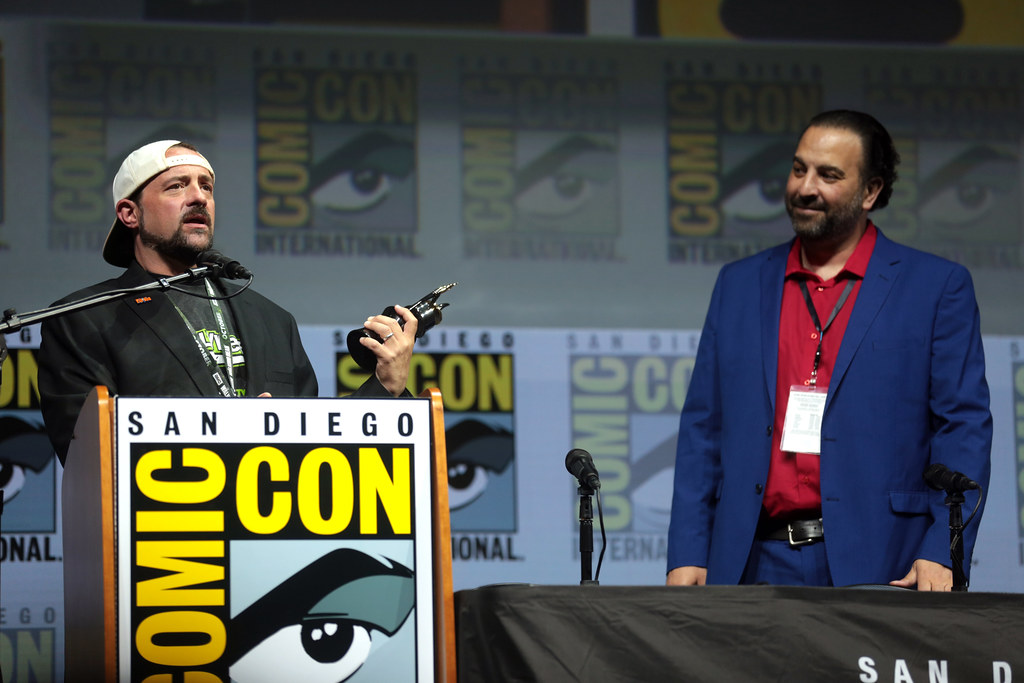
In the original ending of Kevin Smith’s debut film Clerks, the convenience store gets robbed, and clerk Dante Hicks is murdered, but after the movie screened for the first time at the Independent Feature Film Market, Smith’s colleagues Bob Hawk and John Pierson advised him to end the film happily instead, with Smith agreeing, and now Clerks ends with Randall taking down Dante’s “I Assure You We’re Open” sign and telling him, “You’re closed!” as the movie fades to black. The brutal original ending would have completely changed the tone of what became a beloved indie comedy. Smith realized that killing his protagonist would have sent entirely the wrong message for his quirky workplace comedy.
Will Rodman in Rise of the Planet of the Apes (2011)
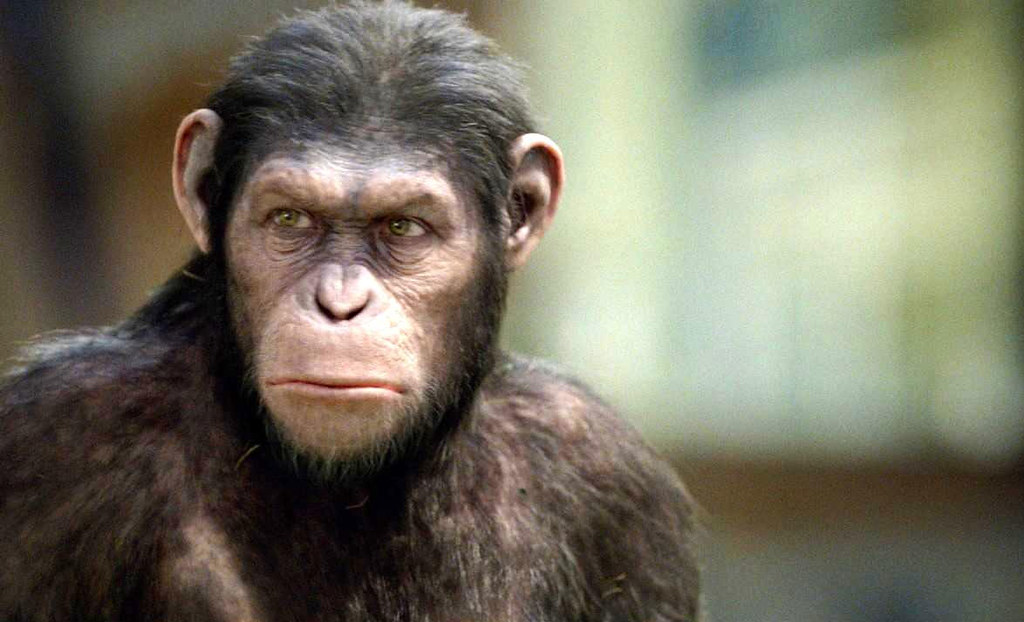
In the original Rise of the Planet of the Apes screenplay, Dr. Will Rodman, played by James Franco, was supposed to die during the climactic battle on the Golden Gate Bridge. Director Rupert Wyatt even shot the scene with Franco and Serkis, though he ultimately decided to scrap it for the bittersweet ending seen in the final film, with by allowing Rodman to squeak by, Rise honored the depth of an unorthodox friendship while also leaving things open if ever a sequel were made, and the filmmakers turned out to be right in this regard, as Dawn of the Planet of the Apes hit theaters in 2014, though Franco only appeared in a brief cameo.
Rocky Balboa in Rocky V (1990)
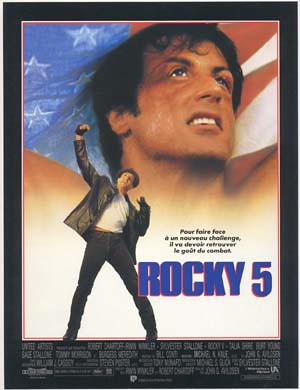
Rocky V was supposed to be the last movie in the franchise, and Stallone ended its screenplay accordingly, with Rocky Balboa dying at the hands of rival Tommy Gunn during a street fight, but during production, director John Avildsen got a call from executives telling him, “‘Oh by the way, Rocky’s not going to die,’ with the reasoning being “‘Batman doesn’t die, Superman, James Bond, these people don’t die,” leading Stallone to write a new ending featuring Rocky and his son Robert Balboa jogging to the Philadelphia Museum of Art and looking over the city’s skyline. Stallone’s original script for Rocky V ended with the Italian Stallion dying in the arms of his beloved wife, Adrian, until he decided to grant his alter ego a stay of execution. They don’t die, so Rocky lived, returning for the recent Creed movies.
Clarence Worley in True Romance (1993)
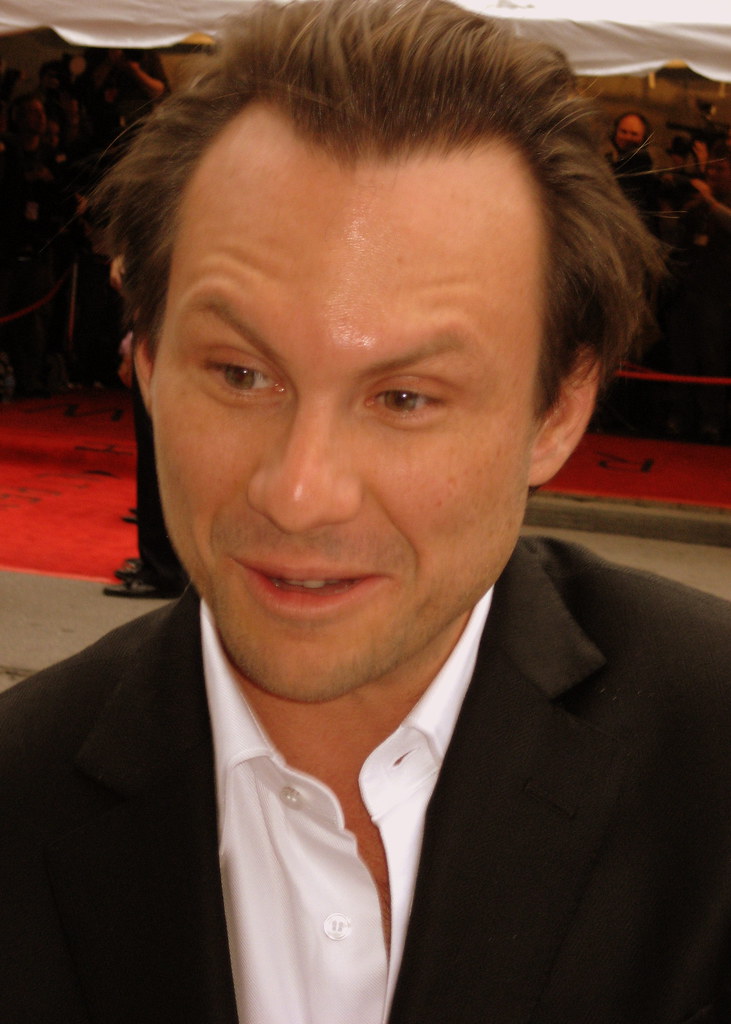
One of Tony Scott’s finest films, and one of Quentin Tarantino’s finest scripts, True Romance gave Christian Slater a prime role as Clarence, and at the end of the film Clarence is reunited with Alabama, and when we see them last, they are on a beach with their son, however, that’s not how things were originally supposed to be. In Tarantino’s original script, Clarence was supposed to die during the climactic shootout with the mob. The upbeat ending where the couple escapes to a tropical paradise was Tony Scott’s addition. Tarantino has often expressed that he preferred his darker, more realistic conclusion where crime doesn’t pay and the young lovers face the consequences of their actions.
Martin Riggs in Lethal Weapon 2 (1989)
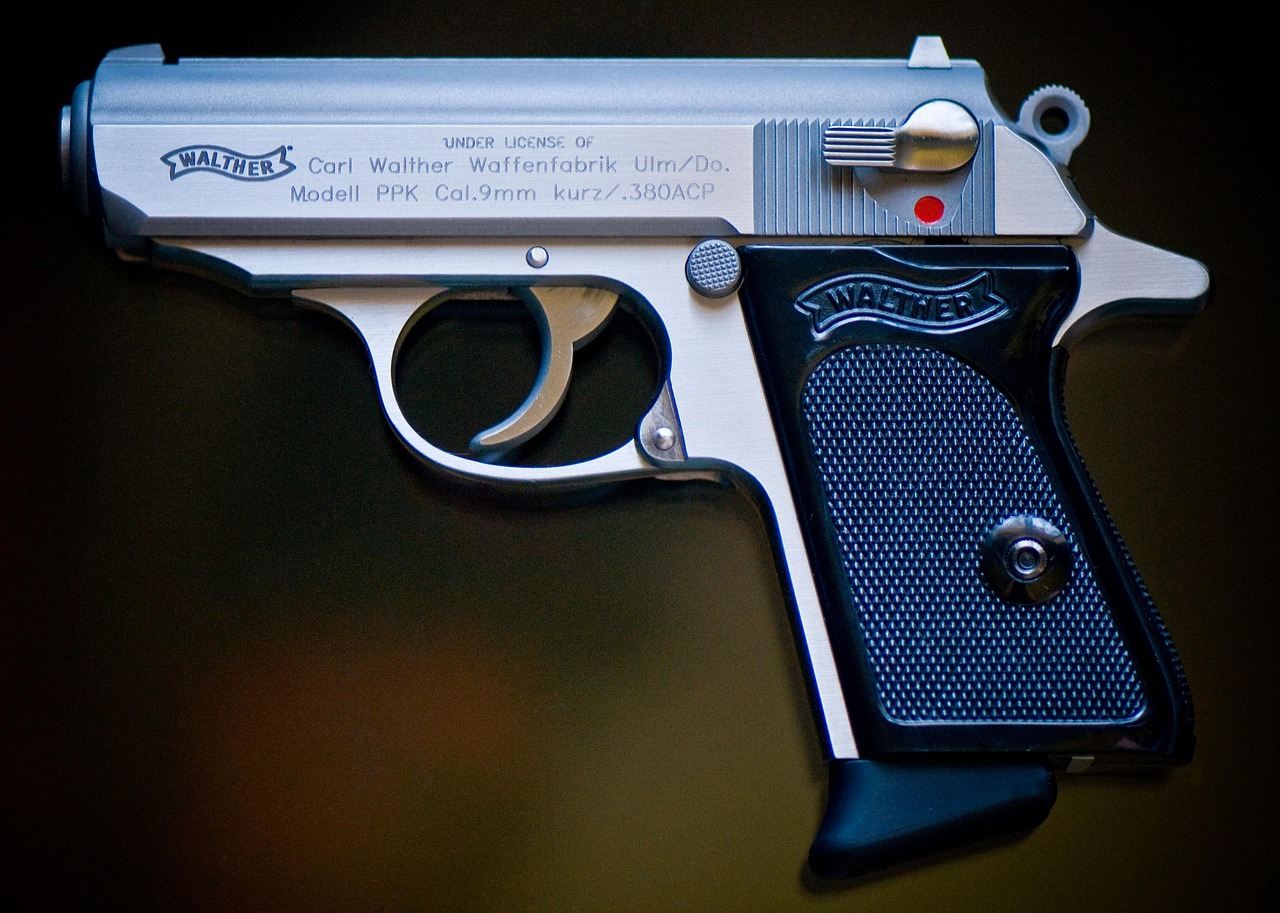
Perhaps the most interesting thing about Lethal Weapon 2 was that it was supposed to mark the end of Mel Gibson’s Riggs character, as it instead marked the moment where Riggs went from a man on the edge to part of a comedy double act, however, the original plan, when Riggs is shot in the film, was that he’d die, which was what writer Shane Black had intended to happen, and he reportedly left the project when he was overruled on the matter. There’s some argument over whether the scene where Riggs died was actually filmed (a body bag sequence has been rumoured), but as it turned out, the ending was ultimately changed to allow Riggs to walk away at the end of the film, and to prepare for the blockbuster hits that would become Lethal Weapon 3 and Lethal Weapon 4.
Joker in Full Metal Jacket (1987)
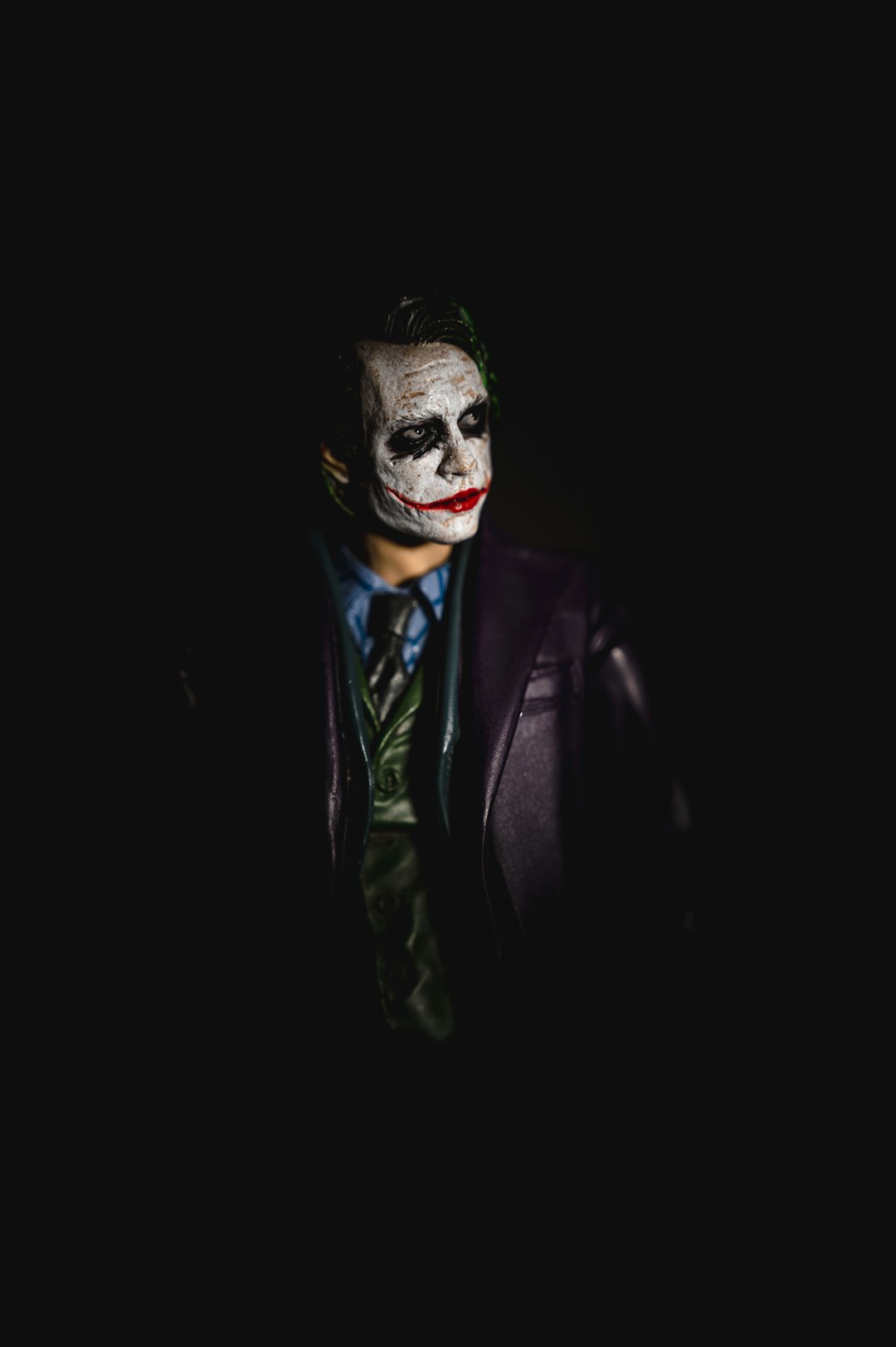
Actor Matthew Modine, who plays Sergeant James T. “Joker” Davis in Full Metal Jacket, revealed that Stanley Kubrick originally planned to kill off his character (who also dies in the book), according to Modine, “We never filmed it, but that was always the intention in the script, in the story: it was that Joker would die.” However, as Matthew Modine wrote in the book, Full Metal Diary, it was actually his character, Joker, that was supposed to die, with the suggestion coming from Modine himself, though, that Joker should live, leaving his character the one to see things through to the end, and to be the one to see firsthand just how savage and brutal the war proved to be.
Han Solo in Return of the Jedi (1983)
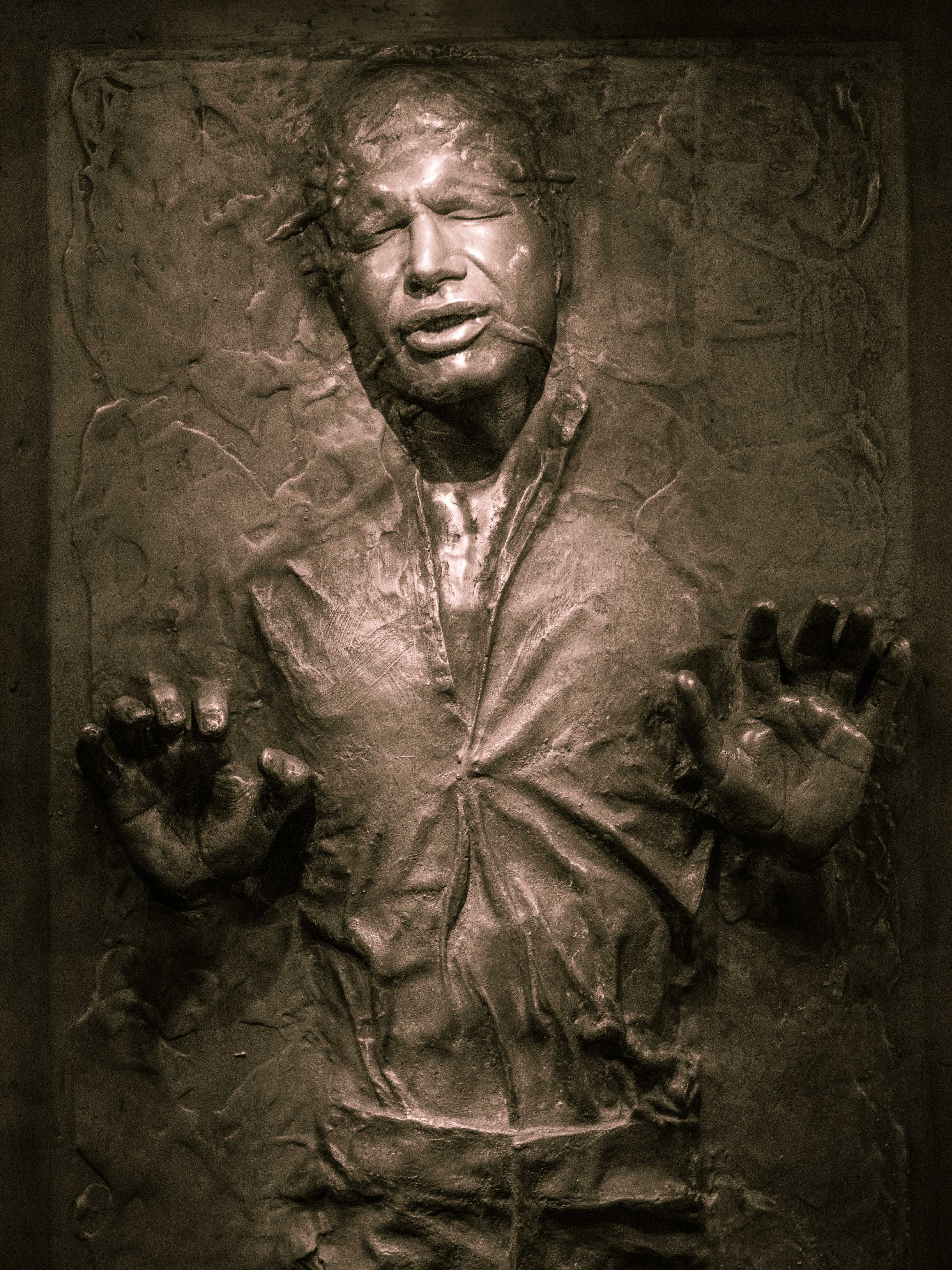
Before making Return of the Jedi, Harrison Ford expressed his desire to see Han Solo die during the final installment in the original Star Wars trilogy, but George Lucas disagreed with Ford, because the filmmaker “didn’t think there was any future in dead Han toys,” however, more than 30 years later, Ford finally got to see Han Solo’s end in The Force Awakens, and in a fan Q&A for Entertainment Weekly, Ford admitted that the character’s death made for a better movie. Han Solo, as played by Harrison Ford, was not supposed to make it to the end of Return Of The Jedi, and was instead, apparently, supposed to die in the raid on the Death Star, with one strand of thinking being that it was never the intention of George Lucas to kill Solo off, with the urging coming more from Harrison Ford himself, and writer Lawrence Kasdan.
Chief in The Fox and the Hound (1981)
The film featured hunting dog, Chief, who has an argument on a railroad track and is seemingly done for, and in the original screenplay, that was, indeed, the plan, with it being the death of Chief that’s supposed to drive a wedge between Copper and Todd, the fox and the hound of the title, however, reportedly due to concerns from some of the crew working on the film, the decision to kill Chief was reversed, echoing a similar decision that was made with the character of Trusty in Lady And The Tramp decades earlier, and in that instance, Walt Disney himself vetoed the death of the character at the end of the film, worried about repeating the reaction to the aforementioned Bambi.
Eleven in Stranger Things (2016)
In the book Stranger Things: Worlds Turned Upside Down, Ross Duffer wrote about the change, “we needed to leave it more up in the air, because deep down we knew the show just wouldn’t really work without Eleven,” and additionally, they knew at that point “how special [Eleven actor] Millie was,” which further motivated them to keep the character around. The original plan was for Eleven to sacrifice herself completely in the season finale, disappearing into the Upside Down forever. The Duffer Brothers realized during production that Millie Bobby Brown’s performance was too compelling to lose, and they needed to keep the door open for her return. This last-minute change became one of the show’s most important creative decisions.
Steve Harrington in Stranger Things (2016)
How dare the Duffer Brothers even consider killing Steve Harrington. In the same book, the Duffer Brothers said that Joe Keery’s performance saved Steve from the chopping block. Steve was originally conceived as a typical ’80s horror movie antagonist who would meet a gruesome end, likely at the hands of the Demogorgon. However, Joe Keery’s charismatic portrayal transformed Steve from a one-dimensional bully into a beloved character. The writers were so impressed with Keery’s performance that they completely rewrote Steve’s arc, turning him into the show’s unlikely babysitter and fan favorite.
Samuel L. Jackson’s Character in Deep Blue Sea (1999)
Samuel L. Jackson’s death in Deep Blue Sea is one of the greatest character exits in movie history, an incredibly abrupt mid-monologue devouring, and he was always set to die, but in the original script the character managed to get to the end of his speech before it happened, with Jackson struggling with the speech, which the visual effects supervisor described as “seven pages of the worst dialogue you’ve ever heard in your life,” leading Jackson to implore the director Renny Harlin, “Renny, have you read this dialogue? I don’t want to say it,” with the effects team proposing solutions that involved killing the character earlier, and Jackson deciding, “Yeah, I’m not happy. While Jackson’s character was always meant to die, the timing of his death was moved up significantly due to his dissatisfaction with the lengthy monologue. The result became one of cinema’s most shocking and memorable death scenes.
Michelle Trachtenberg’s Character in Black Christmas (2006)

After spending several years on Buffy The Vampire Slayer, Michelle Trachtenberg had reservations about appearing in a horror movie, and decided she would only sign on for the 2006 remake of Black Christmas on one condition: That she got to die, with her character Melissa surviving in the original script, so this required a bit of swapping around on the part of the filmmakers, but she got her Christmas wish, with Melissa meeting her end by being partially decapitated by an ice skate. This represents a rare case where an actor specifically requested their character’s death, rather than the filmmakers changing their minds to save them.
Rambo in Rambo: Last Blood (2019)
Speaking in Sly, the actor revealed that originally Rambo’s demise was to be unmistakable, with a subtle yet definitive signal—the halting of the rocking chair, with this alternative ending discussed with a hint of regret from Stallone, who reflects on his decision to opt out of a final farewell to the warrior he brought to life. The chair is still moving in the current version of the movie, but in his Netflix documentary Sly, the star reveals that as originally shot, the chair was supposed to stop moving, symbolizing Rambo’s death, with the star explaining he “started regretting the idea that this is the way this warrior goes out,” and he didn’t want to close the film on such a down note, so in post-production, Stallone used CGI in Last Blood’s ending to keep Rambo’s chair rocking. The use of CGI to alter Rambo’s fate is a testament to Stallone’s power over his work and his inclination to control the narrative thread, even when the story naturally inclines towards closure, and it is a powerful demonstration of an artist’s prerogative to shape their art to the very end.
The phenomenon of saving characters from their intended deaths has shaped some of cinema’s most beloved figures. From Stallone’s persistent refusal to let his heroes die to test audiences rejecting tragic endings, these last-minute rescues have created franchises worth billions. Whether driven by box office concerns, actor charisma, or simple storytelling instincts, these decisions prove that sometimes the best deaths are the ones that never happen.