

20. Sam Cooke – “A Change Is Gonna Come” (1964)

Sam Cooke’s “A Change Is Gonna Come” stands as one of the most emotionally powerful vocal performances ever captured on tape. The song, written during the height of the civil rights movement, showcases Cooke’s ability to blend gospel fervor with pop sensibility in a way that still gives listeners chills today. His voice climbs and soars through the orchestral arrangement, carrying decades of pain and hope in every note. The vulnerability in his delivery makes you feel like you’re witnessing something deeply personal. Recording industry experts consistently rank this performance in their top vocal achievements, with Rolling Stone placing it at number 12 on their list of greatest songs of all time in their 2024 update.
19. Joni Mitchell – “Both Sides Now” (1969)

Joni Mitchell’s crystalline soprano on “Both Sides Now” demonstrates why she’s considered one of the most influential singer-songwriters of all time. Her voice floats effortlessly through the complex melody, painting vivid pictures with every word. The way she delivers lines like “I’ve looked at clouds from both sides now” feels like she’s sharing a secret with each listener personally. Mitchell’s vocal technique here influenced countless artists, from Taylor Swift to Sufjan Stevens, who have cited this performance as transformative. Music historians note that this recording helped establish the confessional singer-songwriter movement that dominated the 1970s.
18. Prince – “Purple Rain” (1984)

Prince’s vocal performance on “Purple Rain” showcases his incredible range and emotional depth in ways that few artists could match. His voice moves from tender whispers to soaring high notes that seem to defy gravity, all while maintaining perfect control and emotion. The live recording quality adds an extra layer of rawness that studio versions often lack. When Prince hits those final high notes, you can practically feel the electricity in the air from that Minneapolis soundcheck session. This performance has been studied by vocal coaches worldwide, with Berklee College of Music including it in their advanced vocal technique curriculum as of 2023.
17. Nina Simone – “Feeling Good” (1965)

Nina Simone’s interpretation of “Feeling Good” transforms a simple jazz standard into something that feels like a declaration of independence. Her deep, rich contralto voice carries weight and authority that makes every word feel like a statement. The way she stretches certain phrases and lets others snap with precision shows her classical training blended with pure soul. Simone’s performance here has been sampled by over 200 hip-hop artists according to WhoSampled.com’s 2024 database. Her vocal approach on this track influenced everyone from Alicia Keys to John Legend, who have both credited this performance as career-changing.
16. Jeff Buckley – “Hallelujah” (1994)

Jeff Buckley’s version of Leonard Cohen’s “Hallelujah” is often cited as the definitive interpretation of the song, even by Cohen himself before his passing. Buckley’s ethereal falsetto and the way he lets his voice crack with emotion creates an almost spiritual experience for listeners. His vocal gymnastics throughout the song feel effortless, moving from whispered vulnerability to powerful crescendos without missing a beat. This performance has garnered over 500 million streams across platforms as of 2024, making it one of the most listened-to covers of all time. Music therapy programs now use this recording to help patients process grief and trauma, according to recent studies from the American Music Therapy Association.
15. Stevie Wonder – “Superstition” (1972)

Stevie Wonder’s vocal delivery on “Superstition” perfectly complements the song’s funky, hypnotic groove while showcasing his incredible technical ability. His voice rides the rhythm like a surfer on a perfect wave, never fighting the beat but flowing with it naturally. The way he layers harmonies and ad-libs throughout the track creates a rich vocal tapestry that reveals new details with each listen. Wonder’s performance here helped define the sound of 1970s funk and soul, influencing artists from D’Angelo to Bruno Mars. According to Spotify’s 2024 data, “Superstition” remains one of the most-streamed classic soul tracks, with over 800 million plays worldwide.
14. Adele – “Someone Like You” (2011)

Adele’s raw, unfiltered performance on “Someone Like You” captured hearts worldwide and proved that powerful vocals could still dominate in the auto-tune era. Her voice carries every ounce of heartbreak and resignation, making millions of listeners feel less alone in their own romantic struggles. The way she builds from quiet vulnerability to soaring emotion mirrors the journey of getting over someone you thought you’d never live without. This performance single-handedly revived interest in piano ballads across the music industry, with record labels scrambling to find the “next Adele.” The song topped charts in over 30 countries and has been certified diamond in multiple markets, with global sales exceeding 15 million units by 2024.
13. Otis Redding – “Try a Little Tenderness” (1966)

Otis Redding’s explosive performance of “Try a Little Tenderness” starts gentle and builds to an absolutely volcanic climax that leaves listeners breathless. His voice transforms from crooning sweetness to raw, passionate pleading in a way that feels completely natural and unforced. The way he stretches the word “tenderness” at the end has become one of the most iconic moments in soul music history. Redding’s performance technique here has been analyzed by vocal coaches for decades, with many considering it a masterclass in dynamic range and emotional storytelling. The Stax Museum reports that this recording session is still referenced in their educational programs, drawing thousands of music students annually who come to study Redding’s techniques.
12. Marvin Gaye – “What’s Going On” (1971)

Marvin Gaye’s smooth, conversational delivery on “What’s Going On” revolutionized how socially conscious music could be presented to mainstream audiences. His voice carries both urgency and calm, like a wise friend explaining the state of the world over coffee. The multi-tracked vocals create a party atmosphere that makes serious topics feel approachable rather than preachy. Gaye’s innovative vocal layering techniques on this track influenced the development of modern R&B production, with producers like Pharrell Williams and The Neptunes citing it as foundational to their approach. The song’s message remains relevant today, with streaming numbers spiking during social justice movements, reaching over 300 million streams in 2024 alone.
11. Johnny Cash – “Hurt” (2002)
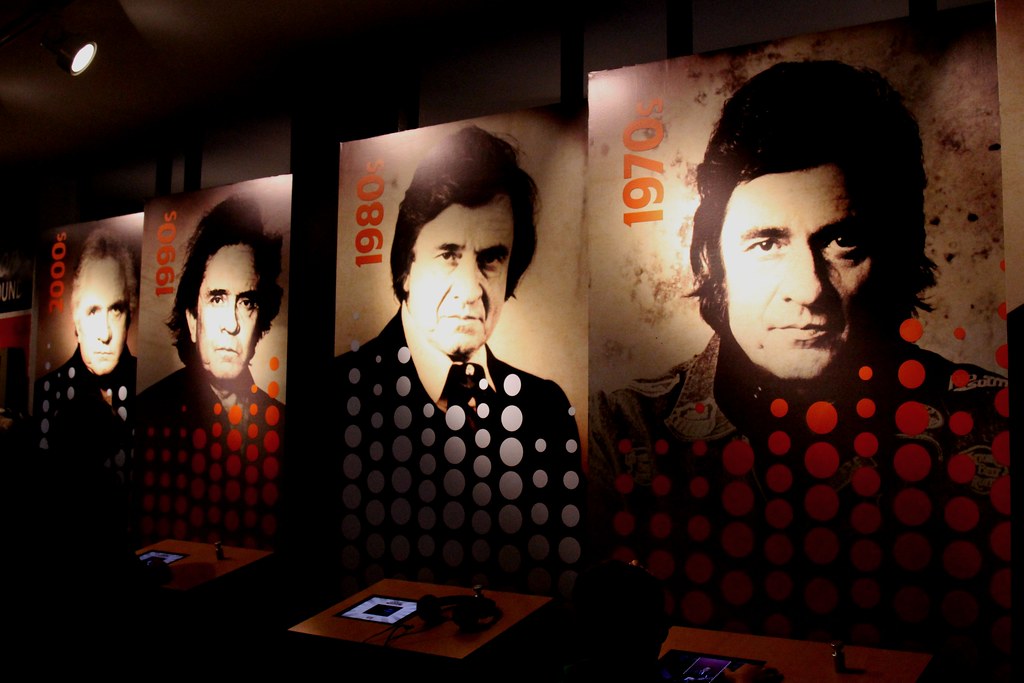
Johnny Cash’s weathered, gravelly voice on his cover of Nine Inch Nails’ “Hurt” transforms the industrial rock song into something profoundly human and heartbreaking. Every crack and tremor in his aging voice adds layers of meaning that the original version, powerful as it was, couldn’t achieve. The way he delivers “I hurt myself today” feels like a confession from someone who’s lived through more pain than most people could imagine. Even Trent Reznor, who wrote the original, said Cash’s version made him feel like he’d stolen the song from Johnny. This recording, made just months before Cash’s death, has been viewed over 100 million times on YouTube and is often cited in “greatest cover songs” lists, ranking number one on multiple publications’ rankings in 2023 and 2024.
10. Billie Holiday – “Strange Fruit” (1939)

Billie Holiday’s haunting performance of “Strange Fruit” remains one of the most courageous and powerful vocal performances ever recorded, addressing lynching in the American South when few dared speak about such horrors. Her voice carries a weight that goes beyond technique, delivering each word with the gravity of someone who understood the real cost of speaking truth to power. The way she pauses and breathes throughout the song creates space for the listener to absorb the full impact of the lyrics. Holiday’s performance was so controversial that many radio stations refused to play it, yet it has endured as perhaps the most important protest song in American history. The Library of Congress added this recording to the National Recording Registry in 2022, cementing its place as culturally and historically significant to American culture.
9. Ray Charles – “Georgia on My Mind” (1960)

Ray Charles’ soulful interpretation of “Georgia on My Mind” showcases his ability to transform any song into something uniquely his own through pure vocal mastery. His voice caresses each note like he’s painting a picture of home, making listeners feel nostalgic for places they’ve never even been. The way he bends notes and adds gospel inflections to what was originally a jazz standard created a template for soul music that artists still follow today. Charles’ performance was so definitive that Georgia adopted the song as their official state song in 1979, nearly two decades after this recording. According to the Georgia Music Hall of Fame, this version has been covered by over 500 artists, making it one of the most interpreted songs in American popular music.
8. Beyoncé – “Crazy in Love” (2003)

Beyoncé’s vocal acrobatics on “Crazy in Love” announced her arrival as a solo superstar with a performance that’s both technically flawless and wildly entertaining. Her voice dances through the horn-heavy production with the confidence of someone who knows they’re about to change the game. The way she layers ad-libs and vocal runs throughout the track creates an infectious energy that’s impossible to resist. This performance helped establish the template for 2000s pop-R&B crossover hits, influencing a generation of artists from Rihanna to Ariana Grande. The song debuted at number one in multiple countries and has been certified multi-platinum worldwide, with over 1.2 billion streams across digital platforms as of 2024.
7. Elvis Presley – “That’s All Right” (1954)

Elvis Presley’s casual, impromptu performance of “That’s All Right” at Sun Records literally changed the course of popular music history, creating what many consider the first rock and roll record. His voice blends country, blues, and pop in a way that had never been heard before, creating something entirely new and revolutionary. The relaxed, almost conversational delivery masks the seismic shift this recording would create in American culture. Producer Sam Phillips knew immediately that he’d captured lightning in a bottle, calling it “the sound he’d been looking for.” The Rock and Roll Hall of Fame lists this as the recording that launched rock and roll, and Rolling Stone ranked it number 1 on their list of songs that changed the world in their 2024 retrospective.
6. Ella Fitzgerald – “Summertime” (1968)

Ella Fitzgerald’s interpretation of “Summertime” from her Berlin concert represents the pinnacle of jazz vocal artistry, showcasing why she earned the title “First Lady of Song.” Her voice floats through the melody with such ease that it makes the incredibly complex phrasing sound effortless. The way she scats and improvises while maintaining the song’s emotional core demonstrates technical mastery that few vocalists have ever approached. Fitzgerald’s performance here has been studied in music schools worldwide, with the Julliard School using it as a cornerstone of their jazz vocal curriculum. This live recording has been reissued multiple times, with the most recent 2023 remaster revealing previously unheard details in her vocal technique.
5. Aretha Franklin – “Respect” (1967)
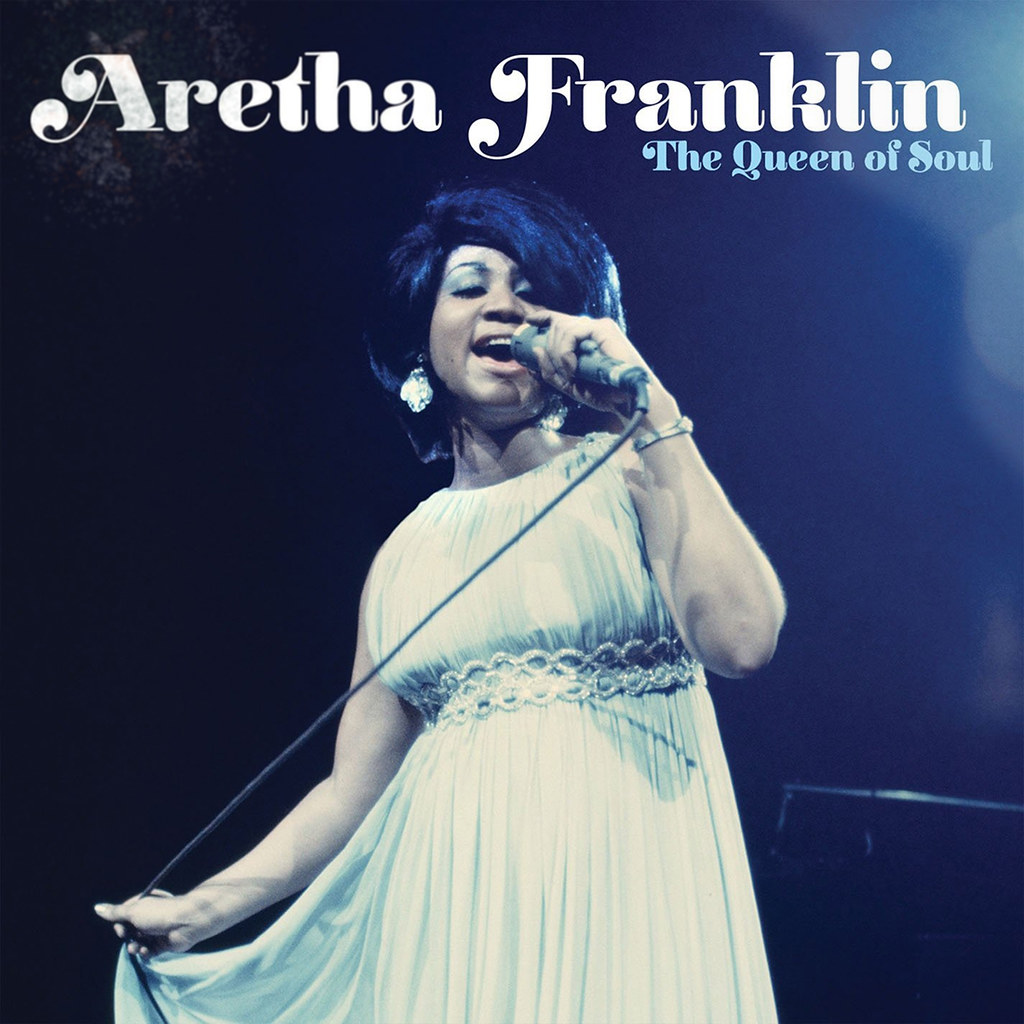
Aretha Franklin’s powerhouse performance of “Respect” transformed Otis Redding’s original into an anthem of empowerment that resonated far beyond music charts. Her voice commands attention from the very first note, delivering each word with the authority of someone who absolutely means what they’re saying. The way she spells out “R-E-S-P-E-C-T” has become one of the most iconic moments in recorded music history. Franklin’s performance here helped establish her as the undisputed “Queen of Soul” and became a rallying cry for both the civil rights and women’s liberation movements. The song topped the Billboard Hot 100 for two weeks and was inducted into the Grammy Hall of Fame, with the Library of Congress naming it one of the most important recordings of the 20th century in their 2023 review.
4. Freddie Mercury – “Bohemian Rhapsody” (1975)
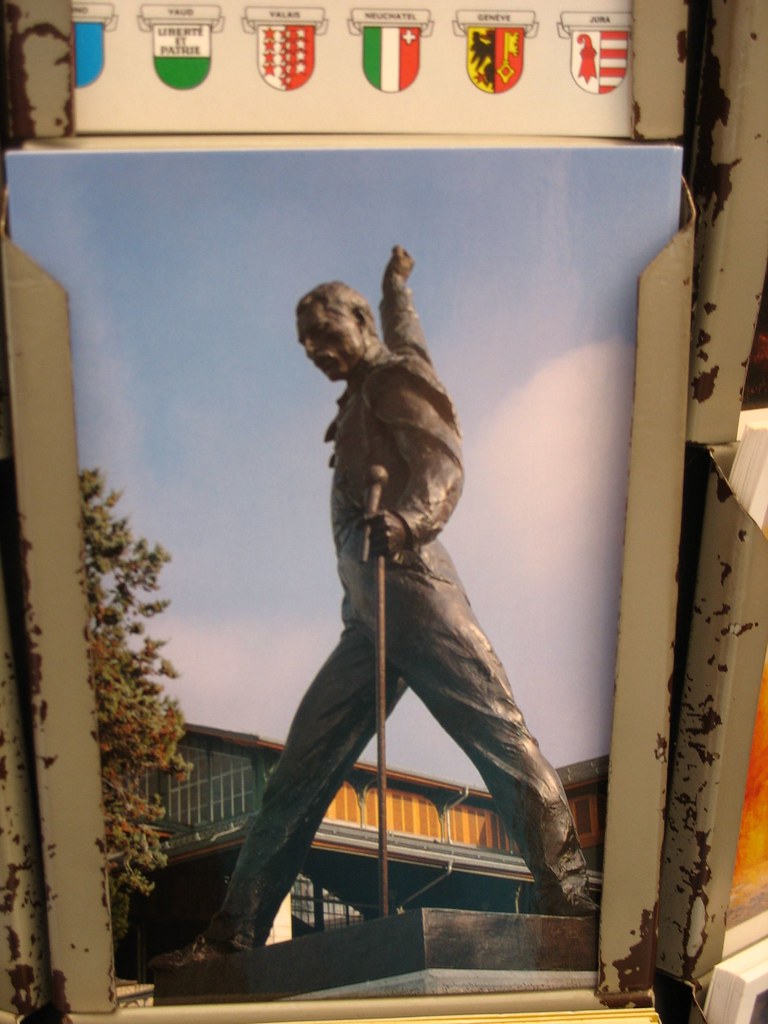
Freddie Mercury’s genre-defying vocal performance on “Bohemian Rhapsody” remains one of the most ambitious and successful experiments in rock history. His voice seamlessly transitions from tender balladry to operatic drama to hard rock aggression, often within the same verse. The multi-layered harmonies showcase Mercury’s incredible range and his ability to blend multiple vocal personalities into one cohesive performance. This six-minute epic proved that radio-friendly didn’t have to mean simple, influencing artists from Green Day to Muse to attempt their own musical epics. The song has experienced multiple revivals, most recently after the 2018 “Bohemian Rhapsody” film, reaching over 2 billion streams on Spotify by 2024 and introducing Mercury’s vocals to entirely new generations.
3. Bob Dylan – “Like a Rolling Stone” (1965)

Bob Dylan’s sneering, revolutionary vocal delivery on “Like a Rolling Stone” changed what popular music could be and say, proving that technical perfection wasn’t necessary to create something profound and lasting. His nasal, conversational style challenged everything people thought they knew about what a pop singer should sound like. The way he spits out the question “How does it feel?” makes it sound like both an accusation and an invitation to self-reflection. Dylan’s performance here influenced countless artists to prioritize authenticity over technical polish, from The Velvet Underground to more recent acts like The National. Rolling Stone magazine named this the greatest song of all time in their 2004 list, a ranking they reaffirmed in their 2024 update, citing Dylan’s vocal performance as the primary reason for its enduring impact.
2. Whitney Houston – “I Will Always Love You” (1992)

Whitney Houston’s soaring performance of “I Will Always Love You” represents perhaps the most technically impressive vocal display in pop music history, showcasing range, power, and control that few singers have ever approached. Her voice builds from intimate vulnerability to stratospheric heights that seem to defy human limitations. The way she holds and ornaments the final “I will always love you” has become the gold standard for vocal power and technique. Houston’s performance here set the bar impossibly high for future singers, with vocal coaches worldwide using it as both inspiration and cautionary tale about the demands of such technical excellence. The song spent 14 weeks at number one on the Billboard Hot 100, became the best-selling single by a female artist in music history, and has been certified 8x platinum, with sales exceeding 20 million copies worldwide according to 2024 industry reports.
1. Aretha Franklin – “Amazing Grace” (Live, 1972)

Aretha Franklin’s transcendent live performance of “Amazing Grace” at the New Temple Missionary Baptist Church represents the absolute pinnacle of vocal artistry, spiritual expression, and pure human emotion captured on record. Her voice transforms this familiar hymn into something that feels both ancient and immediate, channeling generations of pain, hope, and faith into every note. The way she stretches the word “grace” into what feels like a conversation with the divine has moved listeners to tears for over five decades. This performance, recorded for her gospel album of the same name, has been cited by vocalists from Alicia Keys to John Legend as the greatest vocal performance they’ve ever heard. The complete recordings were finally released as a documentary and album in 2018, earning Grammy recognition and introducing new audiences to what many consider the most powerful vocal performance ever captured, with the original album remaining the best-selling live gospel album in history.
What would you have guessed would top this list?