

Batching Tasks for Laser Focus

Imagine running errands: you wouldn’t drive to the grocery store, then back home, then to the post office, and back again, right? The same logic applies to your to-do list. Task batching means grouping similar tasks together and tackling them in one sitting. Studies from the American Psychological Association revealed that batching can reduce the mental costs of switching tasks, boosting productivity by up to 40%. Instead of jumping between emails, calls, and reports, try to handle all your emails at once, then move to calls, and so on. The result? Less wasted brainpower, more done in less time. People who batch tasks often describe feeling like they’re “cheating” the clock, but really, they’re just working smarter.
The Two-Minute Rule

David Allen, a productivity expert, became famous for his “two-minute rule.” If something can be done in less than two minutes, just do it now. Don’t add it to a list or overthink it. Research published in the Harvard Business Review shows that quick wins like these clear mental clutter and reduce procrastination. Imagine how many tiny tasks—replying to a text, filing a document, rinsing a cup—pile up throughout the day. By tackling them as they arise, you keep your plate clear and your mind sharp.
Time Blocking Your Calendar

Color-coded calendars aren’t just pretty: they’re powerful. Time blocking means assigning every hour of your day to a specific activity, even breaks. According to a 2024 Microsoft study, employees who time block report a 25% increase in task completion. The trick is to treat these blocks as appointments you can’t miss. For example, set aside 9-10 a.m. for creative work, 10-10:15 for a break, and so on. This not only reduces decision fatigue but also keeps distractions at bay.
Using the Pomodoro Technique

The Pomodoro Technique is as simple as it is sneaky-effective. Set a timer for 25 minutes, work with full focus, then take a 5-minute break. Repeat. Research by the Draugiem Group found that people working in these short bursts were 15% more productive than those working straight through. The regular breaks recharge your brain and stop burnout before it starts. Something about racing the clock adds a playful energy, turning work into a game.
Embracing “Good Enough” Over Perfection

Perfectionism might sound noble, but it’s a hidden time thief. According to a 2023 study from the University of Bath, perfectionists spend up to 30% more time on tasks without a significant increase in quality. The trick is to recognize when “good enough” is, well, good enough. This doesn’t mean cutting corners—it means letting go of unnecessary tweaks and moving forward. The confidence to say “that’s done” saves hours and reduces stress.
The Power of Saying “No”

Saying “no” is one of the most underrated time management tricks out there. Research in the Journal of Consumer Research shows that people who say “I don’t” instead of “I can’t” are more likely to stick to their boundaries. By politely declining non-essential meetings or projects, you protect your time for what matters most. It can feel rebellious, but it’s actually a sign of respect—both for yourself and others.
Automating Repetitive Tasks
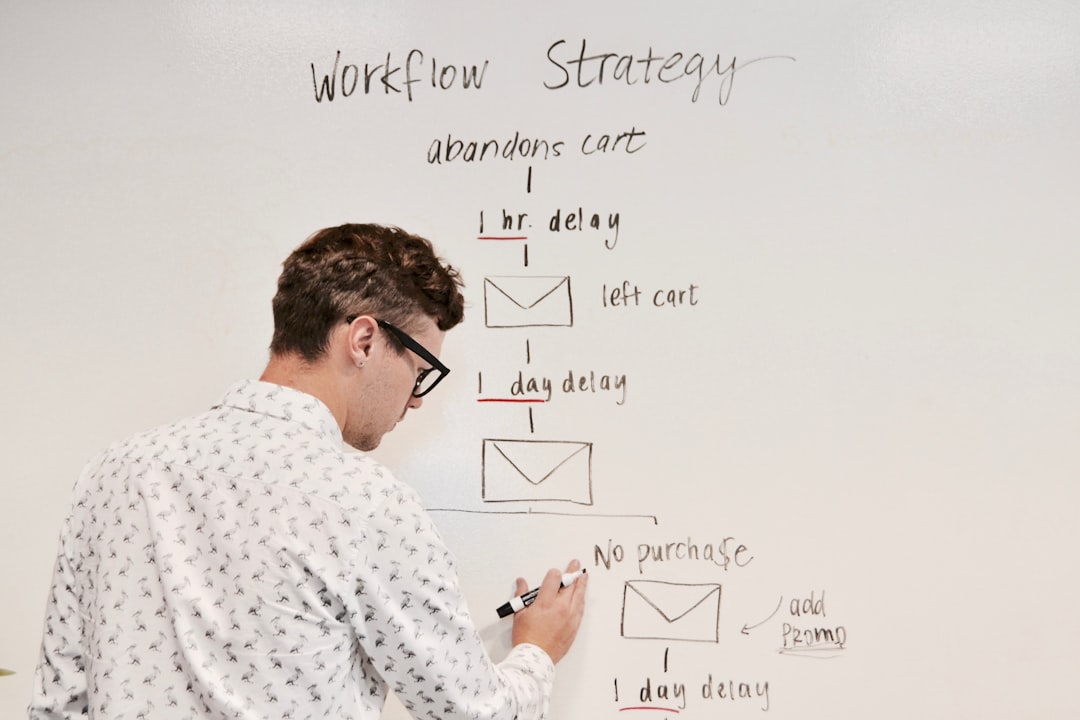
Automation isn’t just for techies. Anyone can use tools like calendar reminders, bill pay, or email filters to handle repetitive tasks without lifting a finger. A 2024 Zapier report found that small business owners who used automation saved an average of 6 hours per week. That’s almost a whole workday! Whether it’s setting up recurring grocery orders or automating email replies, these small changes add up to big time savings.
Delegating Without Guilt

Handing off tasks can feel strange, especially if you’re used to doing everything yourself. But delegation is essential. According to a Gallup poll, managers who delegate tasks effectively are 33% more productive. Start by making a list of things only you can do—everything else is fair game. Maybe it’s asking a coworker to help with research or hiring someone to mow the lawn. Delegation isn’t laziness; it’s strategy.
Using “Dead Time” Wisely

Think about all the pockets of “dead time” in your day—waiting in line, commuting, standing by the microwave. These moments add up. According to a 2023 survey from the Bureau of Labor Statistics, the average American spends about 25 minutes a day just waiting. Use this time for quick wins: listen to podcasts, brainstorm ideas, or reply to messages. Suddenly, the dead time becomes productive time.
Setting Micro-Deadlines

Big projects can feel overwhelming, but breaking them down into micro-deadlines makes them less intimidating. Research from the University of Pennsylvania found that students who set shorter, more frequent deadlines performed 22% better on big assignments. Instead of one looming due date, set a series of smaller, daily targets. Hitting these mini-milestones creates momentum and a sense of accomplishment.
Turning Off Notifications

Notifications are productivity’s sneakiest enemy. One 2024 study from Carnegie Mellon University found that it takes an average of 23 minutes to refocus after a smartphone interruption. Try turning off non-essential notifications—social media, news alerts, even email pop-ups. You’ll be shocked at how much more you get done. It’s like putting your brain in “do not disturb” mode so you can actually finish what you start.
Prepping the Night Before

Getting a head start on tomorrow, tonight, is a classic trick for a reason. A 2023 Sleep Foundation survey found that people who plan their next day before bed fall asleep 20% faster and report less morning stress. Lay out your clothes, make a to-do list, prep breakfast—whatever gets you out the door faster. It’s like setting your future self up for a win.
Using Visual To-Do Lists

A to-do list isn’t just a list—it’s a visual reminder of your goals. But not all lists are created equal. According to a 2024 study in the Journal of Behavioral Decision Making, people who use visual lists (think sticky notes, whiteboards, or digital kanban boards) are 18% more likely to complete their tasks. Seeing progress in real time keeps you motivated and accountable.
Limiting Meeting Time

Meetings can be massive time-sinks. A 2024 Harvard study found that executives spend an average of 23 hours per week in meetings, but only half that time is productive. Try setting a timer for meetings—30 minutes, max. Have a clear agenda and stick to it. This forces everyone to focus, speak up, and get things done quickly.
Rewarding Yourself for Progress

Never underestimate the power of a reward. Behavioral science research from Stanford University shows that even small rewards—like a coffee break or a walk in the sun—can boost dopamine and motivation. Set a goal, finish it, and treat yourself. The promise of a reward gives you something to look forward to and can make even the dullest task feel like a game.
End.