

Self-Driving Cars

Not so long ago, the idea of cars driving themselves was pure fantasy, seen only in futuristic movies. Now, companies like Tesla, Waymo, and even traditional automakers are testing or selling vehicles equipped with advanced driver-assistance systems. As of 2023, over 1,400 autonomous vehicles were operating on public roads in the U.S., according to the National Highway Traffic Safety Administration. Self-driving technology uses lidar, radar, cameras, and powerful AI to navigate roads, avoid obstacles, and make split-second decisions. While full autonomy is still being refined, many cars can already park themselves or navigate highways with minimal human input. The technology is advancing rapidly, with some cities even experimenting with autonomous taxis. Experts predict that by 2030, self-driving vehicles could make up 12% of new car sales globally.
3D Printing
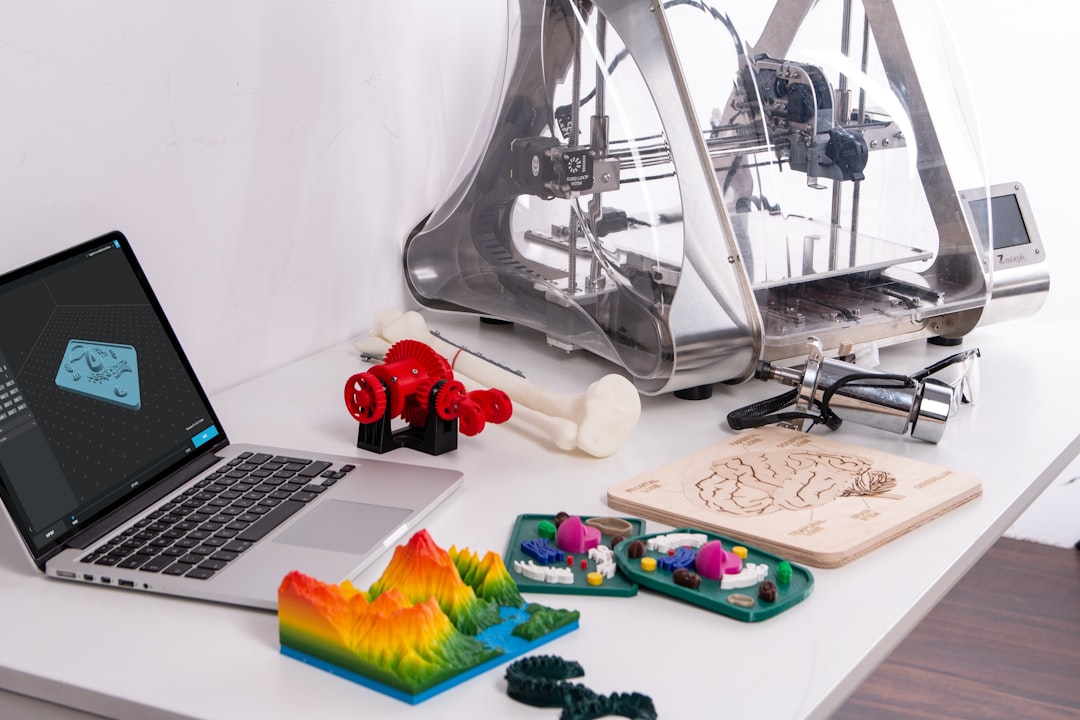
Printing real objects from a digital file once sounded like magic. Today, 3D printers are making everything from car parts to prosthetic limbs and even edible food. In 2022, the global 3D printing market was valued at around $17.4 billion, growing steadily each year. Hospitals use 3D printers to create custom implants and surgical tools tailored to individual patients. Architects print scale models of their designs, while astronauts aboard the International Space Station use 3D printers to fabricate tools on demand. The technology is even being used to build houses layer by layer from concrete. What used to be sci-fi is now transforming industries and saving lives.
Virtual Reality (VR) and Augmented Reality (AR)
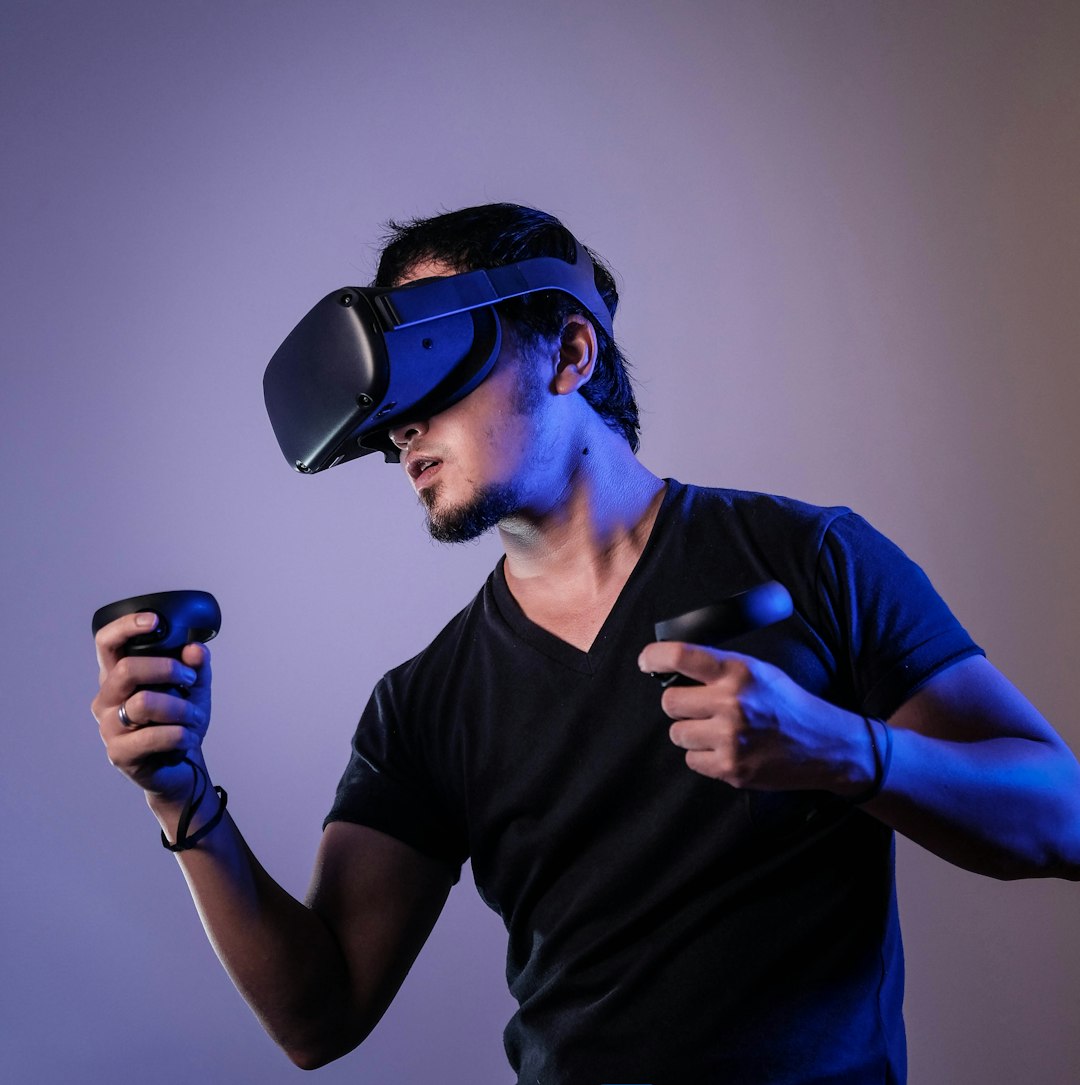
People once imagined stepping into digital worlds or overlaying virtual objects onto real life as something out of a movie. But VR and AR are now everywhere, from gaming to education to medicine. According to Statista, there were over 171 million VR users worldwide in 2023. Devices like Meta Quest and Microsoft HoloLens allow users to immerse themselves in virtual environments or project digital images onto physical spaces. Surgeons use AR to visualize anatomy during operations, and museums offer VR tours to remote visitors. The technology is also helping people treat phobias and PTSD. With hardware prices dropping and software improving, VR and AR are becoming everyday tools.
Artificial Intelligence (AI) Assistants
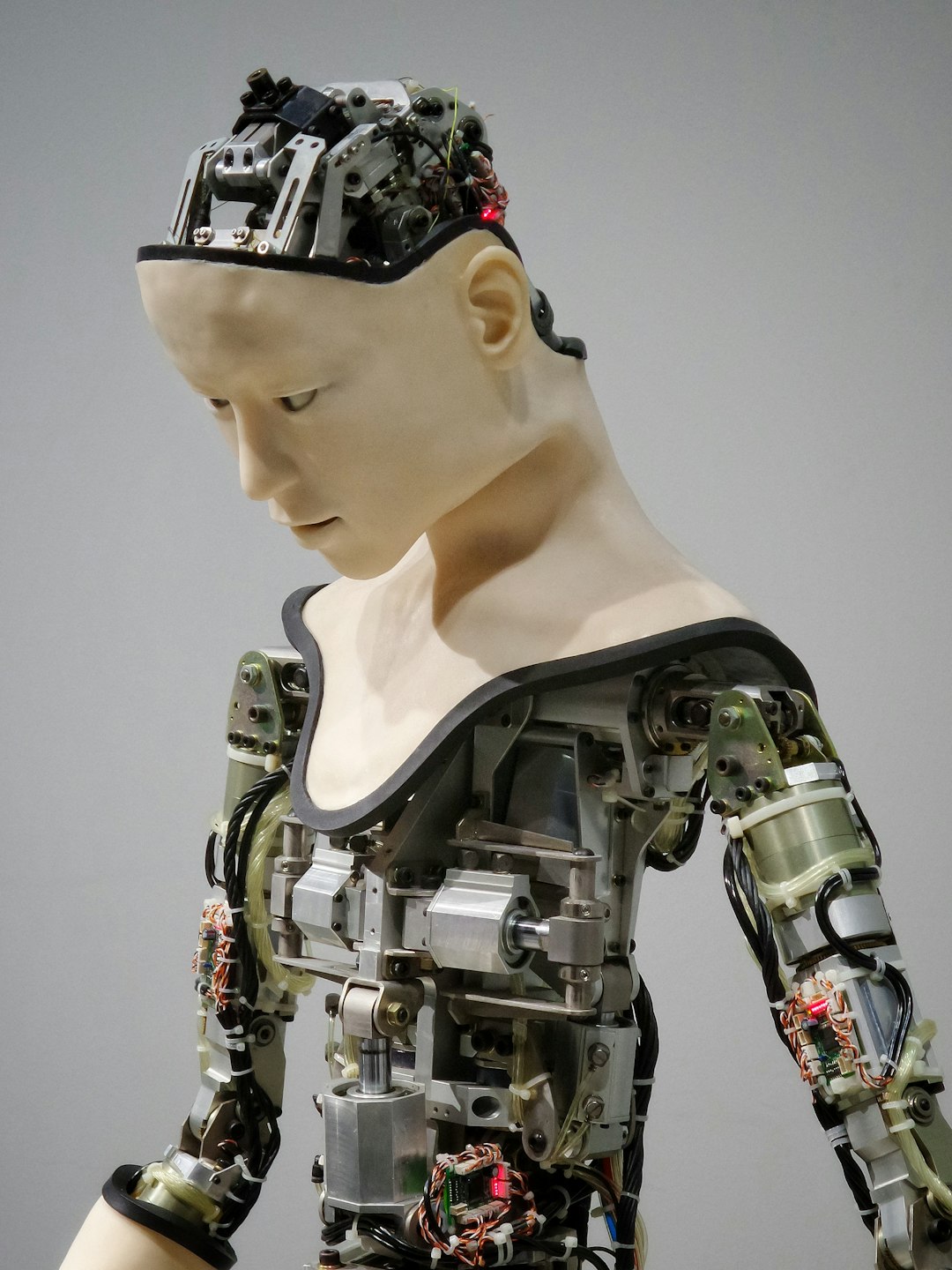
Talking to computers was once a staple of science fiction, but now millions of people chat daily with AI assistants like Siri, Alexa, and Google Assistant. These AI helpers can answer questions, set reminders, play music, and even control smart home devices. In 2023, it was estimated that over 4.2 billion digital voice assistants were in use worldwide. AI assistants rely on natural language processing, machine learning, and vast data sets to understand and respond to human speech. Their abilities keep expanding, handling everything from booking flights to managing household routines, blending seamlessly into modern life.
Robotic Surgery

The thought of robots performing surgery on humans was once terrifying fiction. Today, robotic systems like the da Vinci Surgical System assist doctors with delicate procedures, offering more precision and smaller incisions. As of 2022, over 7,000 da Vinci robots were installed in hospitals worldwide, with millions of surgeries performed using robotic assistance. Robotic surgery reduces recovery times, minimizes blood loss, and allows for less invasive operations. Surgeons still control the robots, but the machines enhance their skill and reach. The technology is rapidly evolving, opening new possibilities for remote surgeries and improved patient outcomes.
Gene Editing (CRISPR)

Editing human DNA to cure diseases or enhance traits was once the plot of science fiction novels. But with CRISPR-Cas9, gene editing is a reality. Since its discovery in 2012, CRISPR has revolutionized medicine and biology by allowing scientists to “cut and paste” genes with remarkable accuracy. As of 2023, clinical trials are underway to treat genetic disorders like sickle cell anemia and certain cancers using CRISPR technology. The technique is also being explored for agricultural improvements, pest control, and even reviving extinct species. While ethical debates continue, gene editing is already changing lives.
Smartphones and Wearables

The concept of a device that fits in your pocket, connects you to the world, and tracks your health would have seemed impossible just a few decades ago. Today, over 6.9 billion people own a smartphone, and wearable devices like smartwatches and fitness trackers are everywhere. Modern smartphones provide instant access to information, high-resolution cameras, and powerful computing power. Wearables monitor heart rate, sleep patterns, and even detect falls, alerting emergency services if needed. These technologies have become extensions of ourselves, shaping how we interact, work, and stay healthy.
Wireless Charging

Charging gadgets without plugging them in felt like a futuristic fantasy. Now, wireless charging pads and stations are commonplace for smartphones, earbuds, and even electric vehicles. The global wireless charging market was valued at $6.5 billion in 2023, with rapid growth expected. Wireless charging uses electromagnetic fields to transfer energy between coils, making it possible to power devices simply by placing them on a charging pad. Some companies are developing long-range wireless charging, which could one day charge phones and gadgets over several feet, eliminating cables entirely.
Facial Recognition Technology
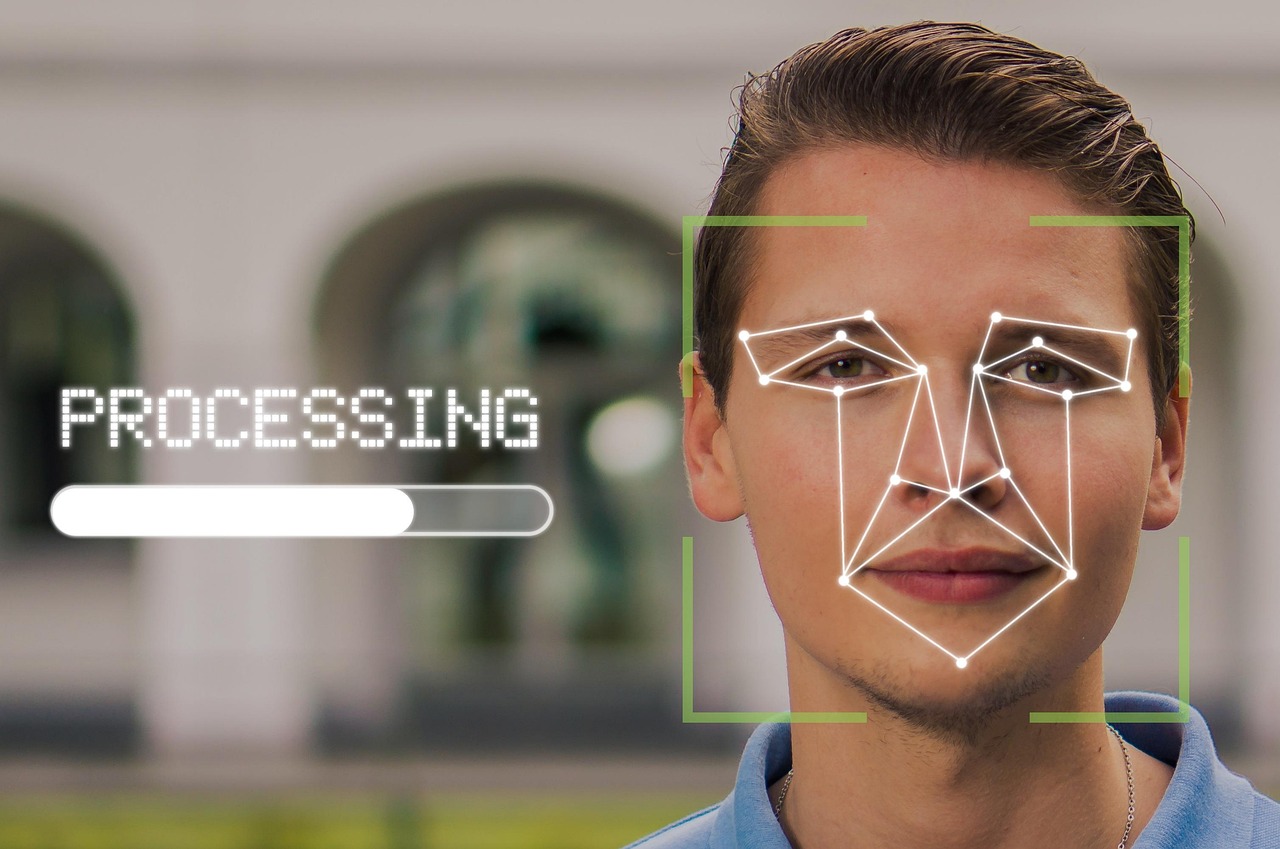
Unlocking doors or phones with just a glance was once pure science fiction. Today, facial recognition is used worldwide for security, payments, and social media. As of 2023, it’s estimated that over a billion smartphones use facial recognition to unlock devices. Airports and law enforcement agencies use the technology for identity verification and surveillance. While there are ongoing debates over privacy and accuracy, facial recognition has become a standard feature in many aspects of daily life, from unlocking phones to accessing offices.
Drone Delivery
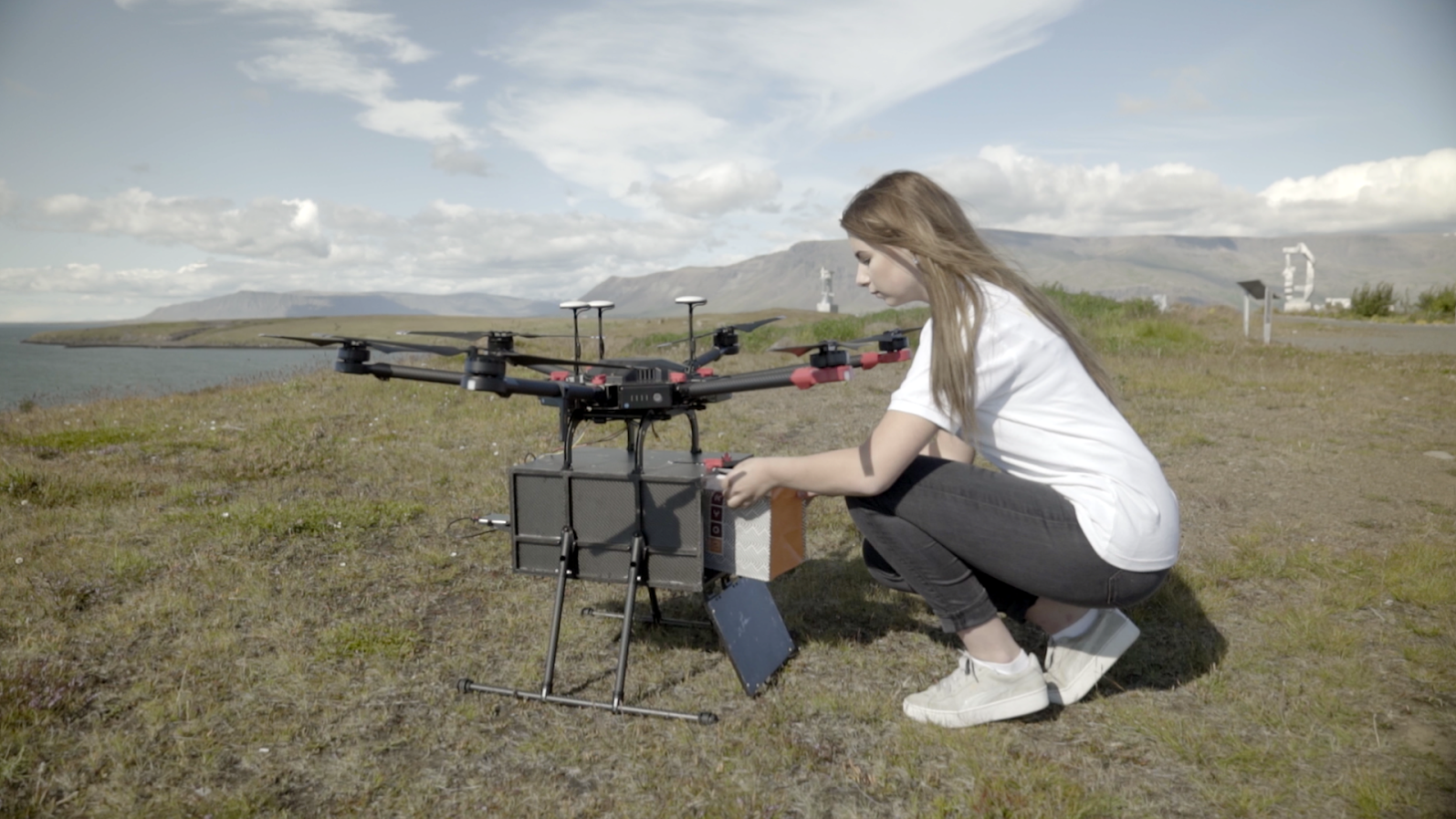
The idea of packages flying to your doorstep by drone seemed fantastical. But now, companies like Amazon, UPS, and Wing (a subsidiary of Alphabet) are actively testing and deploying drone delivery services. In 2023, drones made thousands of deliveries in test markets across the U.S., Australia, and Europe. Drones can transport lightweight packages over short distances, bypassing traffic and reaching remote areas. The Federal Aviation Administration has begun approving more commercial drone operations, and the technology is expected to expand rapidly, especially for medical supplies and urgent deliveries.
Biometric Security

Relying on fingerprints, eyes, or even your voice as a key was once a staple of spy movies. Now, biometric authentication is everywhere. In 2023, over 80% of smartphones shipped with some form of biometric sensor, such as fingerprint scanners or facial recognition. Banks, airports, and government agencies use biometrics for secure access. Even ATMs in some countries support palm or iris scanning. Biometrics offer a convenient alternative to passwords, and advances in AI have made them even more accurate and reliable.
Smart Homes
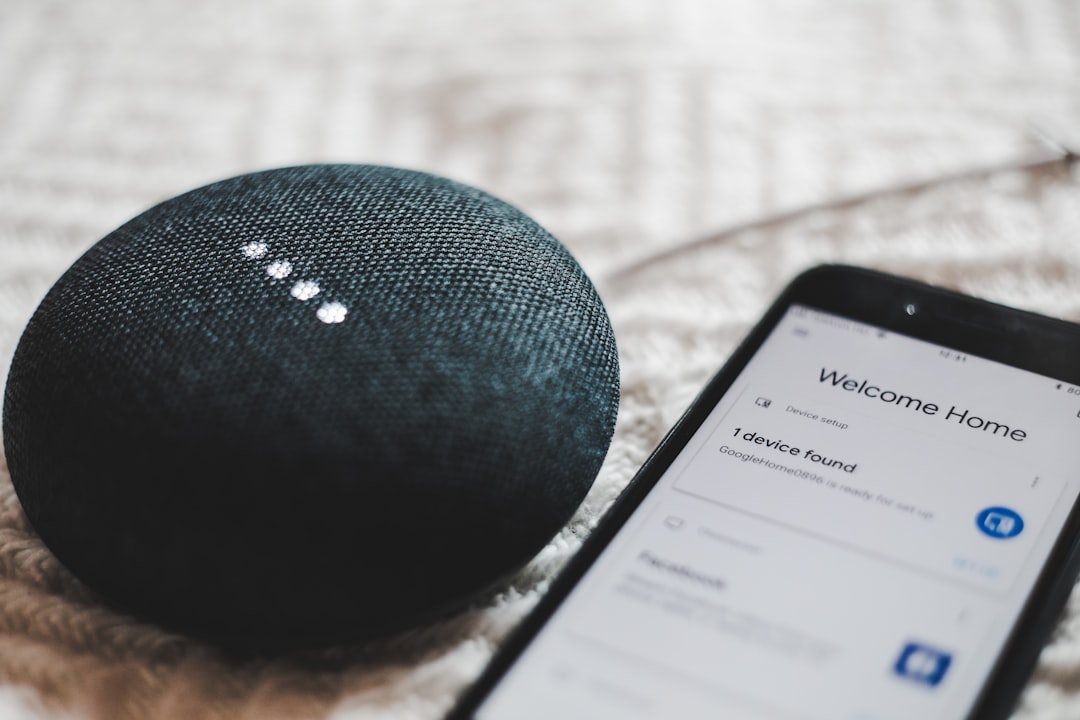
The idea of homes that respond to your voice, adjust lighting automatically, and manage energy use seemed like pure fantasy. Today, smart home devices are booming, with the market expected to reach $163.7 billion by 2028. Voice assistants, smart thermostats, and connected appliances help people save energy, improve security, and live more comfortably. Smart lights can mimic sunrise, cameras can notify you of visitors, and refrigerators can order groceries. As more devices become compatible, smart homes are rapidly becoming the new normal.
Quantum Computing

Computers that use the strange rules of quantum physics to solve problems millions of times faster than traditional computers were once thought impossible. Now, companies like IBM, Google, and China’s Baidu are racing to develop quantum computers. In 2019, Google announced “quantum supremacy” after its quantum computer solved a complex problem in 200 seconds that would take a supercomputer 10,000 years. While practical uses are still developing, quantum computing could revolutionize cryptography, drug discovery, and materials science in the next decade.
Exoskeletons

Mechanical suits that give humans super strength were once only seen in comic books and movies. Today, exoskeletons assist workers in factories and help paralyzed people walk again. Companies like Ekso Bionics and ReWalk have developed wearable exoskeletons used for rehabilitation in hospitals and by workers lifting heavy objects. In 2022, over 10,000 exoskeleton devices were in active use globally. The technology is evolving quickly, with lighter, smarter designs aimed at military, industrial, and medical applications.
Real-Time Language Translation

Instant translation of spoken language seemed unbelievable just a few years ago. Now, apps like Google Translate and devices like Pocketalk offer real-time voice translation in dozens of languages. In 2023, Google Translate supported over 133 languages and processed more than 100 billion words daily. Real-time translation is used in international business, travel, and education, breaking down language barriers and bringing people closer together. Artificial intelligence has made translations more accurate and natural-sounding, with some devices even working offline for travelers in remote areas.