

1. Julius Caesar: Betrayed by Friends
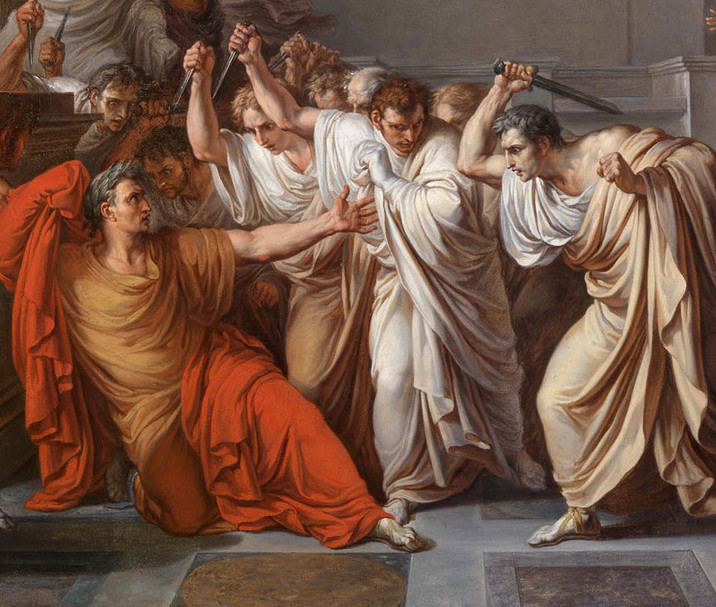
Julius Caesar’s death is one of the most famous assassinations in history, yet the true brutality and betrayal still shock many. On the Ides of March, 44 BCE, Caesar entered the Senate, completely unaware that a group of senators—some of them his closest allies—were plotting against him. According to ancient historian Suetonius, as many as 60 conspirators participated, stabbing him 23 times. The most stunning detail is that Brutus, whom Caesar reportedly trusted like a son, was among the attackers. Witnesses said Caesar’s last words may have been, “Et tu, Brute?” expressing his heartbreak at Brutus’s betrayal. The attack was so frenzied that at least one senator wounded himself in the chaos. Over 2,000 years later, the image of a powerful leader brought down by those he trusted most remains haunting.
2. Cleopatra: The Mystery of the Asp
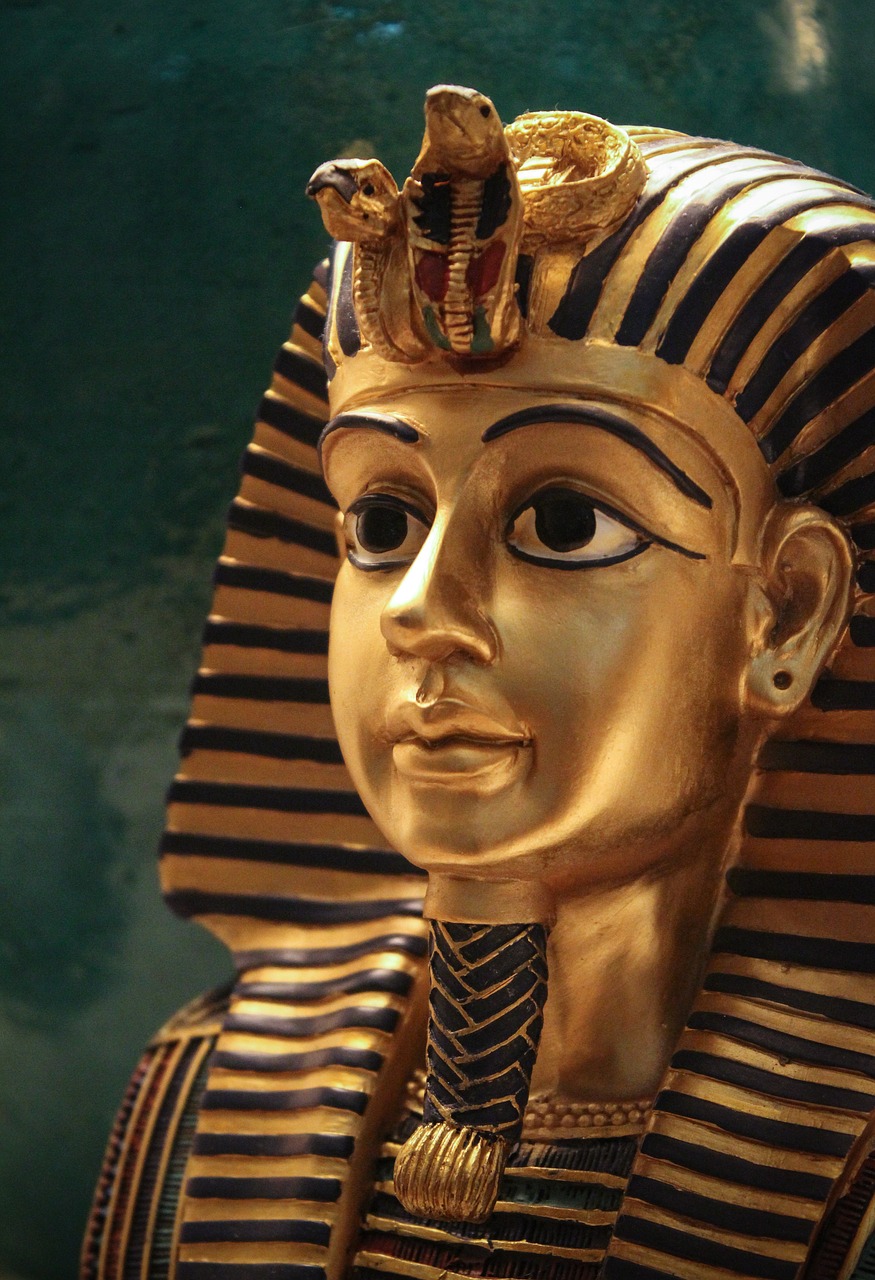
Cleopatra, the last active ruler of Egypt’s Ptolemaic dynasty, met her end in a way that still sparks debate. After her defeat by Octavian, Cleopatra was captured and held prisoner. Ancient sources like Plutarch claim she smuggled a venomous asp (Egyptian cobra) into her chamber and allowed it to bite her, ending her life. However, modern research questions this account, suggesting she may have died from a toxic ointment or a cocktail of poisons. The drama of her death, whether by snake or by secret potion, has fascinated historians for centuries. Cleopatra’s demise at just 39 years old marked not only the fall of a queen but the end of ancient Egyptian rule.
3. King Henry VIII: Death by Obesity and Infection

King Henry VIII of England is remembered for his six marriages and his break from the Catholic Church, but the manner of his death is less well known. By the time he died in 1547, Henry was morbidly obese, reportedly weighing over 350 pounds. He suffered from a festering leg ulcer, possibly caused by diabetes or a jousting injury, which modern doctors believe led to sepsis. Accounts from his time describe the ulcer as oozing and foul-smelling, making his final days agonizing. Henry’s excesses, both in wealth and food, ultimately contributed to his slow, painful end—proof that even kings are not immune to the toll of poor health.
4. Edgar Allan Poe: A Death Shrouded in Mystery

The famous American writer Edgar Allan Poe died in 1849 under bizarre and still unsolved circumstances. Found delirious and wearing someone else’s clothes on the streets of Baltimore, Poe was taken to a hospital, where he died a few days later. Doctors recorded symptoms of confusion, hallucinations, and a lack of coherence. Theories about his death include alcohol poisoning, rabies, carbon monoxide poisoning, or even a political kidnapping scheme known as “cooping.” No definitive cause has ever been established. Poe’s mysterious final days have become as legendary as his haunting stories.
5. Rasputin: The Man Who Wouldn’t Die
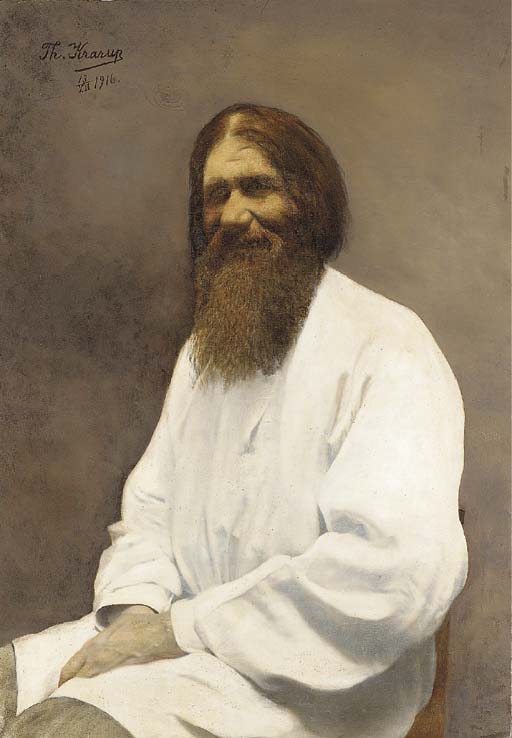
Grigori Rasputin, the Russian mystic and advisor to the Romanov family, seemed almost impossible to kill. According to British intelligence reports and Russian eyewitnesses, assassins poisoned Rasputin with cyanide-laced cakes and wine in 1916. When this failed, they shot him multiple times, but he still managed to stagger out into the courtyard. Finally, he was beaten and thrown into an icy river, where he drowned. Autopsy reports from the time confirm he had both gunshot wounds and water in his lungs, suggesting he was still alive when he hit the water. Rasputin’s incredible resistance to death fed his legend as an “unkillable” figure.
6. Marie Curie: Victim of Her Own Discovery

Marie Curie, the Nobel Prize-winning scientist famed for discovering radioactivity, unknowingly became a victim of her own research. Curie regularly handled radioactive materials without any protective gear, as the dangers were unknown at the time. She even carried test tubes of radium in her pockets, marveling at their glow. Over the years, exposure took a toll on her body, weakening her immune system and causing her to develop aplastic anemia, a disease that destroys bone marrow. Curie died in 1934, and her notebooks remain dangerously radioactive to this day, a haunting legacy of scientific curiosity outpacing safety.
7. Tycho Brahe: The Astronomer Who Held It In
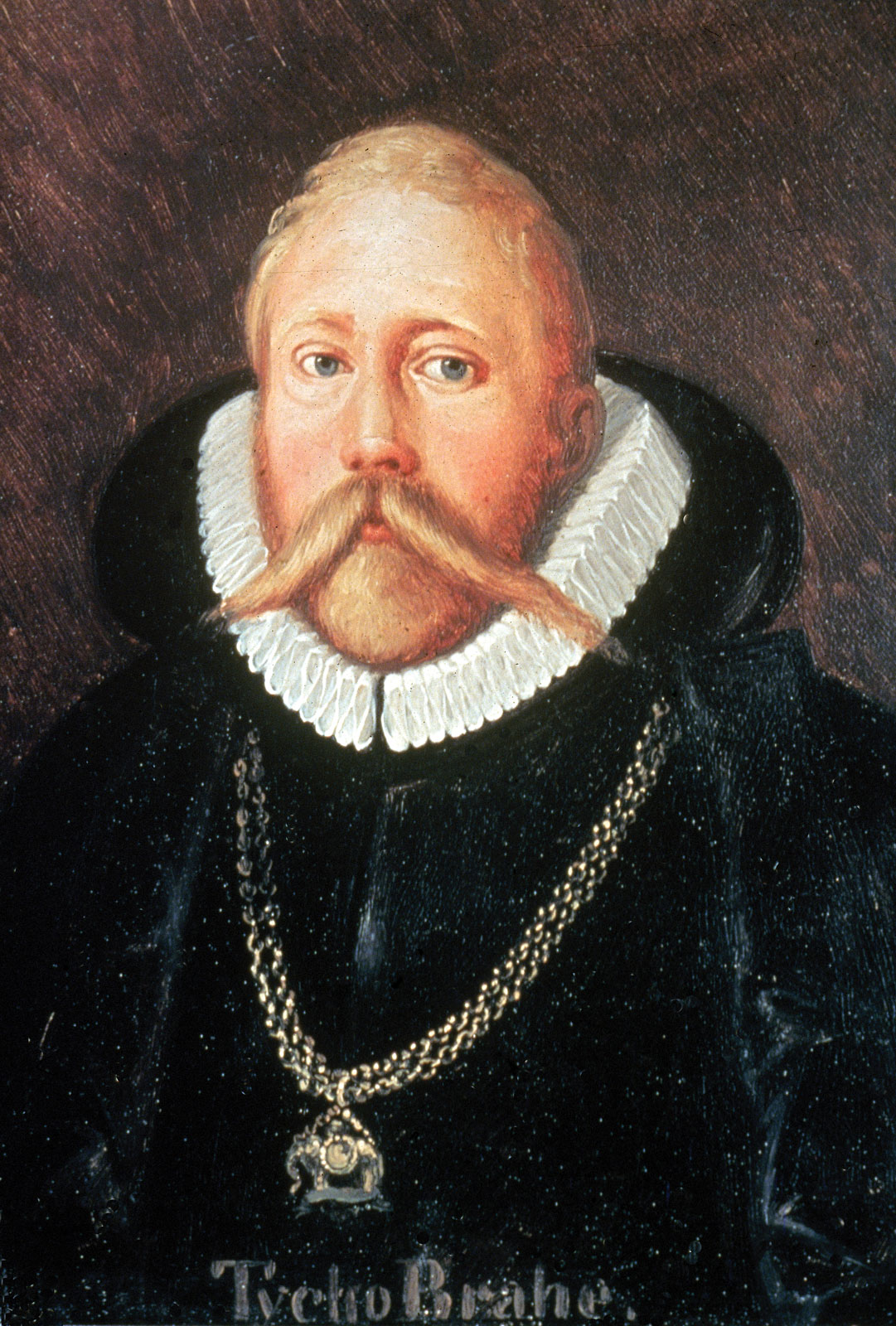
Tycho Brahe, the renowned Danish astronomer, died in 1601 from complications related to a ruptured bladder. During a royal banquet, Brahe was too polite to excuse himself to use the bathroom, as etiquette at the time considered it rude to leave the table. After hours of restraint, his bladder burst, leading to a painful infection and death eleven days later. Recent forensic analysis of his remains found high levels of mercury, sparking theories of poisoning, but most historians agree that his fatal politeness cost him his life. Brahe’s tragic end is a stark reminder that sometimes, good manners can be deadly.
8. Isadora Duncan: The Scarf That Killed a Star

Isadora Duncan, the mother of modern dance, died in 1927 in a way as dramatic as her performances. While riding in an open-top car in Nice, France, Duncan wore a long, flowing silk scarf. As the car accelerated, the scarf became entangled in the rear wheel, snapping her neck and killing her instantly. Witnesses described the scene as shocking and surreal, with Duncan’s signature accessory becoming her undoing. Her death added a layer of tragic poetry to her already remarkable life. In a twist of fate, the very symbol of her artistic freedom became the cause of her demise.
9. Franz Ferdinand: A Wrong Turn That Changed History

Archduke Franz Ferdinand’s assassination in 1914 is often cited as the spark that ignited World War I, but the details are almost unbelievable. After surviving an earlier assassination attempt, his driver took a wrong turn in Sarajevo, stopping almost directly in front of one of the would-be assassins, Gavrilo Princip. Seizing the opportunity, Princip shot Franz Ferdinand and his wife at point-blank range. The randomness of the event—an accidental turn leading to a world-changing death—has fascinated historians for generations. The assassination set off a domino effect, plunging Europe into war.
10. Alan Turing: The Tragic End of a Genius

Alan Turing, the brilliant mathematician who helped crack the Nazi Enigma code, died under distressing circumstances in 1954. After being prosecuted for homosexuality—a crime in Britain at the time—Turing was subjected to chemical castration. He died from cyanide poisoning, and while some believe it was suicide, others argue it could have been accidental, as Turing often performed chemical experiments at home. The apple found beside his bed, supposedly laced with cyanide, became a symbol of his tragic fate. Turing’s death was a devastating loss to science, and it took decades for his genius to be fully recognized and honored.
11. Joan of Arc: Burned at the Stake

Joan of Arc, the teenage peasant girl who led French troops to victory, met a horrifying end in 1431. Captured by the English and tried for heresy, she was sentenced to death by burning. Eyewitnesses reported that she faced the flames with remarkable composure, calling out to Jesus as she died. The execution was intended as both punishment and spectacle, with a large crowd witnessing the event. Decades later, Joan was exonerated and declared a martyr, but her brutal death remains a symbol of both courage and injustice.
12. Alexander the Great: A Mysterious Sickness

Alexander the Great conquered much of the known world by the age of 32, but his death in 323 BCE remains a mystery. Historical records describe a sudden fever and progressive paralysis that lasted for days. Some scholars argue he died of typhoid or malaria, while others suspect poisoning or even West Nile virus, based on symptoms described in ancient texts. The suddenness and severity of his illness, combined with the political intrigue surrounding his empire, have fueled centuries of speculation. No matter the cause, Alexander’s death changed the course of history, fracturing his empire and sparking power struggles for years to come.
13. Elvis Presley: The King’s Final Hours
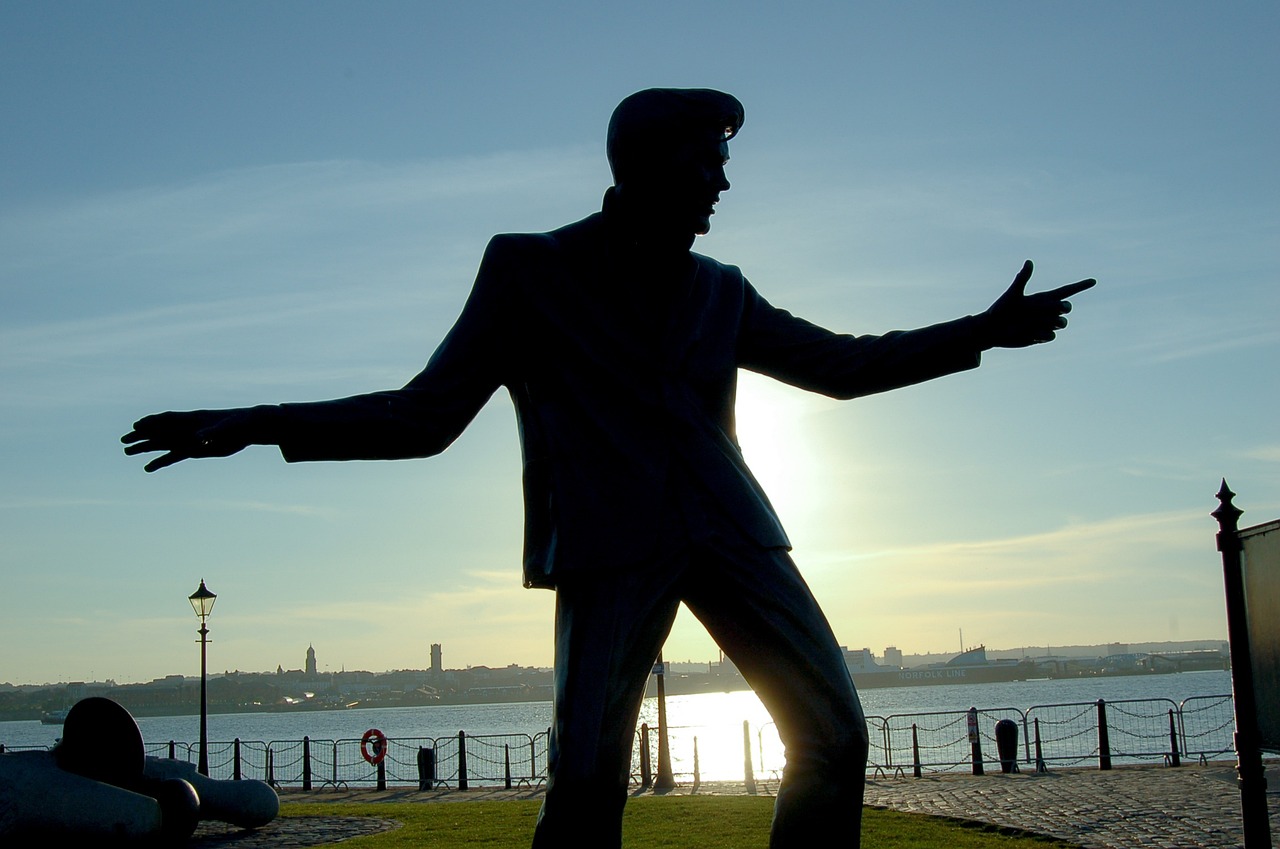
Elvis Presley, the legendary King of Rock and Roll, died in 1977 at just 42 years old. Found unresponsive in his bathroom at Graceland, the official cause was a heart attack. However, toxicology reports revealed high levels of prescription drugs in his system, including painkillers, sleeping pills, and tranquilizers. These substances, combined with years of poor diet and health problems, contributed to his sudden and shocking death. The news devastated fans worldwide, highlighting the dark side of fame and the pressures facing music icons. Elvis’s untimely end is a sobering reminder of the cost of stardom.
14. Steve Irwin: Killed by a Stingray

Steve Irwin, known as the “Crocodile Hunter,” was famous for his daring wildlife encounters, but his death in 2006 stunned the world. While filming a documentary on the Great Barrier Reef, Irwin was stabbed in the chest by a stingray’s barb. The wound pierced his heart, causing fatal bleeding within minutes. Despite immediate attempts to save him, Irwin died before reaching the hospital. His crew described the event as a freak accident, as stingray attacks are rarely fatal. Irwin’s death highlighted both the beauty and unpredictability of nature, and was mourned by fans across the globe.
15. Princess Diana: Fatal Car Crash in Paris

Princess Diana’s death in 1997 shocked the world and triggered a wave of grief unprecedented in modern times. Diana, her companion Dodi Fayed, and their driver were fleeing paparazzi in Paris when their car crashed in the Pont de l’Alma tunnel. Investigations concluded that the driver was speeding and under the influence of alcohol, while none of the passengers were wearing seatbelts. The circumstances surrounding the crash led to endless conspiracy theories and public scrutiny. Diana’s tragic end at just 36 years old transformed her from beloved royal to global legend, reminding everyone of the perilous intersection between fame and privacy.