

1. Sophocles’ “Antigone”: Defying Unjust Authority

When “Antigone” was first performed in ancient Greece, Sophocles dared to challenge the foundation of law and justice. The play revolves around Antigone’s decision to honor her brother with a proper burial, directly opposing King Creon’s edict. This act of rebellion is more than a family quarrel—it’s a timeless protest against tyranny and the dangers of absolute power. Even today, legal scholars and activists see Antigone as an early voice for civil disobedience, a concept that would not gain full recognition until thousands of years later. The tension between following conscience and obeying authority echoes in modern debates, from whistleblowers to political protests. In 2021, a study published by the University of Oxford highlighted Antigone as a foundational text in courses about ethics and law, showing its continued influence. The play’s emotional power lies in its clear message: sometimes, doing what is right means standing alone against the world.
2. Plato’s “The Republic”: Questioning Justice and Society
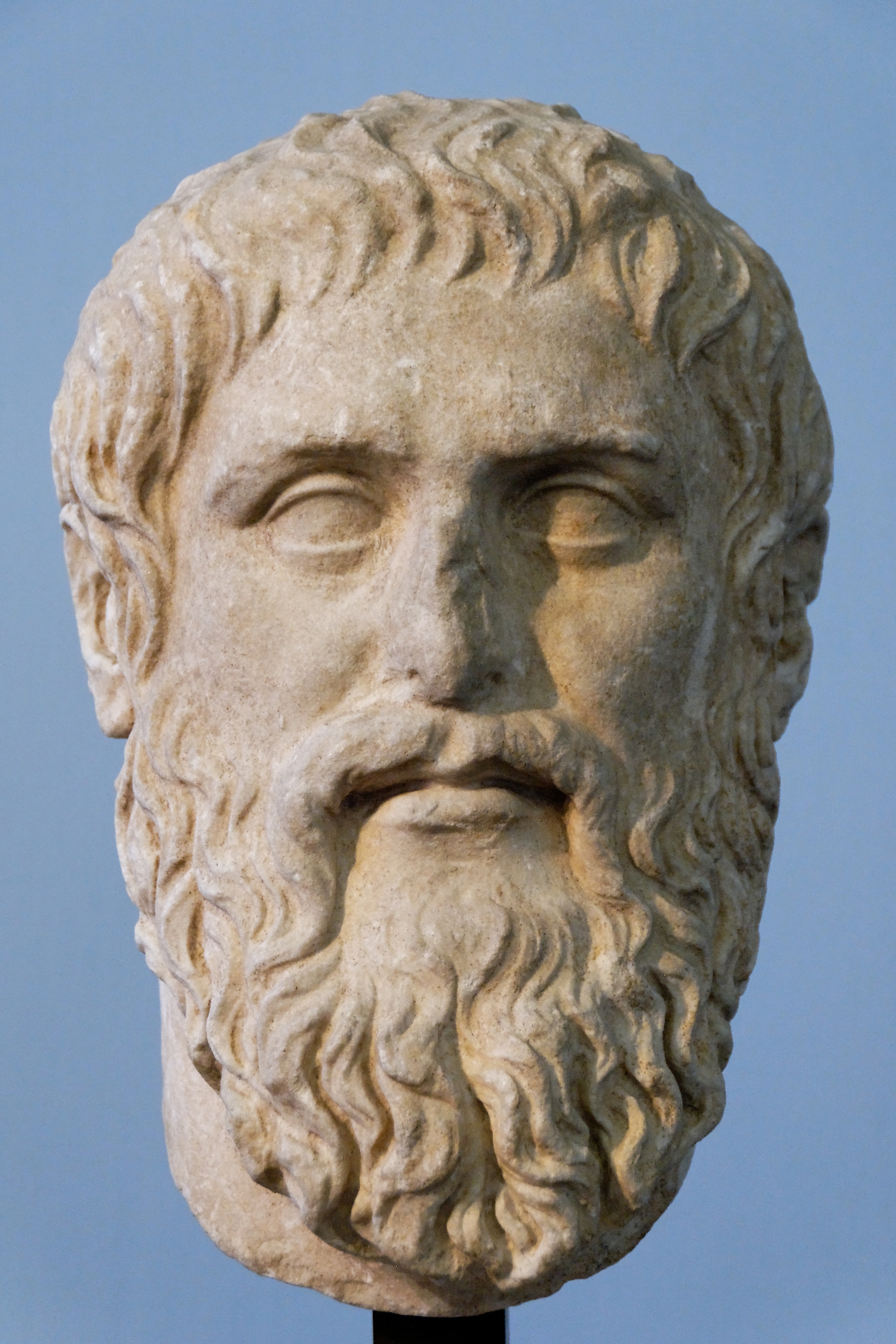
Plato’s “The Republic,” written in the 4th century BCE, remains a groundbreaking exploration of justice, government, and utopian ideals. In a world where democracy was still in its infancy, Plato dared to question the very nature of justice and the structure of society. Through Socratic dialogues, he exposed the flaws of existing political systems and painted a vision of a just society led by philosopher-kings. The book’s warnings against the manipulation of truth and the dangers of mob rule are especially relevant today, as societies around the globe grapple with misinformation and populism. In 2023, the World Economic Forum referenced “The Republic” while discussing the ethical responsibilities of leaders and the importance of education in democracy. Plato’s vision of a fair society continues to inspire political thinkers and reformers, pushing people to imagine better ways of living together.
3. Euripides’ “Medea”: The Price of Betrayal and Revenge
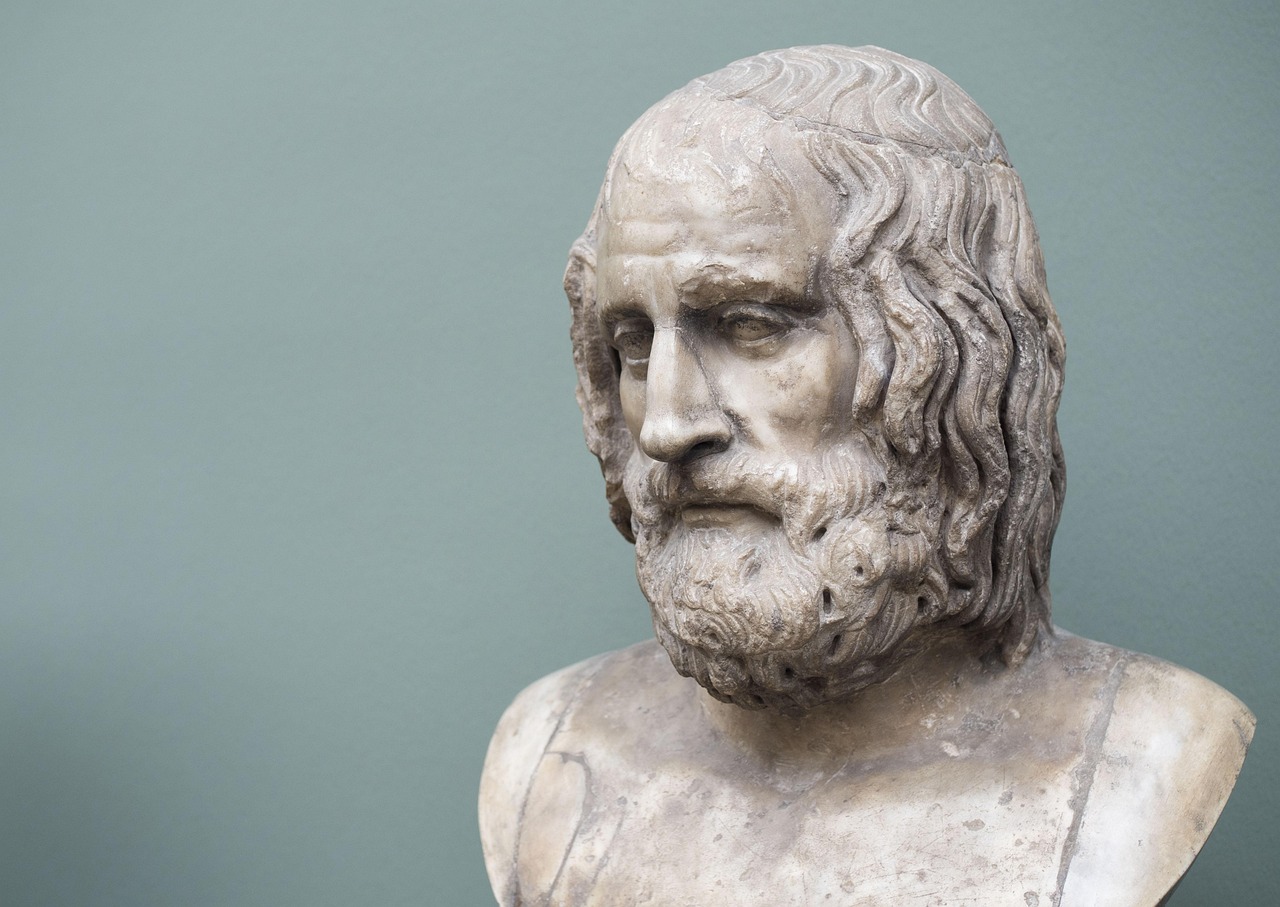
Euripides shocked his audiences in 431 BCE with “Medea,” a tragedy that dared to confront the dark side of human emotions and the cost of betrayal. The story centers on Medea, who is driven to terrifying acts after her husband Jason abandons her. Euripides was ahead of his time in giving voice to a woman scorned, showing her intelligence and the pain beneath her rage. The play explores gender inequality, the limits of justice, and the consequences of broken promises. In 2024, researchers at Stanford University noted that “Medea” remains a touchstone in discussions about gender and power, with its themes echoed in modern films and literature. The emotional intensity and psychological complexity of Medea’s character remind us that the price of betrayal can ripple through families and societies for generations.
4. Dante Alighieri’s “Divine Comedy”: Mapping the Human Soul
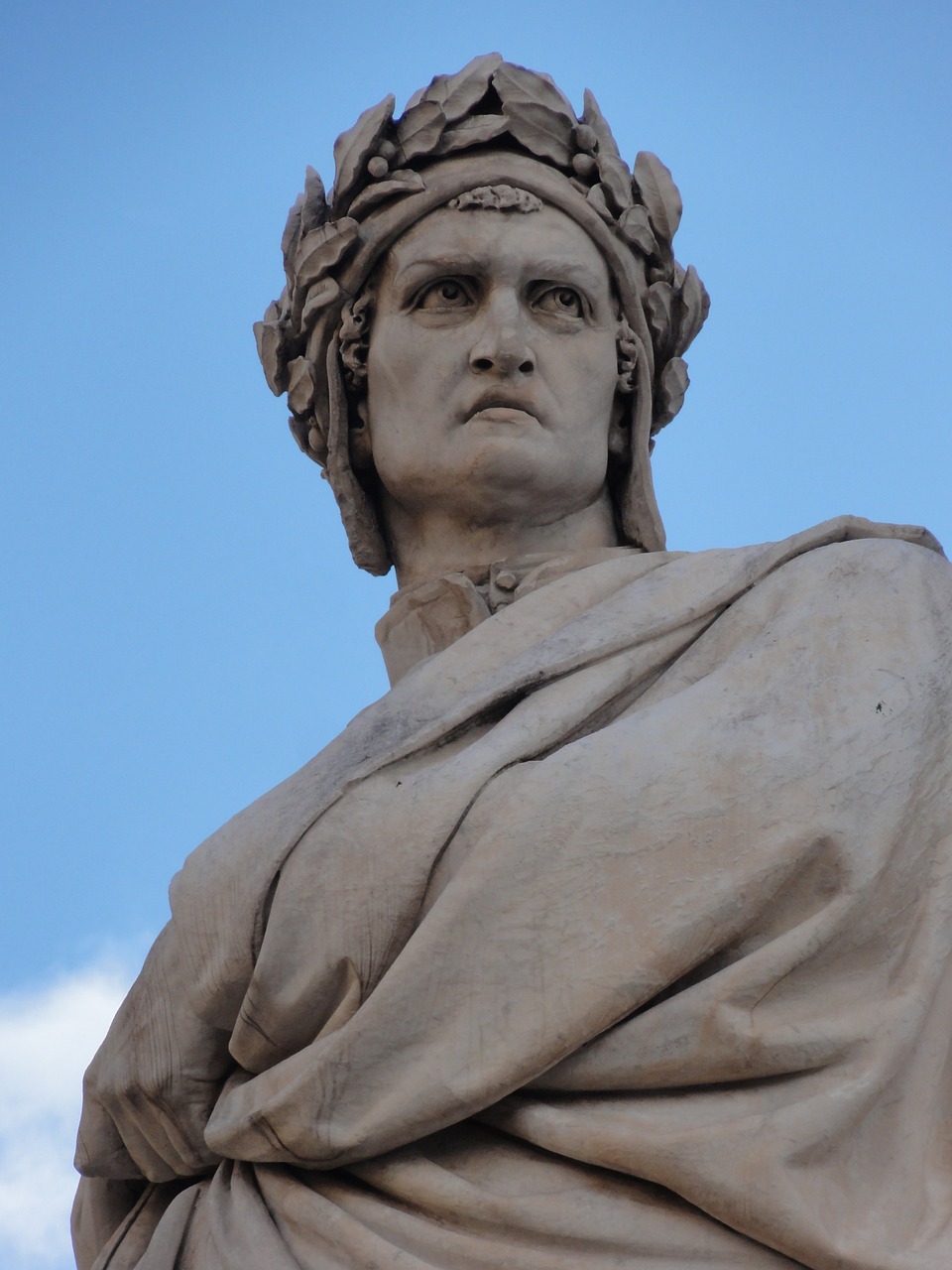
Dante’s “Divine Comedy,” completed in 1320, is more than a journey through hell, purgatory, and paradise—it’s a profound meditation on the human condition. Dante used vivid imagery and poetic language to confront questions of morality, redemption, and justice. His vision of hell, where sinners face punishments that fit their crimes, remains one of literature’s most powerful metaphors for personal accountability. Modern psychologists have cited the “Divine Comedy” as a valuable tool for understanding guilt, shame, and forgiveness. A 2022 study by Cambridge University explored how Dante’s depiction of inner and outer struggle resonates with people coping with trauma and seeking meaning in suffering. The “Divine Comedy” continues to inspire readers to reflect on their own lives and choices.
5. William Shakespeare’s “Hamlet”: The Struggle for Truth in a Corrupt World
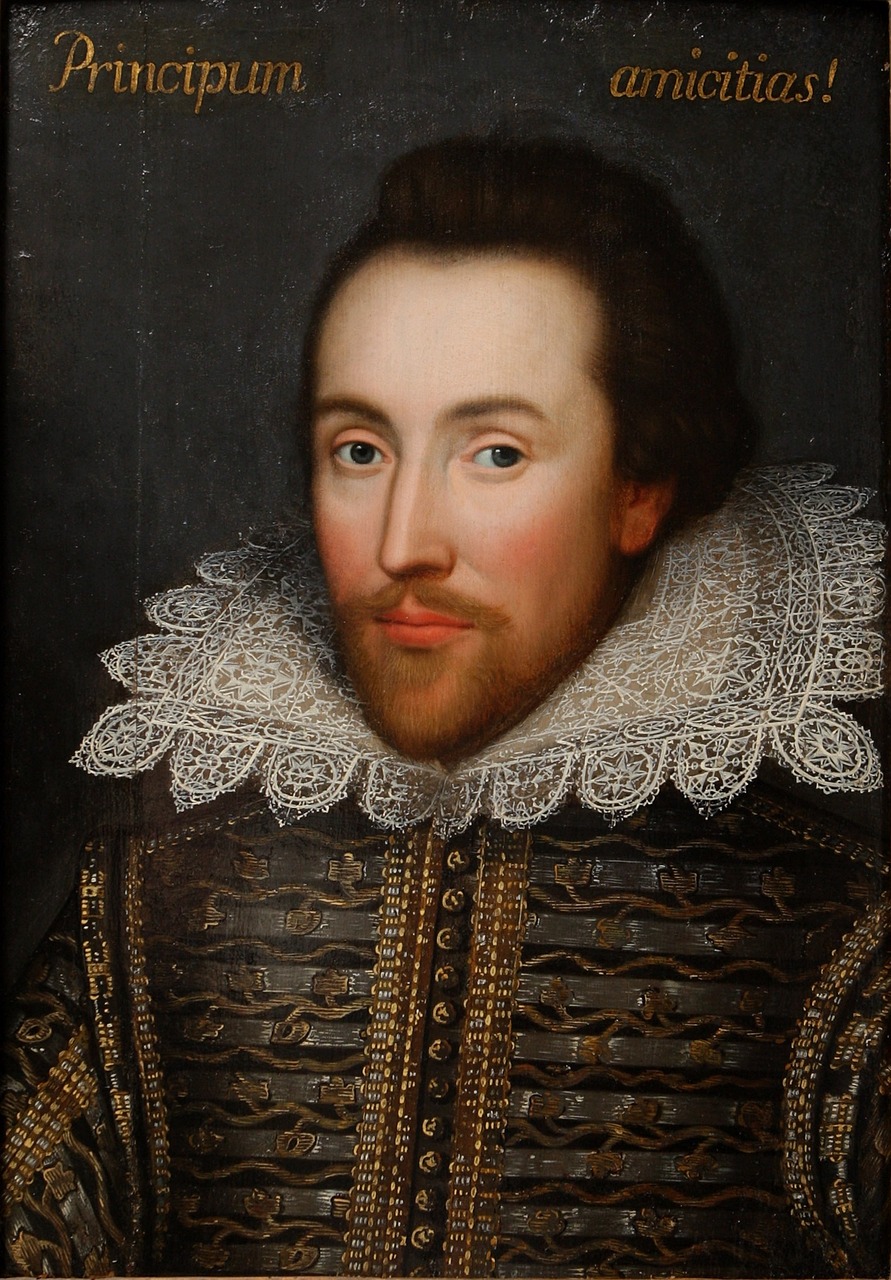
First performed around 1600, “Hamlet” dives deep into the murky waters of truth, deception, and moral ambiguity. Shakespeare’s troubled prince questions the reality of the world around him, exposing the hypocrisy and corruption at the heart of Denmark’s royal court. The famous line, “Something is rotten in the state of Denmark,” has become shorthand for systemic failure and moral decay. In 2023, the Royal Shakespeare Company highlighted “Hamlet” in a series on plays that reflect societal anxieties, noting its enduring relevance in the age of political scandals and fake news. Hamlet’s relentless search for truth, no matter how painful, speaks to anyone who has ever doubted the stories told by those in power.
6. Mary Wollstonecraft’s “A Vindication of the Rights of Woman”: Seeds of Feminism
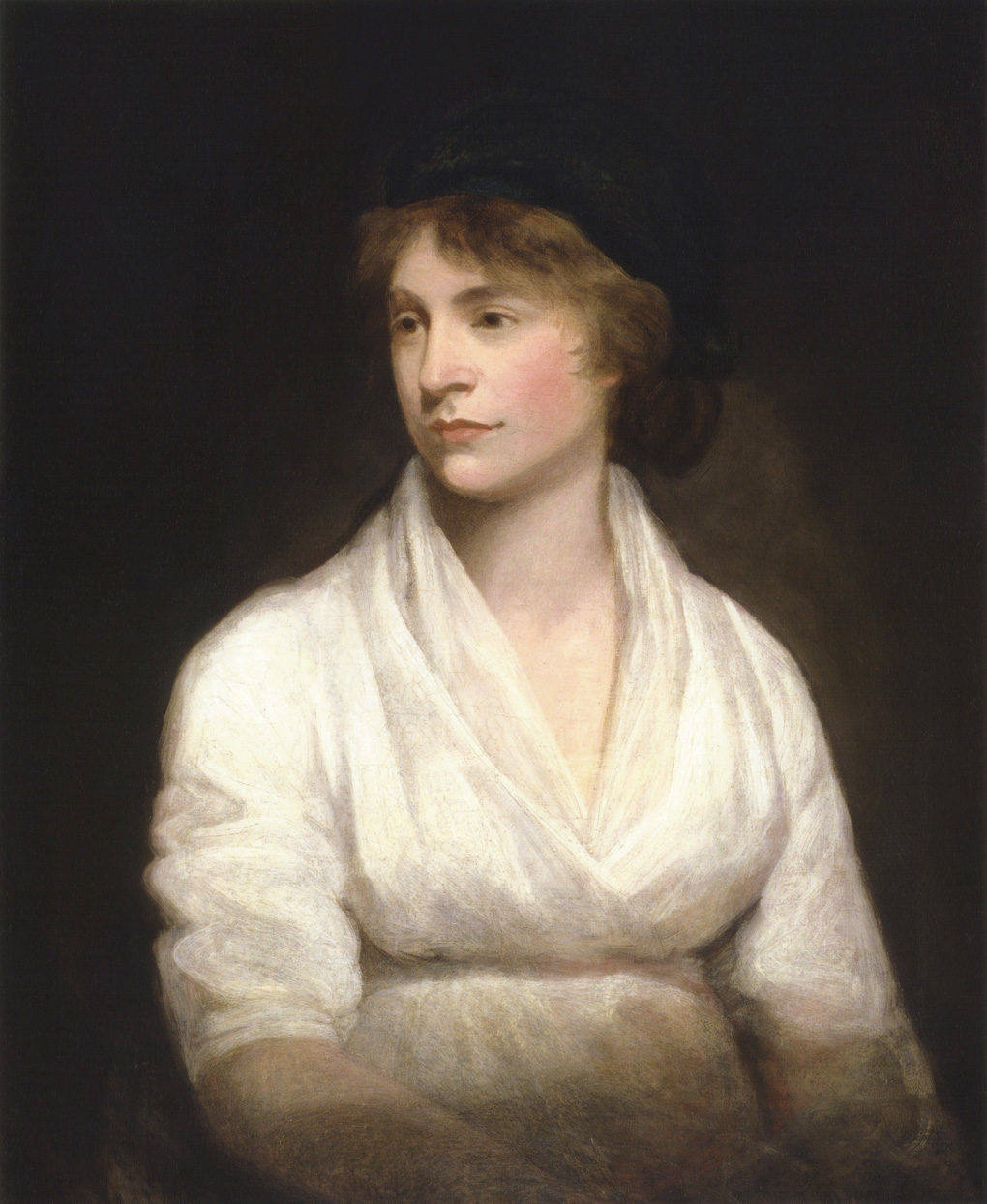
In 1792, Mary Wollstonecraft sent shockwaves through polite society with her revolutionary treatise, “A Vindication of the Rights of Woman.” At a time when women were denied education, property, and political voice, Wollstonecraft argued passionately for equality and the right to self-determination. Her bold ideas inspired the first waves of women’s rights movements in the 19th and 20th centuries. A 2024 report by the United Nations recognized Wollstonecraft’s work as a cornerstone of gender equality, still cited in discussions of women’s rights around the world. Her unwavering belief that women deserved the same educational and personal freedoms as men paved the way for generations of activists.
7. Voltaire’s “Candide”: Exposing the Absurdity of Blind Optimism
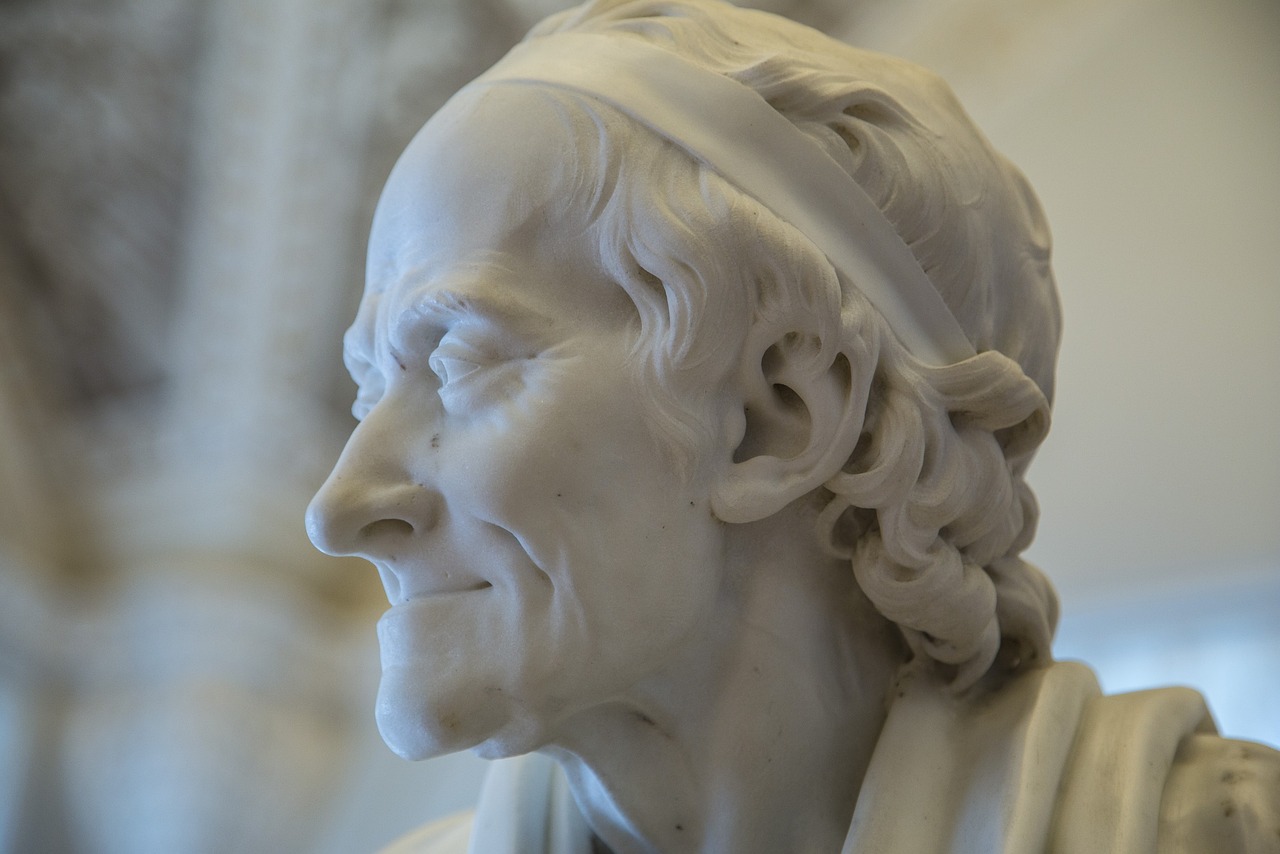
Voltaire’s “Candide,” published in 1759, is a biting satire that dismantles the idea that “all is for the best in the best of all possible worlds.” Through a series of absurd and tragic misadventures, Candide exposes the cruelty and injustice lurking beneath the surface of polite society. Voltaire’s sharp wit and fearless criticism of authority, religion, and blind optimism resonated through the Enlightenment and beyond. In 2023, a European university study cited “Candide” as a major influence in teaching critical thinking and skepticism, especially in the age of social media echo chambers. Voltaire’s message to question everything and never accept suffering as inevitable remains as urgent as ever.
8. Harriet Beecher Stowe’s “Uncle Tom’s Cabin”: Shattering Illusions About Slavery

When “Uncle Tom’s Cabin” was published in 1852, it became an instant sensation, drawing attention to the brutal realities of slavery in the United States. Harriet Beecher Stowe’s vivid characters and heartbreaking stories moved millions, fueling the abolitionist movement and changing the course of history. The book sold over 300,000 copies in its first year and was credited by Abraham Lincoln as helping to ignite the Civil War. According to a 2024 Smithsonian report, “Uncle Tom’s Cabin” remains one of the most influential works in American literature courses today. Its enduring power lies in its ability to evoke empathy and outrage, forcing readers to confront uncomfortable truths.
9. Fyodor Dostoevsky’s “Crime and Punishment”: Guilt, Conscience, and Social Breakdown

Dostoevsky’s “Crime and Punishment,” published in 1866, delves into the tortured mind of Raskolnikov, a young man who believes himself above the law. The novel explores existential questions about guilt, redemption, and the limits of morality. Dostoevsky’s insights into the psychology of crime were far ahead of his time, anticipating modern ideas about mental health and social alienation. In 2024, the American Psychological Association cited “Crime and Punishment” as an early literary exploration of criminal behavior and remorse. The novel’s depiction of isolation, fear, and the search for meaning continues to resonate with readers struggling with their own moral dilemmas.
10. Henrik Ibsen’s “A Doll’s House”: Challenging the Family Ideal

Henrik Ibsen rocked 19th-century society with “A Doll’s House,” a play that questions marriage, gender roles, and the meaning of personal freedom. Nora Helmer’s shocking decision to leave her husband and children was seen as scandalous in 1879, but it exposed the suffocating expectations placed on women. Ibsen’s realism and focus on individual rights anticipated later feminist movements and debates about family structure. In 2023, the National Theatre of Norway marked Ibsen’s birthday by highlighting “A Doll’s House” as a catalyst for social change. The play’s enduring relevance can be seen in ongoing discussions about work-life balance, marriage equality, and the right to self-fulfillment.
11. Leo Tolstoy’s “War and Peace”: The Chaos Behind History

Tolstoy’s epic novel “War and Peace,” published in 1869, shattered illusions about heroism, war, and historical destiny. By weaving together the lives of soldiers, aristocrats, and peasants, Tolstoy showed that history is shaped not just by great men but by countless small choices and accidents. His nuanced portrayal of war’s horror and futility was a radical departure from romanticized battle stories. In 2024, historians at the Russian Academy of Sciences cited “War and Peace” as a master class in historical realism, with its lessons applied to the study of modern conflicts. The novel’s focus on the unpredictability of life and the search for meaning resonates with readers facing global uncertainty today.
12. Charles Dickens’ “Oliver Twist”: Exposing Poverty and Injustice

When Charles Dickens published “Oliver Twist” in 1837, he forced Victorian England to confront the grim realities of child labor, poverty, and crime. Through Oliver’s harrowing journey, Dickens exposed the failures of social institutions and the need for compassion. The novel’s success helped spark public debates about reforming workhouses and improving conditions for the poor. According to a 2022 report by the British Library, “Oliver Twist” remains a staple in classrooms and is frequently cited in discussions about social justice. Dickens’ ability to blend heartache and hope makes the novel a powerful tool for inspiring change.
13. Emily Brontë’s “Wuthering Heights”: Breaking Conventions of Love and Morality

“Wuthering Heights,” published in 1847, shocked readers with its passionate, destructive love story and unflinching look at obsession and revenge. Emily Brontë broke with the conventions of her time, creating characters who defied social norms and moral expectations. The novel’s dark themes and raw emotion baffled critics but found new appreciation in the 20th and 21st centuries. In 2024, the Brontë Society reported a surge in academic interest in “Wuthering Heights,” linking its exploration of trauma and toxic relationships to modern psychological research. The story’s haunting atmosphere and emotional honesty continue to captivate new generations.
14. George Orwell’s “1984”: A Chilling Glimpse of Surveillance and Control

Orwell’s “1984,” published in 1949, is a prophetic warning about the dangers of totalitarianism, surveillance, and the manipulation of truth. The novel’s concepts—Big Brother, Newspeak, doublethink—have entered everyday language and remain strikingly relevant in the digital age. In 2023, a Pew Research Center survey found that references to “1984” had spiked in public discourse about privacy and government overreach. Orwell’s bleak vision of a world where freedom of thought is crushed continues to inspire activists, journalists, and ordinary citizens to defend their rights.
15. Lorraine Hansberry’s “A Raisin in the Sun”: Dreams, Race, and Dignity in America

Lorraine Hansberry’s “A Raisin in the Sun,” first performed in 1959, was the first play by an African American woman produced on Broadway. The story follows a Black family’s struggle to achieve their dreams in the face of racism and economic hardship. Hansberry’s honest portrayal of hope, frustration, and dignity spoke powerfully to the civil rights movement and still feels urgent today. In 2024, the National Museum of African American History and Culture highlighted “A Raisin in the Sun” as a foundational work in American theater. The play’s enduring message is a reminder that the fight for equality and respect is far from over.