

The Velvet Underground & Nico – The Velvet Underground (1967)
When The Velvet Underground & Nico was released in 1967, it was met with confusion and commercial failure, selling only around 30,000 copies in its first five years. Critics at the time found its raw production and taboo lyrics off-putting, and radio stations refused to play it due to the controversial themes. Yet, decades later, this record is hailed as one of the most influential in rock history. Brian Eno famously quipped, “Only a few thousand people bought that record, but every one of them started a band.” Today, it’s often listed in Rolling Stone’s “500 Greatest Albums of All Time” and has influenced countless musicians from David Bowie to U2. Its iconic banana cover, designed by Andy Warhol, has also become a symbol of artistic rebellion. The album’s legacy proves that true innovation isn’t always immediately understood.
Pet Sounds – The Beach Boys (1966)
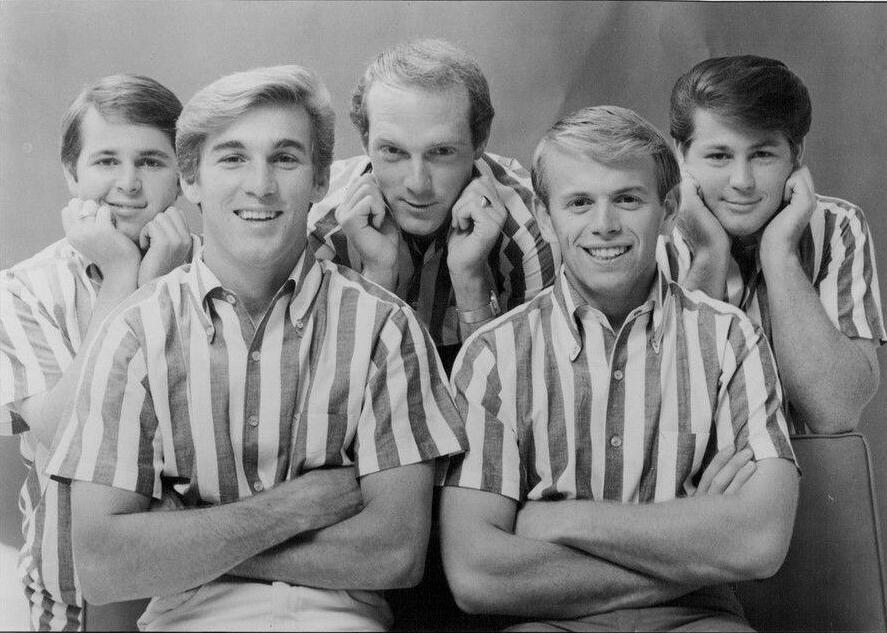
Upon its release, Pet Sounds was overshadowed by The Beatles’ dominance and failed to meet commercial expectations in the United States. Brian Wilson’s ambitious production, lush harmonies, and introspective lyrics confused fans hoping for more surf tunes. Initially, it peaked at number 10 on the Billboard charts, a disappointment compared to previous Beach Boys albums. However, over time, its influence grew exponentially. Paul McCartney has repeatedly called Pet Sounds his favorite album, crediting it as a major inspiration for Sgt. Pepper’s Lonely Hearts Club Band. Modern critics now describe it as a masterpiece, and it’s regularly ranked among the greatest albums ever recorded.
In the Aeroplane Over the Sea – Neutral Milk Hotel (1998)

Neutral Milk Hotel’s second album didn’t make much noise upon its release in 1998, with limited radio play and modest sales. The band’s lo-fi sound and surreal, abstract lyrics were too eccentric for mainstream audiences. Critics initially struggled to categorize the album, and it quickly went out of print. Yet, as the 2000s progressed, online forums and word of mouth transformed it into a cult classic. Songs like “Holland, 1945” became indie anthems, and the album now appears on lists such as Pitchfork’s “Top 100 Albums of the 1990s.” Its raw emotion and unique storytelling have inspired generations of indie musicians.
Pinkerton – Weezer (1996)
Weezer’s Pinkerton was a commercial and critical disappointment when released, with sales lagging behind their debut and reviews calling it awkward and self-indulgent. The album’s confessional lyrics and abrasive sound alienated many fans of the band’s earlier, more polished work. Frontman Rivers Cuomo even expressed regret over the album, calling it a “painful mistake.” Yet, by the early 2000s, Pinkerton was being praised for its honesty and vulnerability. It’s now considered a seminal emo record, with Rolling Stone readers voting it one of the greatest albums of all time in 2004. Its influence can be heard in modern acts like Paramore and Fall Out Boy.
Funeral – Arcade Fire (2004)

When Arcade Fire’s debut album Funeral dropped, it didn’t immediately explode onto the charts. Initial sales were modest, and the band’s grand, orchestral sound stood apart from mainstream rock. Many critics, though intrigued, didn’t foresee the album’s eventual impact. However, the power of tracks like “Wake Up” and “Rebellion (Lies)” slowly gained traction through live performances and passionate word-of-mouth. Within a few years, the album’s reputation soared, leading to Grammy nominations and sold-out tours. Funeral is now seen as a landmark in indie rock, credited with helping to usher in the genre’s golden age.
Hounds of Love – Kate Bush (1985)
Kate Bush’s Hounds of Love was initially met with skepticism by both her label and the UK press. Her experimental approach and theatrical style were seen as risky, and many doubted the album would resonate beyond her devoted fanbase. Sales started slowly, and some critics dismissed it as eccentric. Over time, however, songs like “Running Up That Hill” and the album’s ambitious narrative structure won over listeners. By the 21st century, Hounds of Love was widely recognized as a pop masterpiece, with renewed popularity after its music featured in high-profile TV shows like Stranger Things. It now ranks among the best albums of the 1980s.
Never Mind the Bollocks, Here’s the Sex Pistols – Sex Pistols (1977)
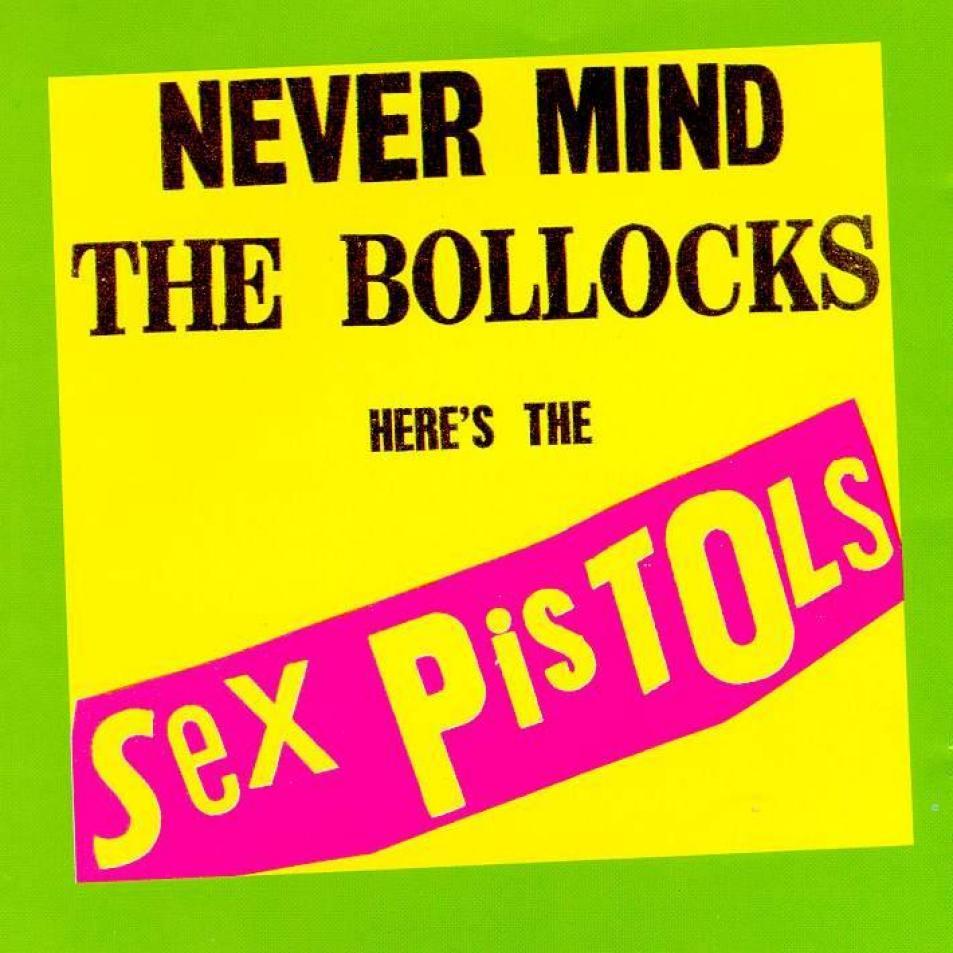
Despite all the hype, the Sex Pistols’ debut album failed to top the charts in the UK and was banned by both the BBC and numerous retailers due to its provocative content. Critics called it “noise,” and major record labels dropped the band. Nevertheless, the controversy slowly transformed it into a sensation. Over time, Never Mind the Bollocks became the blueprint for punk rock, inspiring bands from Green Day to Nirvana. The album is now regarded as a cultural milestone, symbolizing youthful rebellion and the punk movement’s lasting influence.
Paul’s Boutique – Beastie Boys (1989)
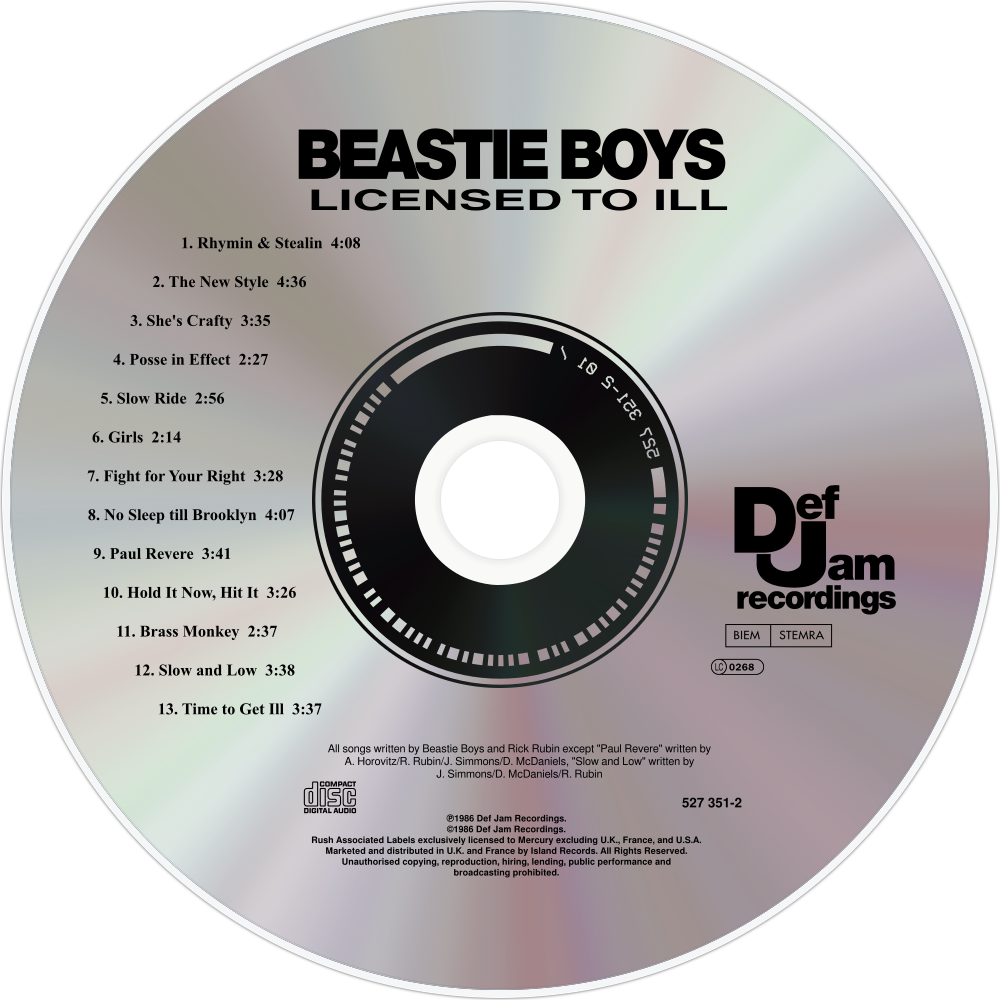
After the massive success of License to Ill, expectations were high for Beastie Boys’ follow-up. Paul’s Boutique, however, was a commercial flop, reaching only number 14 on the Billboard 200 and quickly falling off the charts. Its dense sampling and experimental production, courtesy of the Dust Brothers, confused listeners and critics alike. But as hip-hop evolved, Paul’s Boutique’s intricate sound collage was re-evaluated, now considered a production masterclass. Today, it’s recognized as one of the best hip-hop albums ever, lauded for its innovation and ahead-of-its-time creativity.
OK Computer – Radiohead (1997)

When OK Computer was first released, it divided critics and perplexed fans expecting another alternative rock record like The Bends. Its complex arrangements and dystopian themes were a stark departure from mainstream trends. Early reviews were mixed, and US sales were initially modest. However, with time, the album’s haunting vision of modern life resonated deeply, and its influence on bands like Coldplay and Muse became undeniable. OK Computer is now a classic, appearing in virtually every “best of” list and even being preserved in the US Library of Congress for its cultural significance.
The Stone Roses – The Stone Roses (1989)

Upon release, The Stone Roses’ self-titled debut was a slow burner, selling poorly outside the UK and receiving little attention from American audiences. Critics struggled to categorize its blend of psychedelic rock and dance music. However, as the Madchester scene exploded in the early 1990s, the album became iconic, eventually going triple platinum in the UK. Tracks like “I Wanna Be Adored” and “She Bangs the Drums” are now seen as defining an era. The Stone Roses is credited with shaping British indie music and remains a touchstone for new generations of listeners.
The Stooges – The Stooges (1969)

The Stooges’ debut album was a commercial disaster, selling poorly and receiving lukewarm reviews. Critics described it as “primitive” and “unpolished,” and the band’s aggressive sound was too much for mainstream audiences at the time. Despite this, the album’s raw energy and Iggy Pop’s wild persona slowly gained a devoted cult following. Over the decades, The Stooges became a blueprint for punk and alternative rock, influencing artists like Kurt Cobain and Jack White. Today, it’s recognized as a foundational record in American rock history.
Trans-Europe Express – Kraftwerk (1977)

When Kraftwerk released Trans-Europe Express, the world wasn’t ready for its robotic beats and minimalist style. The album sold poorly in major markets like the US and UK, and critics couldn’t quite grasp its futuristic vision. Yet, just a few years later, its influence became apparent as hip-hop pioneers used its beats and melodies for early rap tracks, including Afrika Bambaataa’s “Planet Rock.” Today, electronic musicians cite Trans-Europe Express as a major inspiration, and it is now considered one of the most important electronic albums ever created.
Odessey and Oracle – The Zombies (1968)

The Zombies’ Odessey and Oracle barely made a ripple upon its 1968 release—so much so that the band broke up before its only major hit, “Time of the Season,” gained traction. Initial sales were dismal, and the album was largely ignored by critics and the public. However, as years passed, music historians and fans began to rediscover its lush arrangements and intricate songwriting. Odessey and Oracle is now frequently cited as a lost classic of the psychedelic era, with Rolling Stone including it in their list of the 500 greatest albums of all time.
Grace – Jeff Buckley (1994)
Jeff Buckley’s Grace wasn’t an immediate hit, peaking at only number 149 on the Billboard 200 and selling modestly. Critics were divided, with some praising Buckley’s vocal range while others found the album too eclectic. After Buckley’s tragic death in 1997, interest in Grace steadily grew. Tracks like “Hallelujah” became iconic, and the album’s emotional depth won it a devoted following. Today, Grace is seen as one of the best debut albums ever, inspiring artists from Radiohead to Lana Del Rey.
Rumours – Fleetwood Mac (1977)
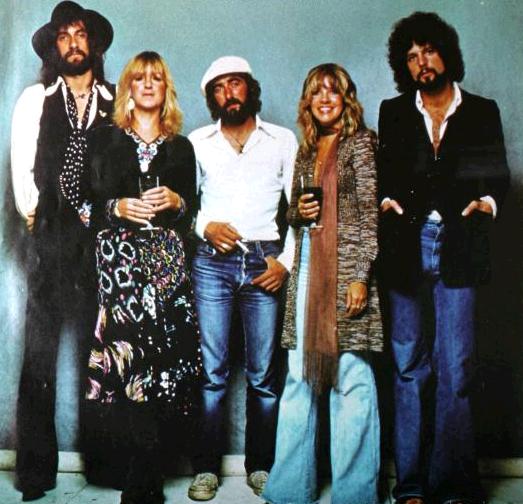
Surprisingly, Fleetwood Mac’s Rumours was met with skepticism at first, given the band’s tumultuous personal lives and lineup changes. Early critical reception was mixed, and the label wasn’t convinced the album would resonate. Initial sales were steady but not explosive. Word of mouth and relentless touring, however, turned Rumours into a phenomenon. It eventually became one of the best-selling albums of all time, with over 40 million copies sold worldwide. Its enduring popularity is a testament to how public perception can shift—and how an album once doubted can shape music history.