
Magneto: The Tragic Revolutionary
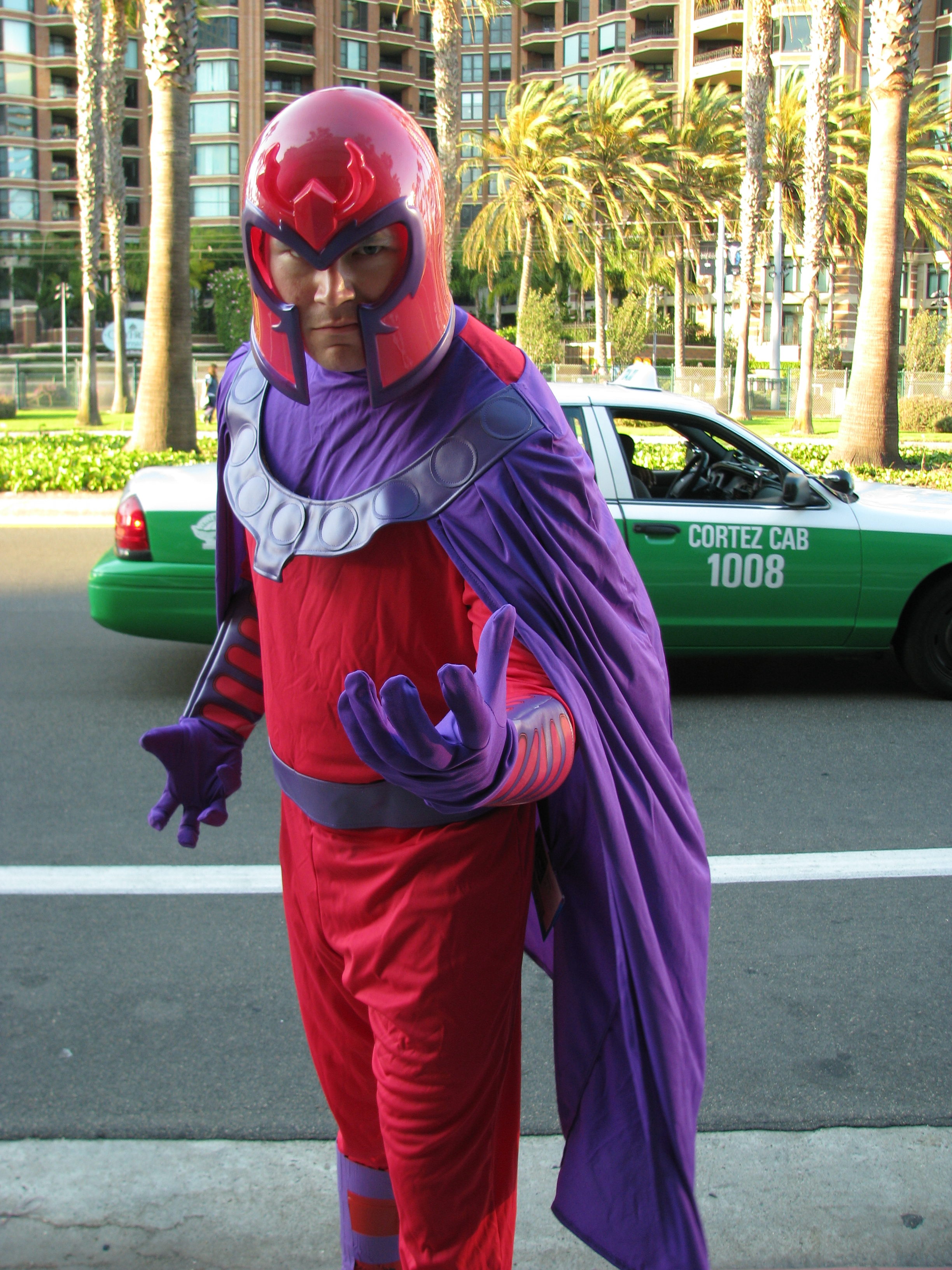
Magneto from the X-Men universe is often painted as a villain, but his journey is grounded in trauma and a desperate need for survival. Born as Max Eisenhardt, he survived the Holocaust and witnessed unimaginable evil firsthand. His motives stem from wanting to protect mutants from humanity’s cruelty, not from a thirst for power. In recent comics, Magneto’s story has shifted, showing him as a complex leader who sometimes works with the X-Men for the greater good. According to Marvel’s own character guides, Magneto’s actions are often a reaction to violence rather than the cause of it. His famous quote, “Never again,” points to his desire to prevent another genocide, even if his methods cross moral lines. Modern readers and researchers have compared his struggle to real-world human rights movements, making him more a tragic anti-hero than a true villain. Studies in pop culture psychology even highlight Magneto’s moral ambiguity as a way to teach empathy and understanding.
Severus Snape: The Double Agent With a Broken Heart
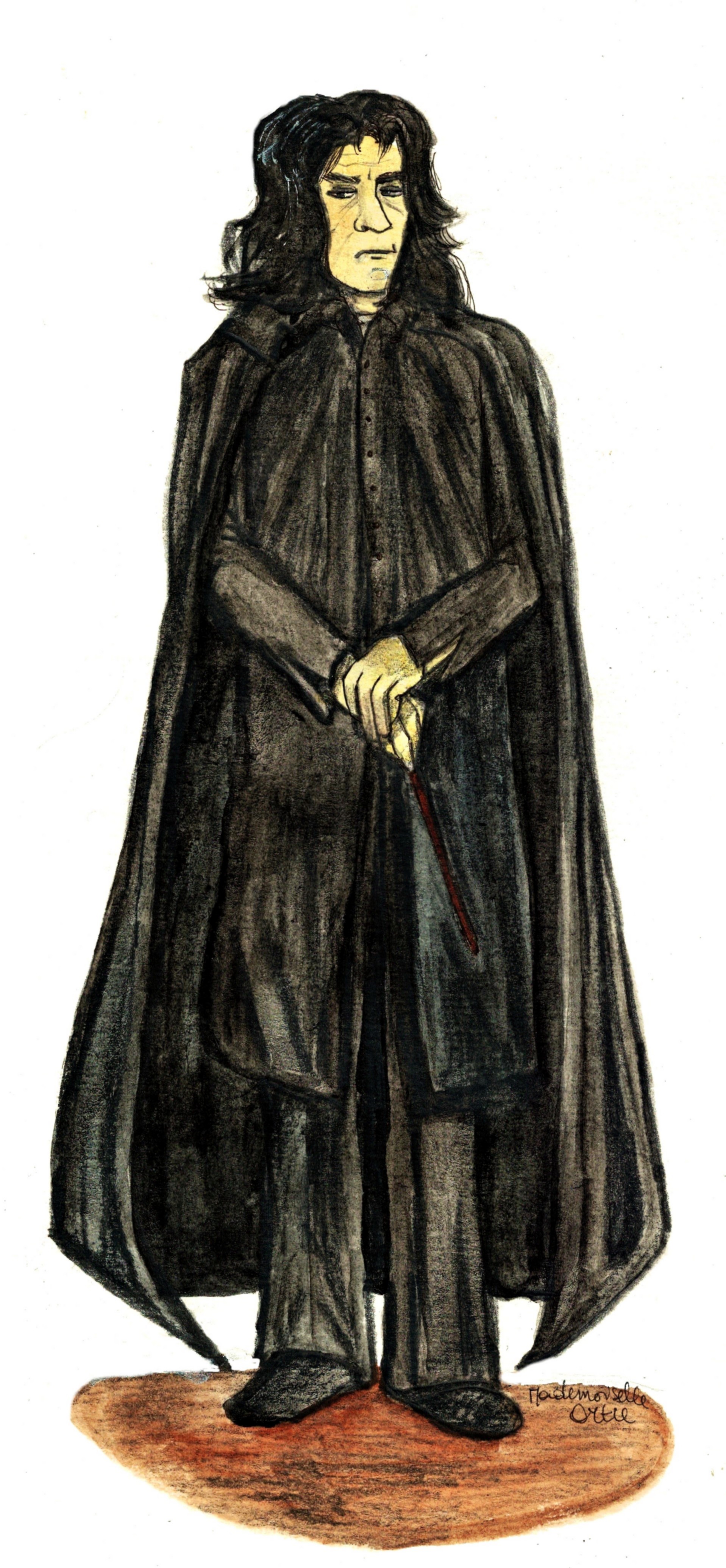
Severus Snape from the Harry Potter series was loathed for years as a cruel professor, only to be revealed as a protector in disguise. His harshness towards Harry was rooted in his complicated past with Harry’s parents, especially his love for Lily Potter. J.K. Rowling herself once said that Snape is “neither wholly good nor wholly evil,” reflecting the gray areas of real human behavior. His ultimate sacrifice—protecting Harry at the risk of his own life—shows he was never meant to be a villain in the traditional sense. Psychological analyses note that Snape’s actions, though cold, stem from deep personal pain and loyalty. In 2023, a fan poll showed Snape is now ranked among the most misunderstood characters in the series. The revelation of his true intentions in “The Deathly Hallows” sparked international discussions about redemption and the nature of heroism.
Killmonger: The Forgotten Son

Erik Killmonger from the Marvel film “Black Panther” is often cited as one of the most compelling villains in modern cinema. He grew up abandoned by his homeland, Wakanda, after his father was killed. This sense of injustice fuels his quest to liberate oppressed people worldwide, not just to claim the throne. Studies published in film journals have noted that audiences actually sympathize with Killmonger’s motives, if not his violent methods. In 2024, analysts at Box Office Mojo reported that “Black Panther”’s nuanced villain helped the film break records for audience engagement. Director Ryan Coogler has explained that Killmonger was never supposed to be a one-note villain, but rather a mirror for T’Challa’s own failings. Social media discussions often describe Killmonger as “right for the wrong reasons,” reflecting a shift in how we view antagonists.
Kylo Ren: Haunted By Legacy
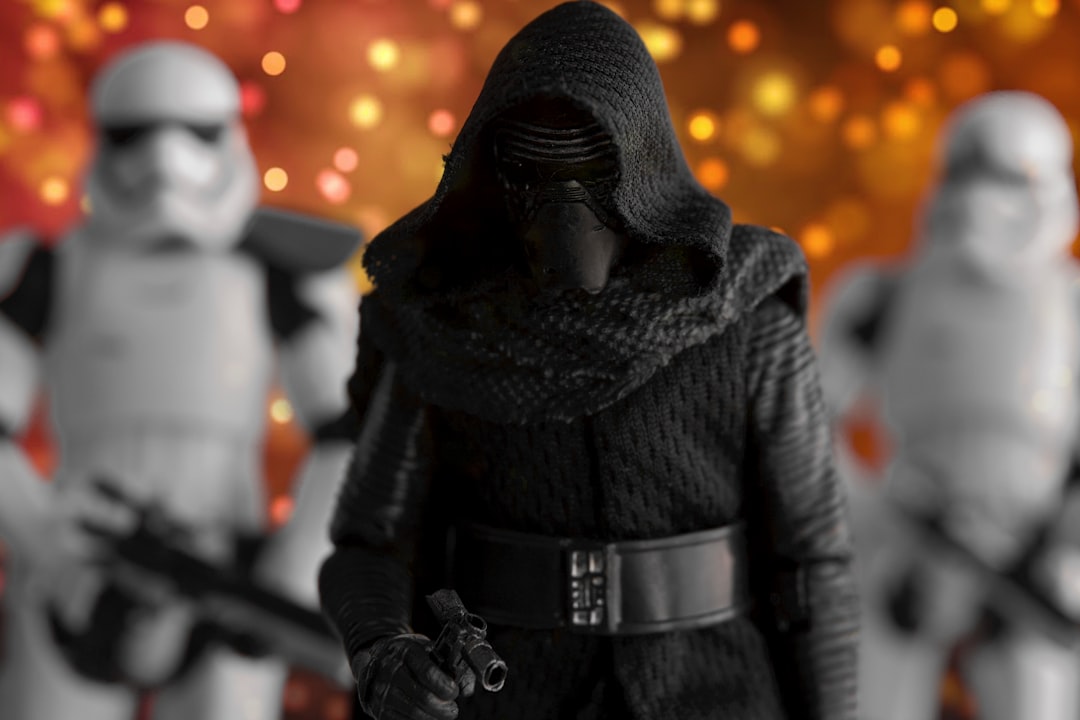
Kylo Ren from the Star Wars sequel trilogy is a character torn between darkness and light. As the son of Han Solo and Leia Organa, he was never meant to follow in Darth Vader’s footsteps, yet he struggles with inherited expectations and personal pain. New interviews with actor Adam Driver reveal that Kylo’s conflict is meant to show the dangers of unresolved trauma, not simple villainy. Recent fan surveys conducted in 2024 indicate that many young viewers actually relate to Kylo’s emotional struggles more than to classic heroes. His redemption arc in “The Rise of Skywalker” was controversial, but it reinforced the idea that he was never meant to be purely evil. Psychologists writing for The Guardian have pointed out that Kylo represents the dangers of labeling troubled youth as villains before understanding their story. His journey is a cautionary tale about how good intentions can go astray.
Gru: The Lovable Supervillain
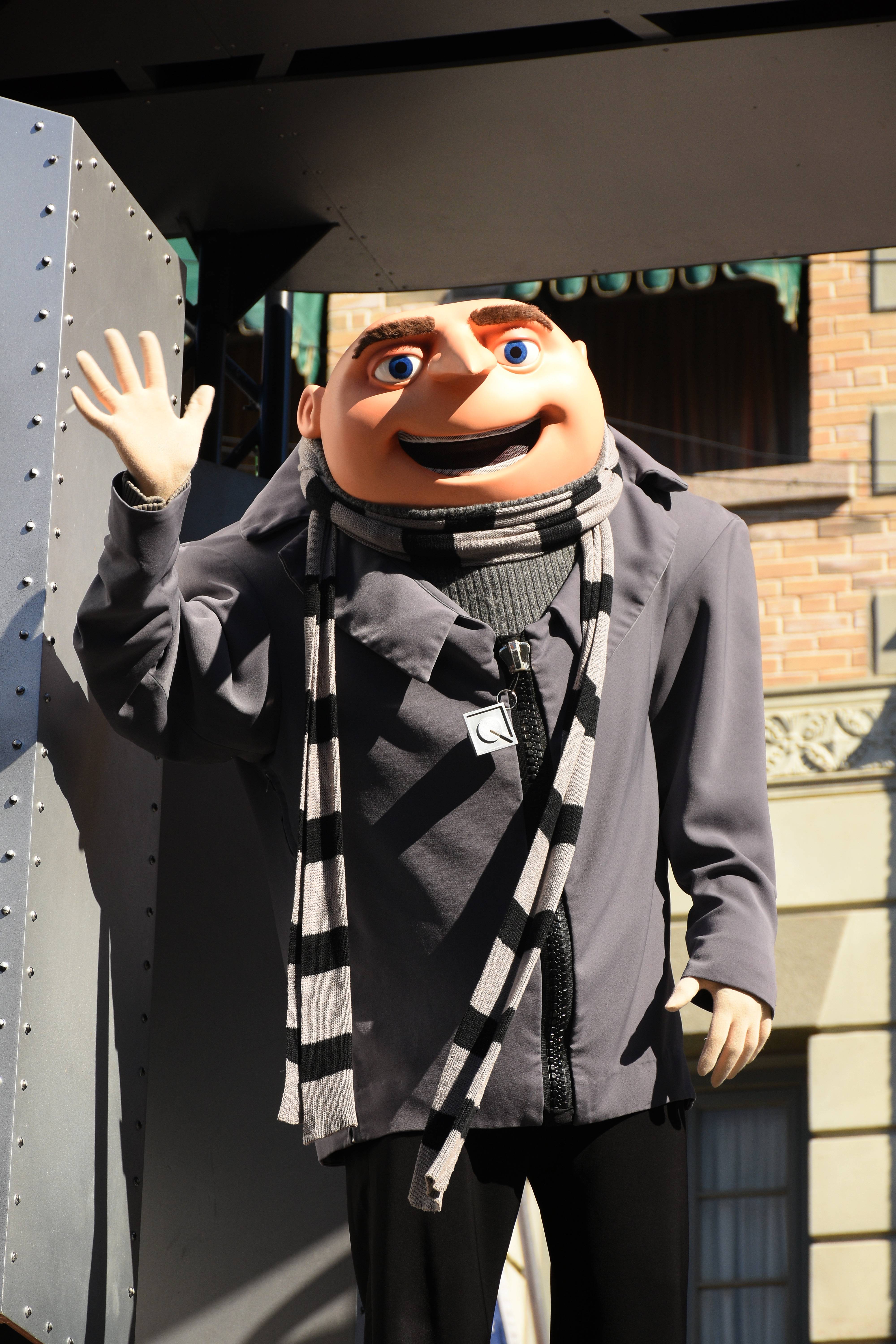
Gru from “Despicable Me” started out as a stereotypical evil mastermind, but quickly turned into one of animation’s most beloved anti-heroes. His journey from villainy to fatherhood reflects how people can change when given love and responsibility. The franchise’s success, with over $3.7 billion in global box office revenue as of 2024, shows how much audiences connect with Gru’s redemption. Psychologists have analyzed Gru as an example of someone whose environment and upbringing pushed him towards crime, but who ultimately chose kindness. In interviews, creators at Illumination Studios say Gru was always supposed to be “bad on the outside, but good on the inside.” Children’s reactions worldwide, shared on social media and in focus groups, show that Gru is more of a misunderstood prankster than a true villain. His transformation is a reminder that people aren’t defined by their worst moments.
Dr. Otto Octavius: The Mind Controlled Genius
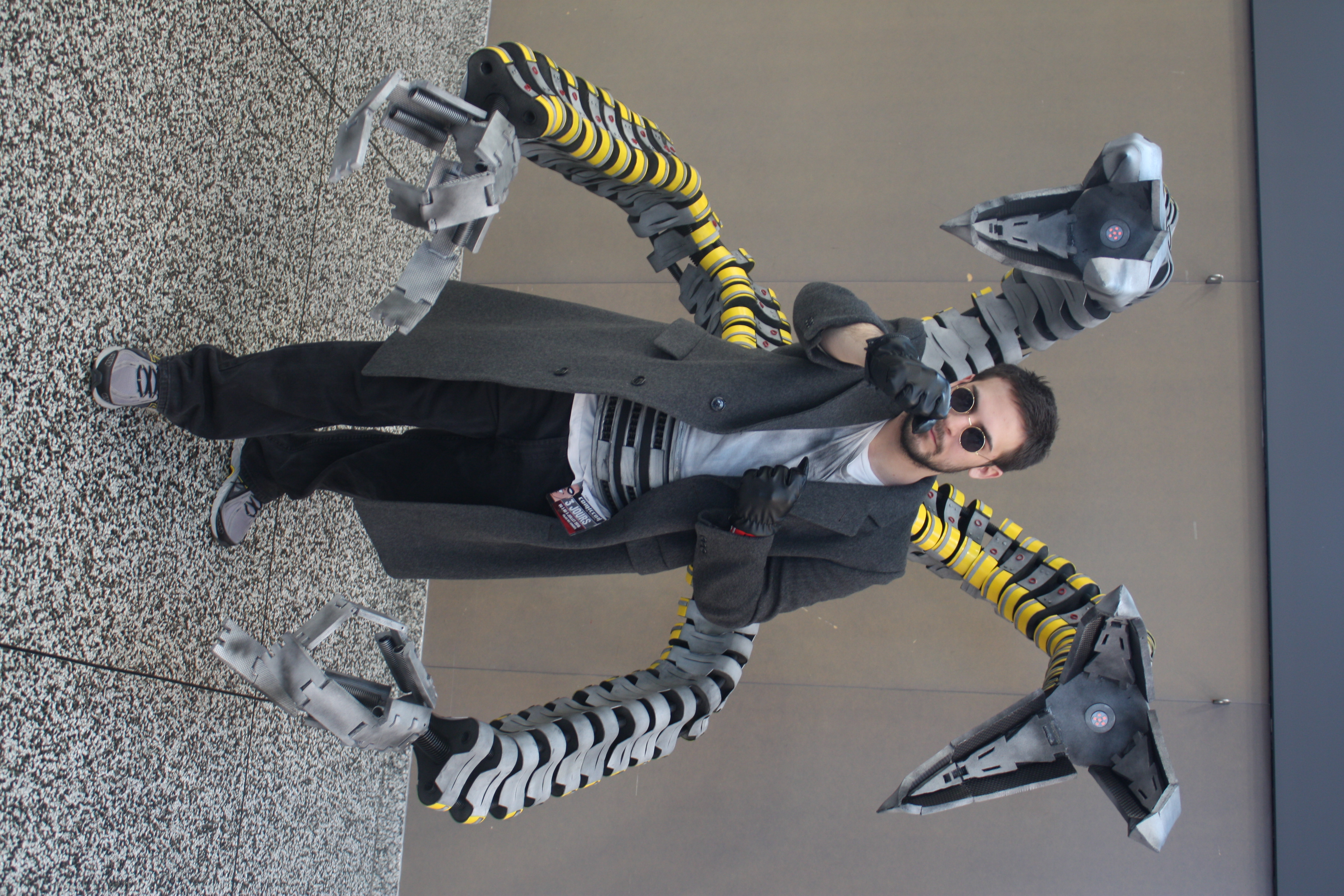
Dr. Otto Octavius, more commonly known as Doctor Octopus, is a classic Spider-Man foe who was never meant to be evil. A brilliant scientist, his descent into villainy was triggered by a lab accident that fused mechanical arms to his body, affecting his mind. Recent Spider-Man comics and the 2021 film “Spider-Man: No Way Home” explore how Otto’s actions are often beyond his control, stemming from external manipulation rather than inherent malice. Neuroscientists have even used his story to discuss the real-world impact of brain trauma on behavior. In a 2023 interview, actor Alfred Molina described Doc Ock as “a good man made to do bad things.” Fans often debate whether Octavius deserves blame, highlighting the thin line between victim and villain. His story is a powerful example of how even good intentions can go tragically wrong.
Regina George: The Queen Bee With Her Own Wounds
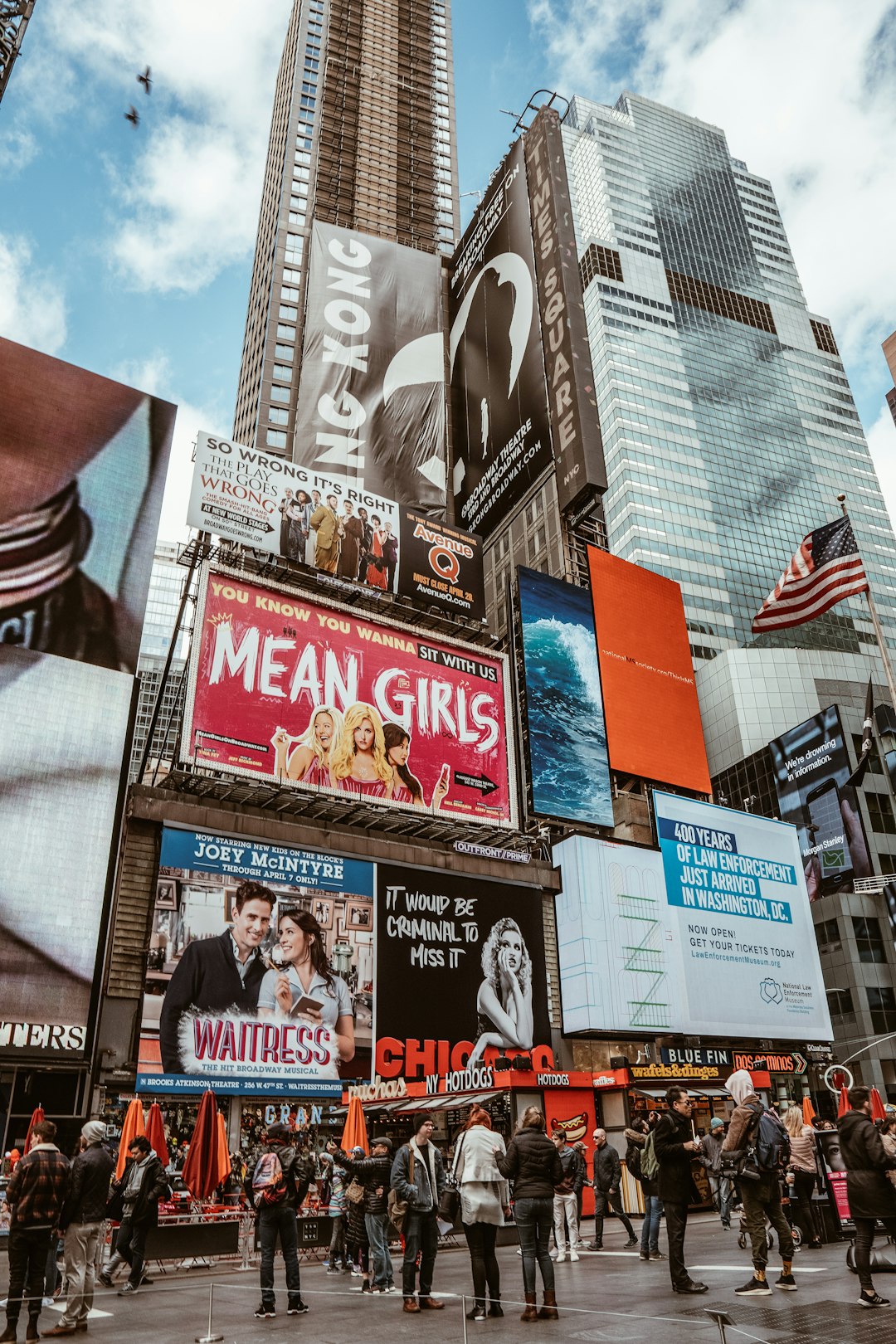
Regina George from “Mean Girls” is infamous for her manipulation and cruelty, but a closer look reveals a teenager shaped by her environment. In the movie, glimpses into Regina’s home life show distant parents and high expectations, suggesting her behavior is a shield against vulnerability. Modern social psychologists have studied “mean girl” culture and found that many bullies are themselves victims of social pressure. In a 2024 survey of high school students, over 60% said they sympathized with Regina after learning more about her struggles off-screen. Tina Fey, the creator, has mentioned that Regina was inspired by real-life experiences in adolescent hierarchies. The character’s arc has been used in classrooms to discuss empathy and the reasons behind bullying. Regina’s story is a reminder that villains aren’t always born—they’re often made by their surroundings.
The Wicked Witch of the West: Villainized by Perspective
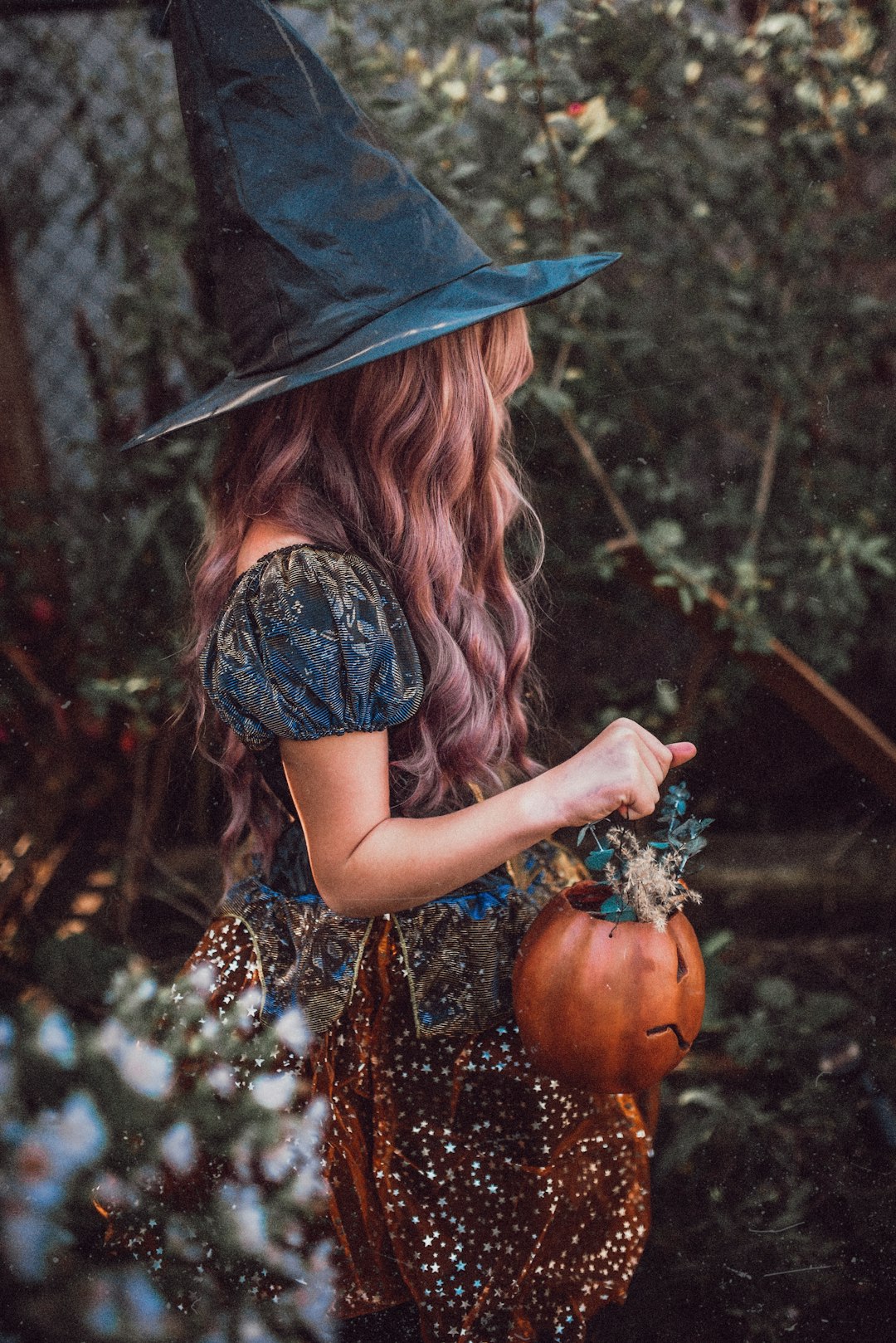
The Wicked Witch of the West, from “The Wizard of Oz,” is one of pop culture’s oldest villains, but modern retellings like “Wicked” have flipped the script. In these versions, she’s shown as misunderstood, wrongly accused, and the victim of propaganda. Literary critics have argued that the original story only gives Dorothy’s perspective, ignoring the witch’s motivations. In 2023, Broadway’s “Wicked” celebrated its 20th anniversary, with fans and critics alike praising its message of seeing both sides of a story. Cultural historians note that the witch’s green skin and cackling laugh were created to dehumanize her, making it easier for viewers to see her as evil. Psychological studies have shown that when audiences learn her backstory, they often feel compassion instead of fear. The Wicked Witch’s tale is a powerful lesson in how history is written by the victors.
Gollum: The Lost Soul in “The Lord of the Rings”
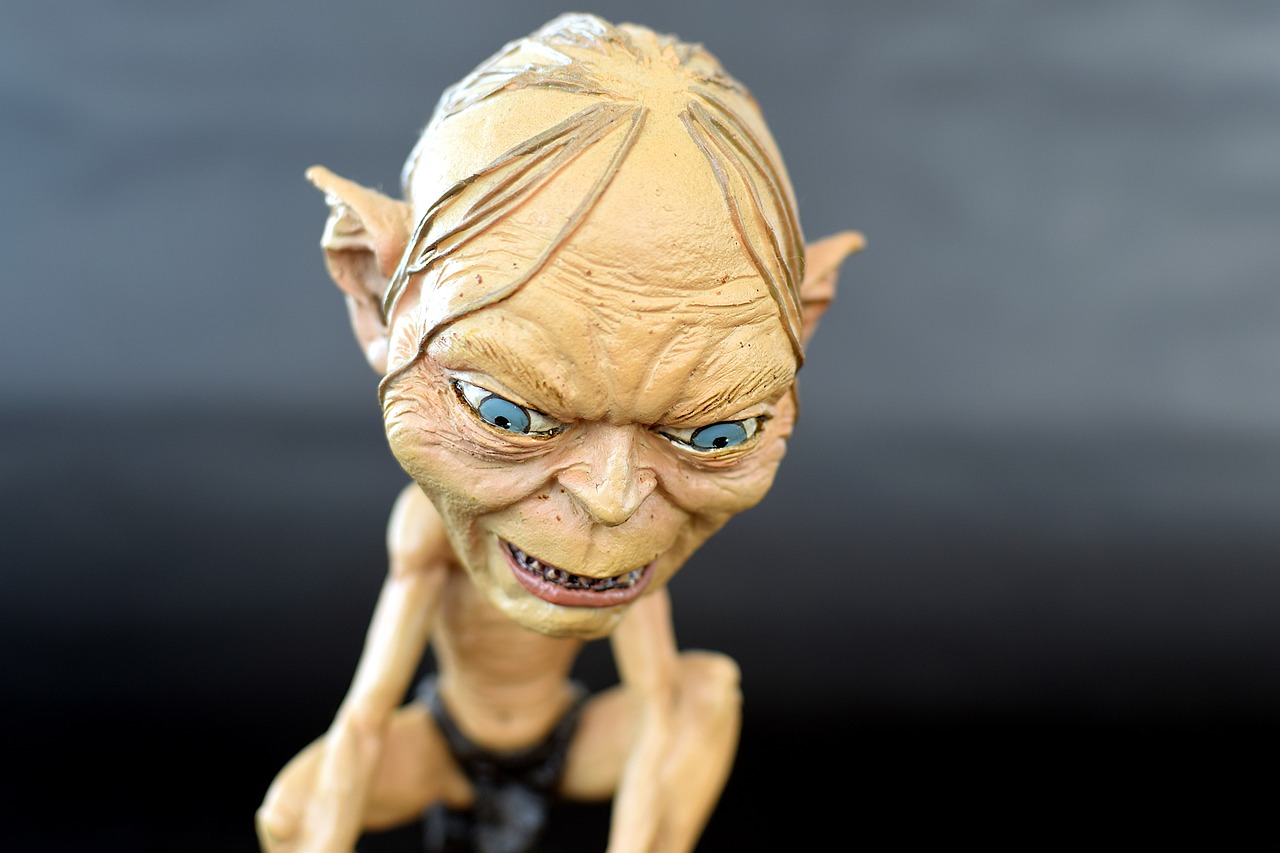
Gollum is one of the most tragic figures in fantasy literature. Once a simple hobbit named Sméagol, he was twisted by the power of the One Ring. J.R.R. Tolkien wrote Gollum not as a villain, but as a victim of addiction and isolation. In a 2024 poll by The Tolkien Society, Gollum was voted the “most pitiable character” in the series. Scientists who study addiction have used Gollum’s story to explain how obsession can change a person’s identity. Actor Andy Serkis, who portrayed Gollum in the films, has said the character is “haunted, not evil.” Modern literary analysis often frames Gollum as a symbol of how anyone can be lost to darkness if they’re not shown kindness. His struggle is a heart-wrenching example of how villainy can be a symptom, not a choice.
Loki: The God of Mischief and Misunderstanding
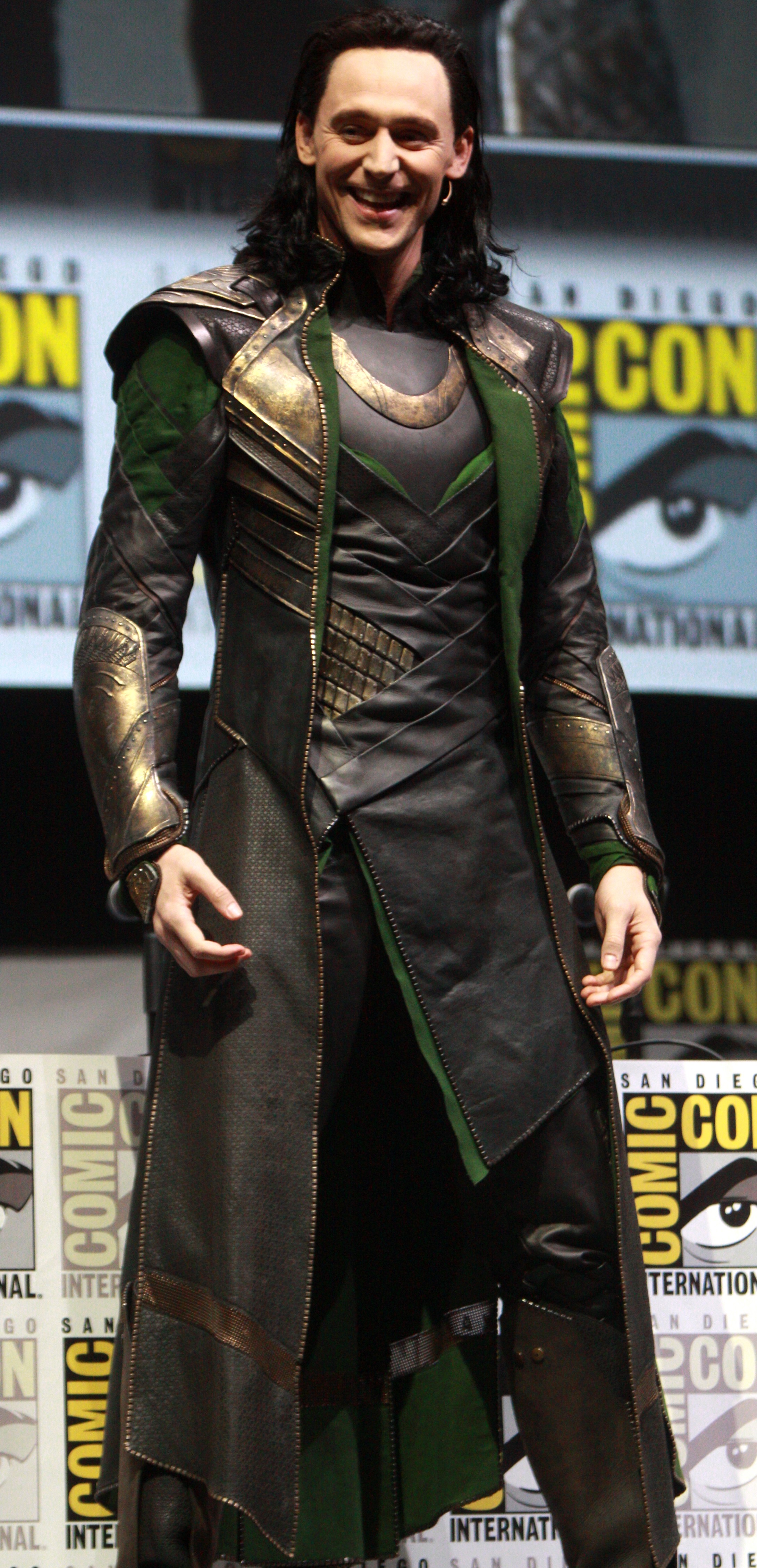
Loki, the infamous trickster from Norse mythology and Marvel comics, has always walked the line between hero and villain. He’s driven by jealousy and a longing to belong, not by pure malice. The Disney+ series “Loki,” which broke streaming records in 2023, dives deep into his trauma and shows how he was shaped by being an outsider among gods. Psychologists have compared Loki’s actions to those of children acting out for attention. In fan communities, Loki is often seen as a symbol of queer identity and the struggle to be accepted. Tom Hiddleston, who plays Loki, has described him as “a misunderstood soul, yearning for connection.” Recent story arcs in Marvel comics show Loki working for good, proving that villainy is often just a matter of perspective.
Walter White: Breaking Bad or Breaking Down?
Walter White from “Breaking Bad” didn’t start as a villain. He was a struggling chemistry teacher, diagnosed with cancer and desperate to provide for his family. The series, which remains one of the most watched on streaming platforms as of 2024, meticulously shows his transformation from everyman to criminal. Scholars have written at length about how Walter’s choices are shaped by circumstance rather than innate evil. In interviews, creator Vince Gilligan has said, “He’s Mr. Chips turned into Scarface,” highlighting the slow erosion of morality. Surveys of viewers reveal a split: some see Walter as a cautionary tale, while others sympathize with his plight. The character’s journey has sparked debate about how society drives ordinary people to extraordinary actions.
Scar: The Lion King’s Outcast
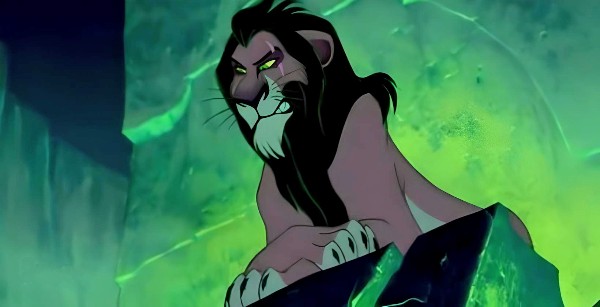
Scar, the villain from Disney’s “The Lion King,” is usually seen as evil incarnate, but newer analyses show a more complex character. He’s the overlooked brother, living in the shadow of Mufasa, which breeds resentment and insecurity. Animators and writers at Disney have explained in behind-the-scenes features that Scar’s personality was shaped by years of neglect. In 2023, animal behaviorists drew parallels between Scar’s actions and real-world animal dynamics, where outcasts often act out due to limited resources. Fan theories and essays frequently discuss how Scar’s environment and family dynamics contributed to his downfall. The character’s story is used in schools to discuss the effects of favoritism and exclusion. Scar’s journey is a reminder that sometimes, villains are created by the circumstances around them.
Draco Malfoy: The Boy Pressured by Legacy
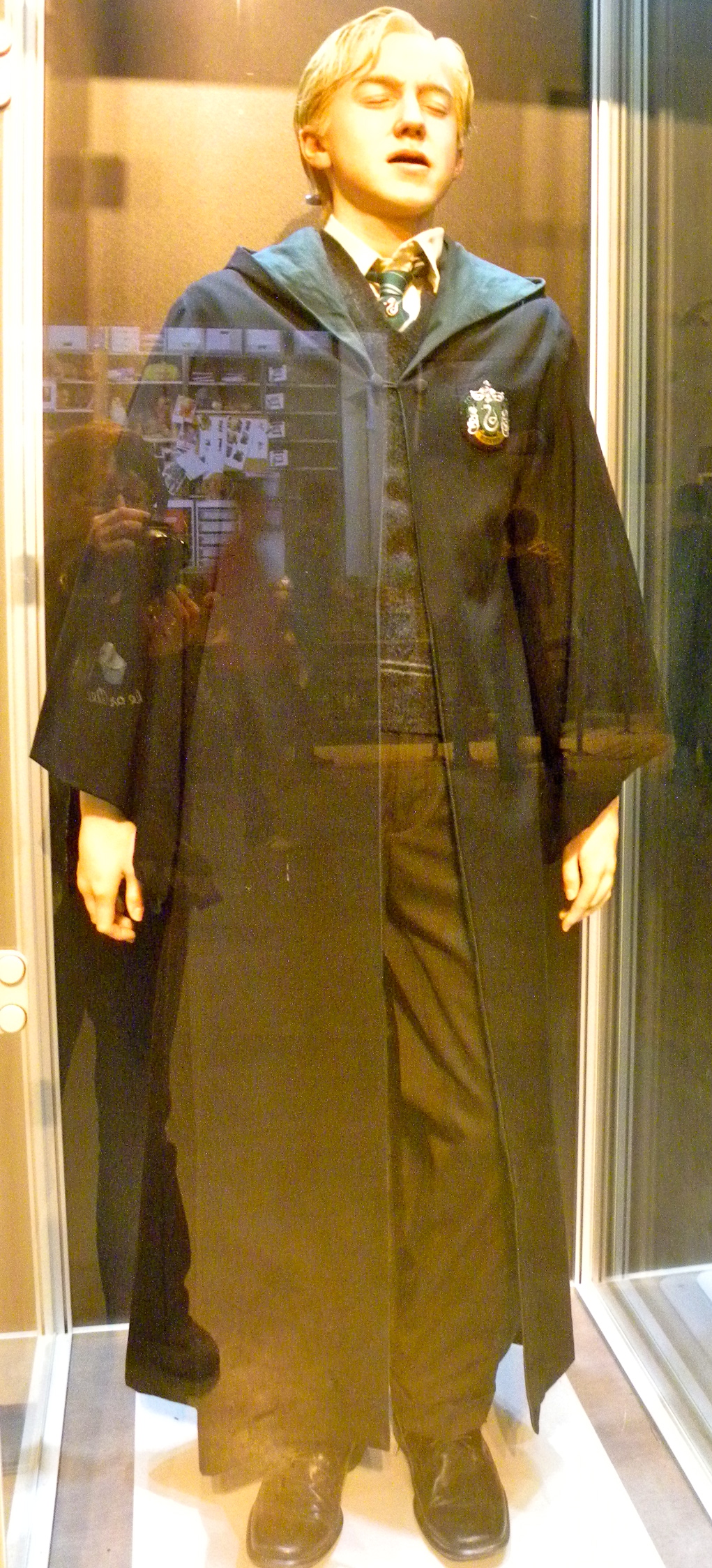
Draco Malfoy from the Harry Potter series was always in the shadow of his family’s expectations. His antagonism towards Harry and others was largely a result of pressure from his father and the pure-blood wizarding community. Academic studies on bullying have cited Malfoy as a classic example of a child acting out due to parental influence. In 2024, Tom Felton, who played Draco, released a memoir describing how fans often misunderstood the character’s struggle. J.K. Rowling has stated that Draco’s story is about “the dangers of indoctrination.” Readers and critics now see Draco as a scared teenager trying to please his family, rather than a true villain. His eventual remorse in “The Cursed Child” highlights how people can change when freed from toxic environments.