

Old Paint Cans in Your Garage or Basement
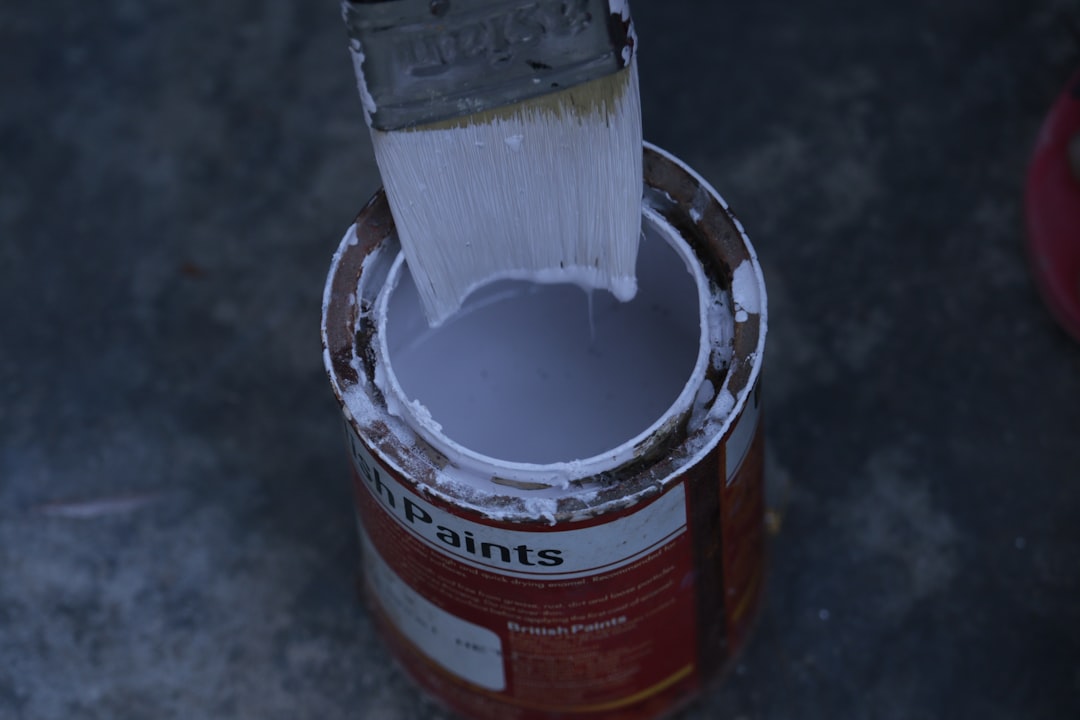
Your garage might seem like the perfect spot for leftover paint, but it’s actually one of the worst places to store it. Leftover oil or solvent-based paint is a hazardous waste, and a Johns Hopkins University study found 300 toxic chemicals and 150 carcinogens that may be present in the paint. When temperatures fluctuate in unheated garages, paint can separate, freeze, or produce toxic fumes. Hazardous chemicals can be found in each of the four basic components that make up oil-based paint: resins, solvents, pigments, and additives. Resins that cover the surface may contain ethylene, which may cause headaches, dizziness, and loss of consciousness. Instead of risking your family’s health, take unused paint to a household hazardous waste collection center. Many hardware stores also accept paint returns, making it easier than ever to dispose of these dangerous chemicals safely.
Loose Batteries in Kitchen Drawers
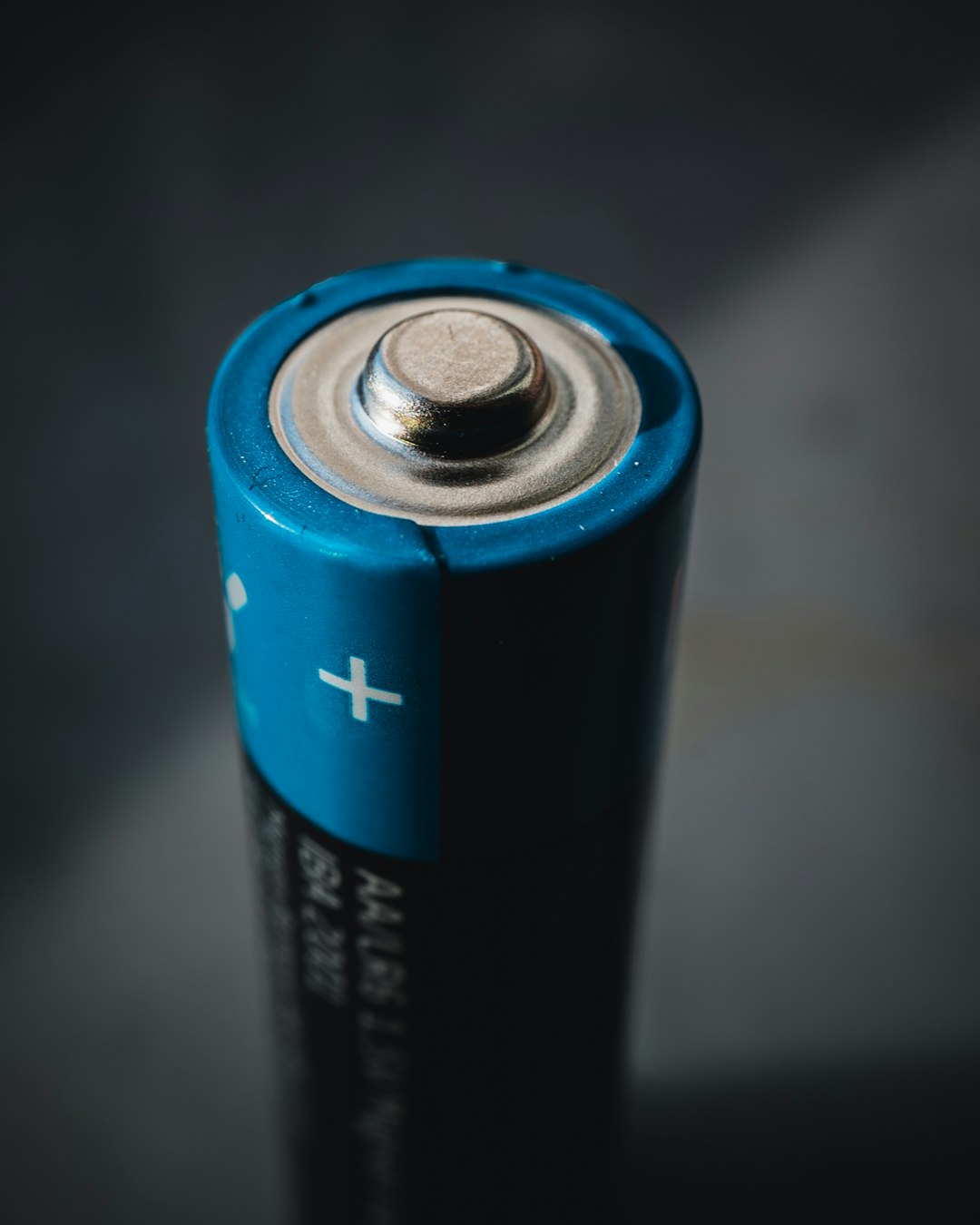
That kitchen junk drawer might be convenient, but storing loose batteries there could literally burn your house down. In one instance from April 2011, a man accidentally burned down his family’s home with nothing more than a few 9-volt batteries. When the bag was moved, the batteries’ terminals contacted one another, causing the fire. When battery terminals touch each other or metal objects, they can short-circuit and generate enough heat to ignite nearby materials. New batteries should be stored securely in their original packaging, not tossed loosely into a spare drawer or cabinet where they can contact one another or metal objects. If batteries must be stored loose, place a piece of electrical tape over the terminals until you are ready to use them. Think of it like keeping matches separated – it only takes one spark to cause a disaster.
Gasoline Containers Near Heat Sources
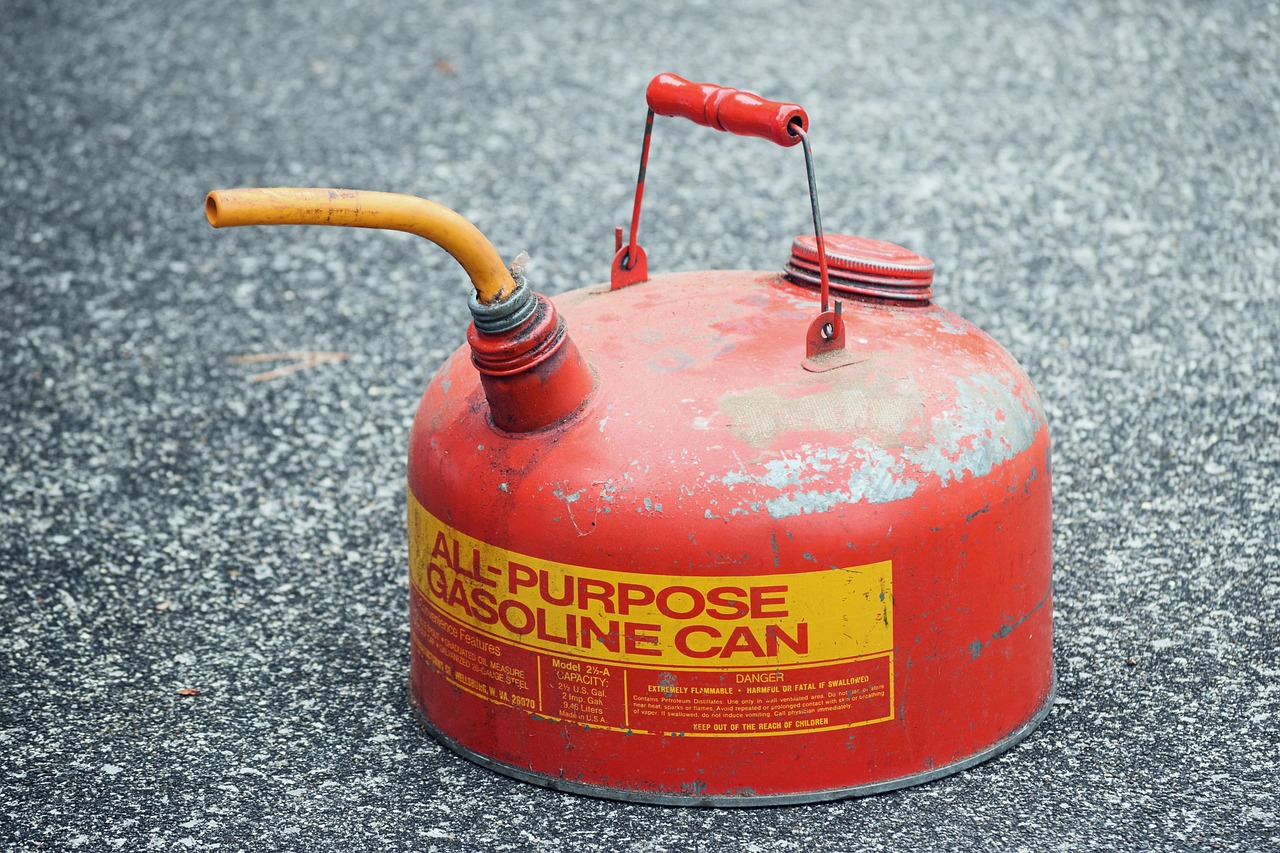
Storing gasoline in your basement or near your furnace is like keeping a bomb in your house. Gasoline is toxic and extremely flammable, and never should be used as a cleanser. Always store gasoline in a cool, well-vented area away from electrical sources. Even small amounts of gasoline vapor can ignite from pilot lights, electrical sparks, or static electricity. Only fill portable gasoline containers outdoors in an airy area. Make sure to place the container on the ground when you fill it. The safest approach? Store gasoline in an outdoor shed, away from your home entirely. Your lawn mower can wait – your family’s safety can’t.
Cleaning Chemicals Under the Kitchen Sink
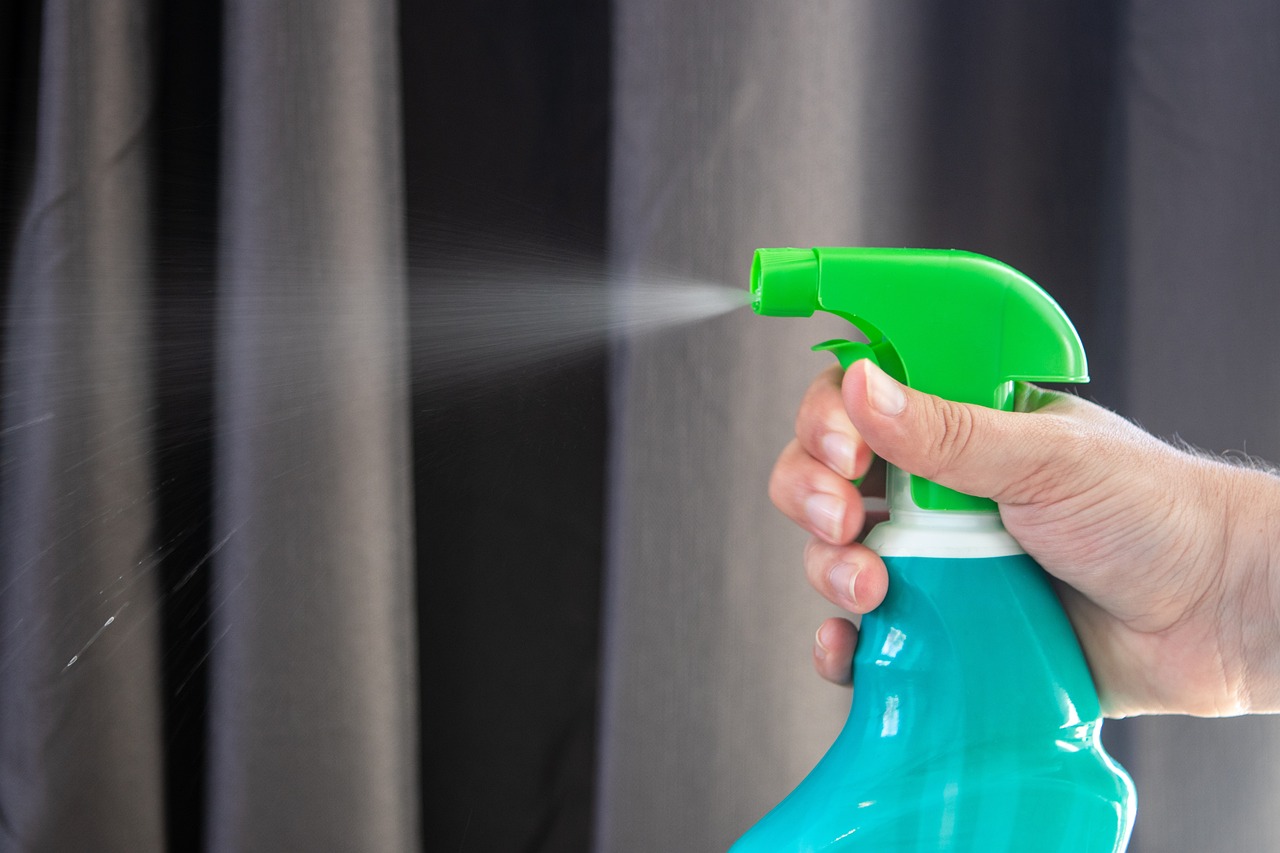
That cabinet under your kitchen sink is probably packed with dangerous chemicals that don’t belong together. Some household cleaners may be harmful separately or when combined such as ammonia and bleach. When different cleaning products mix accidentally due to leaks or spills, they can create deadly gases or explosive reactions. Don’t mix products. This can cause deadly gases or cause a fire. Common incidents include slips and falls, fires, poisoning, choking, and drowning, often caused by unsecured rugs, cooking mishaps, hazardous chemicals, or unsupervised children. Store cleaning products separately in well-ventilated areas, preferably in a locked cabinet away from children and heat sources.
Propane Tanks in Enclosed Spaces
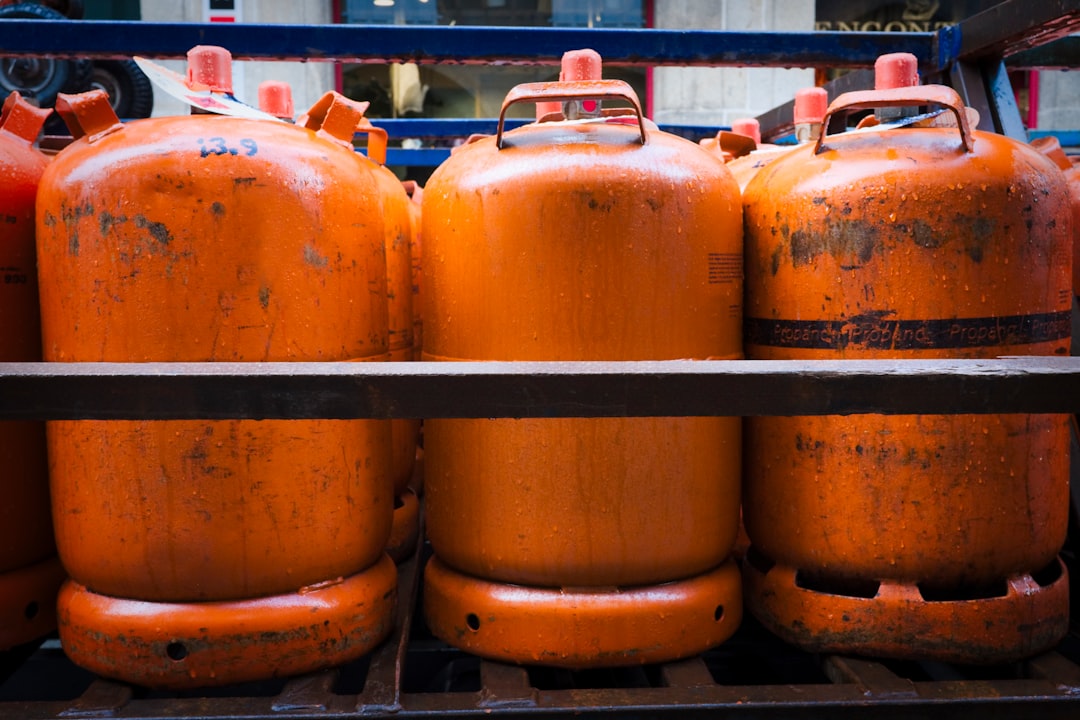
Your garage might seem logical for propane tank storage, but it’s actually creating a potential explosion hazard. Compressed gas cylinders, like small and large propane canisters pose an explosion hazard and contain a flammable gas. Even small leaks can accumulate gas in enclosed spaces, creating an invisible danger zone around your home. Temperature changes cause propane tanks to expand and contract, potentially weakening seals and connections over time. Liquefied petroleum gas cylinders such as propane tanks that hold between 4 and 40 pounds (approximately 1 gallon to 10 gallons) can be recycled by taking them to area propane dealers. Always store propane tanks upright in well-ventilated outdoor areas, never in basements, garages, or other enclosed spaces. Think of propane like a sleeping giant – perfectly safe when respected, catastrophic when mishandled.
Medications in Bathroom Medicine Cabinets

Your bathroom medicine cabinet seems like the obvious place for pills, but the heat and humidity are actually destroying their effectiveness and creating safety risks. Medications, drugs, pharmaceuticals, prescription and non-prescription alike, are all biologically active chemical formulations. When not secured and taken as directed, they can be toxic and addictive. Moisture from showers can cause medications to break down, change chemically, or become contaminated with bacteria. Medications should be stored in their original containers in a secure manner, so they are not easy to access. When they are no longer needed, they should be disposed through a household take back program so the chemical formulations are destroyed via incineration. Store medications in a cool, dry place like a bedroom closet, and dispose of expired drugs at pharmacy take-back programs rather than flushing them down the toilet.
Old Lithium-Ion Batteries from Electronics
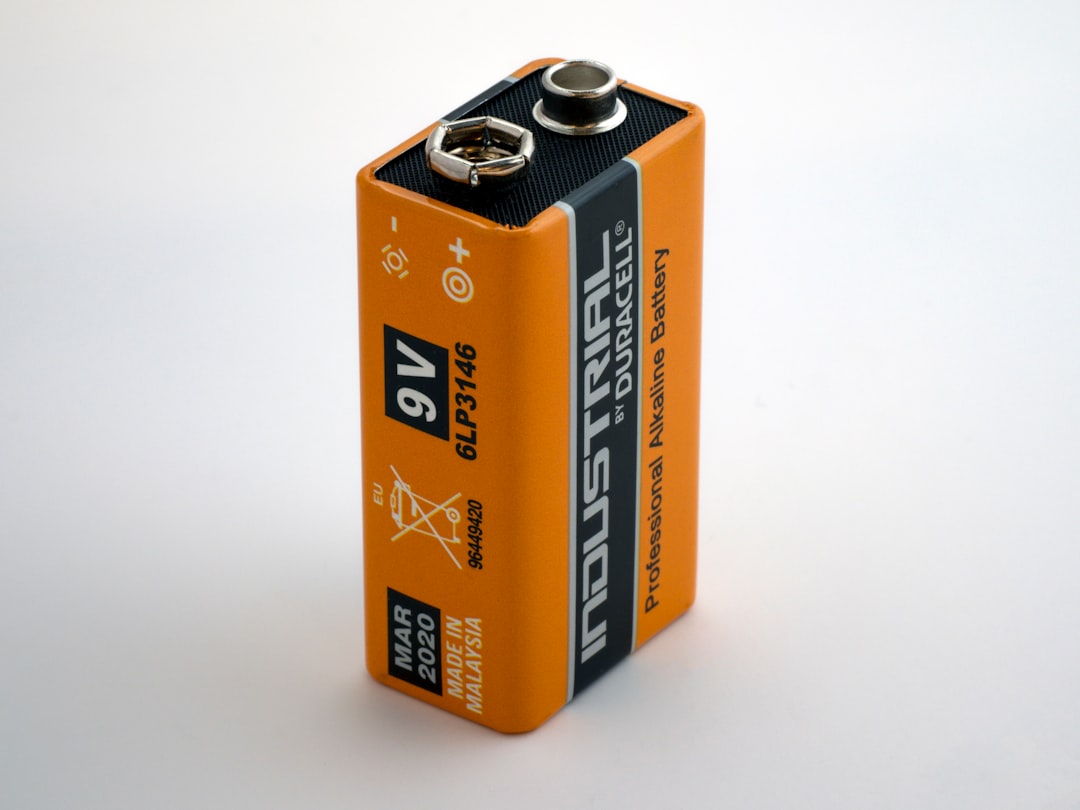
Those old phone and laptop batteries you’re saving “just in case” are ticking time bombs waiting to go off. Whilst incidents are rare, they appear to be increasing and are serious when they occur. The batteries can overheat or explode if they are used, charged or disposed of incorrectly or if they are damaged, and fires caused by the batteries can be dangerous and difficult to extinguish. Fire departments in New York City and San Francisco report handling more than 660 fires involving lithium-ion batteries since 2019. In New York City, these fires caused 12 deaths and more than 260 injuries from 2021 through early 2023. Damaged lithium-ion batteries can experience thermal runaway, burning at temperatures between 700°C and 1000°C. Batteries will spontaneously ignite, burning at extremely high temperatures of between 700°c and 1000°c, and releasing dangerous off gases that in enclosed spaces can become a flammable vapour cloud explosion (VCE). Due to the self-sustaining process of thermal runaway, Lithium-ion battery fires are also difficult to quell.
Pesticides and Herbicides in Hot Locations
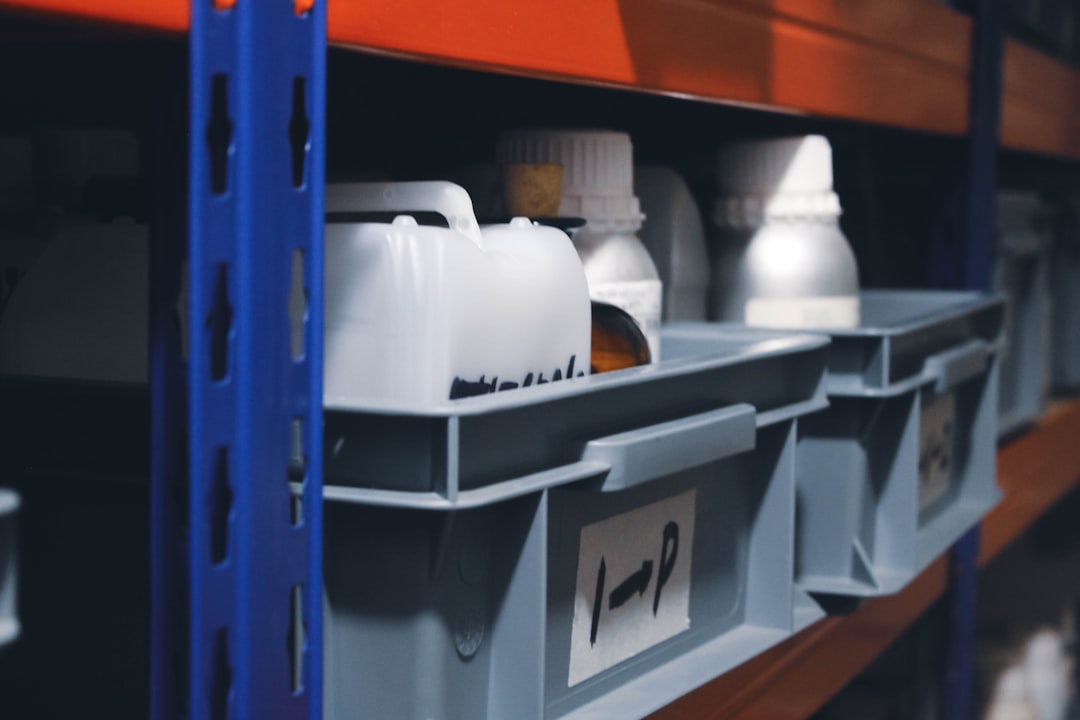
Storing bug spray and weed killer in your garage or garden shed might seem practical, but heat can turn these chemicals into even more dangerous compounds. Pesticides are chemicals designed to kill rodents and insects. They can injure or potentially kill people by inhalation, ingestion, and absorption through the skin. High temperatures can cause pesticide containers to pressurize, leak, or even explode. Exposure can affect the respiratory and nervous systems, and cause skin and organ damage. Safely store pesticides in their original container. If the chemical is flammable, keep it away from heat, flames and spark sources. Always store chemicals out of the reach of children. A temperature-controlled closet in your home is much safer than a sweltering garage where temperatures can reach dangerous levels during summer months.
Car Batteries in Living Spaces

Old car batteries might seem harmless once they’re disconnected, but they’re filled with corrosive acid that can leak and cause serious damage. Lead acid batteries are found in most vehicles powered by gasoline or diesel fuel. These batteries contain sulfuric acid that can burn skin, damage floors, and release toxic gases as they deteriorate. Even “dead” batteries can hold enough charge to cause electrical burns or start fires if the terminals are short-circuited. Michigan law prohibits lead acid batteries from being disposed in a landfill and Michigan law also requires retailers and auto repair shops that sell batteries to provide recycling options for their customers. This makes it easy to recycle lead acid batteries as you can take them to the store where you purchase the replacement battery. Instead of storing them anywhere in your home, take old car batteries directly to an auto parts store for safe recycling.
Aerosol Cans Near Heat Sources
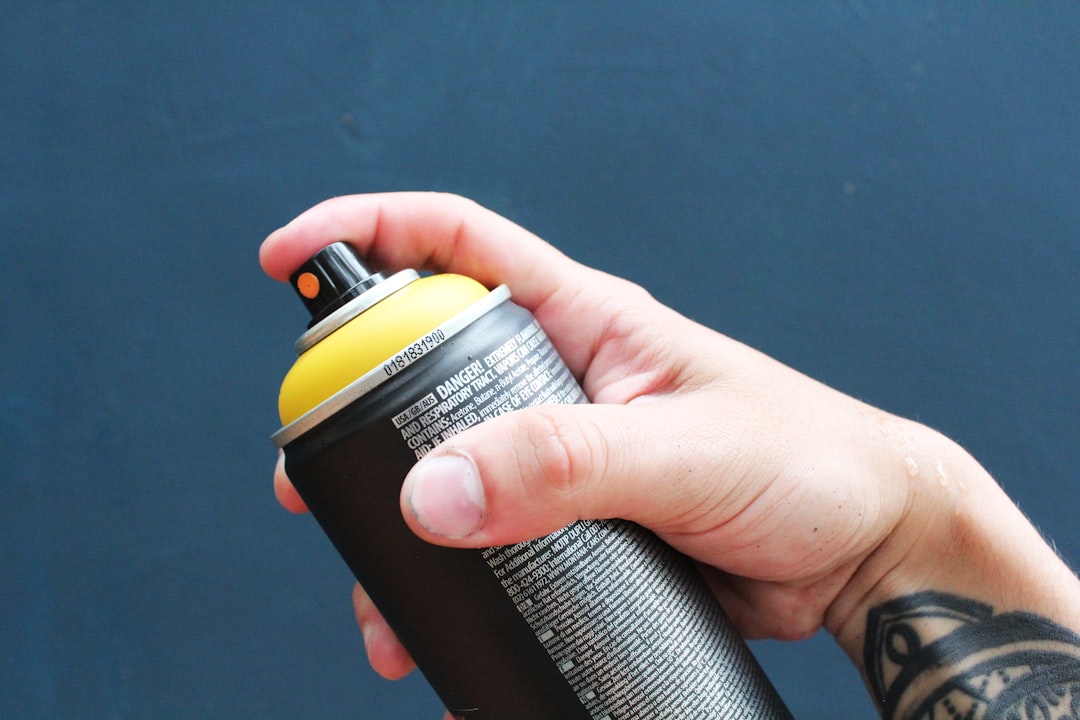
That collection of spray cans in your utility room could turn into projectiles if exposed to heat. Aerosol cans might contain chemicals that can burn. If you put them in the trash, they can explode or start a fire. Aerosol containers are essentially small pressure vessels that can explode when overheated, sending metal shrapnel flying through your home. The propellants used in aerosols are often highly flammable gases that can ignite from even small sparks. Empty aerosol cans with an explosive hazard symbol only can be disposed of in your blue bin. All other aerosol cans are hazardous waste. If it’s corrosive, flammable or poisonous it’s hazardous waste. Store aerosols in cool, dry places away from heat sources, and never leave them in hot cars or near furnaces.
Firearms and Ammunition Together

Even if you’re a responsible gun owner, storing firearms and ammunition in the same location dramatically increases the risk of accidents. If you own any firearms, always store unloaded and locked. Firearms and ammunition should be stored separately. With an increasing number of households owning firearms, firearm safety remains a critical issue. Improper handling or storage can lead to tragic accidents. When guns and ammo are stored together, it takes just one mistake – a child finding the key, a burglar accessing both items, or an emergency situation – to create a deadly scenario. Educate on Firearm Safety: Ensure all family members understand safe firearm practices and handling. Store Firearms Securely: Use gun safes or locked cabinets to store firearms safely, especially when children are present. Professional gun safes should store firearms separately from ammunition, ideally in different rooms entirely.
Expired or Unknown Chemicals
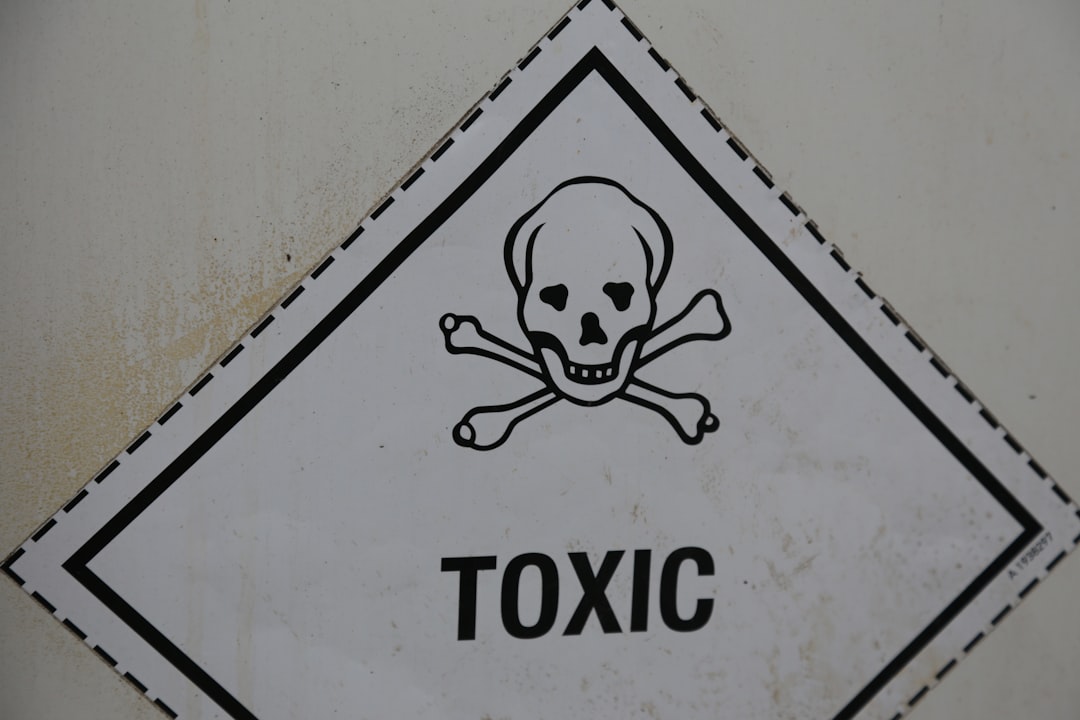
That mystery bottle of chemicals in your basement or garage isn’t just taking up space – it’s a potential catastrophe waiting to happen. When leftovers remain, never mix HHM with other products. Incompatible products might react, ignite, or explode, and contaminated HHM might become unrecyclable. Over time, chemicals can change composition, become more concentrated, or develop dangerous properties that weren’t present when first purchased. Never store hazardous products in food containers; keep them in their original containers and never remove labels. Corroding containers, however, require special handling. Call your local hazardous materials official or fire department for instructions. Unknown chemicals pose the greatest risk because you can’t predict how they’ll react with other substances or what toxic gases they might emit. When in doubt, contact your local hazardous waste disposal facility immediately – it’s not worth the risk of trying to identify or dispose of mystery chemicals yourself.
Large Amounts of Flammable Liquids

Stockpiling flammable liquids like lighter fluid, alcohol, or solvents in your home turns it into a potential inferno. Store anything that can catch on fire away from your home. Never store materials that can cause a fire in the sun or near an open flame or heat source. Even small amounts of flammable vapors can travel long distances and ignite from seemingly unrelated sources like pilot lights or electrical switches. In locations where flammable vapors may be present, precautions shall be taken to prevent ignition by eliminating or controlling sources of ignition. Sources of ignition may include open flames, lightning, smoking, cutting and welding, hot surfaces, frictional heat, sparks (static, electrical, and mechanical), spontaneous ignition, chemical and physical-chemical reactions, and radiant heat. Professional storage facilities exist for a reason – they have proper ventilation, fire suppression systems, and are located away from residential areas. Your home isn’t designed to safely contain large quantities of flammable materials, so don’t turn it into an amateur chemical storage facility.
Did you expect that your everyday storage habits could be putting your family at such serious risk?