
Old Medications: Hidden Hazards in Your Medicine Cabinet
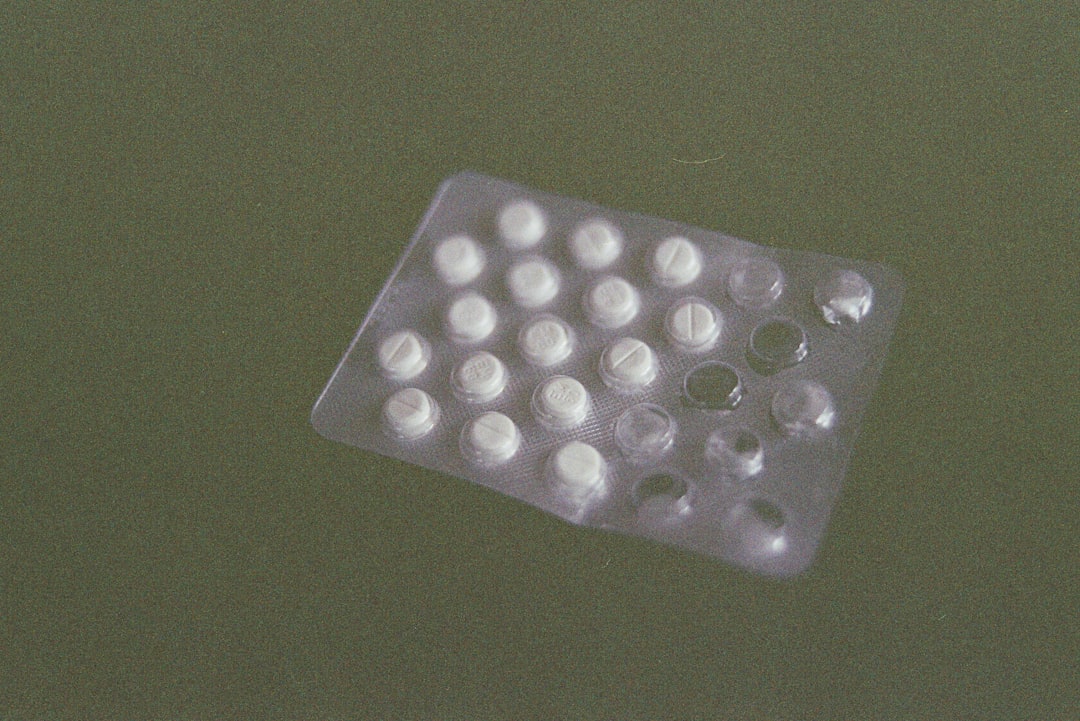
It’s shocking how many of us have a shelf, drawer, or box filled with expired pills, cough syrups, and mysterious ointments. According to the FDA, keeping expired or unused medications at home can be dangerous — not only do they lose effectiveness, but they can also become toxic or lead to accidental poisonings, especially in homes with kids or pets. A 2022 survey found that over 60% of American households have unused medications stored somewhere. The risk isn’t just accidental ingestion; improper disposal can also contaminate water supplies. Pharmacies now offer take-back programs, making it easier than ever to clear out your medicine cabinet safely. So, keeping that bottle of painkillers from your last surgery isn’t just unnecessary—it can be risky. It’s surprising how fast these bottles pile up, but getting rid of them can be a relief, both for your health and peace of mind.
Plastic Containers: A Ticking Time Bomb in the Kitchen
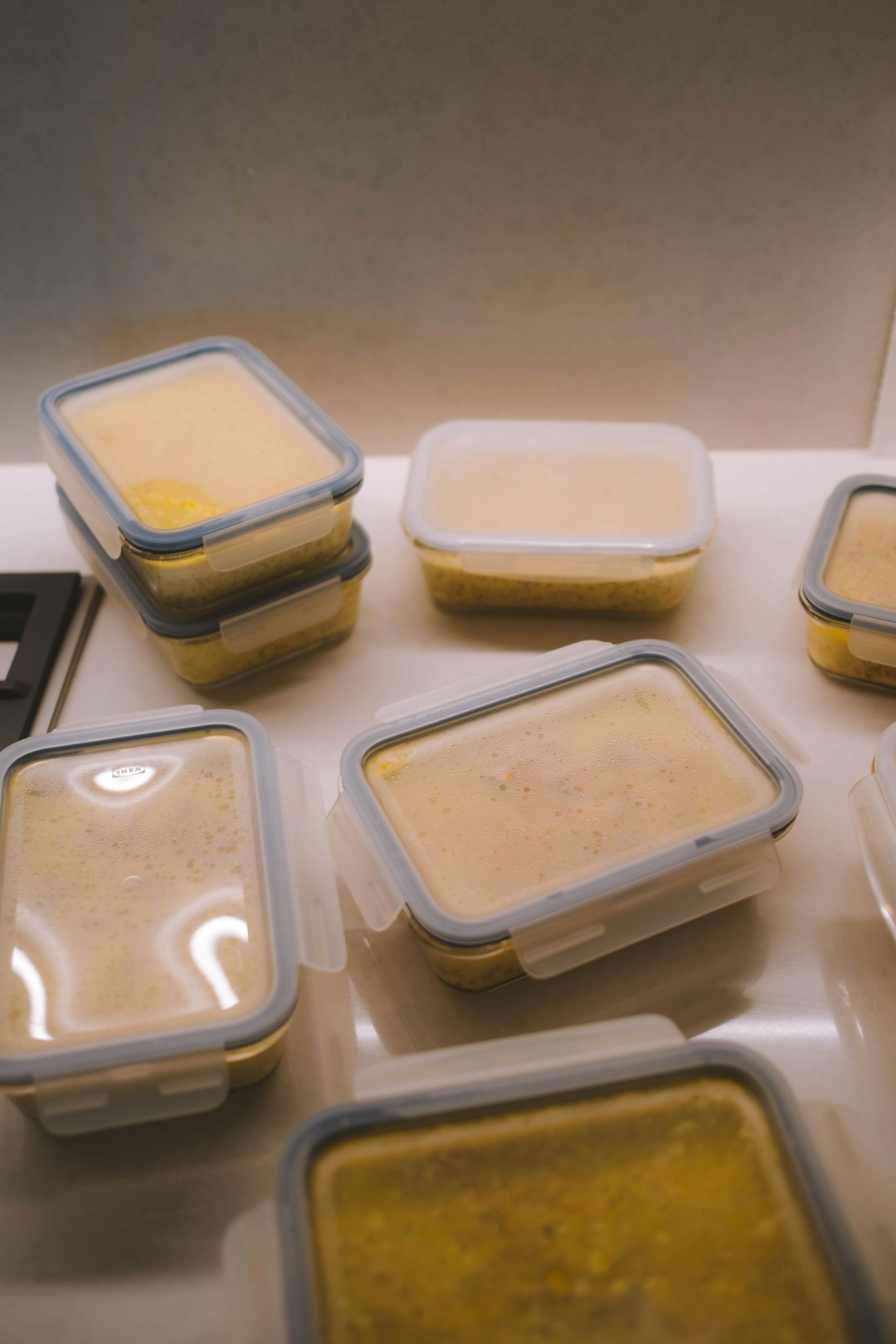
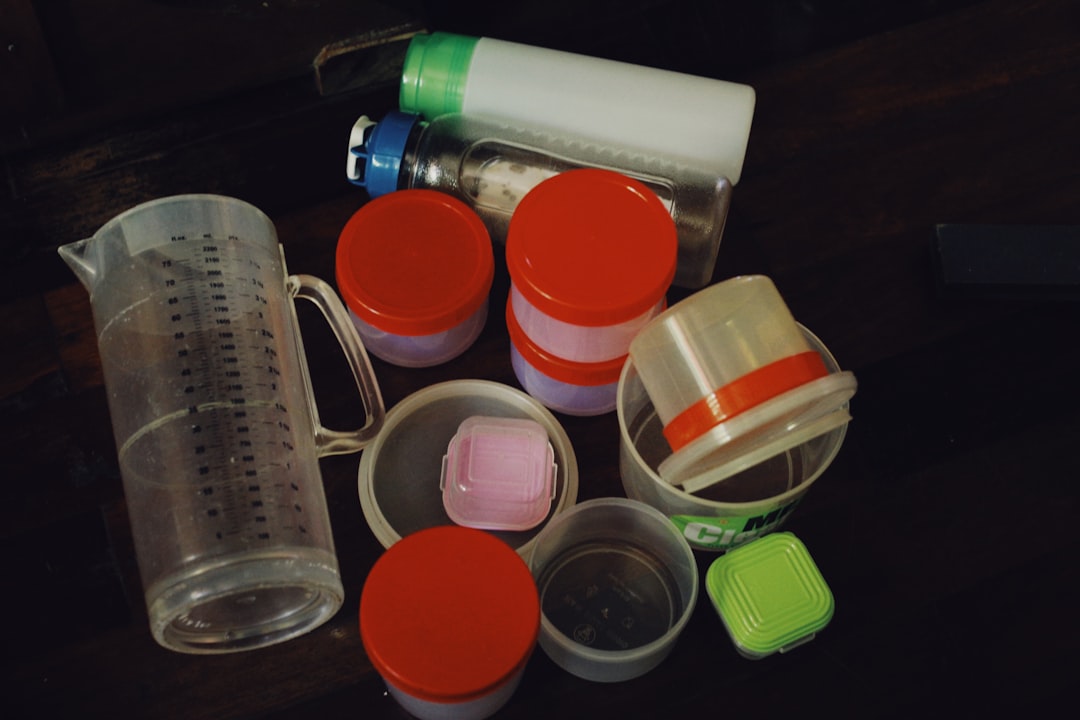
That drawer full of mismatched plastic lids and stained Tupperware might seem harmless, but it’s actually a sneaky health hazard. Studies in 2024 confirmed that many older plastic containers contain BPA or phthalates, chemicals linked to hormone disruption and even cancer. Even “microwave-safe” containers can leach harmful substances when heated. About 80% of U.S. households still keep old plastics, according to the Environmental Working Group. Many families reuse takeout containers, unaware that they degrade faster and release more toxins over time. Switching to glass or stainless steel is a safer, longer-lasting option. Next time you open that cluttered drawer, remember: you’re not just battling chaos, but also protecting your body.
Old Spices: Flavorless and Potentially Dangerous
It’s almost funny how long that tiny jar of oregano sits in the back of the cupboard—sometimes for years. But did you know that spices lose their potency after about 1-2 years and can actually harbor mold or bacteria? A Consumer Reports study in 2023 found that many homes had spices more than a decade old! The flavor isn’t the only thing at stake; moldy spices can trigger allergies or even food poisoning. If you can’t remember when you bought it, or it smells like dust, toss it. Spices aren’t worth risking your family’s health, and fresh ones can totally transform your next meal.
Unused Electronics: Silent Energy Wasters
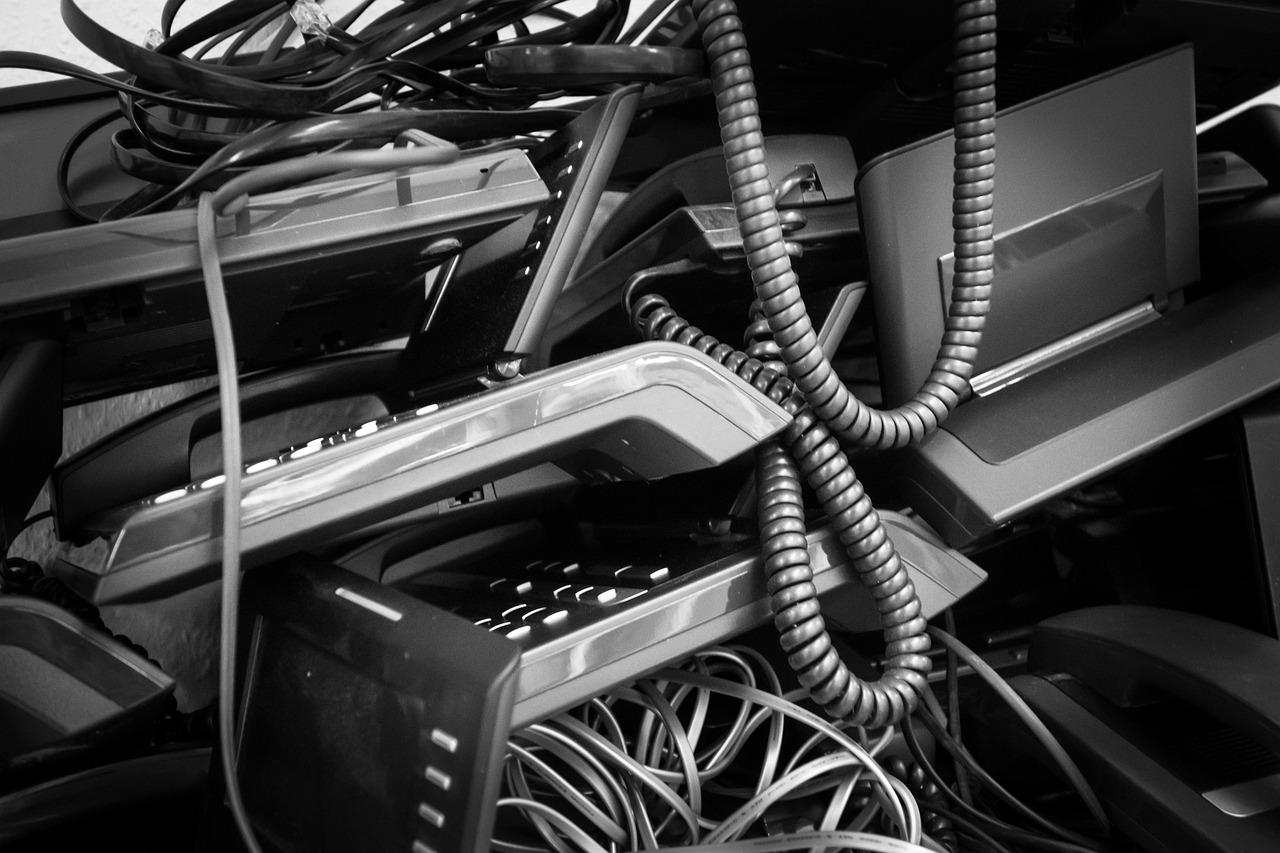
We all have that graveyard of old phones, chargers, and forgotten gadgets in a drawer or box. According to the EPA, Americans throw away over 50 million tons of e-waste each year, but millions more devices just sit at home, slowly leaking toxins like lead and mercury. These items can even pose a fire risk if the batteries degrade. In a 2024 survey, 45% of people admitted to hoarding “dead” electronics. Recycling centers in most cities now accept these for free, and some stores offer trade-in programs. Letting go of that old flip phone isn’t just about decluttering—it’s about keeping your home and the planet safer.
Receipts and Old Paperwork: Hidden Toxins Lurking in Drawers
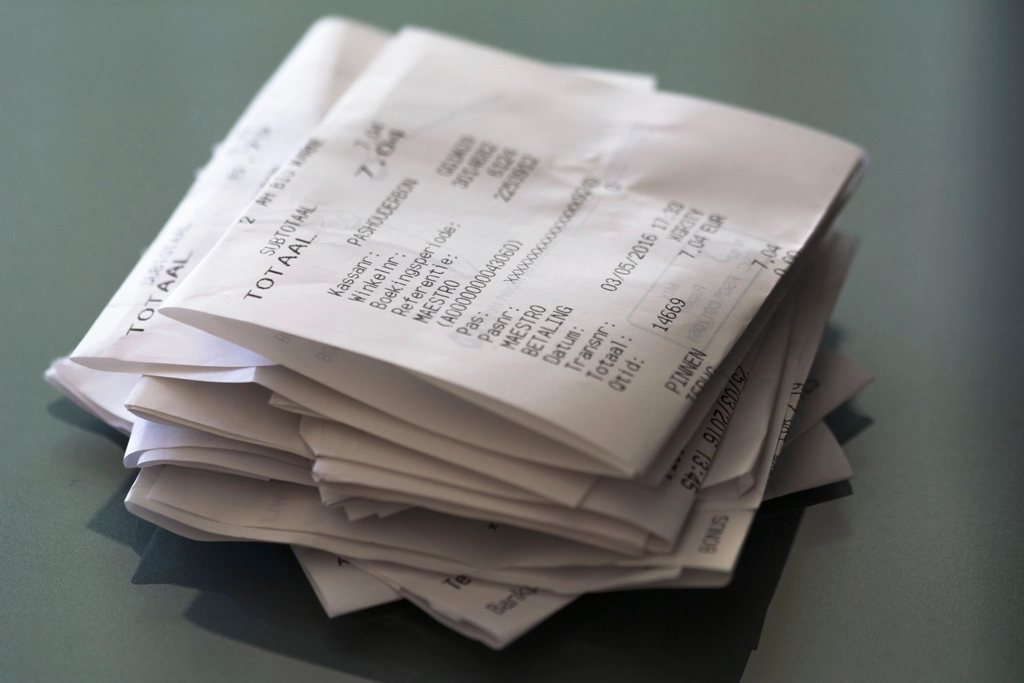
Do you have a pile of receipts and old bank statements “just in case”? You’re not alone. But recent studies show that many receipts are coated with BPA—yes, the same harmful chemical found in plastics. Handling these can transfer toxins to your skin, and storing stacks of paper is also a major fire hazard. According to the American Chemical Society, BPA receipts can be a significant source of exposure, especially if you handle them often. Shredding old documents and switching to digital statements is safer and keeps your home tidier. It’s easy to underestimate the risks of something so ordinary, but those stacks of paper pack a surprising punch.
Old Makeup: A Breeding Ground for Bacteria
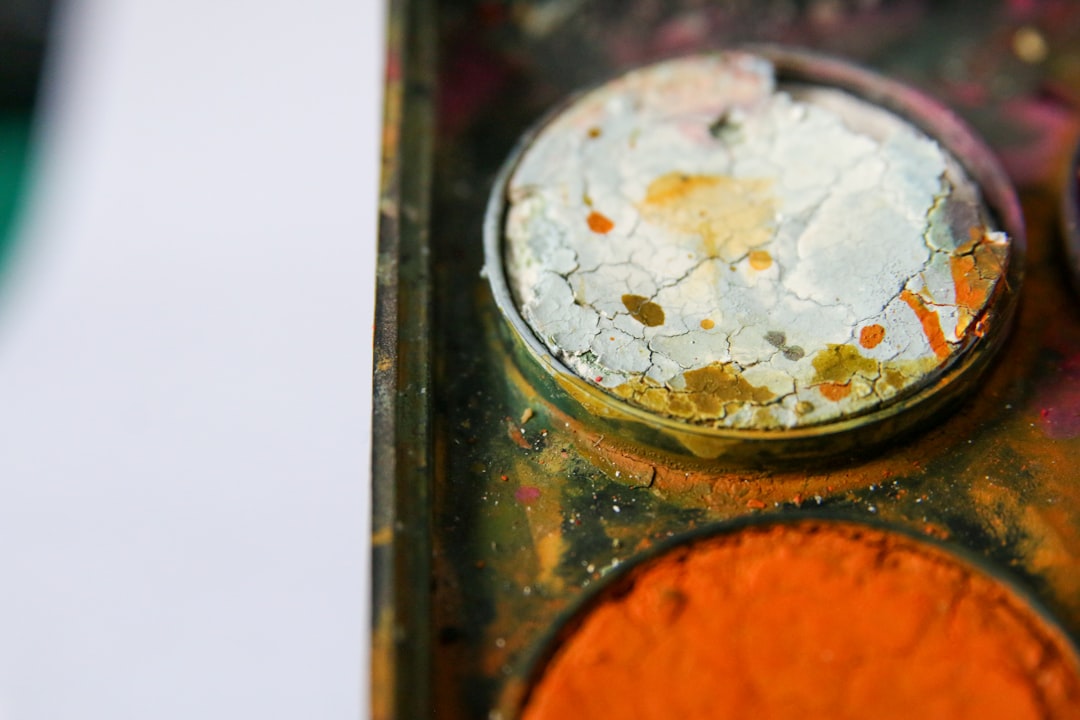
Most people don’t realize how quickly makeup can turn into a petri dish. According to the American Academy of Dermatology, mascara and liquid eyeliner should be replaced every 3 months, while foundation and lipstick last about a year. Yet a 2023 poll found that over half of women keep cosmetics for years past their expiration date. Old makeup can cause skin infections, eye irritation, and even serious illnesses. Sharing makeup only increases the risk. If it smells weird, looks dry, or has separated, it’s time to say goodbye. It’s tempting to hold onto expensive beauty products, but your skin will thank you for making the switch.
Worn-Out Pillows: Allergens Hiding in Plain Sight
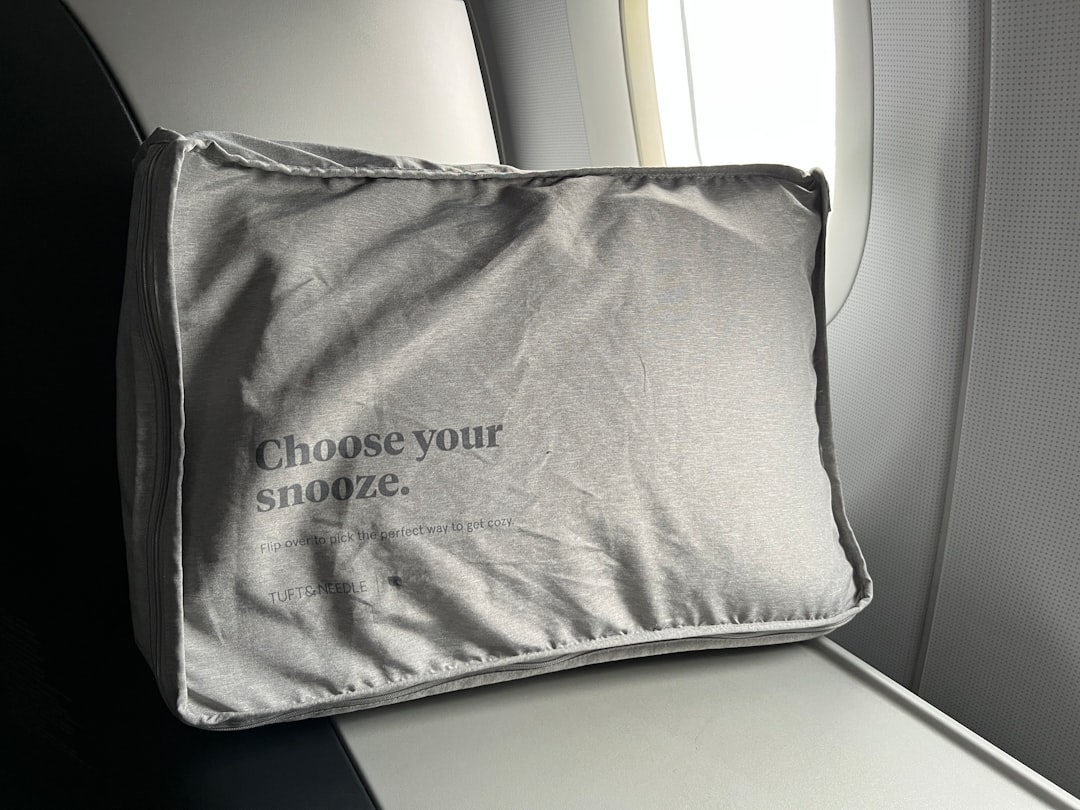
Your pillow might look clean, but after a couple of years, it’s likely harboring dust mites, bacteria, and even mold. The Sleep Foundation recommends replacing pillows every 1-2 years, yet most people wait much longer. A 2024 study found that one-third of pillows tested contained allergen levels high enough to trigger symptoms. These invisible invaders can cause allergies, asthma, and worsen sleep quality. Washing pillowcases helps, but it can’t fix what’s inside. Investing in a new pillow can mean better sleep and fewer sniffles—a small change with big results.
Unused Gym Equipment: More Guilt Than Gain
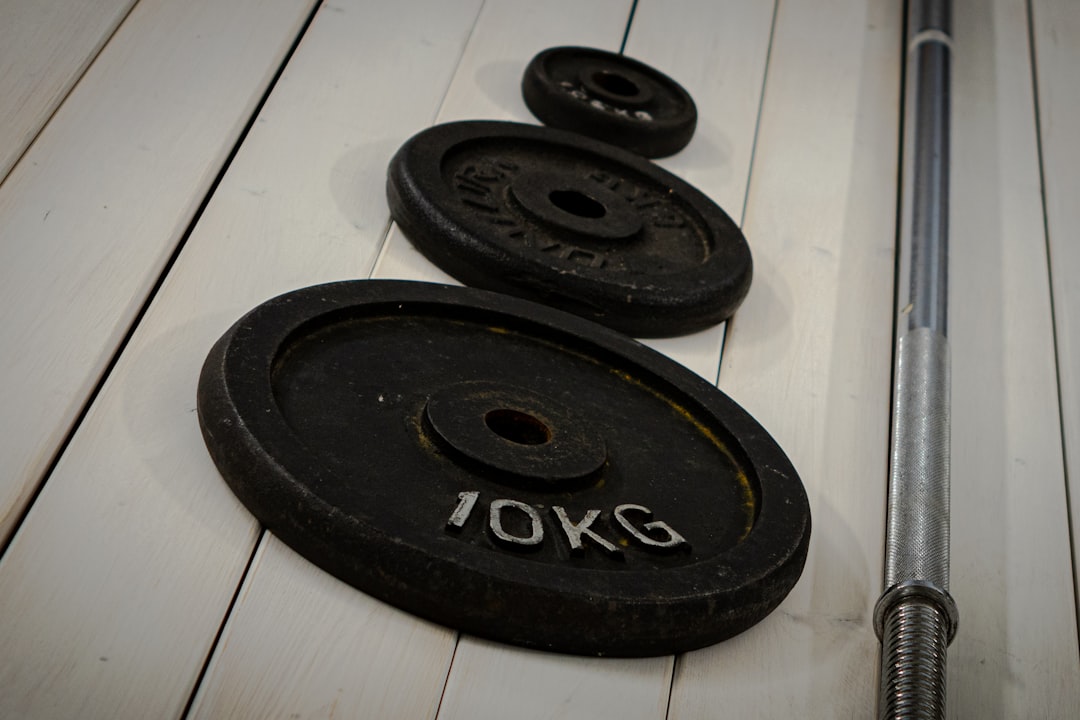
That treadmill doubling as a clothes rack might seem harmless, but unused gym equipment takes up valuable space and can even collect dust and mold. According to a 2023 fitness industry report, nearly 70% of people who buy home gym gear use it less than twice a month after the first year. Unused equipment can also pose tripping hazards, especially in small apartments. Donating or selling these items not only frees up space but can also motivate you to find new ways to stay active. Sometimes, less really is more when it comes to fitness at home.
Old Cleaning Products: Chemical Risks Under the Sink
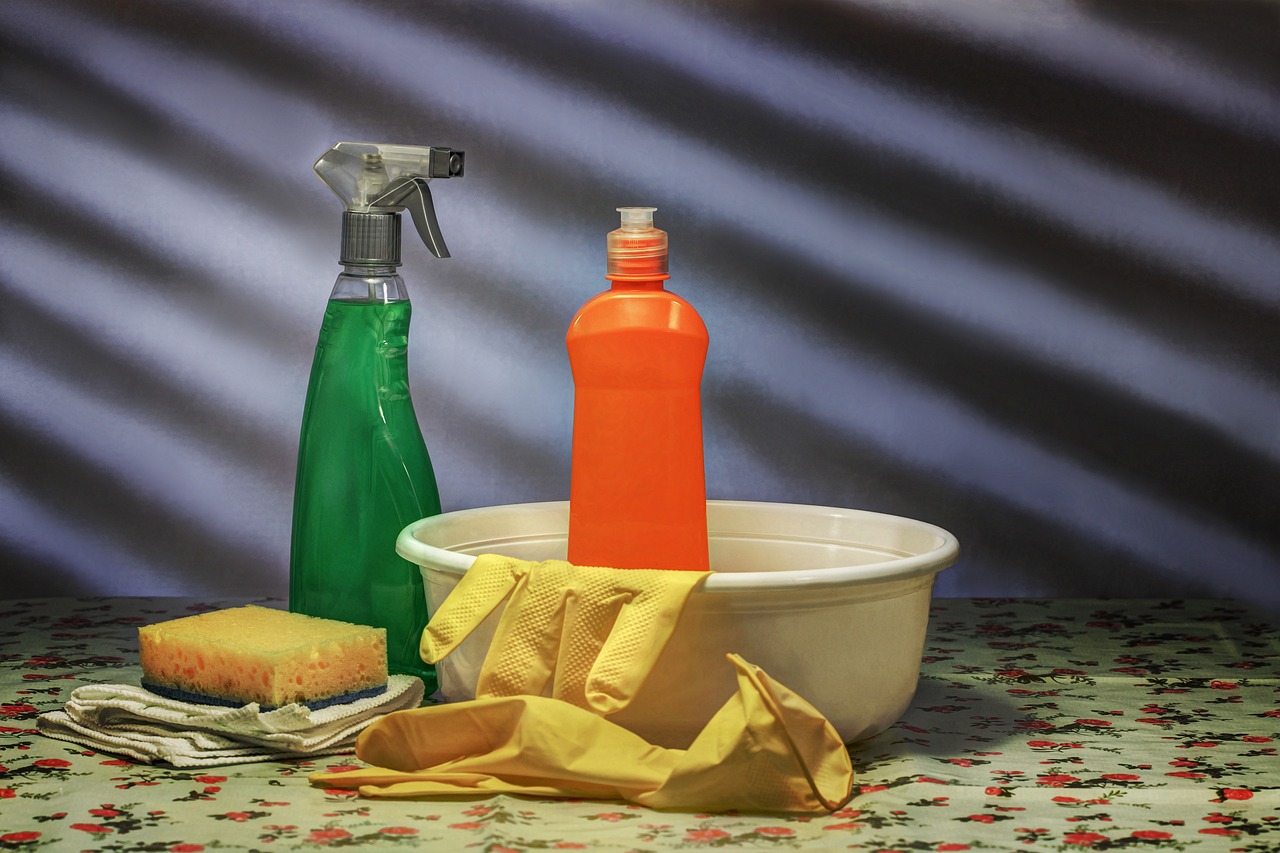
It’s common to have a lineup of half-used cleaning sprays, powders, and bottles under the sink. However, many cleaning chemicals degrade over time, becoming less effective—or even dangerous. The National Poison Data System reported a rise in chemical-related accidents in homes with children in 2023. Some old cleaners can emit toxic fumes or react dangerously if mixed by accident. Safely disposing of outdated products and opting for simpler, greener alternatives can reduce risks. It’s a simple step that helps protect both your home and the environment.
Expired Canned Goods: False Sense of Security
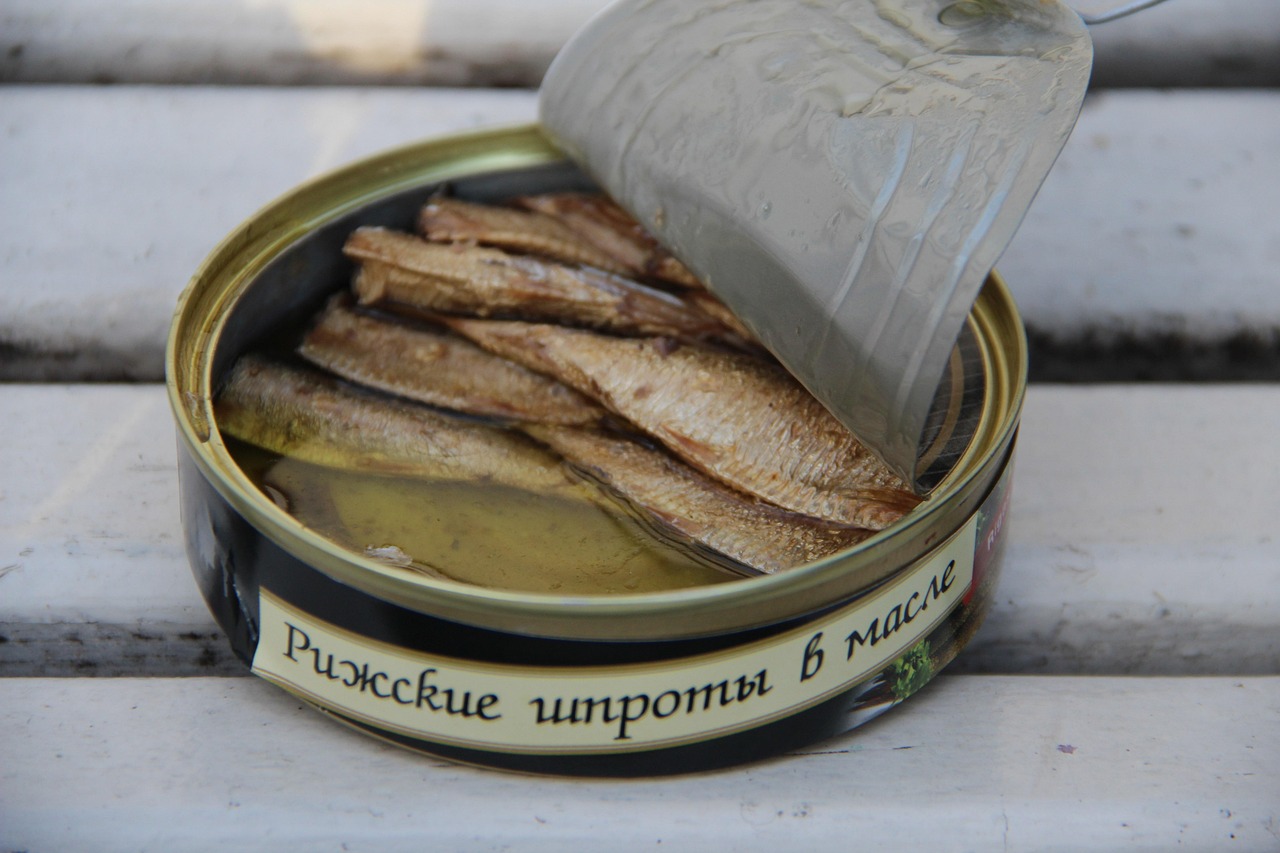
A pantry stocked with canned goods seems like a wise safety net, but expired cans can be a hidden danger. According to the USDA, while canned foods have a long shelf life, they’re not immortal—most should be used within 2-5 years. Dented or bulging cans are especially risky since they can harbor botulism, a potentially deadly bacteria. A 2024 survey found that almost 30% of households keep expired canned goods “just in case.” Regularly rotating your pantry and donating what you don’t need is the safest bet. That old can of beans isn’t worth risking your health.
Unused Gift Items: Emotional Clutter With a Price
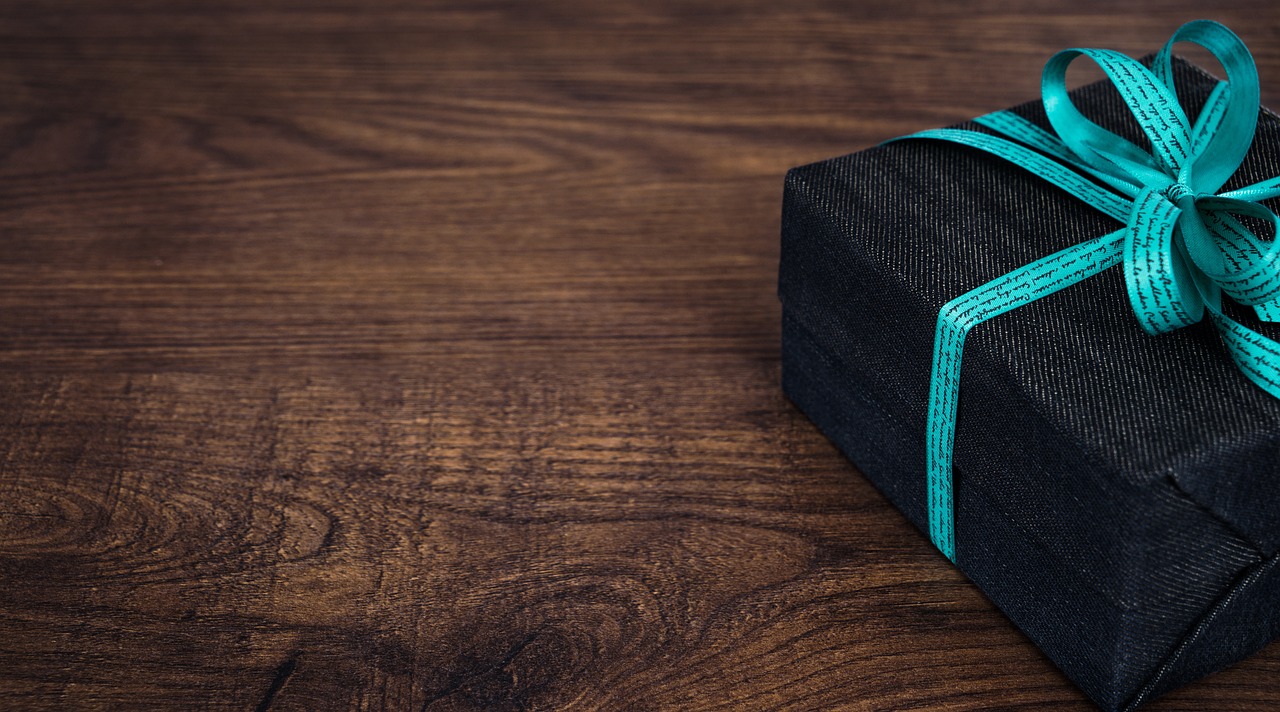
We all have that drawer filled with unopened candles, mugs, or novelty gifts from years past. According to a 2023 study by the National Association of Productivity & Organizing Professionals, nearly 40% of Americans keep gifts they don’t use out of guilt. These items take up space, collect dust, and can even add to feelings of overwhelm. Donating or regifting these items can lift a surprising weight off your shoulders. It’s okay to let go—your memories of the person matter more than the object itself.
Old Magazines and Books: Dusty Decor or Dust Mites?
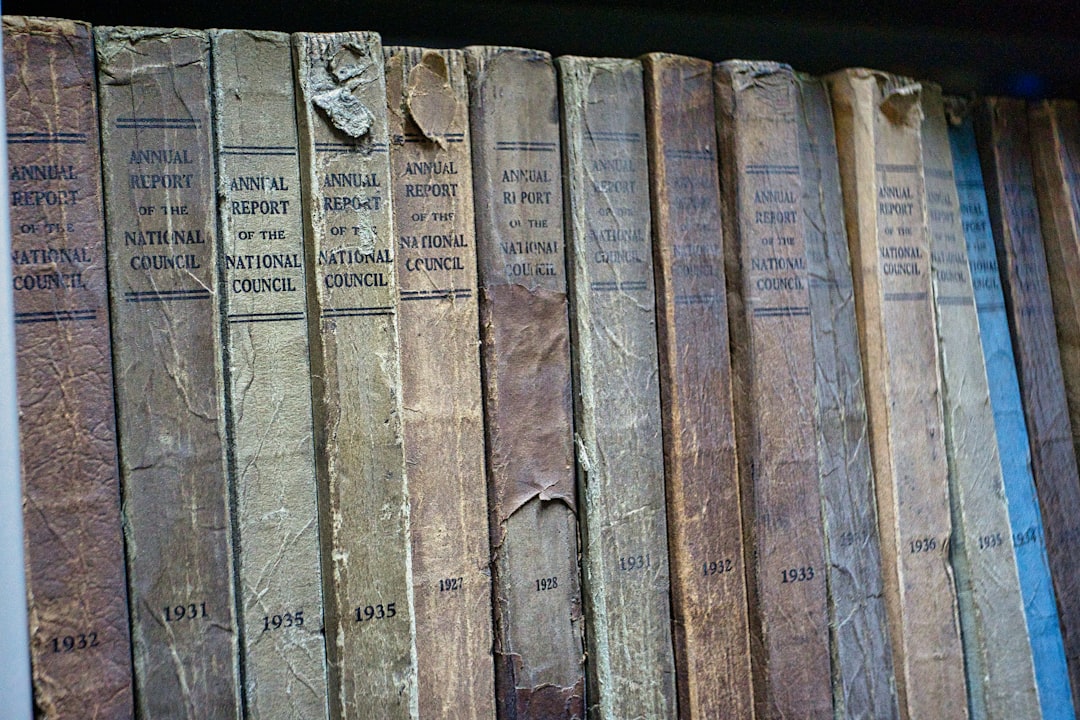
Stacks of old magazines and books seem harmless, but they’re a favorite hiding spot for dust mites and even mold, especially in humid climates. Research from the Asthma and Allergy Foundation of America in 2024 linked paper clutter to increased allergy symptoms in sensitive groups. These piles also make cleaning harder and can increase fire risks. Digitizing your favorites or donating them to local libraries helps keep your home healthier. That old stack of magazines might be more trouble than it’s worth.
Broken or Unused Furniture: Space Wasters and Safety Risks
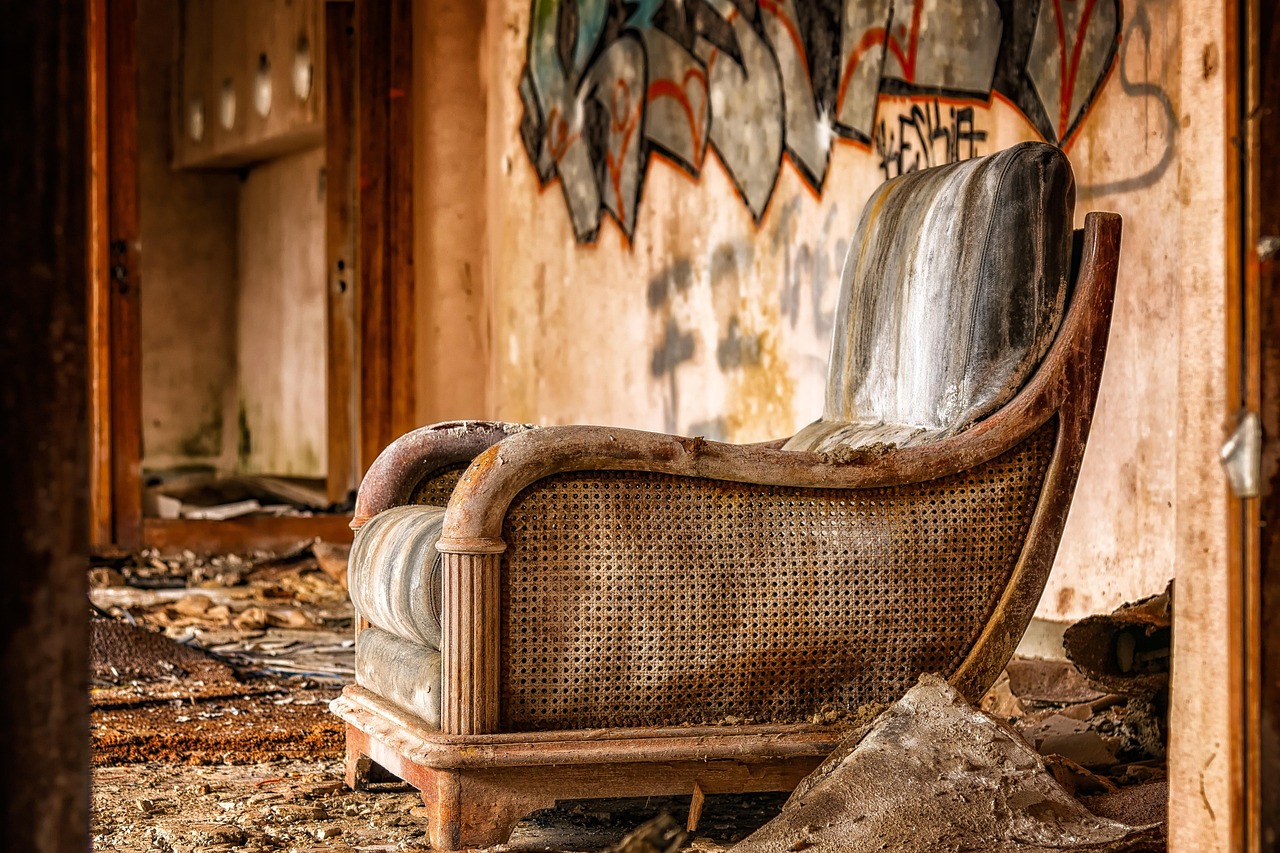
Many people hold onto broken chairs, wobbly tables, or unused furniture, thinking they’ll fix it “someday.” According to a 2024 home safety report, unused or damaged furniture is a leading cause of trips and falls, especially among seniors and kids. These items also collect dust and can attract pests. Clearing them out not only creates more space but also makes your home safer for everyone. Sometimes, holding onto the past can literally trip you up.
End of article.
Final Thoughts
It’s easy to overlook the everyday items cluttering our homes, especially when they seem harmless or hold sentimental value. But the truth is, many of these objects take up space, collect dust, and in some cases, even pose health or safety risks. From expired products to outdated electronics and forgotten kitchen gadgets, letting go of these 13 common offenders isn’t just about minimalism—it’s about reclaiming peace, functionality, and intention in your living space. So next time you walk through your home, take a closer look. You might be surprised at what’s worth tossing for good.
The Psychology Behind Why We Keep These Things
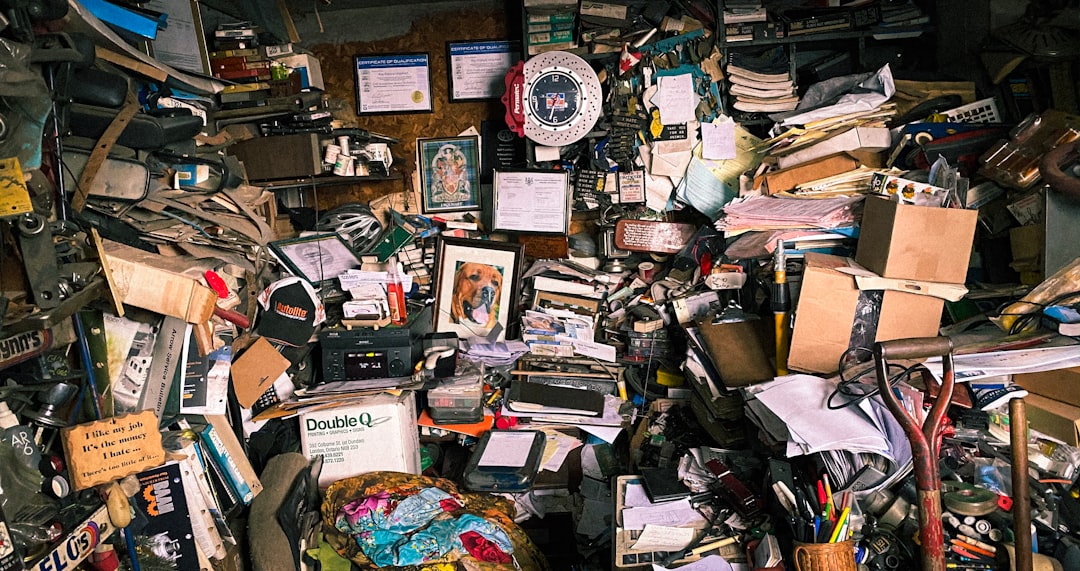
Ever wonder why it’s so darn hard to throw away that broken blender you haven’t used in three years? There’s actually fascinating psychology at play here that explains our attachment to clutter. We’re wired with something called loss aversion – basically, the pain of losing something feels twice as strong as the pleasure of gaining it. That’s why tossing out even useless items can feel genuinely uncomfortable, like we’re giving up a piece of ourselves. Add in the sunk cost fallacy (“But I paid good money for this!”) and our tendency to imagine future scenarios where we might need these things, and suddenly keeping expired makeup seems logical. The good news is that once you understand these mental tricks your brain is playing, breaking free becomes so much easier – and honestly, pretty liberating too.