

Obsessing Over the Number on the Scale
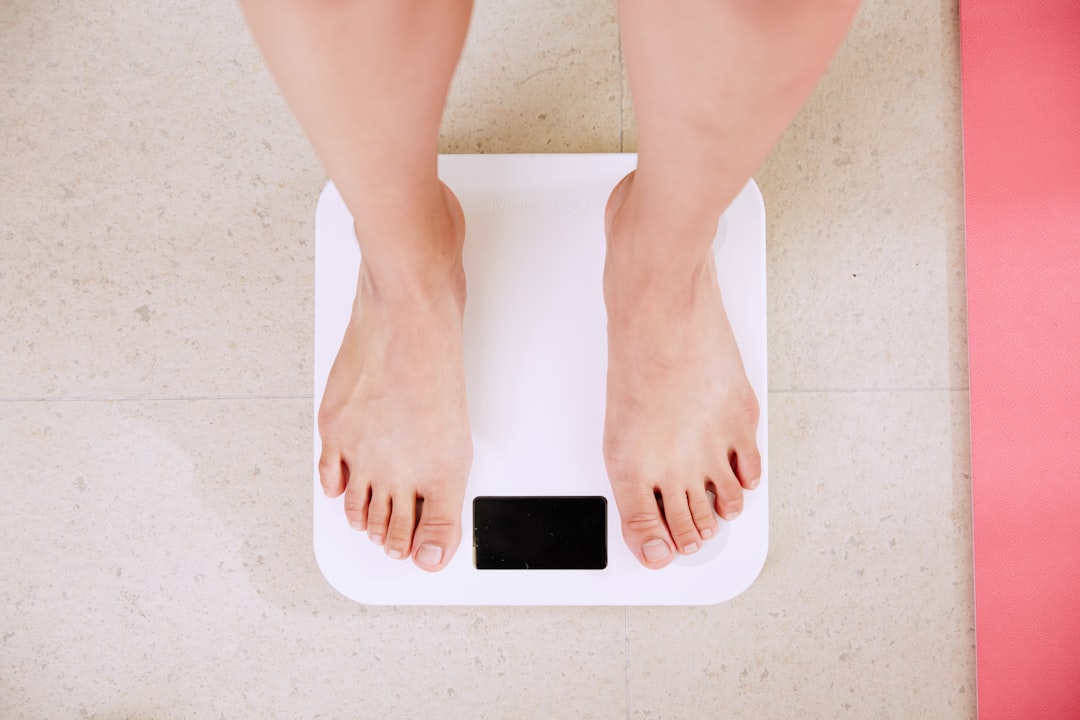
It’s shocking how many people let the scale control their mood every morning. Statistically, about 45% of adults try to lose weight each year, but focusing solely on the scale can backfire. According to the CDC, weight fluctuates naturally due to factors like hydration, hormones, and even the time of day. When you fixate on the number, you might ignore real progress, like muscle gain or improved stamina. This obsession can lead to unhealthy crash diets, increased anxiety, or even eating disorders. The American Psychological Association highlights that constant self-weighing is linked to poorer mental health and lower self-esteem. Instead, experts recommend tracking how you feel, how your clothes fit, and your energy levels for a more balanced approach.
Cutting Out Entire Food Groups

It seems everywhere you look, another diet is telling you to avoid carbs, fats, or even fruit. But research from Harvard School of Public Health shows that excluding whole food groups can deprive your body of vital nutrients. For example, cutting out carbohydrates can lead to low energy, poor brain function, and mood swings. Many restrictive diets also cause vitamin deficiencies, according to registered dietitians. In the long run, such extreme restrictions can slow your metabolism and even increase your risk of chronic disease. Rather than ditching whole categories, nutritionists suggest focusing on variety and moderation.
Pushing Through Pain No Matter What
The old saying “no pain, no gain” still echoes in gyms, but recent studies reveal this can do more harm than good. According to the American College of Sports Medicine, exercising through significant pain can cause lasting injuries, especially to joints and tendons. In 2024, over 60% of gym-goers reported ignoring discomfort during workouts, only to later face longer recovery times. Pain is your body’s way of signaling that something is wrong. Ignoring it for the sake of chasing fitness goals can set you back for weeks or even months.
Striving for a Six-Pack at Any Cost

The pursuit of visible abs is everywhere on social media, but the cost isn’t often discussed. Body fat percentages required for a six-pack are usually below what’s considered healthy, especially for women. According to the National Institutes of Health, women need at least 20% body fat for optimal hormone function, yet visible abs often appear under 15%. Chasing this goal can disrupt periods, lower immune function, and even damage mental health. Some fitness models have spoken out about losing hair, experiencing extreme fatigue, and developing disordered eating habits because of this relentless pursuit.
Working Out Every Single Day Without Rest
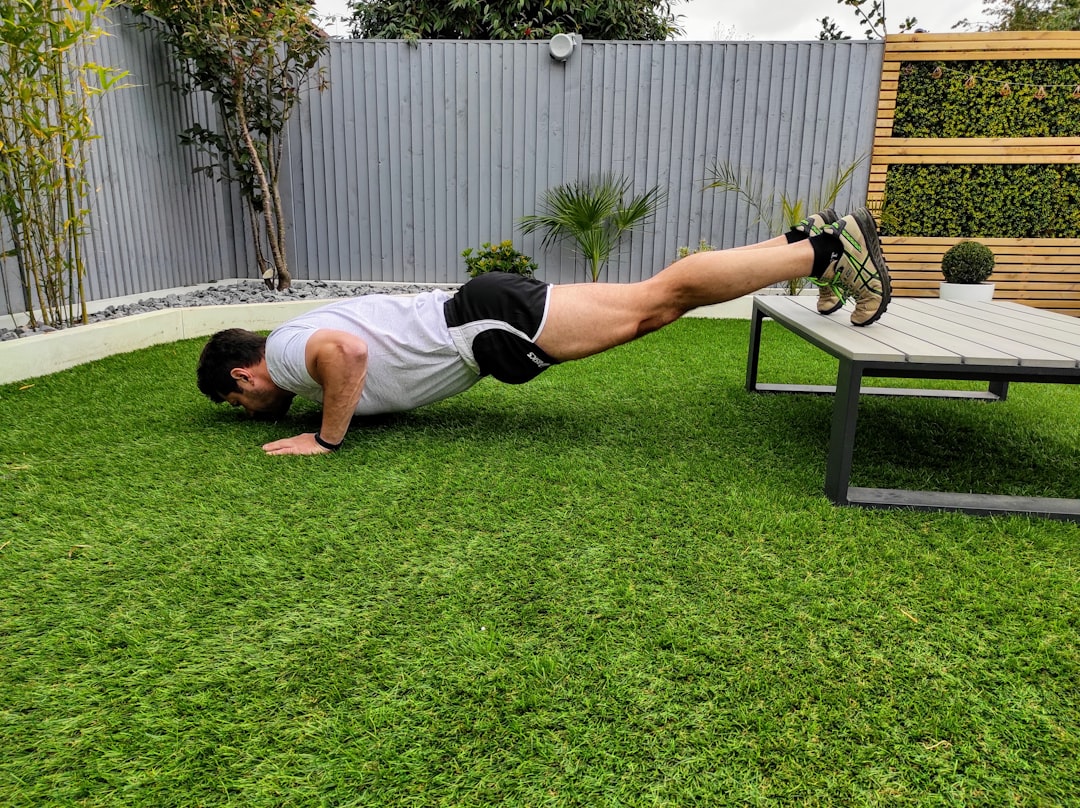
Rest days aren’t just a luxury—they’re essential. Many fitness enthusiasts believe that skipping rest equals more gains, but science disagrees. The American Council on Exercise explains that muscles need 48 hours to fully recover after intense workouts. Overtraining without adequate rest can lead to chronic fatigue, increased injury risk, and even depression. In fact, a 2023 study found that athletes who ignored rest days had a 30% higher chance of developing overuse injuries. Incorporating rest is crucial for actual progress and long-term health.
Trying to Burn Off Food With Exercise
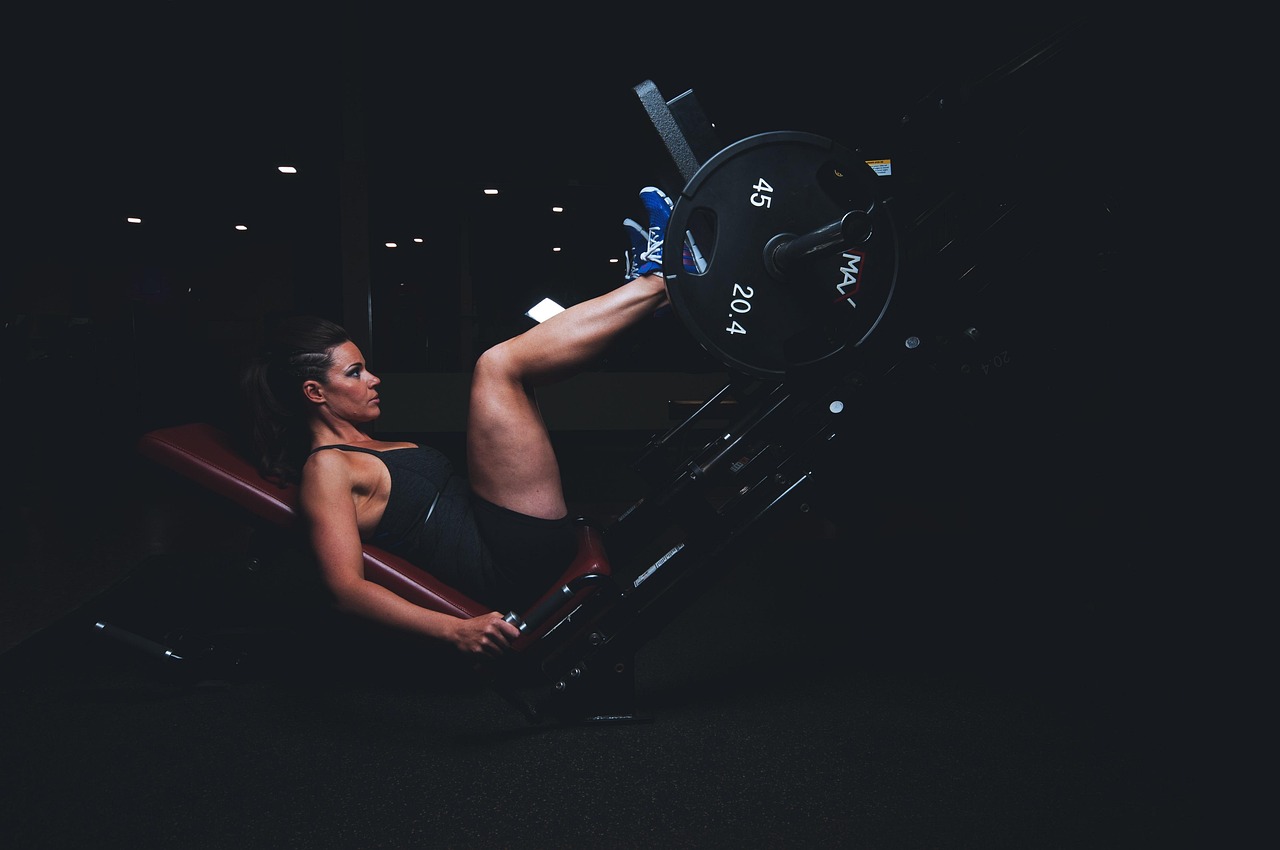
Using exercise as punishment for eating is a dangerous trend. Studies from the University of Minnesota show that associating food with guilt leads to unhealthy relationships with both eating and movement. People who exercise to “erase” calories are more likely to binge eat or develop compulsive habits. This approach also overlooks the many benefits of exercise beyond calorie burning, like improved mood and stronger bones. Experts from the Academy of Nutrition and Dietetics recommend celebrating food and movement separately to foster a healthier mindset.
Drinking Excessive Protein Shakes
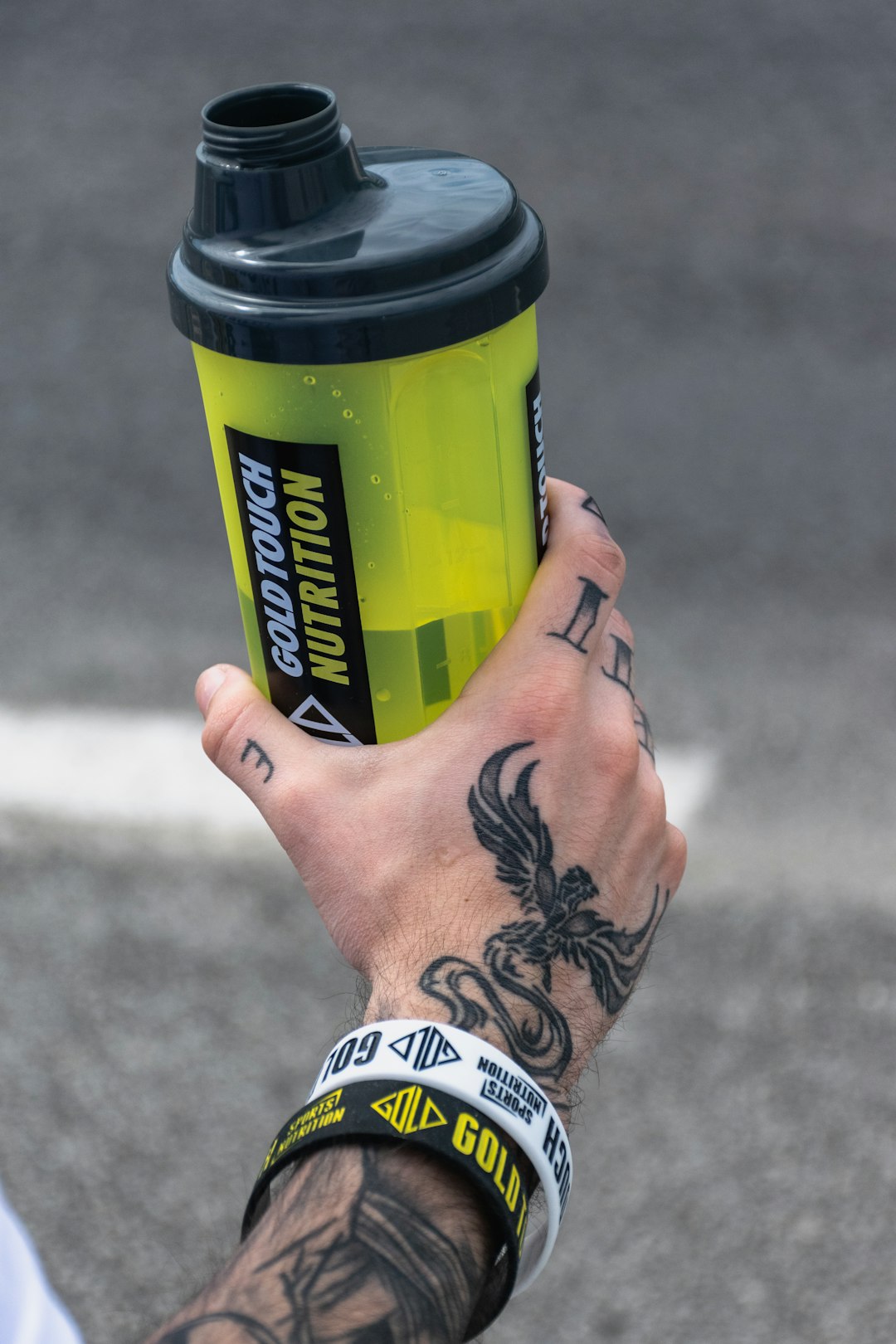
Protein is crucial for muscle repair, but the supplement industry sometimes overhypes its importance. According to the International Society of Sports Nutrition, most adults already get enough protein from food alone. Consuming too many shakes can strain your kidneys and lead to digestive issues. Some powders also contain hidden sugars, artificial ingredients, or even harmful contaminants, as reported in recent FDA investigations. Instead of relying on supplements, nutritionists advise prioritizing whole foods like eggs, nuts, and legumes for balanced nutrition.
Training Only One Body Part Repeatedly

It’s tempting to keep working on an area you want to “fix,” like arms or abs, but spot-reducing fat simply doesn’t work. The Mayo Clinic confirms that focusing on just one muscle group increases injury risk and creates muscle imbalances. For example, constantly doing squats without strengthening your core or upper body can lead to posture problems. Balanced training routines that target all muscle groups reduce injury, improve performance, and lead to better long-term results. Fitness coaches recommend switching up your workouts and embracing full-body movements.
Chasing Ultra-Low Body Fat Levels

Low body fat is often glorified in fitness culture, but it can be incredibly risky. The World Health Organization states that body fat below 5% for men and 15% for women is associated with hormonal imbalances and weakened immunity. In 2024, several professional athletes admitted publicly to experiencing mood changes, sleep disturbances, and reproductive issues from maintaining ultra-lean physiques. Pursuing extremely low body fat is unsustainable for most people, and the health trade-offs are rarely worth it.
Prioritizing Fitness Challenges Over Actual Health
Social media fitness challenges—from 30-day ab blitzes to extreme running streaks—can feel motivating but often push people beyond safe limits. Data from the Journal of Sports Sciences shows a spike in injury rates during popular online challenges. The pressure to keep up can lead to poor form, skipped recovery, and mounting frustration. Many participants report feeling inadequate or burned out instead of empowered. Health experts suggest setting personal, realistic goals rather than following viral trends.
Focusing Only on Aesthetics, Not Function
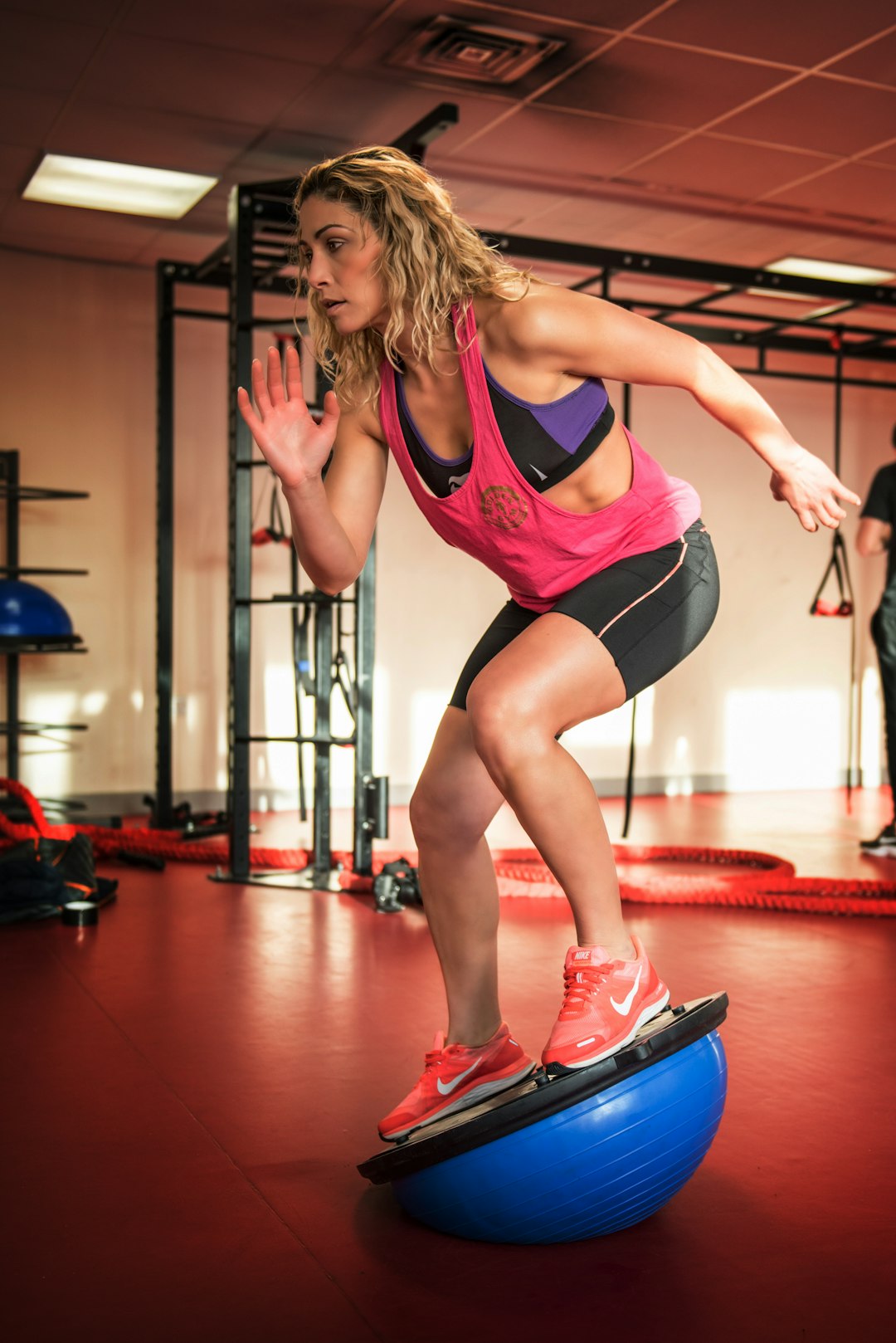
When workouts revolve around looking a certain way, people often neglect other crucial aspects like mobility, balance, or mental well-being. The American Physical Therapy Association highlights that functional fitness—training that makes daily activities easier—should be the goal. Focusing only on appearance can result in overlooked pain, poor posture, and even emotional distress. For example, trying to bulk up arms at the expense of back strength can lead to injuries later on. Trainers recommend prioritizing how your body feels and performs, not just how it looks.
Ignoring the Role of Mental Health

In the rush for physical transformation, mental health often takes a back seat. A 2024 survey by Mental Health America found that 40% of people with strict fitness routines reported increased anxiety or obsessive behaviors around workouts. Exercise obsession is now recognized in the DSM-5 as a potential symptom of eating disorders. When fitness goals disrupt sleep, relationships, or self-esteem, it’s a warning sign. Mental health professionals urge including mindfulness, rest, and self-compassion in any fitness journey.
Relying on Detoxes and Quick Fixes
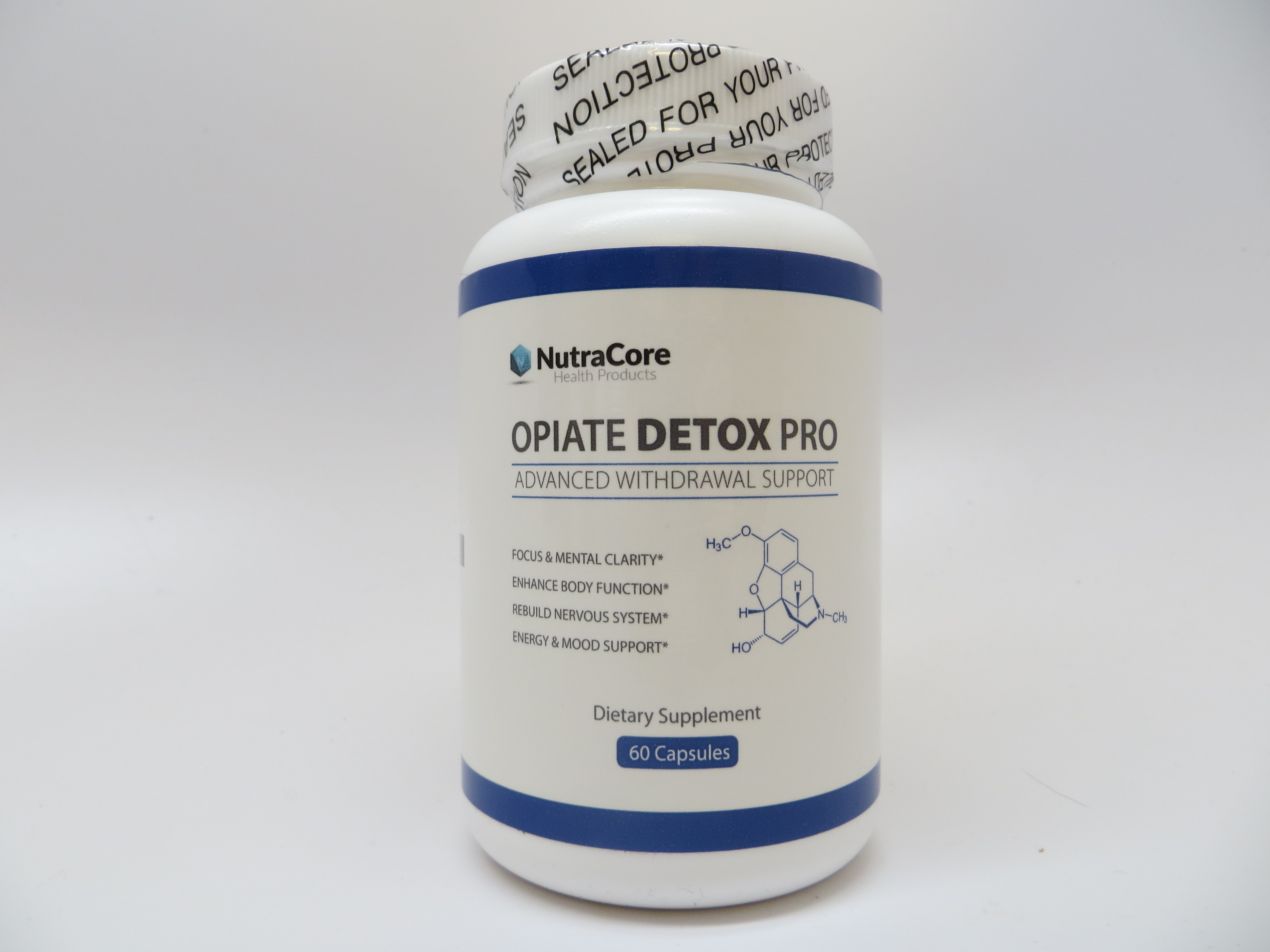
Detox teas, juice cleanses, and miracle supplements promise fast results, but research consistently shows they’re ineffective and sometimes dangerous. The British Dietetic Association warns that detox products can dehydrate the body, disrupt electrolyte balance, and even cause organ damage. In 2025, several detox supplement companies faced legal action for misleading health claims and unsafe ingredients. Instead of chasing quick fixes, doctors recommend evidence-based habits like regular movement, balanced meals, and adequate hydration as the real path to lasting health.