

Mary Anning: The Fossil Hunter Who Changed Paleontology
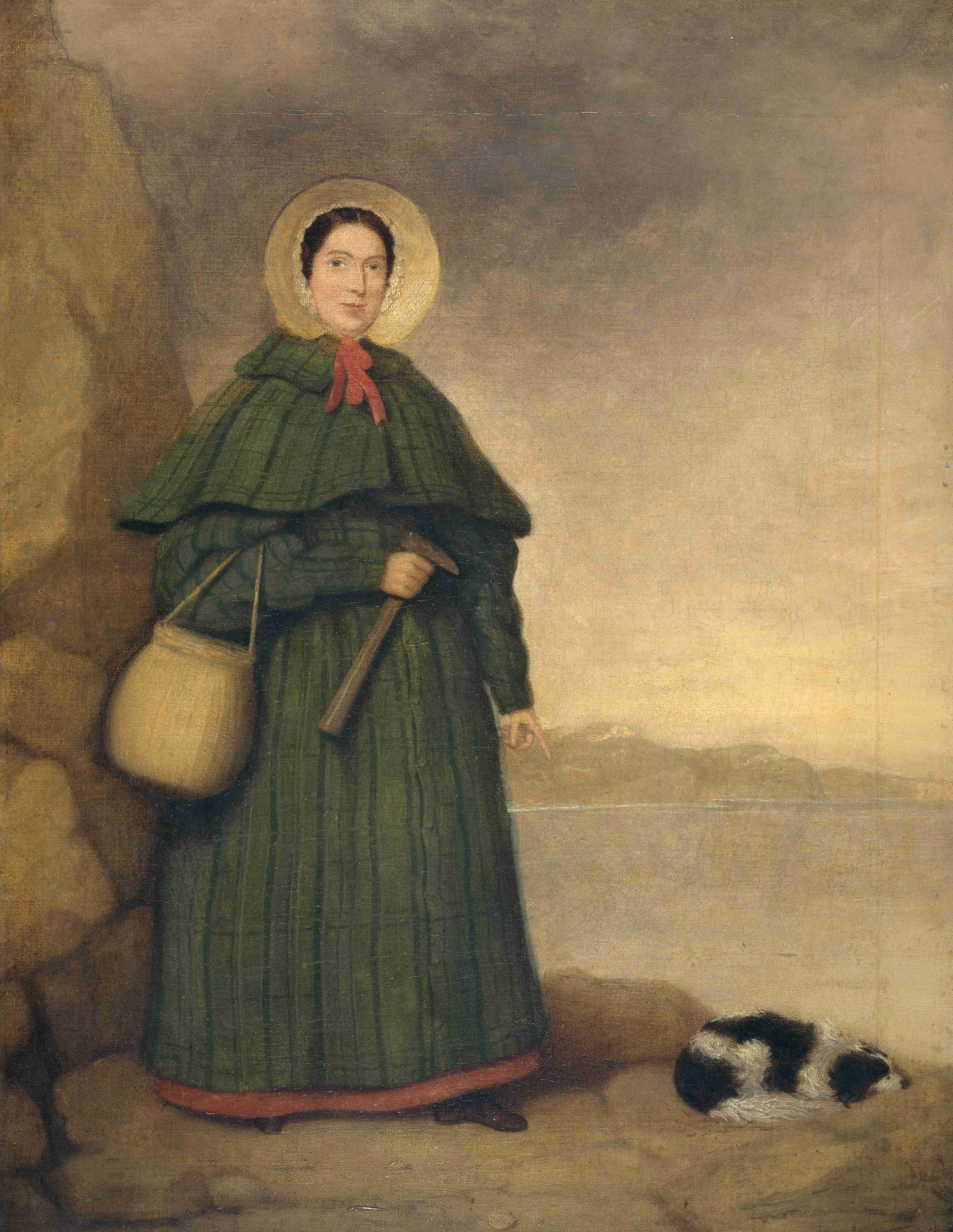
Mary Anning, a working-class woman from Lyme Regis, England, made some of the most groundbreaking discoveries in paleontology during the early 19th century. Despite little formal education, she unearthed the first complete Ichthyosaurus skeleton at just 12 years old. Her findings, including the first Plesiosaurus and Pterosaur fossils found in Britain, dramatically changed scientists’ understanding of prehistoric life. For decades, her discoveries were credited to male geologists who purchased her fossils. Only in recent years have historians and scientists recognized her expertise and contributions as pivotal to the development of paleontology. In 2010, the Royal Society listed her among the top ten British women who have most influenced science. Today, museums around the world showcase the fossils she discovered, but for much of her life, Anning’s name was hardly known outside her small coastal town.
Ignaz Semmelweis: The Father of Hand Hygiene
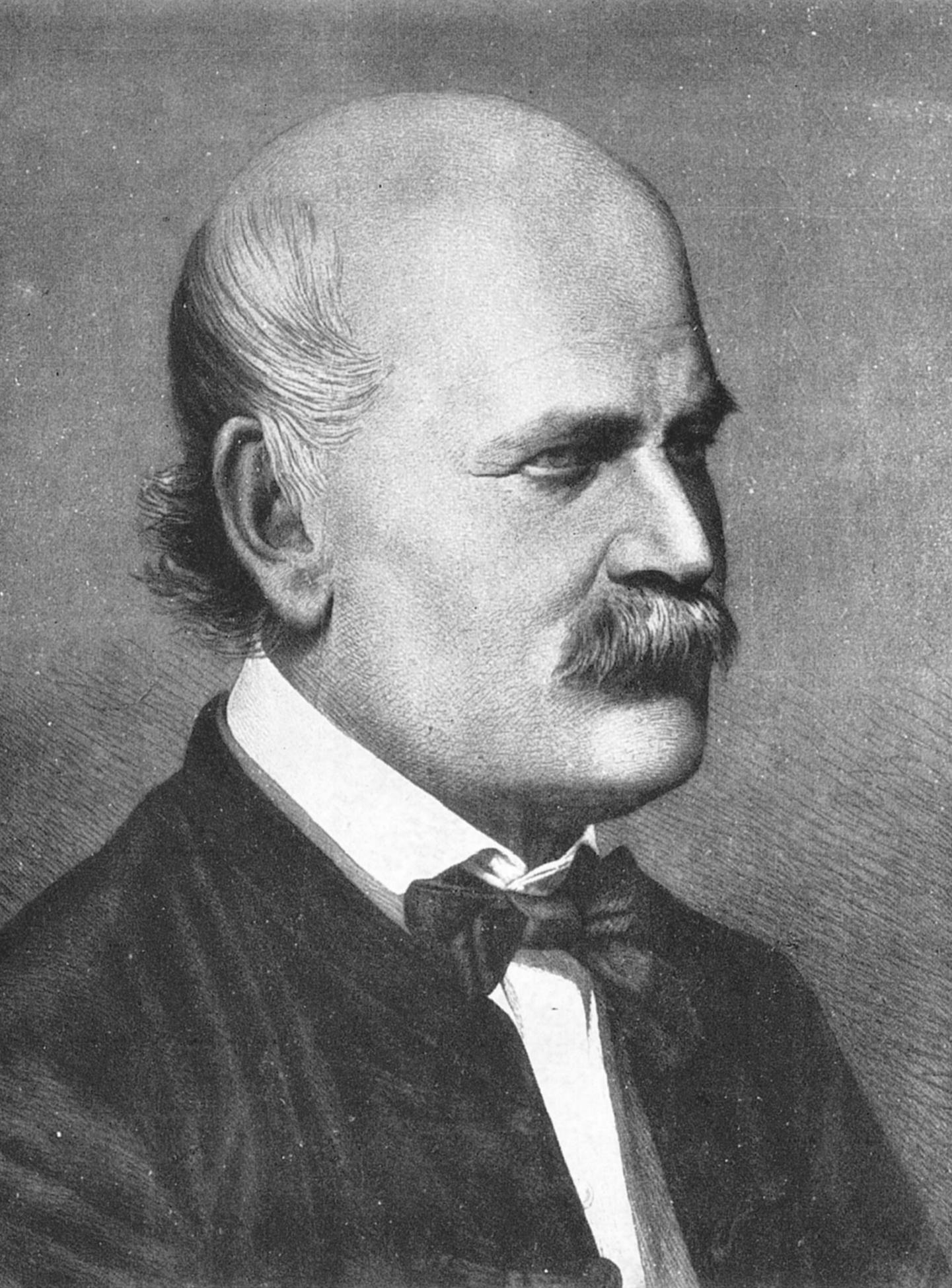
Ignaz Semmelweis was a Hungarian physician whose simple but revolutionary idea—doctors should wash their hands—saved countless lives and changed modern medicine. In the 1840s, Semmelweis noticed that women in maternity wards attended by doctors had much higher mortality rates from puerperal fever than those attended by midwives. He traced the cause to doctors performing autopsies then delivering babies without washing their hands. He introduced handwashing with chlorinated lime solutions, which slashed mortality rates from 18% to less than 2%. However, his peers ridiculed and dismissed his ideas, and he died in obscurity and frustration. Today, the World Health Organization and CDC credit Semmelweis for establishing one of the most critical practices in infection control.
Srinivasa Ramanujan: The Self-Taught Mathematical Genius
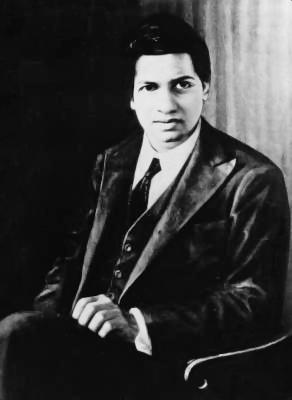
Srinivasa Ramanujan, born in rural India in 1887, had almost no formal training in mathematics but produced extraordinary formulas and theorems that continue to influence the field today. Working in near isolation and poverty, he developed groundbreaking results in number theory, continued fractions, and infinite series. In 1914, he was invited to Cambridge University by the renowned mathematician G.H. Hardy, who later described Ramanujan’s brilliance as “a natural genius.” Despite his contributions, Ramanujan’s name was overshadowed for decades, especially outside mathematical circles. Only in recent years have films, books, and academic research highlighted his unique genius and the depth of his contributions.
Tesla: The Visionary Behind Modern Electricity
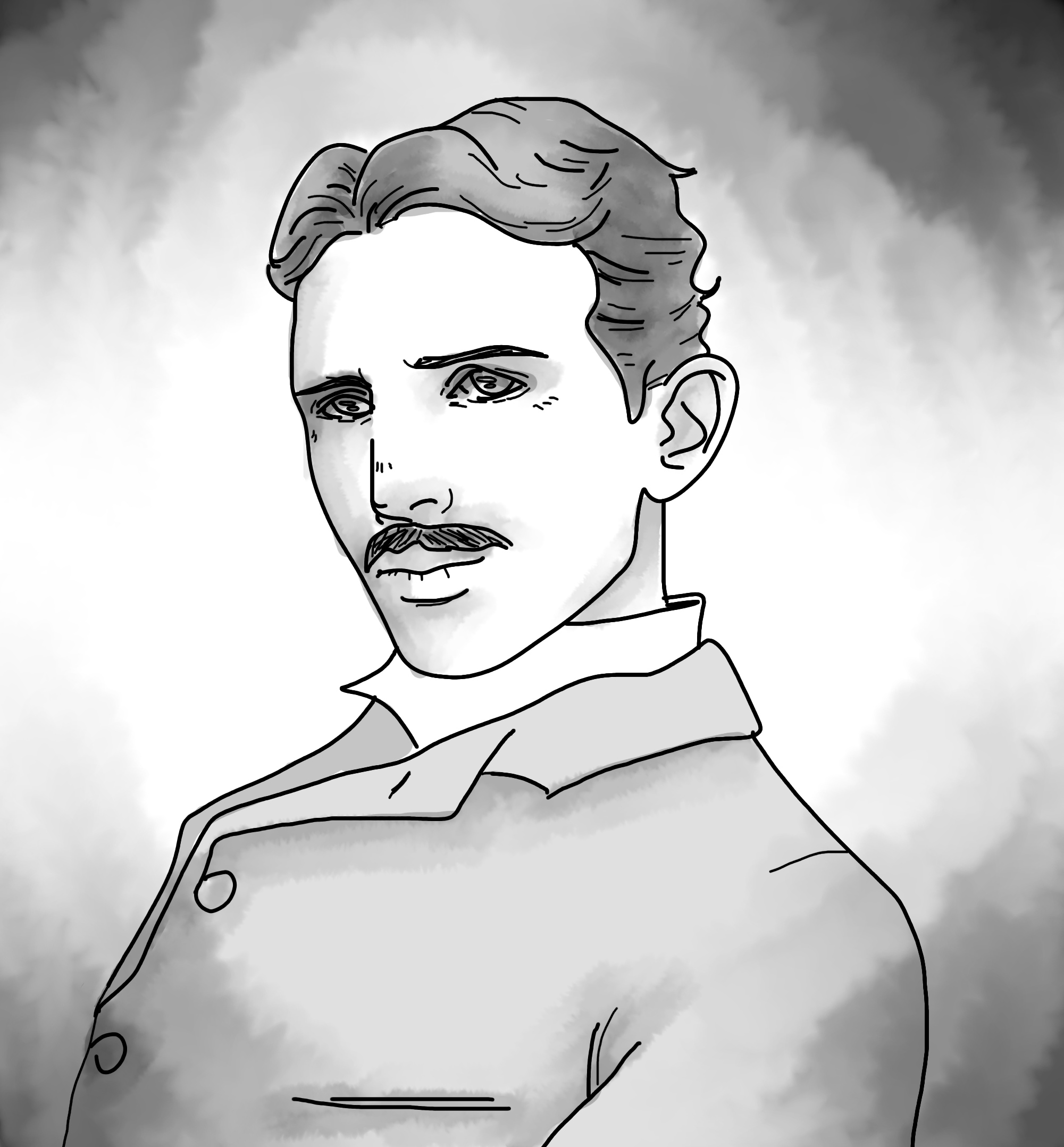
Nikola Tesla is now recognized as one of the most important inventors in history, but during his lifetime, he struggled for recognition and financial stability. Tesla’s pioneering work with alternating current (AC) helped power the modern world, yet his name was nearly lost in the shadows of Thomas Edison and others. He also envisioned wireless communication, renewable energy, and remote control, all years ahead of his time. For decades, textbooks and scientific histories downplayed or omitted his role, focusing instead on more commercially successful contemporaries. Recent scholarship and popular culture have revived Tesla’s reputation, with the unit of magnetic flux density—the tesla—named in his honor.
Henrietta Lacks: The Woman Behind the Immortal Cells

Henrietta Lacks was a poor Black tobacco farmer whose cancer cells, taken without her knowledge in 1951, became one of the most important tools in medicine. Her “HeLa” cells were the first human cells to survive and multiply outside the body, leading to breakthroughs in cancer research, vaccines, and genetics. For decades, scientists used and profited from her cells while her family remained unaware and uncompensated. Only in recent years has her story come to light, sparking global conversations about ethics and consent in medical research. The National Institutes of Health now acknowledges her contribution to science, and several medical institutions have honored her legacy.
Hedy Lamarr: The Hollywood Star Who Laid the Groundwork for Wi-Fi
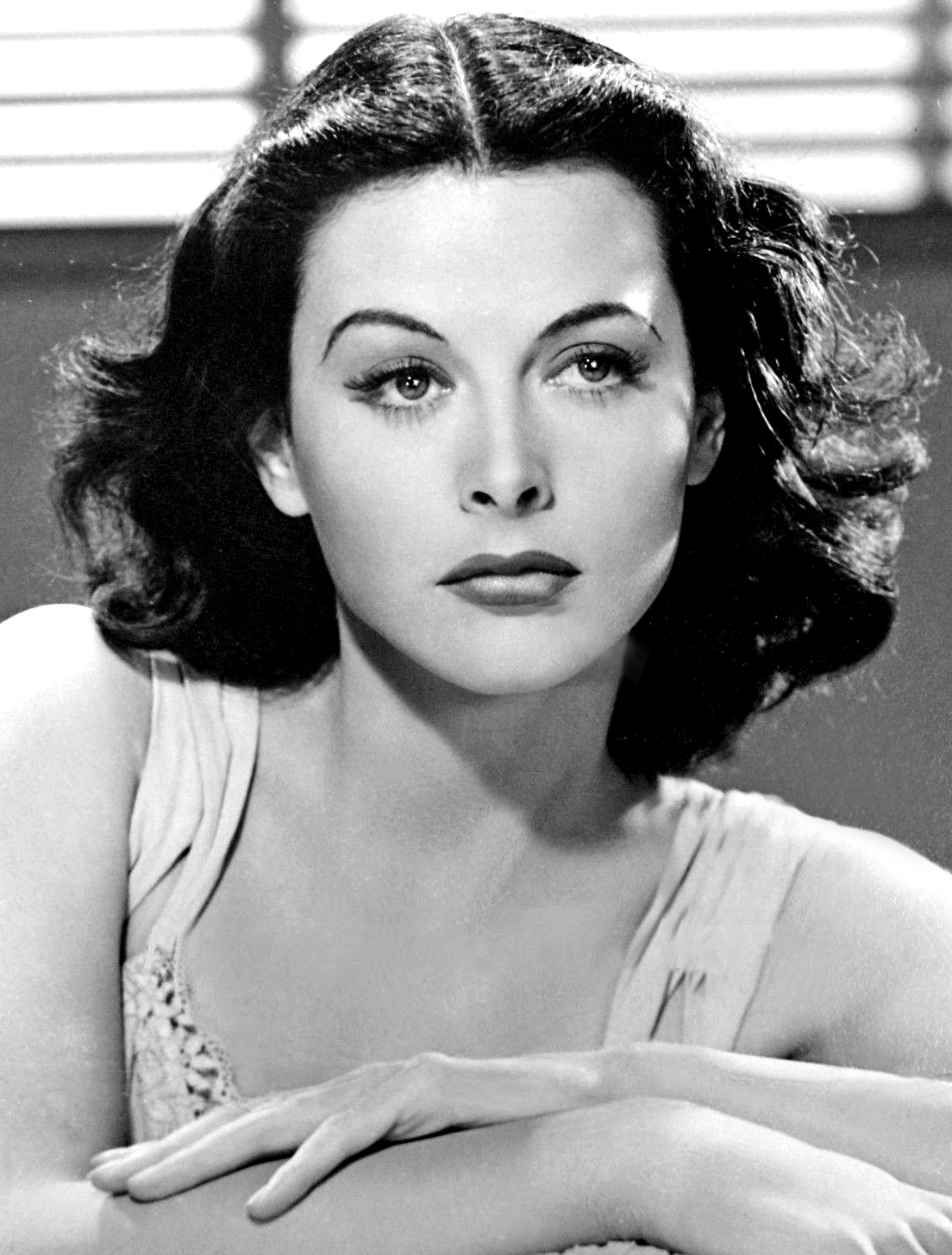
Hedy Lamarr dazzled audiences as a glamorous actress in the 1930s and 1940s, but few knew she was also an inventor whose ideas form the basis for today’s wireless communication. During World War II, Lamarr co-invented a “frequency-hopping spread spectrum” technology to prevent enemy interception of torpedo guidance signals. Although her invention was not adopted by the military at the time, it later became a foundation for Wi-Fi, Bluetooth, and GPS. Lamarr received little recognition for her scientific achievements during her lifetime, but the Electronic Frontier Foundation and other organizations have since celebrated her as a pioneer of modern technology.
Ada Lovelace: The First Computer Programmer
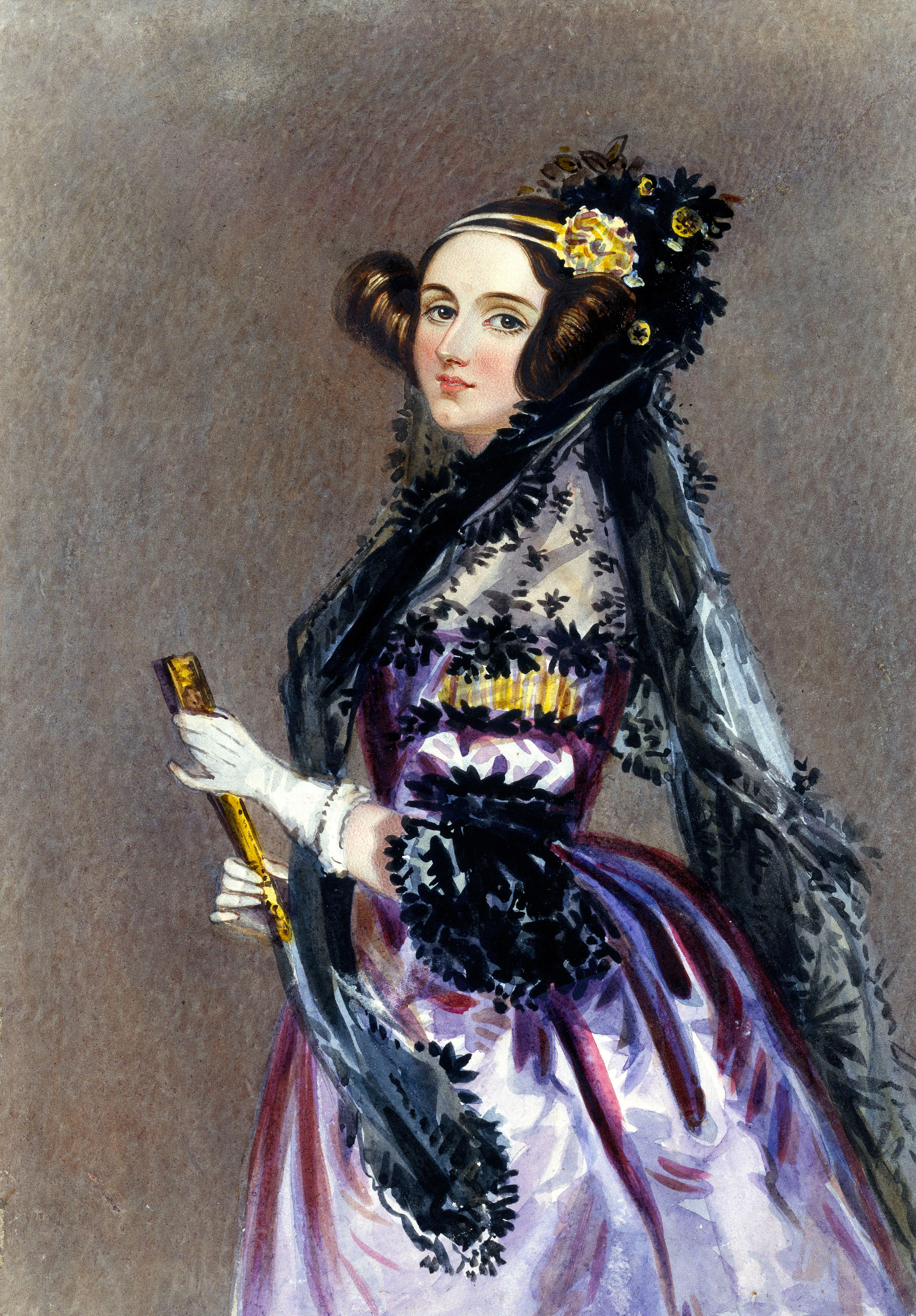
Ada Lovelace, the daughter of poet Lord Byron, wrote the first algorithm intended for Charles Babbage’s Analytical Engine in the 1840s. Her notes described how the machine could go beyond simple calculation and manipulate symbols—essentially imagining the modern computer. For generations, her contributions were overlooked, and she was often dismissed as a mere assistant to Babbage. In the 20th century, computer scientists began to recognize the depth of her foresight, naming the programming language ADA in her honor. Today, Lovelace is celebrated as a visionary whose ideas anticipated the digital age by more than a century.
George Washington Carver: The Agricultural Innovator
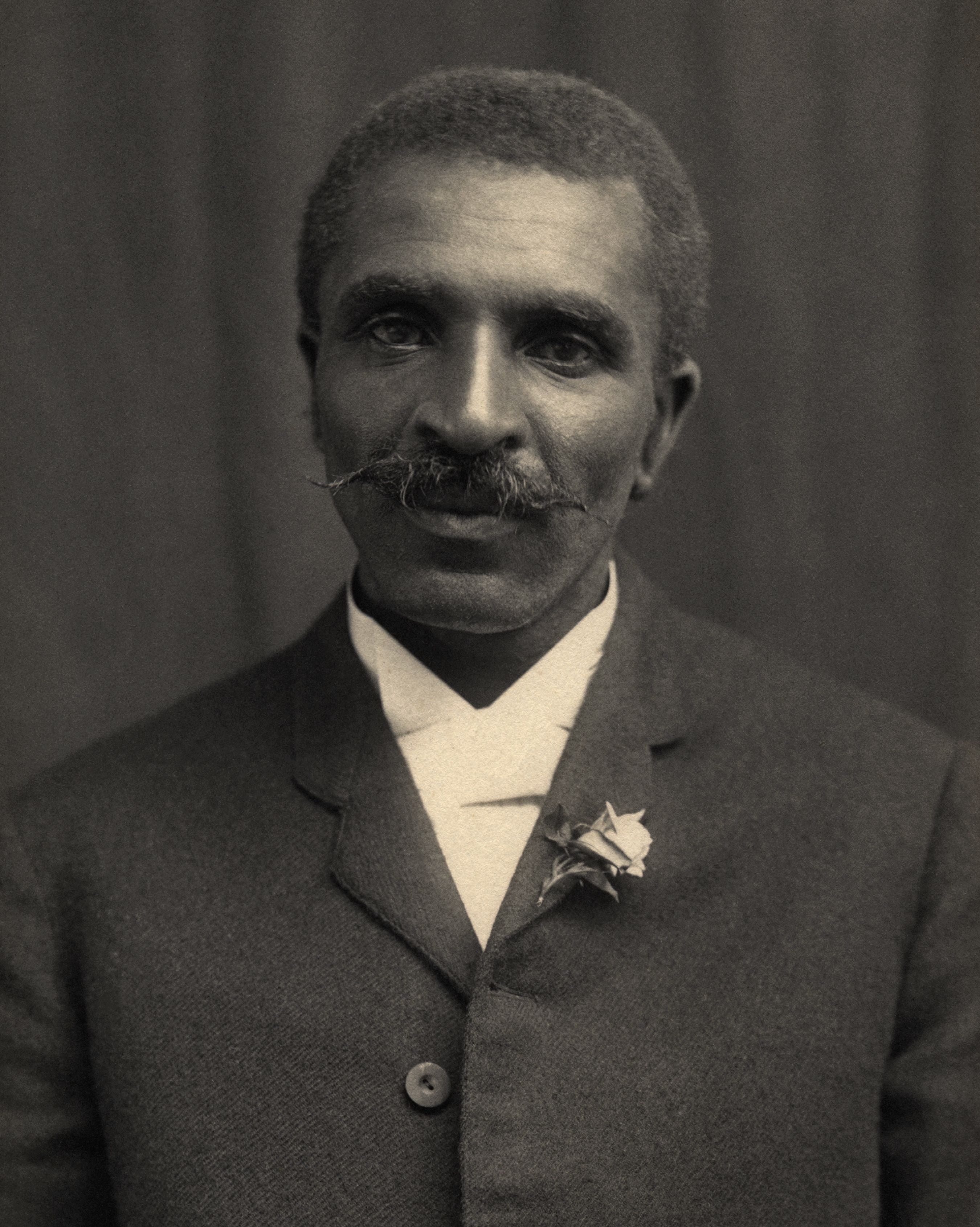
George Washington Carver was born into slavery but became one of the most innovative scientists in U.S. history. Carver developed crop rotation methods and promoted alternative crops like peanuts and sweet potatoes to improve soil depleted by cotton farming. His research helped transform Southern agriculture and lifted many farmers out of poverty. Despite over 40 patents and hundreds of products derived from his research, Carver’s legacy was long overshadowed by racial prejudice and the myth that he merely invented peanut butter. Today, historians recognize him as a leader in sustainable agriculture and environmental science.
Chien-Shiung Wu: The First Lady of Physics
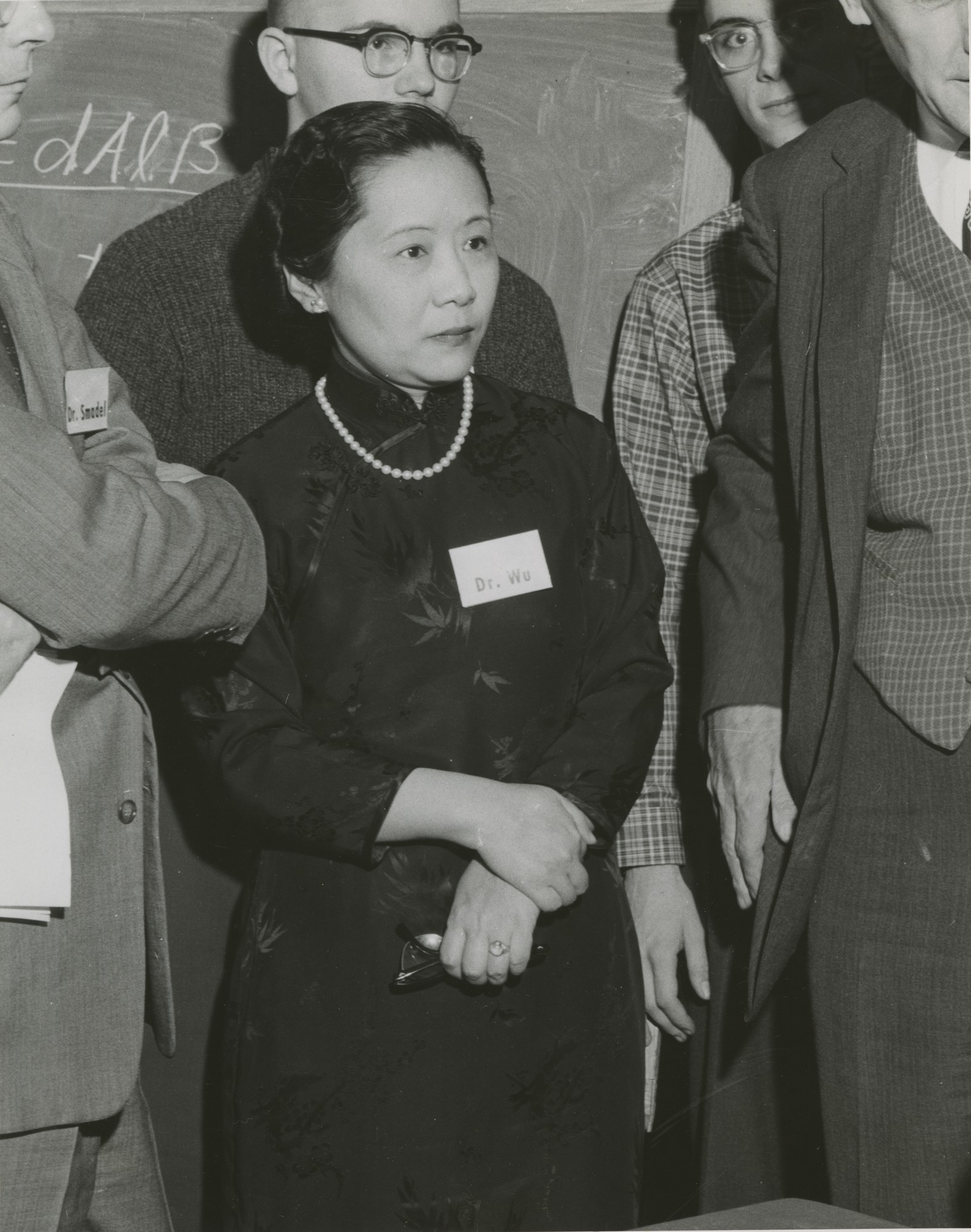
Chien-Shiung Wu was a Chinese-American physicist who made crucial contributions to nuclear physics, especially in the area of beta decay. Her 1956 experiment disproved the law of parity conservation, a discovery that won the Nobel Prize for her male colleagues but not for her. For decades, Wu’s contributions were minimized, and she faced discrimination as both a woman and an immigrant. Recent studies and renewed interest in women’s contributions to science have brought her story to light. The American Physical Society now celebrates Wu with an annual award in her name, acknowledging her as a trailblazer in her field.
Rosalind Franklin: The Hidden Architect of DNA
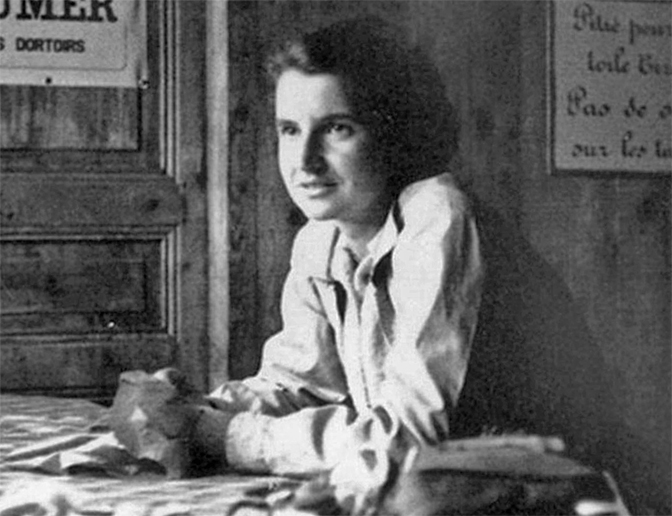
Rosalind Franklin’s meticulous X-ray diffraction images were the key to understanding the double-helix structure of DNA. Working in a male-dominated lab in the 1950s, Franklin’s data was used—often without her consent—by James Watson and Francis Crick to build their famous model. She died at age 37, never knowing the full impact of her work, while Watson, Crick, and Wilkins won the Nobel Prize. Only decades later did historians and scientists fully appreciate Franklin’s critical role. Today, her legacy is honored with awards, institutions, and even a Mars Rover named after her.
John Edmonstone: The Naturalist Who Inspired Darwin

John Edmonstone was a freed slave from Guyana who taught taxidermy to Charles Darwin at the University of Edinburgh. Edmonstone’s lessons equipped Darwin with the skills to preserve specimens on his Beagle voyage, which became foundational for the theory of evolution. Despite his influence, Edmonstone’s story was nearly erased from history, with few records of his life surviving. In recent years, scholars have highlighted his contribution to Darwin’s education, prompting museums and educators to revisit his legacy. The recognition of Edmonstone’s role is a powerful reminder of the hidden figures behind scientific breakthroughs.
Jocelyn Bell Burnell: The Pulsar Pioneer
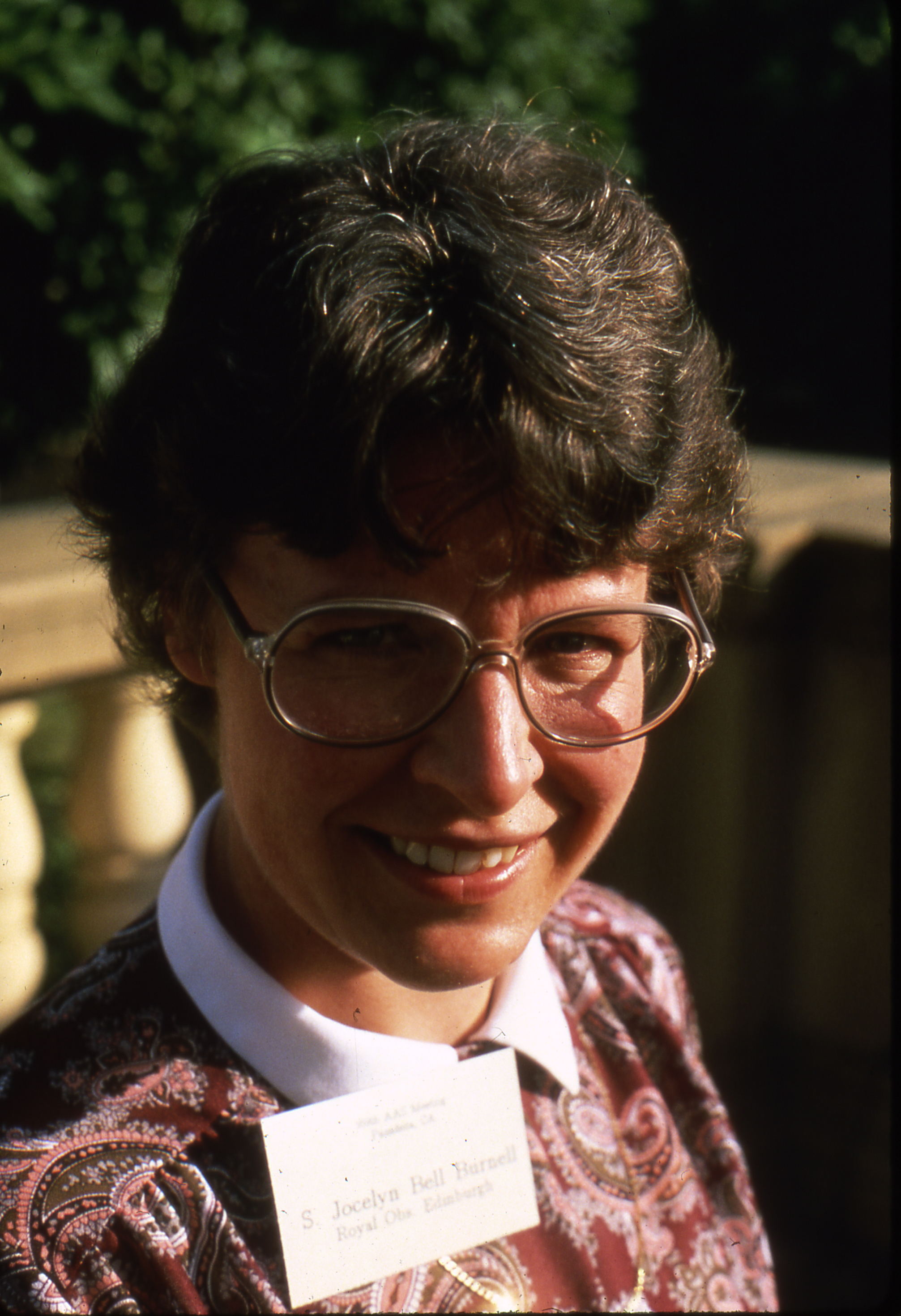
Jocelyn Bell Burnell, a British astrophysicist, discovered the first radio pulsars in 1967 as a graduate student. Her work was hailed as one of the greatest astronomical discoveries of the 20th century. However, the Nobel Prize for the discovery went to her male supervisor and his colleague, sparking controversy in the scientific community. For years, Bell Burnell’s role was downplayed, but she continued a distinguished career in astrophysics. In 2018, she was awarded the Special Breakthrough Prize in Fundamental Physics, and she donated the $3 million prize to support women and minority students in science.
Janet Taylor: The Navigator Who Mapped the Seas
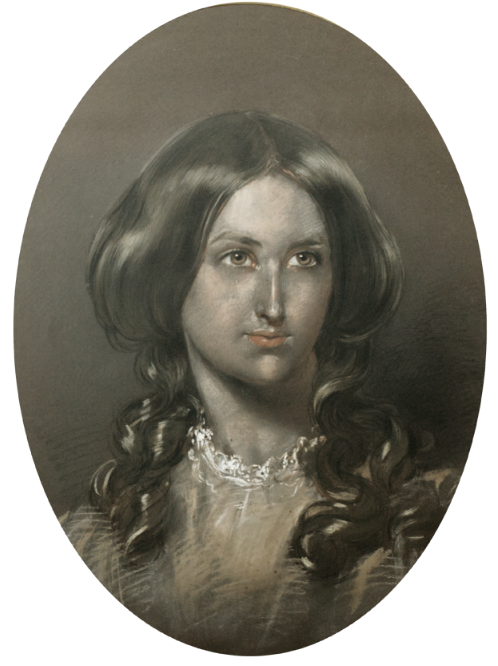
Janet Taylor was a 19th-century British mathematician and astronomer whose innovations in navigation helped save countless lives at sea. She developed new methods for calculating longitude and published influential textbooks, yet faced skepticism and discrimination because she was a woman. Taylor opened her own navigation school and invented instruments still used by mariners today. Her achievements were largely unrecognized during her lifetime, and only in recent research has her impact been fully appreciated. Maritime historians now credit her with advancing navigation science at a time when shipwrecks were common and navigation was perilous.