
Lauryn Hill – The Queen Who Chose Solitude Over Stardom
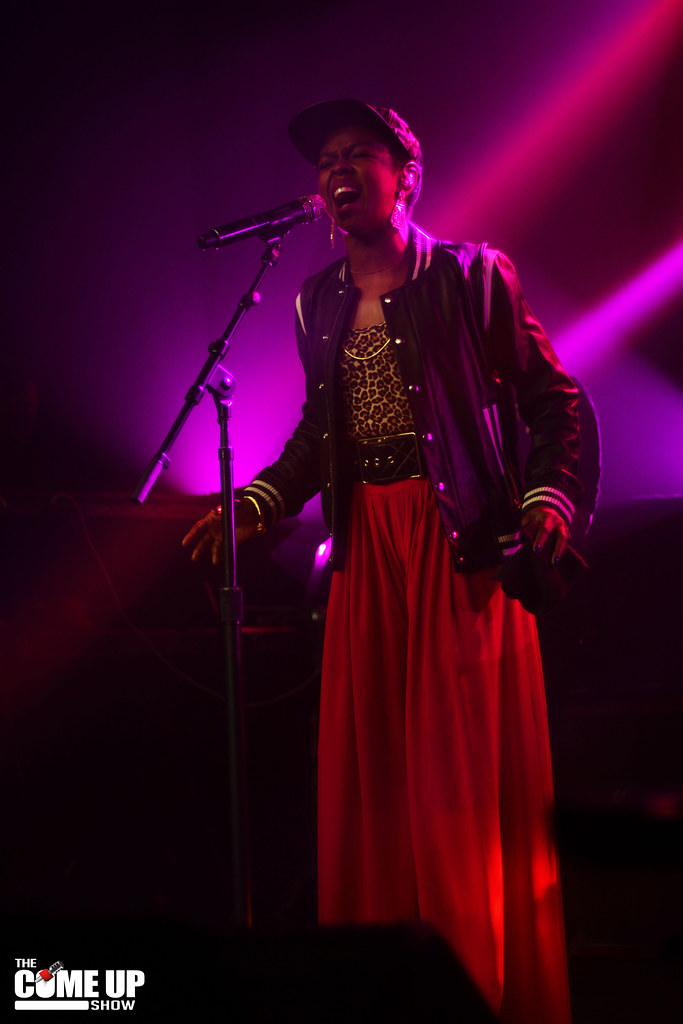
After The Miseducation of Lauryn Hill debuted atop the US Billboard 200 with first-week sales of 422,000 copies—the largest for a female artist at the time—making Hill the first solo female hip hop act to reach number one on that chart, she essentially vanished from the music industry. At the 41st Annual Grammy Awards in 1999, her album won Album of the Year and Best R&B Album, while Hill broke records for most Grammy nominations and wins in a single ceremony for a woman with eight Grammy Awards. Yet instead of capitalizing on this unprecedented success, Hill retreated from the spotlight. After that monumental achievement, Hill retreated into a life of seclusion from which she has rarely returned, with her divisive 2001 MTV Unplugged session seeing Hill eschew hip-hop almost entirely. By the early 2000s, Ms. Hill left behind the fame and the industry almost entirely, never releasing another studio album, with her last full-length release being MTV Unplugged No. 2.0 from 2002 to largely tepid reception.
André 3000 – From Hip-Hop Legend to Jazz Wanderer
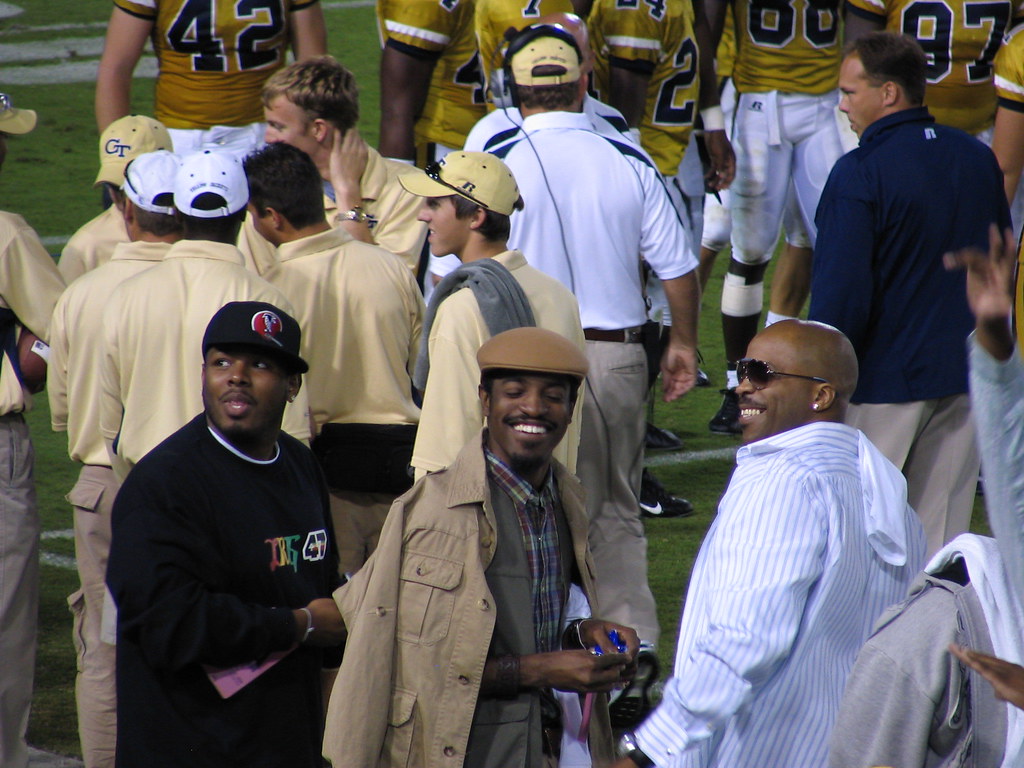
Hip-hop heads have long clamored for him and Big Boi to release a follow-up to OutKast’s last album, 2006’s Idlewild, but André 3000 has done neither a solo rap album nor an OutKast reunion, recently riling many by saying that it feels “inauthentic” for him to rap these days. Instead, Benjamin signed with Epic Records to release his debut studio album, New Blue Sun (2023), an instrumental recording showcasing his performances on flute, which was nominated for Album of the Year at the 67th Annual Grammy Awards. André 3000 said he and Big Boi are “further away” from a new OutKast album “than we’ve ever been,” with OutKast having released six albums during their legendary run, with their final album Idlewild arriving in 2006. After ascending pop’s mountaintop as the outrageous half of OutKast, the best-selling hip-hop duo of all time, he bowed out without much explanation, grieving the loss of three parents in a decade’s time, with fans only glimpsing his state of mind through random guest verses or social media sightings of him playing flute while wandering solo.
Kate Bush – The Mystical Artist Who Chose Privacy
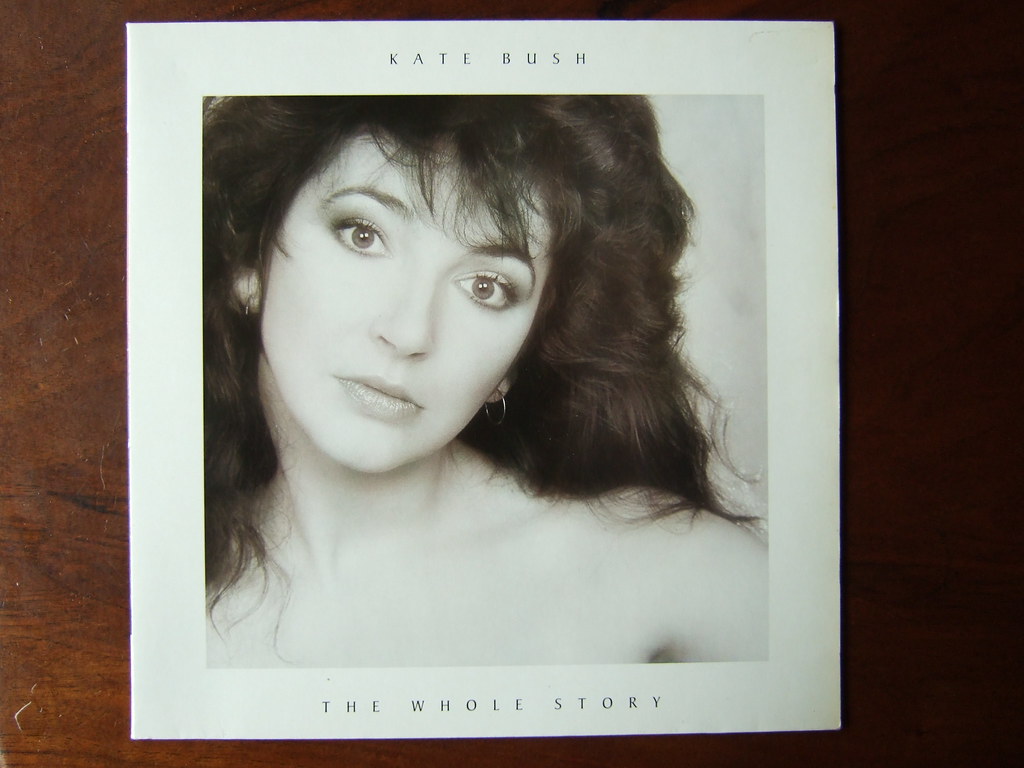
Throughout Kate Bush’s stretch from her 1978 debut “The Kick Inside” to 2011’s “50 Words for Snow,” the mystical singer only embarked on one tour, and following years of silence, Bush played a series of shows in London in 2014. Bush, who has developed a reclusive reputation, reemerged briefly in 2022 with words of gratitude when her 1985 track “Running Up That Hill (A Deal With God)” became one of the biggest tracks of the year thanks to its inclusion in the fourth season of “Stranger Things.” Despite this unexpected resurgence making her song a top ten hit in the U.S. almost four decades after its release, Bush has maintained her distance from the music industry. Her decision to step away from touring and public appearances after establishing herself as one of the most innovative artists of the 1980s remains one of music’s great mysteries.
Zayn Malik – The Boy Band Escapee Who Found His Voice

Zayn auditioned as a solo contestant for The X Factor in 2010, where he became part of One Direction, which went on to become one of the best-selling boy bands of all time, before leaving the group in March 2015 and signing a solo recording contract with RCA Records. Zayn was so tormented by the grind of pop stardom that he quit his boy band at the height of its power, refused most aspects of “promo,” and never toured. Adopting a more alternative R&B music style on his first solo studio album Mind of Mine (2016), he became the first British male artist to debut at number one in both the UK and US with his debut single “Pillowtalk” and album, with subsequent collaborative singles achieving international success. Zayn became a father to Khai with ex-partner Gigi Hadid in September 2020, and parenthood and the pandemic rearranged his priorities, as being a tortured artist who only sticks his head out every few years starts to look different when somebody’s depending on you.
D’Angelo – The Neo-Soul Pioneer Who Disappeared
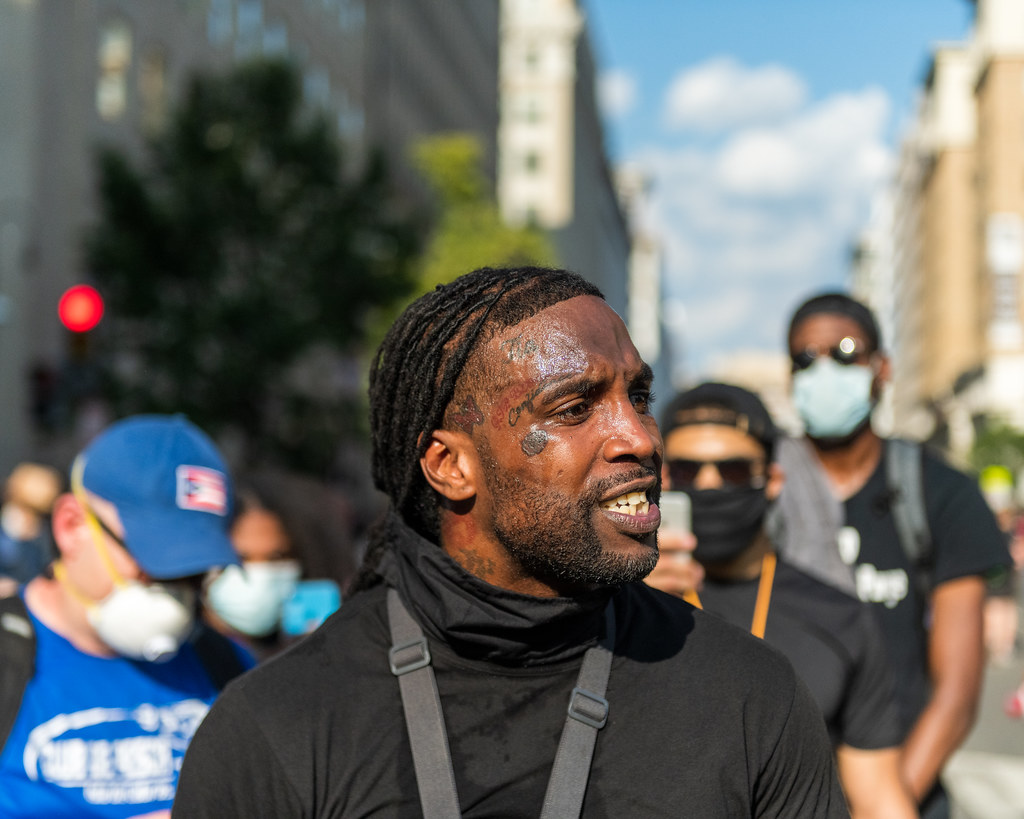
D’Angelo’s 2000 album “Voodoo” represented the peak of neo-soul artistry, featuring collaborations with Questlove and showcasing his incredible vocal range and musicianship. After the album’s success and the provocative “Untitled (How Does It Feel)” music video, D’Angelo virtually disappeared from the music scene for over a decade. His struggles with fame, body image issues following the video’s reception, and personal demons led to a complete withdrawal from the industry. While he eventually returned with “Black Messiah” in 2014, his absence during what should have been his prime years remains a cautionary tale about the pressures of sudden stardom.
Meg White – The Minimalist Who Chose Silence
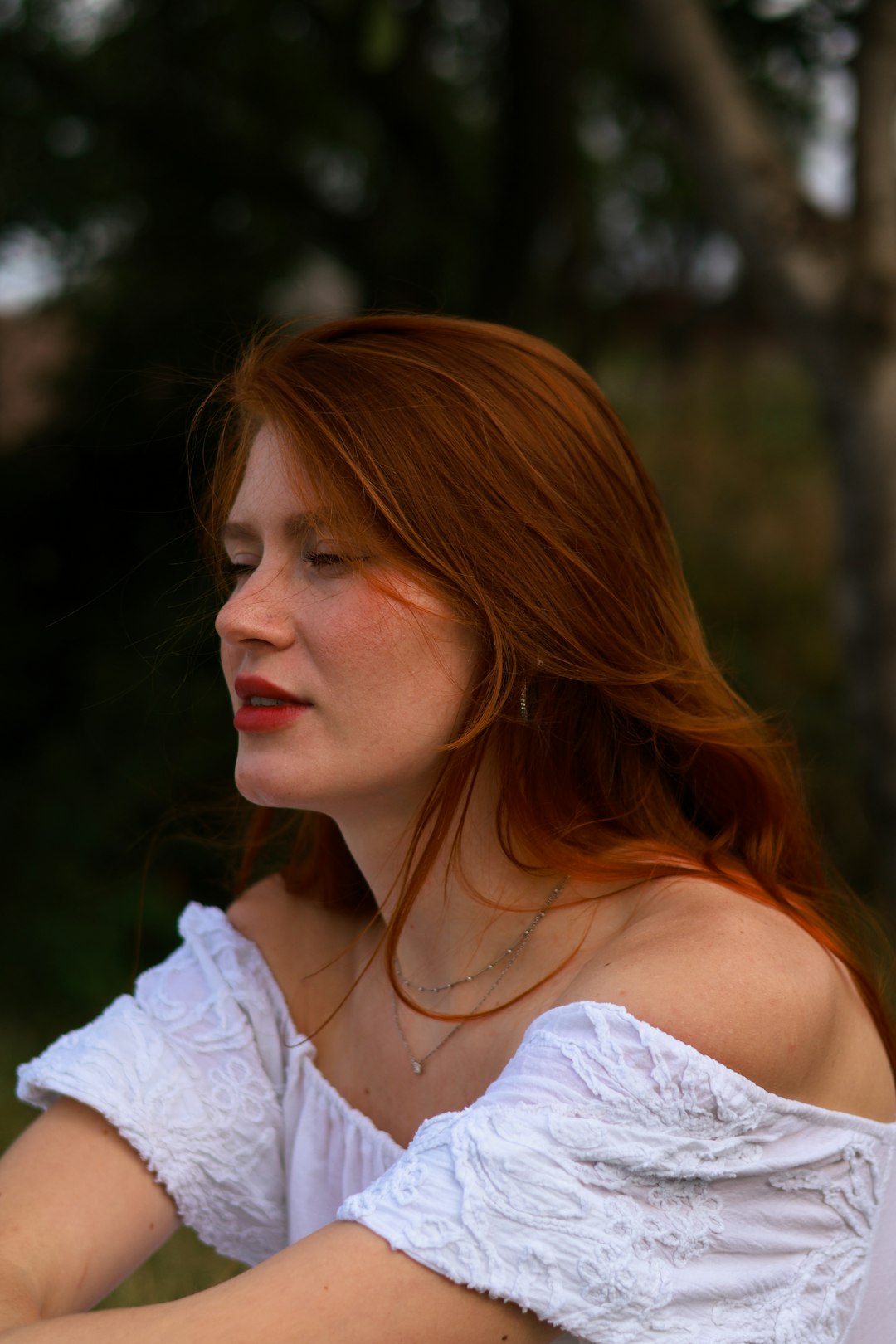
As one half of the White Stripes, the band she co-founded with then-husband Jack White, Meg White saw tremendous success with breakthrough singles like “Seven Nation Army” and “Fell in Love With a Girl,” but following a lengthy hiatus, the White Stripes officially confirmed their split in February 2011, and while Jack has continued performing, Meg stepped away from the spotlight completely. In June 2023, a writer for ELLE documented her attempts to secure an interview with Meg, but she was only able to communicate with Meg’s friend, who said: “She spent 15 years traveling and touring and playing. It’s not that odd to think that she just likes to be home.” Her decision to completely retreat from music after being part of one of the most influential rock duos of the 2000s shows how some artists simply choose peace over fame.
Dave Chappelle of Music – Sade’s Calculated Retreat

Sade reached incredible heights with albums like “Diamond Life” and “Promise,” establishing herself as one of the most sophisticated voices in contemporary R&B. However, she became famous for her long gaps between albums and her reluctance to tour extensively. After “Love Deluxe” in 1992, she took an eight-year hiatus, then followed “Lovers Rock” in 2000 with another ten-year break before “Soldier of Love” in 2010. Her pattern of releasing albums and then disappearing for years at a time, while maintaining her artistic integrity, represents a different kind of peak departure—one where the artist controls the narrative entirely. Unlike other artists who burn out, Sade simply turned down the volume on her career by choice.
Jeff Mangum – The Indie Folk Mystic
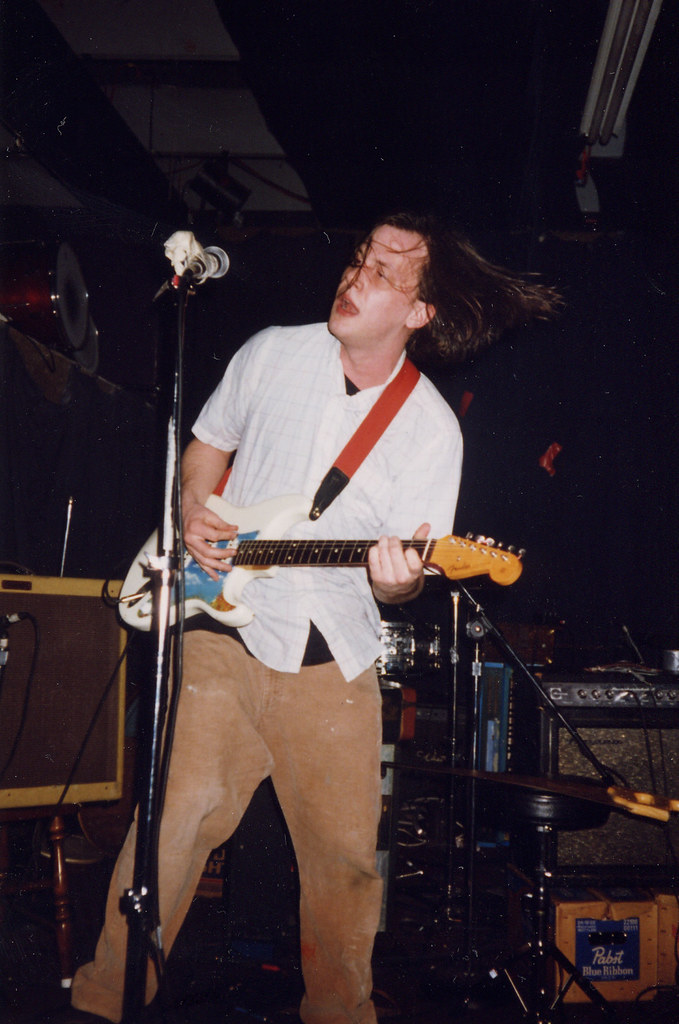
As the driving force behind Neutral Milk Hotel, Jeff Mangum created what many consider one of the greatest indie albums of all time with “In the Aeroplane Over the Sea” in 1998. The album’s surreal lyrics about Anne Frank and experimental folk arrangements gained a massive cult following, but instead of capitalizing on this success, Mangum essentially vanished from the music world. He stopped giving interviews, canceled tours, and disappeared into a life of relative obscurity. While he briefly returned for some live performances in the 2010s, his decision to walk away at the height of critical acclaim remains one of indie music’s most puzzling mysteries. His retreat wasn’t due to commercial failure but rather an apparent inability to cope with the intensity of his own artistic creation.
Captain Beefheart – The Avant-Garde Pioneer Who Chose Art
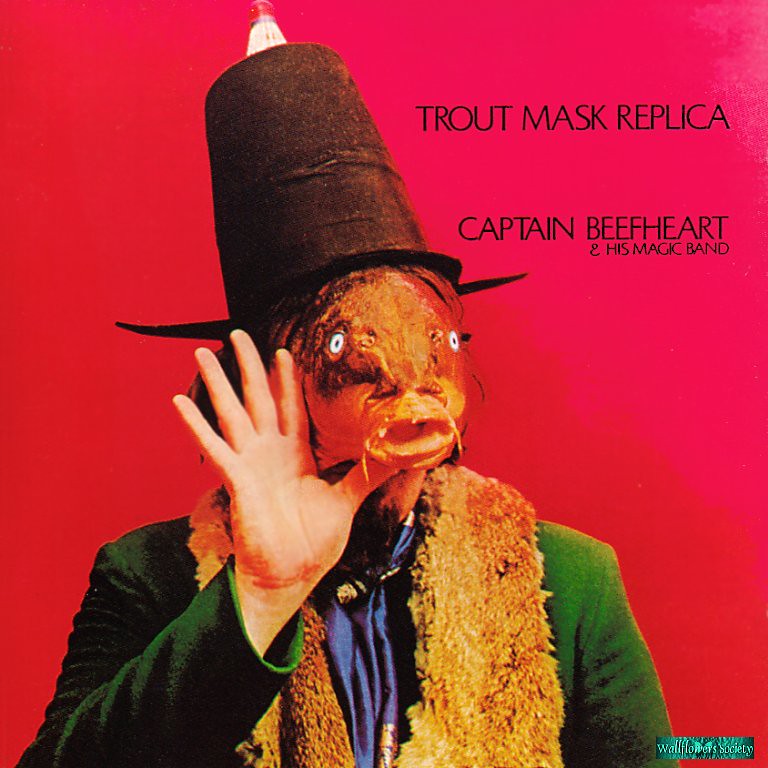
Don Van Vliet, better known as Captain Beefheart, set a new template for avant-garde rock in the 1960s, and by the decade’s end had released the influential double LP “Trout Mask Replica,” often considered his magnum opus, before retiring from music in 1982 and disappearing into the Mojave Desert. His decision came at a time when his influence on experimental rock was becoming widely recognized, yet he chose to focus entirely on painting and visual art. Van Vliet’s retreat wasn’t gradual—it was a complete severance from his musical identity. He spent his final decades creating abstract paintings and living as a recluse, never looking back at the groundbreaking music that had made him a legend among musicians and critics.
Alice Nutter – From Punk Anarchist to TV Writer
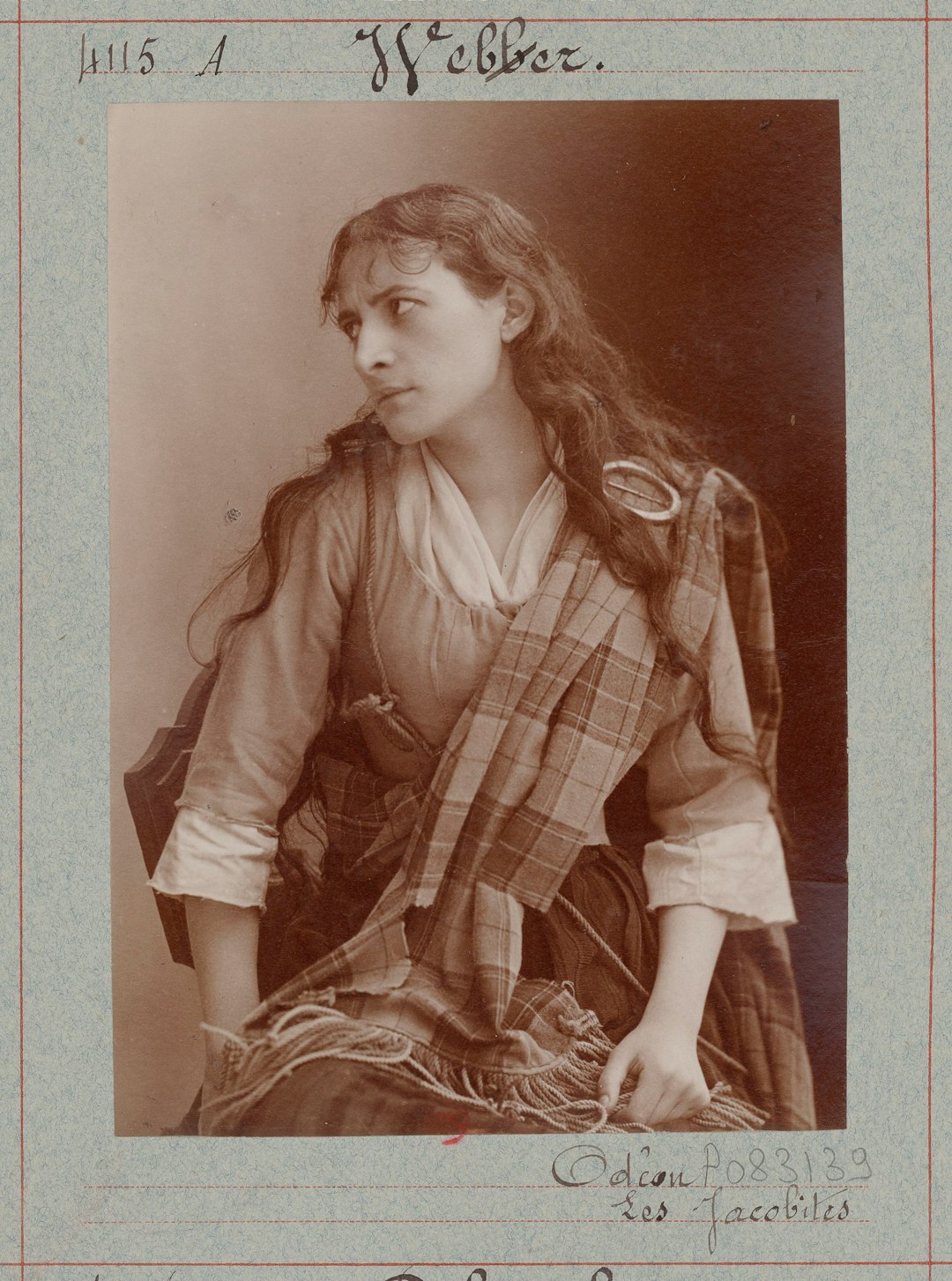
Alice Nutter, perhaps best known as the operatic singer on Chumbawamba’s one-hit-wonder “Tubthumping,” ultimately left her musical days behind after a 23-year career to pursue writing full-time, and now in her early 60s writes for stage and screen, with her most recent credit being the 2023 TV adaptation of “The Full Monty,” which she co-created and co-wrote. Her transition from anarchist punk performer to mainstream television writer represents one of the most dramatic career pivots in music history. After decades of political activism through music, she found that storytelling through television and theater offered her a different kind of platform for social commentary. Her success in her second career proves that sometimes walking away from music opens doors to entirely new forms of creative expression.
Linda Ronstadt – The Voice That Time Silenced

In a career that spanned 40 years and was littered with a dozen platinum records and 10 Grammys, the singing finally came to an end in 2009 when Linda Ronstadt played her final show, and in 2019, the documentary “Linda Ronstadt: The Sound of My Voice” told the story of why she left. Unlike other artists who chose to retire, Ronstadt’s departure was forced by Parkinson’s disease, which robbed her of her legendary voice. Her situation is particularly heartbreaking because she was still at the top of her game when the disease began affecting her ability to sing. While she didn’t choose to walk away like the others on this list, her story serves as a reminder of how fragile artistic careers can be, and how sometimes the decision to leave isn’t entirely in the artist’s hands.
Phil Collins – The Drummer Who Lost His Beat
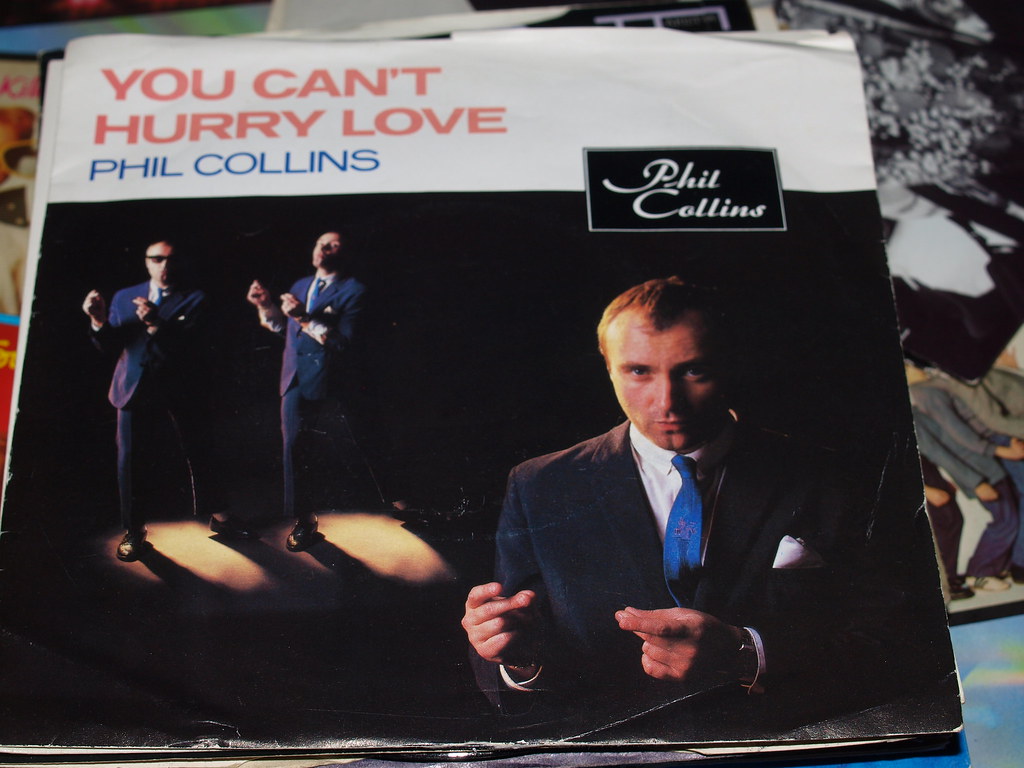
In a February 2025 interview with MOJO, Collins gave a sad update on making music again, saying “I keep thinking I should go downstairs to the studio and see what happens, but I’m not hungry for it anymore. The thing is, I’ve been sick, I mean very sick.” Collins, who transitioned from Genesis drummer to solo superstar with hits like “In the Air Tonight” and “Against All Odds,” has been dealing with health issues that have effectively ended his performing career. His honest admission about losing his “hunger” for music, combined with his physical limitations, represents the reality that many aging artists face. Sometimes the peak isn’t just about commercial success or critical acclaim—it’s about the physical and emotional capacity to continue creating at the highest level.
The music industry is littered with “what if” stories, but these artists prove that sometimes the most powerful artistic statement is knowing when to stop. Whether driven by personal choice, health issues, or simply a desire for a different kind of life, these singers remind us that peak success doesn’t always mean endless touring and album cycles. Sometimes it means having the courage to say goodbye while you’re still on top.