

1. “Elementary, my dear Watson.”
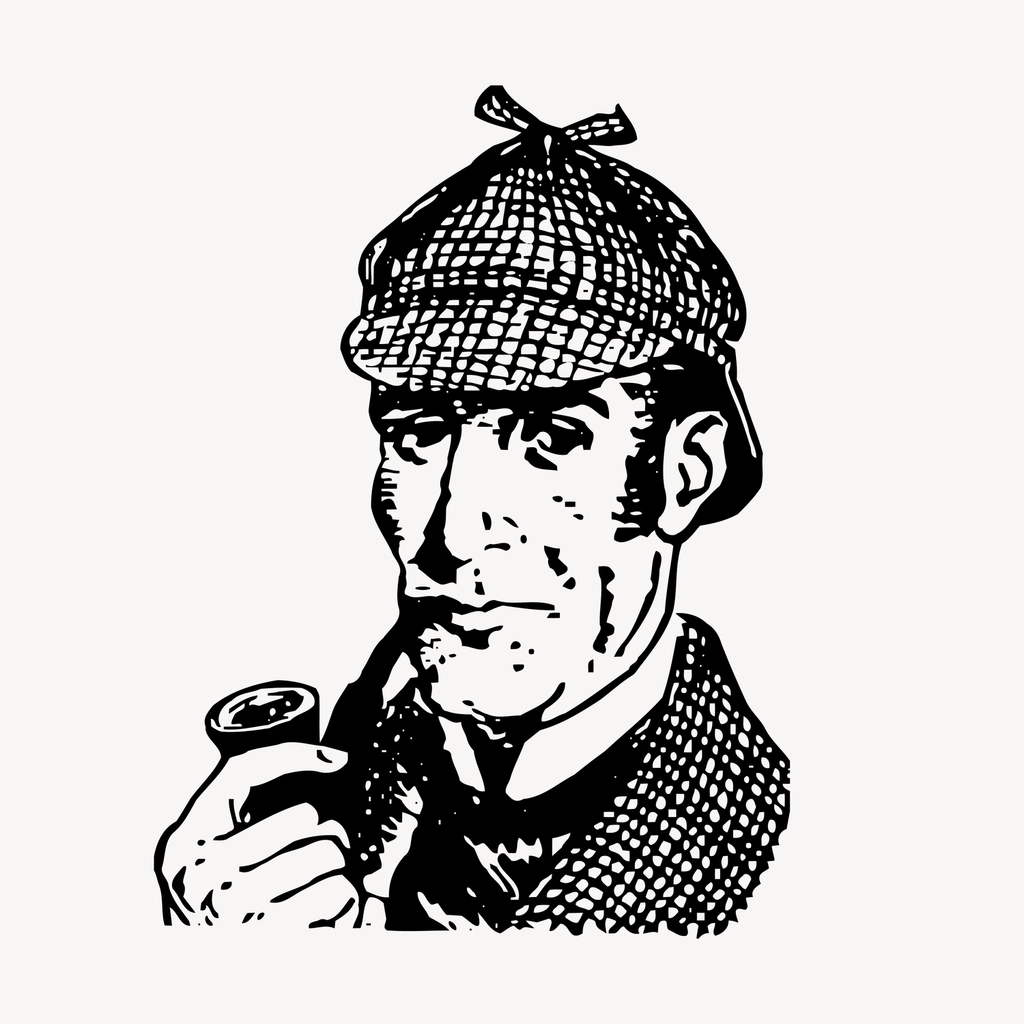
Few phrases are as closely tied to Sherlock Holmes as this one. But here’s the twist: the line “Elementary, my dear Watson” never actually appears in any of Sir Arthur Conan Doyle’s original Sherlock Holmes books. Holmes does say “Elementary” and does address Watson in other ways, but that exact phrase is a Hollywood creation. Movie adaptations from the 1920s and 1930s popularized it, and it stuck in the public’s imagination. Fans still quote it as if it were a literary fact, but a look at Doyle’s texts proves it’s missing. The phrase has become shorthand for obvious truths, but ironically, its origin is more fiction than fact. This misconception is so widespread that many trivia nights and quizzes use it as a trick question. The truth is, you’ll only find this “famous” quote in films and pop culture references—not in the classic stories.
2. “Let them eat cake.”
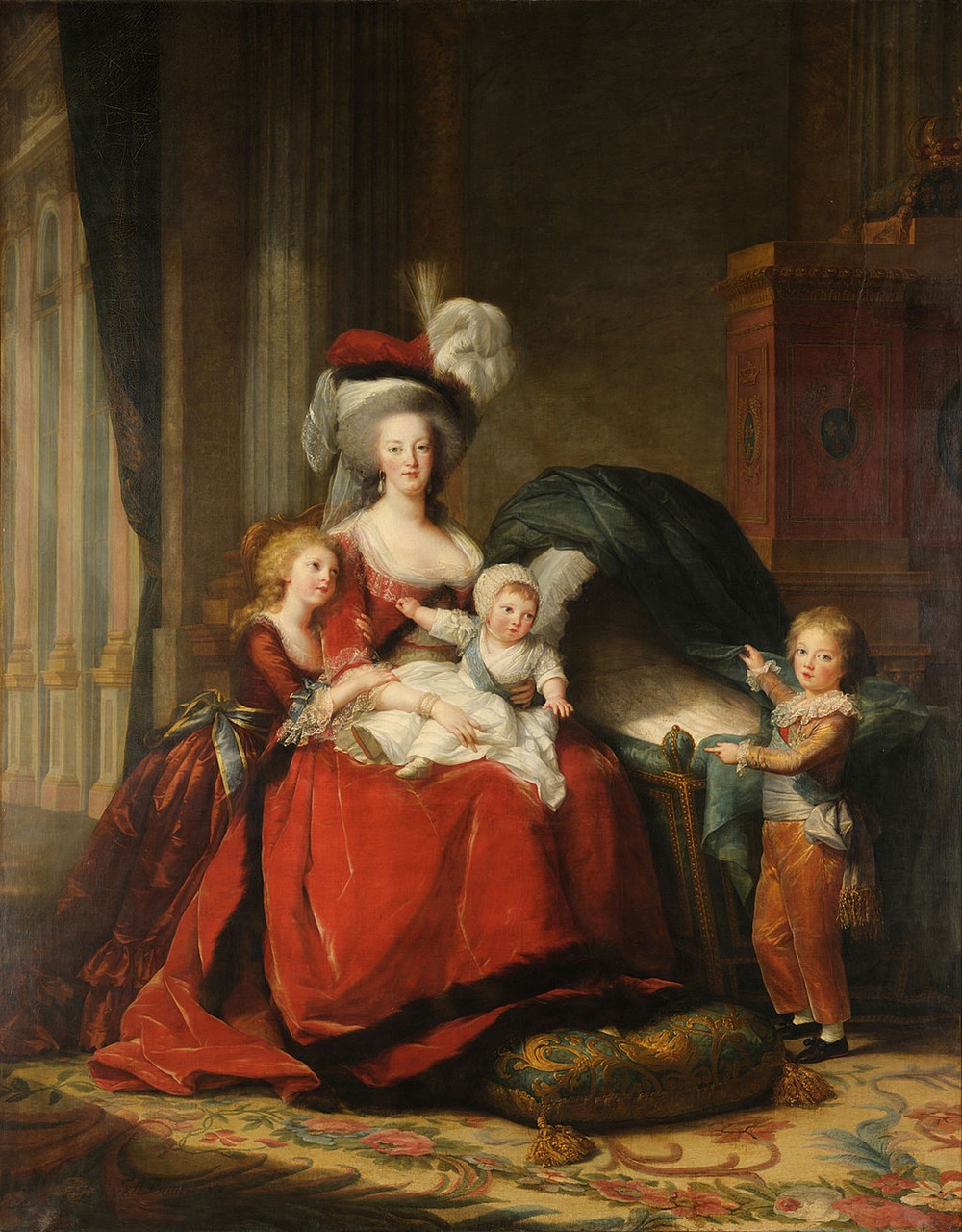
This quote is often linked to Marie Antoinette, painted as a symbol of her indifference to the suffering of the French poor. But historians agree that there’s no credible evidence she ever uttered these words. The phrase appears in Jean-Jacques Rousseau’s “Confessions,” written when Marie Antoinette was just a child and not yet Queen of France. Scholars such as Antonia Fraser have clarified that the quote was probably used generically to criticize the aristocracy, not Antoinette herself. Still, the phrase stuck to her reputation and became a rallying cry during the French Revolution. The truth is far less dramatic, but the legend endures because it fits a narrative. This misattribution has shaped public opinion for centuries, despite being debunked repeatedly.
3. “Blood is thicker than water.”

Most people use this phrase to suggest that family bonds are stronger than any other. However, the original saying is actually, “The blood of the covenant is thicker than the water of the womb.” This early version flips the meaning, implying that chosen bonds—in particular, those formed in battle or deep friendship—are stronger than family ties. Over time, culture trimmed the phrase to its current form, changing its message completely. Researchers in language history, including those at Oxford, have traced this evolution through old texts and proverbs. Today’s popular meaning is almost the opposite of what was originally intended. This is a prime example of how words can shift over centuries, taking on new significance with each generation.
4. “Be the change you wish to see in the world.”

This motivational quote is almost always attributed to Mahatma Gandhi. Yet, there’s no documented evidence that Gandhi ever said these exact words. The closest verified statement was, “If we could change ourselves, the tendencies in the world would also change.” The condensed version likely emerged from paraphrasing over time, becoming more succinct and catchy. Gandhi’s writings do encourage personal responsibility and transformation, so the spirit of the quote fits. Still, experts from the Gandhi Heritage Portal have confirmed the famous phrase is not a direct citation. The quote’s popularity shows how powerful a simple, memorable line can be—even if it’s not entirely accurate.
5. “Money is the root of all evil.”

This phrase is often used to criticize wealth and greed, but it’s a misquote from the Bible. The original passage, found in 1 Timothy 6:10, actually says, “For the love of money is the root of all kinds of evil.” Removing the words “the love of” changes the meaning significantly. The true message warns against greed, not money itself. Biblical scholars and theologians frequently highlight this difference in sermons and writings. In popular culture, the shortened version is repeated so often that few realize the error. This misquote continues to shape debates on wealth, even though its original intent was much more nuanced.
6. “Great minds think alike.”

People often use this saying to celebrate shared opinions or ideas. However, the full proverb actually goes, “Great minds think alike, but fools seldom differ.” The second part, now largely forgotten, adds a layer of irony, suggesting that agreement isn’t always a sign of brilliance. Language historians have traced the phrase back to the 17th century, noting how its meaning was transformed as the second clause faded away. Without the full version, the quote now simply flatters those who agree, instead of offering a gentle warning about groupthink. This change reflects our tendency to remember only the parts of sayings that make us feel good.
7. “Curiosity killed the cat.”

This saying is used to caution against unnecessary prying, but it’s only half of the original proverb. The complete version goes, “Curiosity killed the cat, but satisfaction brought it back.” The added line changes the meaning, suggesting that curiosity isn’t always dangerous and can even be rewarding. Historical records show that the phrase has been in use since at least the 19th century, with the full version appearing in early newspapers and books. Over time, the second part was dropped, leaving only the cautionary message. The modern version discourages curiosity, even though the original was more balanced.
8. “Jack of all trades, master of none.”

This phrase is often used to criticize people who dabble in many skills but never excel at one. Surprisingly, the original quote was actually more positive: “A jack of all trades is a master of none, but oftentimes better than a master of one.” The full version praises versatility and the ability to adapt to different situations. Linguists and historians have pointed out that the negative spin only appeared in the 20th century. Today, the shortened form is so common that few realize its original intent was complimentary. This reversal shows how society’s values can reshape language.
9. “Starve a cold, feed a fever.”

Many people believe this is long-standing medical advice, but modern science doesn’t support it. The phrase actually dates back to the 16th century and was based on the idea that fasting might help cure certain illnesses. Today, doctors and researchers, including those at the Mayo Clinic, recommend eating and staying hydrated regardless of whether you have a cold or a fever. Starving yourself can actually make it harder for your body to recover. The rhyme makes the advice memorable, but it’s not medically sound. Despite repeated warnings, this myth persists in popular health discussions.
10. “Nice guys finish last.”

This quote is often used to justify ruthless behavior in business or relationships. It’s attributed to baseball manager Leo Durocher, who actually said, “All the nice guys are over there, in seventh place.” Over time, his words were condensed and reinterpreted to suggest that kindness is a disadvantage. Biographers have confirmed that Durocher was commenting on the performance of rival teams, not making a broader statement about morality. The phrase now circulates as a cynical observation about life, even though its origins were much more specific. This misquote has influenced everything from dating advice to career strategies.
11. “A little knowledge is a dangerous thing.”

People often use this phrase to warn against half-baked ideas, but the original quote is longer: “A little learning is a dangerous thing; drink deep, or taste not the Pierian spring.” The complete version, from Alexander Pope’s poem, advises people to pursue thorough understanding rather than settling for superficial knowledge. Scholars of literature have repeatedly highlighted how the truncated quote misses Pope’s point. The shortened phrase is now used to criticize others, while the full version encourages deeper curiosity. The way we use it today changes the message from one of inspiration to one of caution.
12. “The ends justify the means.”

This quote is usually linked to the Italian philosopher Niccolò Machiavelli, but he never wrote it in his book “The Prince.” Machiavelli did discuss the importance of achieving goals, sometimes at the expense of moral considerations, but the exact phrase doesn’t appear in his work. Historians have traced the phrase to later interpretations of Machiavelli’s ideas, not his actual writings. The misquote became popular as a way to summarize his philosophy, even though it oversimplifies his complex views. Today, it’s used to defend controversial decisions, but attributing it directly to Machiavelli is inaccurate.