
Meditation: The Ancient Mind Medicine

Did you know that Buddhist monks were literally rewiring their brains centuries before neuroscience even existed? Harvard Medical School research from 2024 shows that just 8 weeks of meditation increases gray matter density in areas associated with learning and memory. The practice, which dates back over 2,500 years, reduces cortisol levels by up to 23% according to studies published in the Journal of Health Psychology. What’s even more fascinating is that MRI scans reveal meditators have thicker prefrontal cortexes – the brain region responsible for decision-making and emotional regulation. Modern doctors now prescribe meditation apps like they once prescribed painkillers, and major hospitals including Mayo Clinic have integrated mindfulness programs into their treatment protocols.
Fasting: Ancient Hunger for Modern Health

Long before intermittent fasting became a Silicon Valley trend, ancient Greeks and Romans practiced strategic eating schedules for health and longevity. Recent research from Johns Hopkins University demonstrates that fasting triggers autophagy – essentially your cells’ way of taking out the trash. This cellular cleanup process removes damaged proteins and organelles, potentially extending lifespan by 20-30% in animal studies. The Nobel Prize in Physiology was awarded in 2016 specifically for research on autophagy mechanisms. Clinical trials from 2023 show that alternate-day fasting reduces inflammatory markers by 40% and improves insulin sensitivity more effectively than continuous calorie restriction.
Acupuncture: Needles That Actually Work
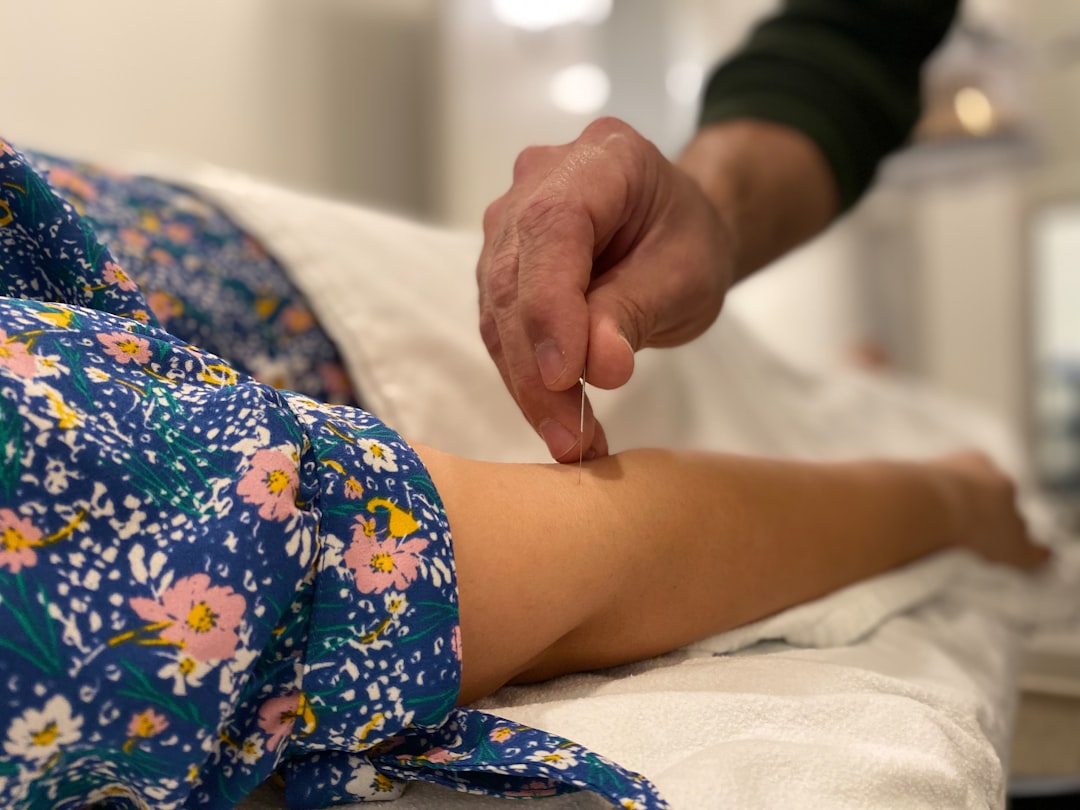
Traditional Chinese medicine practitioners have been inserting thin needles into specific body points for over 3,000 years, and Western medicine initially dismissed it as pseudoscience. However, a 2023 meta-analysis of 39 randomized controlled trials involving 20,827 patients confirmed acupuncture’s effectiveness for chronic pain management. The treatment works by stimulating the release of endorphins and activating the body’s natural pain-inhibiting pathways. Harvard Medical School now offers acupuncture services, and the American College of Physicians officially recommends it as a first-line treatment for lower back pain. What’s remarkable is that functional MRI studies show acupuncture actually changes brain activity in regions associated with pain processing.
Yoga: Ancient Poses for Modern Backs
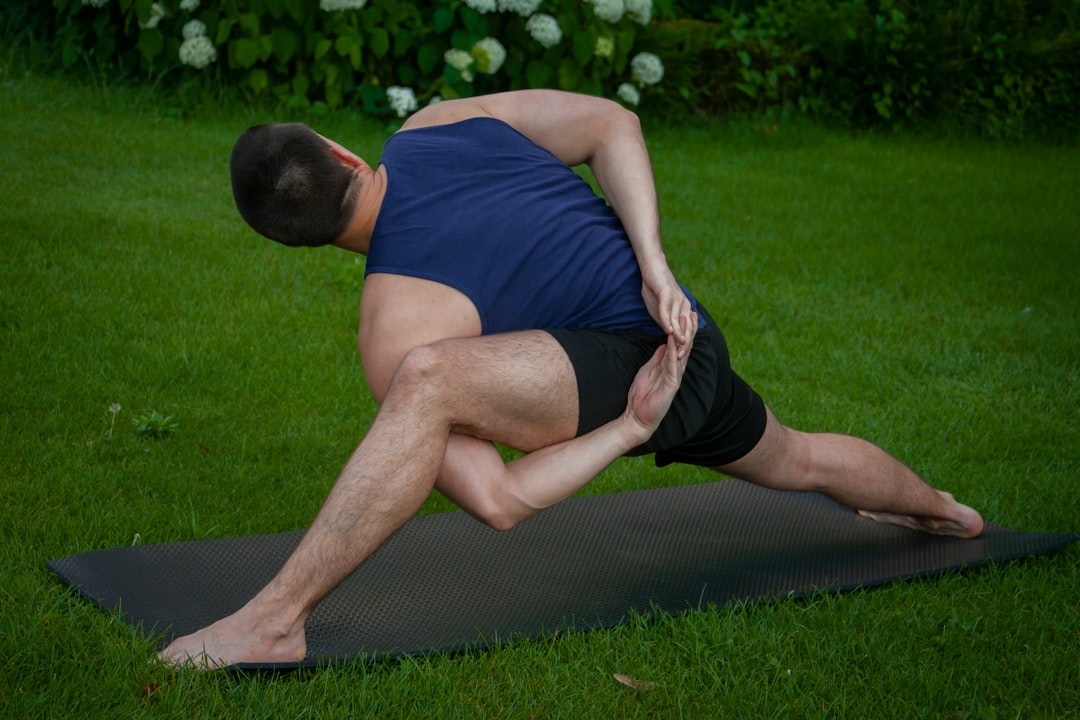
This 5,000-year-old practice from India combines physical postures, breathing techniques, and meditation in ways that modern physical therapy is just beginning to understand. A landmark study published in the Annals of Internal Medicine found that yoga is as effective as physical therapy for treating chronic lower back pain. The practice increases GABA levels in the brain by 27%, which explains why yoga practitioners report reduced anxiety and improved mood. Research from Boston University shows that just 12 weeks of yoga practice can significantly improve flexibility, strength, and balance in adults over 65. The American Heart Association now recognizes yoga as beneficial for cardiovascular health, citing studies that show regular practice can lower blood pressure by 5-10 points.
Turmeric: The Golden Spice That Fights Inflammation
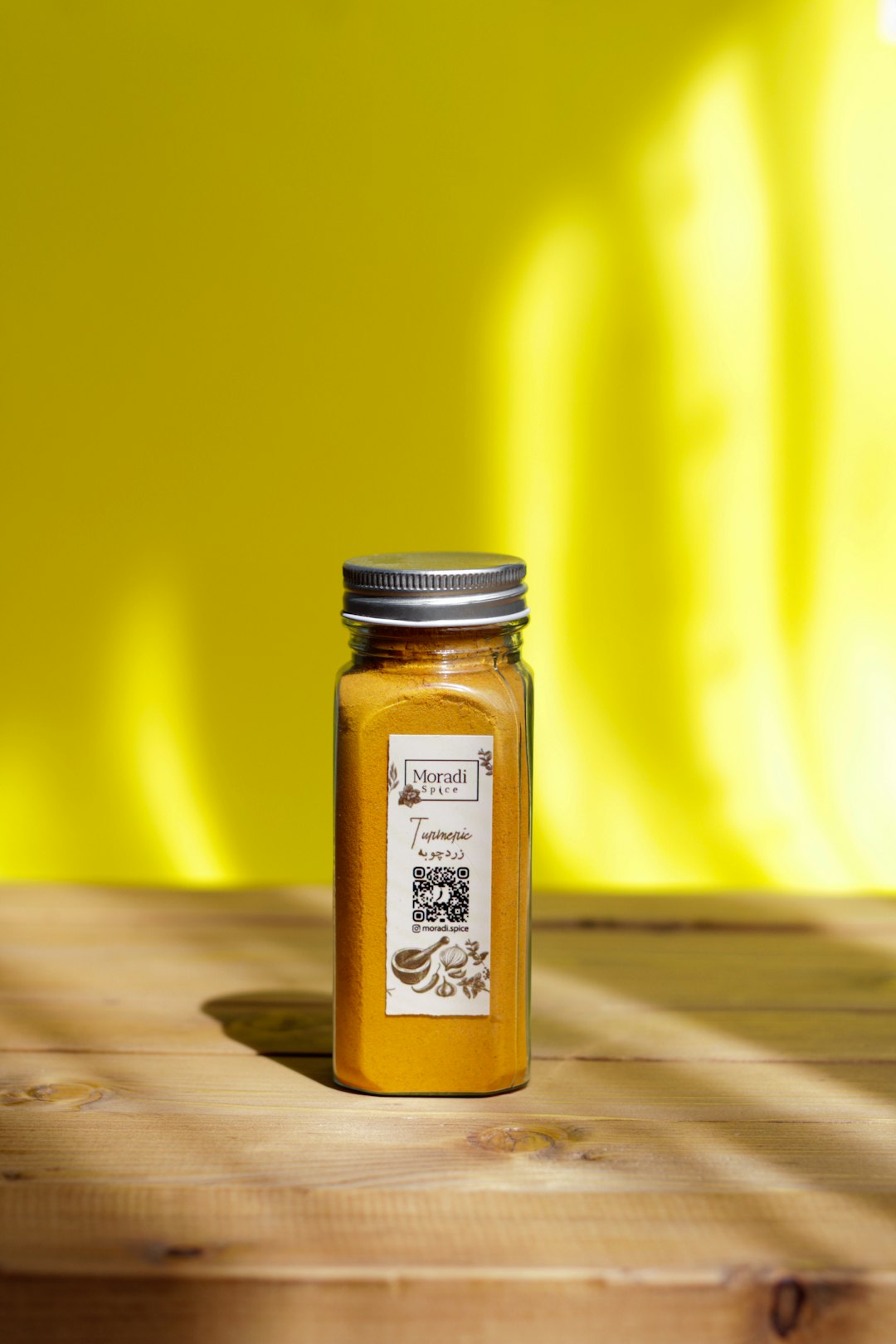
Indian and Thai cuisines have featured turmeric for thousands of years, not just for flavor but for its medicinal properties that healers intuitively understood. The active compound curcumin has been shown in over 3,000 peer-reviewed studies to be as effective as ibuprofen for reducing inflammation, but without the stomach-damaging side effects. UCLA research from 2024 reveals that curcumin can cross the blood-brain barrier and may help prevent Alzheimer’s disease by reducing amyloid plaques. A study in the Journal of Medicinal Food found that curcumin supplementation reduced inflammatory markers by 25% in just 8 weeks. What’s incredible is that populations with high turmeric consumption, like those in India, have significantly lower rates of certain cancers and neurodegenerative diseases.
Forest Bathing: The Japanese Art of Tree Therapy
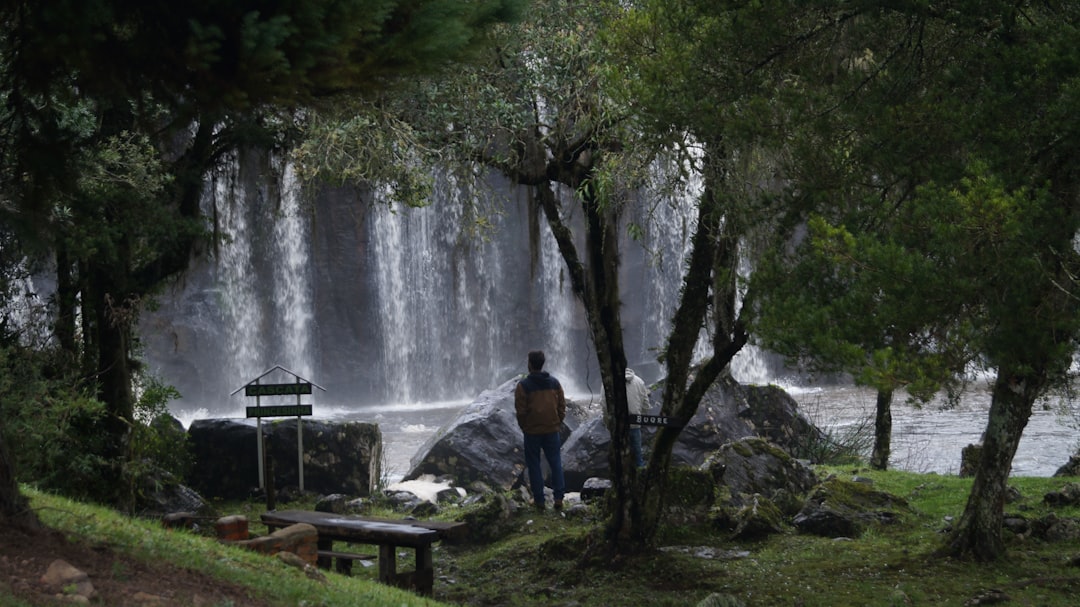
The Japanese practice of “shinrin-yoku” or forest bathing involves mindfully spending time in nature, and it’s now backed by solid scientific evidence. Studies from Nippon Medical School show that spending time in forests increases natural killer cell activity by 50%, boosting immune function for up to 30 days. The practice reduces cortisol levels, lowers blood pressure, and decreases sympathetic nervous system activity. Phytoncides – antimicrobial compounds released by trees – are absorbed through our lungs and skin, providing measurable health benefits. South Korean hospitals now prescribe “forest therapy” as treatment for depression and anxiety, and the practice has been shown to improve sleep quality and reduce fatigue in cancer patients.
Cold Water Immersion: Ancient Warriors’ Secret Weapon

Vikings, ancient Romans, and Russian bathers have long understood the power of cold water exposure, though they couldn’t explain the biochemistry behind it. Modern research shows that cold water immersion increases norepinephrine levels by 530%, improving focus and mood while reducing inflammation. A 2024 study from the University of Portsmouth found that regular cold water swimming reduces symptoms of depression and anxiety more effectively than many pharmaceutical interventions. The practice activates brown adipose tissue, which burns calories to generate heat and can increase metabolic rate by 15%. Professional athletes now use cryotherapy chambers, but studies suggest natural cold water immersion provides superior benefits due to the gradual adaptation process.
Fermented Foods: Ancient Microbiome Medicine
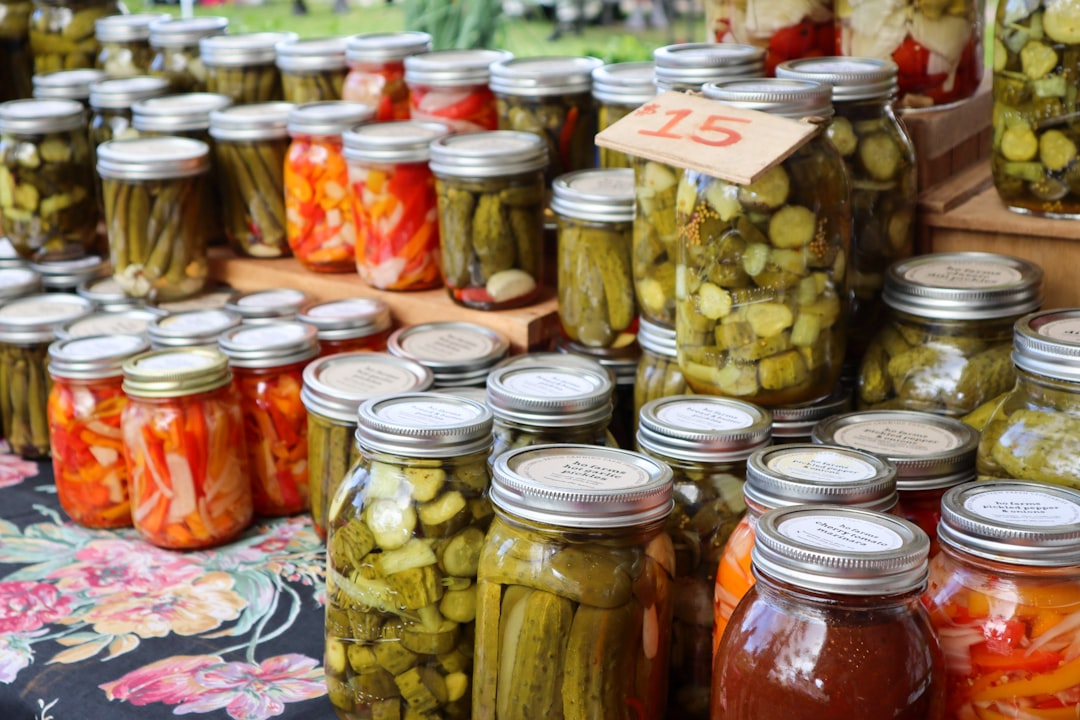
Long before we understood gut bacteria, cultures worldwide were fermenting foods for preservation and health – kimchi in Korea, sauerkraut in Germany, and kefir in the Caucasus mountains. Recent microbiome research reveals that these foods contain billions of beneficial bacteria that directly impact mental health through the gut-brain axis. A 2023 Stanford study found that eating fermented foods for 10 weeks increased microbial diversity by 20% and reduced inflammatory markers. The practice of fermentation creates beneficial compounds like short-chain fatty acids, which strengthen the intestinal barrier and modulate immune function. Scientists now recognize that 70% of our immune system resides in the gut, making these ancient preservation techniques crucial for modern health.
Breathwork: The Pranayama Power
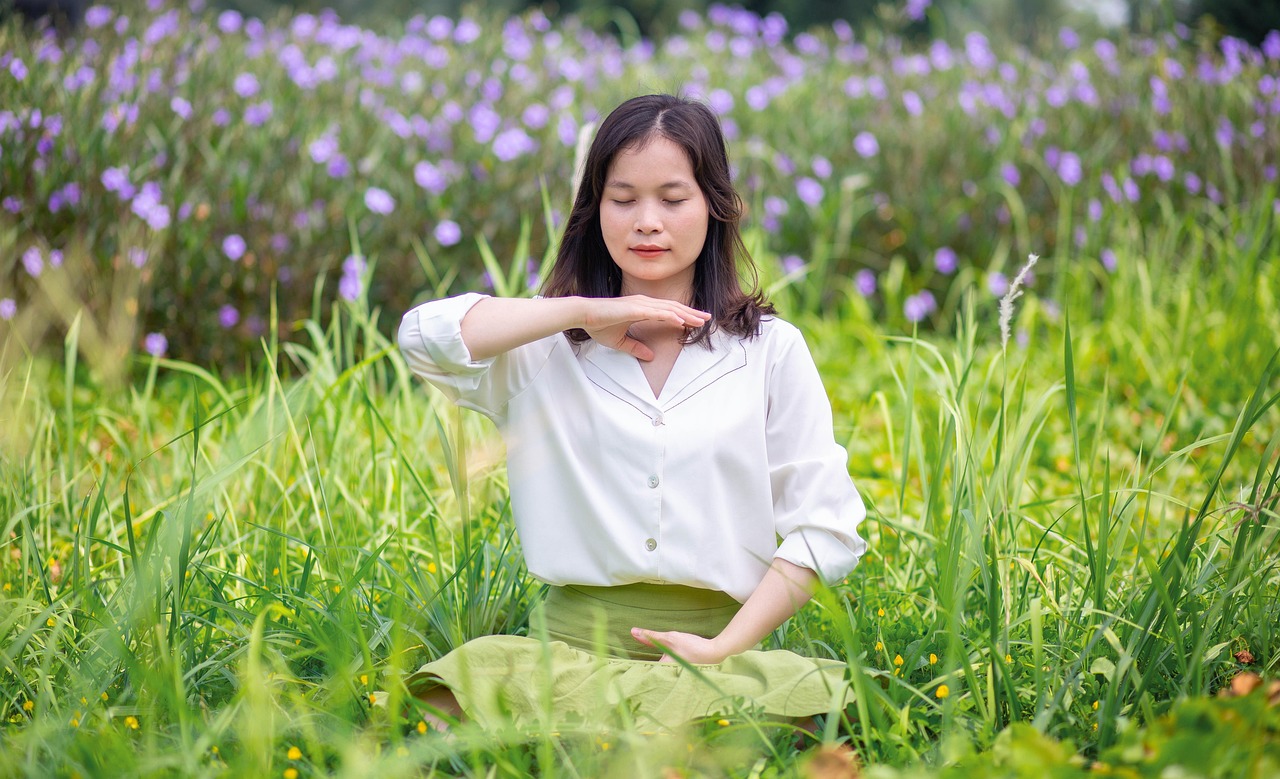
Ancient yogis developed sophisticated breathing techniques called pranayama thousands of years ago, understanding that breath control could influence both physical and mental states. Modern research shows that controlled breathing activates the vagus nerve, shifting the body from fight-or-flight mode to rest-and-digest mode. The Wim Hof breathing method, based on ancient Tibetan practices, has been shown to voluntarily influence the autonomic nervous system and immune response. Studies from Radboud University demonstrate that specific breathing patterns can increase adrenaline levels by 300% and reduce inflammatory responses by 50%. Box breathing, used by Navy SEALs, is actually an ancient technique that reduces cortisol and improves cognitive performance under stress.
Herbal Medicine: Nature’s Pharmacy Rediscovered

Traditional healers have used plants as medicine for millennia, and modern pharmaceutical companies are finally catching up by studying these ancient remedies. Aspirin was derived from willow bark, a pain reliever used by Native Americans and ancient Egyptians for centuries. The anti-malarial drug artemisinin comes from sweet wormwood, used in Traditional Chinese Medicine for over 2,000 years. Current research shows that many herbal compounds work through multiple pathways simultaneously, unlike single-target synthetic drugs. A 2024 review in Nature Medicine found that 40% of modern medications are derived from natural products, validating thousands of years of traditional knowledge.
Sun Exposure: Ancient Light Therapy

Ancient Egyptians, Greeks, and Romans practiced heliotherapy – using sunlight for healing – long before we understood vitamin D synthesis or circadian rhythms. Modern research reveals that appropriate sun exposure produces vitamin D, which regulates over 3,000 genes and reduces the risk of autoimmune diseases by up to 40%. Morning sunlight exposure helps reset circadian clocks, improving sleep quality and mood regulation through increased serotonin production. A 2023 study from the Karolinska Institute found that moderate sun exposure actually reduces melanoma risk compared to complete sun avoidance. The practice of sungazing at sunrise and sunset, common in many ancient cultures, has been shown to regulate melatonin production and improve seasonal affective disorder symptoms.
Social Connection: The Tribal Health Secret

Indigenous cultures worldwide have always prioritized community bonds and social rituals, understanding intuitively what modern loneliness research now confirms. The Harvard Study of Adult Development, spanning over 80 years, shows that strong relationships are the single most important factor for health and longevity. Social isolation increases mortality risk by 50% – equivalent to smoking 15 cigarettes daily or being severely obese. Ancient practices like communal meals, storytelling circles, and group ceremonies create what researchers call “collective effervescence” – a state that boosts immune function and reduces stress hormones. Modern society’s shift toward individualism has created what the World Health Organization now recognizes as a loneliness epidemic, making these ancient social practices more relevant than ever.