

Big Star – #1 Record (1972)
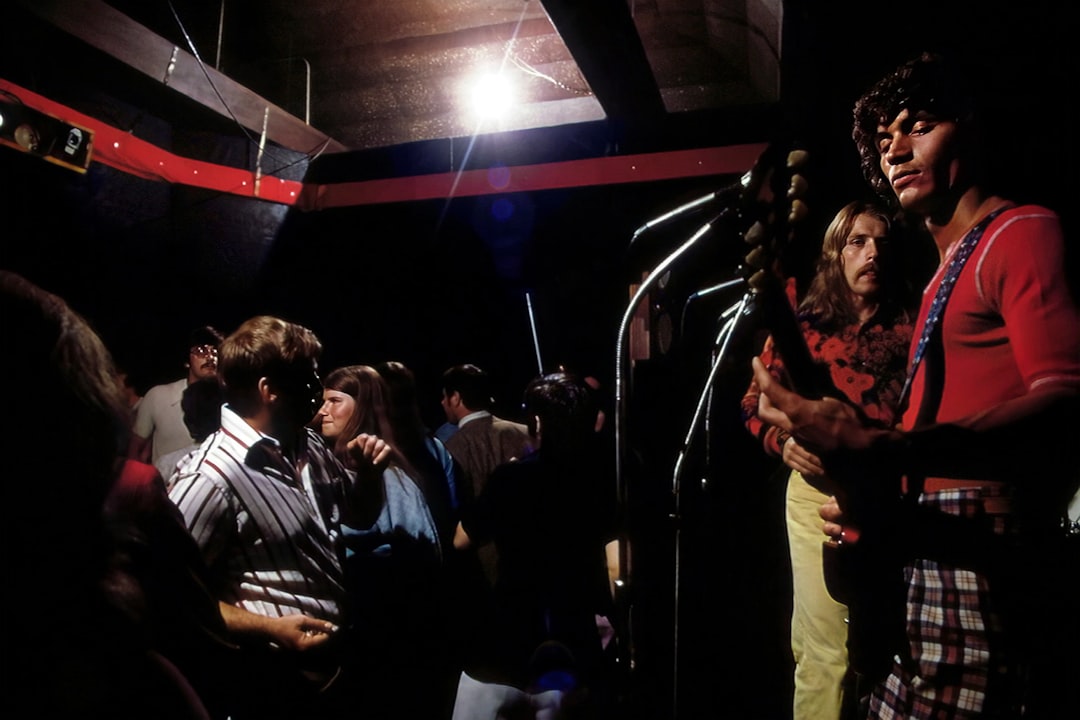
It’s almost unbelievable that Big Star’s debut, #1 Record, was a flop when it landed in 1972. Despite its commercial failure, this album quietly became the heartbeat of power pop—a style that would later shape entire generations. Bands like R.E.M., The Replacements, and Teenage Fanclub have all openly credited #1 Record for its jangly guitars and bittersweet melodies. The album’s emotional directness and shimmering sound were a beacon for the alternative rock boom of the ‘80s and ‘90s. Critics have called it “the great lost album” of its era, and it’s found new life in vinyl reissues and cult followings. Even Rolling Stone now lists it among the most important albums in rock history. If you’ve ever loved a song with a soaring chorus and a hint of melancholy, you owe something to Big Star.
Can – Tago Mago (1971)
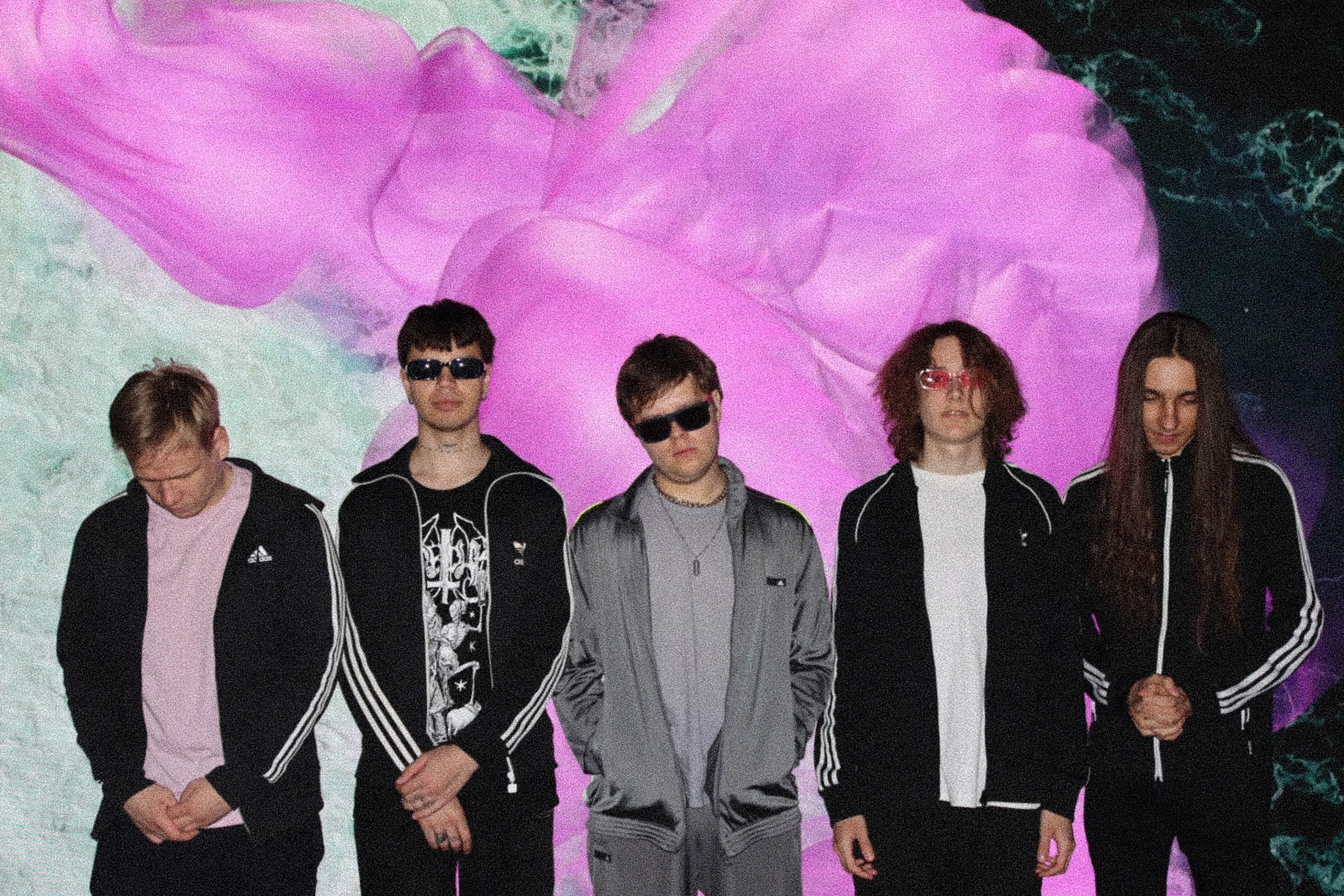
Tago Mago is one of those records that feels like it arrived from another planet. German group Can mixed rock, jazz, funk, and ambient textures to create a sound that barely existed before. Released in 1971, Tago Mago’s sprawling double album format was bold, experimental, and sometimes downright strange. However, it directly paved the way for electronic music, post-punk, and the alternative scenes that exploded decades later. Major artists—from Radiohead’s Thom Yorke to Kanye West—have name-checked Can’s influence in their production styles. The album’s hypnotic grooves and abstract soundscapes remain fresh and futuristic. It’s cited by music historians as a blueprint for boundary-pushing acts in every corner of the music world.
Laurie Anderson – Big Science (1982)
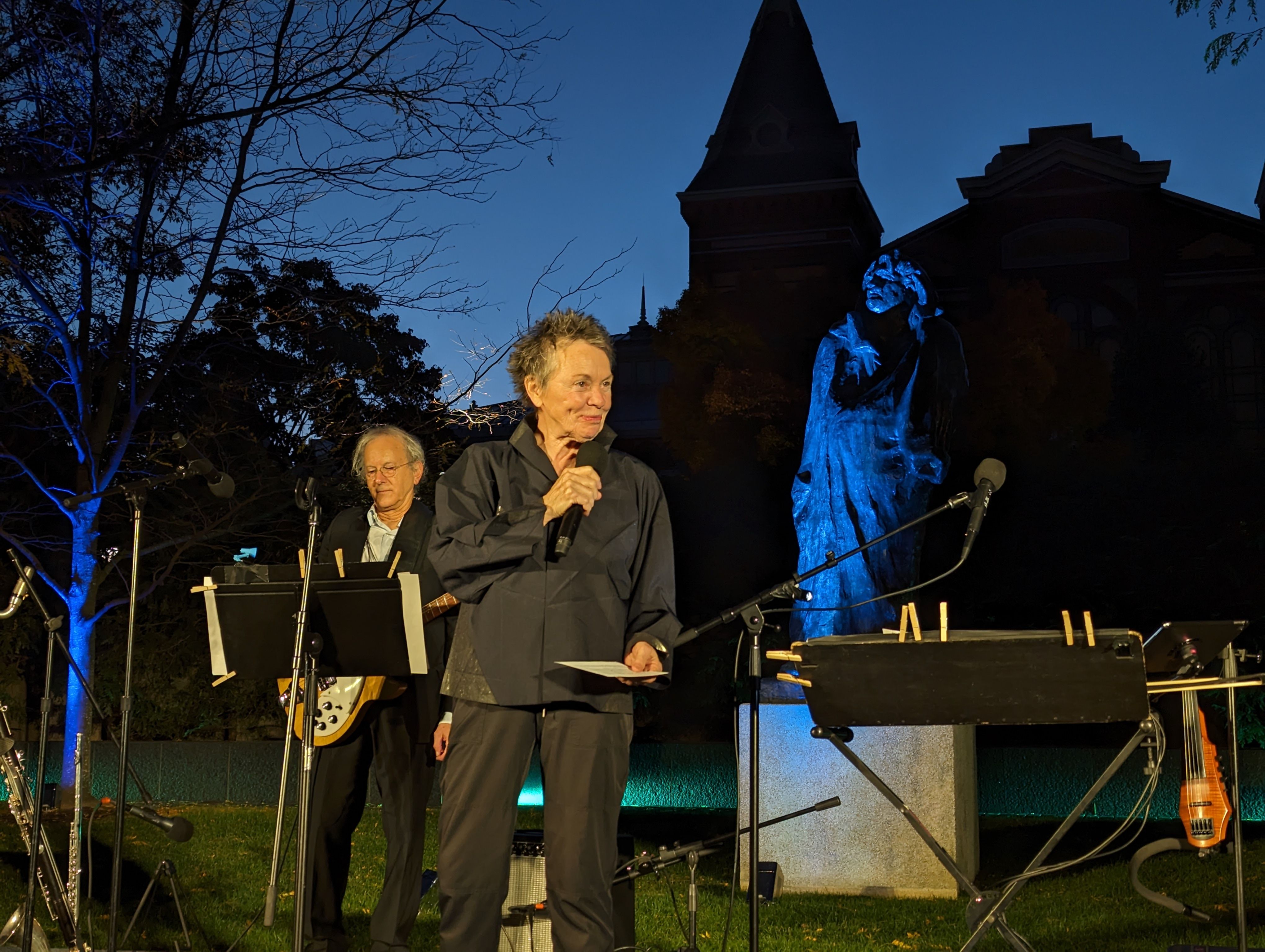
Big Science was unlike anything on the radio in 1982. Laurie Anderson, a performance artist by trade, fused electronic music, spoken word, and haunting melodies into an album that felt like a transmission from a parallel universe. The single “O Superman” became a surprise hit in the UK, with its robotic vocals and minimalist synths. Anderson’s blend of experimental pop and visual storytelling paved the way for future art-pop icons like Björk and St. Vincent. Today, critics praise Big Science for predicting the genre-blurring music that dominates streaming charts. It’s a record that still sounds ahead of its time, exploring themes of technology and isolation long before they were mainstream.
Robert Wyatt – Rock Bottom (1974)
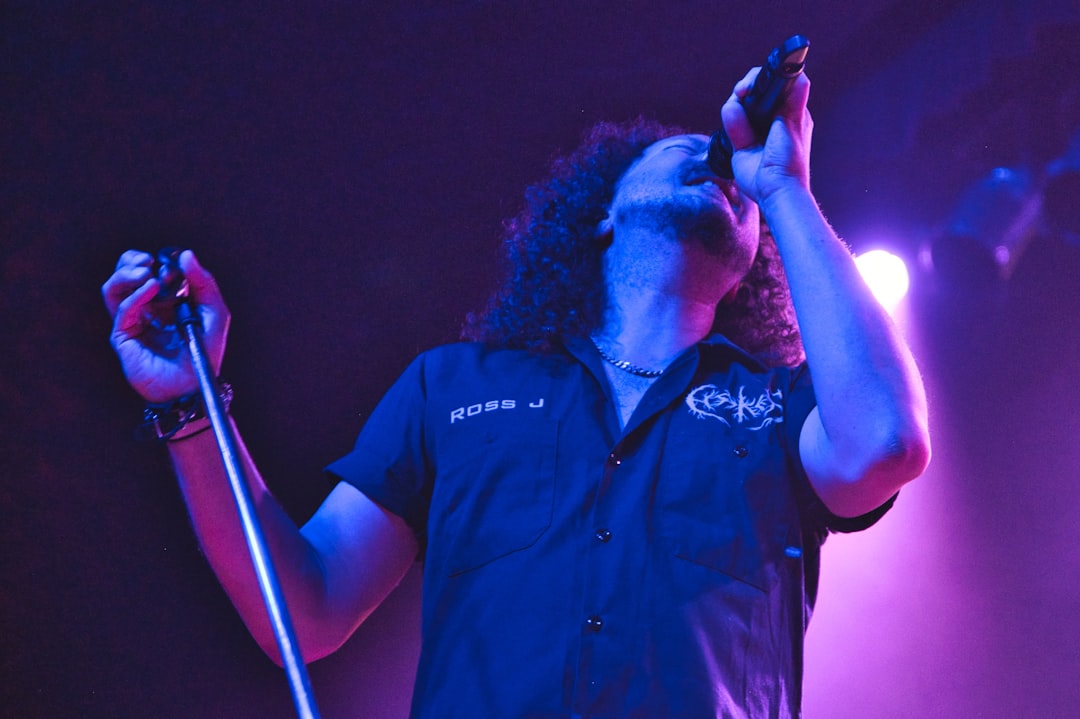
Robert Wyatt’s Rock Bottom is a testament to resilience and creativity. After an accident left him paralyzed from the waist down, Wyatt composed and recorded this deeply personal album, channeling his pain and hope into avant-garde soundscapes. Rock Bottom is haunting, at times unsettling, but always beautiful. It became a touchstone for progressive rock and ambient musicians, who saw in Wyatt’s vulnerability a new emotional depth for the genre. The album’s unconventional structures and dreamlike lyrics have influenced everyone from Brian Eno to contemporary experimental artists. Despite its low profile, it’s now considered one of the most moving and innovative albums of the ‘70s.
Young Marble Giants – Colossal Youth (1980)

Colossal Youth by Young Marble Giants sounds as if it was made in a world without noise. Released in 1980, this minimalist post-punk album stripped away the bombast of the era, leaving only sparse guitars, cool vocals, and eerie silence. The band’s restraint was revolutionary, offering a stark contrast to punk’s raw aggression. Kurt Cobain listed Colossal Youth among his favorite albums, and its ghostly simplicity continues to inspire lo-fi and indie electronic acts. Critics and musicians alike have praised its “less is more” ethos, which has become a core tenet of modern indie music. It’s a quiet revolution that echoes through today’s playlists.
Scott Walker – Scott 4 (1969)
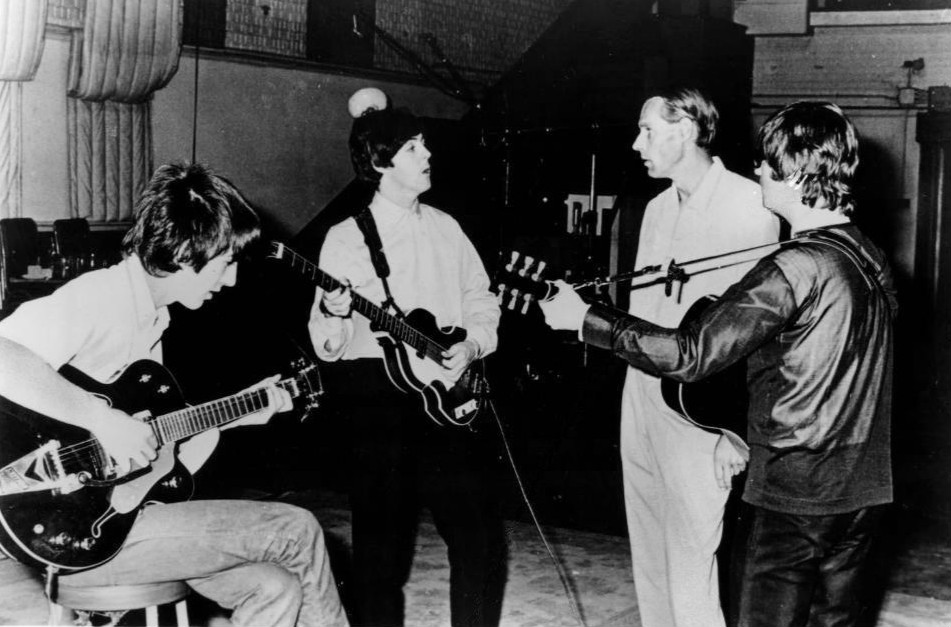
When Scott Walker released Scott 4, he had already left behind pop stardom for something far stranger and more profound. The album’s lush orchestral arrangements and existential lyrics marked a radical departure from the mainstream. While it sold poorly at first, Scott 4 has since become a cult favorite among artists looking for music that challenges as much as it comforts. David Bowie, Thom Yorke, and countless others have cited its surreal, haunting influence. Today, Scott 4 is recognized as a pioneering work, blending baroque pop and avant-garde sensibilities with a sense of mystery that’s never really faded.
The Slits – Cut (1979)

Cut by The Slits was a musical Molotov cocktail. In 1979, this all-female band crashed into the UK punk scene with a wild blend of reggae rhythms and punk energy. The album tackled gender, power, and rebellion with raw honesty and infectious grooves. The Slits broke countless taboos, inspiring future generations of feminist musicians, especially in the riot grrrl movement of the ‘90s. Their bold fashion and fierce attitude also set them apart. Cut may not have topped the charts, but its influence on punk, alternative, and even pop music is undeniable. It’s a record that kicked open doors for women in rock.
Funkadelic – Maggot Brain (1971)
Maggot Brain is a psychedelic funk odyssey that’s as wild today as it was in 1971. The album opens with a 10-minute guitar solo by Eddie Hazel that’s been called one of the greatest in rock history. George Clinton’s vision for Funkadelic mixed funk, soul, and mind-bending rock into something utterly unique. Maggot Brain’s influence runs deep: its grooves have been sampled by hip-hop artists, its psychedelic edge admired by alt-metal bands, and its spirit echoed by icons like Prince. The album’s willingness to push boundaries has made it a landmark for musicians seeking creative freedom.
Talk Talk – Spirit of Eden (1988)
Spirit of Eden is the sound of a band breaking free from every musical rule. Talk Talk started as a synth-pop group but, with this 1988 album, they created something totally unclassifiable: dreamy, jazzy, abstract, and deeply moving. Spirit of Eden is now credited with inventing the “post-rock” genre, influencing bands like Sigur Rós and Radiohead. The album’s unconventional structure, atmospheric production, and emotional depth have earned it a spot in countless “greatest albums” lists. Its reputation has only grown over time, with critics calling it “the most influential album you’ve never heard.” For those who value mood and mystery, Spirit of Eden is a true masterpiece.
The United States of America – The United States of America (1968)

This album may have one of the most straightforward titles, but the music inside is anything but ordinary. Released in 1968, The United States of America’s debut blended psychedelic rock with early electronic experimentation—remarkably, without using a single guitar. The band’s fearless use of synthesizers and political lyrics set it apart from the Summer of Love crowd. Though it never found massive fame, the album is now praised by critics for its visionary sound and is considered a major influence on later electronic and avant-garde music. It’s a reminder of just how far ahead some musicians were, even in the psychedelic era.
Judee Sill – Judee Sill (1971)
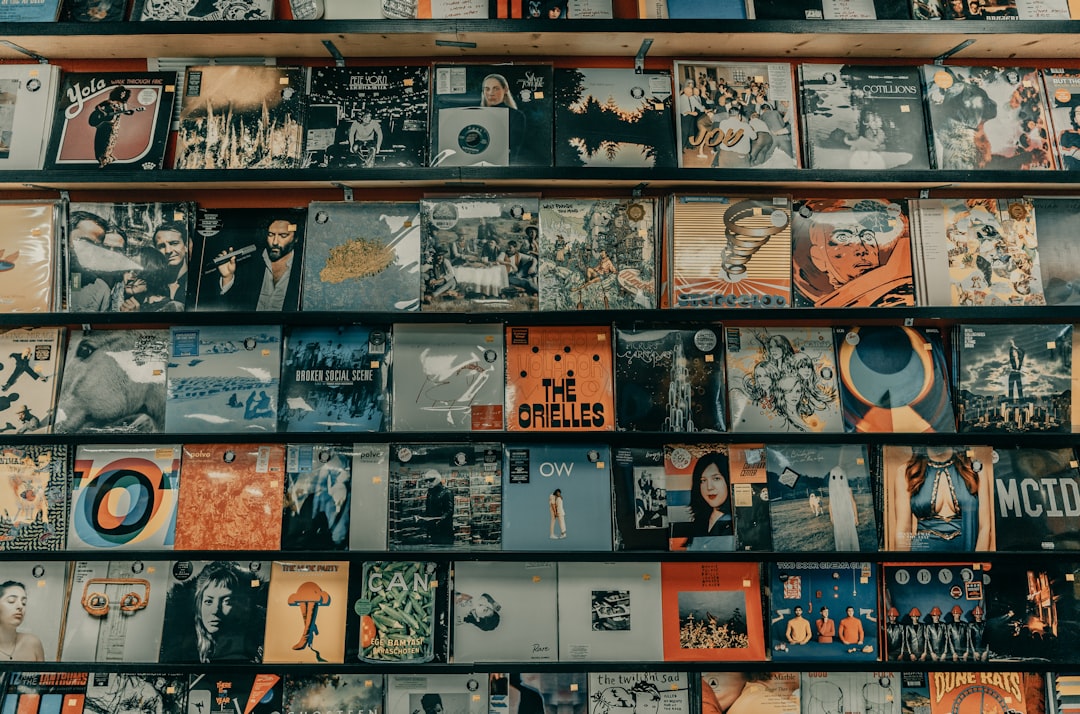
Judee Sill’s self-titled debut is a hidden gem of baroque folk. Released in 1971, Sill wrote, composed, and arranged every intricate song—blending religious imagery, classical influences, and personal confessions. While overshadowed in her own time by bigger names, her music has been rediscovered by new generations who admire her depth and originality. Artists like Fleet Foxes and Joanna Newsom have spoken of her influence, and the album is now celebrated for its complex beauty. Critics and fans alike have called it “achingly honest” and “quietly revolutionary.” Sill’s legacy only grows as more listeners discover her singular voice.
Death – …For the Whole World to See (Recorded 1975, Released 2009)

Imagine inventing punk rock before the world was ready for it. That’s the story of Death, a trio of brothers from Detroit who recorded …For the Whole World to See in 1975—years before the Ramones or Sex Pistols hit the scene. The band’s raw, urgent sound went unheard at the time, only to be rediscovered decades later. When finally released in 2009, the album was hailed as a missing link in punk history. Death’s story has inspired documentaries, reunion tours, and a new generation of fans. Their music is now recognized as a trailblazing force that was simply too ahead of its time.