

Johnny Cash – “Hurt” Was Actually About Drug Addiction Recovery
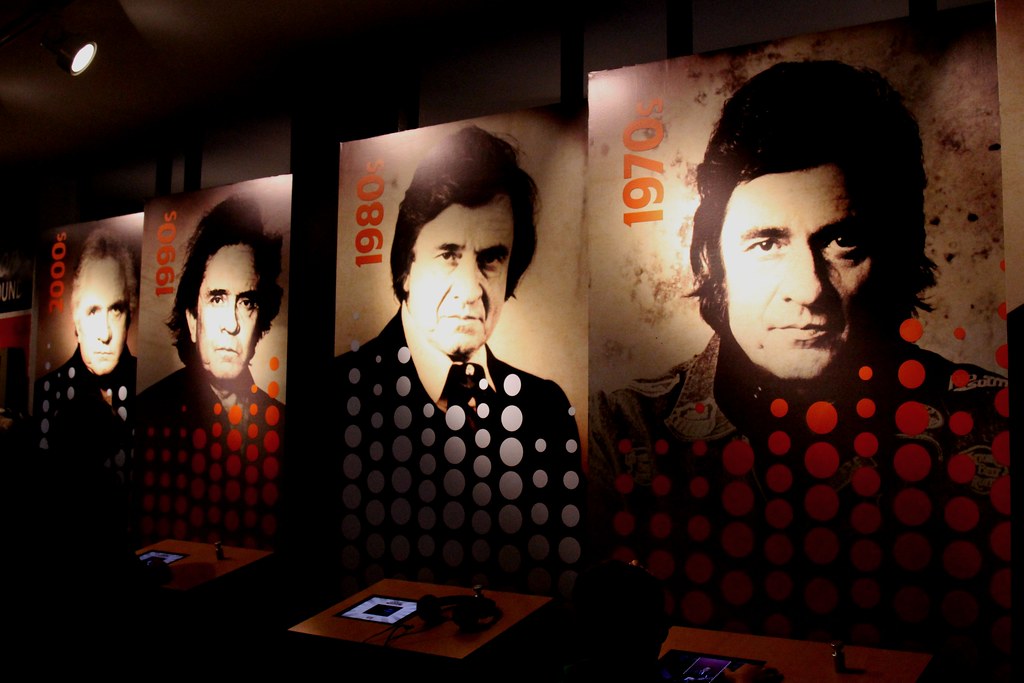
Most people think Johnny Cash’s haunting version of “Hurt” was just another cover song, but the reality cuts much deeper. When Cash recorded this Nine Inch Nails track in 2002, he was battling his own demons with prescription drug addiction that had plagued him for decades. The lyrics about self-harm and regret weren’t metaphorical for Cash – they reflected his real struggles with pills and the physical toll they took on his body. His wife June had been helping him through multiple rehab attempts since the 1980s, making lines like “I hurt myself today to see if I still feel” painfully literal. The music video, filmed just months before his death, shows Cash’s trembling hands and frail appearance, capturing a man confronting his mortality. What makes this even more heartbreaking is that Cash died just seven months after the video was shot, making it feel like a final confession.
Dolly Parton – “Jolene” Was About a Real Bank Teller
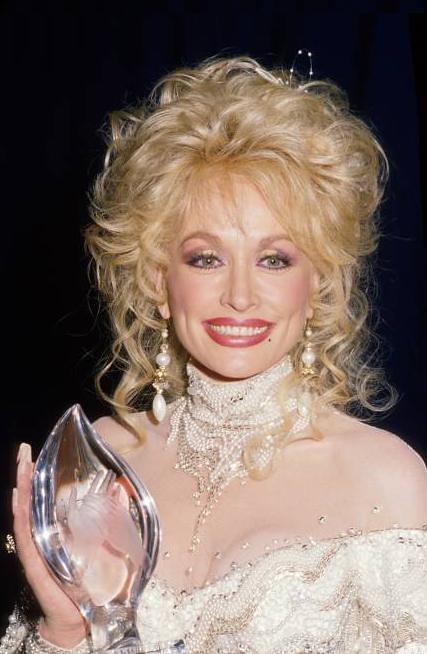
The woman who almost stole Dolly Parton’s husband wasn’t just a figment of her imagination – she was a real redheaded bank teller who worked at the local bank in Nashville. Parton has revealed in interviews that this woman would flirt outrageously with her husband Carl Dean whenever he came in to do business. The teller’s name wasn’t actually Jolene, but Parton changed it because she thought the original name didn’t sound as good in a song. What’s even more interesting is that Parton wrote the entire song in just one afternoon after Carl came home and told her about another encounter with the persistent bank employee. The real woman apparently had no idea she inspired one of country music’s most famous songs until decades later when Parton revealed the story publicly. Carl and Dolly are still married today, over 50 years later, so clearly Jolene didn’t succeed in her mission.
The Beatles – “Norwegian Wood” Documented John Lennon’s Secret Affair

Behind the cryptic lyrics of “Norwegian Wood” lies one of John Lennon’s extramarital affairs during his marriage to Cynthia. Lennon later admitted in interviews that the song was about a specific woman he had a brief relationship with in 1965, though he never revealed her identity publicly. The line “I sat on a rug, biding my time, drinking her wine” describes an actual evening Lennon spent at this woman’s apartment in London. The phrase “Norwegian wood” itself was apparently the woman’s way of describing the cheap pine furniture in her flat, which Lennon found amusing enough to use as the song’s title. What’s particularly clever is how Lennon disguised the affair as an abstract story, allowing him to process his guilt while keeping the details vague enough to avoid confrontation with his wife. The song’s ending, where the narrator burns down the place, was Lennon’s fictional way of expressing his desire to erase the evidence of his infidelity.
Fleetwood Mac – “Go Your Own Way” Captured Lindsey Buckingham’s Breakup Pain
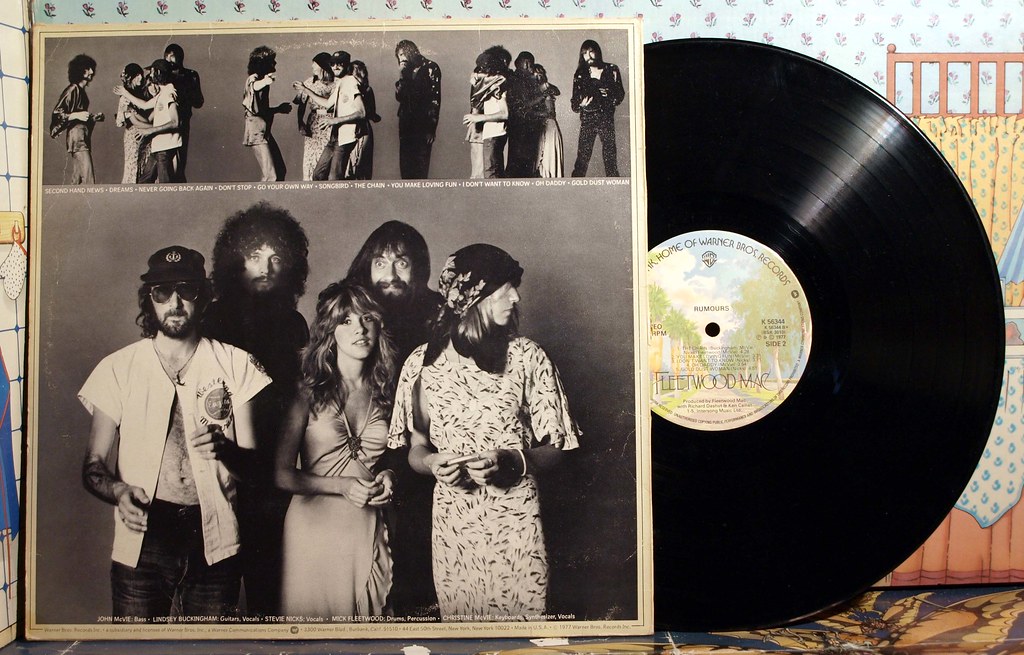
When Lindsey Buckingham wrote “Go Your Own Way,” he was literally watching his relationship with Stevie Nicks fall apart in real-time during the recording of “Rumours” in 1977. The song wasn’t just inspired by their breakup – it was written as it was happening, with both of them still living and working together in the studio. Buckingham has said the line “tell me why everything turned around” came from actual conversations he had with Nicks about their crumbling relationship. What makes this even more intense is that Nicks had to sing backing vocals on a song that was essentially about her leaving Buckingham for someone else. The other band members witnessed daily arguments between the couple that directly influenced the song’s lyrics and emotional intensity. Recording sessions often had to be stopped because Buckingham and Nicks couldn’t be in the same room without fighting about their personal issues.
Eric Clapton – “Layla” Was His Confession of Love for His Best Friend’s Wife

Eric Clapton’s guitar masterpiece “Layla” wasn’t just about unrequited love – it was about his obsession with Pattie Boyd, who was married to his close friend George Harrison at the time. Clapton wrote the song in 1970 while staying at the Harrison’s house, watching Pattie from afar and knowing he couldn’t act on his feelings. The title comes from the Persian love story “Layla and Majnun,” which Clapton read and identified with because it’s about a man driven mad by his love for an unattainable woman. What’s remarkable is that Harrison initially had no idea the song was about his wife, even though Clapton played it for him during their friendship. The guitar riff that everyone recognizes was actually Clapton channeling his frustration and longing into music, creating one of rock’s most emotional solos. Eventually, Clapton did marry Pattie Boyd after she divorced Harrison, making “Layla” perhaps the most successful love song in terms of actually winning over its subject.
Sting – “Every Breath You Take” Reflected His Divorce Proceedings
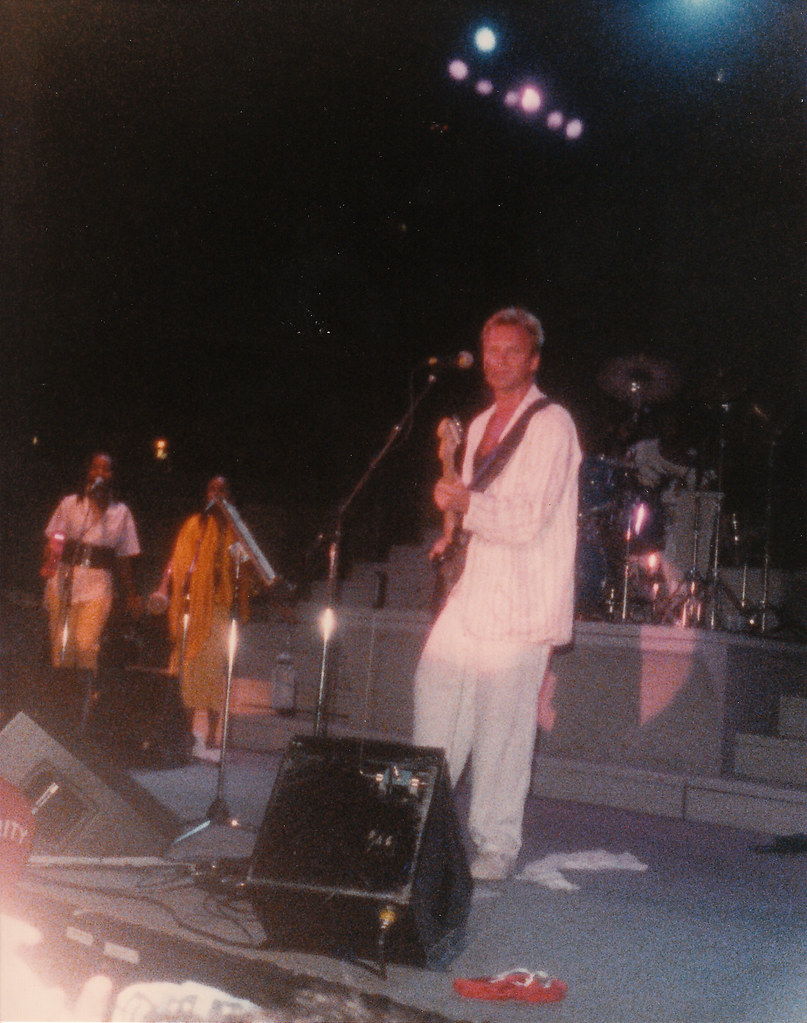
While most people hear “Every Breath You Take” as a romantic love song, Sting wrote it during his bitter divorce from his first wife Frances Tomelty in 1982. The lyrics about watching someone’s every move weren’t about devotion – they were about the paranoia and surveillance that characterized their failing marriage. Sting has admitted in interviews that he was going through a “very nasty” divorce and was feeling possessive and controlling, emotions that directly fed into the song’s stalker-like lyrics. The line “every move you make, every step you take, I’ll be watching you” came from Sting’s actual feelings of wanting to monitor his estranged wife’s activities. What’s ironic is that this song about unhealthy obsession became one of the most popular wedding songs of all time, with couples completely missing its dark undertones. Sting has said he finds it disturbing how many people interpret the song as romantic when it’s actually about surveillance and control.
Carly Simon – “You’re So Vain” Was About Warren Beatty (Probably)
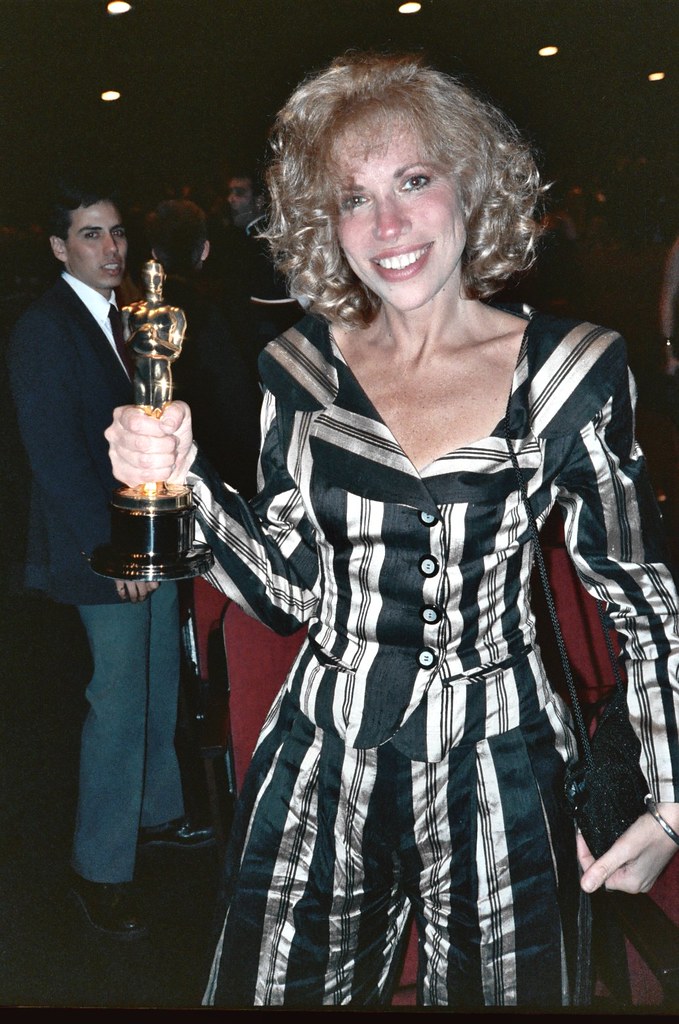
For over 40 years, music fans have speculated about who inspired Carly Simon’s cutting takedown “You’re So Vain,” and multiple clues point to actor Warren Beatty. Simon dated Beatty briefly in the early 1970s and has dropped hints over the decades that he was indeed the subject, though she’s never confirmed it outright. The line “you walked into the party like you were walking onto a yacht” apparently describes Beatty’s actual entrance at a party Simon attended in the Hamptons. Beatty’s reputation as a Hollywood playboy who was notoriously self-absorbed matches perfectly with the song’s lyrics about narcissism and arrogance. In 2015, Simon finally revealed that the second verse was definitely about Beatty, though she claims the song is actually about three different men. What makes this even more entertaining is that Beatty reportedly called Simon to thank her for the song, proving that even being called vain in a hit record was good publicity for him.
Tori Amos – “Me and a Gun” Documents Her Sexual Assault

Tori Amos’s stark, a cappella song “Me and a Gun” is one of the most difficult songs to listen to because it recounts her actual sexual assault in vivid detail. Amos was raped at knifepoint after giving a stranger a ride home from one of her concerts in 1988, and she channeled that traumatic experience directly into the song’s lyrics. The song contains specific details from that night, including her thoughts during the assault and how she dissociated by thinking about her friend Tori who lived in Carolina. What’s particularly powerful is that Amos performs the song without any instruments, making her voice the only thing between the audience and the raw truth of her experience. The song helped launch RAINN (Rape, Abuse & Incest National Network), which Amos co-founded to help other survivors. Amos has said that writing and performing the song was part of her healing process, transforming her trauma into something that could help others.
Eminem – “Cleanin’ Out My Closet” Exposed His Mother’s Drug Problems

When Eminem released “Cleanin’ Out My Closet” in 2002, he wasn’t just rapping about generic family problems – he was revealing specific details about his mother Debbie’s prescription drug addiction and erratic behavior during his childhood. The song mentions how his mother would take pills and become unpredictable, forcing young Marshall Mathers to essentially raise himself and protect his younger brother Nathan. Court documents from Debbie’s lawsuit against Eminem later confirmed many of the details mentioned in the song, including her struggles with various medications. The line “witness your momma poppin’ prescription pills in the kitchen” came directly from Eminem’s memories of watching his mother’s daily routine of taking multiple medications. What made this song particularly controversial was how it aired private family business to millions of listeners, leading to a very public feud between mother and son. Eminem later somewhat apologized to his mother in the song “Headlights,” but the damage to their relationship was already done.
Green Day – “Boulevard of Broken Dreams” Came From Billie Joe Armstrong’s Panic Attacks

Billie Joe Armstrong wrote “Boulevard of Broken Dreams” during a period when he was experiencing severe panic attacks and anxiety while touring with Green Day in the early 2000s. The song’s lyrics about walking alone and feeling isolated weren’t metaphorical – they described Armstrong’s actual mental state as he struggled with sudden fame and the pressure of following up their breakthrough album “Dookie.” Armstrong has revealed in interviews that he would often have panic attacks before shows, feeling completely alone despite being surrounded by bandmates and crew. The line “I walk a lonely road, the only one that I have ever known” came from his experience of feeling disconnected from everyone around him, even his closest friends. What’s particularly poignant is that Armstrong was dealing with these issues while the band was more successful than ever, highlighting how mental health struggles can affect anyone regardless of their circumstances. The song became an anthem for millions of people who felt similarly isolated, proving that Armstrong’s personal pain resonated universally.
Adele – “Someone Like You” Was About Her Real Ex-Boyfriend

Adele’s heart-wrenching ballad “Someone Like You” was written about a specific ex-boyfriend who broke up with her and immediately started dating someone else, leaving Adele devastated and confused. The song came directly from Adele’s experience of finding out through mutual friends that her ex had gotten engaged to his new girlfriend just months after their breakup. She has said in interviews that she wrote the song after driving past his house and seeing the new girlfriend’s car in the driveway, which inspired the line about turning up at his door uninvited. The emotional intensity in Adele’s voice isn’t just good acting – it’s genuine pain from a relationship that ended abruptly and left her with unanswered questions. What makes the song even more powerful is that Adele recorded it while she was still processing the breakup, capturing raw emotions that might have faded with time. The ex-boyfriend reportedly reached out to Adele after the song became a massive hit, though she’s never revealed what he said or whether they reconciled.
What would you have guessed about these seemingly innocent songs hiding such personal truths?