

“Play it again, Sam.” – Humphrey Bogart
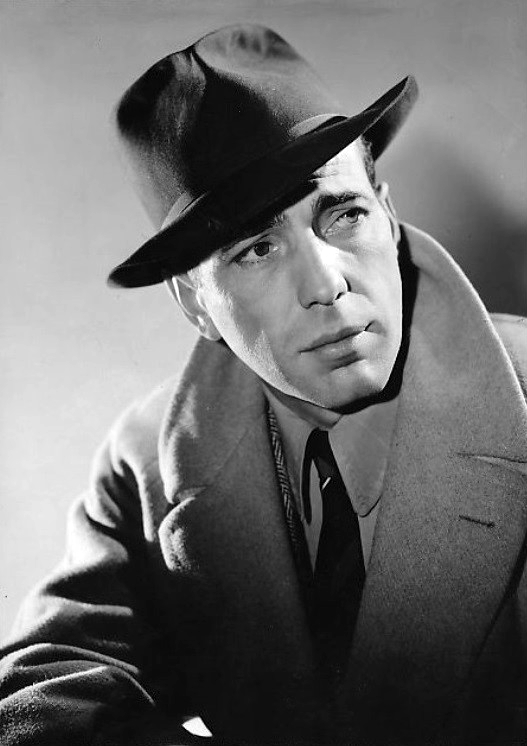
This iconic line is often attributed to Humphrey Bogart in *Casablanca*, but he never said it. The closest lines are “Play it, Sam” and “Play it once, Sam, for old times’ sake,” spoken by Ingrid Bergman’s character. The misquote likely emerged from repeated paraphrasing and became ingrained in popular culture. Over the years, countless people have echoed “Play it again, Sam” in references to the film, imagining Bogart’s voice saying it with a wistful air. In reality, the phrase was never spoken by any character in the movie. The persistence of this misquote shows how pop culture can reshape our memories of even the most classic films. This example highlights how repetition and retelling can create new “facts” that seem more real than the originals.
“Let them eat cake.” – Marie Antoinette
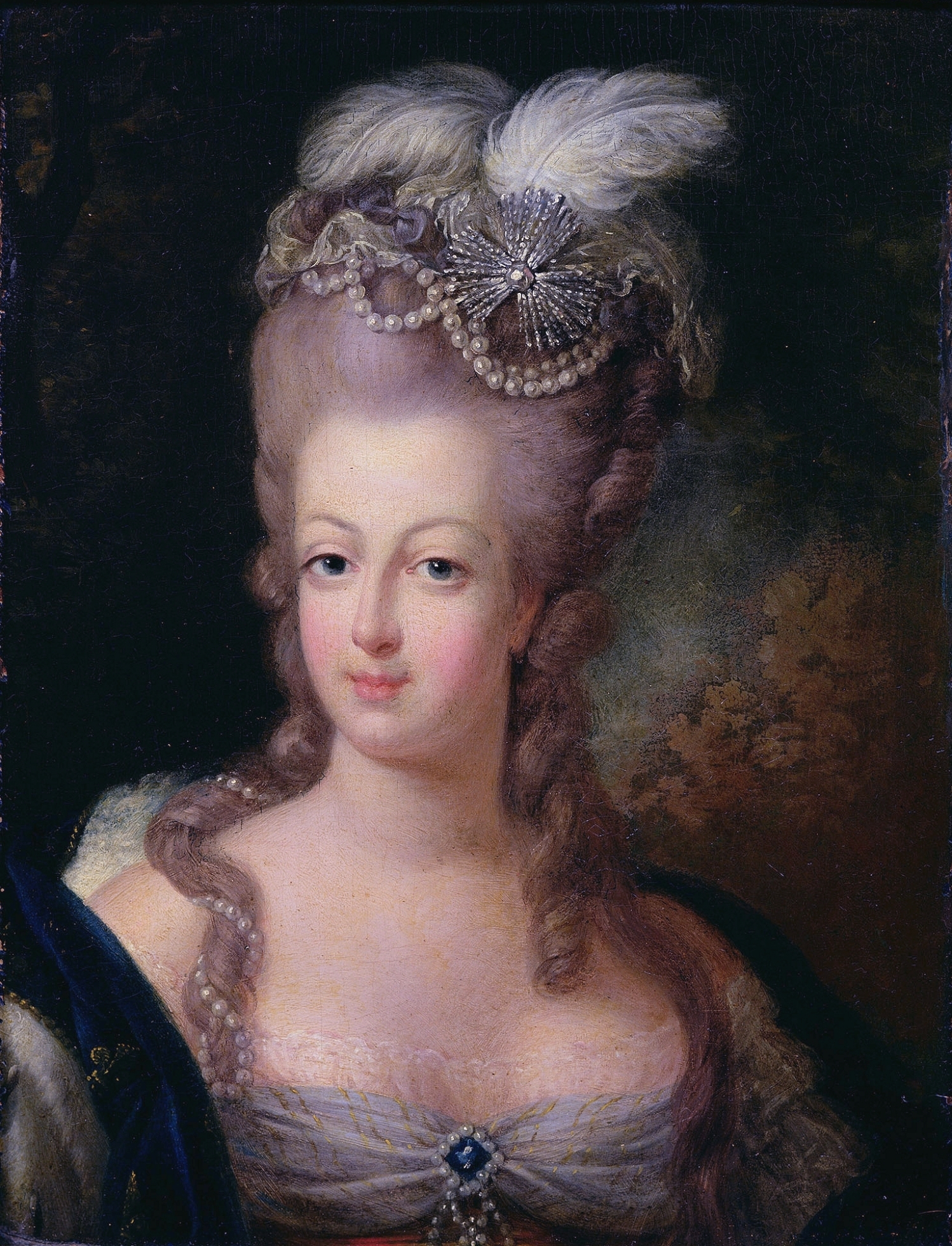
Frequently cited as evidence of Marie Antoinette’s indifference to the poor, there’s no record of her saying this. The phrase actually predates her and was likely a misattribution. It first appeared in Jean-Jacques Rousseau’s writings, attributed to an unnamed “great princess.” The line became a symbol of royal ignorance, but historians agree Marie Antoinette never uttered those words. Over time, the quote attached itself to her reputation, reflecting the public’s desire to find a villain for France’s suffering. This misattribution helped fuel the myth of her cold-heartedness during the French Revolution. The persistence of this phrase shows how a catchy line can shape the legacy of a historical figure, even when it isn’t true.
“Be the change you wish to see in the world.” – Mahatma Gandhi
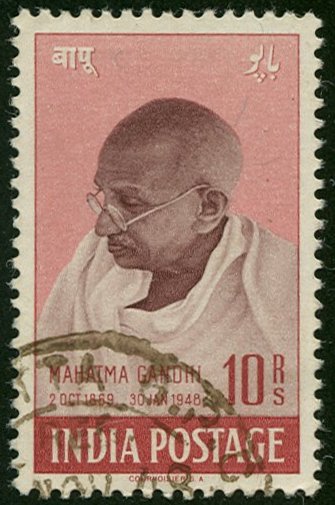
While this sentiment aligns with Gandhi’s philosophy, he never uttered these exact words. The closest verifiable quote is: “If we could change ourselves, the tendencies in the world would also change.” The popular version is a paraphrase that gained traction over time. People love the simplicity and inspiration of the reworded quote, which makes it easy to share and remember. As a result, it’s found everywhere from bumper stickers to social media posts, always with Gandhi’s name attached. The transformation of his message into this concise saying demonstrates how society shapes quotes to fit its needs. The original idea remains, but the words have changed, blurring the line between fact and fiction.
“I disapprove of what you say, but I will defend to the death your right to say it.” – Voltaire
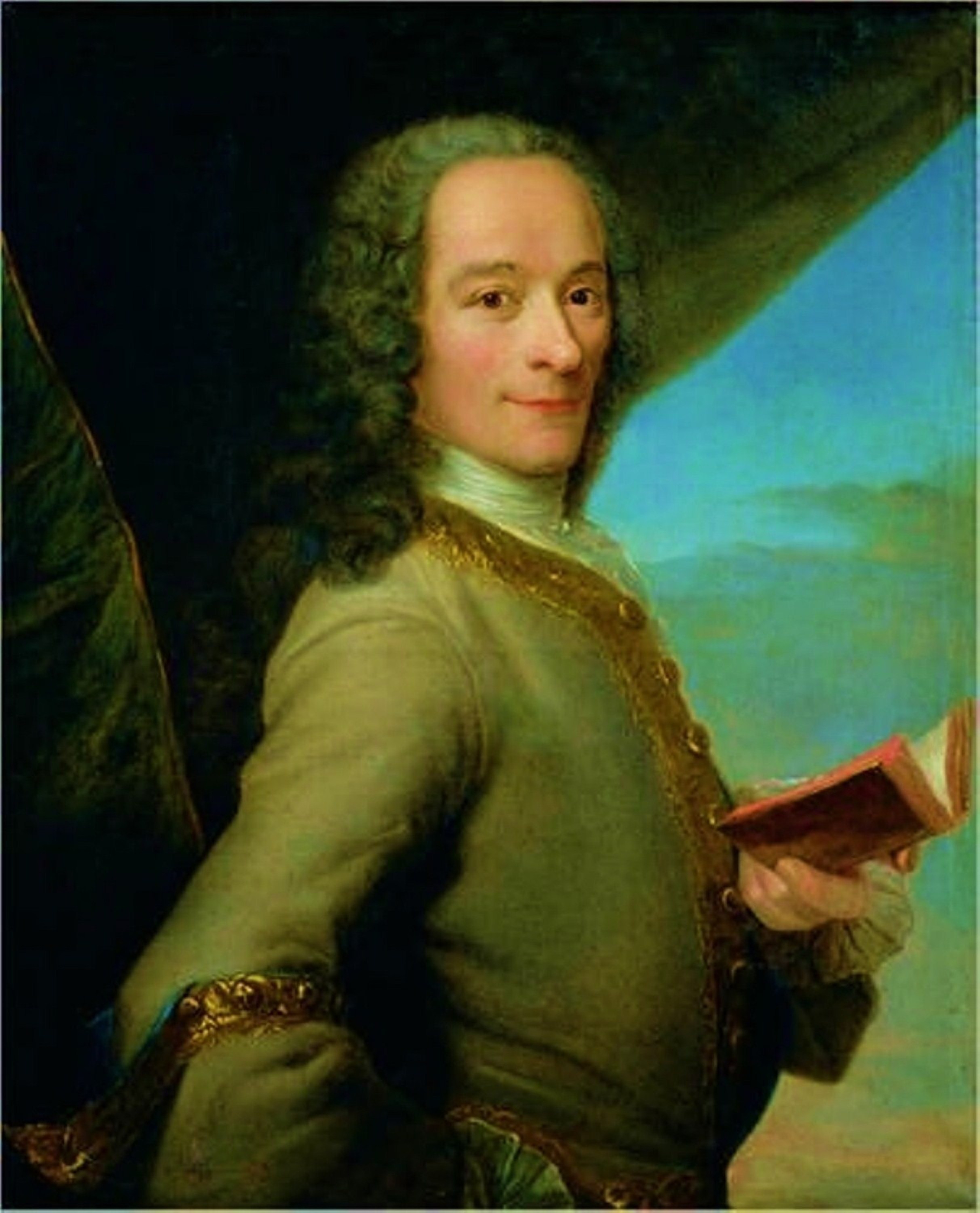
This quote is commonly attributed to Voltaire but was actually penned by Evelyn Beatrice Hall in her 1906 biography of Voltaire. She wrote it to summarize his beliefs, not as a direct quotation. Over time, the distinction blurred, leading to widespread misattribution. The phrase has been used to champion free speech and tolerance, making it a powerful rallying cry. Because it so perfectly sums up Voltaire’s spirit, people began to assume he must have said it himself. The story of this quote shows how an author’s interpretation can become inseparable from the person they write about. The line’s popularity has made it nearly impossible to separate fact from fiction in the public mind.
“The only thing necessary for the triumph of evil is for good men to do nothing.” – Edmund Burke
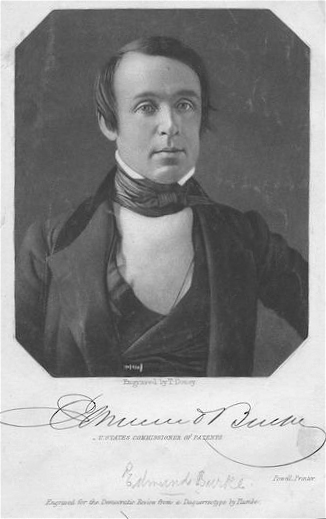
Often linked to Edmund Burke, there’s no evidence he said this exact phrase. Similar sentiments appear in his writings, but the precise wording is absent. The quote’s origin remains uncertain, though its association with Burke persists. People are drawn to the clarity and moral force of the statement, which echoes themes in Burke’s works. Because it sounds like something a philosopher or statesman would say, it’s easy to see why it stuck. Over the years, the phrase has appeared in speeches, books, and even movies, always with Burke’s name attached. The enduring popularity of this quote demonstrates how the right words can take on a life of their own, regardless of their true origin.
“Money is the root of all evil.” – The Bible

This is a misquotation of 1 Timothy 6:10, which actually states, “For the love of money is the root of all evil.” The omission of “the love of” significantly alters the meaning, shifting the focus from greed to money itself. The difference is crucial because the original warns against greed, not money as such. Despite this, the shorter version has been repeated so often that many believe it’s a direct Bible quote. The phrase has shaped attitudes toward wealth and morality, fueling debates about money’s role in society. The enduring misquote shows how a small change in wording can have a big impact on how a message is understood. Over generations, this version has overshadowed the original, changing its intent.
“Winning isn’t everything; it’s the only thing.” – Vince Lombardi
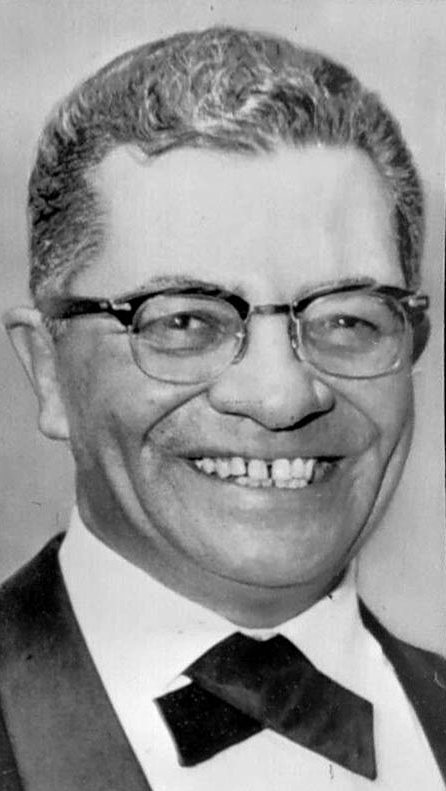
While often attributed to football coach Vince Lombardi, the phrase originated with UCLA coach Red Sanders. Lombardi did use it, but he wasn’t the first. The misattribution likely stems from Lombardi’s prominence in the sport. Because Lombardi became synonymous with the pursuit of victory, the phrase fit his public image perfectly. Over time, sports fans and commentators repeated the quote, strengthening the connection. The story behind this quote reminds us how fame can overshadow original authorship, especially when the words match the legend. This example also shows how easily sports sayings can become larger than life, attributed to whoever is most famous.
“Houston, we have a problem.” – Apollo 13
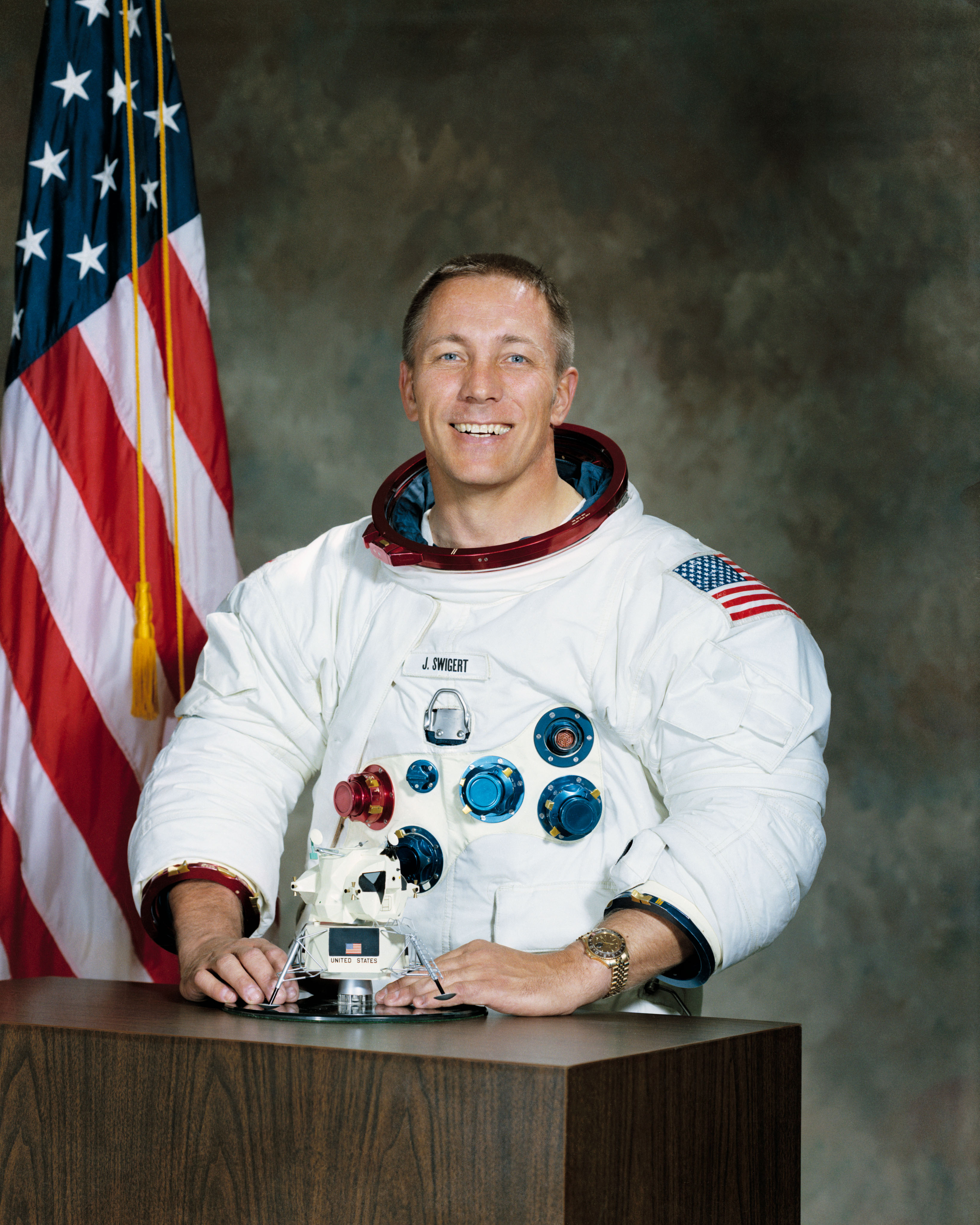
This line, popularized by the 1995 film *Apollo 13*, is a slight alteration of the actual words spoken by astronaut Jack Swigert: “Okay, Houston, we’ve had a problem here.” The movie’s version became more memorable, leading to the widespread misquote. The smoother, punchier movie quote fit perfectly into the drama of the moment, making it ideal for repetition. Audiences found it easier to remember and repeat, so the real message was quickly replaced. The altered phrase has since appeared in countless headlines, jokes, and references to any kind of unexpected problem. This shows how Hollywood can reshape history, sometimes making it even more memorable than reality. The quote’s journey from cockpit to pop culture is a testament to the power of storytelling.
“I can see Russia from my house.” – Sarah Palin

This statement is often mistakenly attributed to Sarah Palin. In reality, it was a line delivered by Tina Fey while impersonating Palin on *Saturday Night Live*. The confusion arose from the sketch’s popularity and its blending with real political discourse. Because the joke captured the spirit of the debates at the time, many people believed it was an actual Palin quote. Over time, the line became shorthand for mocking political soundbites, blurring the boundary between reality and parody. The mix-up shows how satire can sometimes become more “real” than the truth itself. In the end, what people remember isn’t always what was actually said.
“Elementary, my dear Watson.” – Sherlock Holmes
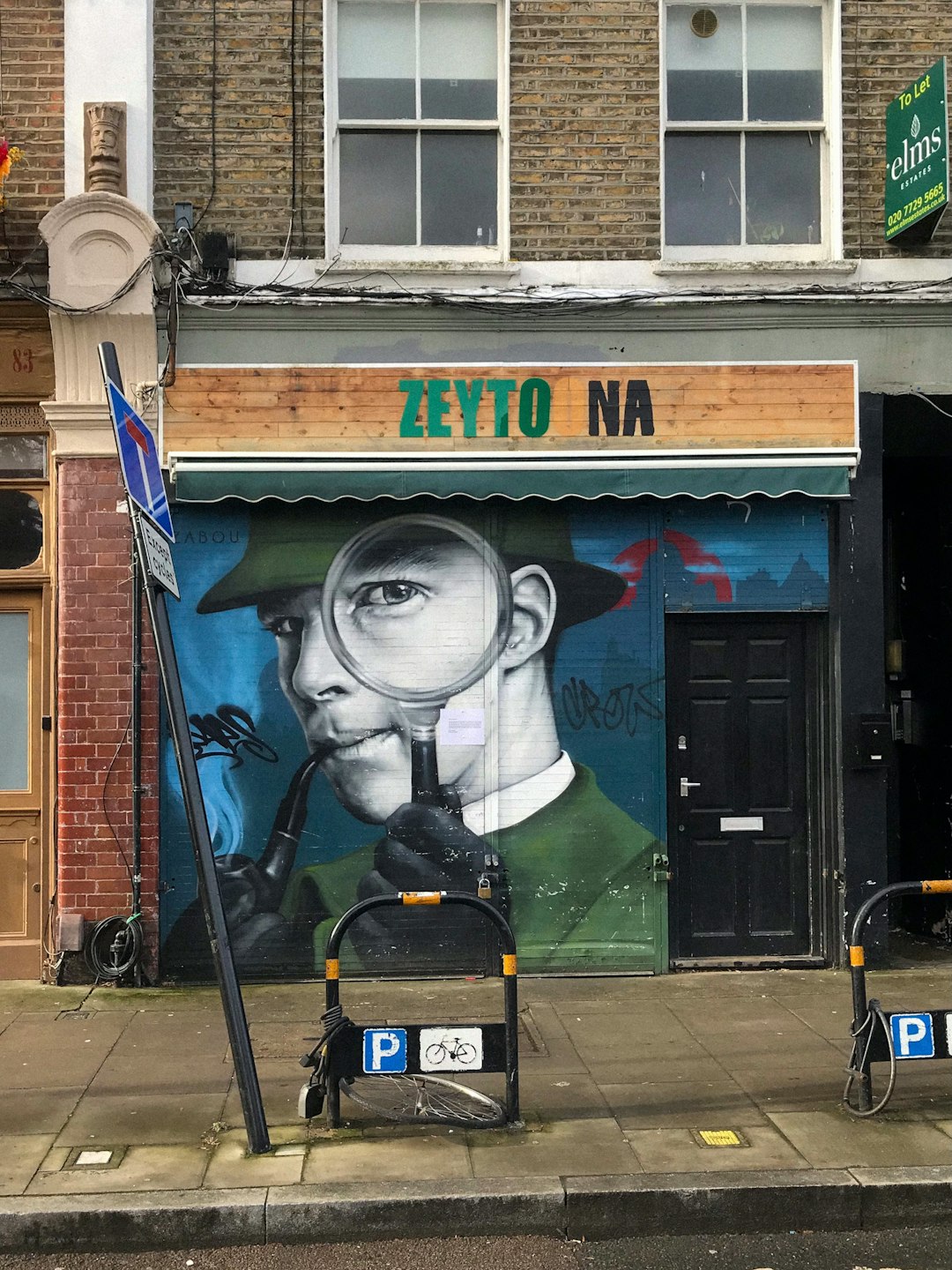
Though closely associated with Sherlock Holmes, this exact phrase never appears in Arthur Conan Doyle’s works. The line was popularized by adaptations and parodies, cementing its place in pop culture despite its absence from the original texts. The phrase has become so famous that it’s hard to imagine Holmes without it, yet it’s entirely a product of later interpretations. Fans and critics alike have searched through the stories, only to find variations, never the exact line. The quote’s widespread use in movies and television has given it a life of its own. Over time, it’s come to represent the essence of Holmes’s deductive style, even if it was never part of his vocabulary. This is a classic example of how adaptations can rewrite our collective memory.
“Blood, sweat, and tears.” – Winston Churchill
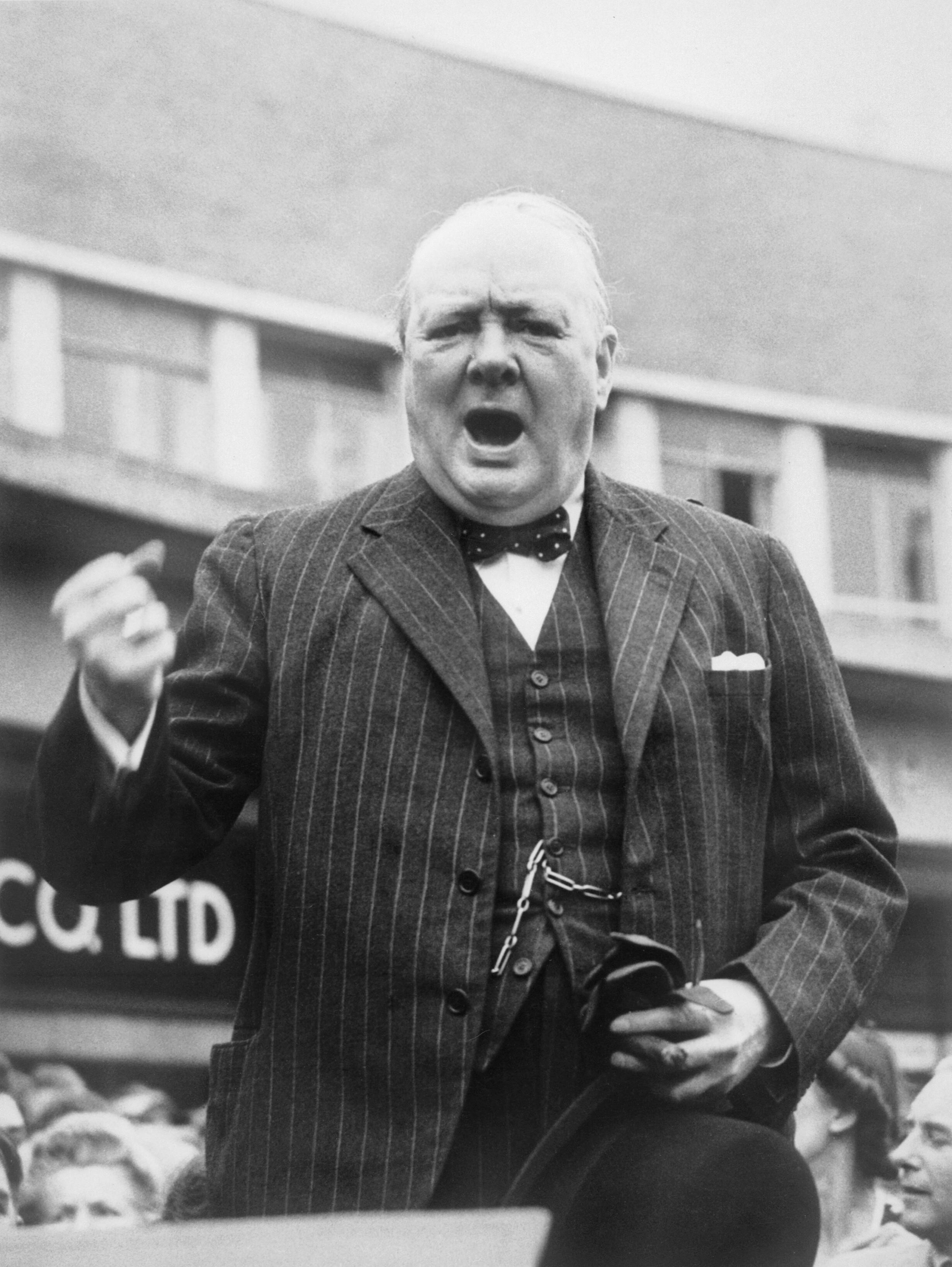
Churchill’s actual phrase was “blood, toil, tears, and sweat,” delivered during a 1940 speech. The reordered version became more prevalent over time, possibly due to its rhythmic appeal. This alteration exemplifies how quotes can evolve in public memory. The new version is shorter and rolls off the tongue, making it easier to use in conversation and writing. As people repeated it, the original words faded, replaced by the catchier version. Today, “blood, sweat, and tears” is used everywhere from sports to business, rarely credited to Churchill’s original speech. The evolution of this quote shows how history can be simplified and reshaped as it’s retold.