

Albert Einstein
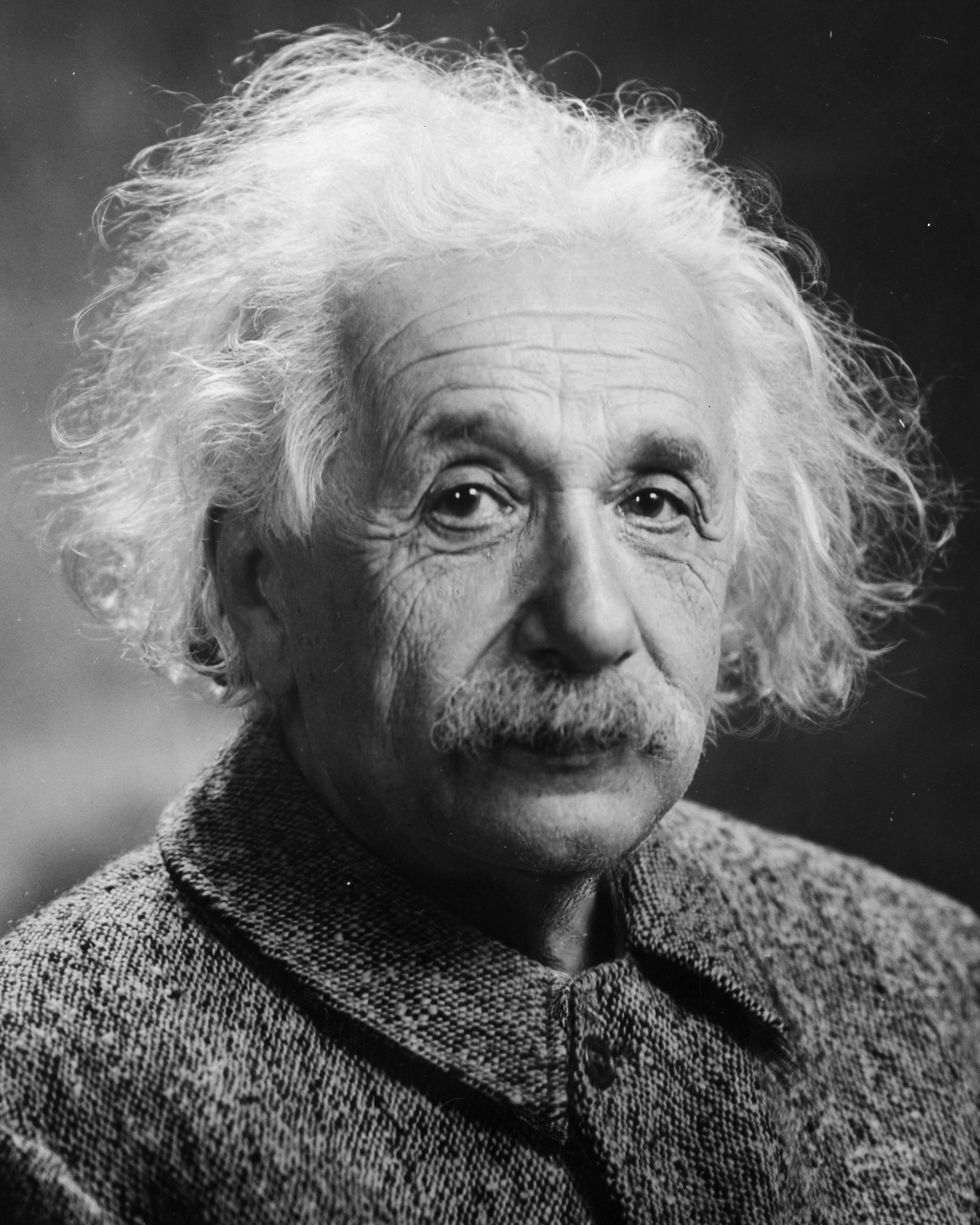
The image of Albert Einstein as a bumbling, absent-minded genius who barely scraped through school is a story we love to tell. But the truth is far less romantic and much more impressive. Einstein was actually a top student who excelled in mathematics and physics from a young age. By 15, he had already mastered calculus, while his school records show consistently high marks in science subjects. The myth that he “failed math” appears to have originated decades after his fame, likely to make his genius seem more relatable and attainable for the rest of us. In reality, his teachers recognized his unique abilities, even if they sometimes clashed with his rebellious attitude. Modern research into his academic records confirms that he was anything but a struggling student. The story of Einstein’s poor grades is a comforting fiction, but the facts show he was always ahead of the curve.
Cleopatra
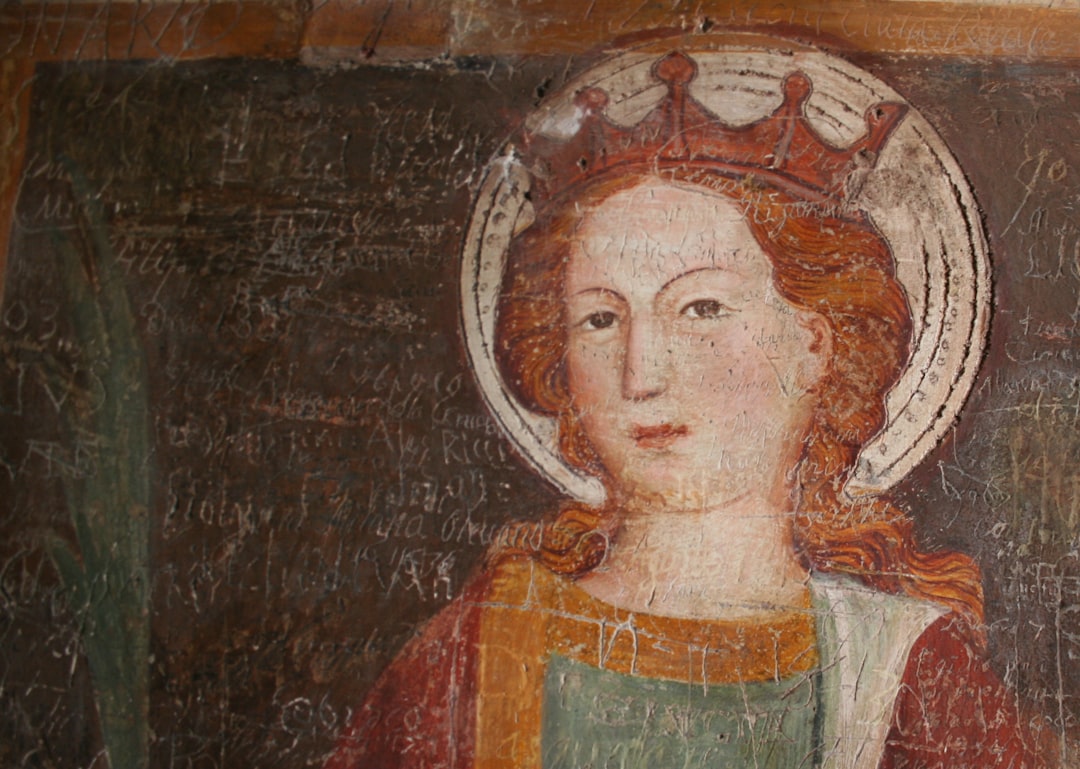
Most people picture Cleopatra as a seductive Egyptian queen, but the truth smashes that stereotype. Cleopatra VII was actually of Greek descent, belonging to the Ptolemaic dynasty that ruled Egypt after Alexander the Great’s conquest. Her beauty was often exaggerated in later retellings, but what truly set her apart was her intelligence and cunning. Cleopatra spoke at least nine languages, including Egyptian—making her one of the few Ptolemies to bother learning it. She was a shrewd political operator who navigated a nation in crisis and held her own against the likes of Julius Caesar and Mark Antony. Modern historians have found that ancient sources praised her wit and leadership, not just her looks. The legendary seductress image is mostly a product of Roman propaganda and Hollywood imagination.
Christopher Columbus
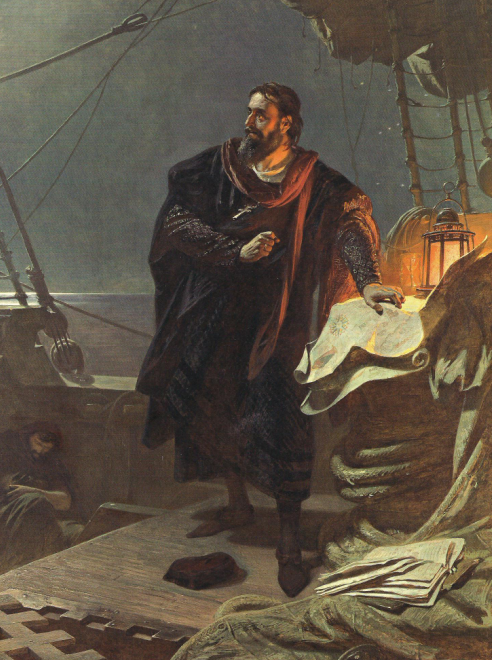
For generations, schoolchildren learned that Christopher Columbus “discovered America,” but this is far from the full story. Columbus never landed on what is now the United States mainland. His voyages between 1492 and 1504 brought him to islands in the Caribbean and the coasts of Central and South America. Long before Columbus, indigenous peoples had lived throughout the Americas for thousands of years, building rich and complex civilizations. Even more surprising, Norse explorer Leif Erikson reached North America around the year 1000, nearly 500 years before Columbus set sail. Recent archaeological discoveries in Newfoundland confirm Viking settlements predating Columbus. The explorer’s fame grew mainly from European colonial ambitions, not from being the first to “discover” a new world.
Vlad the Impaler (Dracula)
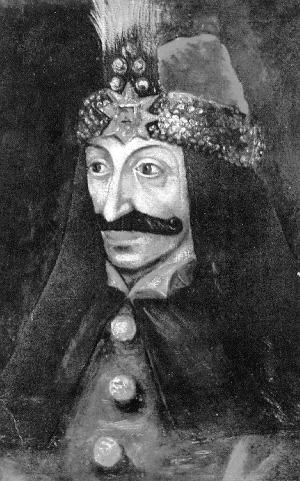
Vlad III, better known as Vlad the Impaler or Dracula, has a reputation as a bloodthirsty monster thanks to Bram Stoker’s famous novel. But the real Vlad was both feared and revered. He ruled Wallachia (now part of Romania) in the 15th century, defending his land against Ottoman invasions with brutal tactics, including impalement. While the stories of his cruelty are true, local folklore paints him as a nationalist hero who protected his people from foreign domination. The vampire myth is a much later invention, thanks to Victorian fiction and horror movies. Romanian historians still debate Vlad’s legacy, but many see him as a symbol of resistance rather than pure evil. The Dracula legend has overshadowed his true historical role.
Marie Antoinette
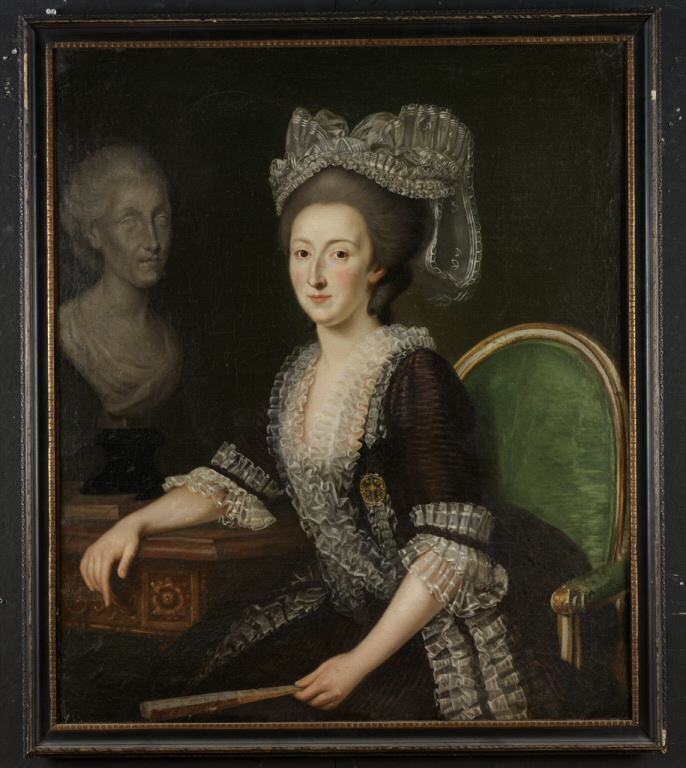
The phrase “Let them eat cake” is forever linked to Marie Antoinette, but there’s no evidence she ever uttered those words. In fact, this quote was first attributed to an unnamed “great princess” by Jean-Jacques Rousseau when Marie Antoinette was just a child. During the French Revolution, revolutionaries used her as a scapegoat for France’s problems, exaggerating her extravagance and indifference. Historians now agree that much of her reputation as a frivolous spendthrift was built on propaganda and political smear campaigns. Recent studies of her private letters reveal a woman deeply concerned for her children and country, struggling to navigate a collapsing monarchy. The real Marie Antoinette was far more complex and less villainous than her popular image suggests.
Thomas Edison
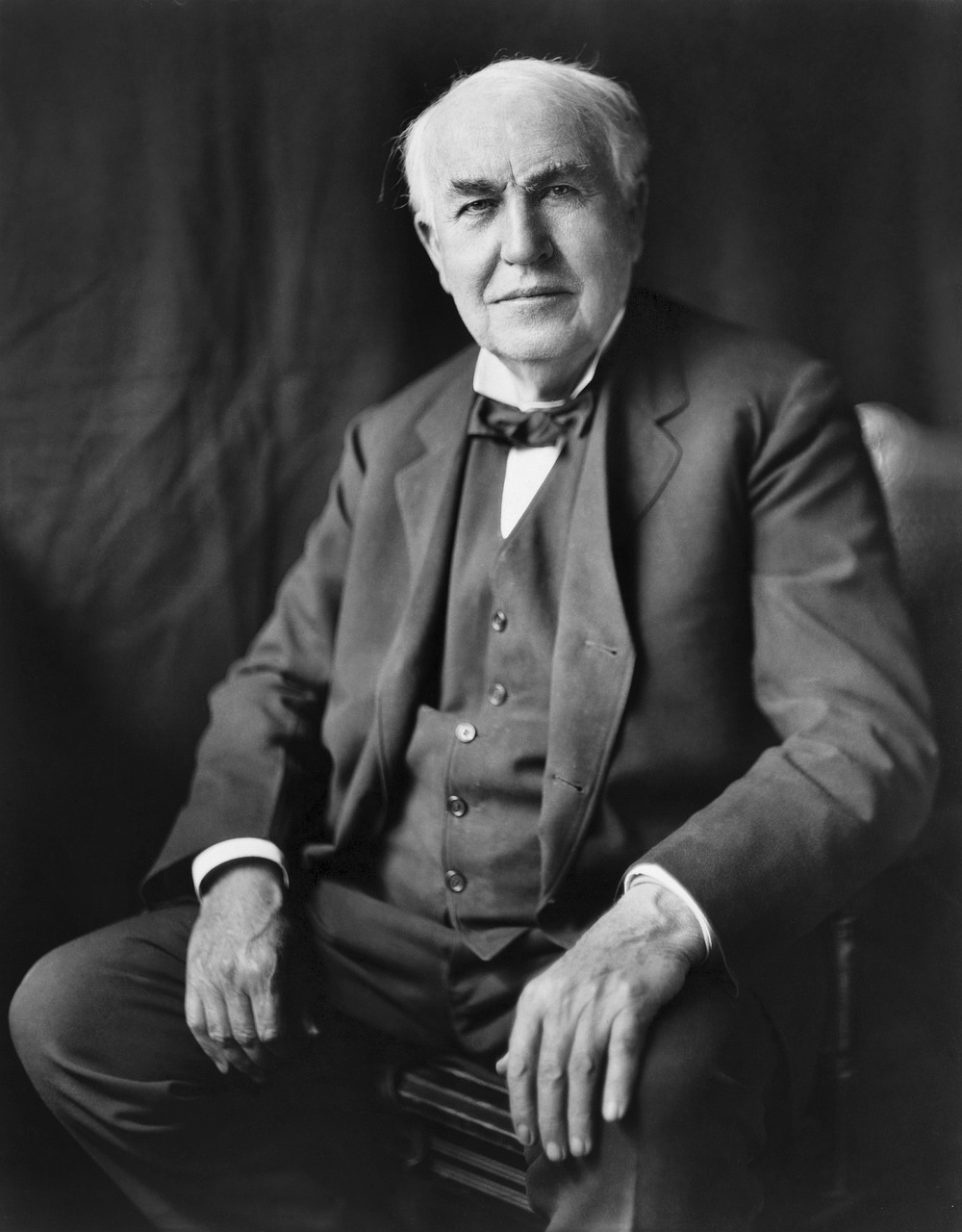
Thomas Edison is often credited as the singular genius who invented the lightbulb, but the truth is more nuanced. Edison led massive teams of researchers and engineers at his Menlo Park and West Orange laboratories, where inventions were often the product of collaboration. He famously competed—and sometimes clashed—with other inventors, including Nikola Tesla. Many of his patents built upon existing technology, and his success owed as much to his business acumen as to his inventive mind. Edison was a relentless self-promoter, making sure his name was attached to successful projects. Modern historians see him as a pioneering entrepreneur who harnessed teamwork and marketing as much as scientific insight. The lone genius myth doesn’t capture the full picture of Edison’s career.
Pocahontas
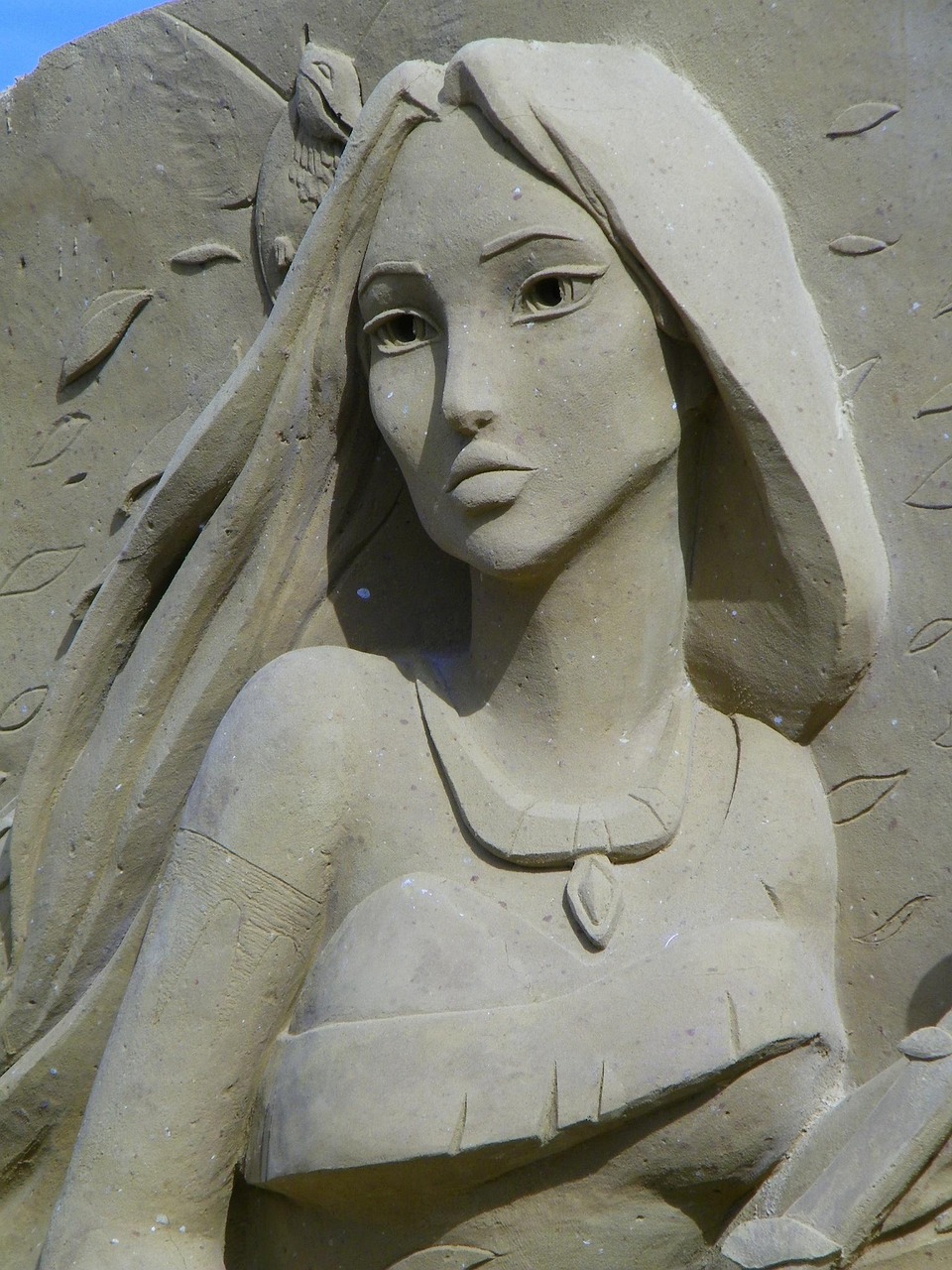
The romantic story of Pocahontas saving John Smith has been told and retold, but it’s mostly a myth. Pocahontas was a teenager when she first encountered English settlers in Virginia, and her relationship with Smith was likely not the love story depicted in movies. Recent scholarship suggests her famous “rescue” of Smith may have been part of a ritual rather than a dramatic act of love. Later, she was captured by the English, converted to Christianity, and brought to England as part of a colonial publicity campaign. Her marriage to John Rolfe was more about political alliance than romance. The real Pocahontas lived a short, complicated life marked by exploitation and tragedy, far from the fairy tale that endures today.
Isaac Newton
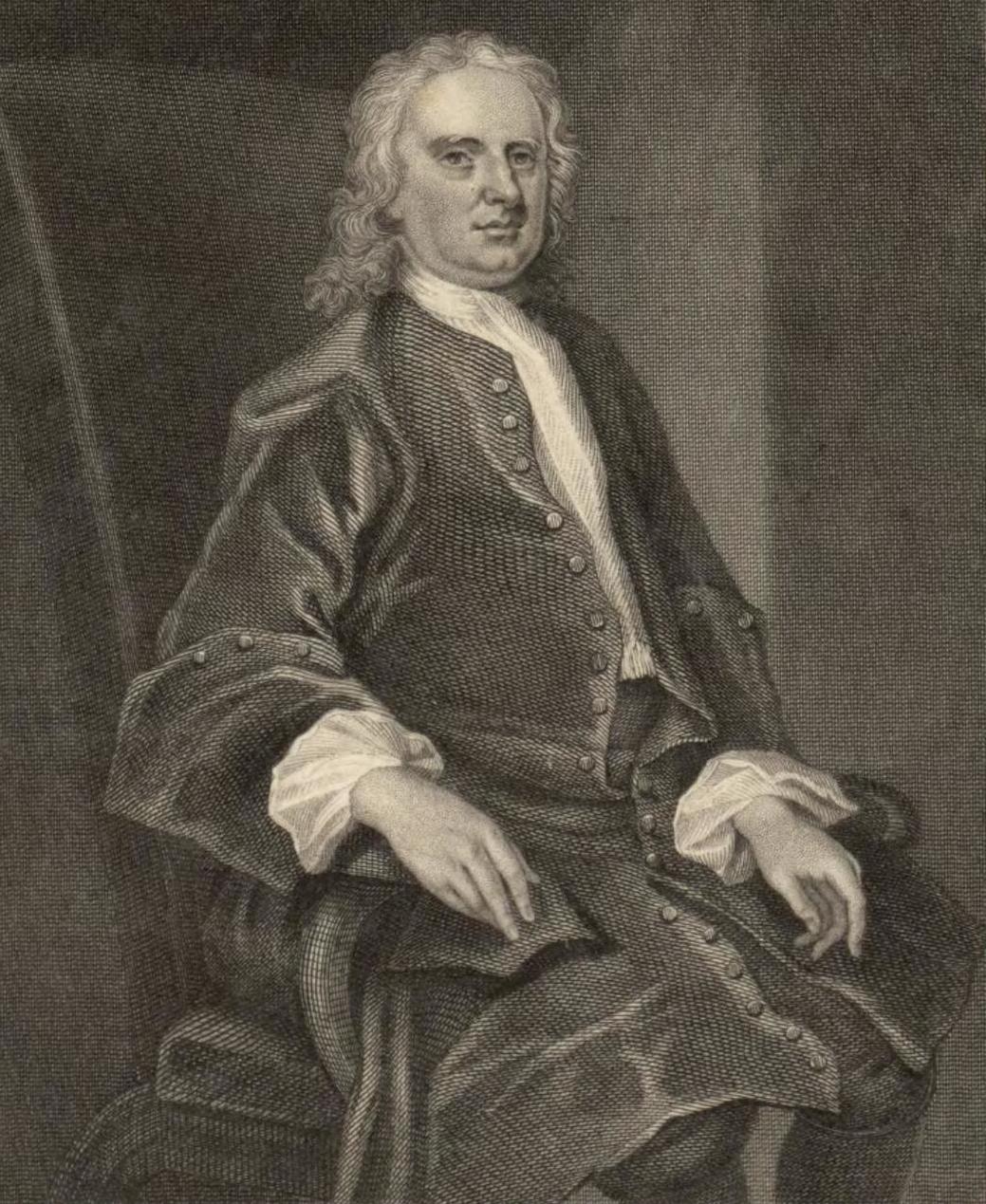
Isaac Newton is remembered as the scientific genius who “discovered gravity” after being hit by a falling apple, but his story is much stranger and richer. Newton was obsessed with alchemy, biblical prophecy, and the occult, spending as much time on these pursuits as on mathematics. He didn’t invent gravity; instead, he formulated the laws that describe its effects. The famous apple anecdote was likely exaggerated—Newton himself only mentioned that seeing apples fall inspired his thinking about gravity. His surviving notebooks and letters show a man driven by curiosity, superstition, and sometimes paranoia. Newton’s scientific achievements are undeniable, but his interests were far wider and weirder than most textbooks suggest.
Walt Disney
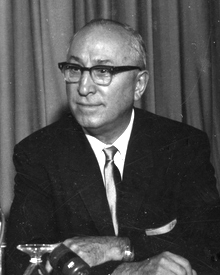
Walt Disney is often seen as the eternally cheerful creator of Mickey Mouse and Disneyland, but the reality is more complicated. Disney was a demanding boss, known for his perfectionism and intense control over his projects and employees. In his early years, he expressed problematic social and political views that have come under renewed scrutiny in recent years. While he built an empire of beloved characters and stories, he also clashed with labor unions and pushed his staff relentlessly. Disney’s visionary genius is real, but so are the challenges and controversies that surrounded him. The man behind the magic was both a dreamer and a tough-as-nails businessman.
Mother Teresa

Mother Teresa is revered as a saintly figure who devoted her life to helping the poor, but her legacy has become more controversial with time. While she founded the Missionaries of Charity and helped thousands, critics argue that her approach often emphasized the value of suffering over actual medical treatment. Investigations into her organization have found millions in donations with limited financial transparency and questions about the care provided in her facilities. Some former volunteers and journalists have reported unsanitary conditions and a lack of basic pain relief for patients. Despite her Nobel Peace Prize and global acclaim, the real story of Mother Teresa is marked by both compassion and significant criticism.