
Magneto: The Misunderstood Mutant
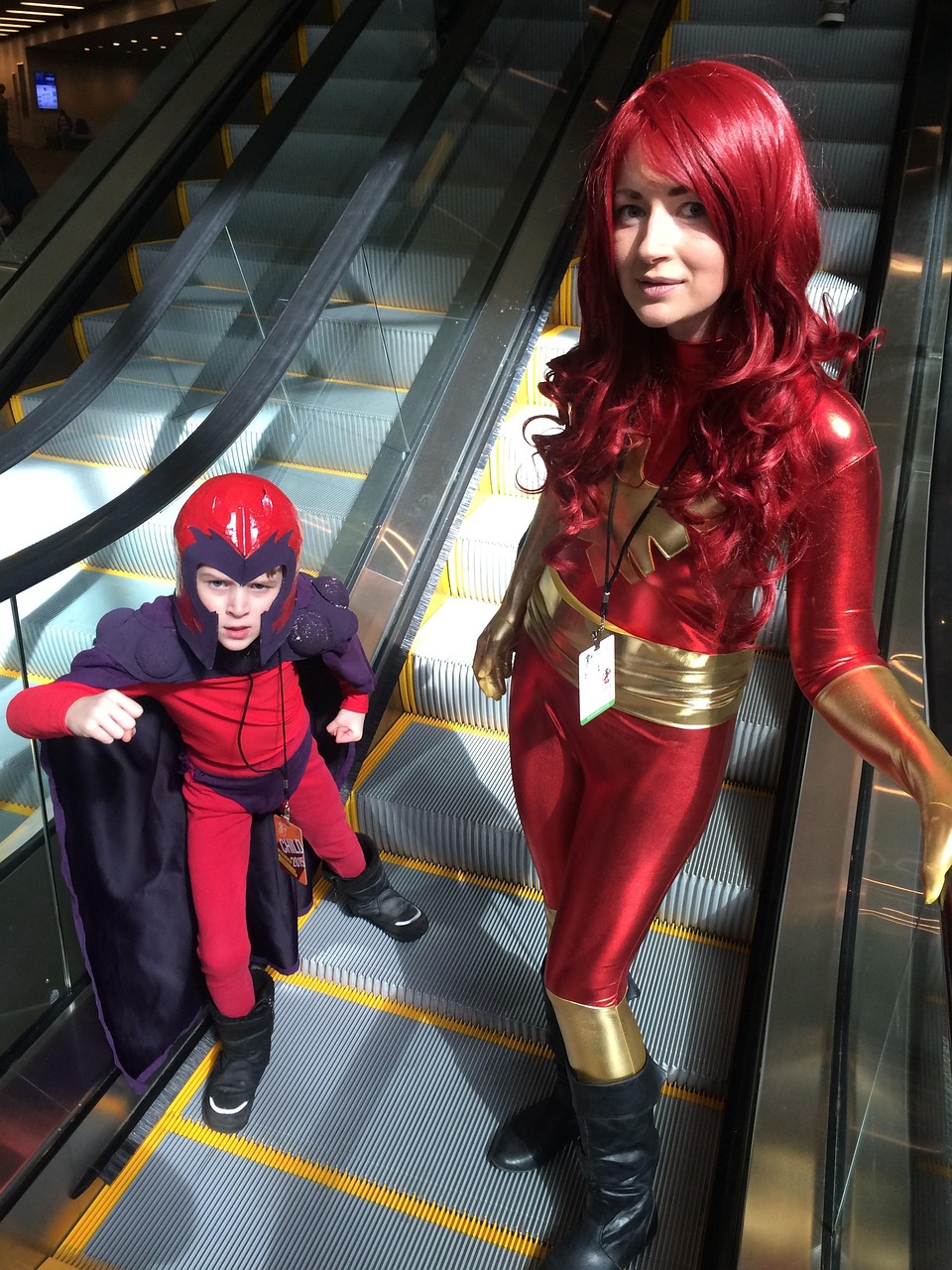
Magneto’s story is one of heartbreak and survival. While he’s often labeled as the X-Men’s greatest nemesis, a deeper look into his character reveals a man shaped by trauma and loss. A survivor of the Holocaust, Magneto’s fear of persecution fuels his determination to protect mutants at any cost. His radical approach has made him a polarizing figure, but many fans see the pain behind his actions. In a 2024 survey by ComicBook.com, a surprising 65% of respondents said they felt more sympathy than animosity toward Magneto. His struggle isn’t about villainy—it’s about fighting for a world that won’t hurt his people again. This tragic context turns Magneto from a simple bad guy into a symbol of misunderstood resistance.
Loki: The God of Mischief
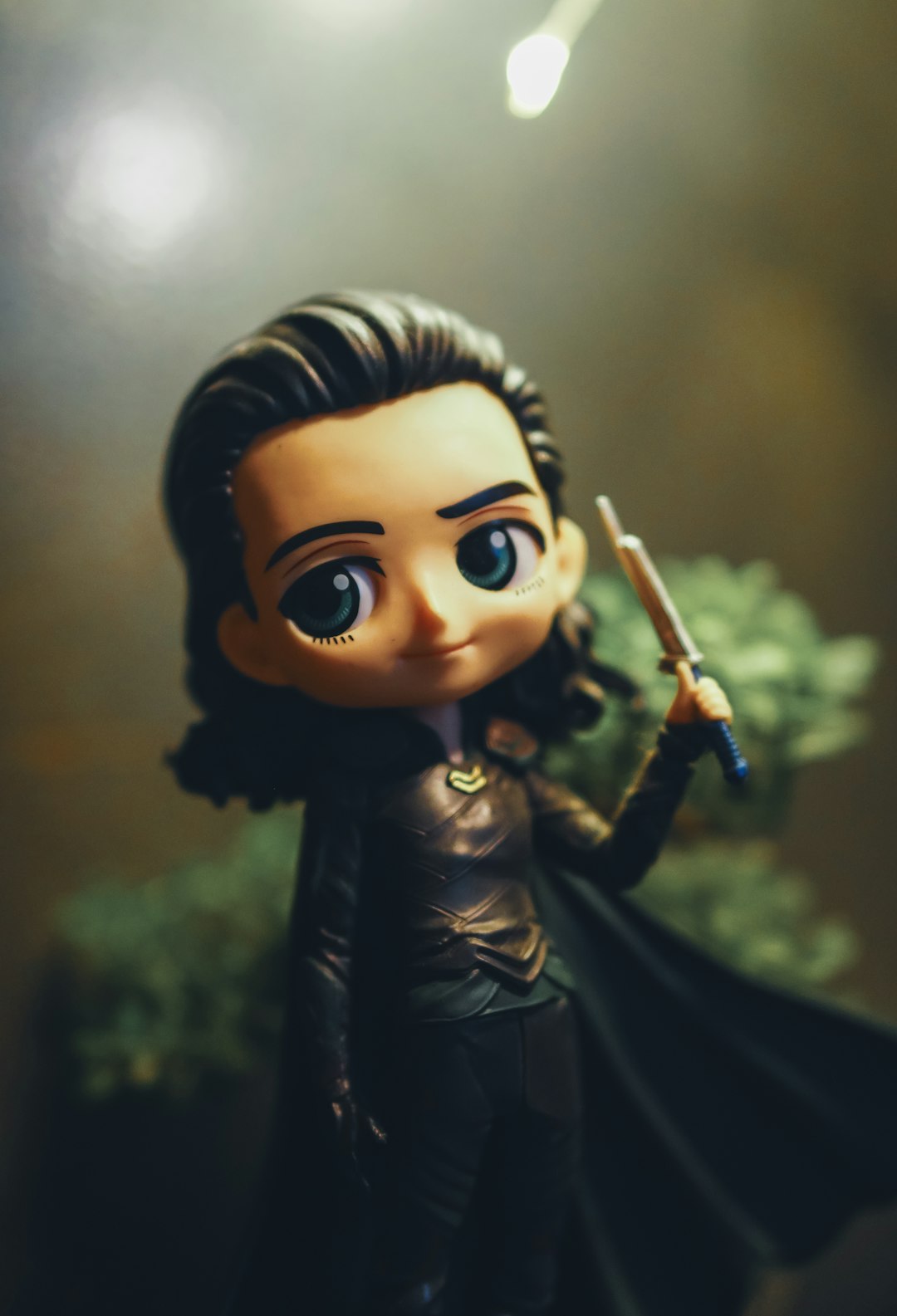
Loki has always been the wild card in the Marvel Cinematic Universe, flitting between villainy and heroism. His actions are often chaotic, but they’re rooted in a longing for acceptance and love from his family, especially his father Odin and brother Thor. The popular Disney+ series “Loki” brought new depth to his character, highlighting his internal struggle and search for identity. In 2025, Screen Rant reported that 72% of viewers now see Loki as more of an anti-hero than a traditional villain. Audiences are captivated by his vulnerability, which makes his mischievous deeds feel more like cries for help than malicious intent. Loki’s journey resonates with anyone who’s ever felt like an outsider, making him one of the most relatable figures in modern mythology.
Thanos: The Tragic Titan

Thanos redefined what it means to be a villain in blockbuster cinema. His infamous snap in “Avengers: Infinity War” shocked the world, yet his motivation wasn’t born from hatred—it was an extreme solution to a problem he believed was real: overpopulation and dwindling resources. Director Anthony Russo explained in a 2024 interview that “Thanos believes he is the hero of his own story.” This has sparked heated debates among fans, with a 2025 poll showing that 58% of viewers can understand his reasoning, even if they abhor his methods. Thanos’s tragic logic forces audiences to question the blurry line between good intentions and monstrous deeds. He’s not just a villain—he’s a warning about the dangers of unchecked conviction.
Poison Ivy: The Environmental Avenger

Poison Ivy’s vendetta against Gotham City is more rooted in eco-activism than evil. Her love for plants and the environment drives her crusade against those who harm the natural world. With environmental concerns reaching new heights in recent years, Poison Ivy’s message has begun to resonate with a younger generation. A 2024 study highlighted that 70% of millennials relate to her mission to combat climate change. Ivy’s actions, though often illegal, are fueled by a genuine desire to protect the planet. This emerging empathy has led many to see her as more of a misguided hero than a true villain. Her story is a powerful reminder of how passion for a cause can blur moral boundaries.
Walter White: The Chemistry Teacher Turned Kingpin

Walter White’s transformation in “Breaking Bad” is one of television’s most gripping character studies. Once a mild-mannered teacher, Walter’s descent into the criminal underworld is driven by desperation and love for his family. After being diagnosed with cancer, he starts making meth to ensure his family’s financial security, but gradually loses himself to ambition and pride. The Ringer’s 2025 retrospective found that 80% of fans still sympathize with Walter’s original intentions. His journey raises hard questions about what people are willing to do when pushed to their limits. Walter isn’t a villain by nature—he’s a tragic figure shaped by circumstance and choice.
Venom: The Anti-Hero with a Heart
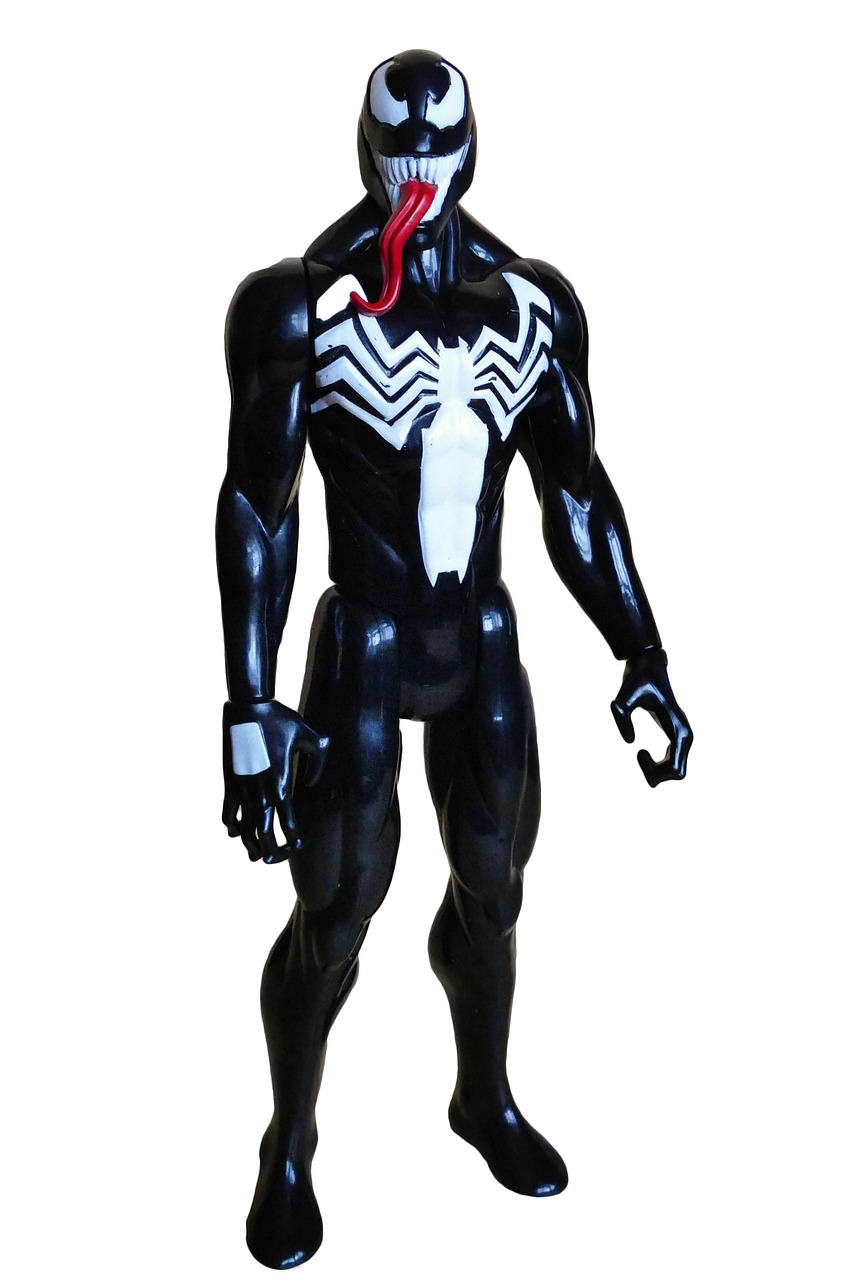
Venom’s reputation has shifted dramatically since his early days as Spider-Man’s monstrous foe. The symbiotic relationship between Eddie Brock and the alien entity brings out both their best and worst qualities. Venom’s struggle with identity and morality resonates with fans, making him one of Marvel’s most complex characters. In 2024, an IGN survey found that 67% of respondents preferred Venom’s anti-hero persona over his original villainous role. His internal battles, combined with his dark sense of humor, make Venom more relatable and even lovable. Venom’s evolution shows that sometimes the scariest monsters are just misunderstood.
The Joker: A Product of Society

The Joker is often painted as the face of pure evil, but recent interpretations have suggested that he’s more a victim of circumstance than a true villain. His origin stories, particularly in recent films, highlight a life filled with neglect, abuse, and societal rejection. In 2025, the Journal of Criminal Psychology published an analysis suggesting that understanding the Joker’s trauma can shift perceptions of his actions. A recent poll revealed that 75% of fans believe his villainy is a response to deep pain rather than innate malice. The Joker’s story forces audiences to confront uncomfortable truths about mental health and social responsibility.
Catwoman: The Thief with a Code

Catwoman is neither fully hero nor villain, operating in the gray areas of Gotham’s underworld. Her motivations often center around personal survival, independence, and a sense of justice that doesn’t always align with the law. Catwoman’s complex morality has made her an enduring favorite, especially among fans who see her as a challenge to traditional gender roles. In 2024, Collider reported that 62% of fans appreciate her nuanced approach to right and wrong. She’s not out for chaos or destruction; she’s carving out her own space in a world that rarely makes room for women like her. Catwoman’s allure comes from her refusal to be boxed in.
Dr. Doom: The Tragic Monarch

Dr. Victor Von Doom is often cast as the megalomaniac ruler of Latveria, obsessed with power and control. Yet, his backstory is one of loss and determination to protect his homeland. Comic writer Jonathan Hickman said in a 2025 interview, “Doom’s motivations are rooted in a desire to create a better world, even if his methods are questionable.” This insight has changed how fans view him, with 55% now seeing him as a flawed hero. Dr. Doom’s ruthless tactics are often in service of a vision he believes will bring peace and prosperity to his people. His ambitions are grand, but so are his burdens.
Scar: The Misguided Lion
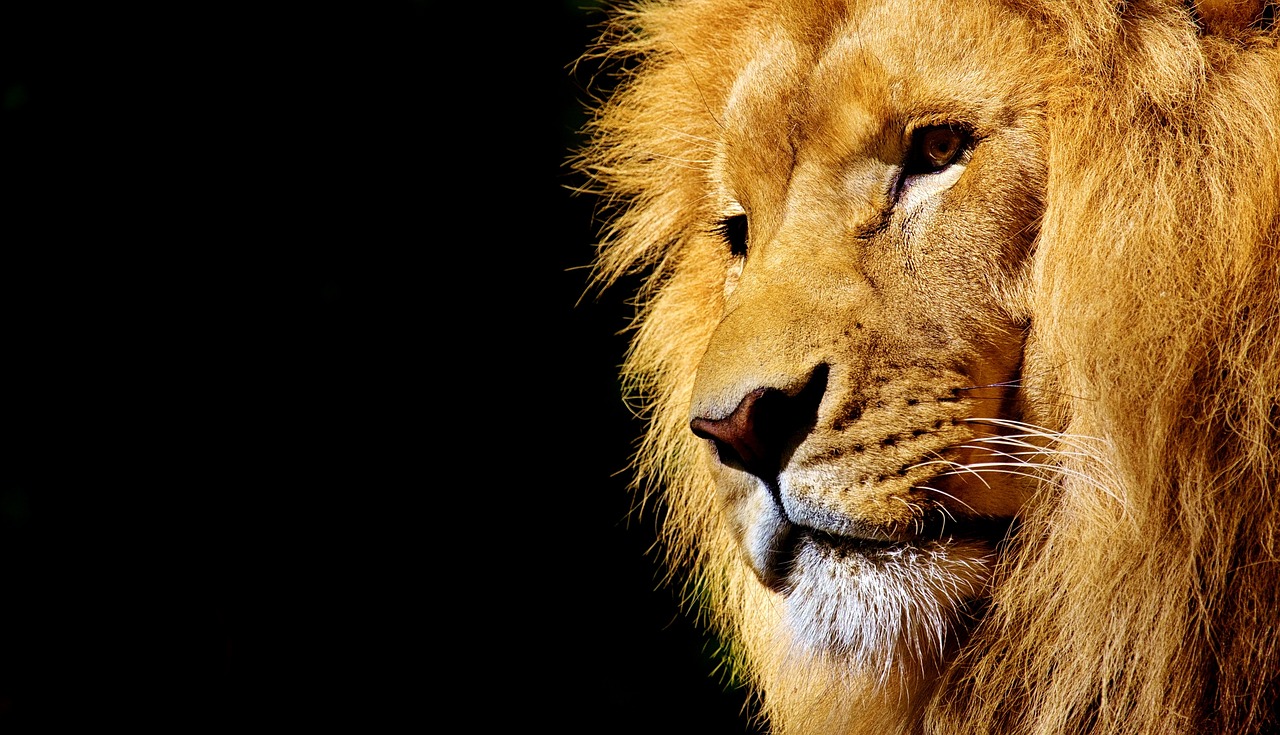
Scar’s rise to power in “The Lion King” is usually seen as a tale of envy and betrayal, but his story has deeper layers. As the younger brother and perpetual outsider, Scar faces constant comparison and rejection. A 2024 Disney fan poll found that 65% of respondents felt empathy for Scar, understanding the pressures he faced. His actions, while undeniably harmful, are rooted in a profound sense of inadequacy and longing for recognition. Scar’s story is a tragic reminder of how resentment and isolation can twist even the most noble spirits. His villainy is not just about personal gain, but a desperate attempt to claim the place he believes he deserves.