
Always Multitasking
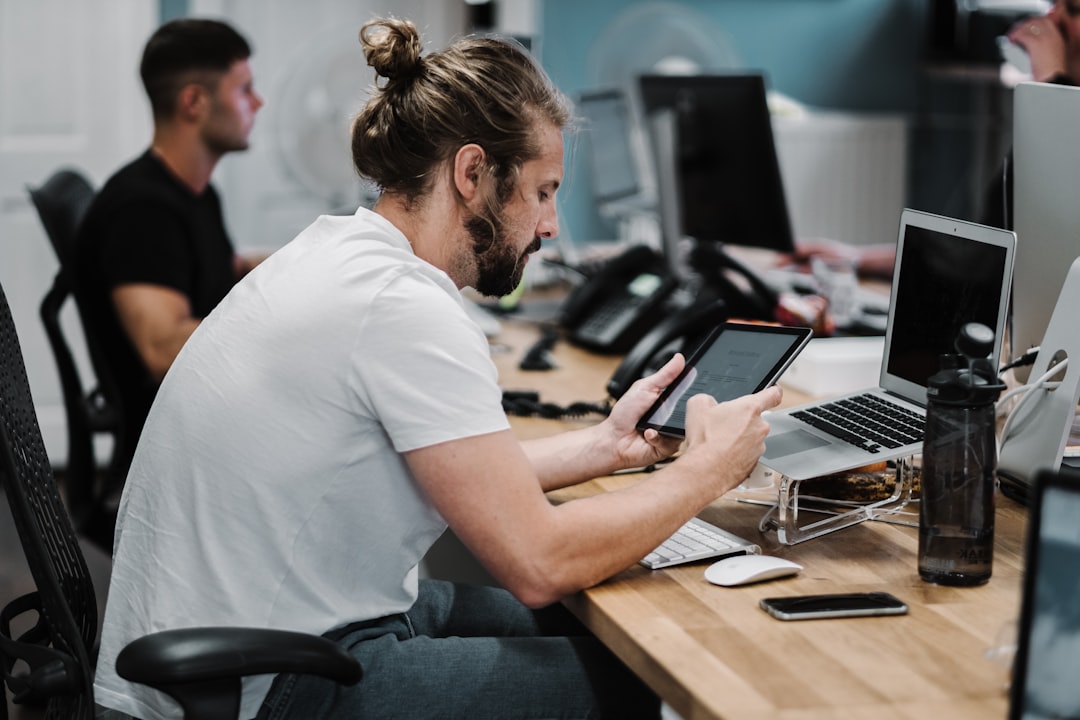
Multitasking sounds like a superhero skill, but research shows it’s more like a hidden villain. A Stanford study found that multitaskers are actually less productive and more easily distracted than those who focus on one task at a time. When we try to juggle emails, phone calls, and projects all at once, our brains switch gears constantly, leading to more mistakes and slower progress. Instead of getting more done, you might feel frazzled and forgetful. Many people think they’re being efficient, but in reality, they’re only spreading themselves too thin. Picture your brain like a computer with too many tabs open—eventually, it crashes. Multitasking can also lead to increased stress and a drop in creativity.
Waking Up Extra Early

The “rise and grind” mentality is everywhere, with countless articles urging us to wake up at 5 a.m. for maximum productivity. But not everyone is wired the same way. A study in the journal Sleep found that forcing yourself to wake up too early when you’re naturally a night owl can mess with your mental health and cognitive function. If you’re constantly tired, you’re more likely to make mistakes, forget things, or feel irritable. Productivity isn’t just about hours awake—it’s about working when you’re naturally alert. For some, early mornings feel like running through mud. So, early rising is not a one-size-fits-all solution and can leave you less productive than sticking to your natural rhythm.
Zero-Email Policies
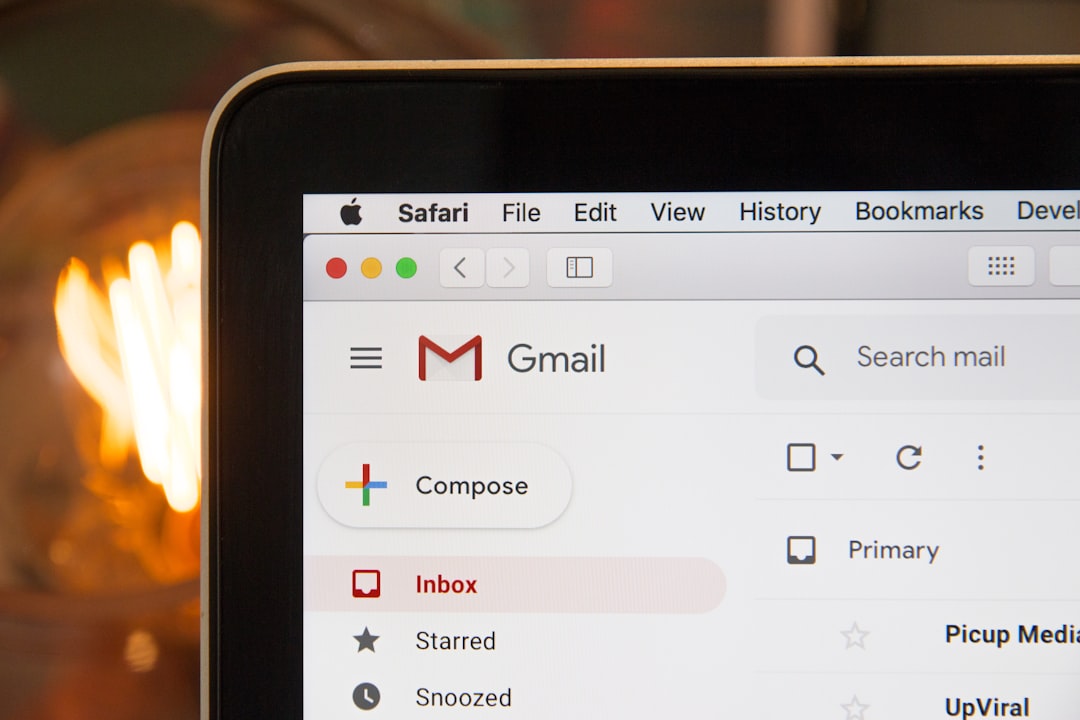
Some companies try to boost focus by banning internal emails or limiting email use. While the intention is to cut down on distractions, a Harvard Business Review study showed that these policies can actually slow down communication and cause confusion. Employees end up spending more time finding other ways to share information, like endless meetings or chat messages. Important details get lost, and people feel disconnected. Instead of freeing up time, it creates bottlenecks. Real productivity comes from effective communication, not just fewer emails. The backlash? Frustration and wasted hours trying to stay in the loop.
Strict To-Do Lists

To-do lists are supposed to keep us organized, but ultra-rigid lists can backfire. According to a 2024 study by the American Psychological Association, overloading your list can lead to anxiety and procrastination. When you see a mountain of tasks, it’s easy to feel overwhelmed and avoid starting anything at all. People often focus on checking off the easy items for a dopamine hit, ignoring the real priorities. This creates a false sense of accomplishment. The pressure to finish every single item can make you feel defeated if you fall short, making to-do lists more stressful than helpful.
Scheduling Every Minute

Time-blocking and detailed calendars are popular productivity tricks, but scheduling every minute can be counterproductive. Research from Microsoft in 2023 found that workers with rigid schedules experienced more burnout and less creativity. Life is unpredictable—meetings run over, emergencies pop up, and sometimes you just need a break. Over-planning leaves no room for flexibility or spontaneous problem-solving. When your day doesn’t go exactly as planned, it’s easy to feel like a failure. A little breathing room can actually make you more productive in the long run by reducing stress and allowing for unexpected opportunities.
Always Saying “Yes”
Many productivity guides encourage saying “yes” to new opportunities, but always being agreeable can backfire. A 2024 Gallup poll found that employees who rarely say “no” are at higher risk for burnout. Taking on too many projects dilutes your attention and energy. Instead of excelling at a few tasks, you end up doing a mediocre job on many. It’s important to set boundaries and prioritize what matters most. Saying “no” can be empowering and actually lead to higher performance and satisfaction. Being a people-pleaser in the workplace is often mistaken for being productive, but it can seriously backfire.
Working Through Lunch

Skipping breaks to power through your workload might seem like dedication, but studies show it’s a mistake. The University of Illinois found that taking short breaks increases focus and productivity. When you work nonstop, your brain gets tired, and your performance drops. Lunch breaks are not just for eating—they’re vital for mental refreshment. Many workers who skip lunch end up feeling sluggish and less creative in the afternoon. Taking time away from your desk helps you return with fresh eyes and new energy. Neglecting breaks is like driving a car without stopping for gas—you’ll burn out sooner or later.
Relying on Productivity Apps

There’s an app for everything, but relying too heavily on productivity apps can be a trap. A 2023 Pew Research Center report revealed that people who use multiple productivity apps often spend more time managing their tools than actually working. Constant notifications, updates, and syncing issues can create more stress than they solve. Instead of streamlining your workflow, you might get caught in a loop of tweaking settings and troubleshooting problems. It’s easy to get distracted by the bells and whistles and forget the real work at hand. Sometimes, pen and paper or a simple system works best.
Setting Unrealistic Goals
Ambitious goals can be motivating, but setting the bar too high is risky. According to research published in Psychological Science, people who set unrealistic goals are more likely to give up entirely. When progress feels impossible, motivation drops, and self-doubt creeps in. Instead of being inspired, you might feel like you’re constantly failing. It’s important to break big goals into smaller, achievable steps. Aiming too high can lead to disappointment and a sense of failure, which hurts long-term productivity. Small wins, on the other hand, build momentum and keep you moving forward.
Constantly Checking Notifications

Staying connected is a modern necessity, but constant notifications are productivity killers. A 2024 study by RescueTime found that the average worker checks their phone or computer for messages every six minutes. Every interruption pulls you out of deep work and makes it harder to refocus. The result? Tasks take longer, mistakes increase, and stress levels rise. Notifications are like tiny speed bumps scattered throughout your day—they may seem harmless, but they slow you down over time. Turning off non-essential alerts can make a huge difference in your ability to concentrate and get things done.
End.