

Penicillin: The Mold That Saved Millions
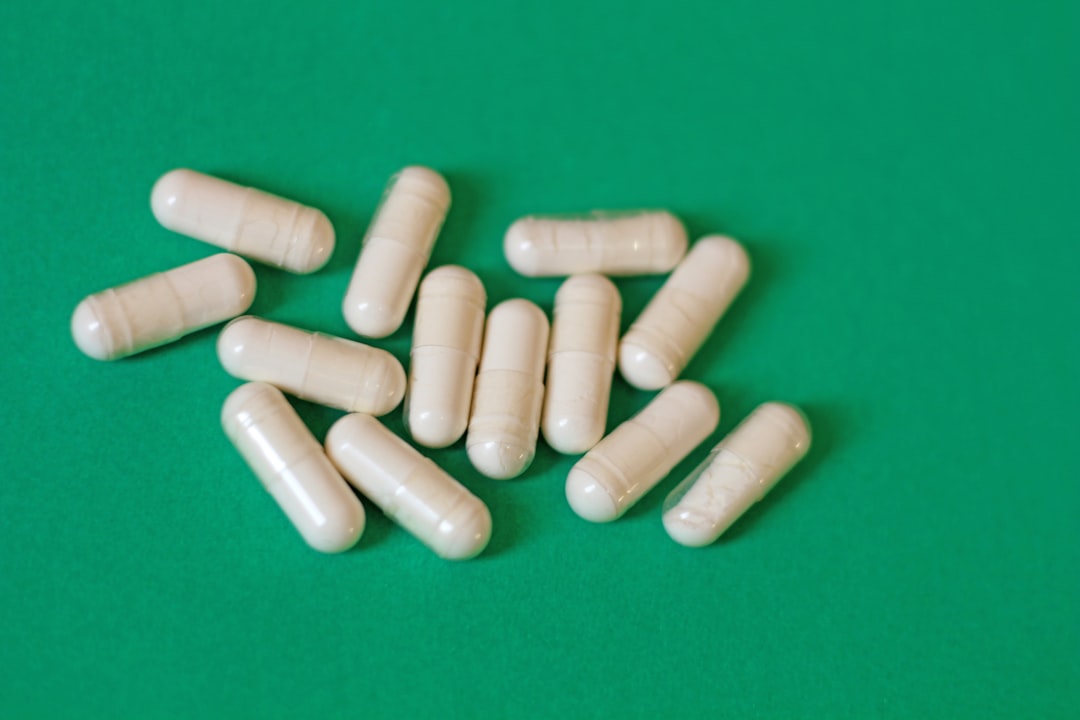
It’s hard to imagine a world without antibiotics, but their discovery was nothing short of a lucky accident. In 1928, Alexander Fleming left a petri dish of Staphylococcus bacteria uncovered in his messy lab. When he returned, he noticed a mold—later identified as Penicillium notatum—had killed the bacteria around it. Fleming’s initial curiosity sparked years of research, leading to penicillin’s mass production in the 1940s. Today, penicillin has saved countless lives, slashing death rates from bacterial infections worldwide. According to the CDC, antibiotics like penicillin have increased life expectancy by over 23 years since their introduction. What started as an untidy oversight became one of humanity’s greatest medical breakthroughs.
Microwave Oven: A Melting Candy Bar Moment
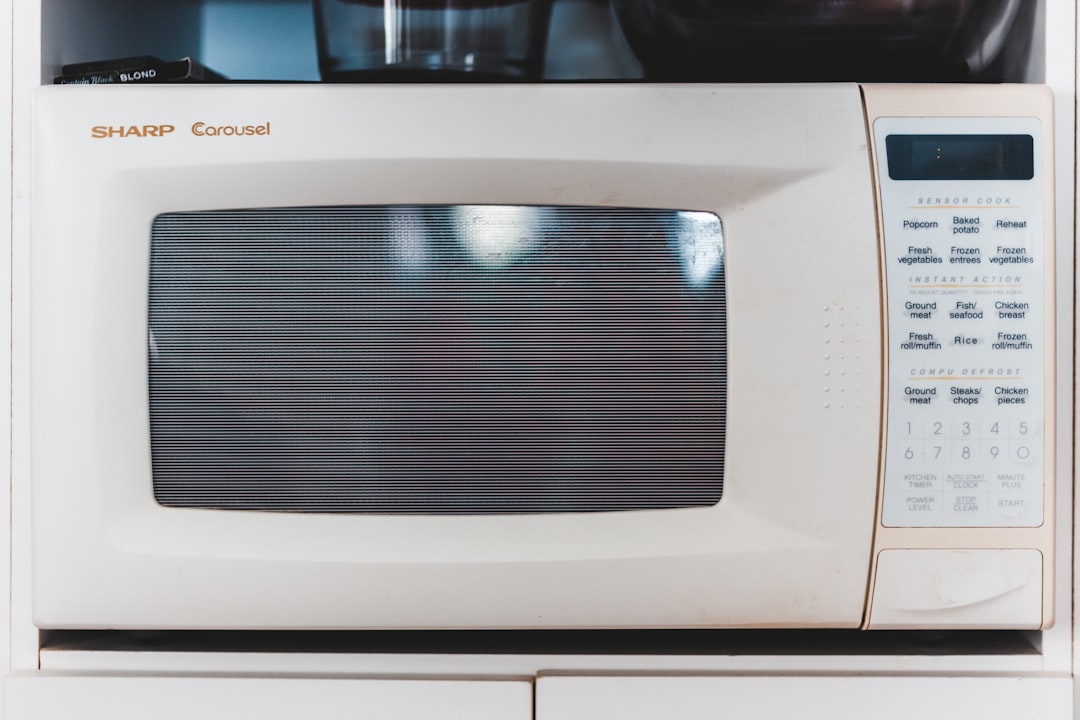
The microwave oven owes its existence to a melted chocolate bar in Percy Spencer’s pocket. In 1945, while working on radar technology at Raytheon, Spencer noticed the bar had liquefied near a magnetron tube. His curiosity led him to experiment with popcorn and eggs—both cooked quickly by microwaves. Raytheon commercialized the first microwave oven in 1947, and by the 1970s, these devices were a staple in American kitchens. According to the U.S. Bureau of Labor Statistics, 90% of U.S. households now have a microwave. This accidental invention changed how families cook, reheat, and even think about food.
Post-it Notes: Sticky Glue That Wouldn’t Stick

In 1968, Spencer Silver, a scientist at 3M, was trying to create a super-strong adhesive. Instead, he made a glue that barely stuck at all. For years, his weak adhesive seemed useless—until colleague Art Fry used it to anchor bookmarks in his church hymnal. This “failed” glue became Post-it Notes, which launched in 1980. Today, more than 50 billion Post-it Notes are sold each year. Their pastel colors and handy size have made them a symbol of office life, creativity, and brainstorming sessions worldwide.
X-rays: A Glowing, Mysterious Discovery
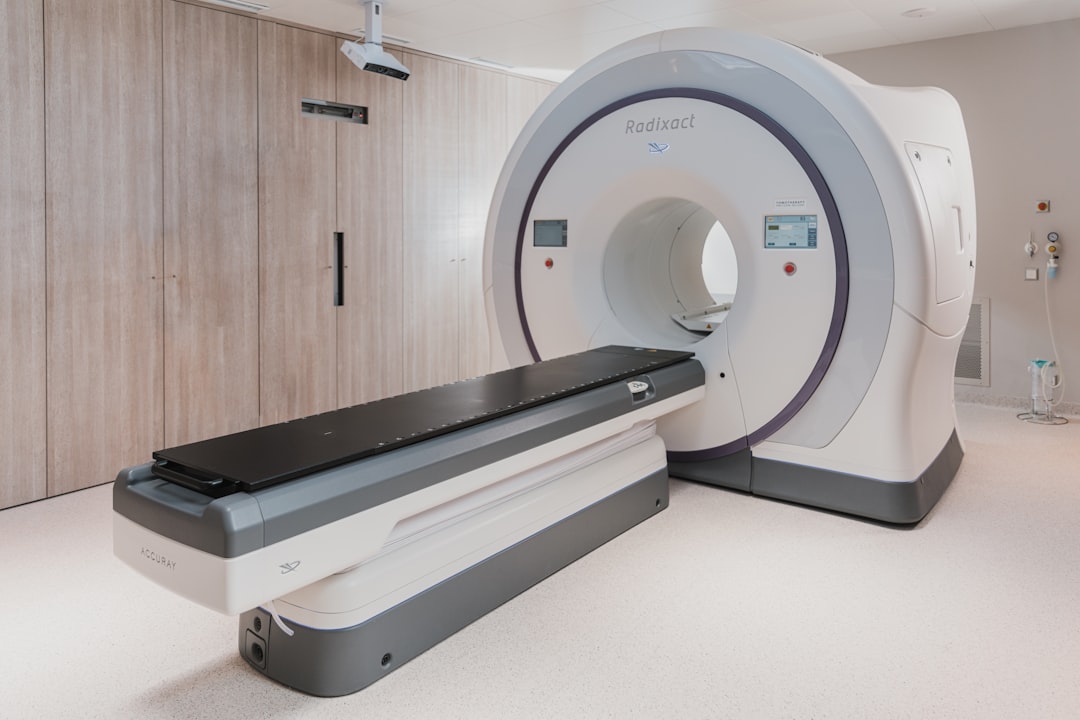
In 1895, Wilhelm Conrad Roentgen was experimenting with cathode rays when he noticed a fluorescent glow from a nearby screen. He soon realized invisible rays—later called X-rays—were passing through solid objects. Roentgen’s discovery stunned the world and revolutionized medicine. By 1896, X-rays were already being used to locate broken bones and bullets in patients. Today, over 3.6 billion X-ray procedures are carried out annually, according to the World Health Organization, making this accidental finding a cornerstone of modern diagnostics.
Popsicles: A Child’s Icy Experiment

Popsicles were invented by 11-year-old Frank Epperson in 1905. He left a cup of powdered soda, water, and a stirring stick outside on a cold night. The next morning, he found a frozen treat on a stick—what he later named the “Epsicle.” Epperson began selling his frozen treats at amusement parks and patented the idea in 1923. Today, the global frozen desserts market—driven in part by popsicles—is worth over $80 billion. A child’s simple mistake on a chilly night became a summertime staple for generations.
Super Glue: An Unwanted Sticky Mess
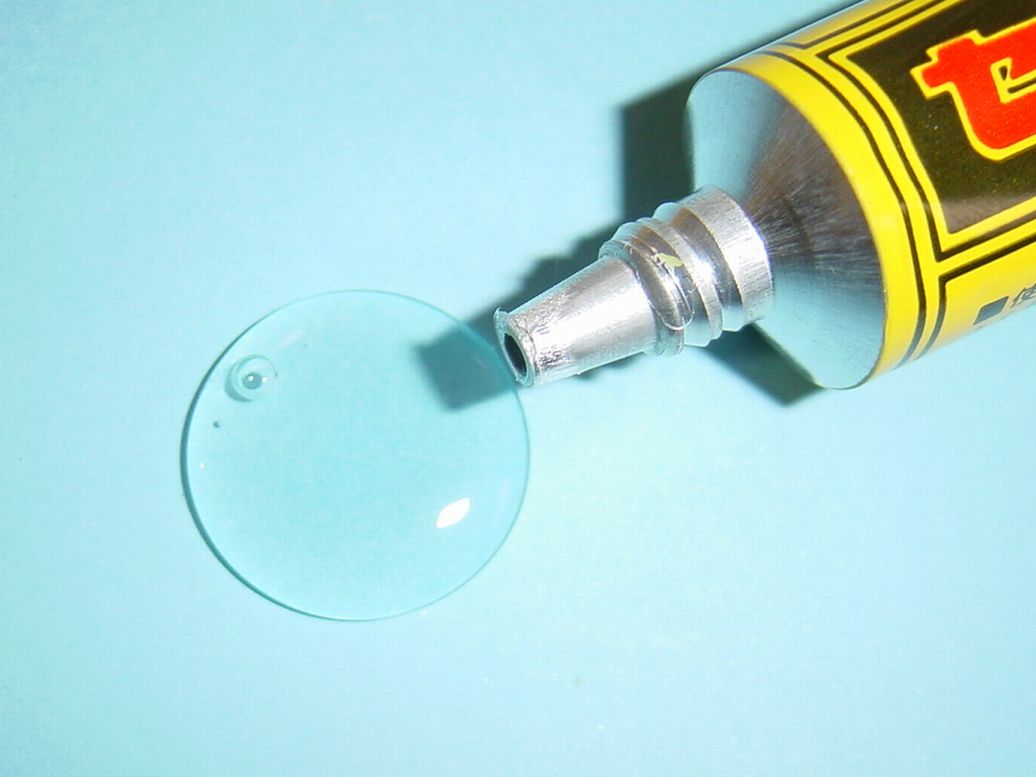
In 1942, Dr. Harry Coover was searching for materials to make clear plastic gun sights for World War II. Instead, he accidentally created a substance that stuck to everything—annoyingly so. Years later, Coover realized its commercial potential, and super glue was born. Introduced in 1958, it quickly found use in everything from household repairs to emergency medical care. According to Statista, over $1.2 billion worth of adhesives—including super glue—are sold annually in the U.S. alone, proving that a sticky blunder can become a must-have product.
Pacemaker: A Malfunction That Changed Hearts
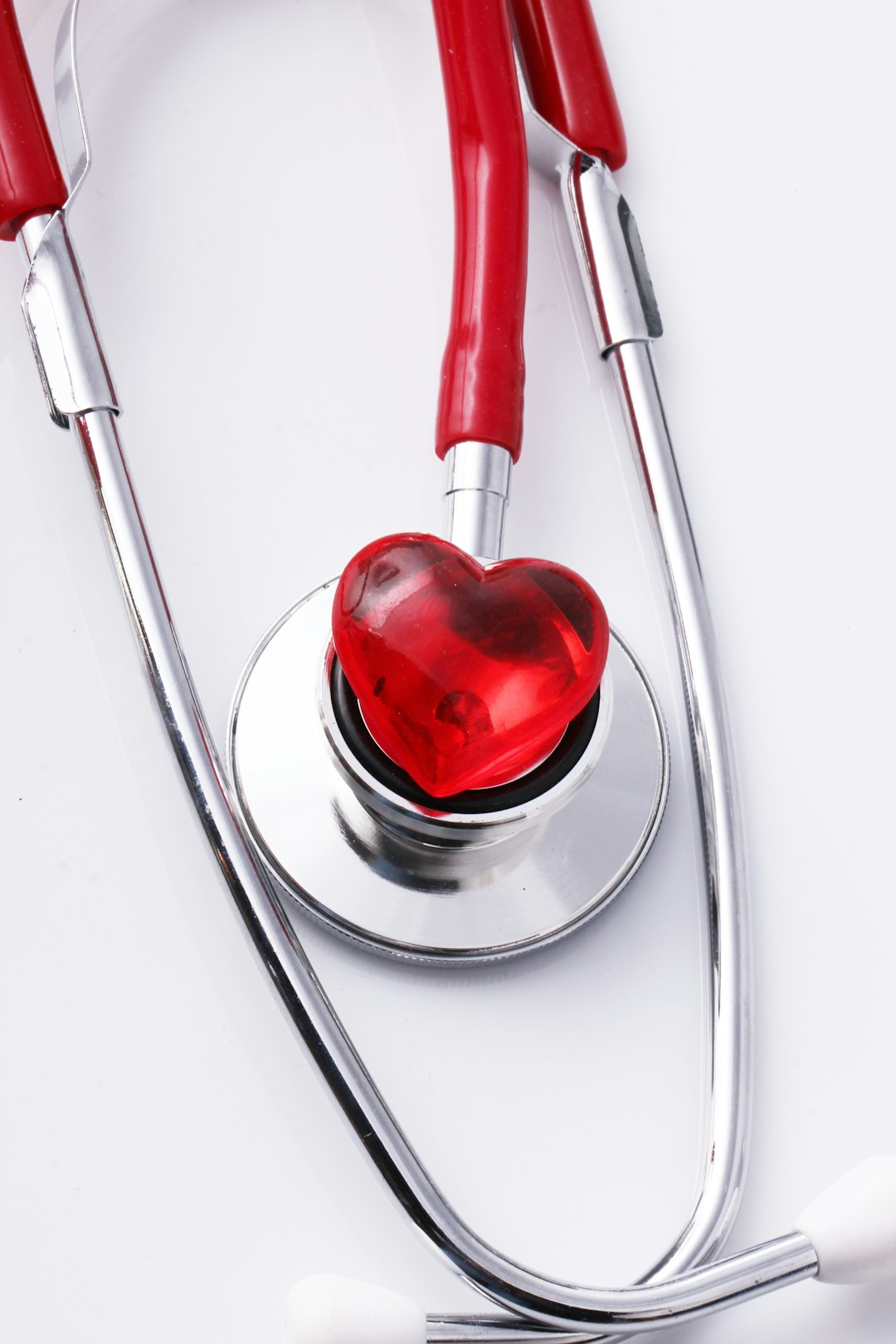
Engineer Wilson Greatbatch was building a device to record heartbeats in 1956 when he inserted the wrong resistor into his circuit. The gadget produced a rhythmic pulse—just like a heartbeat. Greatbatch realized his error could be a breakthrough. In 1960, the first implantable pacemaker was used in a human patient. Today, more than 3 million people worldwide rely on pacemakers to keep their hearts beating. According to the American Heart Association, pacemakers have drastically improved survival and quality of life for cardiac patients.
Safety Glass: A Dropped Flask Saves Lives
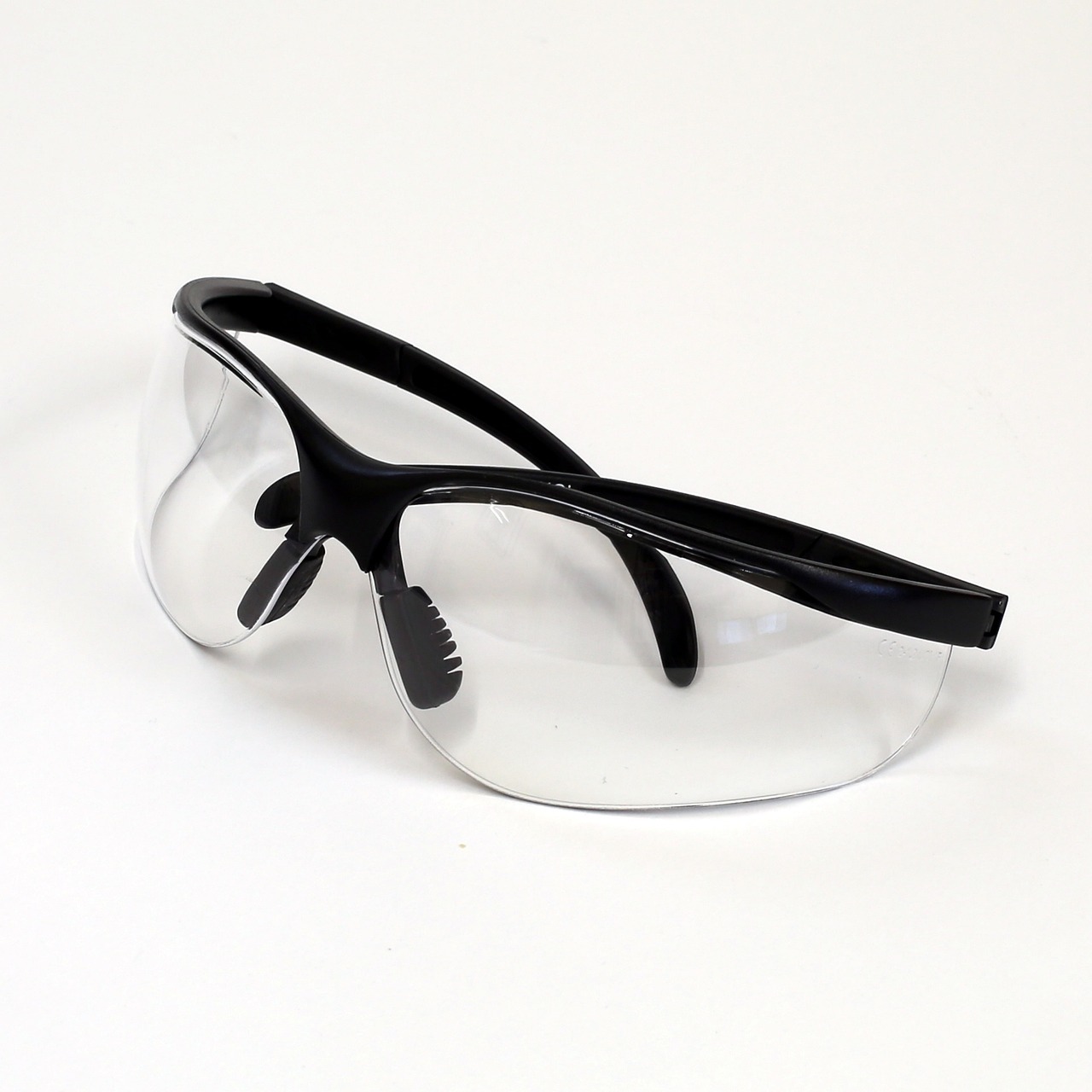
In 1903, French chemist Édouard Bénédictus accidentally dropped a glass flask coated with plastic cellulose nitrate. The flask shattered but didn’t break apart. Inspired, Bénédictus developed safety glass, which is now used in car windshields, building windows, and even smartphones. The National Highway Traffic Safety Administration credits safety glass with saving thousands of lives each year in car accidents. What seemed like a simple lab accident led to a revolution in public safety.
Vulcanized Rubber: A Pot of Burning Sulfur

Charles Goodyear was obsessed with making rubber useful. In 1839, he accidentally dropped a mixture of rubber and sulfur onto a hot stove. The result was vulcanized rubber—strong, elastic, and weather-resistant. This process became the backbone of the tire industry and countless other products. Today, the global rubber market is valued at over $45 billion, with tires alone accounting for a massive share. Goodyear’s fiery mistake paved the way for modern transportation and countless innovations.
Artificial Sweeteners: Unwashed Hands and a Sweet Surprise
In 1879, chemist Constantin Fahlberg forgot to wash his hands after working with coal tar derivatives. While eating dinner, he noticed a sweet taste on his bread. Fahlberg had discovered saccharin, the world’s first artificial sweetener. Since then, artificial sweeteners have become key ingredients in diet sodas, sugar-free snacks, and more. The global artificial sweetener market is now worth over $7 billion, as reported by industry research firms. A forgotten handwashing routine gave millions a way to enjoy sweet flavors without sugar.