

Fanny Mendelssohn Hensel: The Forgotten Genius
Fanny Mendelssohn Hensel was a powerhouse of musical talent in 19th-century Germany, writing over 460 pieces in her lifetime. Yet for many years, her works were published under her brother Felix Mendelssohn’s name due to the social norms of her time. Recent research and performances have revealed how her nuanced piano pieces and choral works were ahead of their time, blending romantic lyricism with bold structures. Today, more orchestras and ensembles are programming her works, and her music is finally being recognized in major festivals. In 2024, several new recordings of her Lieder and piano cycles reached global streaming platforms, sparking renewed interest. Her story exposes the challenges women faced in classical music, but also the enduring power of their creativity. Fanny’s resurgence is inspiring young musicians and composers around the world.
Clara Schumann: The Virtuoso and Visionary
Clara Schumann wasn’t just a composer—she was also one of the 19th century’s most celebrated concert pianists, performing across Europe. Her music combined technical brilliance with deep emotional expression, especially in her piano and chamber works. She published her first piano concerto at just 16, and her compositions have recently been rediscovered by major orchestras in Europe and the U.S. Clara was also instrumental in promoting the works of her husband, Robert Schumann, as well as Johannes Brahms. Recent statistics show that performances of her music in major concert halls have doubled since 2020, reflecting a worldwide movement to give her music its due respect. Clara’s legacy can be felt in the way she broke barriers for women in music and balanced her creative and family life under immense pressure.
Florence Price: Breaking Barriers in America
Florence Price made history in 1933 as the first African-American woman to have her symphony performed by a major orchestra, the Chicago Symphony Orchestra. Her music draws on African-American spirituals, folk tunes, and classical traditions, creating a unique and powerful voice. In the past five years, over 50 new performances and recordings of her symphonies and chamber music have been released, according to concert program archives and major streaming data. Florence Price’s compositions are now featured in educational curriculums and music festivals, with her Symphony No. 1 in E minor standing as a testament to her trailblazing legacy. Her success opened doors for generations of Black composers and musicians, showing that talent cannot be confined by race or gender.
Hildegard von Bingen: The Medieval Visionary

Hildegard von Bingen was a 12th-century abbess, mystic, and composer whose music is still performed today. Her compositions were revolutionary for their time, marked by soaring melodies and vivid texts inspired by her spiritual visions. Modern musicologists have cataloged more than 70 of her surviving works, making her one of the most prolific composers of the Middle Ages. Recent research highlights how her music influenced the development of early Western polyphony. In 2023, several new recordings and documentaries celebrated the 925th anniversary of her birth, bringing her music to new audiences. Hildegard’s artistry and bold intellect continue to inspire composers, spiritual seekers, and historians alike.
Lili Boulanger: A Star Lost Too Soon
Lili Boulanger burst onto the Paris music scene in the early 20th century, becoming the first woman to win the prestigious Prix de Rome composition prize in 1913. She composed orchestral, choral, and chamber music that’s acclaimed for its expressive harmonies and innovative textures. Lili’s brief life—she died at just 24—didn’t stop her from leaving a powerful mark. Her Psalm 130 “Du fond de l’abîme” and Vieille prière bouddhique are often cited as masterworks of early modernism. In recent years, her scores have seen a dramatic increase in publication and performance, with music institutions finally acknowledging her genius. The 2024 Paris Spring Festival featured a full evening dedicated to her work, underscoring her lasting influence on French music.
Germaine Tailleferre: The Only Woman of Les Six
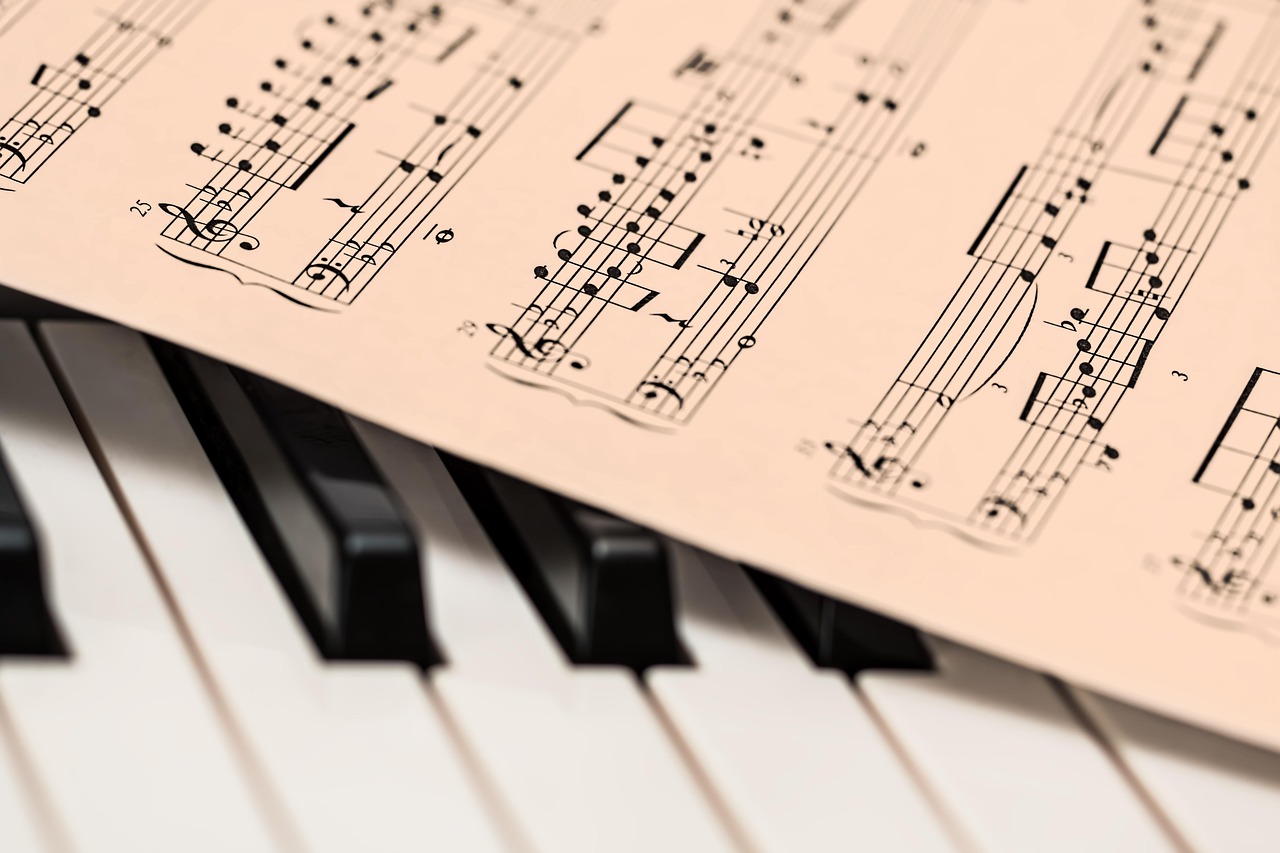
Germaine Tailleferre was the sole female member of the French group of composers known as Les Six, who were at the heart of Parisian musical innovation during the 1920s. Her music is known for its wit, clarity, and rhythmic inventiveness, standing out in a male-dominated avant-garde scene. Recent reissues of her piano concertos and ballets, as well as fresh performances in Europe and North America, have revived interest in her work. Musicologists are now highlighting how she challenged the expectations of her time, pushing boundaries with her orchestration and harmonic daring. In 2023, a major retrospective in Paris celebrated her 130th birthday, drawing enthusiastic crowds and critical praise. Tailleferre’s music still sounds fresh and vital today.
Ethel Smyth: The Fighter for Women’s Rights
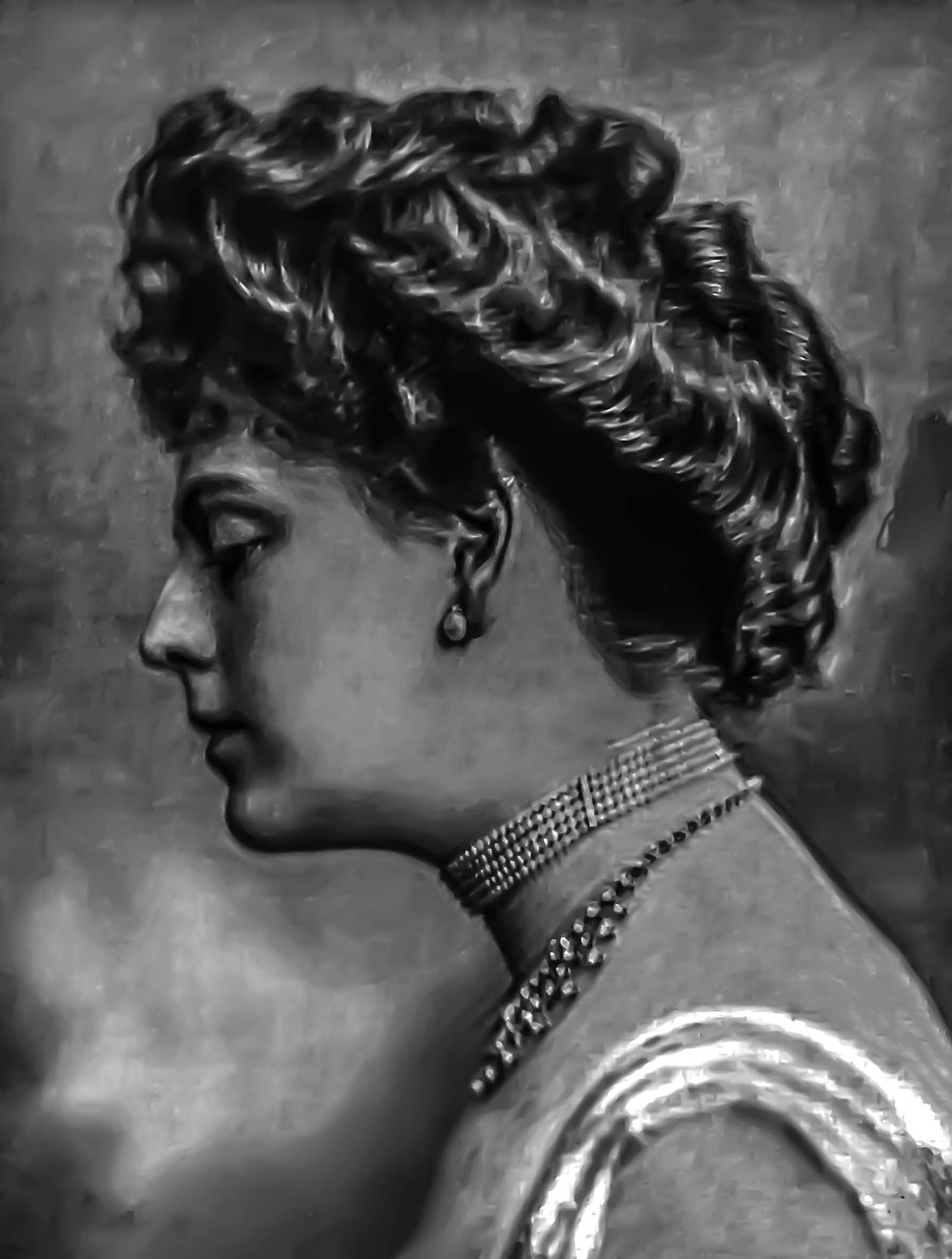
Ethel Smyth was not just a composer but also a passionate activist for women’s suffrage in early 20th-century Britain. Her operas, such as The Wreckers and The Boatswain’s Mate, are celebrated for their dramatic intensity and inventive orchestration. Smyth spent time in prison for her activism, famously conducting a choir with her toothbrush through the bars of her cell. She was the first female composer to have an opera performed at the Metropolitan Opera in New York, a remarkable achievement for her era. Recent productions of The Wreckers in London and New York have brought her music to new audiences, with critics applauding its boldness and originality. Smyth’s life and work prove that music can be a force for social change.
Kaija Saariaho: The Modern Trailblazer
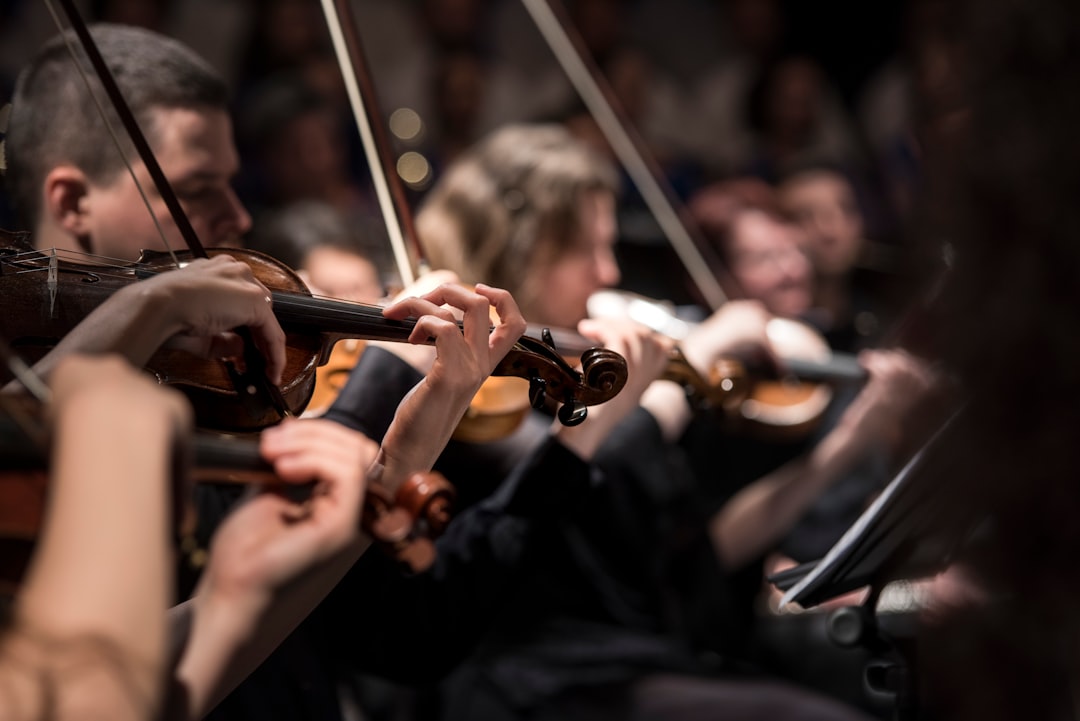
Finnish composer Kaija Saariaho was one of the most influential voices in contemporary classical music until her passing in 2023. Her works blend electronics and acoustic instruments in hauntingly beautiful ways, drawing listeners into new sound worlds. Saariaho’s opera L’Amour de loin was staged at New York’s Metropolitan Opera in 2016, marking the first opera by a woman at the Met in over a century. Since then, her music has been performed by major orchestras and ensembles worldwide, and in 2024, tributes and retrospectives have celebrated her extraordinary career. Her innovative style and commitment to new technologies have inspired countless young composers, especially women, to forge their own paths in music.
Barbara Strozzi: The Baroque Songbird

Barbara Strozzi was one of the most prolific composers of vocal music in 17th-century Venice, publishing more secular music in her lifetime than any other composer of her era. Her songs, or “cantatas,” are filled with expressive melodies and intricate poetry, often exploring themes of love and longing. Strozzi’s work challenges the myth that women were absent from Baroque composition. Modern scholarship and recordings have brought her music back into the spotlight, with major festivals now regularly featuring her pieces. In 2023, a new critical edition of her complete works was published, making her music more accessible to performers and audiences worldwide. Her ability to convey deep emotion through music continues to resonate today.
Amy Beach: America’s First Great Female Composer
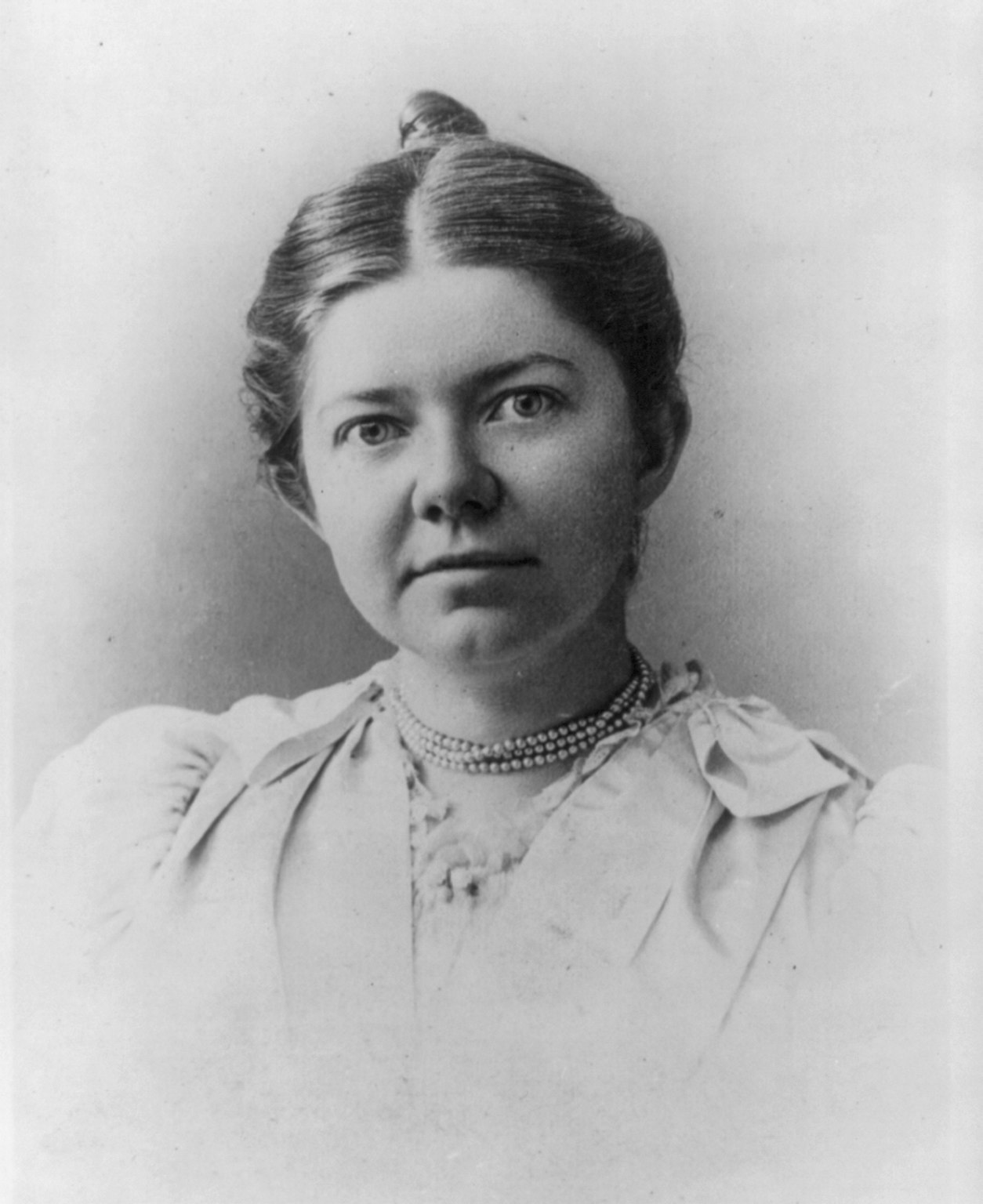
Amy Beach was the first American woman to publish a symphony and the first to gain international recognition as a composer. Her “Gaelic” Symphony premiered in 1896 with the Boston Symphony Orchestra, a groundbreaking moment that shattered gender barriers in U.S. classical music. Beach’s lush Romantic style and skillful use of folk melodies set her apart from her contemporaries. In recent years, her orchestral and piano works have been rediscovered and performed by top American orchestras, with streaming numbers growing steadily since 2020. Music education programs across the U.S. are now including her works in their curriculum, ensuring that her legacy reaches future generations. Her pioneering spirit continues to encourage women composers today.