

The Tuskegee Syphilis Study
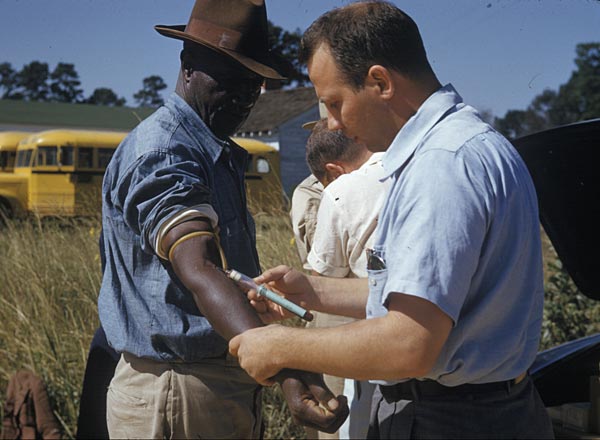
From 1932 to 1972, the U.S. Public Health Service conducted a study in Tuskegee, Alabama, observing the progression of untreated syphilis in African American men without their informed consent. Participants were misled to believe they were receiving free healthcare, while effective treatments like penicillin were deliberately withheld. The study’s unethical nature came to light in 1972, leading to widespread condemnation and significant changes in U.S. laws governing medical ethics and patient rights. This shocking revelation brought to the forefront the importance of consent and transparency in medical studies. Families and communities were deeply affected by the betrayal and loss. The scandal sparked national conversations about racism in healthcare and the need for reform. It remains one of the most infamous examples of government abuse in medical research.
Project MKUltra

During the Cold War, the CIA initiated Project MKUltra, a clandestine program aimed at developing mind control techniques through the use of drugs, hypnosis, and other methods. Experiments were often conducted on unwitting subjects, including U.S. citizens and military personnel. The program was exposed in the 1970s, leading to congressional hearings and new regulations to prevent such abuses.
Operation Northwoods
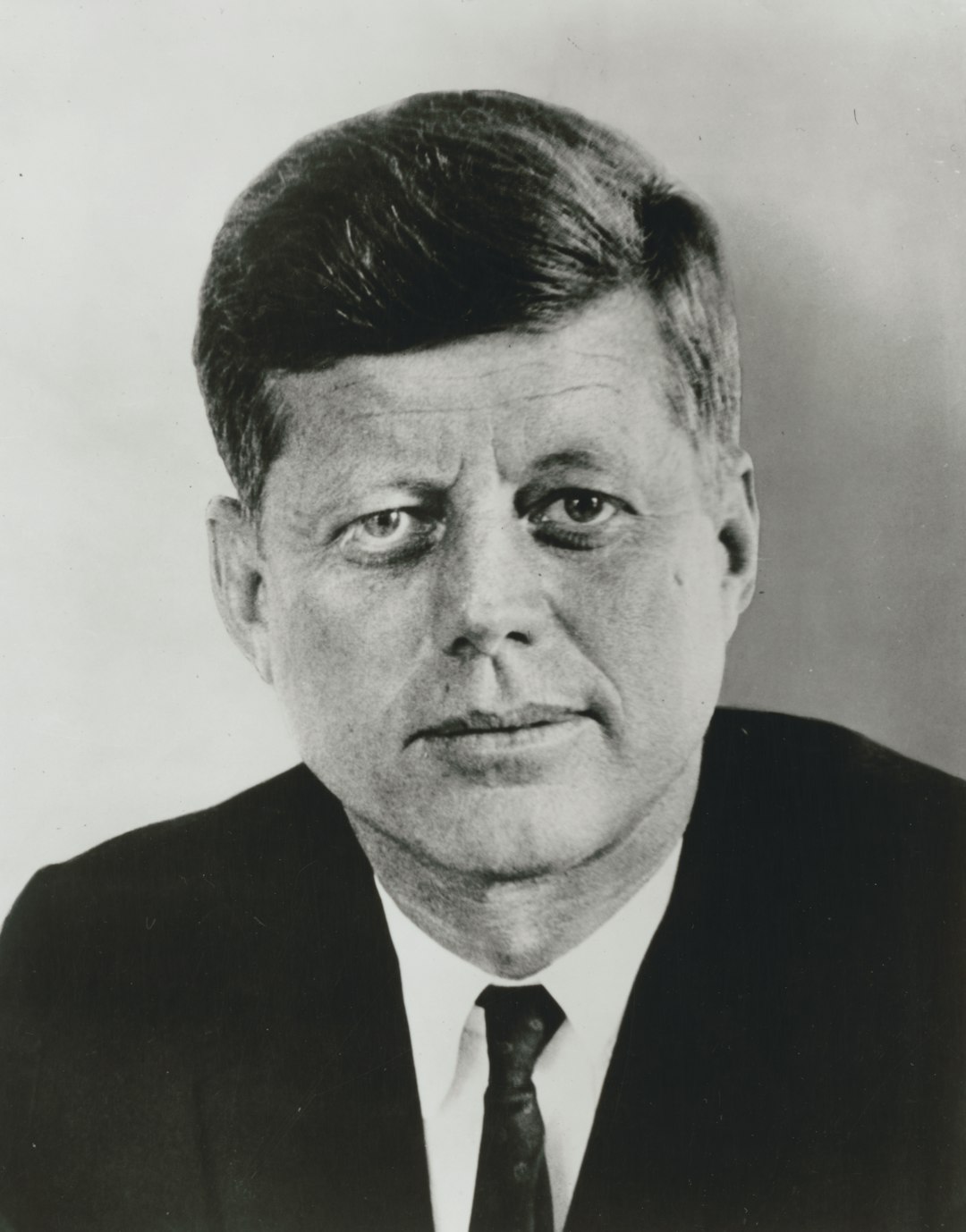
In the early 1960s, the U.S. Department of Defense proposed Operation Northwoods, a plan to stage false-flag terrorist attacks on American soil to justify military intervention in Cuba. The proposals included hijackings and bombings, which would be blamed on the Cuban government. Although the plan was never implemented, its existence was confirmed through declassified documents.
COINTELPRO
The FBI’s Counter Intelligence Program (COINTELPRO) was designed to surveil, infiltrate, and disrupt civil rights organizations and activists during the 1950s and 1960s. Targets included Martin Luther King Jr., the Black Panther Party, and other groups advocating for social change. The program’s activities were deemed illegal and led to increased oversight of intelligence agencies.
Operation Mockingbird
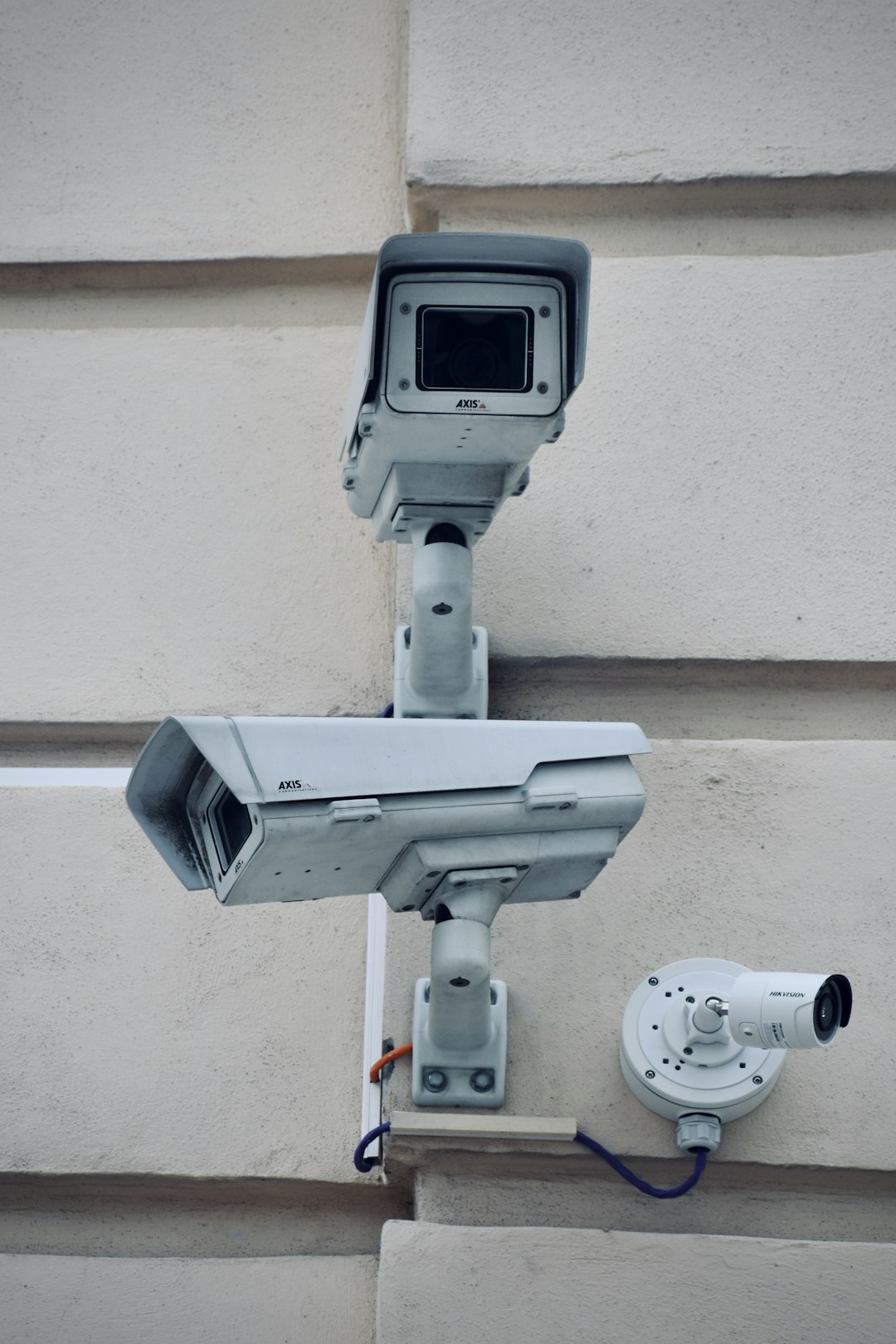
Operation Mockingbird was a CIA initiative to influence media outlets and journalists during the Cold War. The agency recruited reporters to disseminate propaganda and suppress unfavorable news. Revelations about the program raised concerns about press freedom and the ethical boundaries of intelligence operations.
The Iran-Contra Affair

In the 1980s, senior U.S. officials secretly facilitated the sale of arms to Iran, which was under an arms embargo, to fund Contra rebels in Nicaragua. The operation violated U.S. law and led to multiple investigations and convictions, although many sentences were later commuted or pardoned. The affair highlighted the complexities of foreign policy and covert operations.
The Business Plot
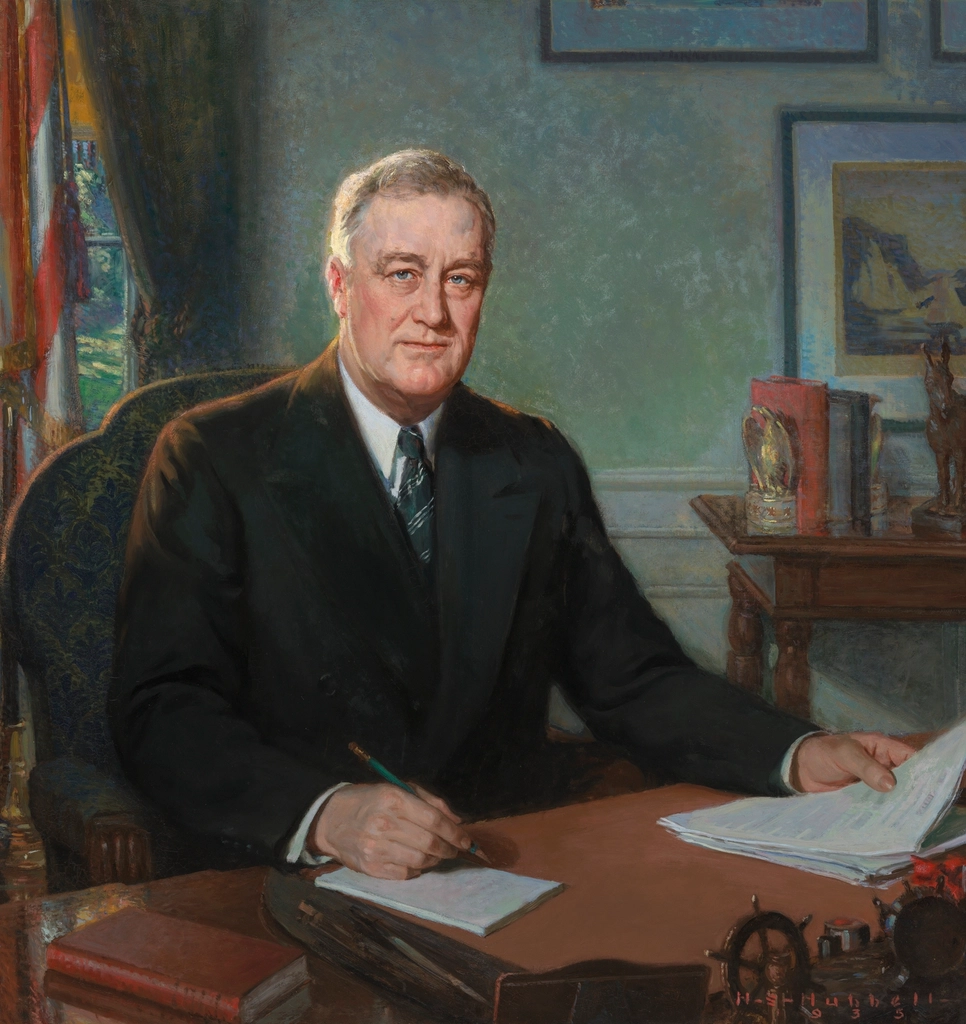
In 1933, a group of wealthy businessmen allegedly planned to overthrow President Franklin D. Roosevelt and install a fascist regime. The plot was brought to light by retired Marine Corps Major General Smedley Butler, who testified before Congress. While the plan was never executed, it underscored the potential threats to democratic governance.
The Gulf of Tonkin Incident

The Gulf of Tonkin Incident in 1964 involved alleged attacks on U.S. naval vessels by North Vietnamese forces, leading to increased U.S. involvement in the Vietnam War. Later investigations revealed that the second attack may not have occurred, raising questions about the justification for the escalation. The incident remains a cautionary tale about the use of intelligence in policymaking.
The FBI’s Surveillance of Martin Luther King Jr.
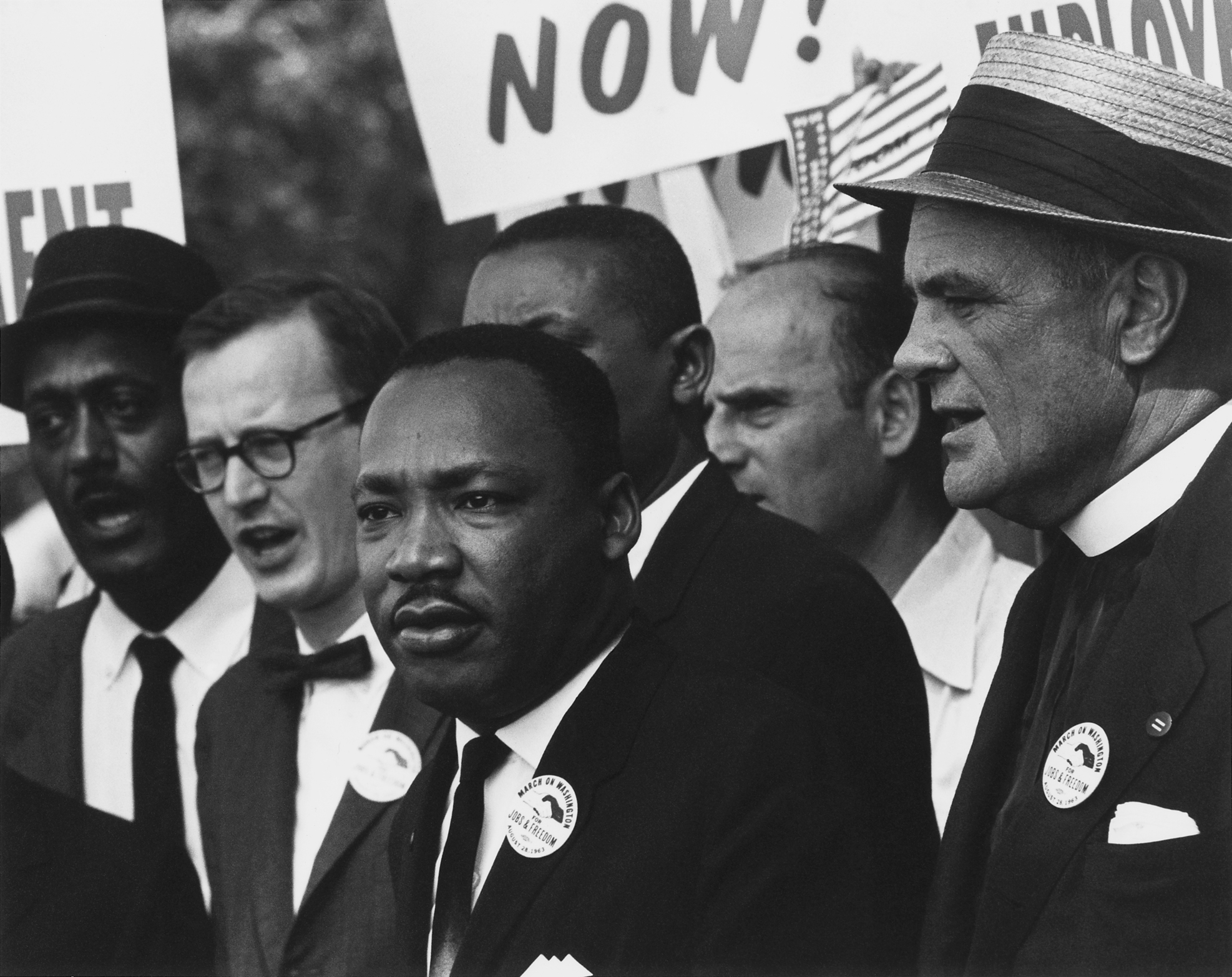
The FBI conducted extensive surveillance of Dr. Martin Luther King Jr., attempting to undermine his leadership in the civil rights movement. Tactics included wiretapping, blackmail, and attempts to discredit him publicly. These actions were later condemned as abuses of power and led to reforms in intelligence oversight.
The Dreyfus Affair
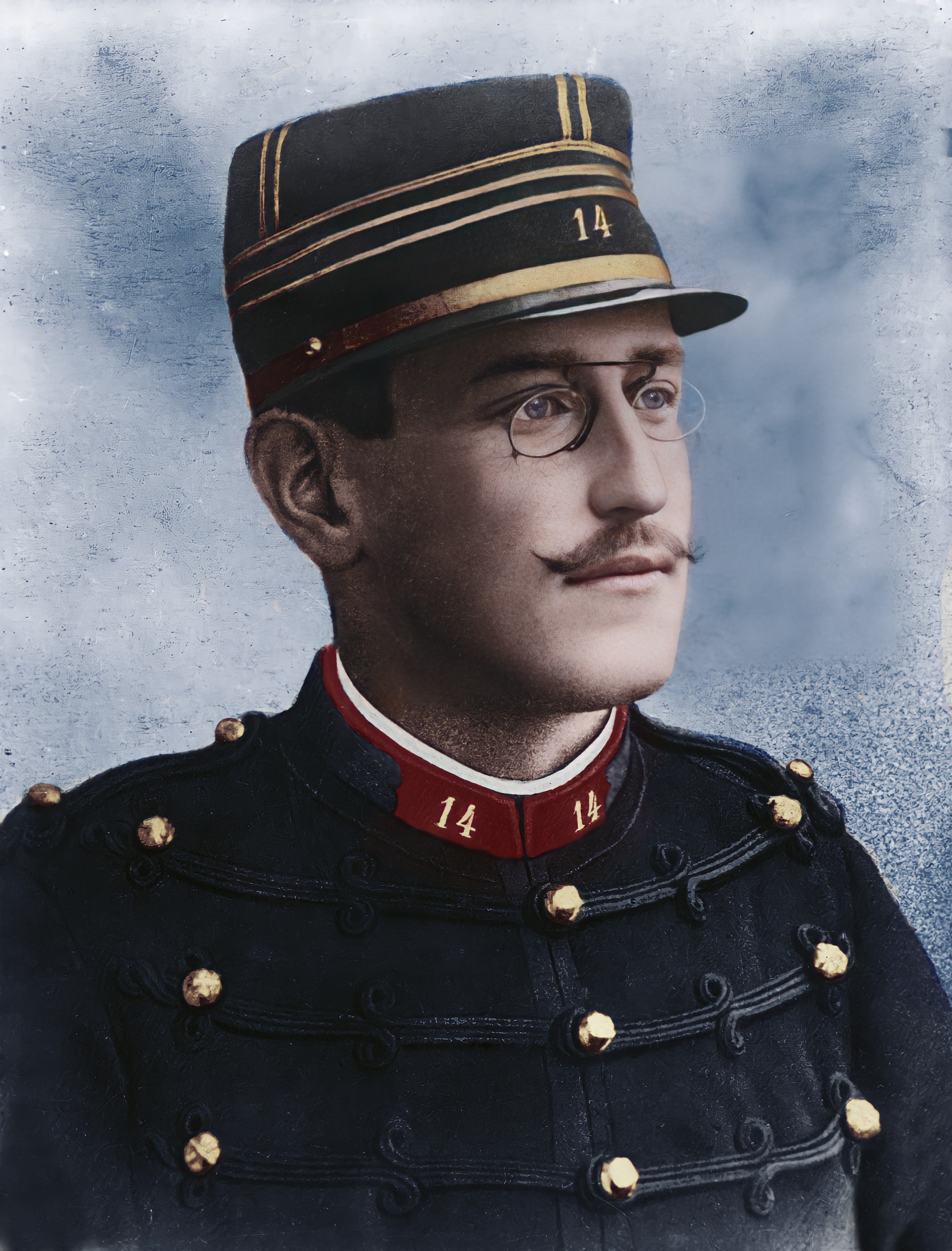
In 1894, French Army Captain Alfred Dreyfus, a Jewish officer, was wrongfully convicted of treason based on fabricated evidence. The case exposed deep-seated anti-Semitism and corruption within the French military and government. Dreyfus was eventually exonerated, and the affair had lasting impacts on French society and justice reforms.