

The Tuskegee Syphilis Study

The Tuskegee Syphilis Study is one of the most haunting examples of a real-life medical conspiracy. For forty years, hundreds of African American men in Alabama were misled by the U.S. Public Health Service, believing they were being treated for “bad blood.” Instead, treatment was deliberately withheld so doctors could observe the progression of untreated syphilis. Many of these men suffered needless pain, and some passed the disease to loved ones. Public outrage exploded when the study’s details were revealed in the early 1970s. The scandal led to a major overhaul in research ethics, including the requirement for informed consent. In a moment of national reckoning, President Bill Clinton issued a formal apology to the survivors and their families.
Watergate Scandal

The Watergate scandal dramatically reshaped American politics and public trust. When burglars broke into the Democratic National Committee headquarters, few could have guessed it would unravel the Nixon presidency. Investigative reporting by Bob Woodward and Carl Bernstein exposed a web of political espionage, bribery, and cover-ups. The revelations showed that the White House actively tried to sabotage political opponents and obstruct the investigation. As evidence mounted, President Nixon became the first U.S. president to resign, broadcasting his resignation on live television. The scandal led to sweeping reforms in campaign finance and government oversight, fundamentally altering how the public views those in power. Even decades later, “Watergate” remains shorthand for political corruption.
Operation MKUltra

Operation MKUltra, the CIA’s secret mind control program, sounds like the plot of a dystopian novel, but it was all too real. The agency conducted bizarre and often cruel experiments on unwitting individuals, dosing them with LSD and other substances. Many subjects never gave consent and suffered lasting psychological harm. The true scope of MKUltra wasn’t revealed until congressional hearings in the 1970s, shocking the public with stories of covert torture and manipulation. The exposure of MKUltra led to greater scrutiny of intelligence agencies and their clandestine activities. Today, it stands as a chilling example of how government secrecy can spiral out of control. The legacy of MKUltra continues to prompt debate over ethics in science and intelligence work.
The Iran-Contra Affair

The Iran-Contra Affair exposed a tangled web of secret deals at the highest levels of U.S. government. Officials in the Reagan administration covertly sold arms to Iran, which was under a strict embargo. The proceeds were funneled to Contra rebels in Nicaragua, flouting direct orders from Congress. When the scheme was uncovered, it rocked the political landscape and led to multiple high-profile indictments. Many Americans were stunned to learn of such blatant disregard for the law within the White House. The scandal fueled debates about executive power and the limits of covert operations. Despite convictions, several key figures were later pardoned, leaving many questions about government accountability unanswered. The affair remains a stark warning about the risks of unchecked authority.
The Business Plot
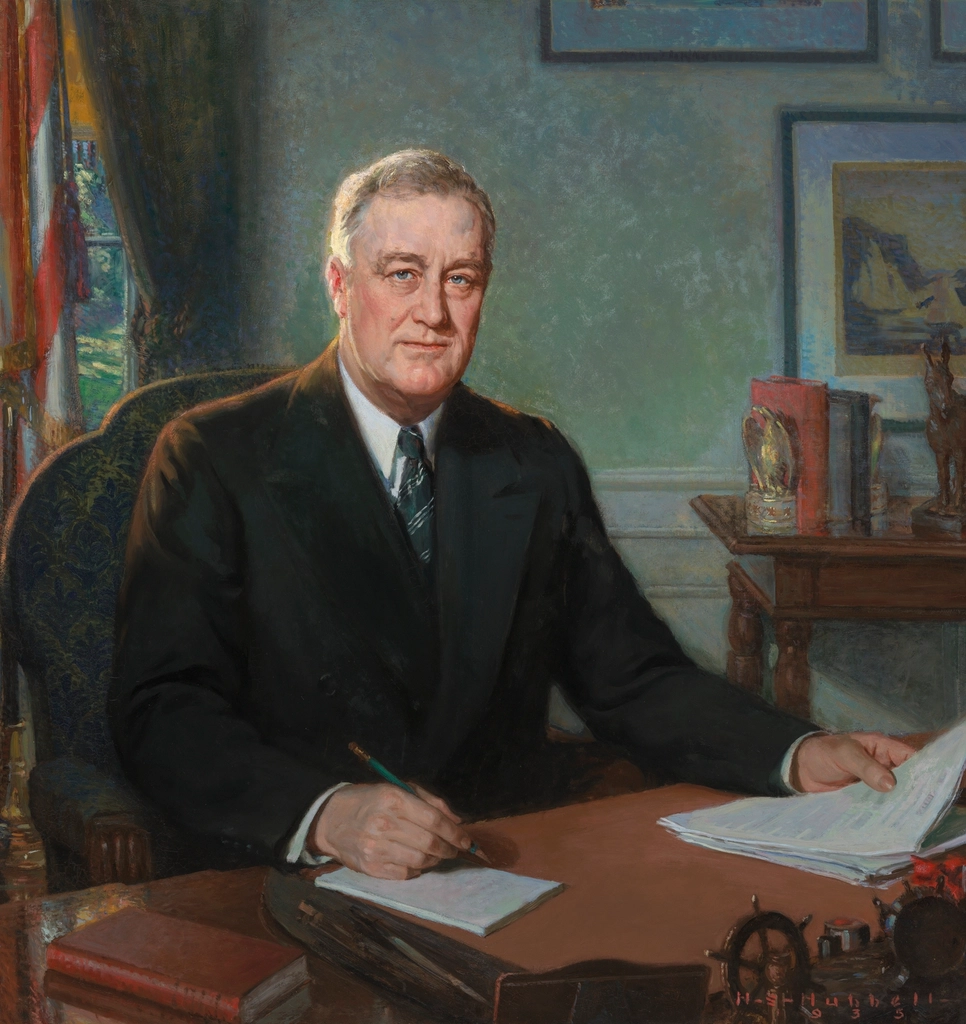
The Business Plot is a lesser-known but chilling chapter in U.S. history. In the early 1930s, a group of wealthy businessmen allegedly conspired to overthrow President Franklin D. Roosevelt. Their goal was to install a military dictatorship, with retired Marine General Smedley Butler as their figurehead. Butler bravely exposed the plot, testifying before Congress and providing detailed accounts of the scheme. While the investigation found credible evidence, no one was prosecuted, and the story quickly faded from public memory. This episode serves as a sobering reminder of how even the most democratic societies can be threatened from within. The Business Plot continues to fascinate historians and conspiracy theorists alike.
COINTELPRO
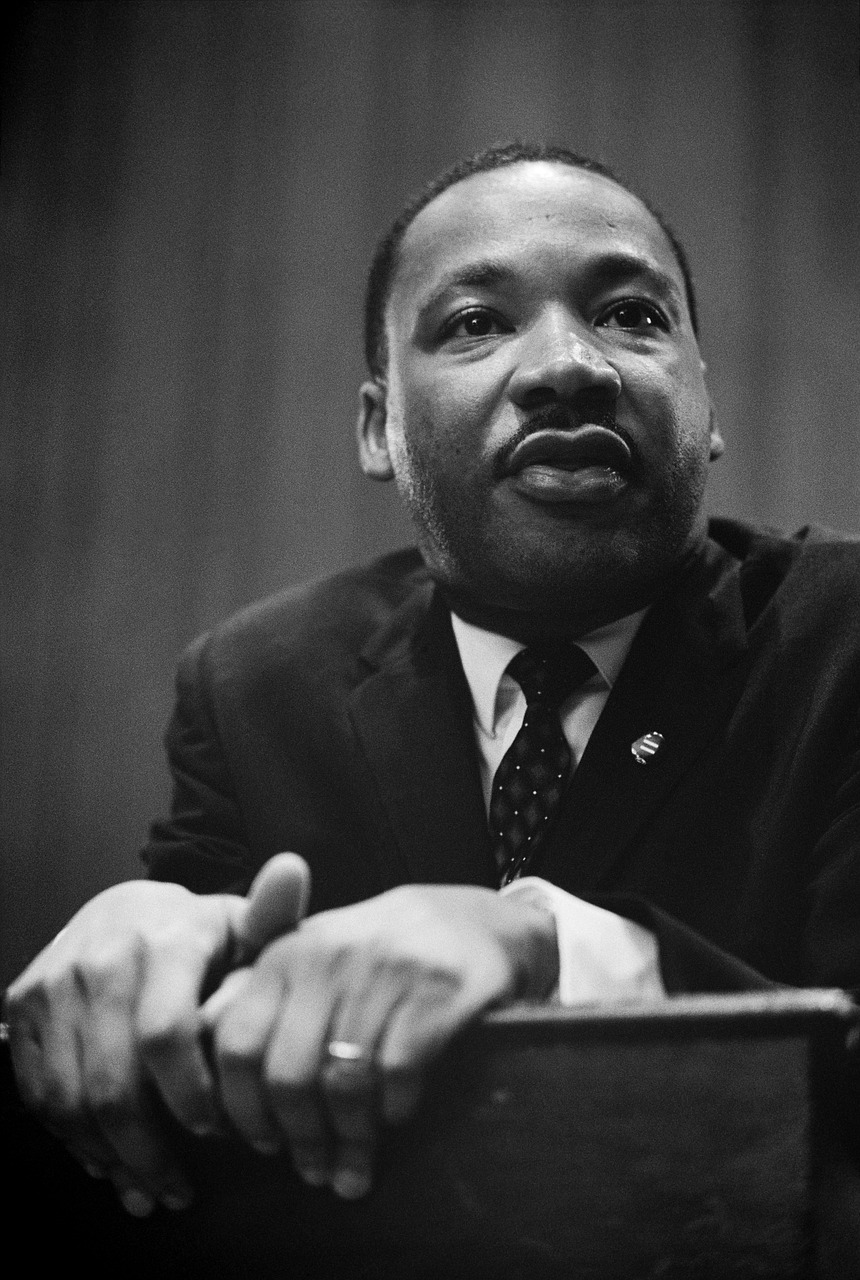
COINTELPRO, short for Counter Intelligence Program, was the FBI’s secretive effort to disrupt and discredit civil rights movements. Activists, including Martin Luther King Jr., were surveilled, harassed, and targeted with disinformation campaigns. The program used illegal wiretaps, infiltration, and smear tactics to undermine groups like the Black Panthers and feminist organizations. The truth about COINTELPRO emerged in the early 1970s, sparking outrage and demands for reform. The revelations forced the FBI to change many of its practices and led to new laws protecting civil liberties. The impact of COINTELPRO still resonates today, especially amid ongoing debates about government surveillance and protest rights. It stands as a stark example of how power can be abused behind closed doors.
The Assassination of Martin Luther King Jr.
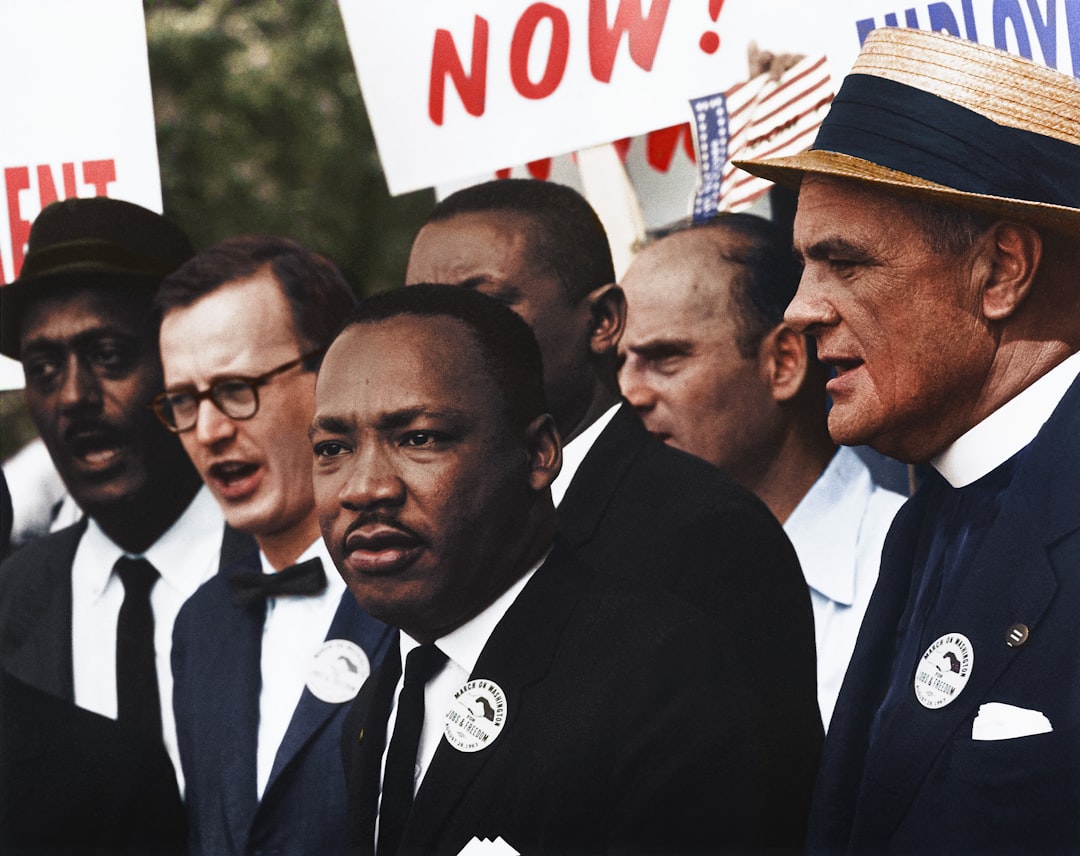
The 1968 assassination of Martin Luther King Jr. has always been surrounded by suspicion and controversy. While James Earl Ray was convicted for the crime, many people—King’s family included—have long believed there was a broader conspiracy. In a dramatic 1999 civil trial, a jury found that King’s death was the result of a conspiracy involving government agencies and organized crime. Despite this, the official record still names Ray as the lone gunman. The continued debate over who was responsible reflects deep-seated mistrust and the painful legacy of racism in America. The case remains one of the most hotly contested and emotionally charged events in modern U.S. history. The questions it raises about truth and justice remain unresolved for many.
The Pentagon Papers

The Pentagon Papers revealed a staggering level of government deception about the Vietnam War. Whistleblower Daniel Ellsberg leaked thousands of classified pages, showing that U.S. officials had repeatedly misled the public and Congress about the war’s progress and prospects. The publication of these documents ignited a firestorm, leading to a Supreme Court battle over press freedom and national security. The public’s reaction was a mix of anger, betrayal, and renewed skepticism toward government officials. The Pentagon Papers fueled the anti-war movement and changed how Americans view government transparency. The incident is widely seen as a watershed moment for investigative journalism. Even today, it serves as a powerful reminder of the need for accountability in government.
The Gulf of Tonkin Incident
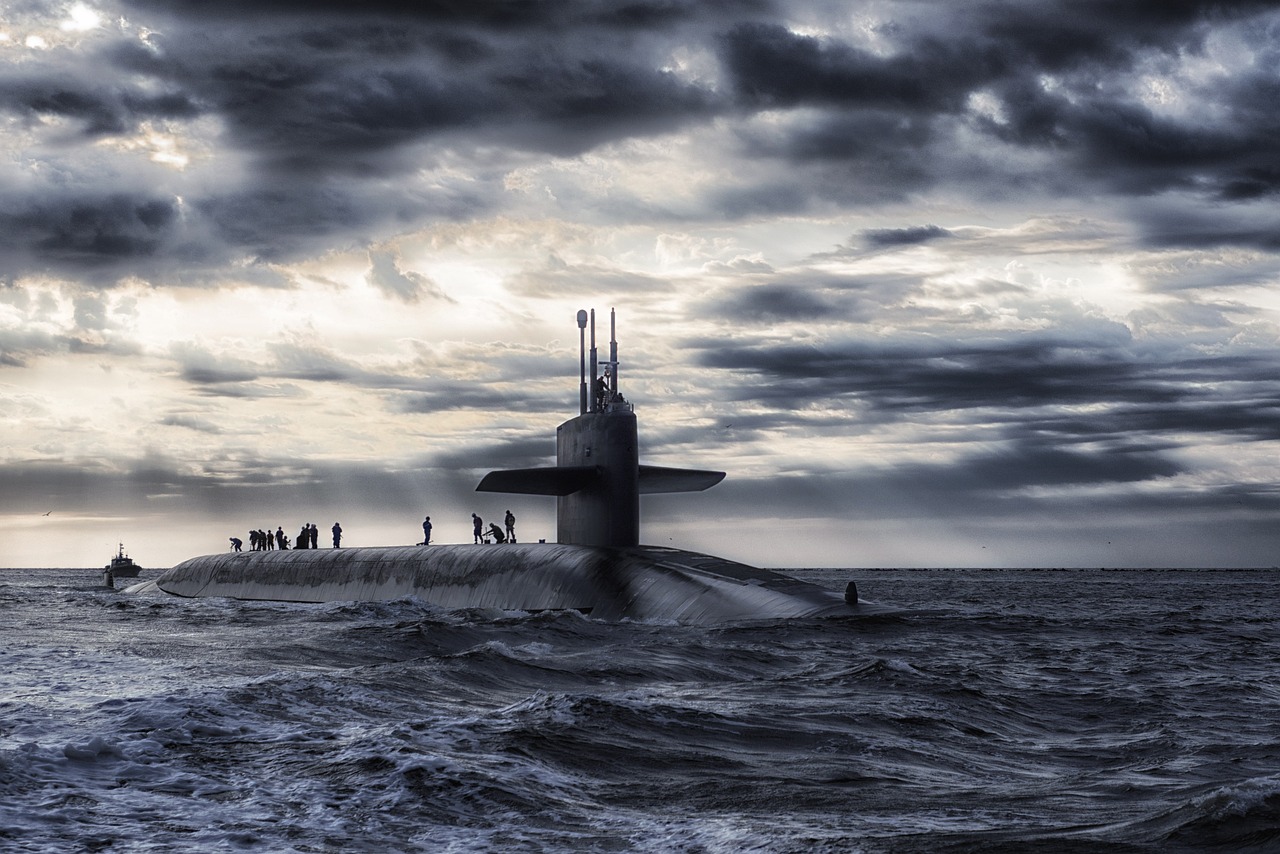
The Gulf of Tonkin Incident played a critical role in escalating the Vietnam War, based on reports that were later shown to be misleading. The U.S. government claimed that North Vietnamese forces had attacked American ships, prompting Congress to grant President Johnson sweeping military powers. Subsequent investigations found little evidence for the second alleged attack, suggesting the incident was exaggerated or fabricated. This revelation fueled public distrust and became a symbol of how misinformation can lead to disastrous consequences. Debates about the incident continue to shape discussions about military intervention and government honesty. The Gulf of Tonkin remains a cautionary tale about the dangers of unchecked authority and the importance of oversight. The incident’s legacy can still be felt in modern debates over foreign policy.
The CIA’s Involvement in Drug Trafficking

Allegations that the CIA turned a blind eye to drug trafficking in the 1980s rocked the nation and deepened skepticism toward law enforcement. Investigations into the agency’s activities revealed that money from drug sales was used to support Contra fighters in Nicaragua, despite the devastating impact it had on American communities. The resulting crack cocaine epidemic tore through cities, fueling crime and social disruption. Public outrage led to congressional hearings and demands for accountability, though many felt justice was never fully served. The revelations have continued to haunt the intelligence community, sparking ongoing debates about the ethics of covert operations. The issue remains relevant today as the war on drugs and its legacy are scrutinized anew. The story stands as a grim example of the unintended consequences of secret government actions.