
You Have to Wake Up at 5 AM to Be Productive

The idea that all successful people wake up before sunrise has become a badge of honor. But research from the University of Westminster found that people who naturally wake up early actually experience higher levels of stress hormones than late risers. Productivity isn’t tied to the clock—it’s about understanding your own rhythms. Many creatives and entrepreneurs, like Winston Churchill and J.R.R. Tolkien, were known for working late into the night. Forcing yourself to become a morning person might actually make you groggy and less effective. Instead, experts recommend aligning your most demanding work with your natural energy peaks, whether that’s 6 AM or 6 PM. The truth is, your ideal schedule is as unique as your fingerprint. Chasing the 5 AM myth can actually backfire and leave you exhausted and frustrated.
Multitasking Makes You More Efficient

It sounds impressive to juggle five things at once, but neuroscience says otherwise. According to a Stanford study, people who multitask are actually less productive than those who focus on one task at a time. When you try to split your attention, your brain rapidly switches focus, which reduces the quality and speed of your work. In fact, heavy multitaskers have more trouble organizing thoughts and filtering out irrelevant information. The American Psychological Association reports that multitasking can reduce productivity by up to 40%. Doing one thing well, then moving to the next, is the real secret to getting things done. The myth of multitasking is a recipe for mistakes and burnout, not efficiency.
To-Do Lists Are the Ultimate Productivity Tool

To-do lists are everywhere, but research shows that simply writing tasks down isn’t enough. A 2023 study from the University of California found that 41% of listed tasks are never completed. Long lists can be overwhelming, leading to avoidance and guilt. Many people end up doing easy, less important tasks just to check something off. Experts now recommend prioritizing just three important tasks per day. The Eisenhower Matrix and other prioritization tools are more effective at focusing your efforts where they matter most. To-do lists can help, but only when combined with smart prioritization—not as endless wish lists.
Willpower Is All You Need

We’ve all heard that getting things done is just about trying harder. But psychologists now know willpower is a limited resource. According to research from Roy Baumeister, self-control can be depleted, just like a muscle. Once you run out, it’s harder to resist distractions or stick to your goals. That’s why habits and routines are so powerful—they reduce the need for constant willpower. Environmental cues, accountability partners, and even small rewards can do more for long-term productivity than grit alone. Depending on willpower alone is like running a marathon on an empty tank.
Busyness Equals Productivity
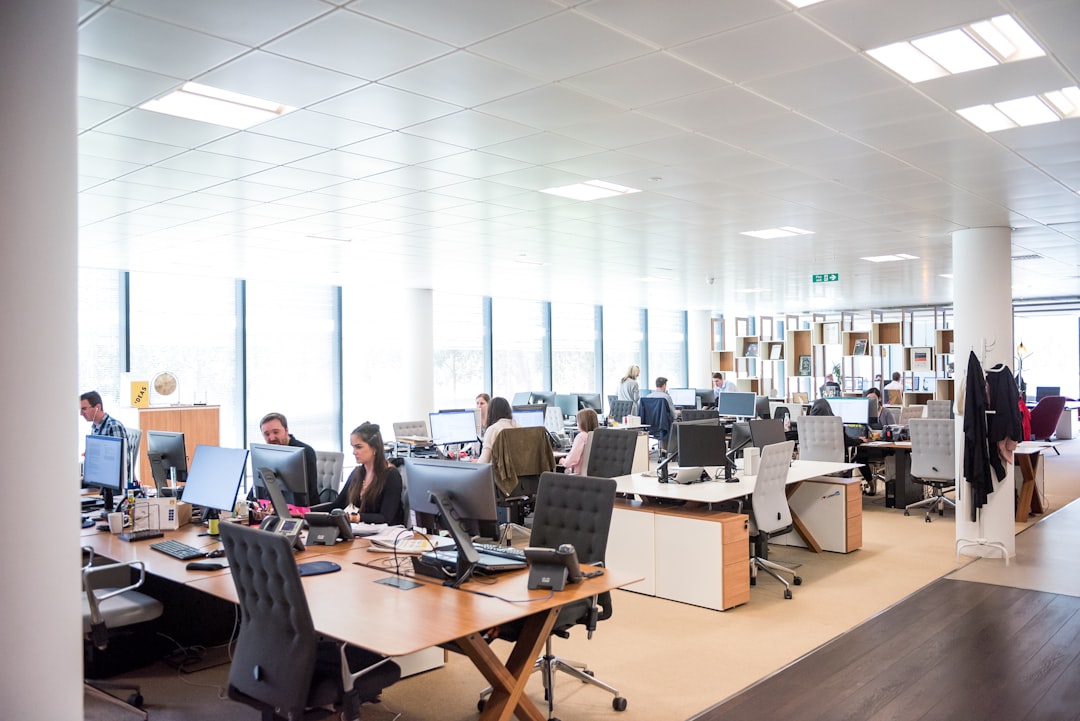
Many people wear busyness as a badge of honor, but data tells a different story. In a 2024 Gallup poll, 62% of workers admitted that much of their day is spent on “busywork” that doesn’t move projects forward. Real productivity is about results, not hours spent at your desk. The most successful professionals focus on high-impact activities and say no to unnecessary meetings or distractions. Elon Musk is known for his “no meeting” policy and laser focus on key objectives. Being busy can feel rewarding, but it often masks a lack of true progress.
Productivity Is About Finding the Perfect Tool or App

It’s tempting to think the latest app or system will solve all your problems. However, a 2023 survey by RescueTime found that the average worker tries three new productivity tools per year, but less than 15% stick with any for more than 90 days. Tools are only as effective as the habits behind them. Switching apps too often can actually disrupt your workflow and waste valuable time. Productivity experts recommend sticking to a simple system you can use consistently, rather than chasing shiny new software. The real magic happens when you build reliable routines, not when you download another app.
You Must Always Be “On” to Succeed

There’s a myth that hustlers never rest, but burnout is real and rising. According to the World Health Organization, burnout rates hit a record high in 2024, with 54% of professionals reporting symptoms. Studies show that regular breaks actually improve focus and creativity. The Pomodoro Technique, which encourages short sprints followed by breaks, has been shown to boost productivity by up to 25%. Rest isn’t laziness—it’s a crucial part of sustained performance. Taking time to recharge helps you return to your work sharper and more resilient.
If You’re Not Constantly Improving, You’re Falling Behind
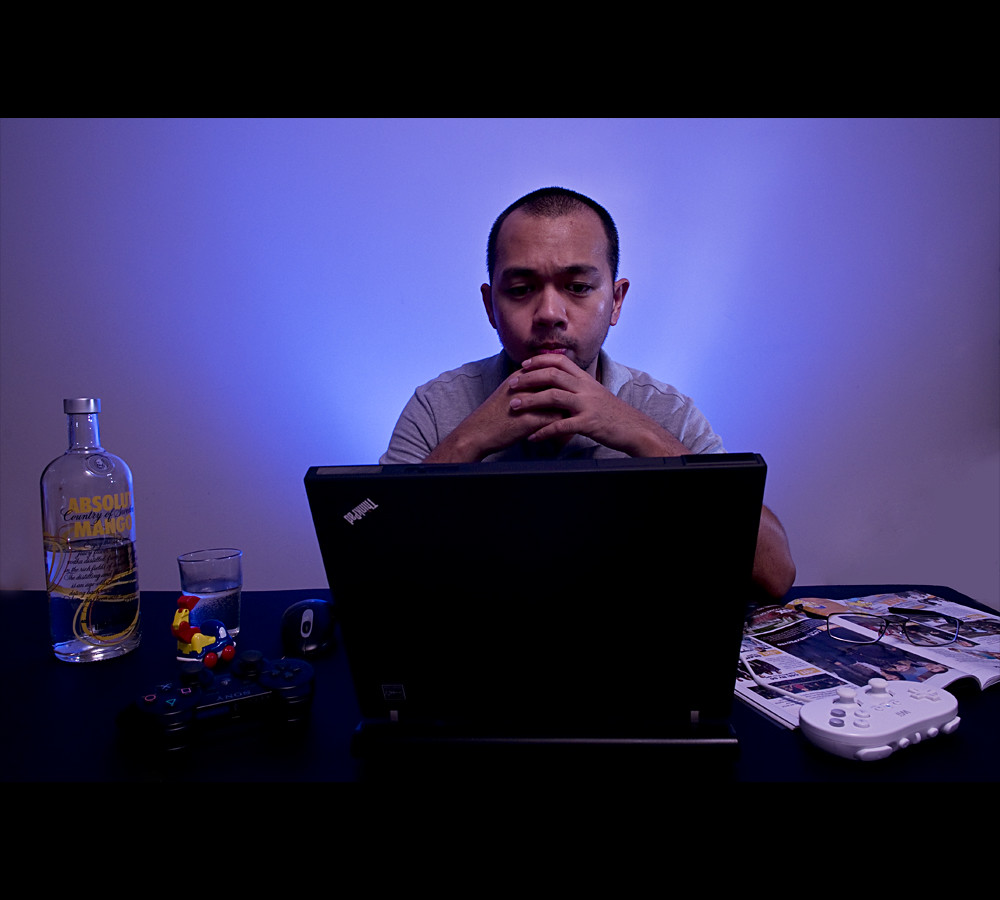
The pressure to always “optimize” your life can be exhausting. While growth is important, research from Harvard Business School suggests that relentless self-optimization can actually decrease satisfaction and motivation. The study found that people who constantly strive for marginal gains often feel less fulfilled. It’s okay to maintain what works and enjoy periods of stability. Sometimes, good enough really is good enough. Chasing endless improvement can distract you from enjoying your achievements and lead to chronic dissatisfaction.
Success Looks the Same for Everyone

Social media is filled with one-size-fits-all definitions of success: big houses, flashy cars, and packed calendars. But research from the Pew Research Center in 2024 showed that personal definitions of success vary greatly. For some, it’s about work-life balance or creative freedom; for others, it’s financial security or making a difference. Trying to live up to someone else’s version of productivity can leave you feeling inadequate. The most fulfilled people are those who define success on their own terms, not by chasing trends or comparing themselves to others.
Only “Productive” Activities Matter

It’s easy to see hobbies, social time, or even daydreaming as wasted hours. But studies from the University of Toronto have shown that downtime activities actually increase problem-solving abilities and reduce stress. Activities like walking, gardening, or chatting with friends can spark creative breakthroughs and help you see problems from new angles. Some of the world’s most successful inventors and artists credit unstructured time with their best ideas. All work and no play doesn’t just make you dull—it can make you less effective at getting things done.
End.