

Multitasking: The Efficiency Illusion
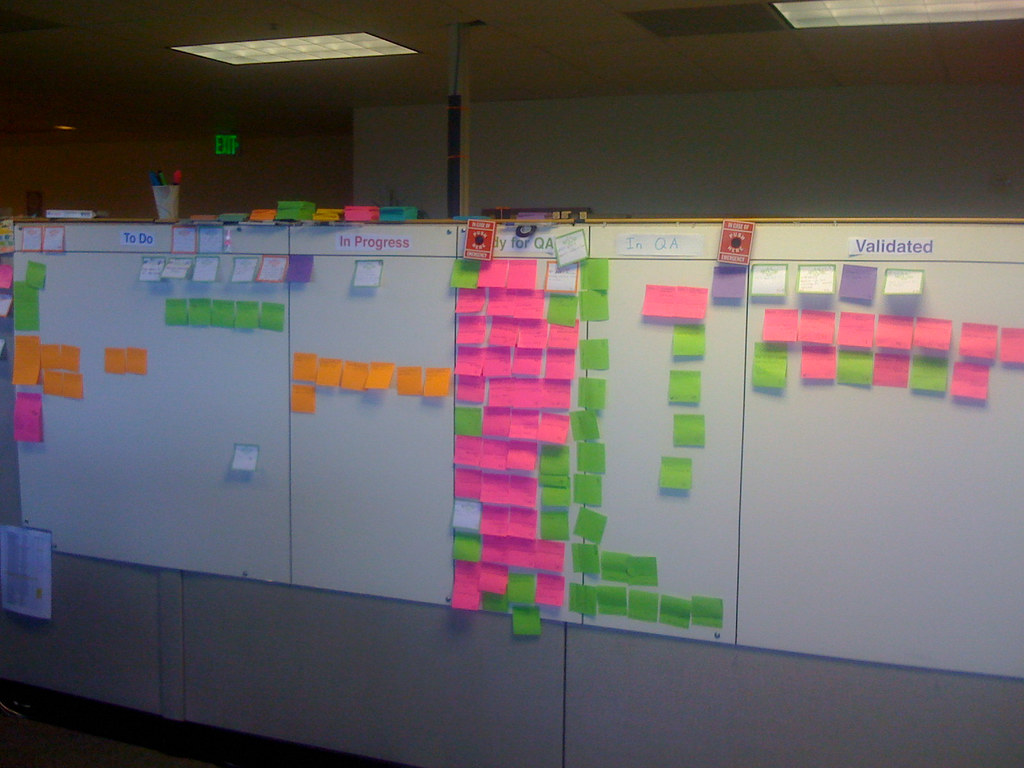
It’s easy to believe that juggling multiple tasks at once makes you a productivity superstar. Many people proudly declare their ability to switch between emails, calls, and spreadsheets within the same hour. However, a 2024 study from Stanford University found that multitasking actually decreases productivity by up to 40%. Our brains just aren’t wired to handle several cognitive tasks at once. When you try to do it all, you end up making more mistakes and taking longer to finish each task. This constant context-switching is mentally exhausting, and over time, it can even impair your memory. So, while you might feel busy, you’re not necessarily being effective.
Constantly Checking Email

Refreshing your inbox every five minutes might feel responsible, but it’s actually a sneaky productivity killer. According to research published in the Journal of Applied Psychology in March 2025, employees who check their email more than once an hour report higher stress levels and lower job satisfaction. Interruptions break your focus and make it harder to get back into a state of “flow.” Each email ping is like a tiny derailment, scattering your thoughts. Instead of being on top of things, you end up distracted and stretched thin, with less time for deep work.
Attending Every Meeting
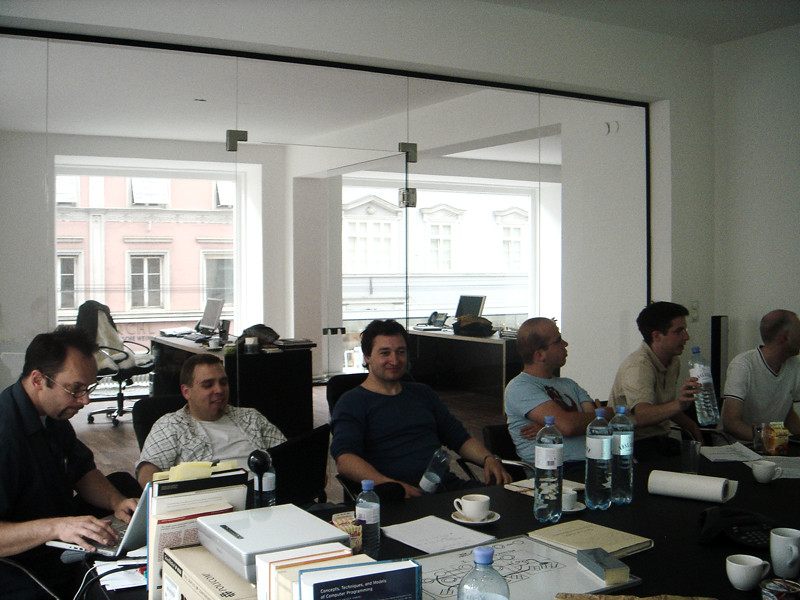
Many people think showing up to every meeting means they’re dedicated and engaged. However, a 2024 Microsoft Work Trends Index revealed that the average worker now spends more than 18 hours a week in meetings. Shockingly, over 60% of these meetings are rated as “unnecessary” by participants. Sitting through endless video calls and conference room gatherings leaves little energy for actual work. Meetings can often be replaced with a quick email or a summary document, saving everyone a lot of time and mental bandwidth.
Making Overly Detailed To-Do Lists
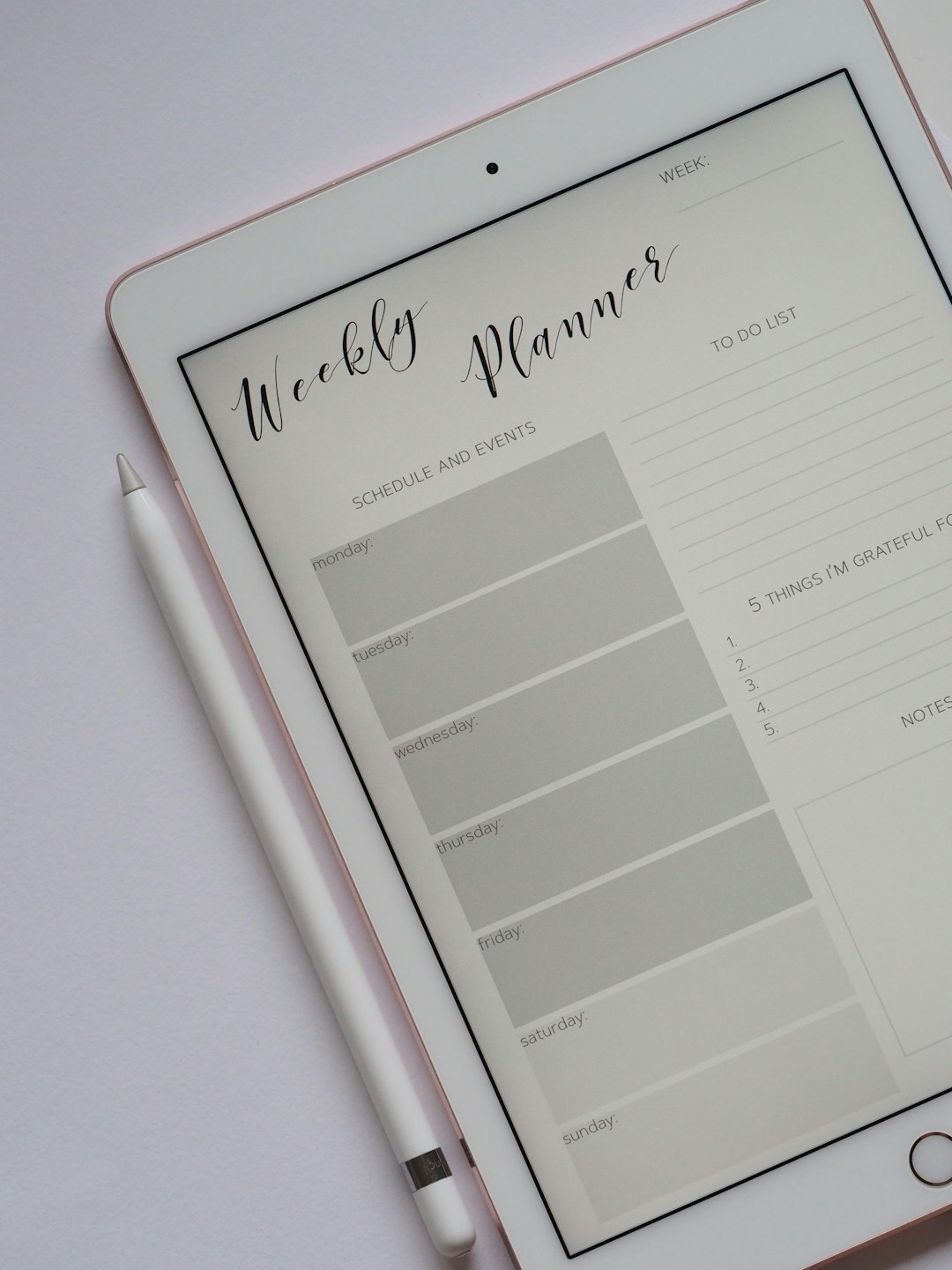
It feels great to write down every single task you can think of, from “draft annual report” to “water office plant.” But research from the University of California, Irvine, found that highly specific and lengthy to-do lists can become overwhelming and lead to procrastination. When your list is too long, it’s easy to become paralyzed by choice. People tend to focus on checking off easy, low-impact items just to feel accomplished, while important, complex tasks are left untouched. So, while your planner may look impressive, your most valuable work can still slip through the cracks.
Tidying Up Excessively
A tidy workspace can help you focus, but obsessively cleaning your desk or organizing your files is a common form of productive procrastination. The Harvard Business Review reported in February 2025 that workers who spend more than 30 minutes a day “tidying up” are often avoiding challenging tasks without realizing it. There’s a fine line between creating a functional environment and using cleaning as an excuse to delay real work. That spotless desktop might make you feel ready, but it doesn’t get your projects any closer to the finish line.
Saying Yes to Every Request

Being a team player is important, but always agreeing to help others can leave you overwhelmed and behind on your own work. In a 2025 Gallup poll, 42% of employees reported feeling burned out due to taking on too many “urgent” requests from colleagues. It’s tempting to believe that being available makes you indispensable. However, spreading yourself too thin can lead to missed deadlines, frustration, and even resentment. Learning to say no, or at least to set boundaries, is essential for sustaining your own productivity and well-being.
Working Overtime Regularly

Staying late at the office or bringing work home at night might seem like the ultimate sign of commitment. But according to a 2024 report from the World Health Organization, people who consistently work over 55 hours a week are at significantly higher risk for heart disease and stroke. Moreover, after a certain point, the quality of your work declines rapidly. Burnout, fatigue, and diminished creativity often follow. Instead of getting ahead, you might be setting yourself up for long-term health problems and subpar performance.
Using Productivity Apps Excessively
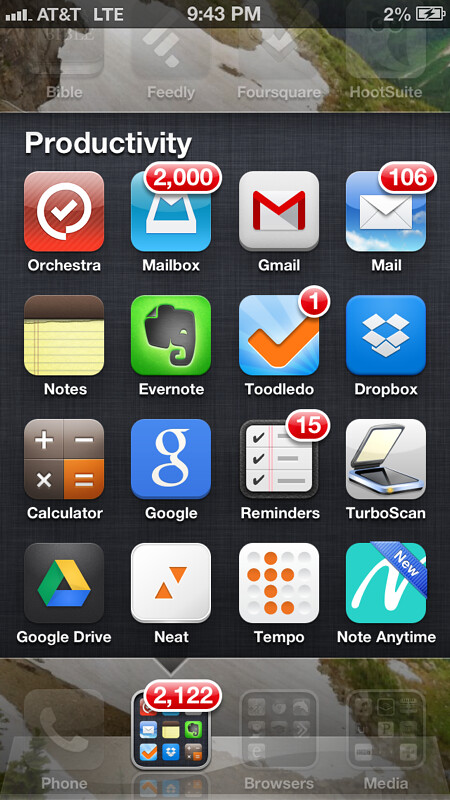
Downloading every new productivity app or tool can feel like a step toward better time management. However, a survey by RescueTime in early 2025 showed that workers who switch between multiple productivity apps lose an average of 4 hours per week just learning new systems or syncing data. Too many tools can scatter your focus and lead to “app fatigue,” where you spend more time fiddling with features than actually working. The latest digital planner or task manager won’t help if it becomes a distraction in itself.
Always Being “Available” Online

With remote work still prevalent in 2025, many employees feel pressured to keep their status light green all day long. According to Buffer’s State of Remote Work report, 61% of workers feel they must respond to messages immediately to appear productive. This “always-on” mindset leads to constant interruptions and makes it nearly impossible to focus deeply. You might feel like a reliable team member, but in reality, you’re sacrificing your ability to complete meaningful work.