

The Surprising Science Behind a Simple Laugh

If you’ve ever found yourself doubled over in laughter, you might’ve noticed you feel lighter, less stressed, and somehow healthier. This isn’t just your imagination. Recent research from 2024 has shown that laughter actually sparks a cascade of biological changes in the body. In a 2023 study published by the American Journal of Lifestyle Medicine, participants who watched comedy videos for 30 minutes showed a significant reduction in stress hormones and an uptick in infection-fighting antibodies. It’s almost as if laughter nudges the body to put its guard up, ready to tackle intruders. The powerful effect of laughter is now recognized by scientists as more than just a feel-good reaction—it’s a measurable, physical response. People who laugh more tend to report fewer colds and infections, with some researchers suggesting it’s because laughter boosts immune system readiness. There’s something quietly magical happening every time we giggle.
Laughter and Stress Hormones: A Tug of War

Stress is a known enemy of the immune system. When you’re stressed, your body pumps out cortisol and adrenaline, which can suppress immune activity. Enter laughter. According to a 2024 review from the National Institutes of Health, even brief laughter sessions can drop cortisol levels by up to 30%. This reduction allows the immune system to bounce back and do its job. Researchers observed that after laughing, blood tests revealed lower stress hormone levels and higher counts of white blood cells—the body’s frontline defenders. It’s almost as if the body treats laughter as a signal to stand down from “fight or flight” mode and switch to “repair and defend.” People who use humor in daily life report feeling less anxious, and their immune systems seem grateful for the break. It’s not just about feeling better; it’s about biochemistry working behind the scenes.
How Laughter Boosts Natural Killer Cells
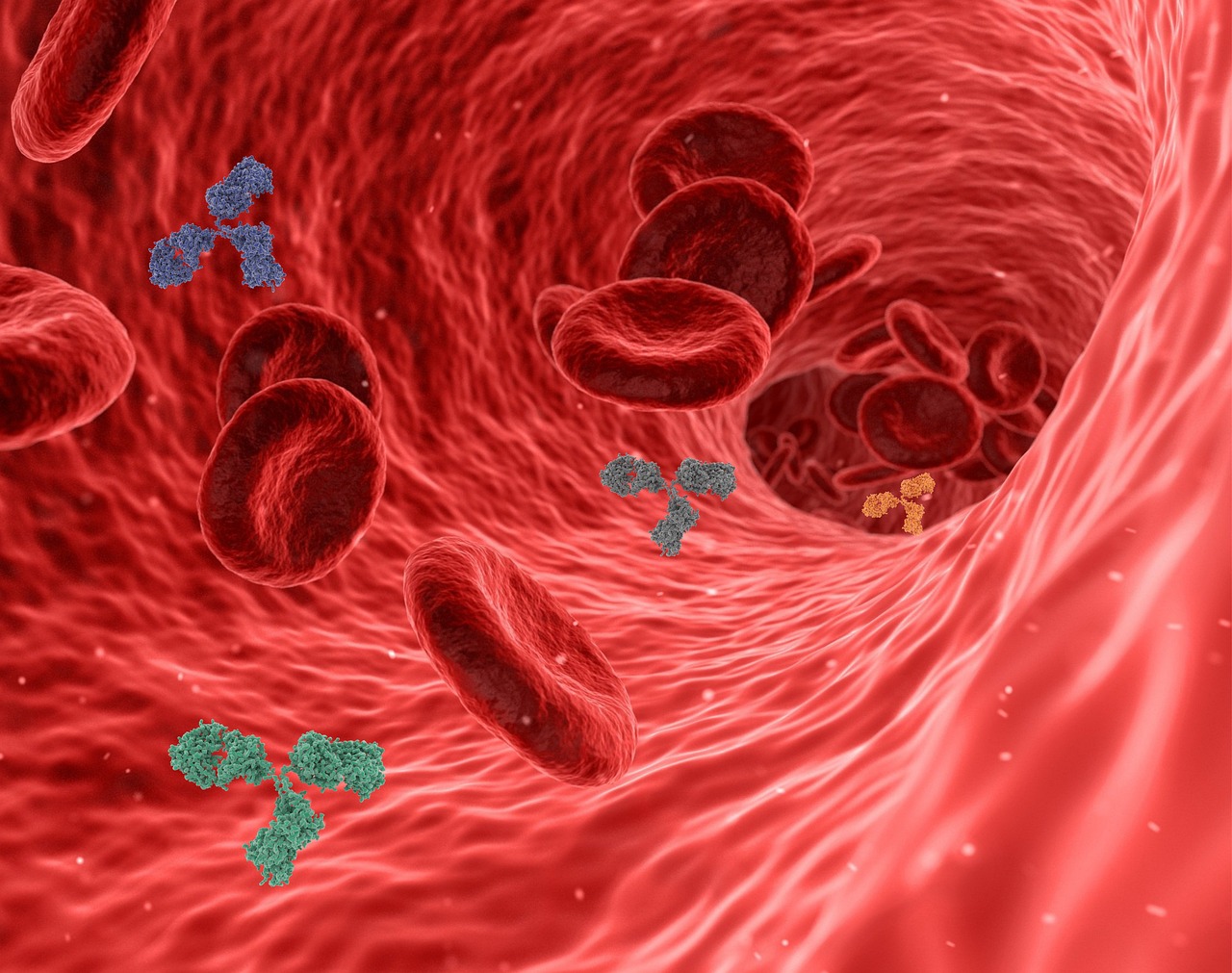
Natural killer (NK) cells are like the special ops of your immune system, targeting virally infected cells and tumors. In 2022, Japanese immunologists found that subjects who laughed daily for two weeks had a 20% rise in NK cell activity. That’s not a small change—these cells are vital in detecting and destroying harmful invaders before they can take hold. The researchers used blood samples to monitor these changes, confirming that participants who watched comedy shows or engaged in funny conversations saw real, measurable boosts in NK cell performance. This isn’t just an abstract benefit; it could mean better protection against illnesses like the flu and even some cancers. The body’s internal defense system truly seems to wake up when you let yourself laugh.
Antibodies on the Rise: Laughter’s Defensive Shield

Antibodies are the immune system’s personalized soldiers, designed to recognize and attack specific threats. In a 2023 trial at Loma Linda University, participants who laughed for 20 minutes saw their immunoglobulin A (IgA) levels increase by almost 15%. IgA is the main antibody protecting mucous membranes in the mouth and nose—your first line of defense against most respiratory infections. This means that a simple bout of laughter could leave you better equipped to fend off seasonal bugs and viruses. The researchers noted that the antibody boost lasted for several hours, suggesting regular laughter could keep your immune shield strong throughout the day. It’s a compelling reason to add more humor to your routine, especially during flu season.
Inflammation and Laughter: Cooling Down the Body’s Alarm

Chronic inflammation is linked to everything from arthritis to heart disease. Laughter appears to dial down the body’s inflammatory response. A 2024 study from the University of Oxford measured levels of C-reactive protein (CRP), a key marker of inflammation, in volunteers before and after laughter therapy sessions. Results showed a 10% reduction in CRP after just one hour of group laughter. The researchers believe laughter triggers the release of endorphins, the body’s natural painkillers, which counteract inflammatory chemicals. This cooling effect helps the body heal and recover faster. It’s as if laughter is a natural fire extinguisher for the body’s internal alarms, keeping inflammation in check and promoting overall health.
Laughter Yoga: A Modern Prescription for Immunity

Laughter yoga has exploded in popularity worldwide, blending deep breathing exercises with intentional laughter. In a 2023 Indian study, participants who attended laughter yoga sessions twice a week for a month showed marked increases in both white blood cell counts and mood. The combination of physical movement, deep breathing, and social interaction amplifies the immune-boosting effects. Doctors in several countries now recommend laughter yoga as a complementary therapy for patients with chronic illnesses. The practice is accessible to people of all ages and fitness levels, making it a powerful tool for boosting immunity in a fun, communal way. It turns out that laughing together is even more potent than laughing alone.
Children, Laughter, and Resilience

Children are known for their infectious giggles, and this might be one secret to their robust immune systems. Pediatricians at Harvard Medical School published a 2024 report showing that children who laugh frequently—and engage in playful activities—have higher counts of lymphocytes, a type of white blood cell critical for fighting infection. These children also recover faster from colds and other illnesses. The findings highlight the importance of play and humor in childhood development, not just for emotional growth but for physical health as well. Encouraging laughter and silliness in kids isn’t just about joy—it’s about building a stronger, more resilient body from the start.
Social Laughter: The Power of Connection

Laughter is contagious—when one person laughs, others often join in. Social laughter has unique immune benefits, according to a 2023 study from Stanford University. Researchers found that people who laughed together in groups had higher oxytocin levels, a hormone that strengthens social bonds and dampens stress responses. Higher oxytocin was linked to increased immune cell activity and a greater sense of wellbeing. The study suggests that shared laughter creates a ripple effect, improving physical health across entire communities. It’s a reminder that the social side of laughter is just as important as the physical act itself. Being with friends and sharing a joke might be one of the healthiest things you can do.
Laughing Through Illness: Recovery and Healing

Patients fighting serious illnesses like cancer have found comfort—and even physical improvement—through laughter therapy. In a 2024 clinical trial at the Mayo Clinic, cancer patients who participated in weekly laughter sessions reported less pain, better sleep, and higher counts of immune cells. The therapy seemed to reduce anxiety and help patients feel more hopeful, which in turn supported their bodies’ natural healing processes. Nurses and doctors are increasingly using laughter as part of holistic care plans, believing that the mind and body are deeply connected. For many patients, laughter isn’t just a distraction; it’s a genuine part of their recovery journey.
The Role of Humor in Everyday Life

You don’t have to attend a comedy show or a laughter yoga class to benefit. Everyday humor—funny movies, silly memes, even telling a joke at dinner—can spark the same immune response. In a 2023 Australian survey, people who made a habit of finding humor in daily life reported fewer sick days and faster recovery from minor illnesses. Psychologists suggest that seeking out humor trains the brain to see the positive side, reducing stress and supporting immune function. Even in tough times, making space for laughter can be a powerful act of self-care. It doesn’t take much—just a willingness to find the funny side, even for a moment.
Laughter as Preventative Medicine

The idea of “laughter as medicine” isn’t just a saying anymore—it’s backed by growing scientific evidence. Preventative health programs in countries like Japan and Sweden now include laughter therapy sessions, alongside traditional advice on diet and exercise. A 2024 meta-analysis found that people who laughed daily were 25% less likely to catch the common cold compared to those who rarely laughed. Health insurers are even beginning to cover laughter therapy in some plans, recognizing its value in boosting immunity and reducing healthcare costs. The shift toward laughter as a real health intervention marks a new era in preventative medicine, where joy and wellness go hand in hand.