

The Rise of AI in Classrooms
AI-powered tools have taken over many classrooms in recent years, especially since 2023. According to a 2024 UNESCO report, nearly 60% of schools in developed countries use AI-based learning assistants or grading software. These tools claim to personalize education and free up teacher time. However, critics argue that overreliance on AI risks replacing essential teacher-student relationships with cold algorithms. Many teachers worry that students now interact more with screens than with real people during lessons. The World Economic Forum found that students who spend more than half their learning time with AI tools report lower engagement and weaker classroom connections. As AI takes on a larger role, some ask: are we trading human warmth for digital efficiency?
Social Skills on the Decline

Recent studies highlight a worrying trend: children’s social skills are slipping. In 2023, the American Psychological Association found that 42% of teachers noticed a drop in students’ abilities to collaborate face-to-face. Kids now text or use chatbots instead of talking directly with classmates. This change is not just anecdotal; standardized social-emotional learning assessments in 2024 showed a 13% decline in empathy and communication scores for students in AI-heavy schools. Parents report that children seem less comfortable in group settings and struggle to read facial expressions. Experts warn that if this continues, we risk creating a generation that communicates best with machines, not people. It’s like replacing a playground with a chatbot—efficient, but cold and lonely.
Critical Thinking or Copy-Paste?

AI does wonders for finding answers, but it also makes it easy for kids to copy without thinking. A 2024 survey from the National Center for Education Statistics revealed that 67% of high school students admit to using AI tools like ChatGPT for homework. Alarmingly, teachers report that many students can’t explain their own answers once the AI has done the work. This trend worries educators who believe that struggling with tough problems is how kids learn to think deeply. Evidence from a 2025 Stanford study shows that students with heavy AI use scored 18% lower on critical thinking assessments than those who solved problems on their own. The convenience of AI is tempting, but it may be robbing kids of the messy, rewarding process of real learning.
The Empathy Gap Grows Wider

Empathy is a core part of being human, but can a machine really teach it? According to a 2023 report from Harvard Graduate School of Education, schools that replaced classroom discussions with AI-driven chatbots saw a 21% drop in students’ ability to recognize peers’ emotions. Researchers found that while AI can mimic understanding, it doesn’t replace the subtle, human cues that build true empathy. Teachers in these schools report that students are more likely to misunderstand sarcasm, miss emotional signals, or respond in ways that seem tone-deaf. The gap grows wider as kids spend more time on screens and less in face-to-face conversations. This isn’t just about technology—it’s about what kind of people we want our children to become.
Creativity Takes a Back Seat

AI can generate music, art, and stories in seconds, but what happens to kids’ own creativity? In 2024, the Children’s Creativity Index reported a 15% decline in original creative output among students using AI art and writing generators. Teachers noticed that students were more likely to tweak AI-generated projects than to start their own from scratch. The instant gratification of pressing a button replaced the slow, sometimes frustrating, but ultimately joyful process of making something new. Creativity isn’t just about results; it’s about the journey, the mistakes, and the surprises along the way. When AI does the creating, kids miss out on these essential growth experiences.
AI and Mental Health Pressures

The mental health of young people is already under strain, and AI may be making things worse. A 2025 study from the World Health Organization linked increased use of AI tutors and chatbots with a 24% rise in reported feelings of isolation among teens. While digital helpers can seem friendly, they lack the warmth and understanding of real human support. Many students say they feel less seen by their teachers and more like data points in a system. This lack of genuine connection can lead to anxiety, loneliness, and even depression. The evidence suggests that while AI can help with academics, it cannot replace the comfort of a caring adult or friend.
The Illusion of Personalization

AI promises personalized learning, but is it really tailored to each child? According to a 2024 report by the Education Policy Institute, 70% of AI-powered educational platforms use generic algorithms that sort students into broad categories. While these systems claim to adapt to each learner, teachers say the changes are often superficial—adjusting reading levels or quiz difficulty, but not truly understanding individual needs. Some parents notice that their children’s unique strengths and struggles are overlooked in favor of efficiency. Real personalization comes from knowing a child’s story, dreams, and quirks—something only humans can do.
Screen Time Soars to Record Highs

With AI-driven education, screen time is reaching record levels. The CDC reported in early 2025 that the average American child now spends over 8 hours a day on digital devices, up 22% from just two years ago. Schools using AI tools for lessons, assignments, and assessments contribute to this surge. Pediatricians warn that excessive screen time is linked to sleep problems, obesity, and attention issues. Children spend less time outdoors, less time moving, and less time talking with family. The push for digital learning may be crowding out the human moments that matter most.
Teachers Struggle to Stay Relevant
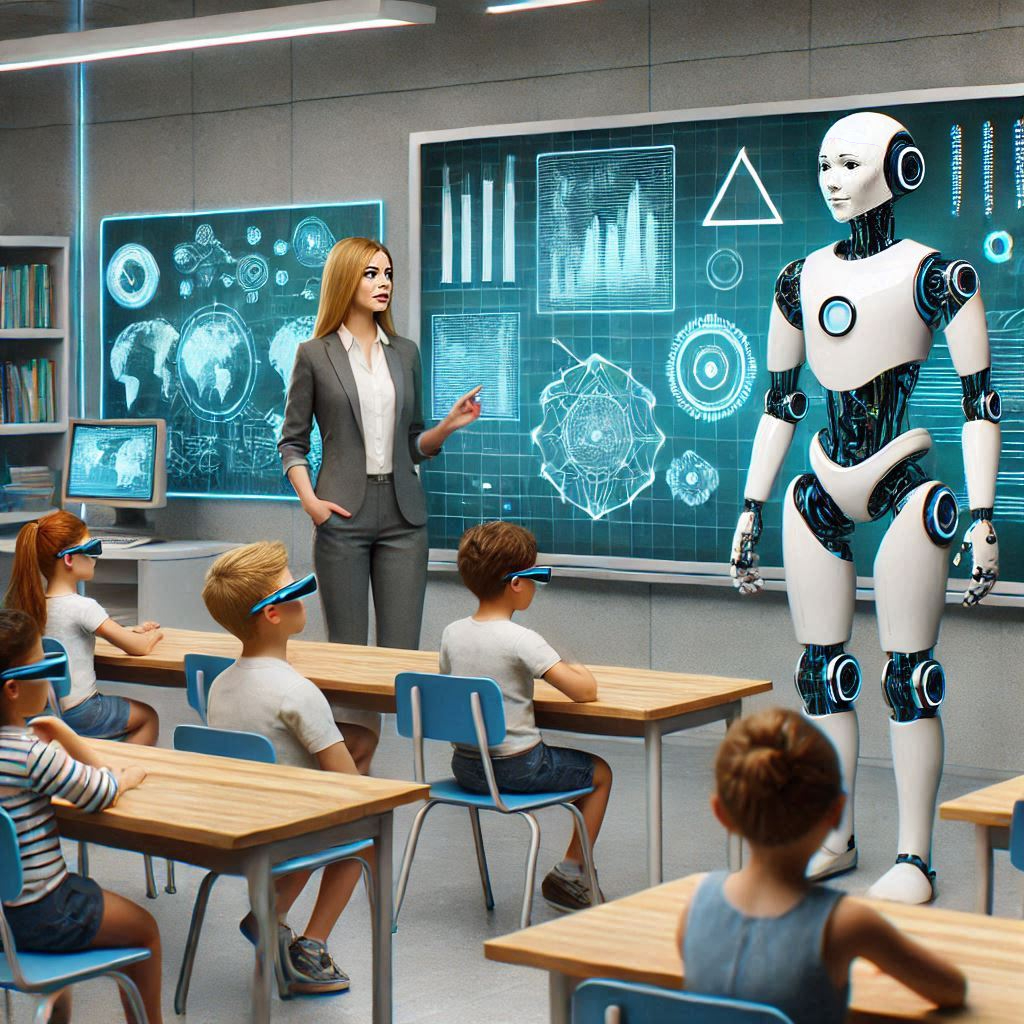
As AI becomes more common, teachers are feeling sidelined. In a 2024 survey by the National Education Association, 55% of educators said they felt their role was shrinking as AI took over tasks from grading to lesson planning. Some teachers report feeling “like supervisors for machines” instead of mentors for children. This shift not only affects job satisfaction but also the quality of education. Students lose the benefit of mentors who challenge, inspire, and care about them as individuals. The human touch that makes learning memorable can’t be automated, no matter how advanced the software.
Parental Concerns and Pushback

Many parents are sounding the alarm about the rise of AI in their children’s lives. Surveys from 2023 and 2024 by Common Sense Media show that 68% of parents worry their children are losing important life skills due to too much technology in school. Some families have started to opt out of AI-based homework or seek out schools that prioritize in-person learning. Parents say they want their kids to be tech-savvy, but not at the expense of empathy, creativity, or resilience. The growing pushback suggests that society is not ready to accept AI as a substitute for real human growth.
What the Future May Hold
As AI becomes even more advanced, experts warn that the risks could deepen. The OECD’s 2025 education forecast predicts that by 2030, AI will be involved in some way in 85% of all schoolwork in developed countries. Some researchers fear that without careful limits, children will grow up more comfortable with machines than with people. Others advocate for a balanced approach, where AI supports—but never replaces—the human elements of learning. The debate is far from over, and the choices we make today will shape what it means for kids to be human tomorrow.