
Too Many Choices, Too Little Peace

Opening a meditation app can feel like walking into a supermarket with endless aisles. There are hundreds of guided practices, soundscapes, and programs, all demanding your attention. In 2024, more than 2,500 meditation and mindfulness apps were available for download, according to mobile analytics firm Sensor Tower. Scrolling through endless options left me more stressed than soothed, wondering if I was choosing the “right” session. This phenomenon is called “choice overload,” and psychologists have linked it to higher anxiety and lower satisfaction. Instead of clarity, I found myself doubting every tap. The simplicity I craved was drowned out by options. Sometimes, I’d just end up doomscrolling the app menus, missing the point entirely.
Notifications That Interrupt More Than They Help

Many meditation apps bombard you with reminders, badges, and streak counters. At first, I thought these would keep me accountable. But after a while, the notifications felt like nagging, not gentle encouragement. In a 2023 study published in the Journal of Behavioral Addictions, researchers found that constant app notifications can actually increase stress and reduce well-being. Instead of feeling present, I was thinking about when my phone would buzz next. Meditation was supposed to be my break from technology, not another reason to check my device. The irony wasn’t lost on me—my mindfulness practice was turning into another to-do list.
Subscription Fatigue Is Real

Most of the popular meditation apps have shifted to paid subscription models. Headspace, Calm, and Insight Timer all charge between $6 and $15 per month for premium access as of 2025. According to Statista, the average American now pays for at least five monthly digital subscriptions. I started to feel like I was renting my peace of mind. When apps put core features behind paywalls, it made me question whether I was meditating for myself or just keeping up with another bill. The commercialization of peace felt strange. My wallet and my mind both deserved a break.
Algorithm-Driven Content Misses the Human Touch
Many apps use algorithms to suggest guided meditations “just for you.” That sounds great, but these recommendations are often based on what’s popular or what keeps you scrolling. In 2024, a report from Pew Research Center found that nearly 70% of app users felt “pushed” into certain content rather than genuinely supported. I noticed the same thing—after a while, the suggestions felt robotic and repetitive. I missed the warmth of a real teacher or even the sound of my own breath. When meditation becomes another algorithmic feed, it loses its soul.
The Data Privacy Dilemma
Every tap, every mood log, every session—many apps collect this data. In 2023, the Mozilla Foundation found that 25 out of 32 top mental health apps failed to meet basic privacy standards. Some were even caught selling anonymized data to advertisers. Meditation is about vulnerability and self-care. Knowing my habits could be tracked or sold left me uneasy. I wanted a safe space, not another digital profile to be mined. Trust is crucial in mindfulness, and too many apps fall short.
Screen Time Creep Defeats the Purpose

Ironically, meditation apps add to our daily screen time. The 2024 “Digital Wellbeing” report from RescueTime found that the average person spends over 7 hours per day on screens, up 15% from 2022. Adding guided meditations, app check-ins, and “mindful minutes” can quietly nudge that number even higher. I caught myself switching from a meditation session straight into social media or news apps, breaking the calm in seconds. Meditation is meant to be a pause from the digital world—not another reason to stay glued to it.
Traditional Techniques Don’t Need Technology
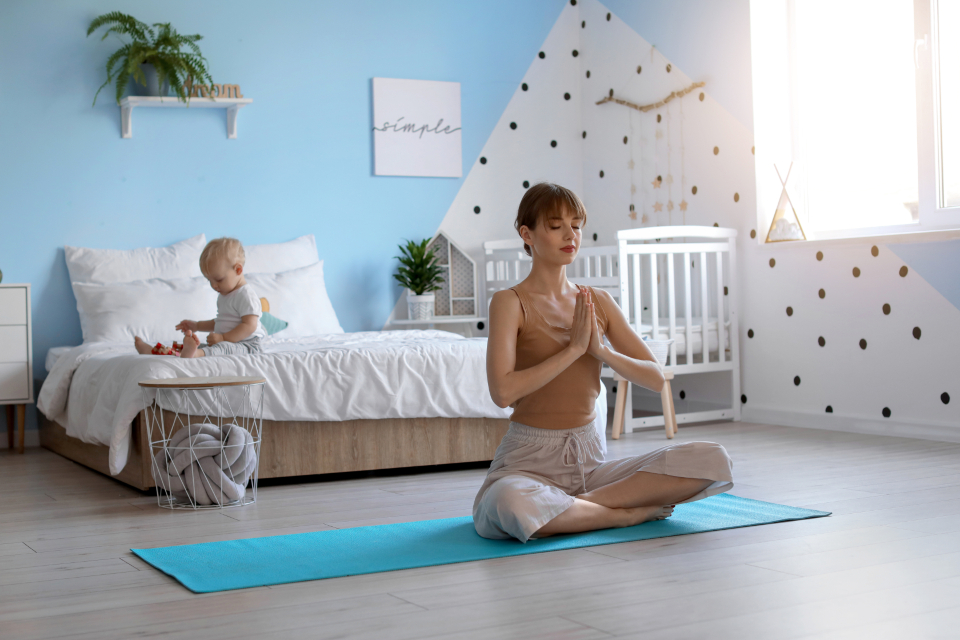
Mindfulness and meditation have existed for thousands of years—long before smartphones and Bluetooth headphones. Practices like breath awareness, body scans, and silent sitting require nothing but your own focus. In fact, a 2022 study from Harvard Medical School showed that “analog” meditation (without screens or apps) produced greater long-term well-being than app-based practices for most participants. The simplicity is part of the magic. When I left my phone behind and just sat quietly, I found a deeper, more lasting peace.
Community Over Convenience
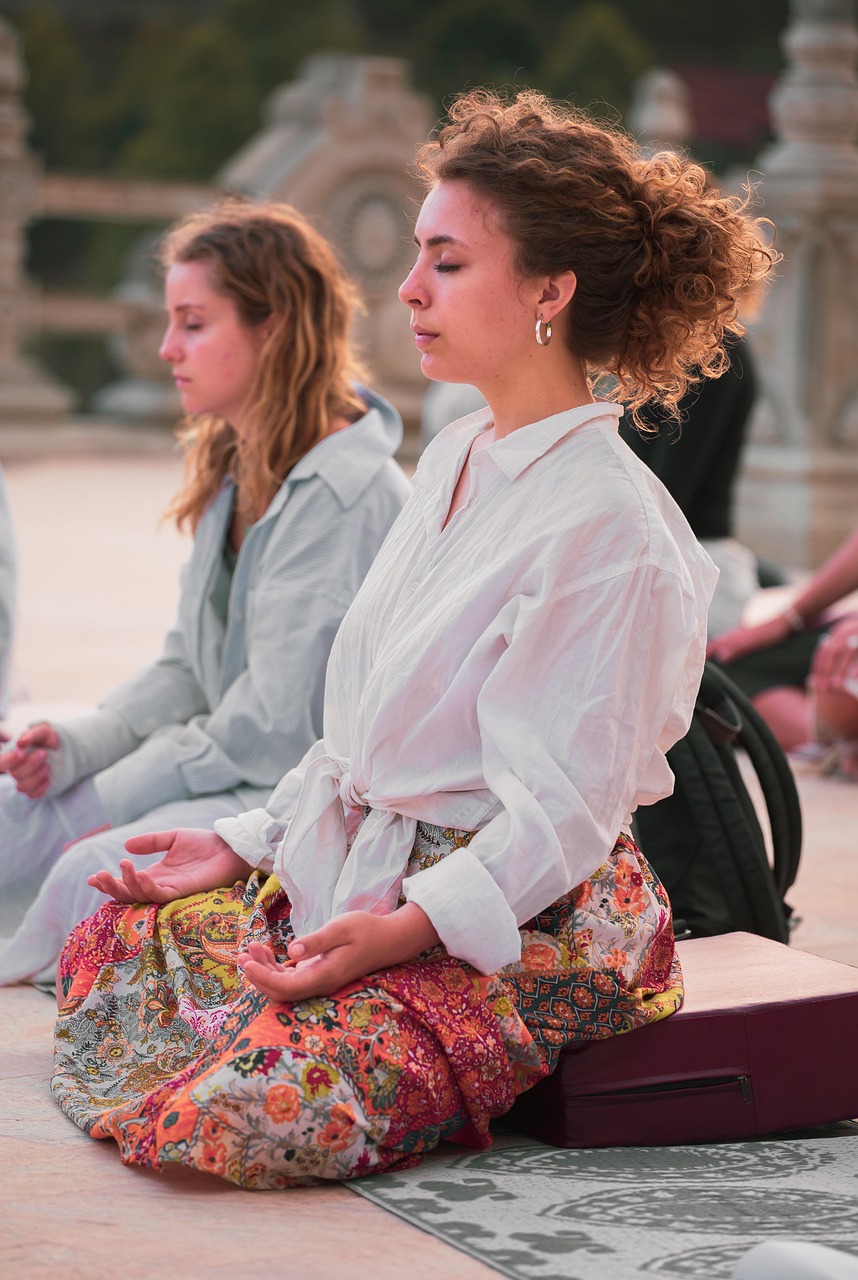
Meditation has always thrived in community settings, whether it’s a yoga class, a church group, or a local mindfulness circle. According to the National Center for Complementary and Integrative Health, group meditation leads to more consistent practice and stronger social connections. Apps are convenient, but they can feel isolating. I missed the energy of meditating with others—hearing the collective breath, sharing the silence, and supporting each other. There’s something about real connection that no app can replicate.
Customization Can Lead to Confusion

Some meditation apps offer endless customization—choose your background sound, your narrator, even the length of your session. While this sounds empowering, it can actually be overwhelming. A 2023 article in Psychology Today highlighted how too much personalization can paralyze decision-making. I spent more time tweaking settings than actually meditating. Instead of clarity, I ended up in a fog of choices. The beauty of meditation is its simplicity—sometimes, less really is more.
Gimmicks and Gamification Undermine the Practice

To keep users engaged, many apps add gamified features—streaks, badges, leaderboards, and challenges. In 2025, over 60% of top meditation apps used at least one form of gamification, according to App Annie. While these features might boost short-term engagement, research from the University of Cambridge found they can distract from the real purpose of meditation: inner calm and self-awareness. I caught myself meditating just to keep my streak alive, not to actually feel better. It started to feel like a video game, not a personal journey.
Listening to My Own Inner Guide

After cutting back on apps, I started listening more to myself. I noticed my own rhythms—when I needed stillness, when I needed movement, when I needed to just breathe. Personal reflection, not a celebrity narrator, became my teacher. Recent research from the Mindful Awareness Research Center in 2024 showed that self-guided meditation can build stronger self-trust and resilience. My intuition grew sharper. I realized that the best guide is often inside us all along.
Slowing Down Is the Ultimate Luxury
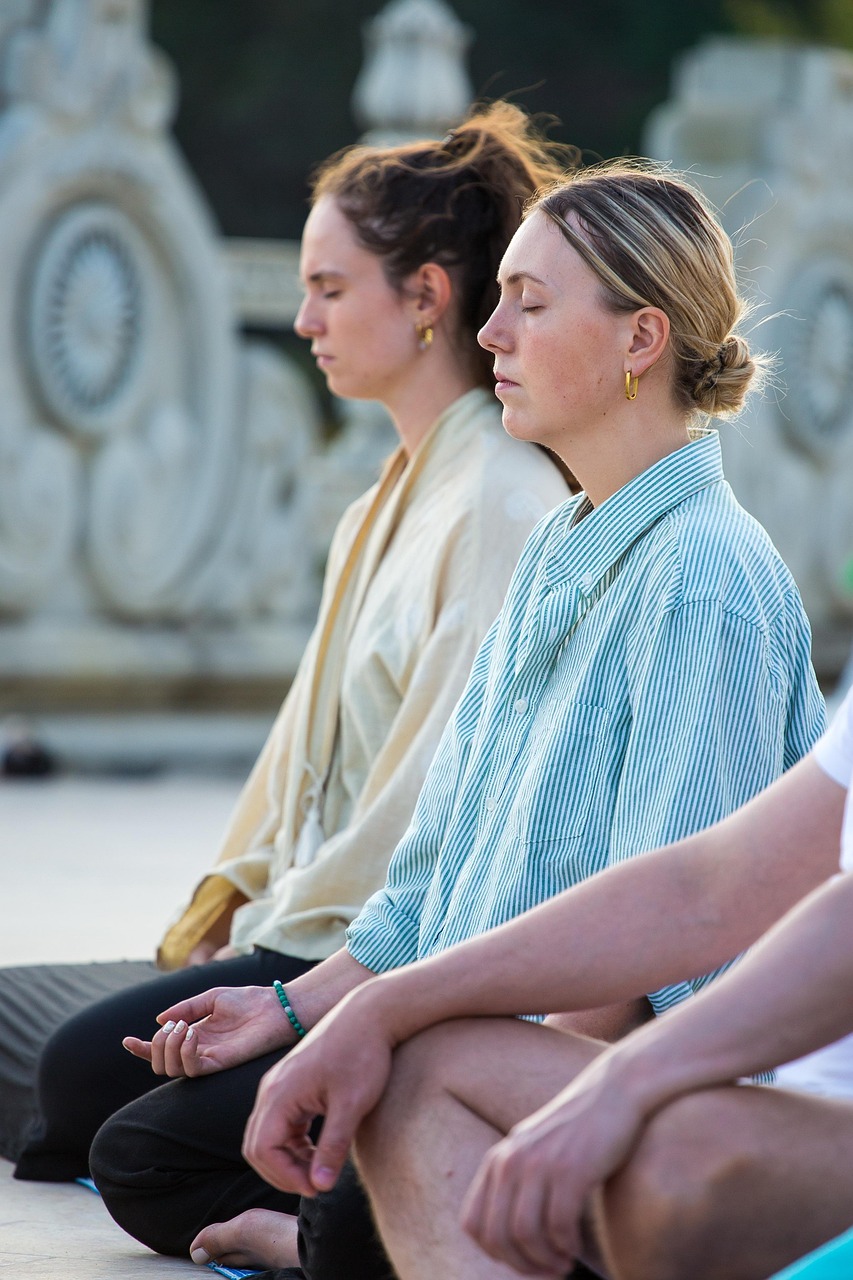
In a world obsessed with optimization and productivity, slowing down feels almost rebellious. Meditation apps promise efficiency, but true mindfulness isn’t about squeezing calm into a busy schedule. It’s about stepping outside the race altogether. In 2025, the World Health Organization warned that “digital wellness” can’t replace genuine downtime. I found that when I put away my phone and just sat in silence, time seemed to stretch. The pause itself became a luxury—one that no app can sell.
Rediscovering the Joy of Doing Nothing
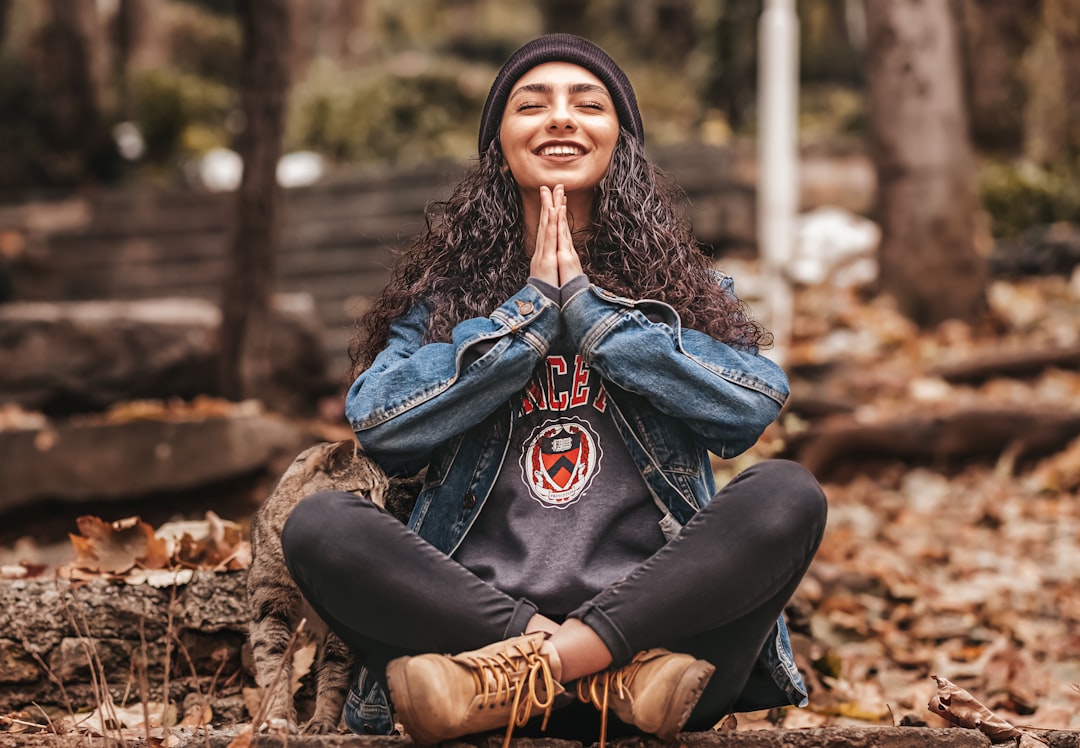
Sometimes, the best meditation is simply sitting quietly and letting your mind wander. Neuroscientists at the University of California reported in 2024 that “intentional mind-wandering” can be just as restorative as guided mindfulness. I stopped worrying about doing meditation “right.” I let myself be bored, curious, even restless. That’s when real insights bubbled up. I learned to trust the process, imperfections and all. The joy of doing nothing—without instructions, without a playlist—became my favorite practice.
Direct Experience Trumps Digital Guidance

No matter how advanced the app, it’s still a layer between you and the present moment. Meditation is about direct experience—feeling your breath, hearing the world, noticing your thoughts drift by. A 2025 study in the Journal of Mindfulness found that unplugged, self-led meditation led to more profound states of awareness and satisfaction. The fewer filters, the deeper the connection. I realized my phone was a tool, not a necessity. Stepping away from apps helped me step into my own life more fully.