
Did you know that just 10 minutes of meditation a day can rewire your brain for less stress and more happiness? That’s right—science proves it! Meditation isn’t just for monks or yogis; it’s a game-changer for anyone seeking peace, focus, and emotional balance. The best part? You don’t need hours of practice or complicated rituals. Some of the most powerful techniques are ridiculously simple.
Here are the top 10 meditation methods that deliver life-changing benefits with minimal effort. Whether you’re a busy parent, a stressed-out student, or just someone who needs a mental reset, these techniques are your shortcut to inner calm.
1. Box Breathing: The Navy SEAL Secret
Box breathing, also known as tactical breathing, is a favorite among Navy SEALs for staying calm under pressure. It’s as simple as inhaling for 4 seconds, holding for 4 seconds, exhaling for 4 seconds, and holding again for 4 seconds. Research from Harvard Medical School shows this method lowers cortisol (the stress hormone) almost instantly.
The best part? You can do it anywhere—sitting in traffic, before a big meeting, or even in line at the grocery store. No fancy gear, no special training—just your breath. Studies confirm that just five minutes of box breathing can shift your nervous system from “fight or flight” to “rest and digest.”
2. The 5-Minute Body Scan
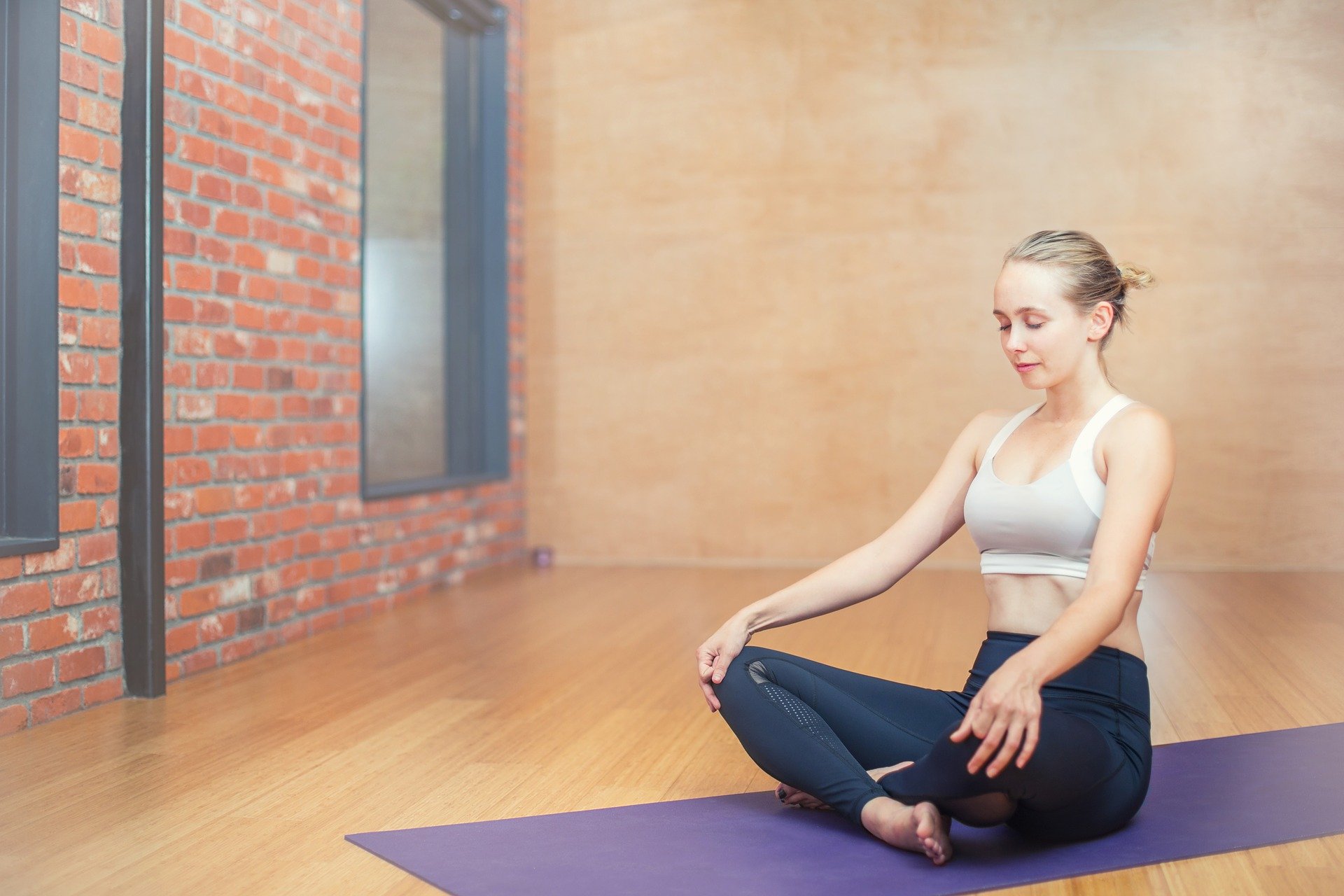
This technique is perfect for people who struggle with traditional seated meditation. Simply lie down, close your eyes, and mentally scan your body from head to toe, noticing any tension. A 2024 study in *Mindfulness* found that body scans reduce chronic pain and improve sleep quality.
It’s like giving your brain a mini-vacation. You don’t have to “clear your mind”—just observe. Many beginners love this method because it feels more like relaxation than meditation. Yet, the benefits are profound, including lower blood pressure and reduced anxiety.
3. Mantra Meditation: The Power of a Single Word
Repeating a simple word or phrase—like “peace” or “I am calm”—can quiet a racing mind. Research from the University of California shows that mantra meditation increases gray matter in brain regions linked to emotional regulation.
You don’t need a Sanskrit mantra; any positive word works. Even silently repeating “one” with each breath can create deep focus. This method is ideal for overthinkers because it gives the mind a single anchor point. Celebrities like Oprah and Hugh Jackman swear by it for mental clarity.
4. Walking Meditation (No Cushion Required)

If sitting still makes you fidget, try walking meditation. Focus on the sensation of each step—the heel touching down, the roll of the foot, the lift. A Stanford study found that mindful walking boosts creativity by 60% compared to sitting.
It’s meditation for people who hate meditation. You can practice it on your lunch break or while walking the dog. Bonus: It counts as light exercise, so you’re doubling the benefits. Many office workers use this to reset during stressful days.
5. The “Do Nothing” Technique
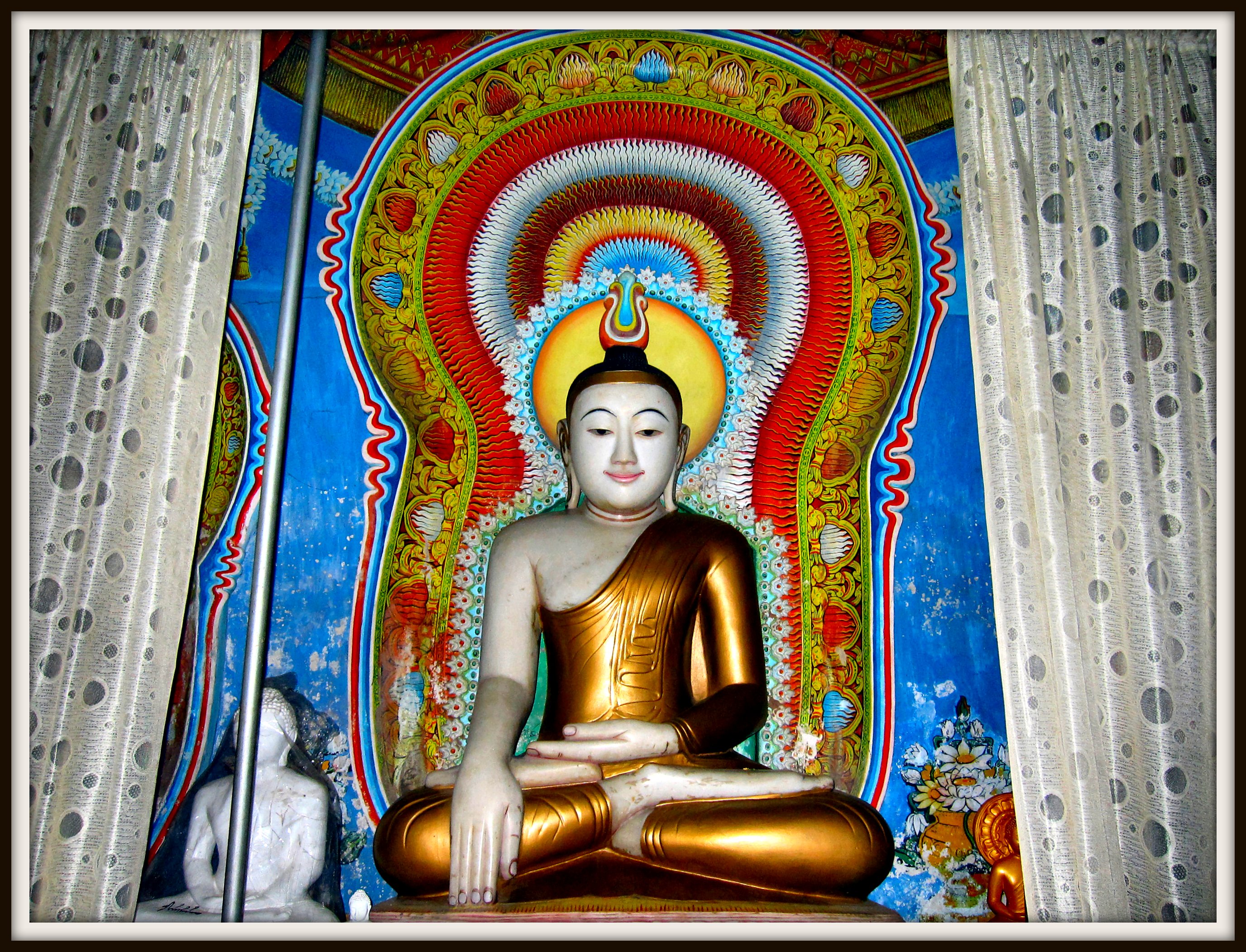
Sounds too good to be true? It’s actually a legit Zen practice. Sit comfortably, set a timer for 5–10 minutes, and let your mind wander without controlling it. A 2023 study in *Frontiers in Psychology* found this method reduces rumination (overthinking) better than focused meditation.
It’s the opposite of trying to “empty your mind.” Instead, you observe thoughts like clouds passing by. Surprisingly, this non-effort approach often leads to deep relaxation. Perfect for those who feel pressured to “meditate correctly.”
6. Loving-Kindness Meditation (Metta)
This involves silently sending goodwill to yourself and others (“May you be happy, may you be safe”). Research from the University of Wisconsin reveals it increases compassion and decreases migraines.
Even skeptics are shocked by how warm and connected this practice makes them feel. It’s especially powerful before bed or after conflicts. Studies show just 8 weeks of Metta meditation changes brain activity toward positivity.
7. The “One-Minute Breath” Hack
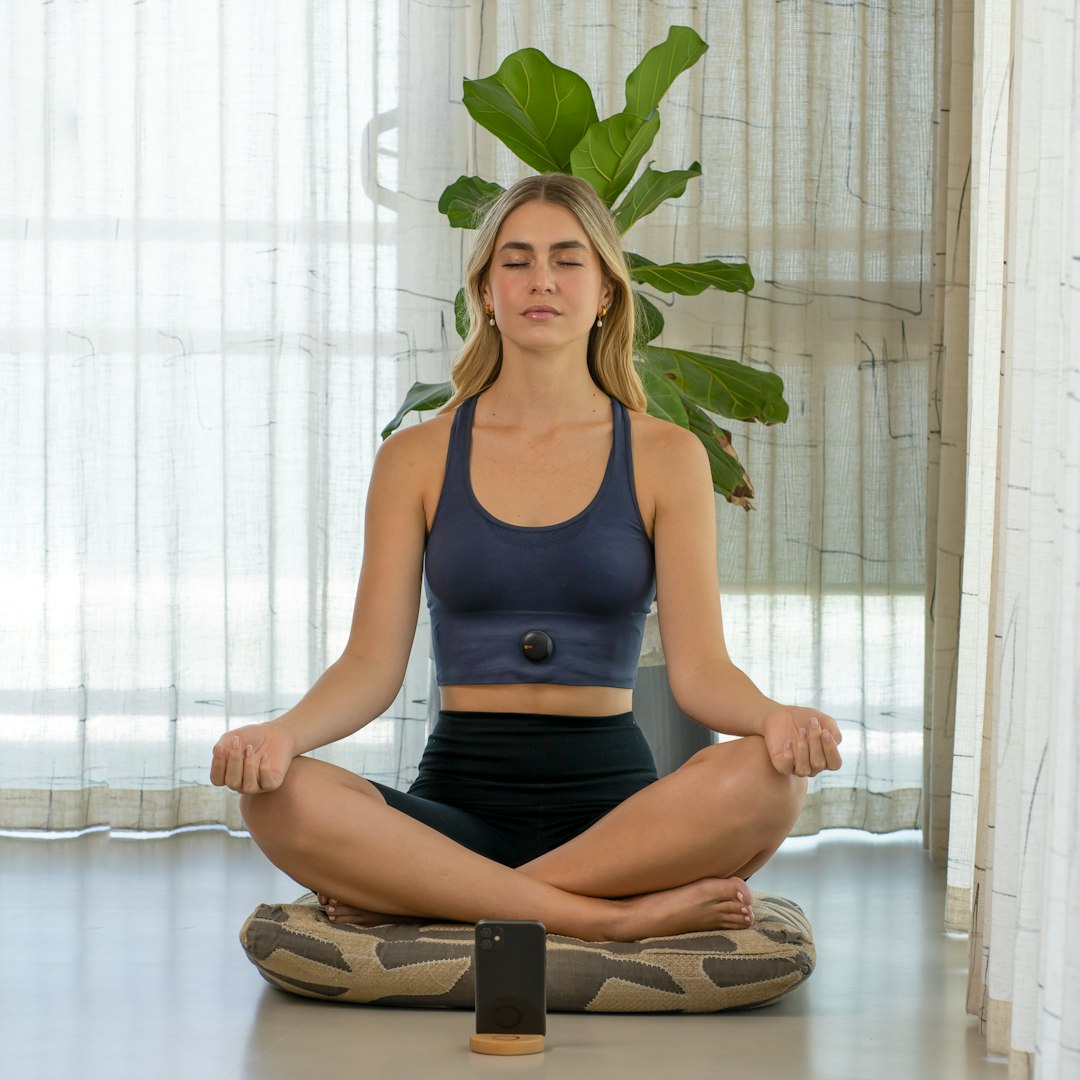
Crazy busy? Try this: Breathe in for 5 seconds, hold for 5, exhale for 5. Do this for just 60 seconds. The *Journal of Clinical Psychology* reports this resets the amygdala (the brain’s panic button) faster than longer sessions.
Ideal for panic attacks or pre-presentation jitters. Flight attendants teach a version of this to nervous flyers. It’s proof that duration doesn’t equal effectiveness.
8. Candle Gazing (Trataka)
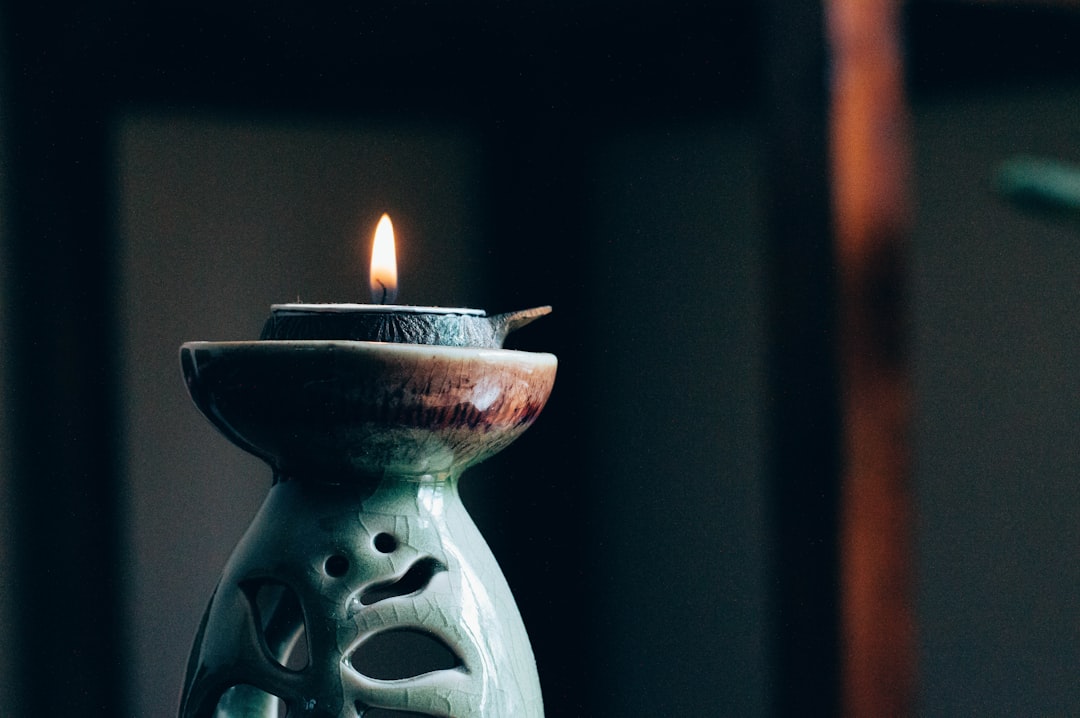
Stare softly at a candle flame (or a dot on the wall) for a few minutes. Ancient yogic texts and modern studies agree: This boosts concentration and reduces eye strain from screens.
Many report entering a trance-like calm within minutes. It’s meditation for visual learners. Artists and coders love this for overcoming creative blocks.
9. The “Sound Bath” Shortcut
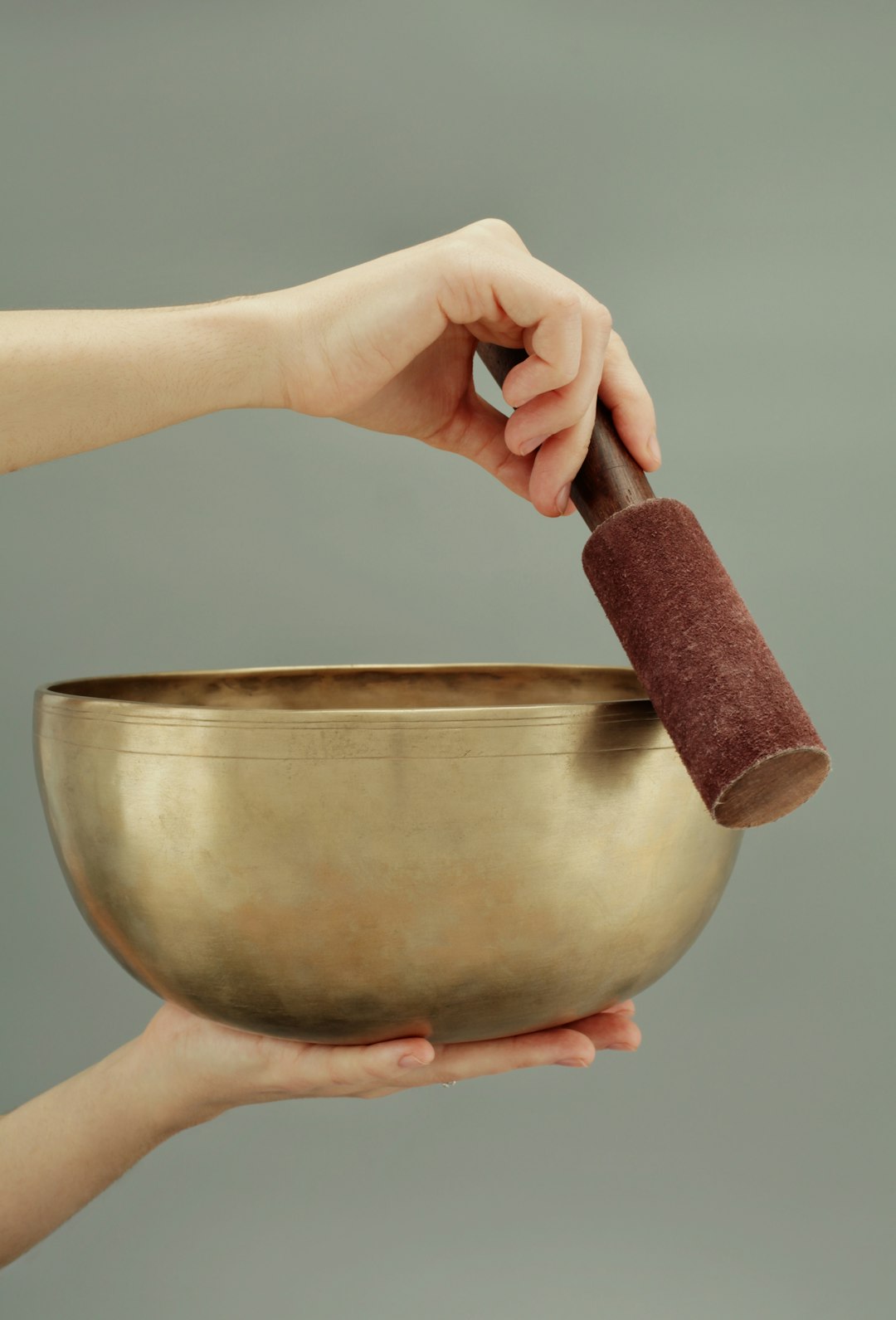
Play a singing bowl or nature sounds, then focus solely on the vibrations. A 2025 Oxford study found sound meditation lowers inflammation markers by 17%.
No instruments? Humming works too—it stimulates the vagus nerve, which calms the body. Great for people who need sensory input to relax.
10. The “3 Things” Grounding Trick
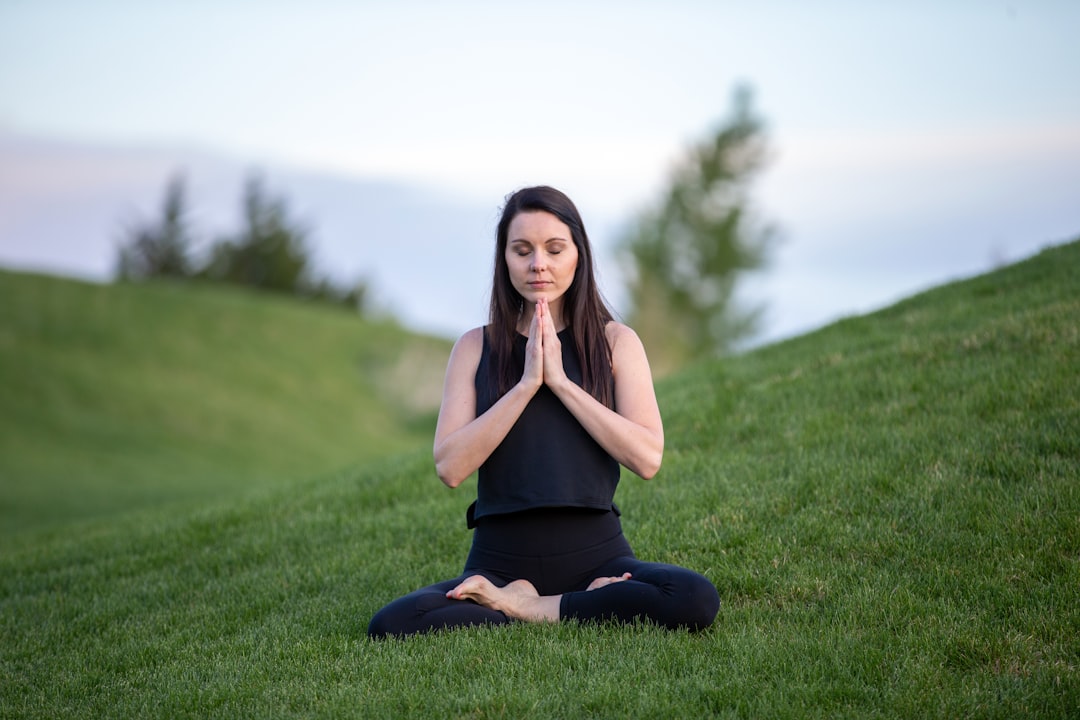
Name 3 things you see, hear, and feel. The military uses this for instant stress relief. Psychology Today calls it “emergency meditation” for PTSD and anxiety attacks.
It forces the brain into the present moment. Parents teach it to kids for meltdowns. The ultimate on-the-go meditation.