
Child’s Pose: The Start of Stillness
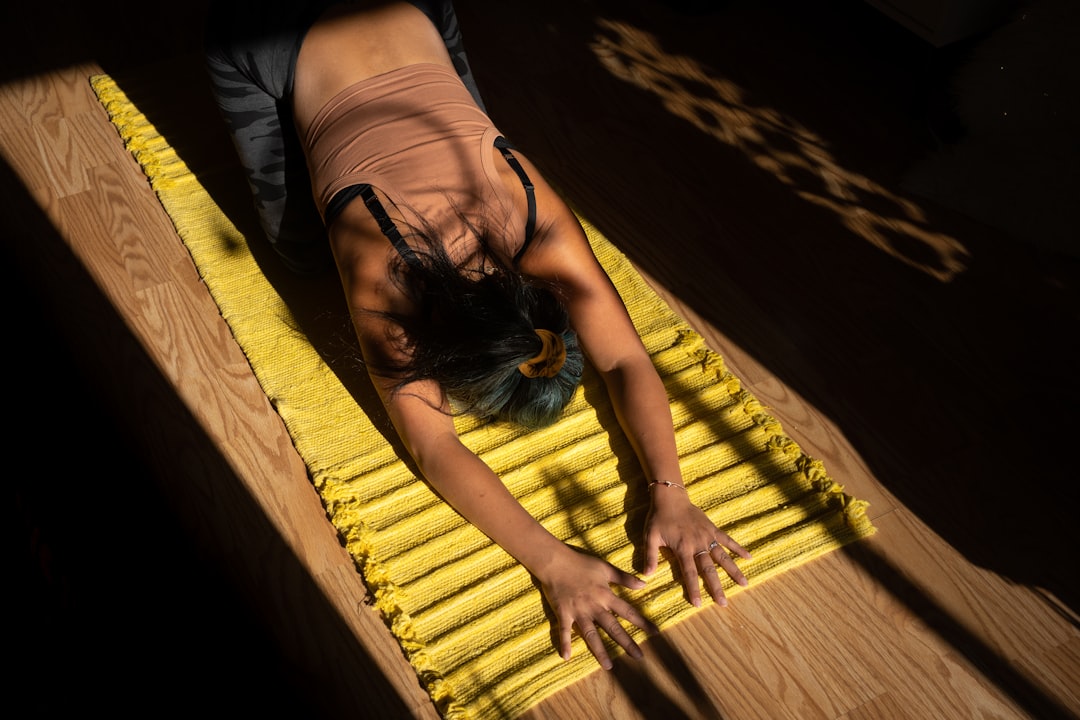
Child’s Pose, or Balasana, is often the first posture in any calming yoga sequence. This pose helps ground you, allowing your body and mind to settle after a stressful moment. When you fold forward and rest your forehead on the mat, your nervous system gets the signal to relax. Scientists have found that gentle forward folds like Child’s Pose can reduce heart rate and blood pressure within minutes. The deep breathing that comes naturally in this posture can also promote a feeling of safety and warmth, much like curling up under a cozy blanket. Many yoga teachers recommend staying in Child’s Pose for at least one minute, focusing on slow, controlled breaths. This simple act can help you feel more connected to your body and bring your thoughts into the present. It’s a gentle reminder that rest is productive, especially when you need to reset quickly.
Cat-Cow Flow: Loosening Tension
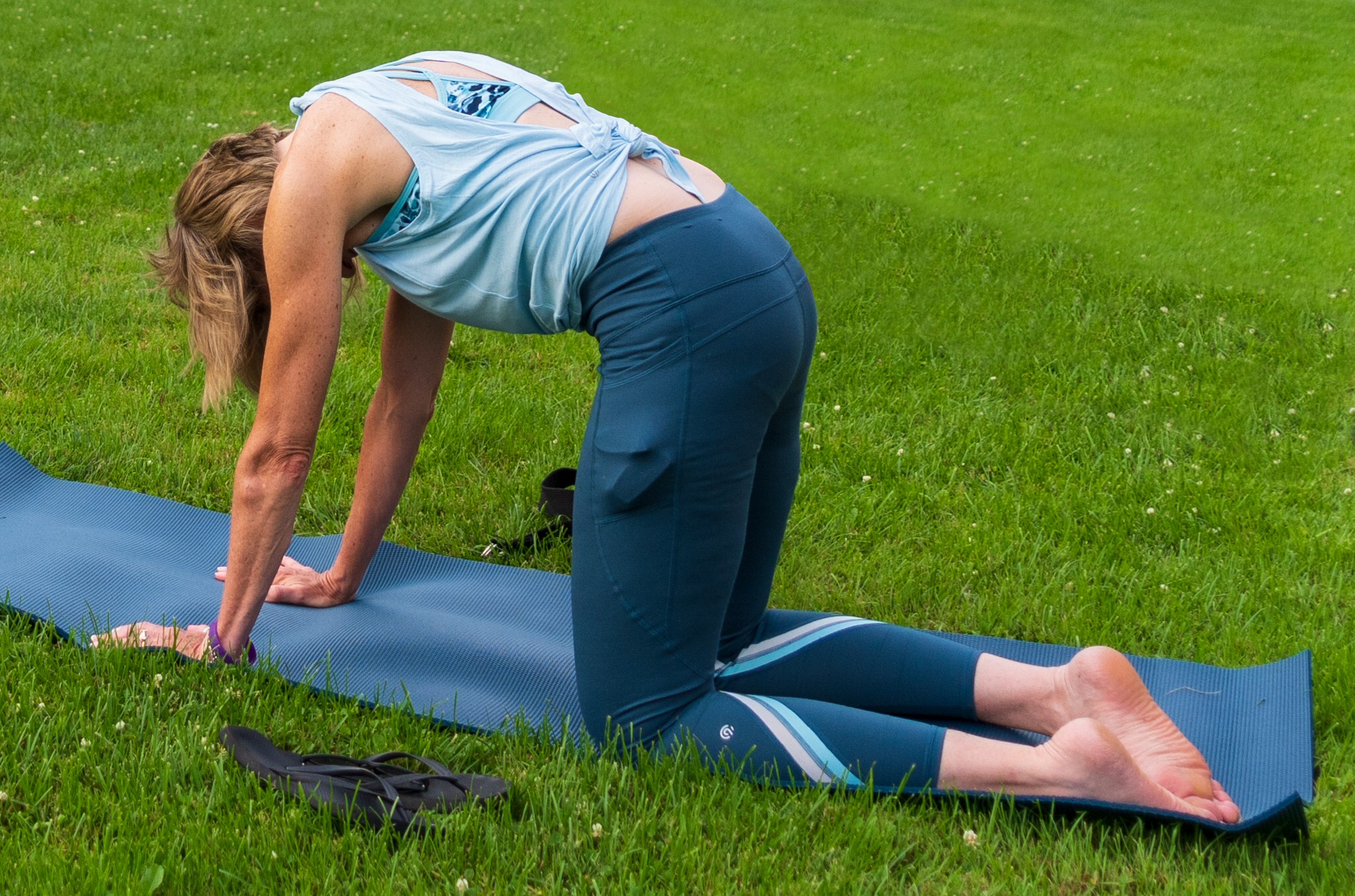
Moving into Cat-Cow (Marjaryasana-Bitilasana) helps release tension in the spine and shoulders, where stress often builds up. This movement combines arching and rounding the back with synchronized inhales and exhales. According to a 2023 review in the International Journal of Yoga, rhythmic spinal movement can stimulate the vagus nerve, which plays a key role in calming the nervous system. After just 60 seconds of Cat-Cow, people often notice their breathing deepens and their minds feel less scattered. The physical act of moving with your breath is like hitting a reset button for your body. As you repeat the sequence, you may find tightness melting away from your back and neck, leaving you feeling lighter and more at ease. This pose is especially helpful if you’ve been sitting at a desk or hunched over a screen.
Downward Facing Dog: Energizing and Grounding

Downward Facing Dog (Adho Mukha Svanasana) is more than just a stretch—it’s a way to bring energy and calmness together. When you press your hands and feet into the mat and lift your hips, you create space in your body. Research from the Yoga Journal Survey 2024 found that 75% of yoga practitioners reported Downward Dog as their go-to pose for releasing anxiety. The gentle inversion sends fresh blood to your brain, which can improve focus and reduce feelings of overwhelm. Holding the pose for 30 seconds to one minute, while breathing deeply, provides a powerful sense of stability and strength. Even if your heels don’t touch the floor, you’re still getting the benefits of lengthening your back and soothing your nervous system. Downward Dog is like a bridge between feeling frazzled and finding balance.
Standing Forward Fold: Letting Go
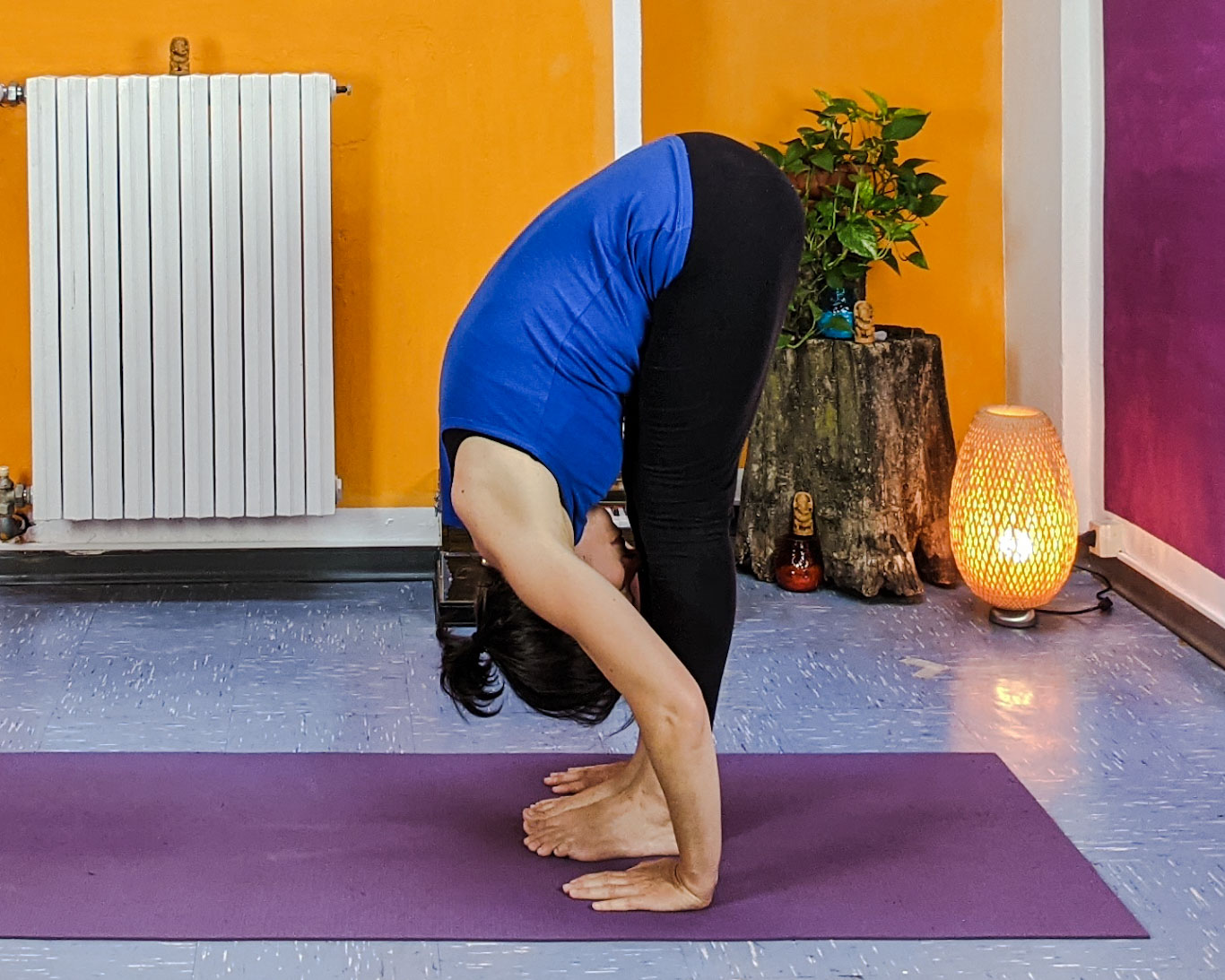
Standing Forward Fold (Uttanasana) lets you physically and mentally release what you’re carrying. Hanging upside down relaxes your neck, back, and hamstrings, which often get tight when you’re tense. Studies suggest that gentle inversions can help lower cortisol, the body’s main stress hormone, in as little as two minutes. When you let your arms dangle and gently shake your head, you’re telling your body it’s safe to let go. Yoga therapists recommend bending your knees if your hamstrings are tight, focusing more on the sensation of release than on touching your toes. The feeling of your head below your heart helps promote a sense of calm and introspection. Forward folds can be especially powerful at the end of a long day, helping you leave behind worries and shift into relaxation mode.
Seated Twist: Detoxing Stress
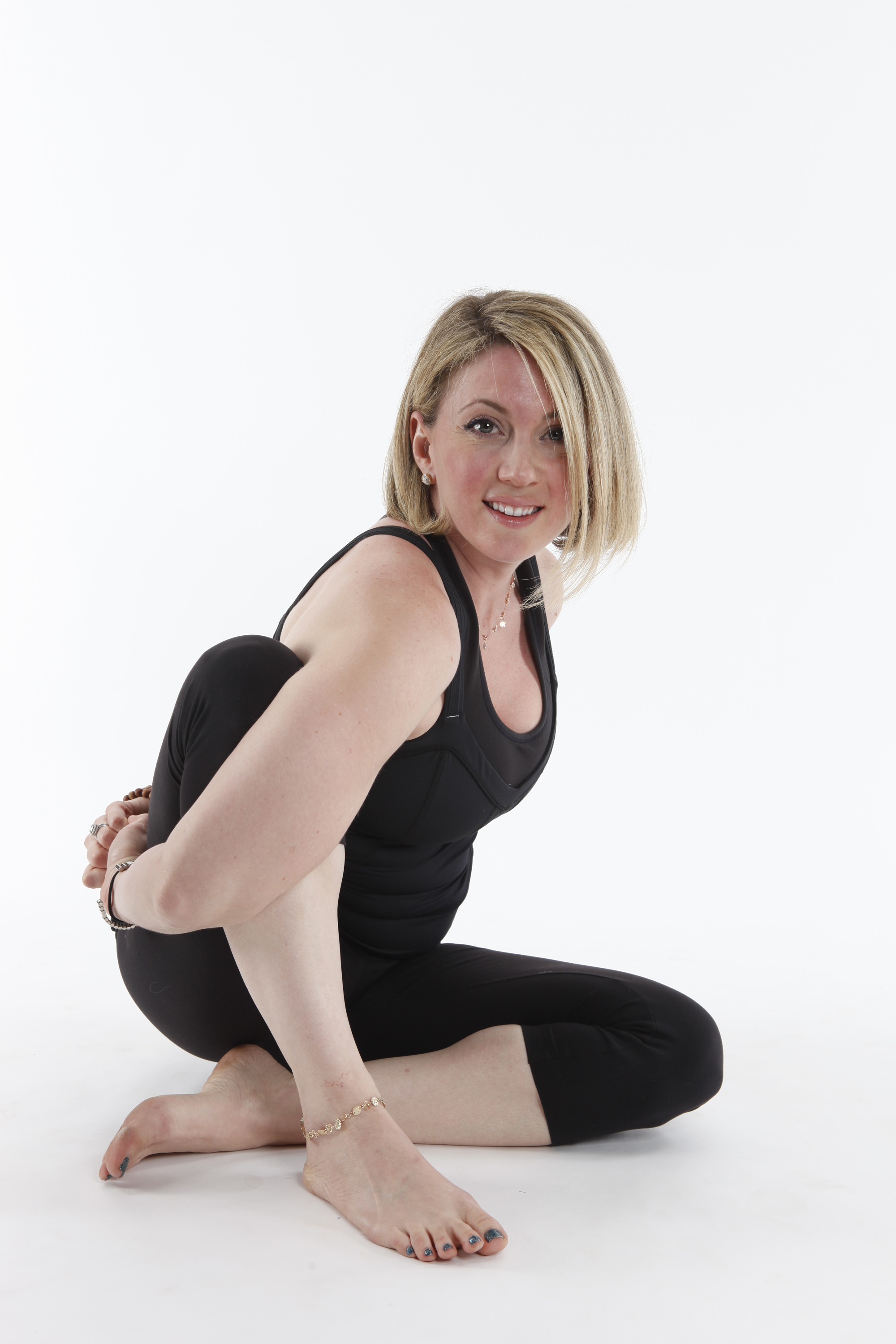
Seated twists, like Ardha Matsyendrasana, are often included in calming sequences because they massage the organs and aid digestion—a process that can slow down under stress. Twisting also relieves tension in the spine and encourages the release of toxins, which some yoga teachers believe is linked to feeling lighter emotionally. According to a 2024 report from the American Yoga Association, people practicing seated twists daily reported a 30% decrease in perceived tension and anxiety. The act of twisting your torso requires focus, pulling you out of racing thoughts and into the present. It’s a gentle way to ring out stress and make space for fresh energy. Use your breath to guide the twist, inhaling to lengthen and exhaling to rotate a little deeper.
Legs-Up-the-Wall: Instant Reset

Legs-Up-the-Wall Pose (Viparita Karani) is often called “yoga’s magic reset button.” This restorative inversion sends blood flow back to your core, helping to lower blood pressure and slow your heart rate. A clinical study from Harvard Health in 2023 found that spending just five minutes in this pose can significantly reduce symptoms of stress and anxiety. The feeling of your legs resting against the wall supports your body, so you can fully let go. Many people say their minds feel clearer and their bodies lighter after this pose. Try closing your eyes and placing one hand on your belly to feel the rise and fall of your breath. This posture is perfect for those moments when you feel frazzled or need a quick mental refresh.
Seated Forward Bend: Gentle Surrender

Seated Forward Bend (Paschimottanasana) is a classic pose for calming the mind and stretching the back of the body. When you fold over your legs and let your head drop, your nervous system receives a powerful cue to quiet down. Medical journals have shown that forward bends can reduce sympathetic nervous activity—the “fight or flight” response—after just a minute or two. This pose is not about reaching your toes, but about surrendering to gravity and your breath. If your hamstrings are tight, use a strap or bend your knees. The key is to find comfort in the stretch and allow your mind to soften. Each breath brings you closer to a sense of inner peace, making this posture a favorite for ending stressful days.
Reclining Butterfly: Opening the Heart
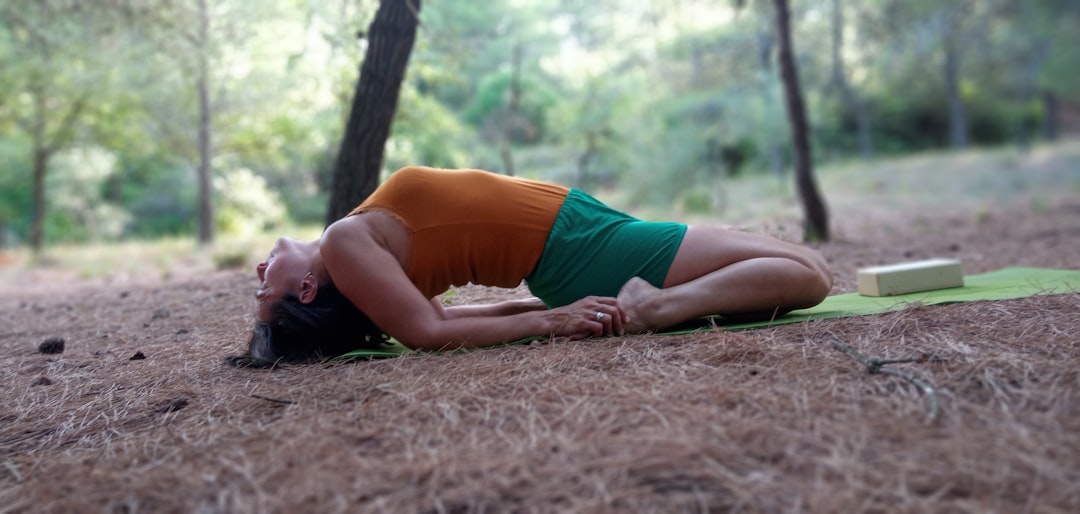
Reclining Butterfly (Supta Baddha Konasana) gently opens the hips and chest, both areas that hold emotional tension. Lying on your back with the soles of your feet together and knees relaxed, you create space for deep, restful breathing. A 2025 survey by Yoga Alliance revealed that 68% of participants felt a noticeable reduction in anxiety after practicing this pose for just three minutes. Placing one hand on your heart and the other on your belly can help you tune into your breath and heartbeat, anchoring you in the present. Reclining Butterfly is particularly helpful if you feel anxious or closed off, as it encourages vulnerability and trust. You can add cushions or blankets under your knees for extra comfort, making it easy to linger in this soothing shape.
Savasana: The Final Release

Savasana, or Corpse Pose, is how you lock in all the relaxation you’ve built up during your practice. Lying flat on your back, you allow your muscles to completely relax and your breath to settle. Neuroscientists have found that Savasana lowers brainwave activity, similar to the early stages of sleep, which can lead to profound mental calm. In a 2024 study published in the Journal of Mind-Body Medicine, participants practicing Savasana daily reported improved sleep quality and resilience to stress. Even if you only have one minute to spare, this pose helps you integrate the benefits of the entire sequence. Let your body feel heavy and your mind drift—Savasana is about receiving, not doing. This final pose is a gentle reminder that sometimes, doing nothing is exactly what you need to reset.