
The Surprising Science Behind Warrior Pose
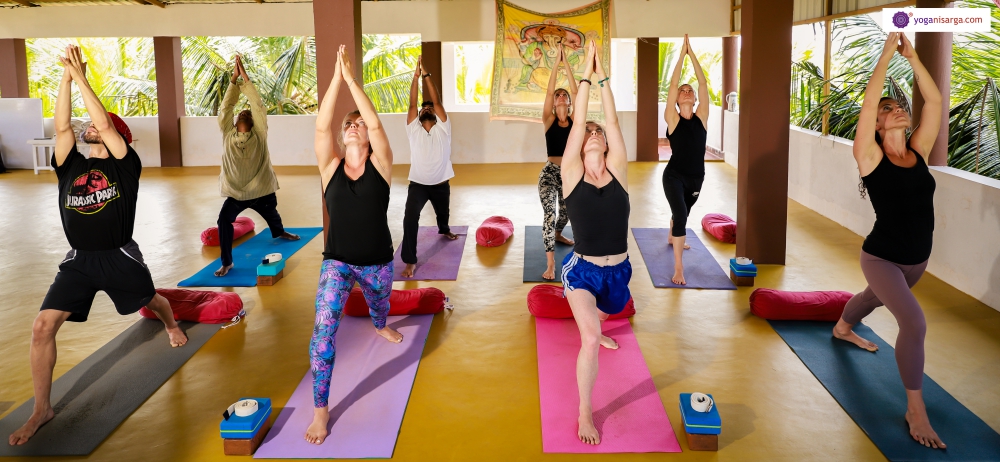
Warrior Pose, or Virabhadrasana, is more than just a dramatic yoga posture—it’s a scientifically backed tool for building both physical and mental resilience. Studies from the University of Illinois found that practicing yoga postures like Warrior Pose increases blood flow to the brain, improving focus and cognitive function. This pose requires balance, strength, and concentration, engaging muscles from your feet to your fingertips. The act of holding Warrior Pose for just one minute can activate the same stress-response pathways that help soldiers stay alert in high-pressure situations. This isn’t just about stretching: it’s about tapping into a physiological state where you can handle challenges with poise. Yoga instructors often describe Warrior Pose as a “power stance,” a position that can actually lower cortisol, the stress hormone, in the body. People who practice this pose regularly report feeling more prepared for life’s battles, both large and small.
How Yoga Shapes Our Fight-or-Flight Response
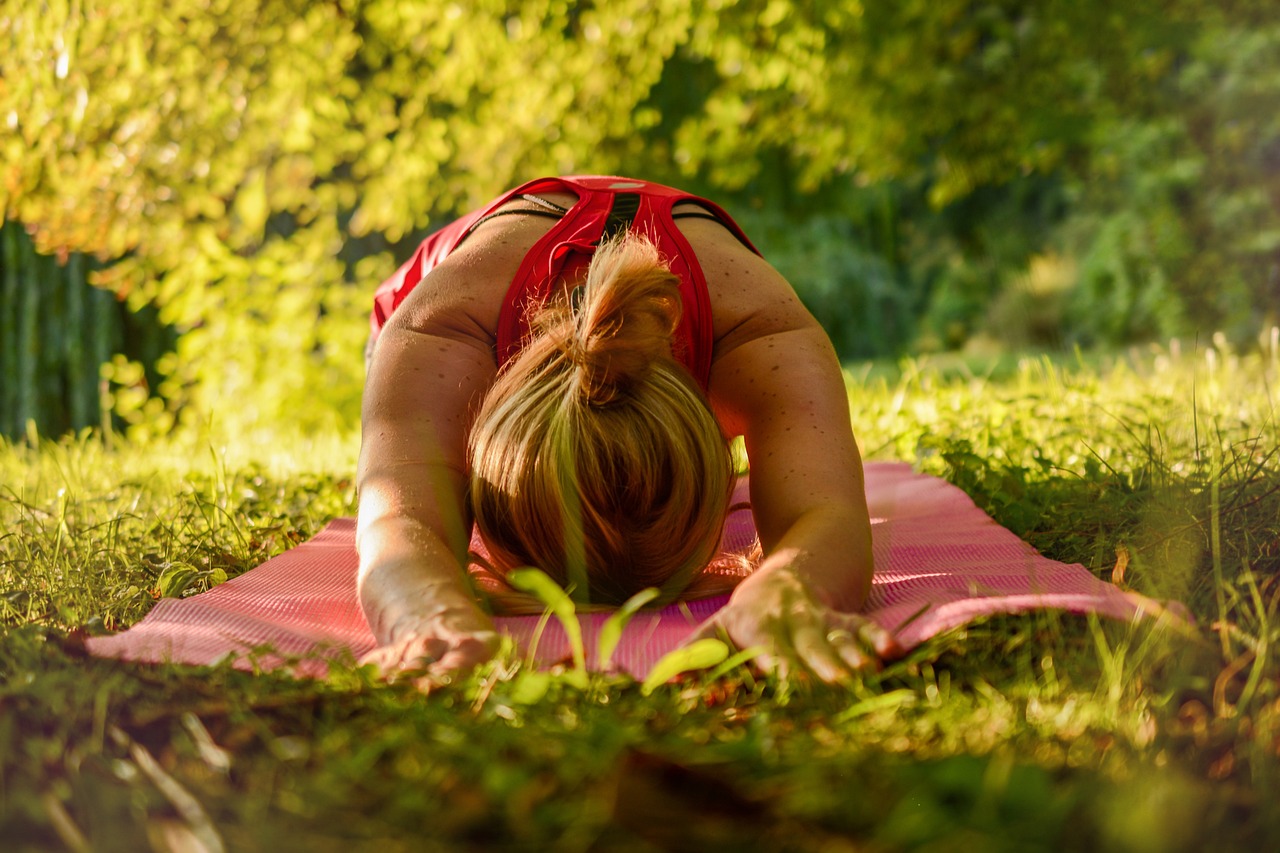
Yoga is proven to influence the body’s fight-or-flight response, shifting it from a state of panic to calm readiness. Harvard Medical School published results showing that consistent yoga practice can reduce symptoms of anxiety by up to 40%. This is because yoga activates the parasympathetic nervous system, which tells the body to relax and recover instead of react impulsively. Warrior poses in particular train practitioners to remain steady under stress, much like a soldier standing firm during adversity. When you learn to breathe deeply and hold your ground on the mat, this skill often transfers to real-world stressful situations. Over time, people who practice yoga report fewer panic attacks and a greater sense of control during crises. This isn’t magic—it’s the body learning a new default setting for how to respond to stress.
Building Grit Through Repetition
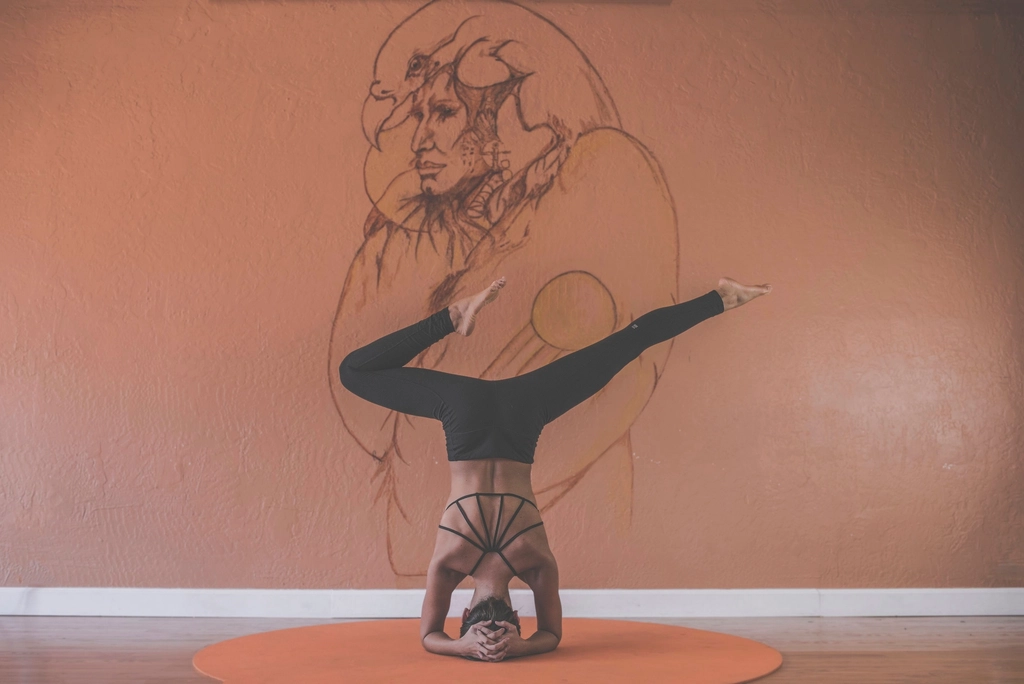
Yoga is about more than flexibility; it’s about persistence. A 2024 study conducted by the American Psychological Association revealed that people who practiced yoga three times a week developed higher levels of grit than those who did cardio alone. Grit, defined as passion and perseverance for long-term goals, is a key element of inner strength. The repetitive nature of yoga—holding difficult poses, returning to the mat even when tired—teaches the body and mind not to give up. Each time you attempt Warrior Pose, you’re teaching yourself to face discomfort and stay with it, instead of running away. This discipline often spills over into work, school, and personal relationships, forging a tough, never-quit mentality.
Yoga’s Impact on Emotional Resilience
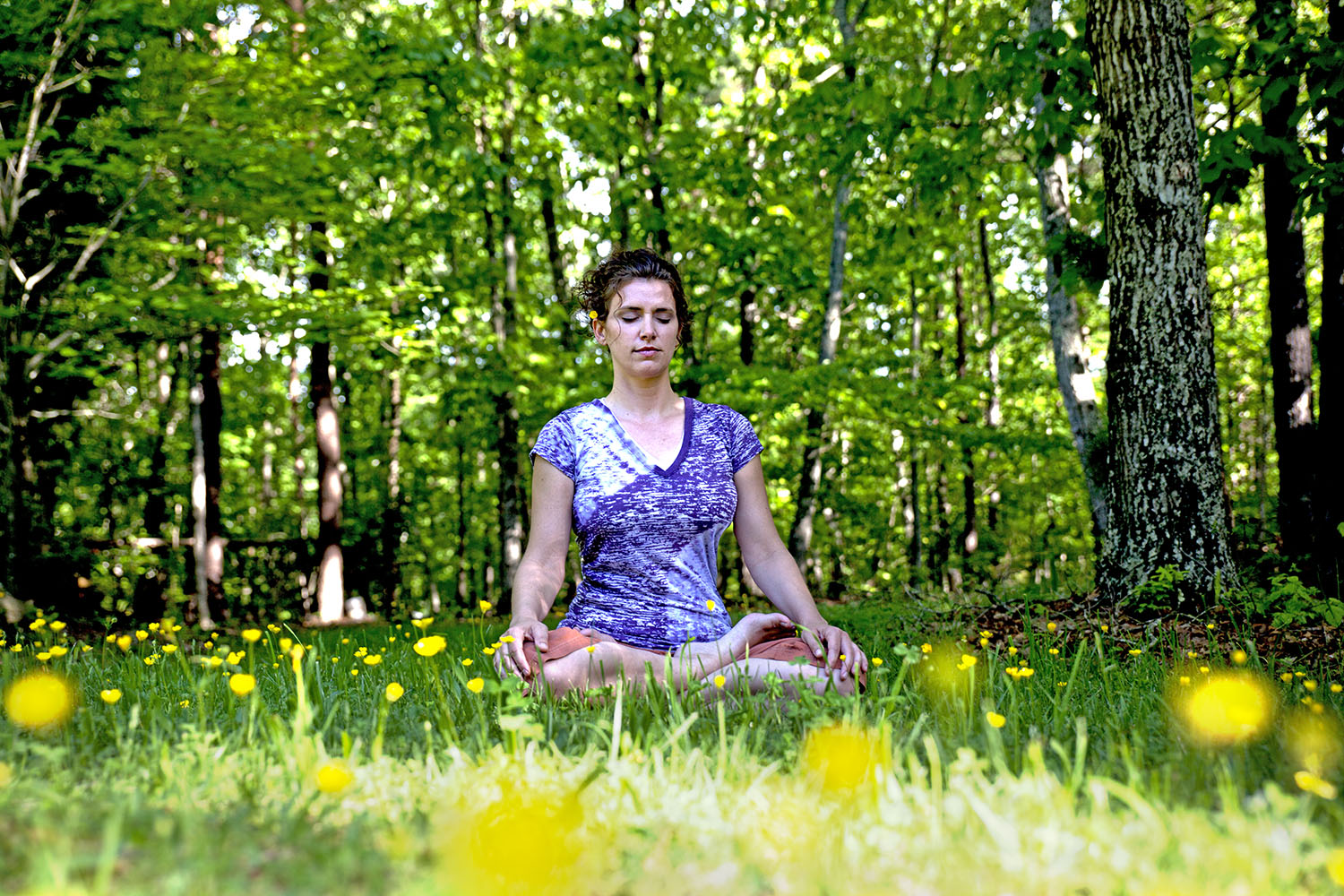
Emotional resilience is the ability to bounce back from setbacks, and recent research shows yoga can increase this by up to 30%. Johns Hopkins Medicine highlights that yoga encourages emotional regulation by promoting mindful awareness of thoughts and feelings. Warrior Pose, with its focus on strength and stability, acts as a physical metaphor for standing tall during emotional storms. Practitioners learn to notice their emotions without being overwhelmed. This kind of awareness empowers people to respond thoughtfully rather than react impulsively. Over time, yoga helps build a toolkit for managing grief, anger, and disappointment—giving people the courage to face whatever life throws their way.
The Power of Breath: Pranayama’s Role in Inner Strength
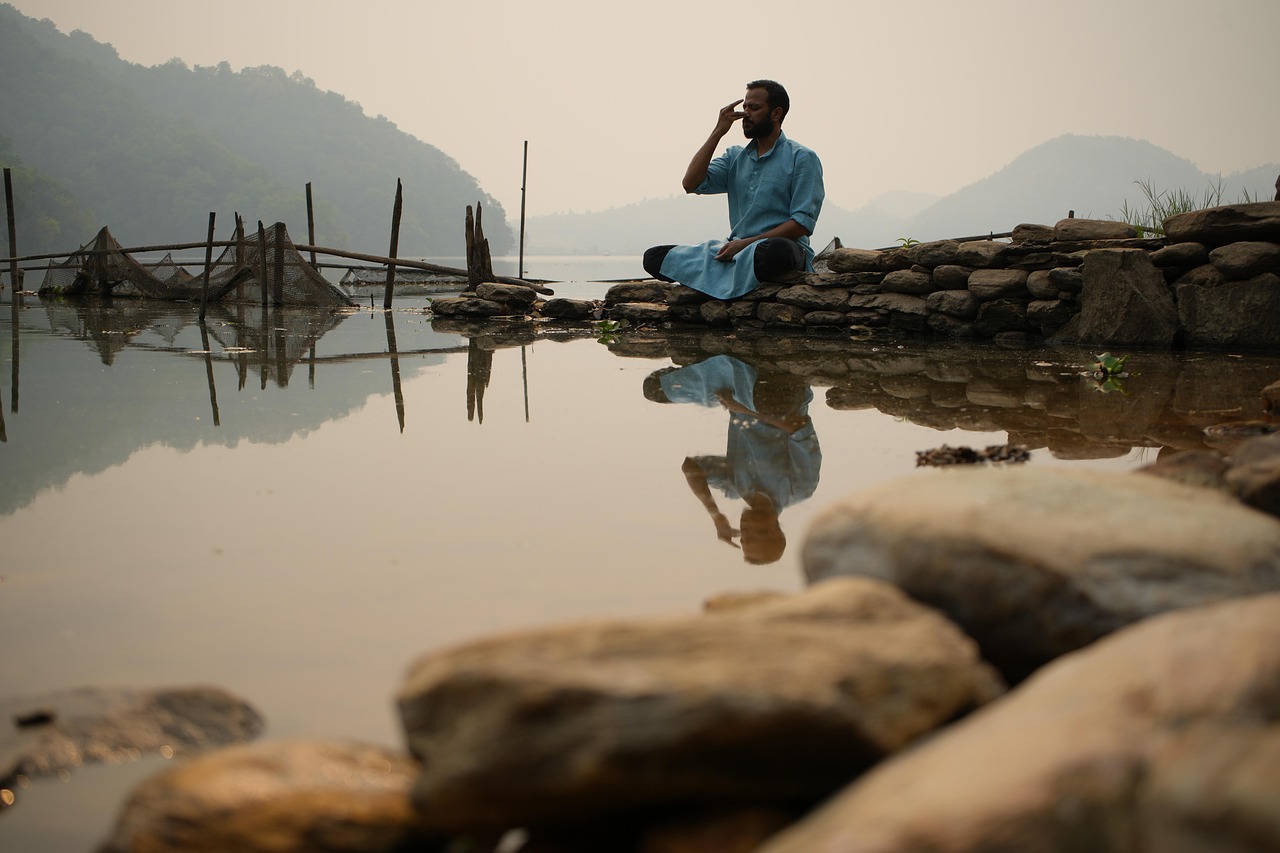
Breathing exercises, known as pranayama, are a core part of yoga and play a huge role in developing inner strength. Scientific reviews in 2023 by the National Institutes of Health found that controlled breathing lowers heart rate and blood pressure, which are markers of reduced stress. In Warrior Pose, deep breaths help maintain balance and endurance. This practice teaches the body how to stay steady even when the mind is racing. People who use pranayama regularly report feeling calmer during arguments, presentations, or emergencies. Learning to “breathe through it” becomes a powerful form of self-regulation, fortifying the mind against chaos.
Community and Belonging: The Warrior Tribe
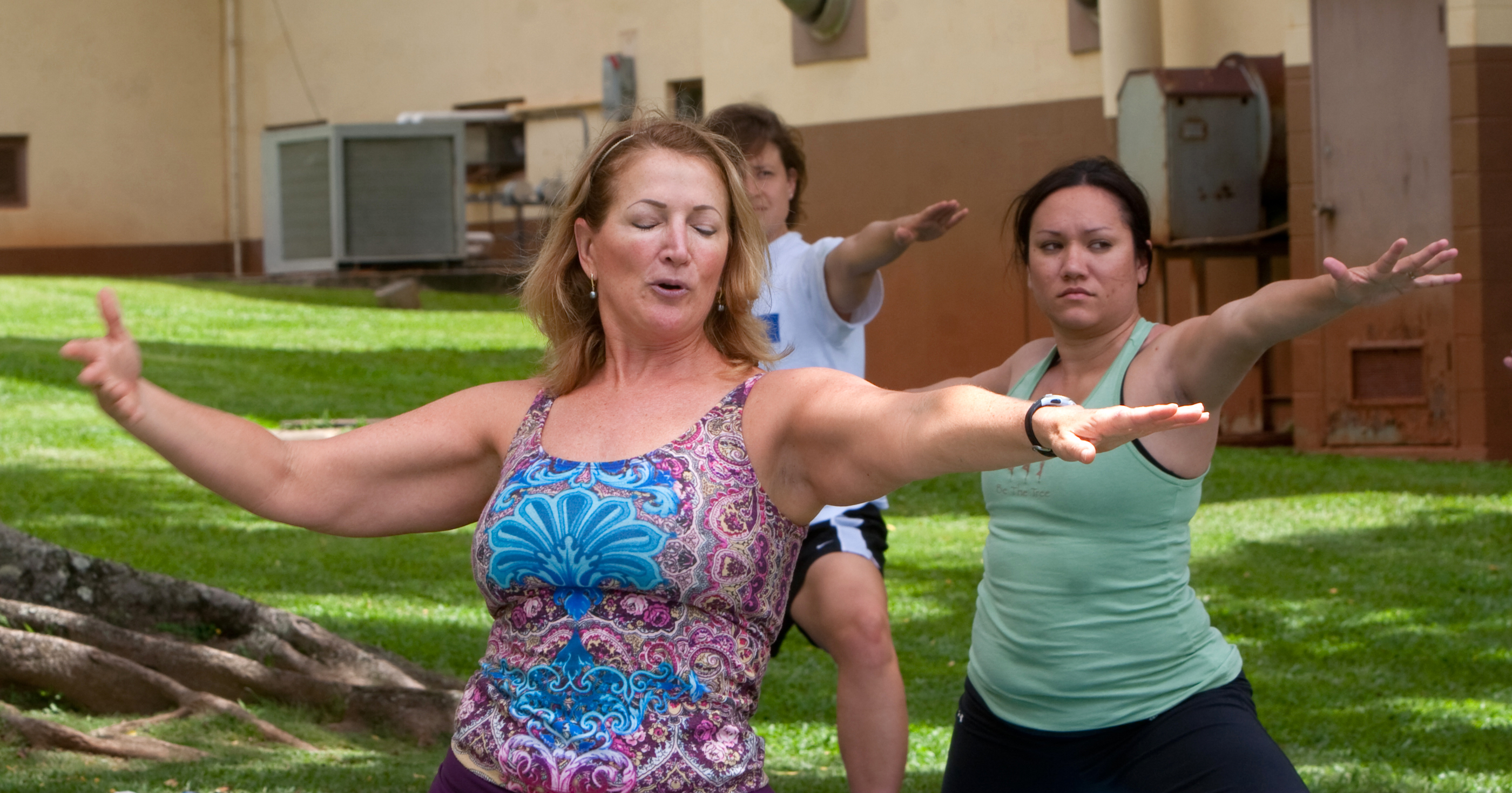
Yoga classes often foster a sense of community, which can be a major source of strength. According to a 2024 survey by Yoga Alliance, 76% of yoga practitioners say their sense of belonging increases with regular attendance. The shared experience of holding challenging poses, like Warrior, creates bonds among participants. This collective effort reminds people they are not alone in their struggles. Support from others is a key factor in developing resilience, as it provides encouragement during tough times. The “warrior mentality” grows stronger when it’s reinforced by a supportive community.
Mindfulness and Mental Clarity
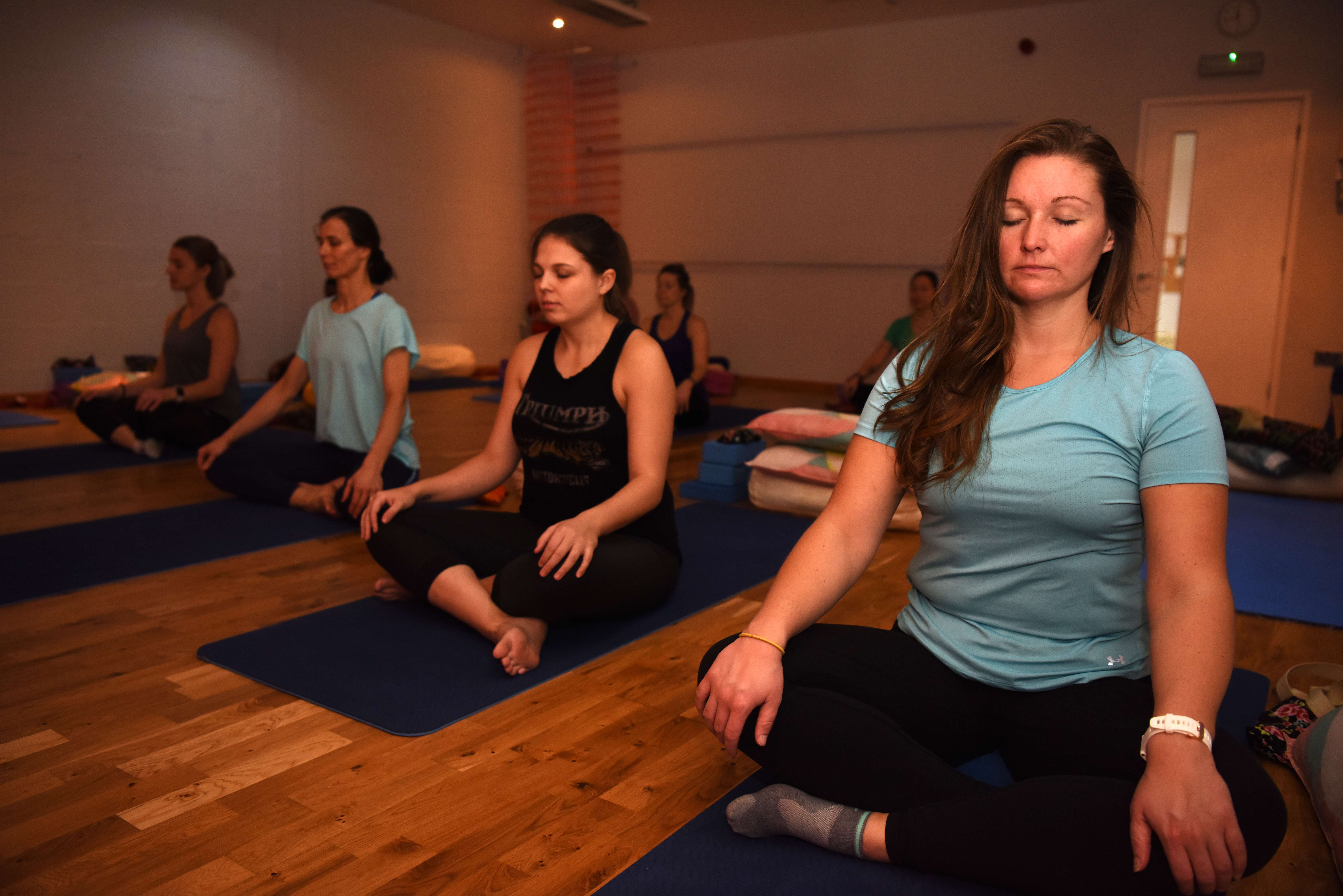
One of yoga’s secrets for building mental strength is mindfulness, the practice of being fully present in the moment. A 2024 study from Stanford University found that mindfulness practices, including yoga, significantly improve concentration and decision-making skills. Warrior Pose requires intense focus, training the brain to tune out distractions. Over time, this mental training transfers to daily life, helping people stay clear-headed during stressful situations. Enhanced mindfulness also leads to better emotional regulation and improved problem-solving abilities. For many, this mental clarity is the true inner strength gained from yoga.
Physical Strength That Fuels Mental Power
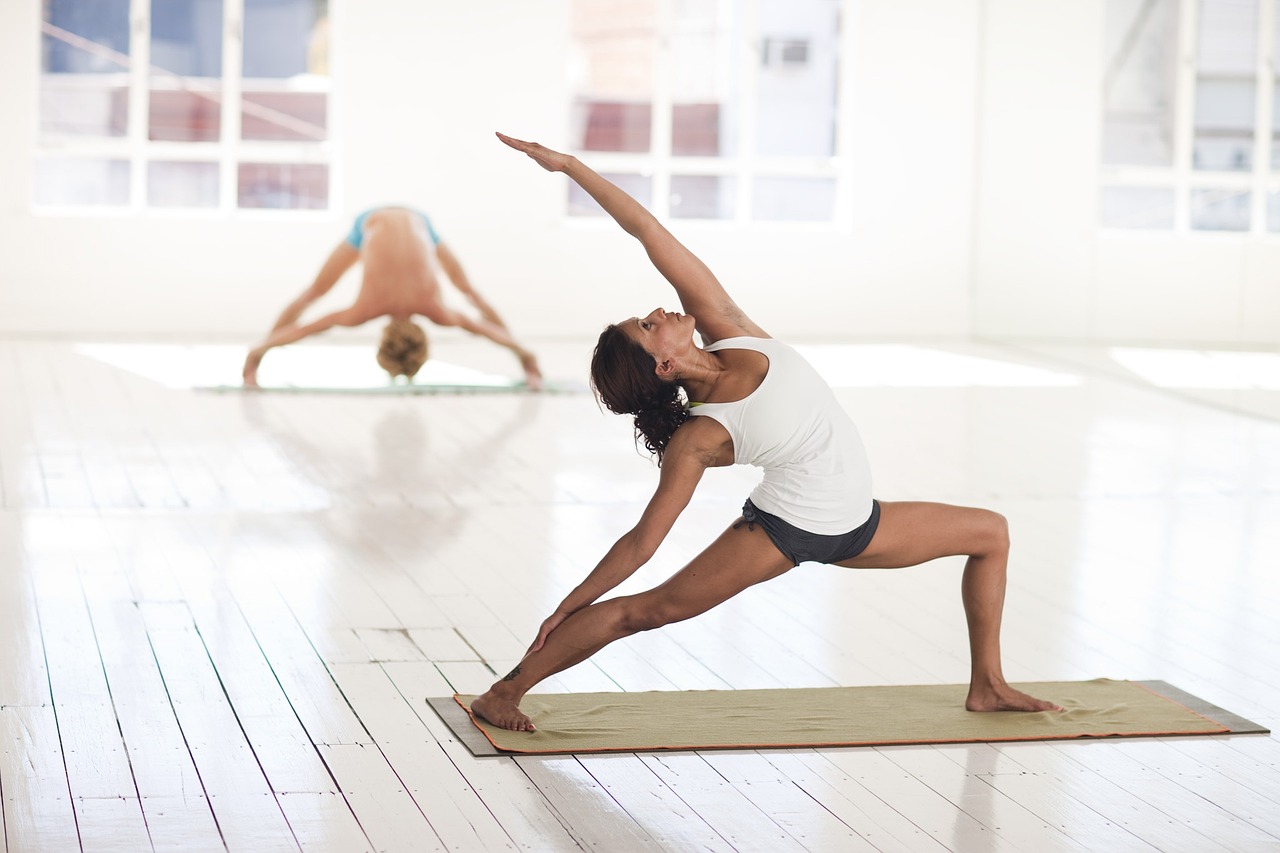
Physical strength and mental strength are deeply connected, and yoga demonstrates this link perfectly. Practicing Warrior Pose strengthens the legs, core, and shoulders, but it also sends signals to the brain that the body is capable and powerful. According to the American Council on Exercise, regular yoga can increase muscle tone and stamina as much as some forms of weight training. Feeling strong physically often leads to increased confidence and mental fortitude. People begin to trust in their ability to handle physical and emotional challenges alike. The simple act of standing powerfully on the mat becomes a rehearsal for standing up to life’s obstacles.
Yoga and Self-Compassion
Developing inner strength isn’t just about being tough—it’s also about being kind to yourself. Research from the University of California, Berkeley, published in 2024, found that yoga practitioners are 50% more likely to practice self-compassion than non-practitioners. Warrior Pose encourages acknowledgment of effort, rather than perfection. This mindset shift teaches people to forgive themselves when they fall or fail, and to get back up with renewed determination. Self-compassion gives people the courage to keep trying, even when progress is slow. Over time, this gentleness becomes a vital part of inner strength.
Growth Through Challenge: The Warrior’s Journey
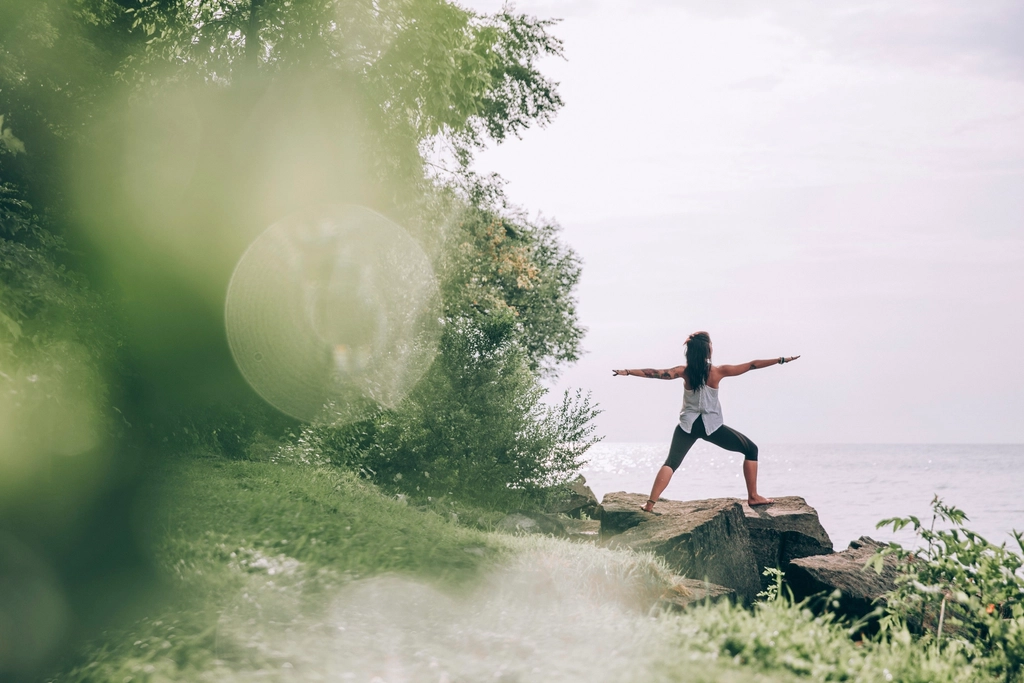
The journey from Warrior Pose to a warrior mentality is marked by challenge and growth. Yoga is intentionally designed to push practitioners to their limits—physically, mentally, and emotionally. Each time someone holds a pose a bit longer or breathes through discomfort, they build resilience. According to a 2023 World Health Organization report, individuals who regularly embrace challenging activities like yoga are less likely to experience depression and more likely to report high life satisfaction. The act of facing and overcoming small challenges on the mat prepares people to tackle bigger ones in life. The more you practice, the more you realize your limits are further than you thought.
Yoga for All Ages: Inner Strength Across Generations
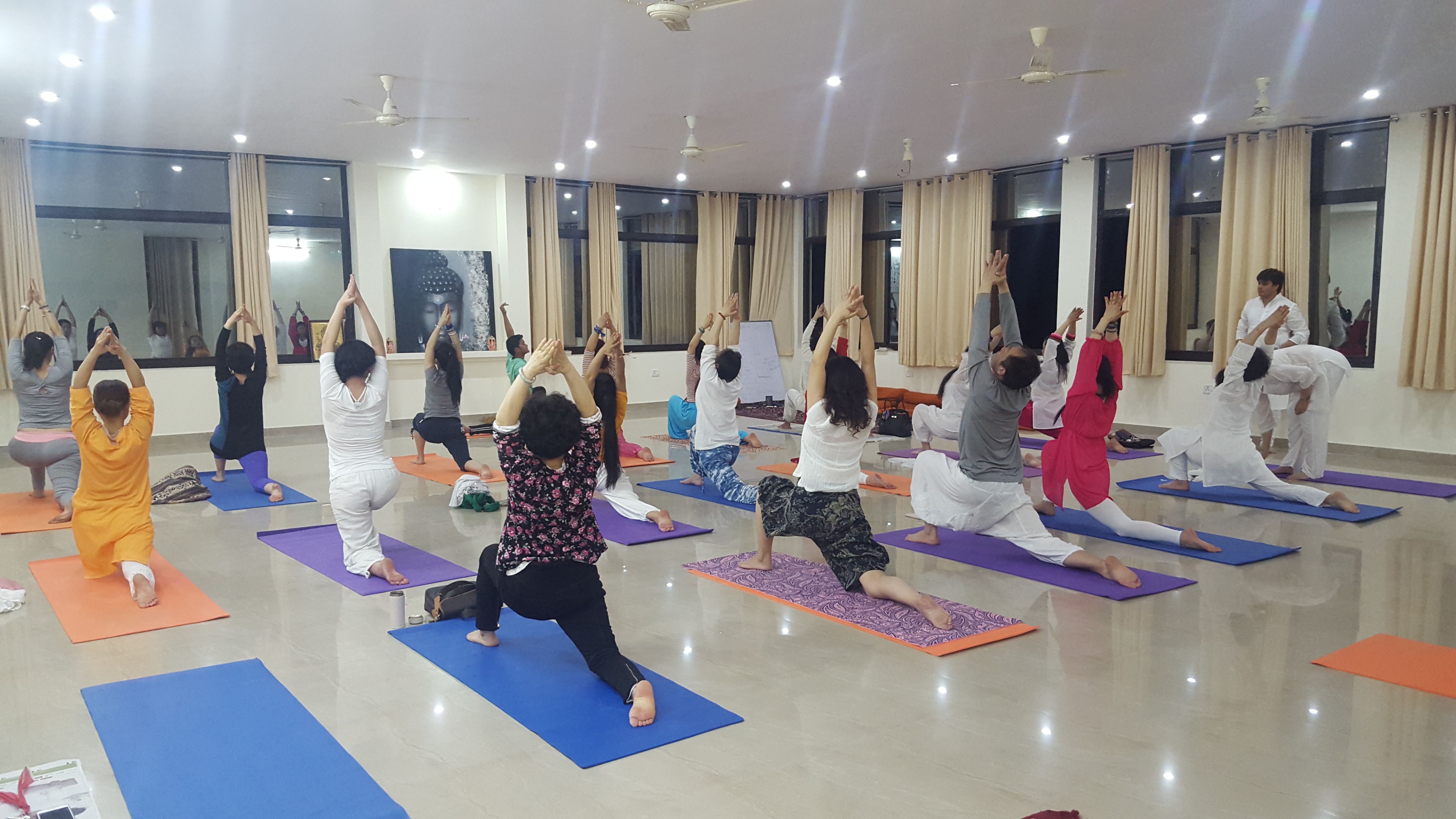
Yoga’s benefits aren’t limited by age—children, adults, and seniors all report increased inner strength after practicing regularly. A 2024 survey by the Centers for Disease Control and Prevention found that children who participated in yoga classes had improved self-esteem and decreased anxiety levels. For older adults, yoga has been shown to enhance balance, reduce falls, and increase overall self-confidence. Families practicing together often notice improved emotional bonds and communication. The adaptability of yoga means that anyone, at any stage of life, can build their own version of the warrior mentality.
Yoga’s Role in Recovery and Healing

People facing illness or recovering from trauma often turn to yoga as a source of strength. Clinical trials in 2024 showed that cancer survivors who practiced yoga reported less fatigue, better emotional well-being, and a greater sense of hope. Similarly, veterans using yoga as part of PTSD recovery found significant improvements in mood and resilience. Warrior Pose, in particular, is often used in therapeutic settings to help individuals reconnect with their bodies and reclaim a sense of power. The combination of physical movement and mindful breathing offers a path toward healing when words alone are not enough.
The Global Rise of the Yoga Warrior

Yoga’s popularity continues to skyrocket worldwide, with more than 300 million practitioners as of 2025. The Global Wellness Institute reports that yoga is now practiced in over 190 countries, with a 15% increase in participation in just the last two years. This surge is fueled by people’s desire for not just fitness, but also inner fortitude and peace. Social media is full of inspiring stories of individuals who have overcome anxiety, depression, or injury through yoga. The “warrior mentality” is becoming a shared global language of strength, resilience, and hope.