

The Surprising Dark Side of “Be Present”

Have you ever sat in a meditation class, feeling restless, and wondered why your mind keeps drifting? You’re not alone—and you might be shocked to learn that the popular phrase “be present” can sometimes hurt more than help. In a world obsessed with mindfulness, many people feel left behind or inadequate when they can’t reach that perfect state of presence. It’s ironic: the very tool meant to bring peace can actually create stress and guilt. The hidden pressure to always be mindful can creep into your thoughts, making you question your abilities or your worth. This pressure is rarely discussed, but it’s real and it’s growing. How did a simple idea meant to help us become so heavy to carry?
The Unstoppable Rise of Mindfulness Culture
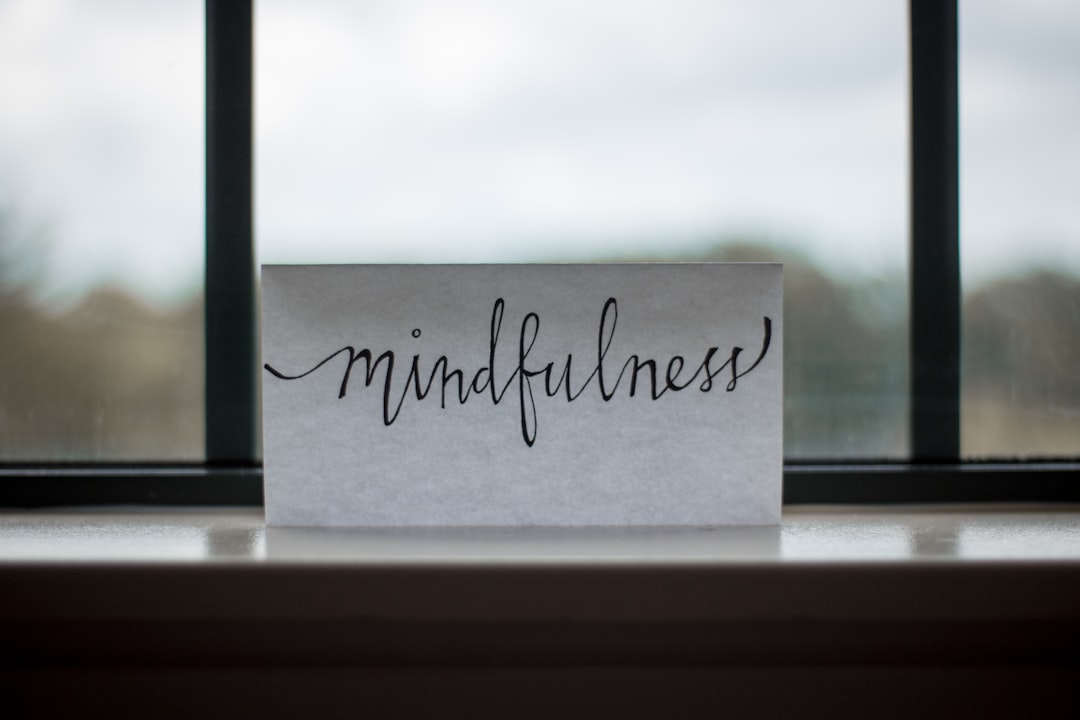
Mindfulness isn’t just a trend—it’s everywhere, from yoga studios and therapy offices to boardrooms and classrooms. Companies offer mindfulness workshops, schools teach it to children, and even apps on your phone promise instant calm. Surveys say that more than 40% of adults have tried some form of mindfulness in the past year. This rapid rise has made mindfulness almost like a badge of honor, something everybody “should” be doing. But when something becomes this popular, it also creates an expectation: if you’re not practicing mindfulness, you’re missing out or, worse, failing at self-care. The truth is, not everyone finds mindfulness easy or natural. Yet the culture around it rarely leaves space for other experiences or feelings, making the pressure to “join in” even stronger.
The Invisible Weight: Why “Be Present” Feels So Heavy

The advice to “be present” sounds simple, but it can actually feel like a burden. Imagine being told to focus on your breath while your mind races with worries about work, family, or the future. Instead of helping, the instruction can make you feel like something’s wrong with you for not being able to quiet your thoughts. This pressure is even worse for people in high-stress jobs or those going through tough times. It becomes a cycle: you try to be present, you can’t, so you feel frustrated and even less present. This invisible weight can lead to guilt or shame, as if you’re failing at something everyone else seems to find easy. It’s a tough spot to be in, and it’s something many people are afraid to talk about.
When Mindfulness Makes Mental Health Worse

Mindfulness is often hailed as a cure for anxiety or depression, but it doesn’t work for everyone. In fact, for some people, being told to focus on the present can actually make anxiety worse. If you’re struggling with negative thoughts or traumatic memories, sitting still and tuning in can feel overwhelming or even frightening. Studies have shown that people with certain mental health conditions can feel more isolated and hopeless when mindfulness techniques don’t help them the way they are “supposed” to. Instead of bringing relief, the practice can deepen self-blame and frustration. It’s important to remember that mental health is personal, and what works for one person might not work for another.
The Mindfulness Industry: From Healing to Hustle

It’s impossible to ignore how mindfulness has turned into big business. There are endless apps, pricey retreats, and expensive workshops promising transformation. The industry is now worth billions, and everywhere you look, there’s a new product telling you how to “be more mindful.” While these tools can help some people, they also send the message that you need to buy your way to peace. This commercialization waters down the original meaning of mindfulness, turning it into just another thing to consume—or another thing to get right. People start to measure their success by how well they follow the “rules,” instead of just learning to be kind to themselves.
Relationship Strains: When Mindfulness Gets in the Way

You might be surprised to learn that the pressure to be present can even strain relationships. If you’re constantly focused on your own mindfulness journey, you might miss out on truly connecting with others. Sometimes, people become so wrapped up in doing mindfulness “the right way” that they forget to simply listen or be there for loved ones. This can create distance or misunderstandings, especially if one person expects everyone around them to share the same practices or priorities. Instead of bringing people together, mindfulness can sometimes push them apart, making people feel isolated even in close relationships.
The Perfection Trap: When Mindfulness Feels Like a Test

The idea that you must always be calm, peaceful, and present can quickly become a trap. If you catch yourself getting distracted, angry, or sad, you might feel like you’re failing at mindfulness altogether. This perfectionism is sneaky—it tells you that any negative emotion means you’re not practicing hard enough. But humans aren’t meant to be serene all the time. Life is messy and unpredictable, and it’s normal to have ups and downs. The problem starts when we judge ourselves harshly for not living up to some perfect mindfulness standard. This constant self-criticism can make the whole practice feel exhausting.
Mindfulness in the Workplace: Help or Hype?

Many companies have jumped on the mindfulness bandwagon, hoping it will boost productivity and cut down on stress. It sounds great on paper, but the reality is more complicated. Some employees feel pressured to participate in mindfulness programs, even if they don’t want to. Others worry that if they still feel stressed after meditating, they’ll be seen as weak or unmotivated. The workplace can become another place where people feel judged for not meeting the mindfulness ideal. Instead of reducing stress, this can add another layer of anxiety and competition.
Finding a Kinder Approach to Mindfulness

It’s possible to enjoy the benefits of mindfulness without falling into its toxic traps. The key is to let go of perfection and be gentle with yourself. Mindfulness isn’t about being perfectly present at all times—it’s about noticing when you’re distracted and kindly bringing your attention back. It helps to remember that there’s no “right” way to practice. Some days will be easier than others, and that’s okay. What matters is showing up for yourself, even when things get messy or uncomfortable. Accepting imperfection can actually make the practice more meaningful and less stressful.
Simple Alternatives to Mindfulness That Still Soothe the Soul

Mindfulness isn’t the only way to find peace or manage stress. Many people find relief through creative activities like painting, writing, or playing music. Others prefer physical movement like walking, dancing, or gardening. Spending time in nature, laughing with friends, or simply taking a break from screens can do wonders for your mind. These alternatives don’t come with the same pressure to be perfectly present—they just let you enjoy the moment in your own way. The most important thing is finding what works for you, without feeling guilty for skipping traditional mindfulness techniques.
Learning to Listen to Yourself First

At the end of the day, no mindfulness teacher, app, or book knows you better than you know yourself. It’s okay to question what you’re told, to set boundaries, and to trust your instincts. If mindfulness feels helpful, embrace it in a way that fits your life. If it feels overwhelming, that’s a valid feeling too. The goal is not to win at mindfulness, but to care for yourself in whatever way you need. Just like you wouldn’t wear shoes that don’t fit, you don’t have to force yourself into a practice that causes discomfort. Listening to yourself is the best kind of presence there is.
Letting Go of the Myth of Perfect Presence

The truth is, nobody is present all the time. Our minds wander, we get distracted, and we have tough days—and that’s completely normal. Chasing perfect mindfulness can leave you feeling more lost than when you started. It helps to laugh at your mistakes and remember that everyone struggles sometimes. Life is about being real, not being perfect. The freedom comes when you realize you don’t have to do mindfulness “right”—you just have to do what’s right for you.
What would your life look like if you stopped chasing perfect presence and started embracing your own way of being?