

Albert Einstein: The Icon of Genius
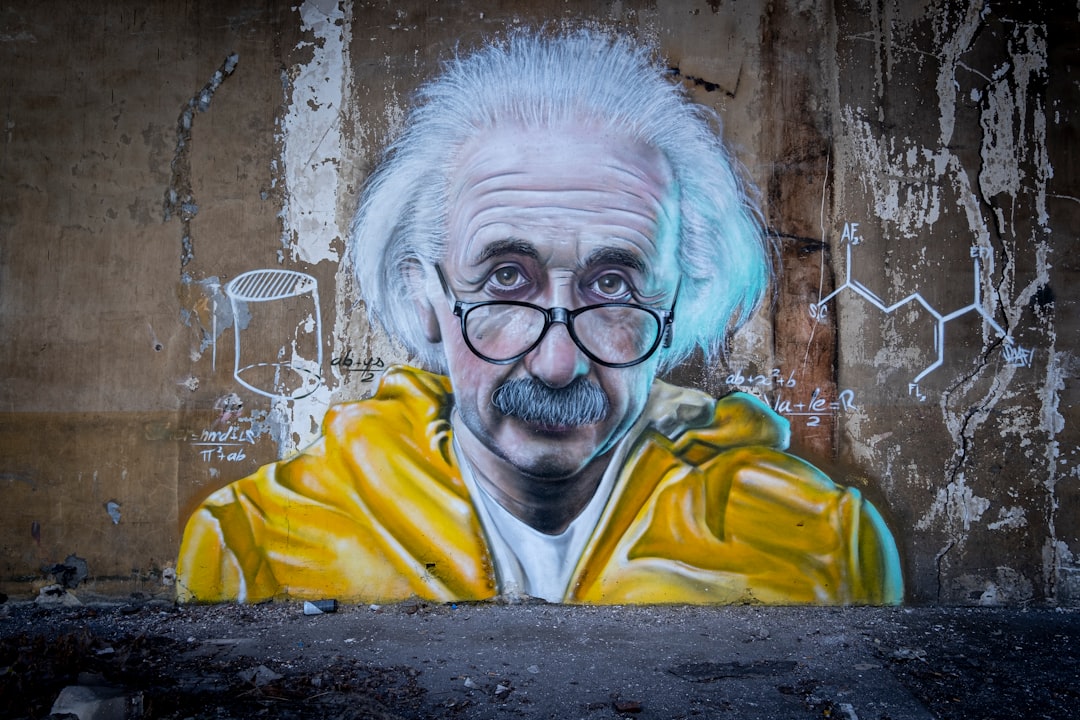
Albert Einstein’s name is nearly synonymous with genius. He revolutionized physics with his theory of relativity, published in 1905, which forever changed how we understand space, time, and energy. His famous equation, E=mc², not only unlocked the secrets of atomic power but also inspired generations of scientists and inventors. Despite struggling in school as a child, Einstein won the Nobel Prize in Physics in 1921 for his explanation of the photoelectric effect. His IQ is often estimated to be around 160, though he never took a formal test. Today, his theories continue to power everything from GPS satellites to nuclear reactors. His curiosity, creativity, and relentless questioning set him apart as a mind that truly changed the world.
Isaac Newton: The Master of Laws
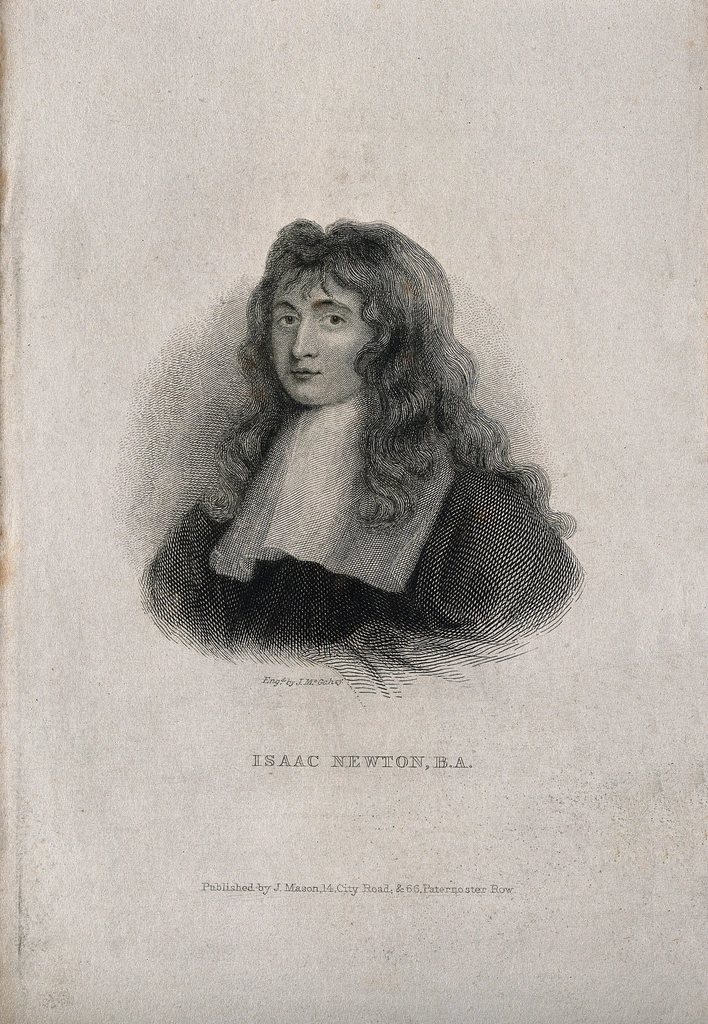
Isaac Newton’s groundbreaking work in mathematics and physics laid the cornerstone for modern science. Most famous for formulating the laws of motion and universal gravitation, Newton’s discoveries explained why apples fall and planets orbit the sun. His book, “Principia Mathematica,” published in 1687, is considered one of the most important scientific works ever written. Newton also invented calculus independently of Leibniz, a feat that still sparks debate among historians. His work in optics, including experiments with light and color, was equally revolutionary. Newton’s meticulous approach to problem-solving and his insatiable drive for knowledge reshaped humanity’s understanding of the universe.
Leonardo da Vinci: The Renaissance Polymath
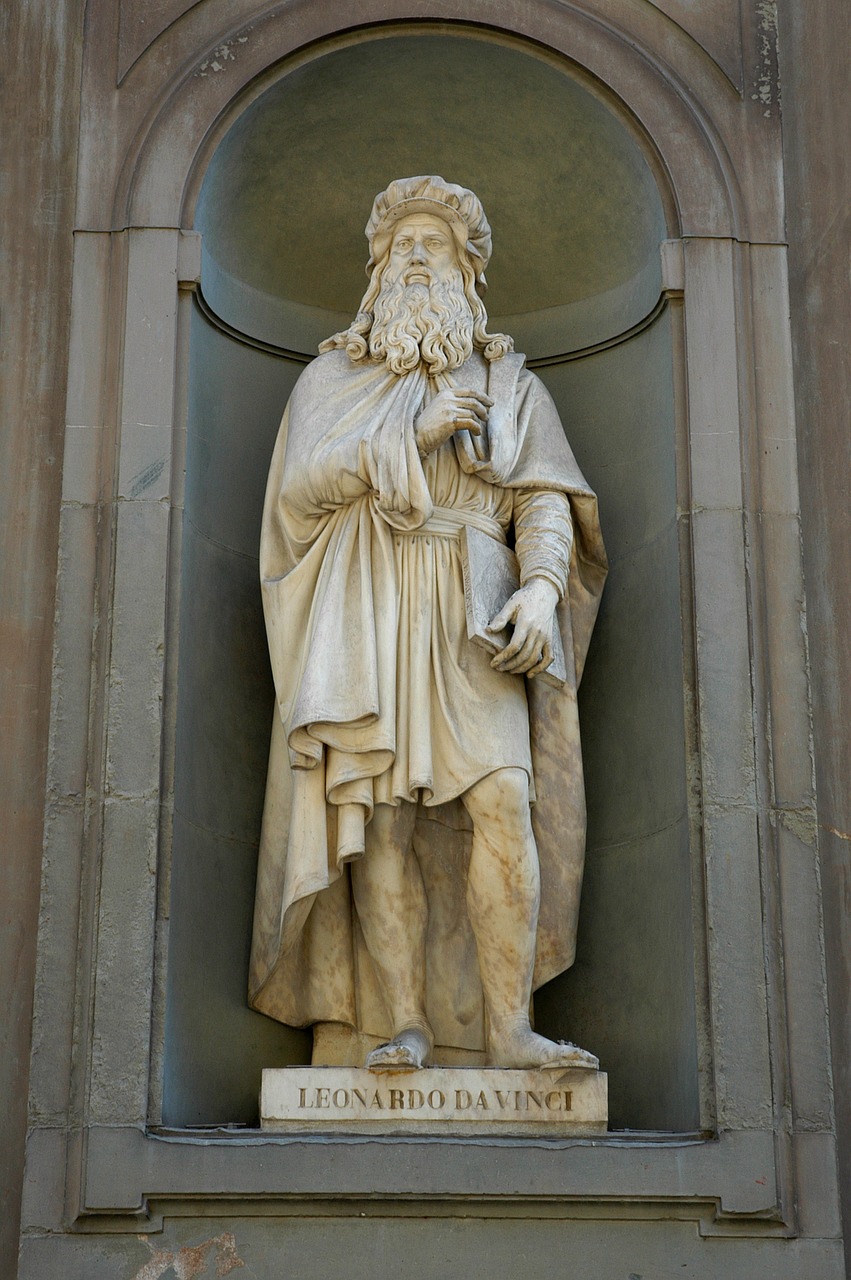
Leonardo da Vinci was more than just a brilliant artist; he was a true polymath whose curiosity knew no bounds. He sketched visionary designs for helicopters and tanks centuries before they became reality. His notebooks are filled with studies of anatomy, engineering, botany, and mechanics. The “Vitruvian Man” and “Mona Lisa” reflect his mastery of both art and science. Modern researchers marvel at his detailed anatomical drawings, which were far ahead of his time. Da Vinci’s approach to blending science and art has inspired creators and inventors for generations, proving that genius can thrive at the intersection of disciplines.
Marie Curie: The Pioneer of Radioactivity
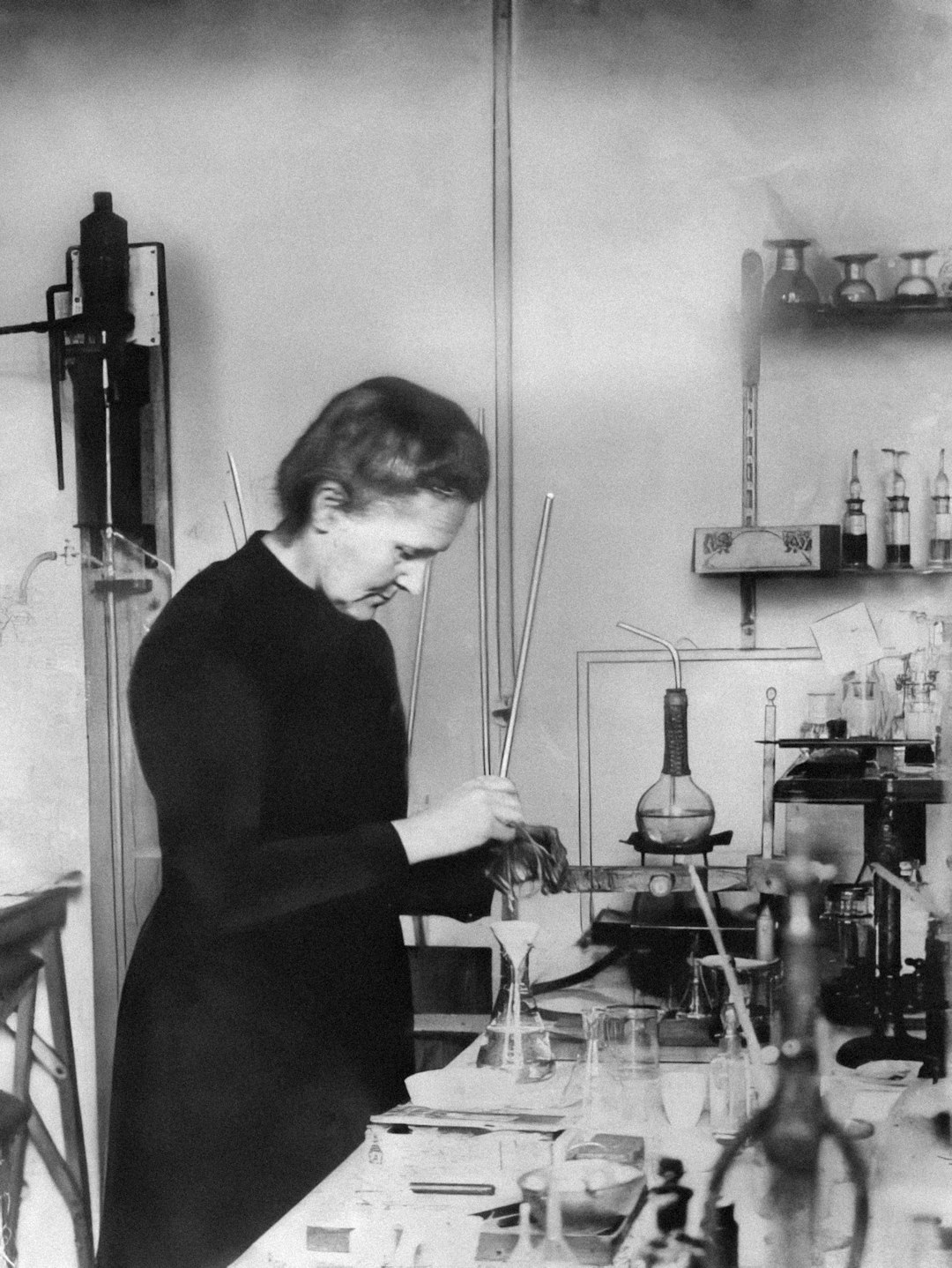
Marie Curie stands out as one of history’s most influential scientists, and one of the few to win Nobel Prizes in two different sciences—Physics and Chemistry. She discovered two elements, polonium and radium, and her work with radioactivity (a term she coined) laid the foundation for cancer treatments and nuclear energy. Curie’s relentless pursuit of knowledge, despite facing discrimination as a woman in science, set a new benchmark for dedication. According to the Nobel Prize archives, her research continues to impact medicine and physics today. Her story is a powerful example of how determination and intellect can break barriers and save lives.
Nikola Tesla: The Wizard of Electricity
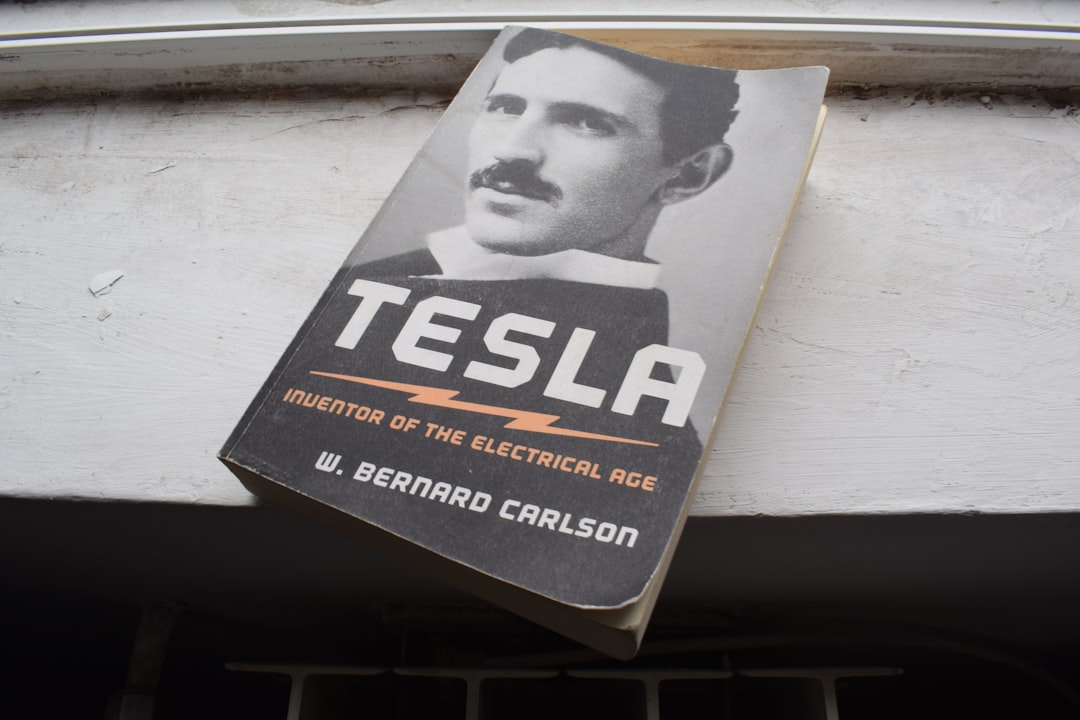
Nikola Tesla’s inventive genius led to some of the most important breakthroughs in electrical engineering. He developed the alternating current (AC) system, which powers homes and cities around the globe. Tesla’s patents and theoretical work paved the way for wireless communication, remote control, and even early concepts of radar. Despite being overshadowed in his lifetime by rivals like Thomas Edison, modern historians and engineers recognize Tesla’s contributions as visionary. His ideas about wireless energy transmission are being revisited today as technology advances. Tesla’s life demonstrates how imagination, paired with scientific rigor, can shape the future.
Galileo Galilei: The Father of Modern Science

Galileo Galilei’s use of the telescope to observe the heavens changed humanity’s place in the cosmos. He discovered the moons of Jupiter, observed the phases of Venus, and championed the Copernican model of a sun-centered solar system. Galileo’s willingness to challenge established beliefs led to conflict with the church, but his scientific method—based on observation and experimentation—became the foundation for modern science. According to NASA and other space agencies, Galileo’s discoveries remain fundamental in astronomy today. His courage to question authority and trust in evidence marks him as one of history’s boldest intellectuals.
Stephen Hawking: The Voice of the Cosmos
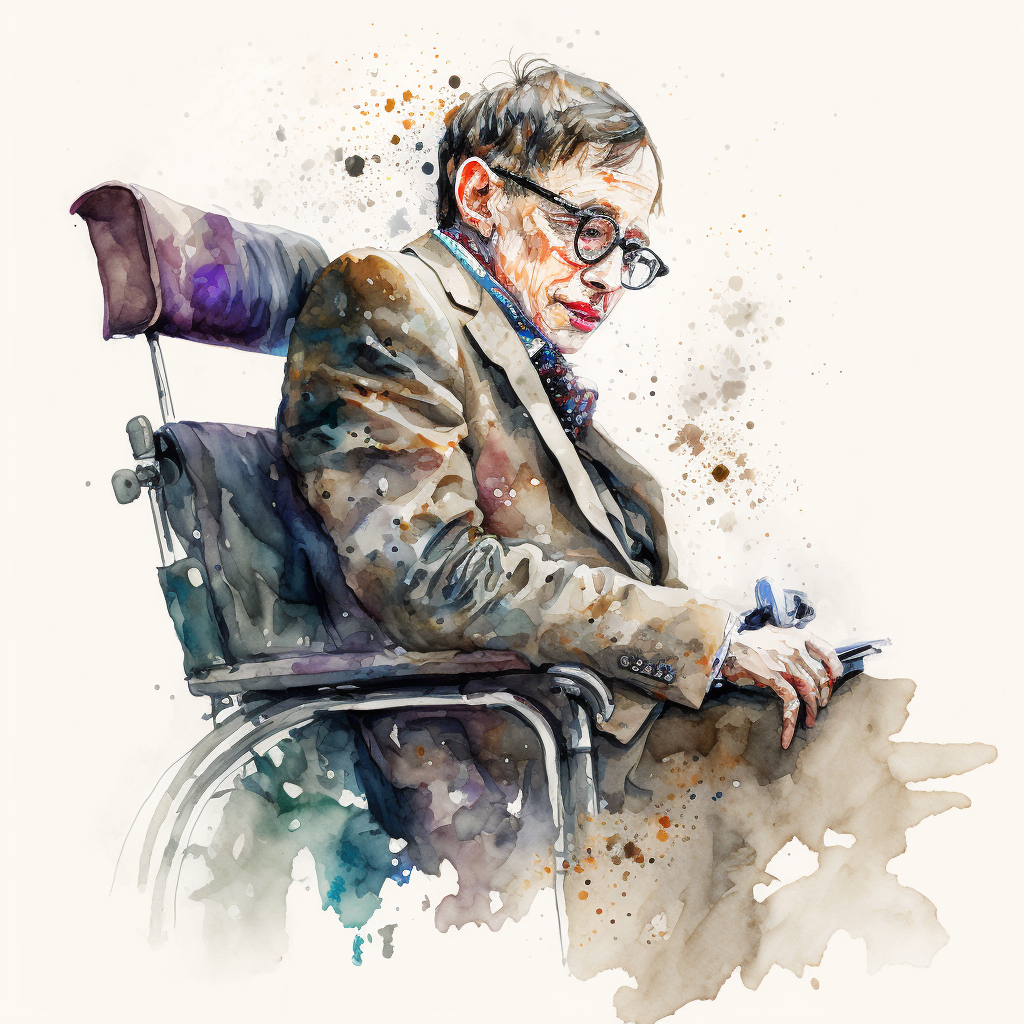
Stephen Hawking’s work on black holes and cosmology has reshaped our understanding of the universe. Diagnosed with ALS at 21, he defied all odds, continuing his groundbreaking research for decades. Hawking’s best-selling book, “A Brief History of Time,” made complex ideas accessible to the public and inspired millions. His theoretical prediction that black holes emit radiation, now known as Hawking radiation, was a turning point in astrophysics. Theoretical physicists and astronomers still build on his work today. Hawking’s perseverance, wit, and ability to communicate difficult concepts made him a global symbol of intellectual resilience.
Johann Wolfgang von Goethe: The Literary Scientist
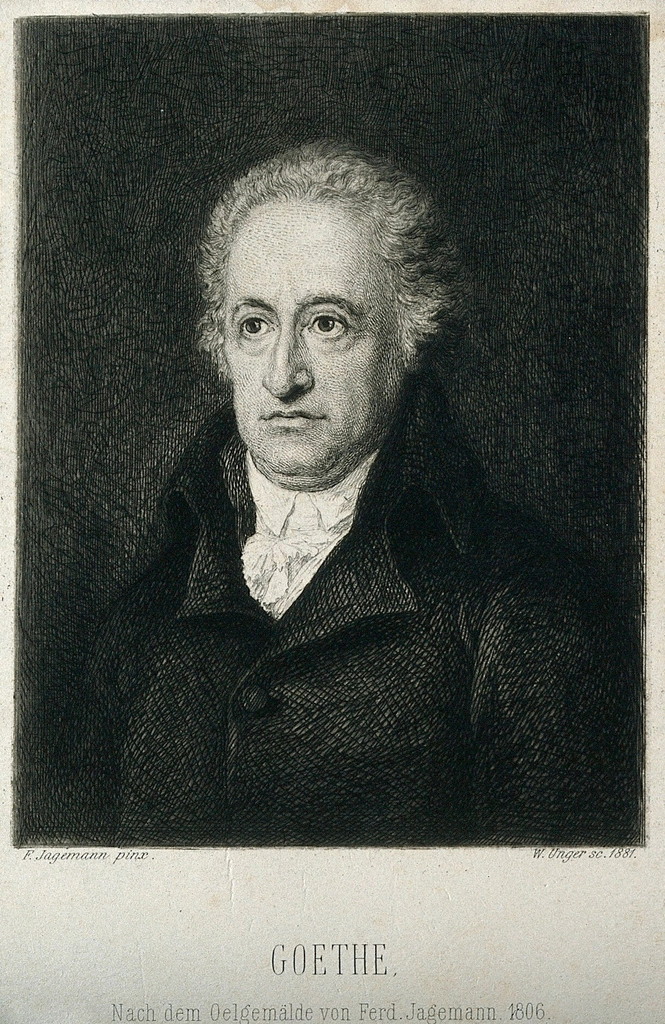
Johann Wolfgang von Goethe is often celebrated for his poetry and drama, but his intellect extended far beyond literature. Goethe made significant contributions to the study of plant morphology and color theory. His book, “Theory of Colours,” challenged Newton’s ideas and influenced artists and scientists alike. Goethe’s ability to cross boundaries between art and science set him apart as a unique thinker. He even developed an early concept of evolution before Darwin. Goethe’s blend of creativity and scientific curiosity continues to inspire interdisciplinary research and innovation.
Hypatia of Alexandria: The Ancient Trailblazer
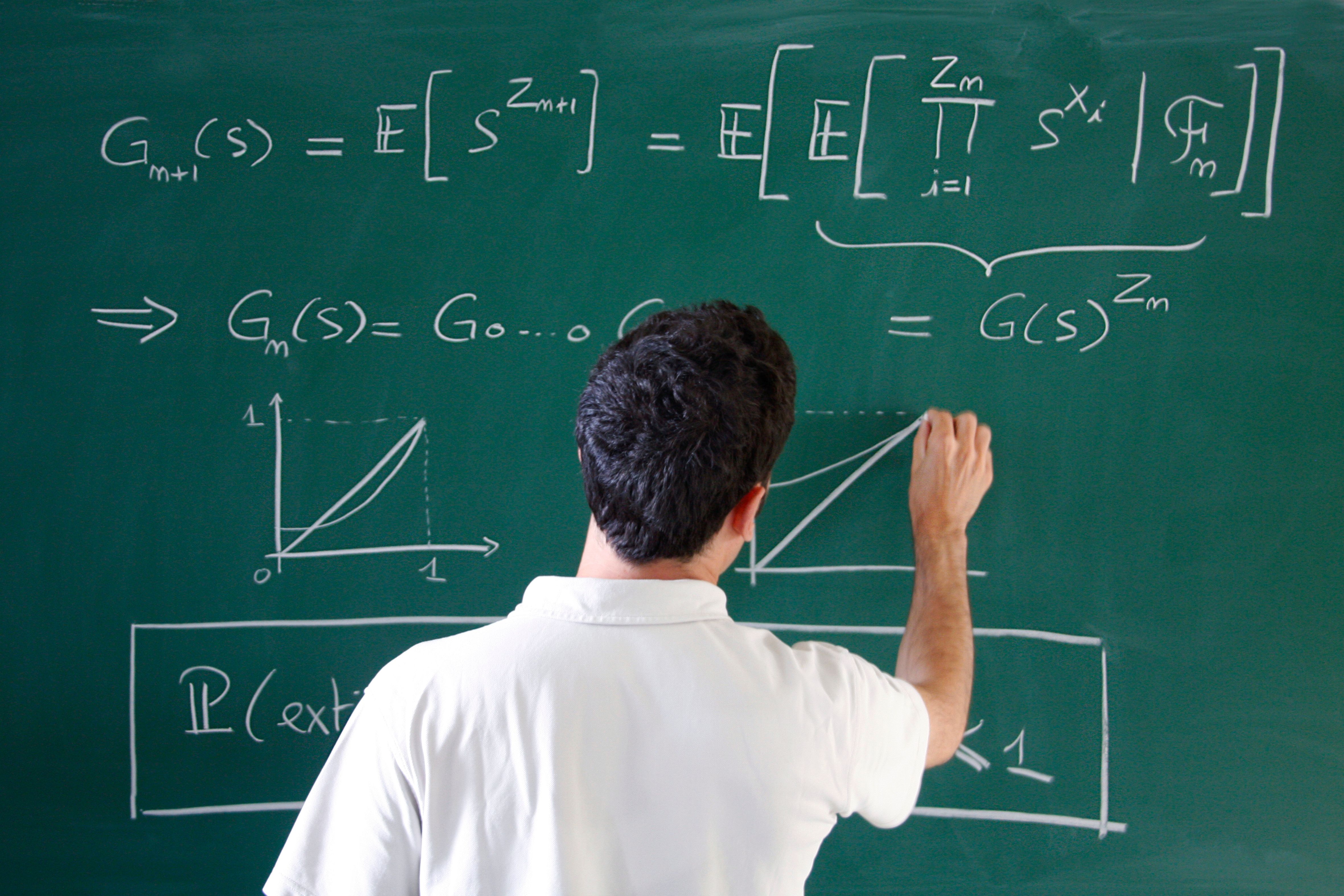
Hypatia, a mathematician, astronomer, and philosopher in ancient Alexandria, stood out as one of the few women in science during her era. She led the Neoplatonic school and taught mathematics, astronomy, and philosophy. Hypatia’s work on conic sections influenced later mathematicians, and her commentaries on classical texts helped preserve ancient knowledge. According to modern historians, Hypatia’s tragic death at the hands of a mob marked the end of classical antiquity. Her legacy as a fearless teacher and thinker continues to inspire those who challenge barriers in science and education.
Srinivasa Ramanujan: The Self-Taught Genius
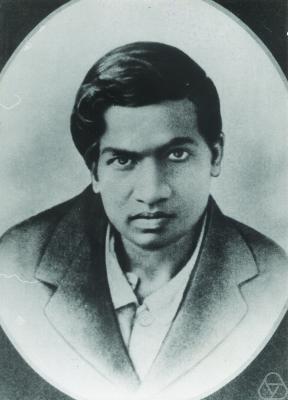
Srinivasa Ramanujan’s story is as remarkable as his mathematical discoveries. Born in India with little formal training, he produced groundbreaking results in number theory, infinite series, and continued fractions. Ramanujan sent a letter filled with theorems to mathematician G.H. Hardy at Cambridge, who recognized his extraordinary talent and invited him to England. Despite battling illness and poverty, Ramanujan’s work continues to drive new research in mathematics, with fields like partition theory and modular forms tracing their roots to his ideas. Mathematicians today still marvel at his intuitive approach and the depth of his insights.
Aristotle: The Philosopher of Everything
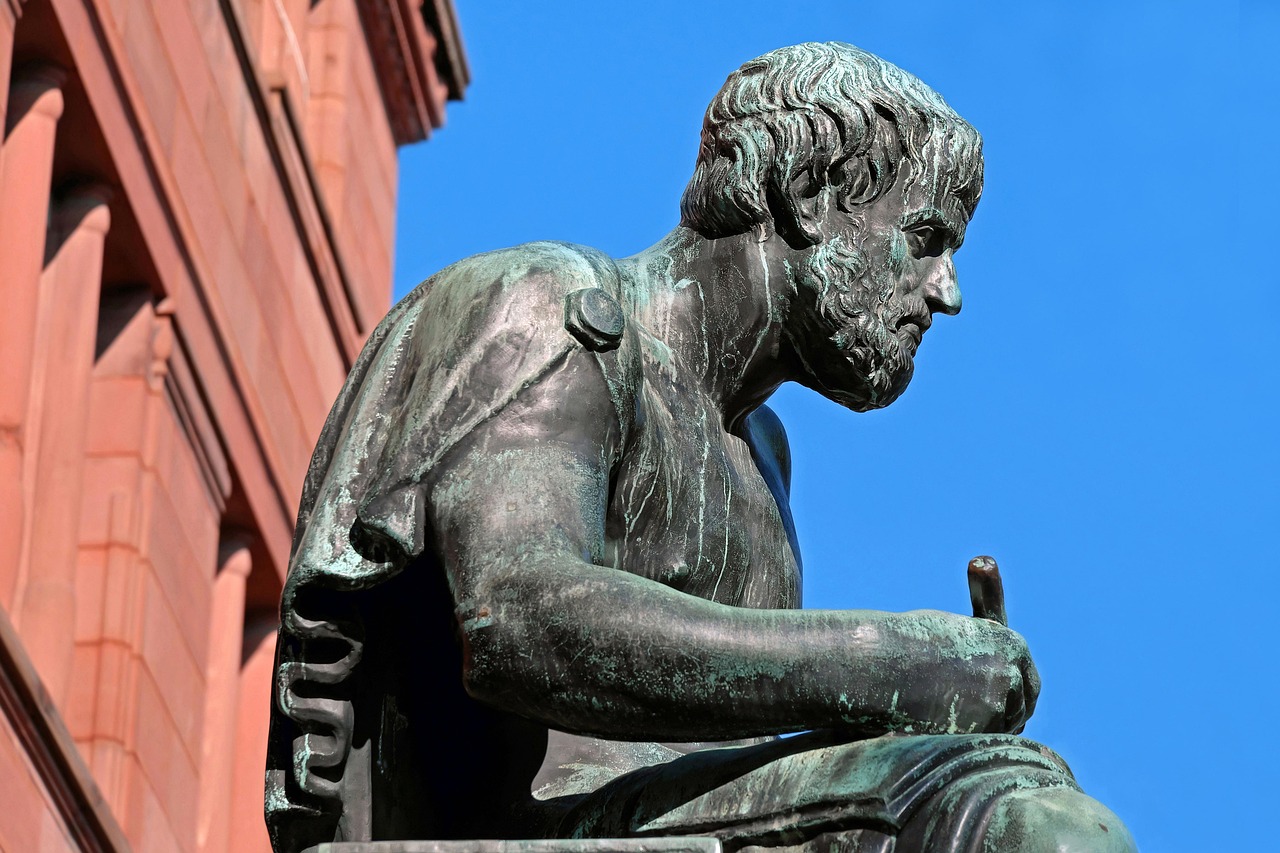
Aristotle’s influence stretches across philosophy, biology, physics, and logic. He established the foundations for scientific inquiry and classification, and his writings shaped Western thought for centuries. Aristotle’s concept of empirical observation and systematic analysis laid the groundwork for the scientific method. His studies in zoology and ethics continue to be relevant, and his logic systems underpin much of modern philosophy. Aristotle’s curiosity and desire to understand the natural world made him one of history’s most versatile and impactful thinkers.
Carl Friedrich Gauss: The Prince of Mathematicians
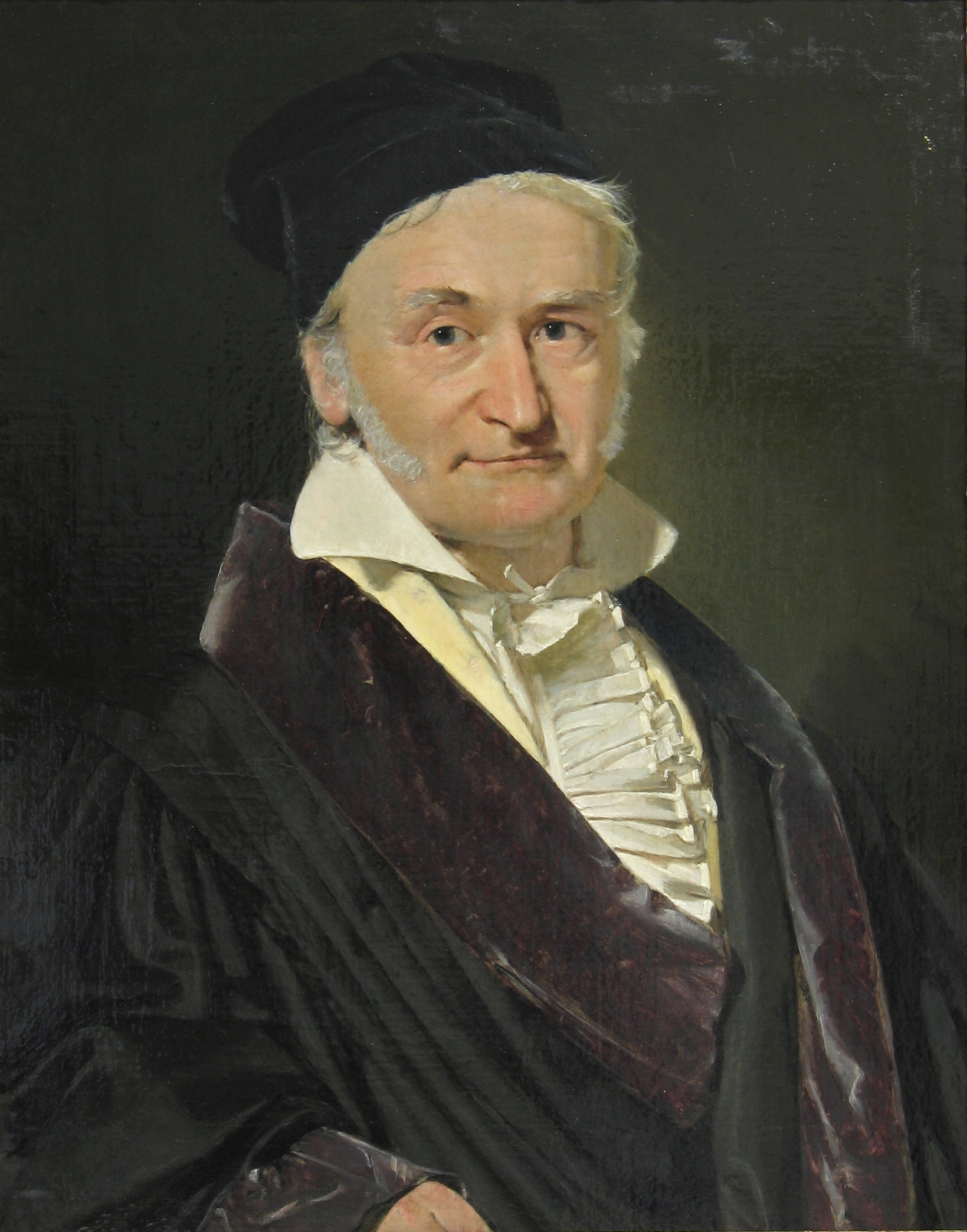
Carl Friedrich Gauss was a mathematical prodigy whose work transformed number theory, statistics, and astronomy. By age 21, he had already developed the method of least squares and proved the fundamental theorem of algebra. Gauss’s discoveries in magnetism and geodesy are still used in modern mapping and navigation. His ability to find elegant solutions to complex problems earned him the title “Prince of Mathematicians.” Today, scientists and engineers rely on Gauss’s formulas in fields ranging from cryptography to physics.
Emmy Noether: The Mother of Modern Algebra
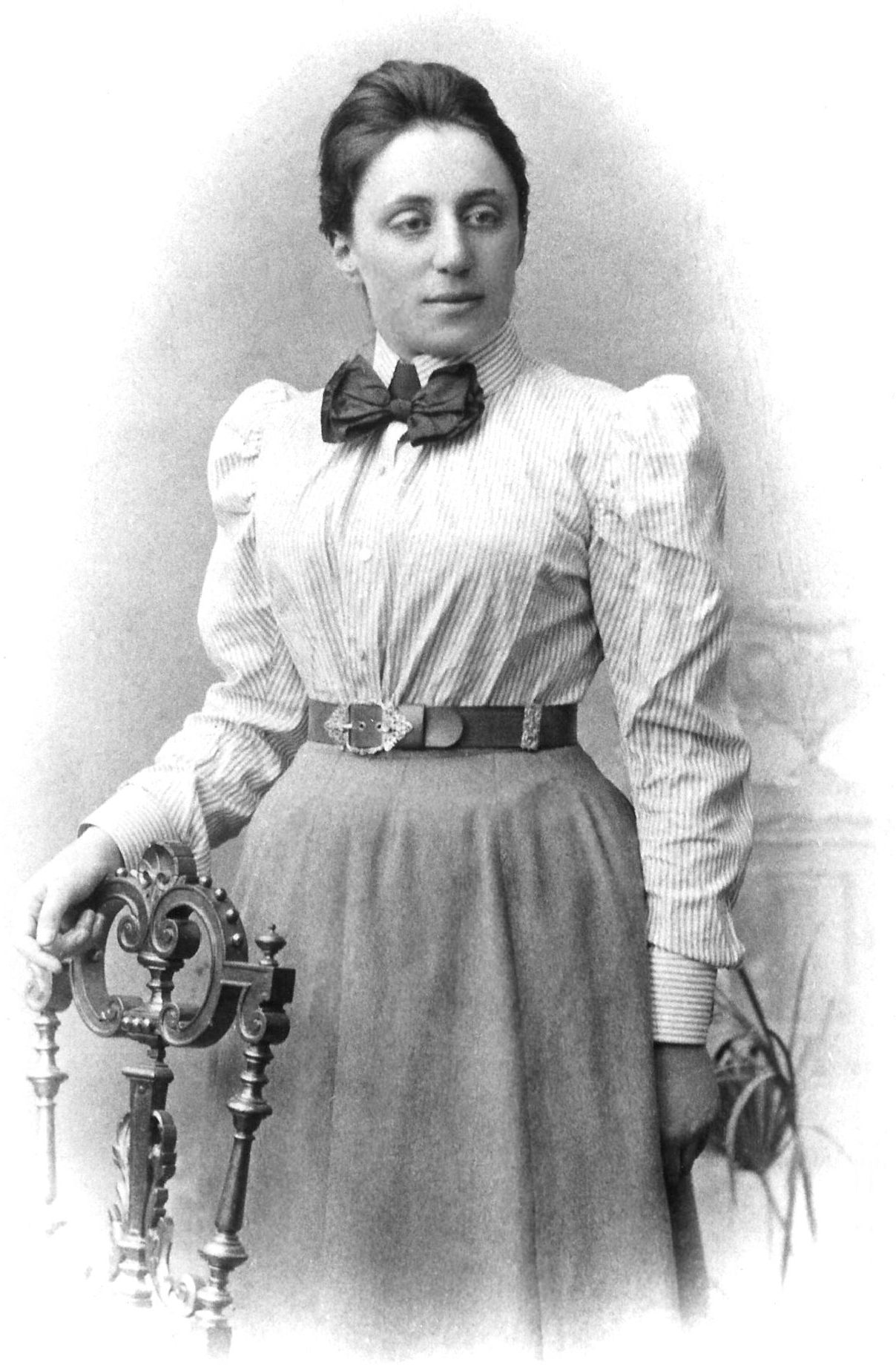
Emmy Noether’s contributions to mathematics and physics were so profound that Einstein called her “the most significant creative mathematical genius thus far produced since the higher education of women began.” Her theorem linking symmetries and conservation laws is a cornerstone of theoretical physics. Noether’s work in abstract algebra revolutionized the field and paved the way for new branches of mathematics. Despite facing discrimination as a woman, she mentored many leading mathematicians of the 20th century. Noether’s legacy lives on in every classroom and research lab where algebra and physics are studied.
Alan Turing: The Codebreaker

Alan Turing’s ingenuity helped end World War II by cracking the German Enigma code, saving countless lives. He is also known as the father of computer science, laying the groundwork for artificial intelligence and modern computing. Turing’s “Turing Machine” is a fundamental concept in computer theory, and his work continues to inspire breakthroughs in AI today. Despite facing persecution for his sexuality, Turing’s legacy shines as an example of brilliance and courage under pressure. His vision of thinking machines has become a reality in the digital age.
Galileo Galilei: The Telescope Revolutionary
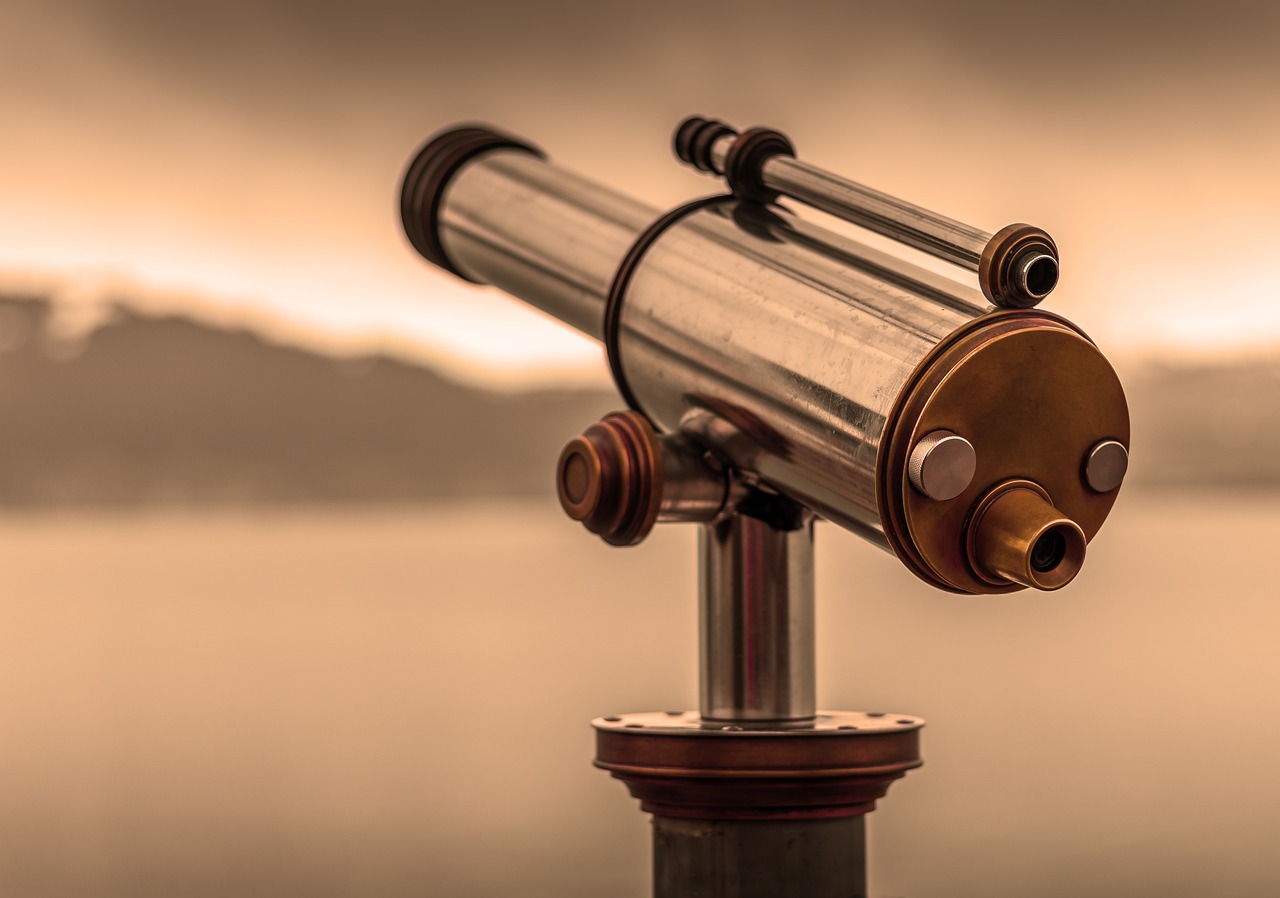
Galileo’s improvements to the telescope allowed him to observe celestial phenomena never seen before, including sunspots, the rings of Saturn, and mountains on the moon. These discoveries challenged accepted beliefs and supported the idea that the universe is far more complex than previously thought. Galileo’s meticulous recording of data and use of scientific instruments set new standards for research. His willingness to confront dogma and trust evidence over tradition made him a hero of science. Astronomers today continue to honor Galileo’s legacy, building ever more powerful telescopes to explore the cosmos.
Richard Feynman: The Quantum Storyteller

Richard Feynman’s charisma and creativity changed the way people learn about physics. He won the Nobel Prize for his work on quantum electrodynamics, explaining how light and matter interact. Feynman’s lectures and books, such as “The Feynman Lectures on Physics,” made complex topics accessible and exciting. He also helped investigate the Challenger disaster, using everyday analogies to explain technical problems. Feynman’s playful approach to learning and teaching continues to inspire students and scientists worldwide.
Johann Sebastian Bach: The Mathematical Composer

Johann Sebastian Bach’s genius wasn’t limited to music; his compositions reveal a deep understanding of mathematical patterns and structures. Scholars have analyzed his fugues and canons and found intricate symmetry, recursion, and balance. Bach’s ability to weave complex melodies and harmonies influenced both music theory and mathematics. Modern neuroscientists have studied the effects of Bach’s music on the brain, finding links between musical complexity and cognitive function. His legacy shows that intelligence can shine in both art and science.
Sophie Germain: The Tenacious Mathematician
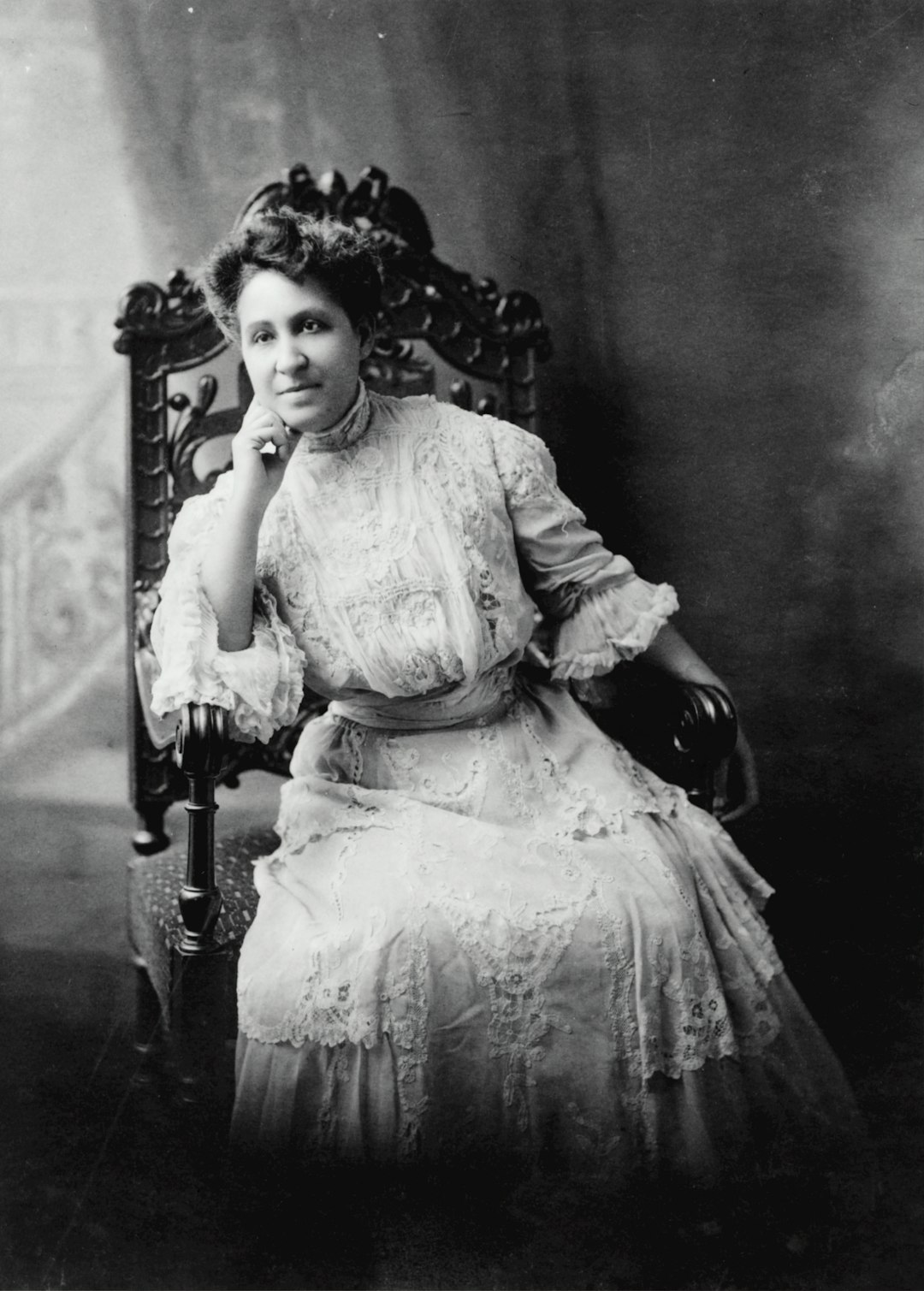
Sophie Germain overcame barriers to become a leading mathematician in a time when women were largely excluded from science. She made lasting contributions to number theory and elasticity, a branch of physics. Germain’s work on Fermat’s Last Theorem laid the groundwork for future breakthroughs. Despite being forced to use a male pseudonym to publish her work, she corresponded with leading mathematicians and gained recognition for her insights. Her determination and intellect continue to inspire women in STEM fields today.
Terence Tao: The Modern Prodigy

Terence Tao is often described as one of the greatest living mathematicians. Born in 1975 in Australia, Tao won a gold medal at the International Mathematical Olympiad at age 13 and became a professor at UCLA by 24. His research spans analysis, number theory, and combinatorics. In 2006, he received the Fields Medal, the highest honor in mathematics. Tao’s ability to solve problems that have stumped mathematicians for decades has been described as “otherworldly.” He continues to publish groundbreaking papers and mentor young mathematicians, shaping the future of the field.
Cleopatra the Alchemist: The Ancient Innovator
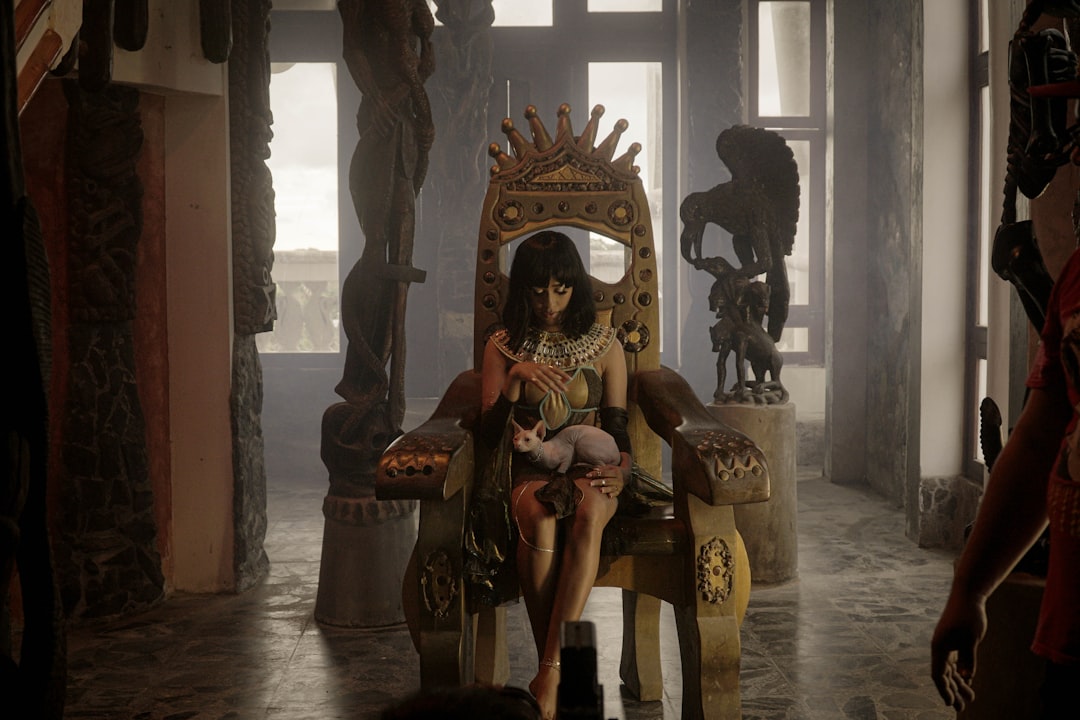
Cleopatra the Alchemist was one of the earliest recorded female scientists, known for her work in chemistry and alchemy in ancient Egypt. She is credited with inventing the alembic, a device used for distillation that remains fundamental in modern chemistry labs. Cleopatra’s experiments with acids, metals, and dyes influenced later chemists and helped preserve ancient techniques. Although much of her life remains mysterious, her reputation as a master inventor and teacher endures. Her legacy demonstrates that the quest for knowledge knows no boundaries of time or gender.