

Video Calling: From Star Trek to Everyday Life
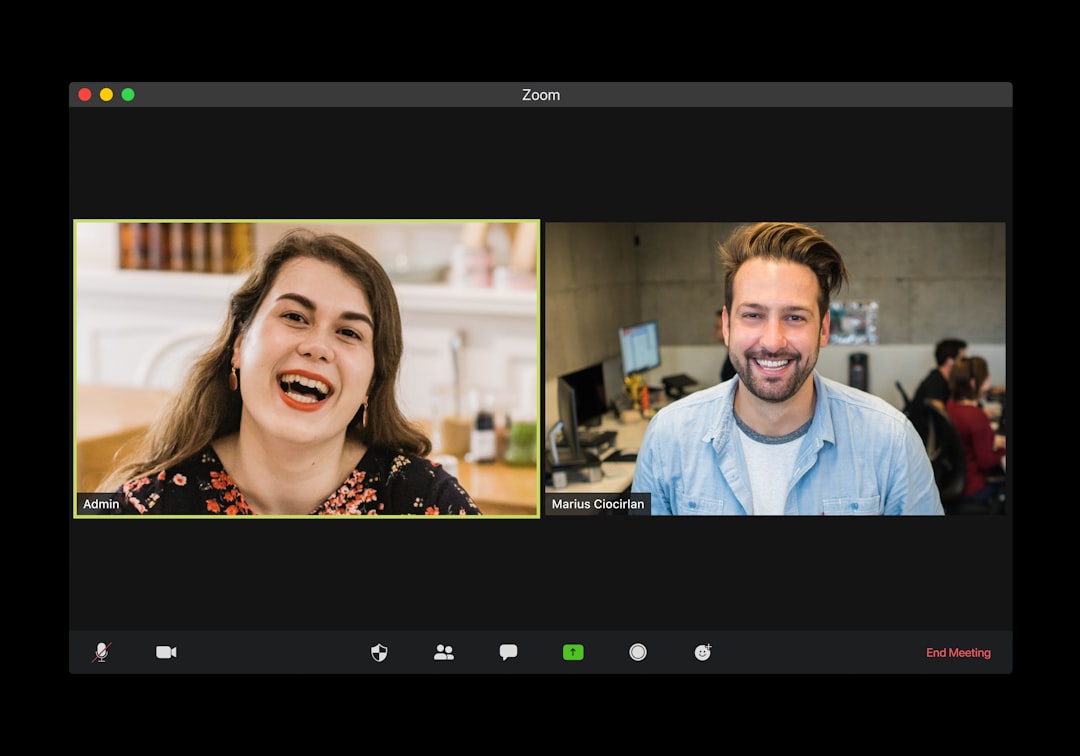
When Star Trek debuted in the 1960s, video calling was pure fantasy. Characters would simply tap a button and speak face-to-face with someone lightyears away. Fast forward to 2025, and video calls are a daily routine for billions. Platforms like Zoom, FaceTime, and Google Meet now connect friends, families, and colleagues across the globe. According to Statista, over 300 million people use Zoom every single day. The COVID-19 pandemic supercharged this shift, making video calls the new normal for work and social life. This technology, once reserved for intergalactic captains, is now in every pocket and on every desk. The result is a world where distance matters so much less, and seeing someone’s face is just a click away.
Smart Home Assistants: The Voice-Controlled House
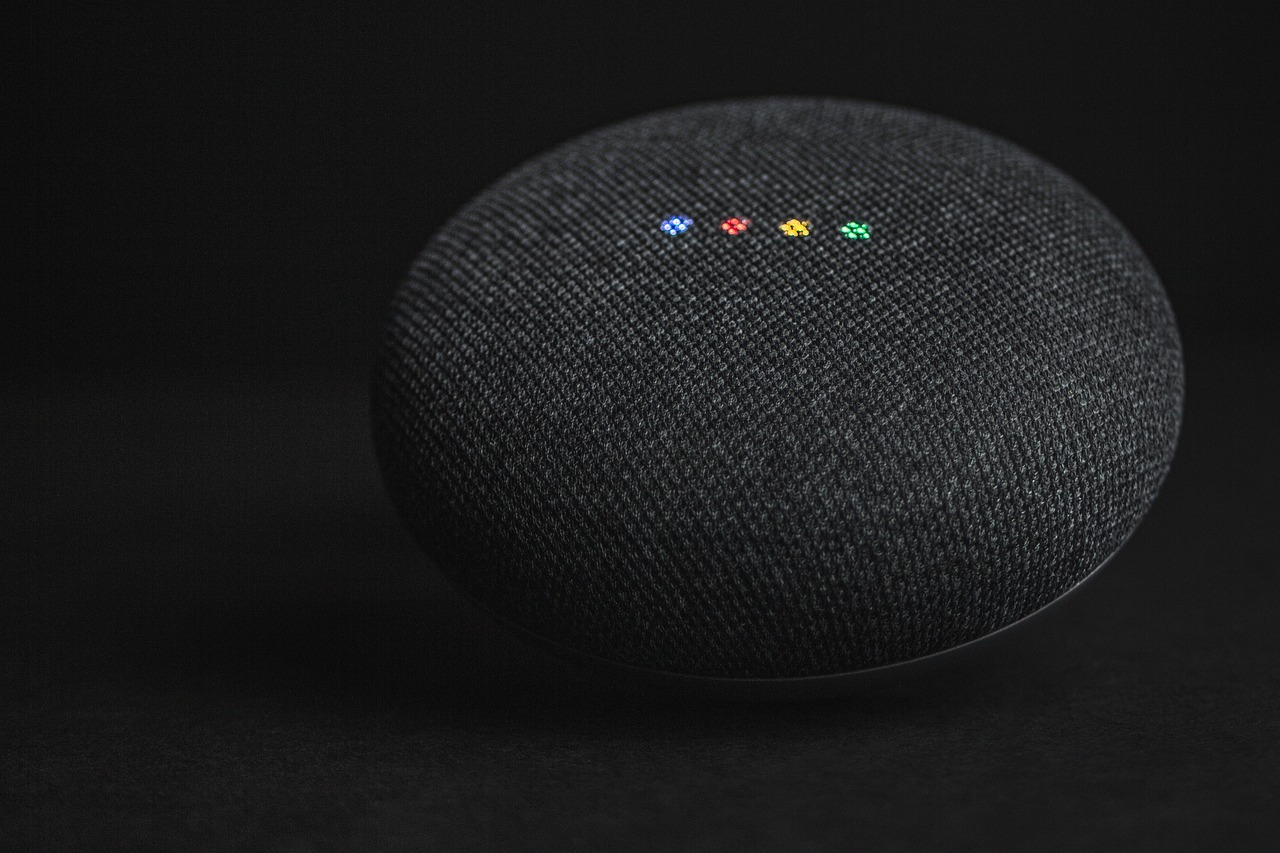
Talking to your house used to sound like something out of The Jetsons. Today, smart home assistants like Amazon Alexa, Google Assistant, and Apple’s Siri have turned this dream into reality. Research from Consumer Technology Association shows that nearly 70% of U.S. households own at least one smart device. These AI-powered helpers can turn on lights, adjust thermostats, play music, and even answer trivia. They recognize natural speech and keep getting smarter with each update. What once seemed magical is now a common household feature, making everyday life a little more like sci-fi with every “Hey Google.”
Wearable Health Trackers: The Real-Life Tricorder
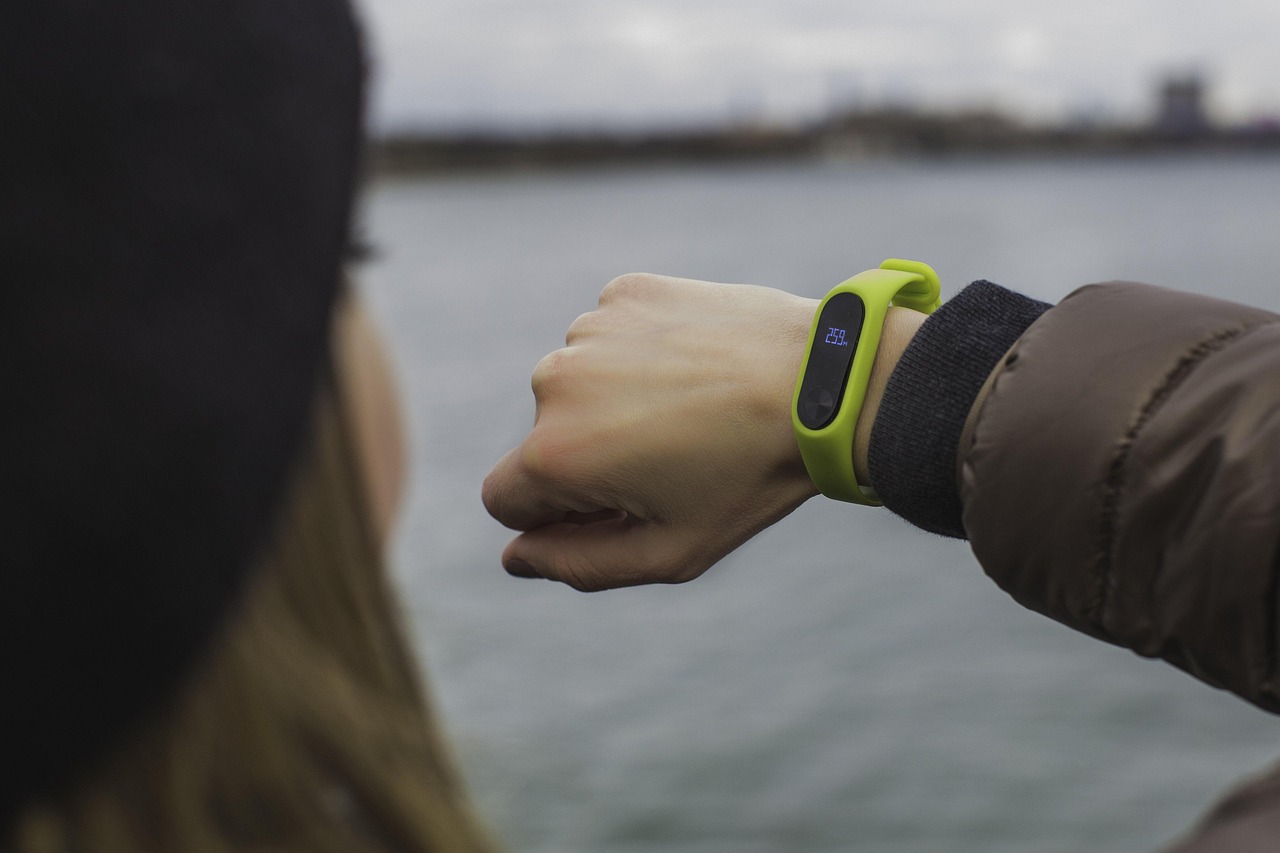
The medical tricorder from Star Trek could diagnose diseases in seconds. While we’re not quite there yet, wearable health trackers like the Apple Watch and Fitbit are closing the gap. A 2024 report by IDC found that over 500 million wearable devices are in use worldwide. These gadgets monitor heart rates, detect falls, and even perform electrocardiograms (ECGs). Newer models can measure blood oxygen and track sleep patterns to alert users to potential health risks. Hospitals and doctors are increasingly relying on the data from these devices, proving that the line between healthcare and science fiction is blurrier than ever.
Robotic Prosthetics: Bionic Limbs with Superhuman Abilities
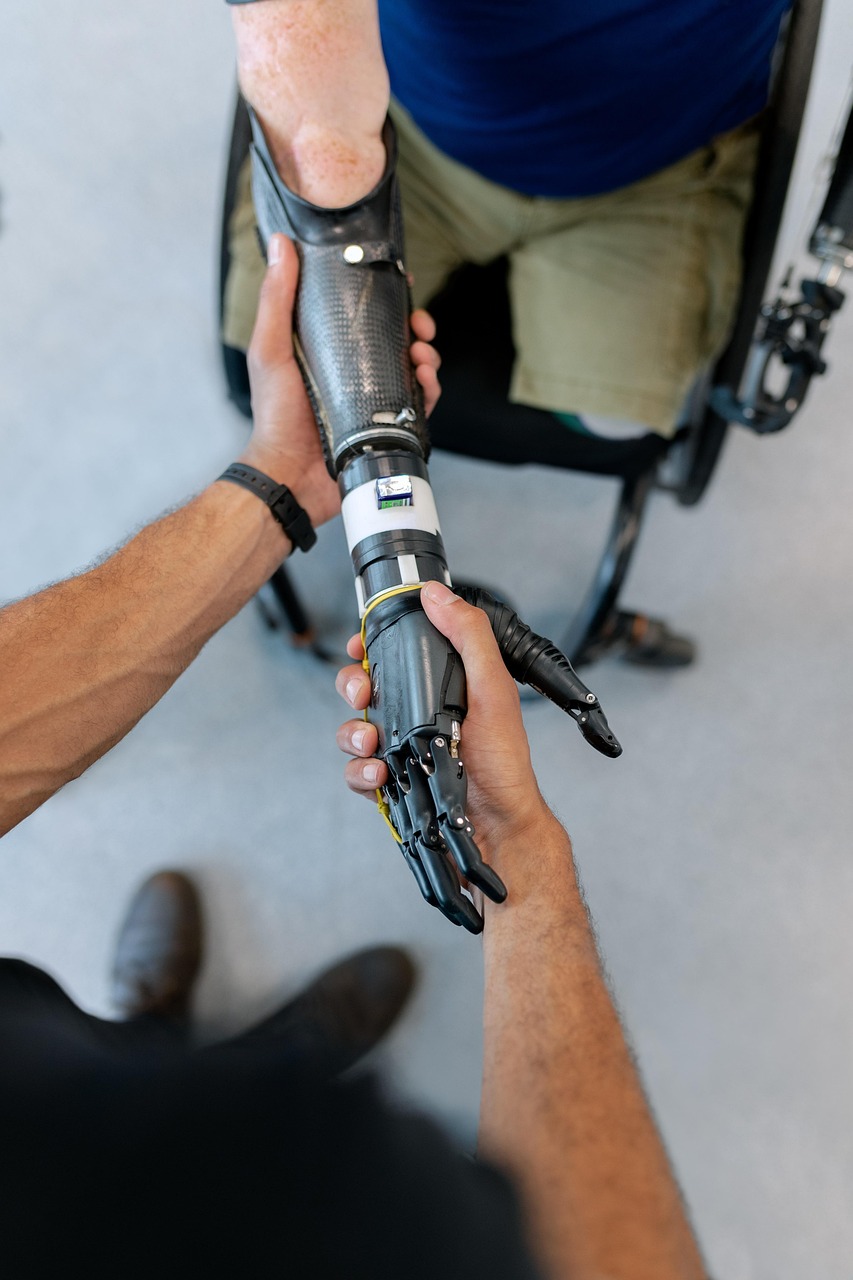
Bionic limbs once belonged to characters like Luke Skywalker and RoboCop. Now, prosthetic technology has leaped forward, giving real people a new lease on life. Modern robotic arms and legs can be controlled by thought, thanks to advances in neural interfaces. According to the World Health Organization, over 30 million people worldwide need prosthetics, and smart limbs are becoming more affordable each year. Companies like Open Bionics are creating 3D-printed arms for children, while labs are developing hands that can “feel” through sensors. The merging of biology and robotics is transforming what’s possible for amputees everywhere.
Autonomous Vehicles: Self-Driving Cars Hit the Streets
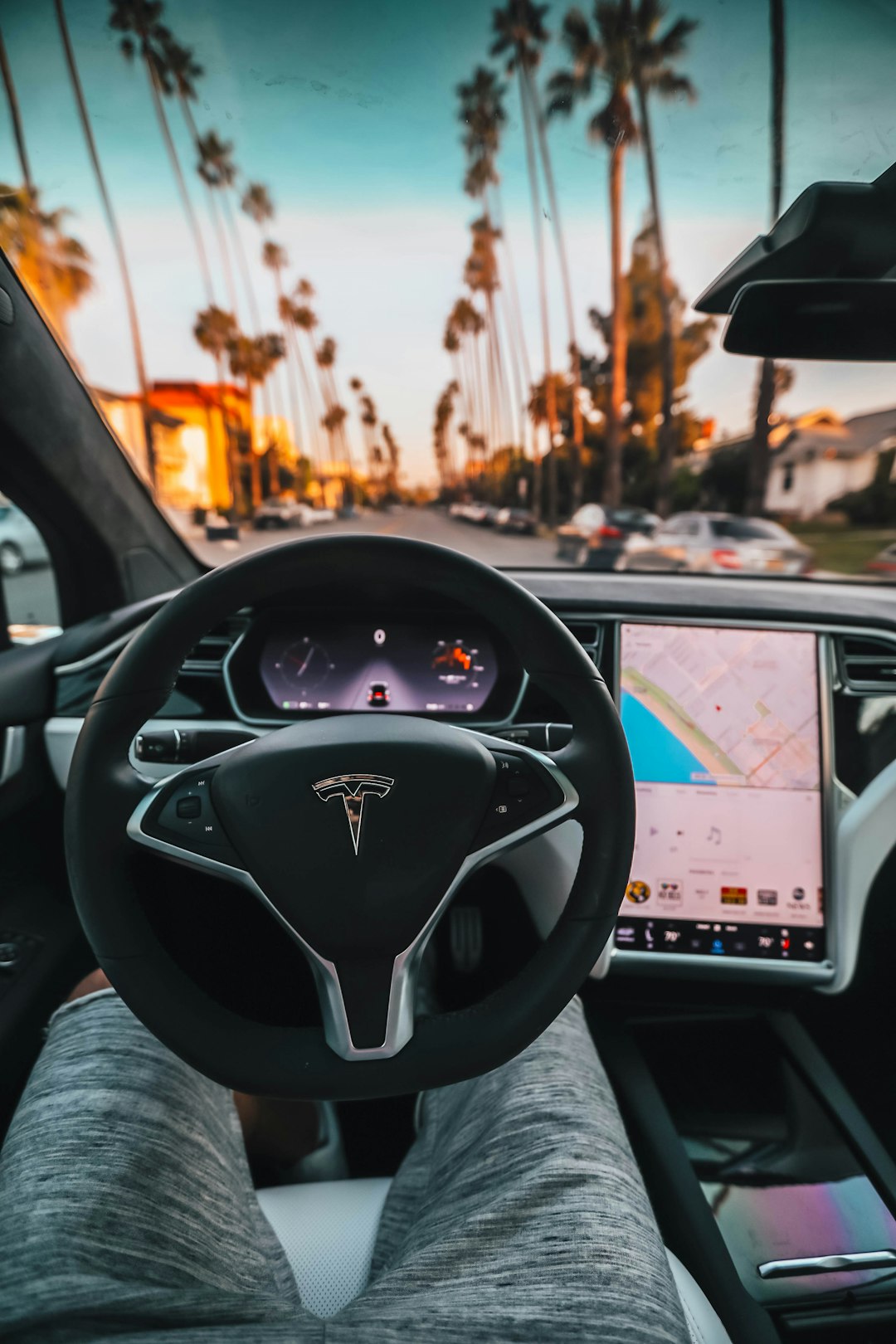
Driverless cars once seemed like something out of Minority Report. Today, autonomous vehicles are being tested in cities all over the world. Tesla’s Autopilot, Waymo’s robotaxis, and GM’s Cruise vehicles have all logged millions of miles on public roads. A 2024 report from the National Highway Traffic Safety Administration stated that over 1,000 self-driving vehicles are currently operating in U.S. cities. These cars use AI, radar, and lidar to navigate traffic and avoid obstacles. While fully driverless cars aren’t yet mainstream, their progress is undeniable, promising a future where humans might not need to drive at all.
Augmented Reality: Digital Overlays on the Real World
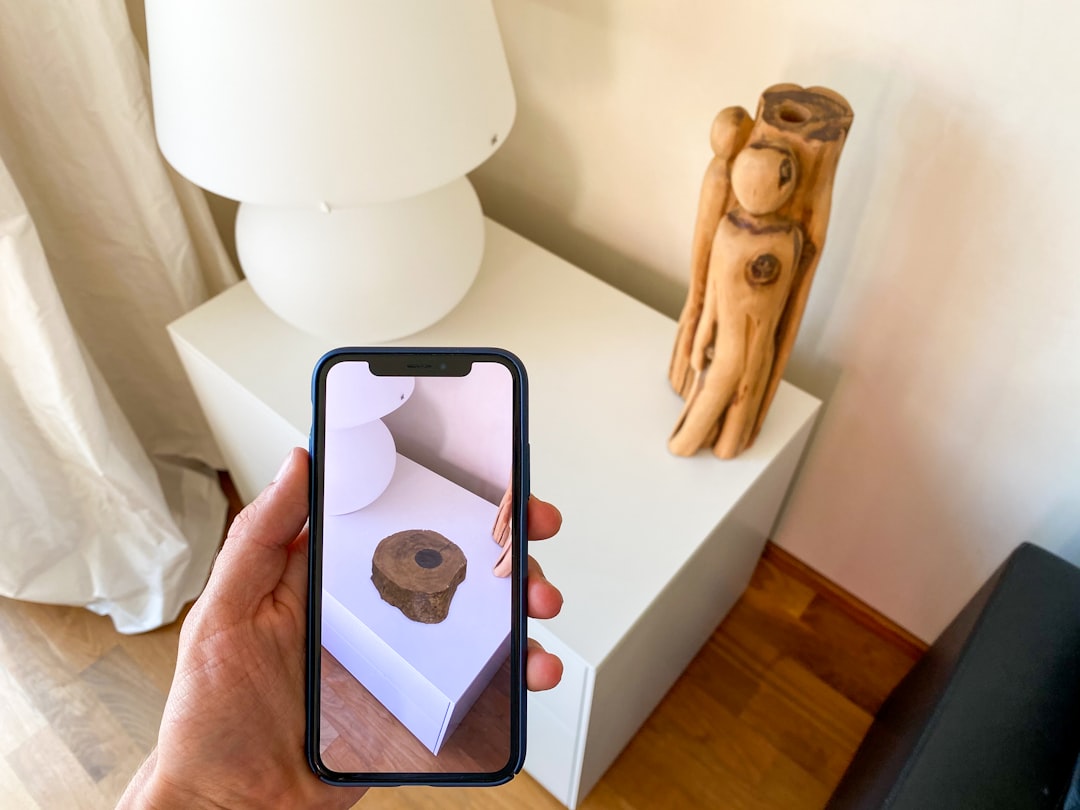
The idea of seeing digital information layered over reality was popularized in movies like Iron Man. Augmented reality (AR) is now a booming industry, with applications from gaming to education. Tech giants like Apple and Google have released AR toolkits, and the global market is expected to top $100 billion by 2026. Apps like Pokémon Go proved the mass appeal, while AR glasses and headsets are starting to gain traction. AR is now used in surgery, car repairs, and even furniture shopping, letting users “see” products in their own homes before buying. What started as a sci-fi dream now shapes how we interact with the world.
Universal Translators: Breaking Down Language Barriers

Universal translators have long been a staple of science fiction, promising instant understanding between species. Today, apps like Google Translate and devices like Pocketalk offer real-time translation of over 80 languages. According to a 2024 survey, more than 500 million people use translation apps each month. These tools use AI to decipher speech and text almost instantly, making travel and international business far easier. Real-time translation earphones are now available, allowing people to converse naturally without language getting in the way. The once-unthinkable ability to talk to anyone, anywhere, is now a reality.
3D Printing: Making Anything, Anytime
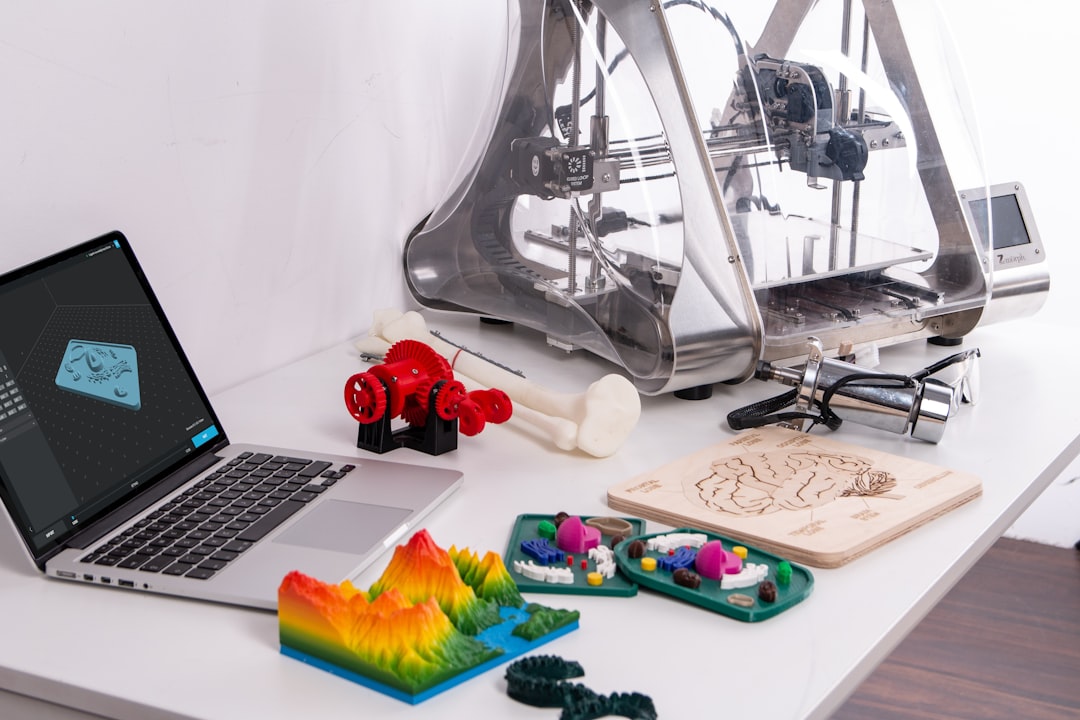
In sci-fi, characters often conjure objects out of thin air. Today, 3D printing is as close as we get. The global 3D printing market surpassed $20 billion in 2024, according to Grand View Research. These printers create everything from car parts to prosthetic limbs and even entire houses, layer by layer. Hospitals use 3D-printed organs for research and practice, while aerospace companies print rocket parts. During the COVID-19 crisis, 3D printers churned out masks and ventilator parts when traditional supply chains failed. The technology is rapidly advancing, and what once belonged to the pages of a novel is now in factories, labs, and even homes.
Exoskeletons: Real-Life Power Suits
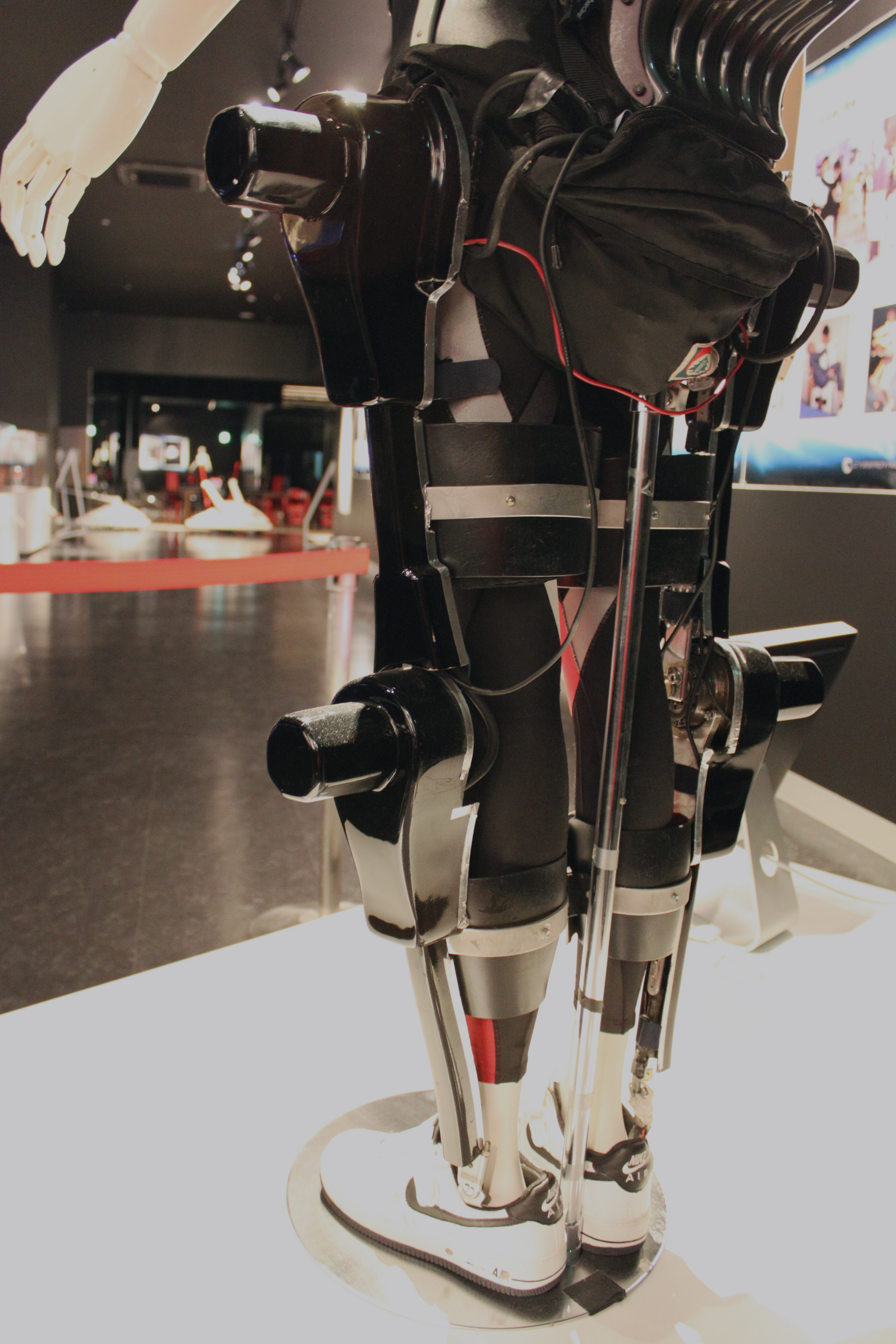
Iron Man’s suit inspired generations to imagine wearable armor that enhances strength. Today, exoskeletons are not just fantasy—they’re helping people walk again and making workers stronger. Companies like Ekso Bionics and Sarcos Robotics have developed suits used in rehabilitation and heavy industry. A 2024 report from MarketsandMarkets projects the exoskeleton market will reach $7 billion by 2028. Paralyzed patients use these suits to regain mobility, and laborers wear them to lift heavy loads safely. The line between human limitation and machine augmentation is growing thinner every year.
Holograms: Projecting Images into Thin Air

Holograms have dazzled audiences in Star Wars and other classics. Today, real-world holographic displays are emerging in entertainment, medicine, and business. In 2024, Japanese company NTT Docomo unveiled a hologram phone booth for live, 3D conversations. Concerts now feature holographic performances from artists who have passed away, creating emotional and sometimes controversial events. Holographic navigation aids are being tested in cars and airplanes. While still not as vivid as sci-fi’s full-body projections, today’s holograms are a giant leap forward, blending the digital and the physical in ways once thought impossible.
Jetpacks: Personal Flight Takes Off

The dream of soaring through the sky with a jetpack has fascinated people since The Rocketeer and beyond. In 2024, several companies, including JetPack Aviation and Gravity Industries, have demonstrated working jetpacks that can fly for up to 10 minutes at speeds of over 80 mph. The Dubai police have even tested jetpacks for emergency rescues. While jetpacks are still too expensive and risky for daily use, their existence proves that science fiction’s wildest dreams can become reality with enough ingenuity and persistence.
Digital Currency: The Rise of Cryptocurrency

Cryptocurrency was once the stuff of cyberpunk novels, where digital money ruled underground economies. Today, Bitcoin, Ethereum, and thousands of other cryptocurrencies are traded globally. In 2024, the total crypto market cap hovered near $2 trillion. Major companies accept crypto payments, and governments are launching their own digital currencies. Blockchain technology is disrupting finance, art, and even voting systems. Digital wallets and instant, borderless payments are now possible, changing how we think about value and ownership.
Space Tourism: Ordinary People Reaching the Stars
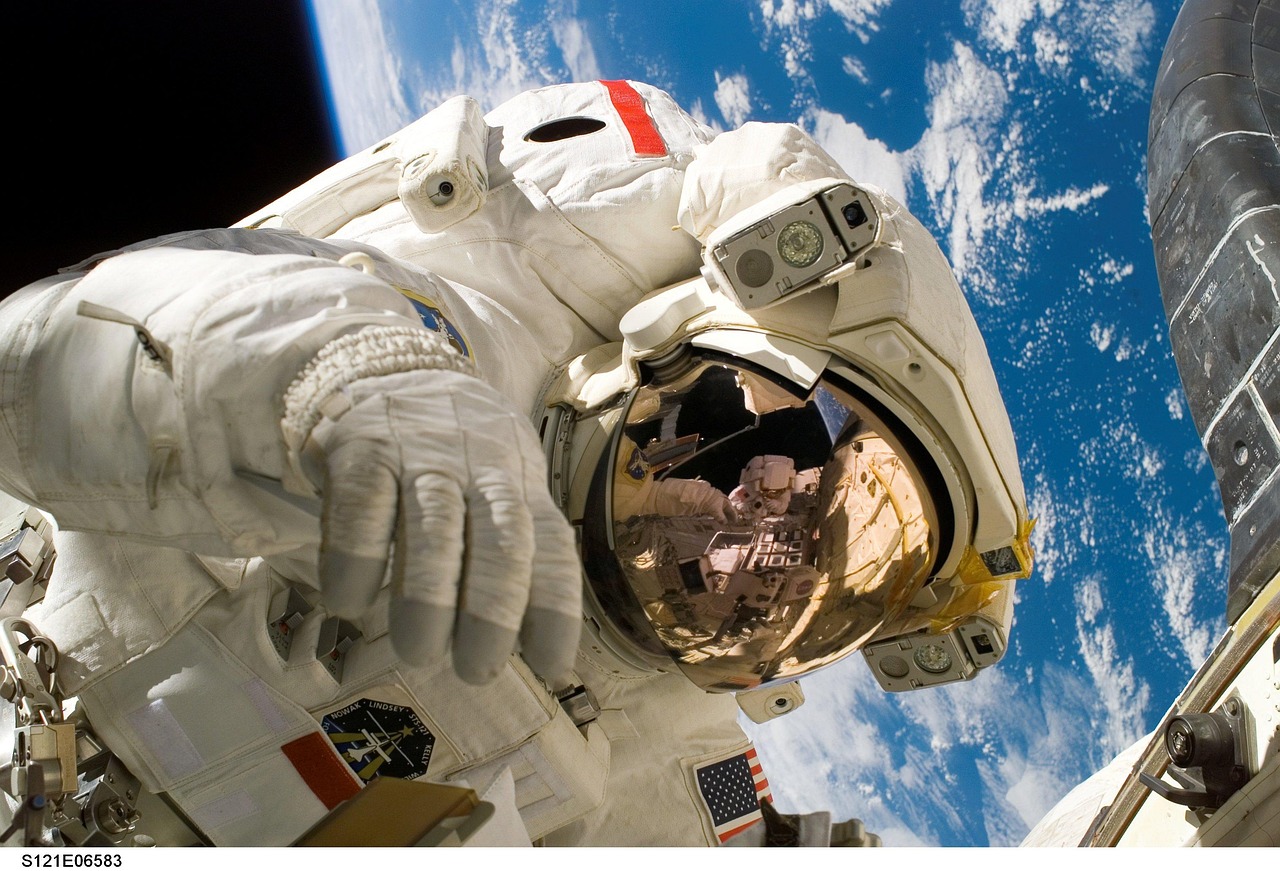
Tourism in outer space sounded like pure fantasy a few decades ago. Now, companies like SpaceX, Blue Origin, and Virgin Galactic are sending civilians into orbit. In 2024, SpaceX completed its first all-civilian mission around the moon, and more than 1,000 people have reserved seats for future trips. The space tourism market is expected to grow to $8 billion by 2030, according to UBS. This new era is making space travel accessible to more than just astronauts, transforming humanity’s relationship with the cosmos.
Facial Recognition: Computers That See and Know You
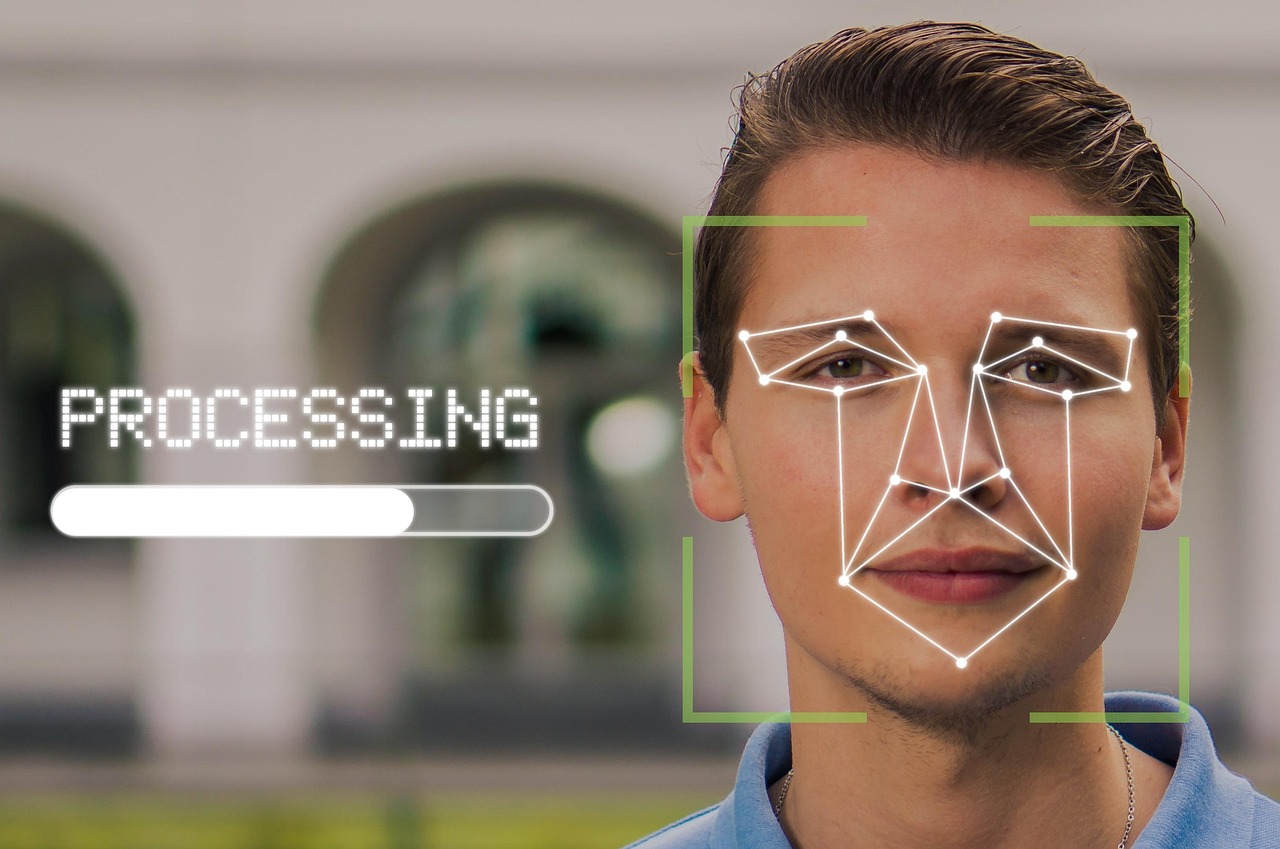
Face-scanning tech was once a futuristic security measure in movies like Minority Report. Today, facial recognition is everywhere—from unlocking smartphones to airport check-ins and even law enforcement. According to Allied Market Research, the global facial recognition market surpassed $6 billion in 2024. While the technology raises privacy concerns, its accuracy and speed have made it a fixture in modern life. Retailers use it to prevent theft, and stadiums use it for ticketless entry. The science fiction of yesterday is now shaping both convenience and debate in society.
Lab-Grown Meat: Sci-Fi Food on Your Plate

Replicators in Star Trek created meals from thin air. Today, lab-grown or cultured meat is making its way into restaurants and supermarkets. In 2024, Good Meat became the first company to sell lab-grown chicken in the U.S. The global market for cultured meat is projected to reach $25 billion by 2030. These meats are grown from animal cells, reducing the need for traditional farming and lowering environmental impact. For many, eating a burger grown in a lab still feels like science fiction—but for others, it’s already dinner.