

Gentle Stretching to Wake the Body

Starting the day with gentle stretching can do more than just limber up stiff muscles—it sets a peaceful tone. According to a 2023 survey by the National Sleep Foundation, people who spend five to ten minutes stretching in the morning report feeling more awake and less stressed throughout the day. A few slow neck rolls, shoulder shrugs, and forward bends are enough. This simple ritual releases endorphins, which naturally boost mood and reduce anxiety. Many physical therapists recommend stretching right after waking up, as it helps ease the transition from sleep to movement and prevents injuries. Keeping a yoga mat near your bed makes this habit easier to maintain. Consistency is key—just a few minutes every morning can have a big impact on your overall well-being.
Mindful Breathing for Calm and Clarity

Mindful breathing is a ritual backed by science, with numerous studies showing its ability to lower cortisol, the body’s stress hormone. Researchers at Harvard Medical School found that even two minutes of deep, slow breathing can lower heart rate and blood pressure. The technique is simple: inhale slowly through the nose, hold for a moment, and exhale gently through the mouth. Doing this before getting out of bed or while making your morning coffee grounds you in the present moment. Many people find that mindful breathing helps them manage anxieties about the day ahead. Over time, it becomes automatic, making it a ritual that’s easy to stick with. Breathing exercises can also improve focus, helping you start your day with a clear mind.
Savoring a Warm Beverage Without Distractions

Taking five minutes to truly savor a cup of coffee or tea—without your phone or the TV—can be surprisingly soothing. In a 2022 study published in the journal Appetite, researchers found that mindful consumption of hot drinks in the morning led to increased feelings of relaxation and satisfaction. The ritual involves sitting quietly, noticing the aroma, warmth, and flavor of your drink, and allowing yourself to wake up slowly. This simple pleasure can help break the cycle of rushing and multitasking. Establishing a special mug or a cozy spot in your home makes the ritual feel like a treat. The predictability of this moment brings comfort and calm, making it a habit many people look forward to each day.
Journaling for a Positive Start

Writing in a journal for even five minutes each morning can help organize thoughts and set a positive intention for the day. The American Psychological Association highlights that journaling is linked to lower stress and improved emotional well-being. You might jot down your dreams, a gratitude list, or your goals for the day. The act of writing by hand helps slow down racing thoughts and bring clarity. Some people use guided prompts or simply write whatever comes to mind. Over time, this ritual can help spot patterns in your mood and behavior, making it easier to create lasting change. Keeping your journal on your nightstand or breakfast table acts as a reminder to stick with the habit.
Listening to Uplifting Music

Music has a profound effect on mood, and listening to uplifting songs in the morning can set a positive tone for the entire day. According to a 2023 review in Frontiers in Psychology, people who listen to music after waking up experience reduced anxiety and greater motivation. Build a playlist of songs that make you feel calm, inspired, or happy. Whether you play it while showering, dressing, or preparing breakfast, the ritual quickly becomes something you look forward to. Music can also serve as a cue to start other habits, like stretching or journaling. Over time, pairing music with these behaviors strengthens the ritual, making it more likely to stick.
Going for a Short Walk Outside

Spending time outdoors in the morning—even just ten minutes—can work wonders for your mind and body. Sunlight exposure helps regulate your internal clock (circadian rhythm), which improves sleep quality and mood, according to the Sleep Foundation. A brisk walk around the block increases circulation and releases endorphins, giving you a natural energy boost. The fresh air and change of scenery can help you feel more awake and grounded. This ritual doesn’t require fancy gear—just comfortable shoes and a willingness to step outside. People who walk regularly in the morning report feeling less rushed and more prepared to tackle the day.
Planning the Day with Intention

Taking a few quiet minutes to plan your day can make a big difference in how organized and calm you feel. The American Institute of Stress notes that proactive planning reduces the feeling of being overwhelmed. Use a planner, app, or simple notepad to jot down your top three priorities. Breaking tasks into smaller steps makes goals feel more attainable. This ritual helps you avoid decision fatigue later in the day. Many successful people, including CEOs, credit daily planning as a key to staying focused and reducing stress. Making this a habit ensures nothing important falls through the cracks.
Hydrating First Thing

Drinking a glass of water right after waking up is a ritual that’s both simple and scientifically supported. Dehydration can cause fatigue, headaches, and poor concentration, according to the Mayo Clinic. Rehydrating first thing helps kickstart your metabolism and flush out toxins accumulated overnight. Many people keep a water bottle by their bed or in the bathroom as a reminder. Adding a slice of lemon can make it feel like a treat. This habit is easy to maintain because it requires little effort, yet the benefits are significant. Over time, you’ll notice increased energy and better digestion.
Practicing Gratitude
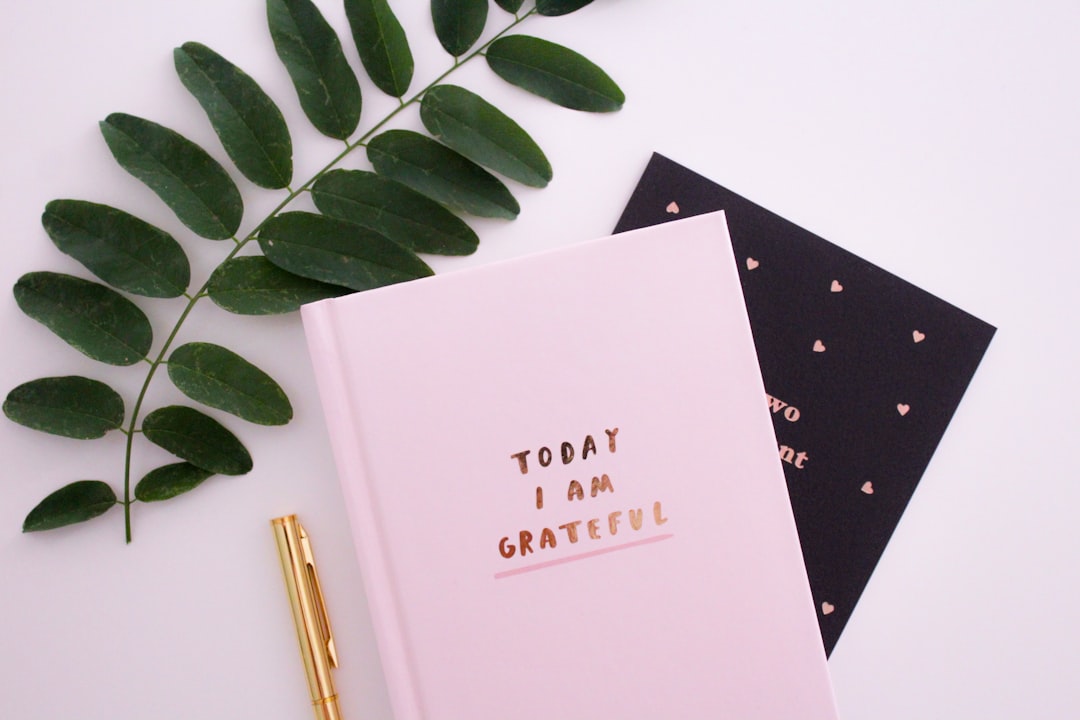
Starting the day by acknowledging things you’re grateful for can shift your mindset from stress to positivity. Research from the University of California, Davis, shows that people who practice gratitude daily experience higher levels of happiness and lower levels of depression. The practice is simple: mentally list or write down three things you appreciate. It could be as basic as having a warm bed or as grand as a loving family. This ritual only takes a minute or two, but the emotional impact can last all day. Gratitude helps you notice the good, even on tough mornings, making it a habit worth sticking with.
Leaving Screens Off for the First 30 Minutes

Avoiding phones, computers, and TV for the first half-hour after waking up gives your mind space to ease into the day. A 2022 report in JAMA Psychiatry linked early-morning screen time to increased stress and lower mood. By focusing on analog activities—like stretching, journaling, or simply enjoying your breakfast—you protect your mental space from overwhelming news or emails. This ritual reduces digital overload and helps you start the day feeling present and calm. Many people find that once they experience the difference, they’re motivated to keep this habit. Setting your phone to “Do Not Disturb” or keeping it out of the bedroom makes this ritual easier to maintain.
Creating a Peaceful Environment

Tidying your space before bed or first thing in the morning can create a sense of calm that lasts all day. According to the National Association of Productivity and Organizing Professionals, cluttered spaces contribute to stress and make it harder to focus. Taking five minutes to make the bed, open curtains, or tidy a small area helps your mind feel more settled. Scented candles or essential oils can add to the peaceful atmosphere. This ritual is about creating a space that feels good to be in, which can make you look forward to mornings. Over time, it becomes a natural part of your routine.