
Meditation is more than just a practice; it’s a journey into the depths of one’s mind and spirit. While most of us are familiar with mindfulness and transcendental meditation, there are other rare techniques that promise unique and profound benefits. These hidden gems of the meditation world are truly worth their weight in gold, offering pathways to deeper understanding and personal growth.
Kundalini Meditation
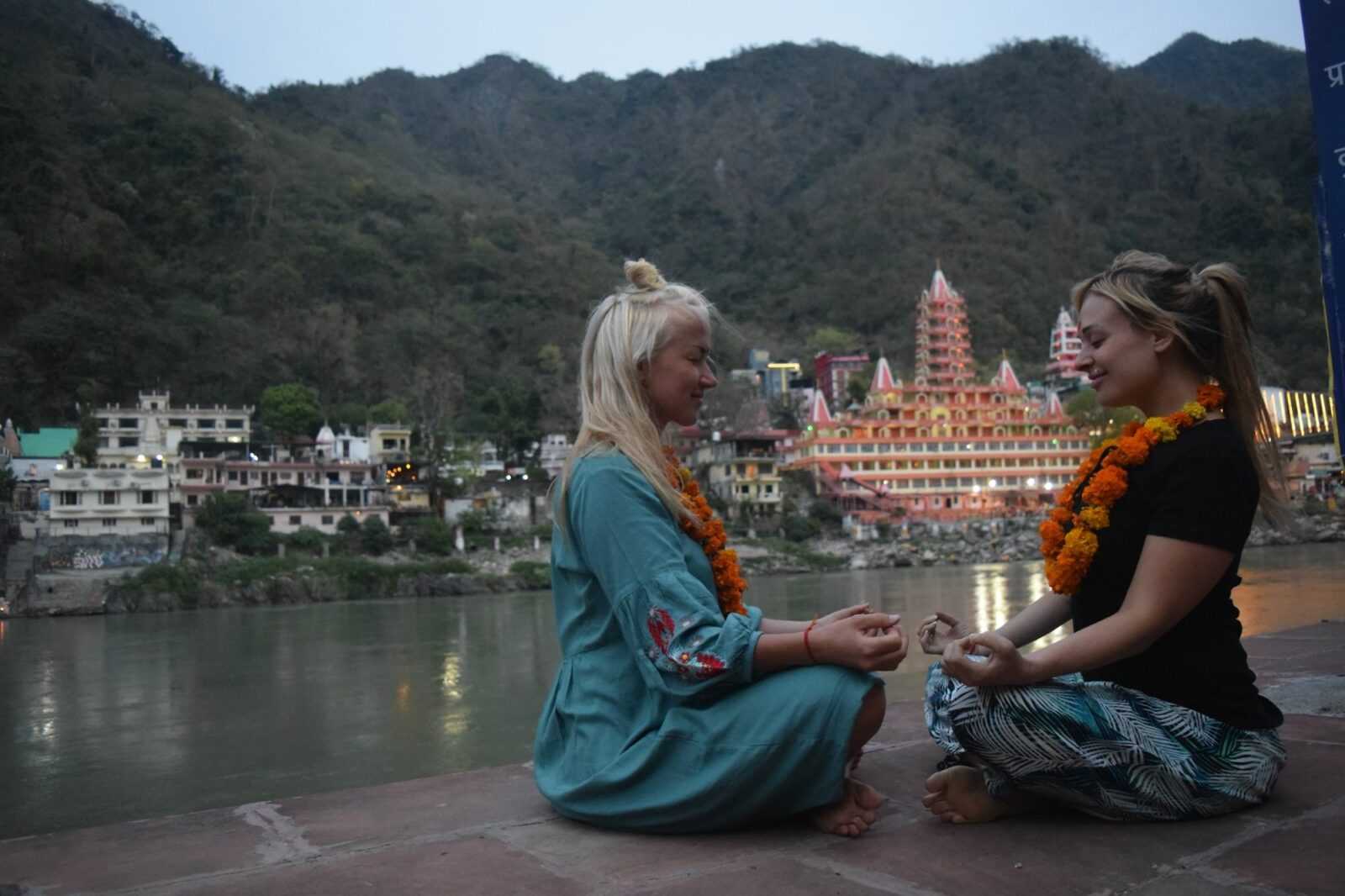
Kundalini meditation is a spiritual journey aimed at awakening the dormant energy within us, known as Kundalini. This energy lies coiled at the base of the spine, waiting to be stirred. Through a combination of breath control, chanting, and specific postures, practitioners stimulate this energy to rise. The experience can be intense, often leading to heightened awareness and emotional release. It’s like unlocking a hidden potential, but it’s crucial to approach it with respect and guidance. An experienced teacher can help navigate this transformative process, ensuring a safe and enlightening experience.
Zazen (Zen Meditation)

Zazen, or seated meditation, is the cornerstone of Zen Buddhism. It’s a practice that invites you to sit in a specific posture, focus on your breath, and observe your thoughts without attachment. The beauty of Zazen lies in its simplicity. It’s like sitting by a river, watching the water flow without trying to change its course. This practice cultivates mindfulness and presence, offering profound insights and clarity. It’s accessible to everyone, whether you’re a seasoned meditator or just starting out, making it a timeless practice for personal exploration.
Tonglen Meditation
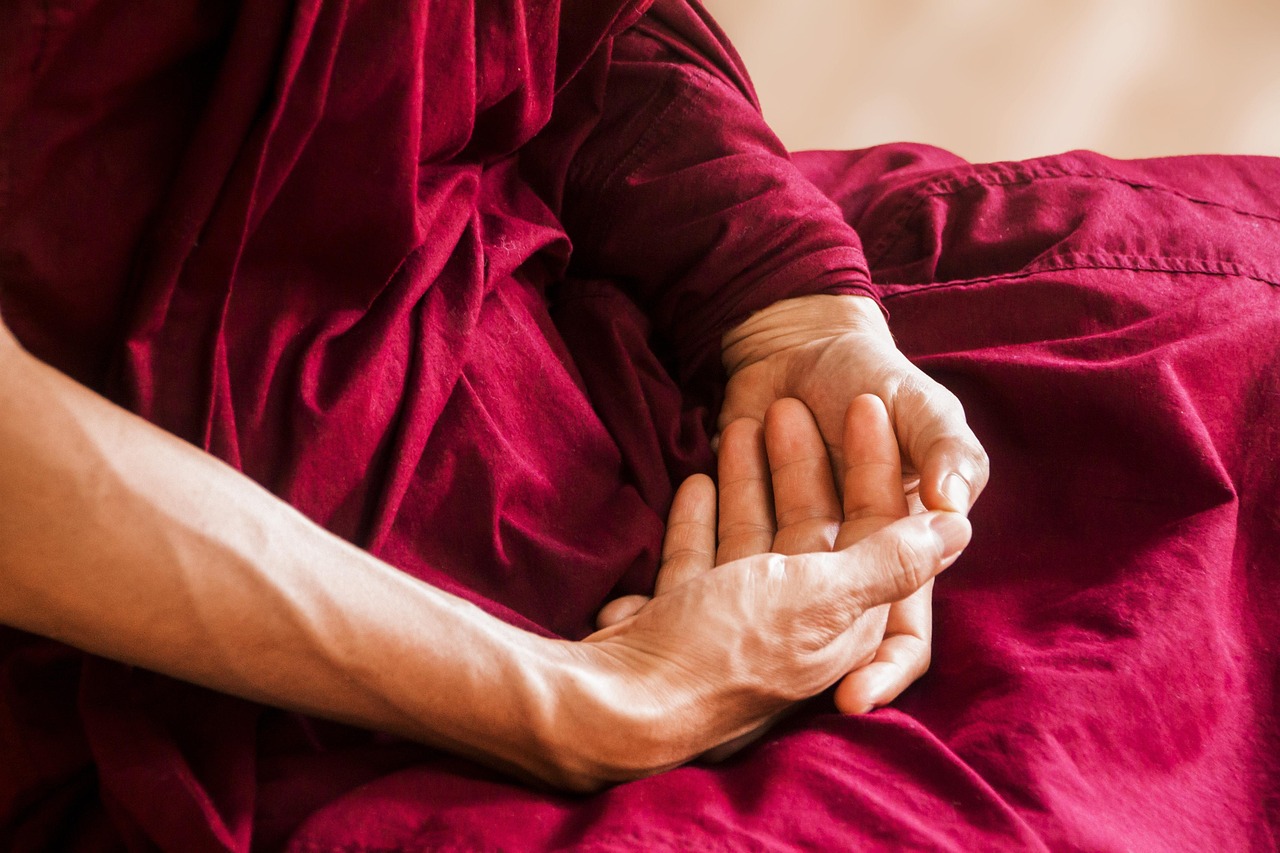
Tonglen is a Tibetan Buddhist practice that embodies the essence of compassion. It involves breathing in the suffering of others and breathing out compassion and healing. This technique can be likened to a heart-to-heart exchange, where you consciously take in pain and transform it into love. It’s a powerful way to develop empathy and a sense of interconnectedness. Practicing Tonglen can be deeply moving, allowing individuals to cultivate a greater sense of love and understanding, both for themselves and for the world around them.
Vipassana Meditation
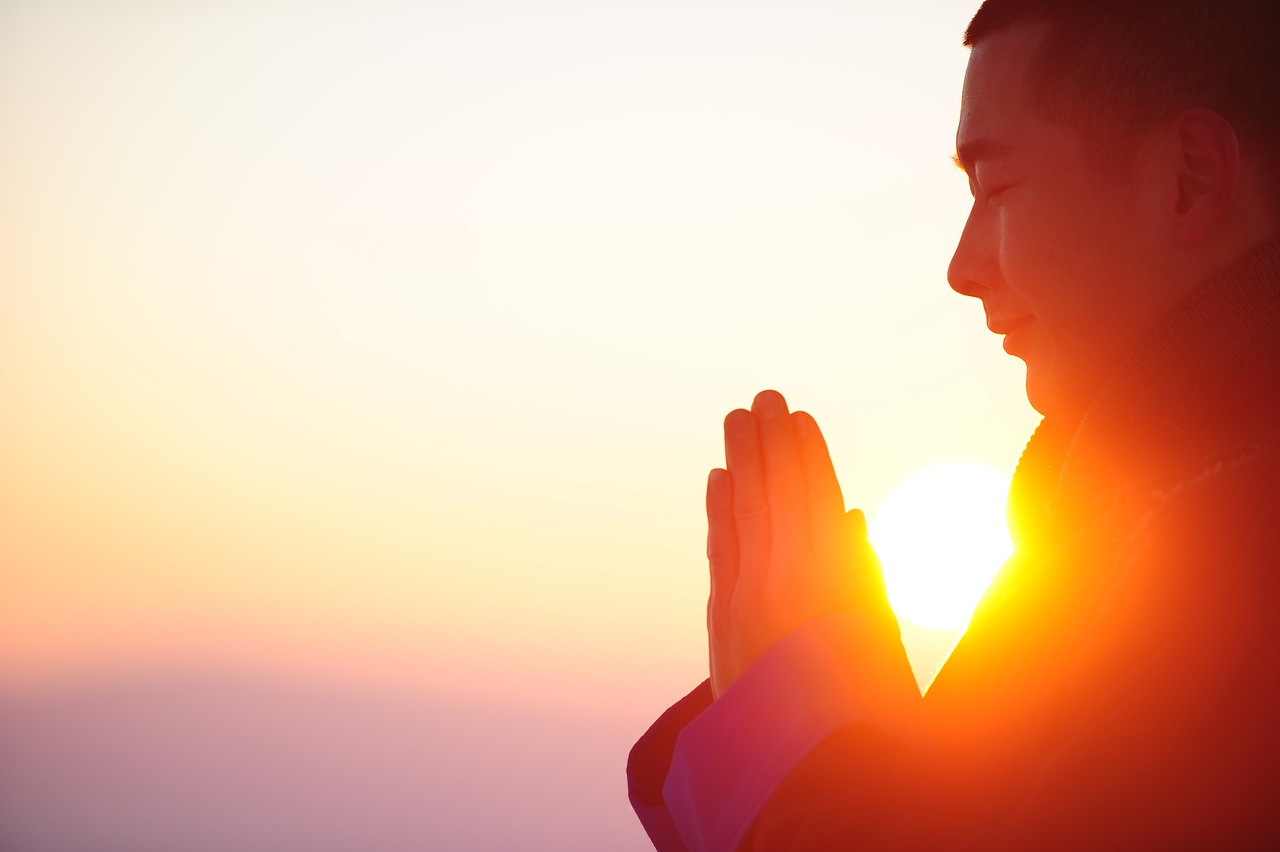
Vipassana, meaning “clear seeing,” is an ancient meditation technique focusing on insight and self-awareness. It involves observing bodily sensations, thoughts, and emotions without judgment. Imagine standing in a gallery, observing art without labeling it as good or bad. Vipassana retreats, often lasting ten days or more, immerse practitioners in this practice, allowing for a deep dive into one’s consciousness. Many who complete these retreats report significant shifts in perspective and emotional well-being, making it a transformative journey of self-discovery.
Chakra Meditation
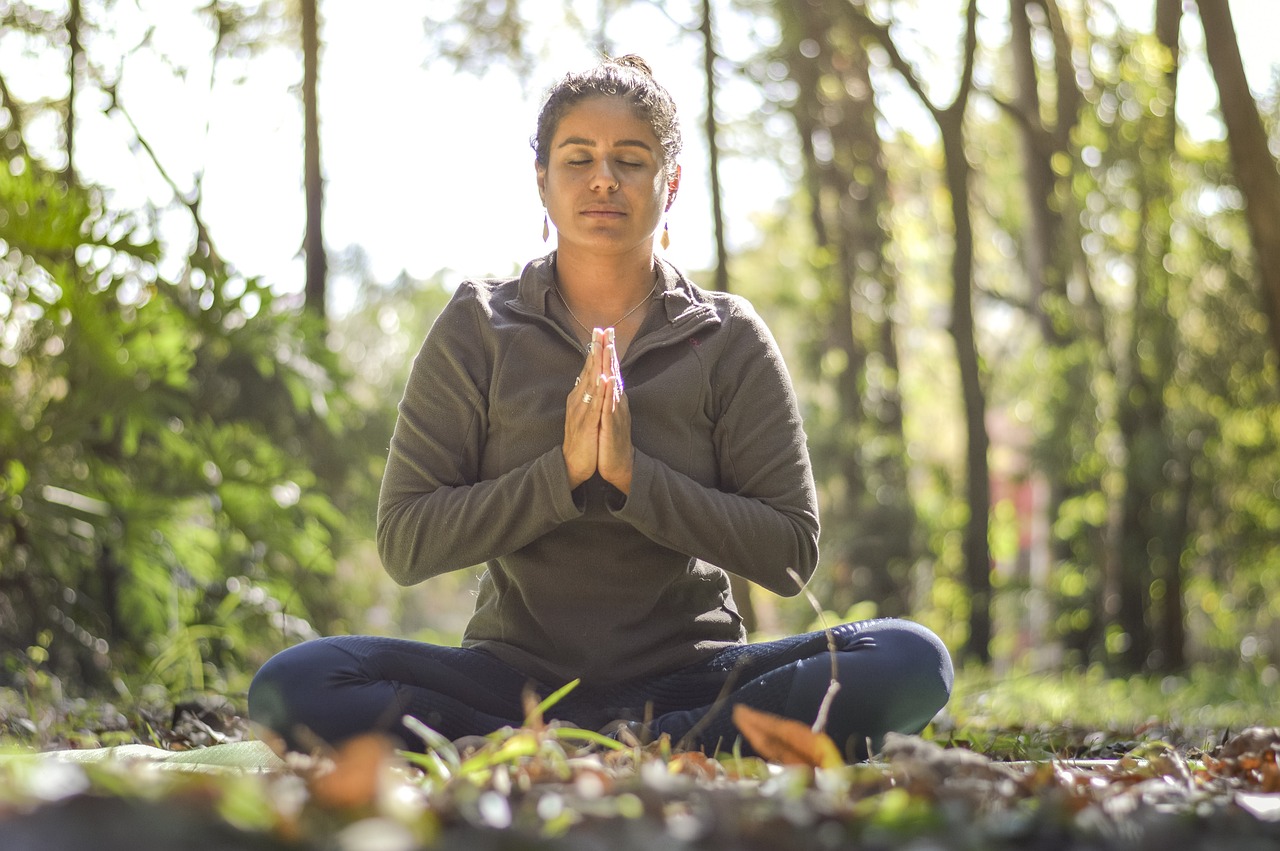
Chakra meditation is all about balance and alignment. It focuses on the seven energy centers in the body, each associated with specific emotions and physical health. By meditating on these chakras, practitioners aim to harmonize their energy, promoting overall well-being. Visualization, sound, and breathwork often accompany this practice, enhancing the experience. It’s like tuning an instrument, ensuring each string is perfectly pitched. Chakra meditation can be particularly beneficial for those seeking emotional healing and spiritual growth, offering a pathway to inner harmony.
Loving-Kindness Meditation (Metta)
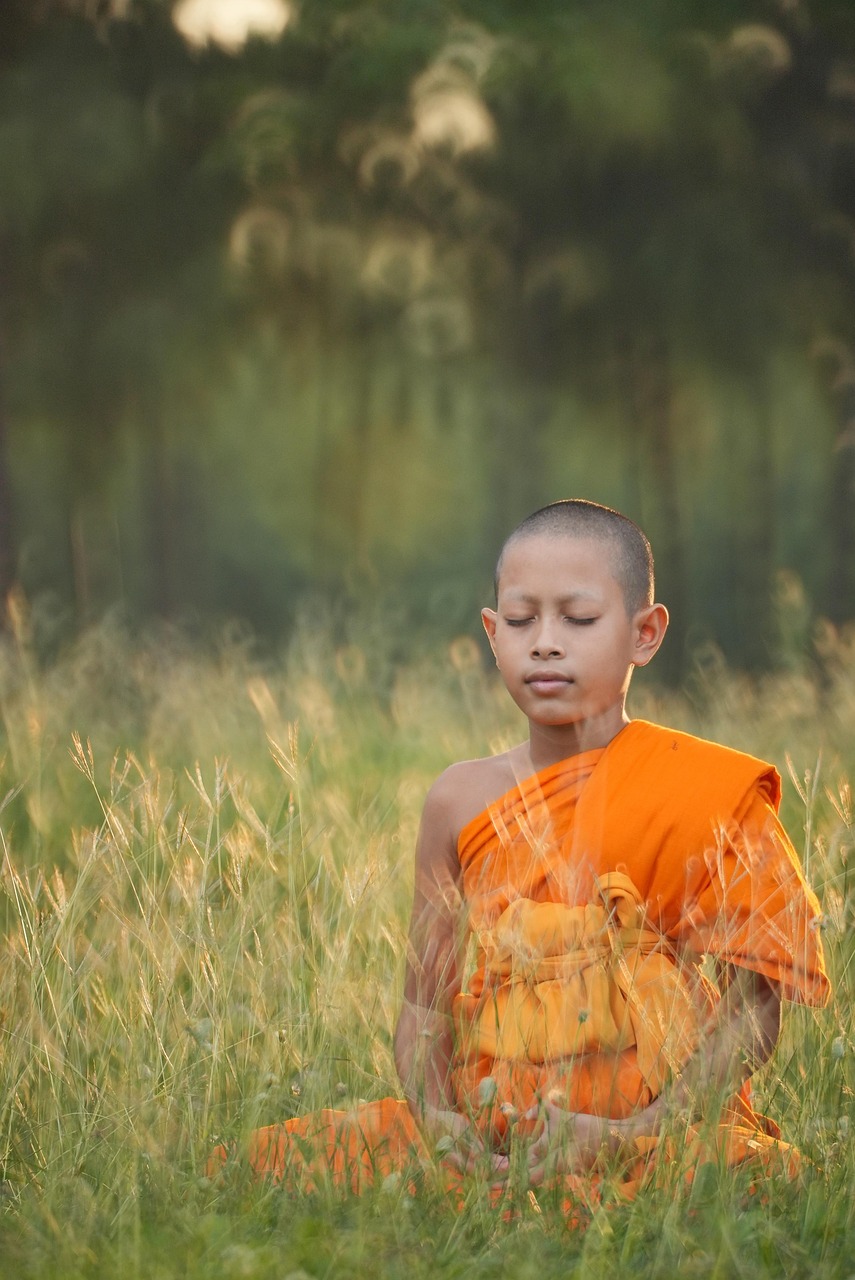
Loving-kindness meditation, or Metta, is a practice of generating feelings of love and compassion towards oneself and others. It typically begins with self-directed kindness and gradually extends to loved ones, acquaintances, and even those with whom one has conflicts. Imagine planting seeds of love in a garden, watching them bloom and spread. Research has shown that practicing Metta can increase positive emotions and decrease negative feelings, making it a valuable tool for emotional resilience. It’s a gentle yet powerful way to foster a more compassionate heart.
Sound Bath Meditation

Sound bath meditation is a unique auditory experience that uses sound vibrations from instruments like singing bowls, gongs, and tuning forks. Participants lie down and immerse themselves in these soothing sounds, which can induce deep relaxation and altered states of consciousness. It’s like being wrapped in a cocoon of sound, where the mind finds peace and the body unwinds. This technique is particularly effective for those who find it challenging to meditate in silence, as the sounds help quiet the mind and promote a sense of tranquility.
Forest Bathing (Shinrin-Yoku)

Forest bathing, or Shinrin-Yoku, is a Japanese practice that immerses individuals in nature to promote mental and physical well-being. While not a traditional meditation technique, it encourages mindfulness and presence in natural surroundings. Imagine walking through a forest, feeling the earth beneath your feet and the breeze on your skin. Studies have shown that spending time in nature can reduce stress, improve mood, and enhance overall health. It’s a refreshing way to connect with nature and cultivate a meditative state, offering a sanctuary from the hustle and bustle of daily life.
Guided Visualization

Guided visualization is a technique that uses imagery to create a mental experience. A facilitator or recording guides participants through a series of visualizations, often aimed at relaxation, healing, or achieving specific goals. It’s like having a map for your mind, guiding you to places of peace and clarity. This technique can be particularly effective for those who struggle with traditional meditation, as it provides a structured approach to focus the mind. Guided visualization can enhance creativity, reduce anxiety, and promote a sense of calm, offering a versatile tool for personal growth.
Breathwork Meditation
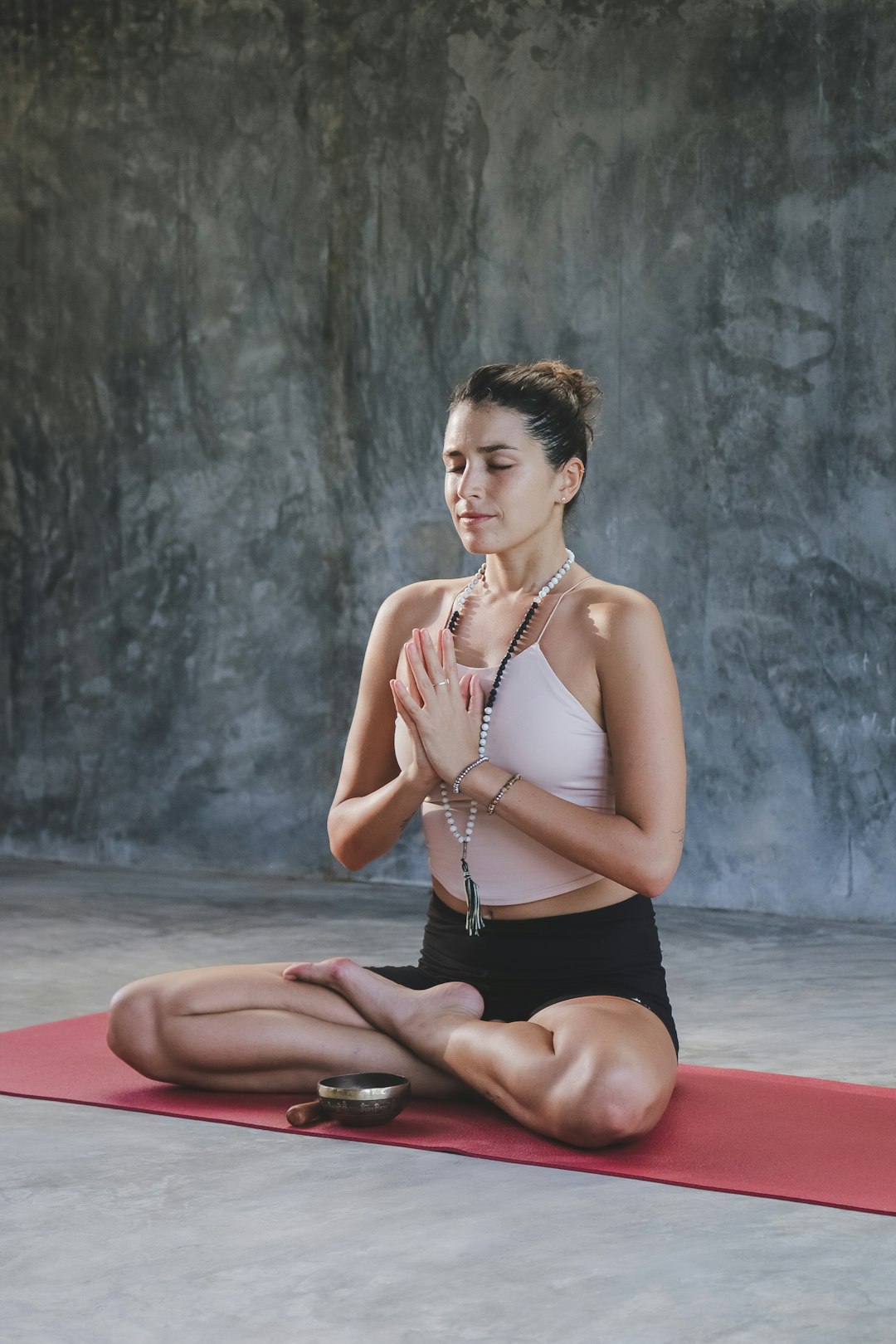
Breathwork meditation is all about harnessing the power of breath to promote relaxation and self-awareness. This practice can involve various methods, such as deep diaphragmatic breathing or rhythmic patterns. It’s like tuning into the rhythm of life, where each breath becomes a melody. Breathwork can help release emotional blockages and increase energy levels, making it a powerful tool for personal transformation. Many practitioners find that incorporating breathwork into their meditation routine enhances their overall experience and deepens their practice, offering a gateway to inner peace.
In exploring these rare meditation techniques, individuals can find methods that resonate with them and enrich their meditation journey. Whether seeking to awaken inner energy, cultivate compassion, or connect with nature, these practices offer unique pathways to self-discovery and healing.