
Hatha Yoga: The Gateway to Modern Practice
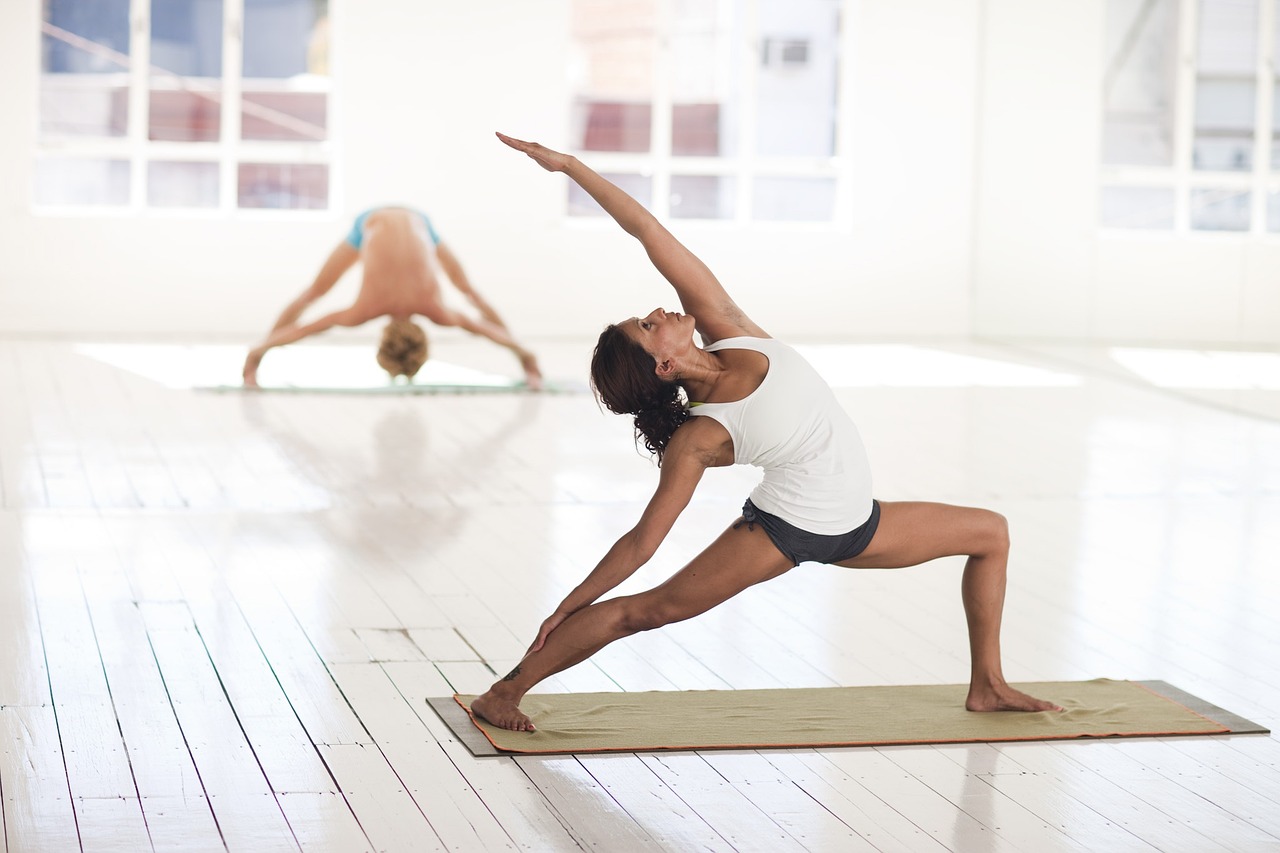
Hatha Yoga, one of the most traditional styles, was initially dismissed as too simplistic. Critics often labeled it as merely a series of gentle postures. However, with growing awareness around mindfulness and holistic well-being, Hatha Yoga gained respect for its foundational approach. This style is now cherished for its ability to balance the mind and body, making it a perfect entry point for beginners. With its focus on breathing and alignment, Hatha Yoga has become a cornerstone in yoga studios worldwide. It’s not just about flexibility but also about cultivating inner peace and resilience. Today, it serves as a testament to the saying, “Simple doesn’t mean easy.”
Vinyasa Yoga: The Dance of Breath and Movement
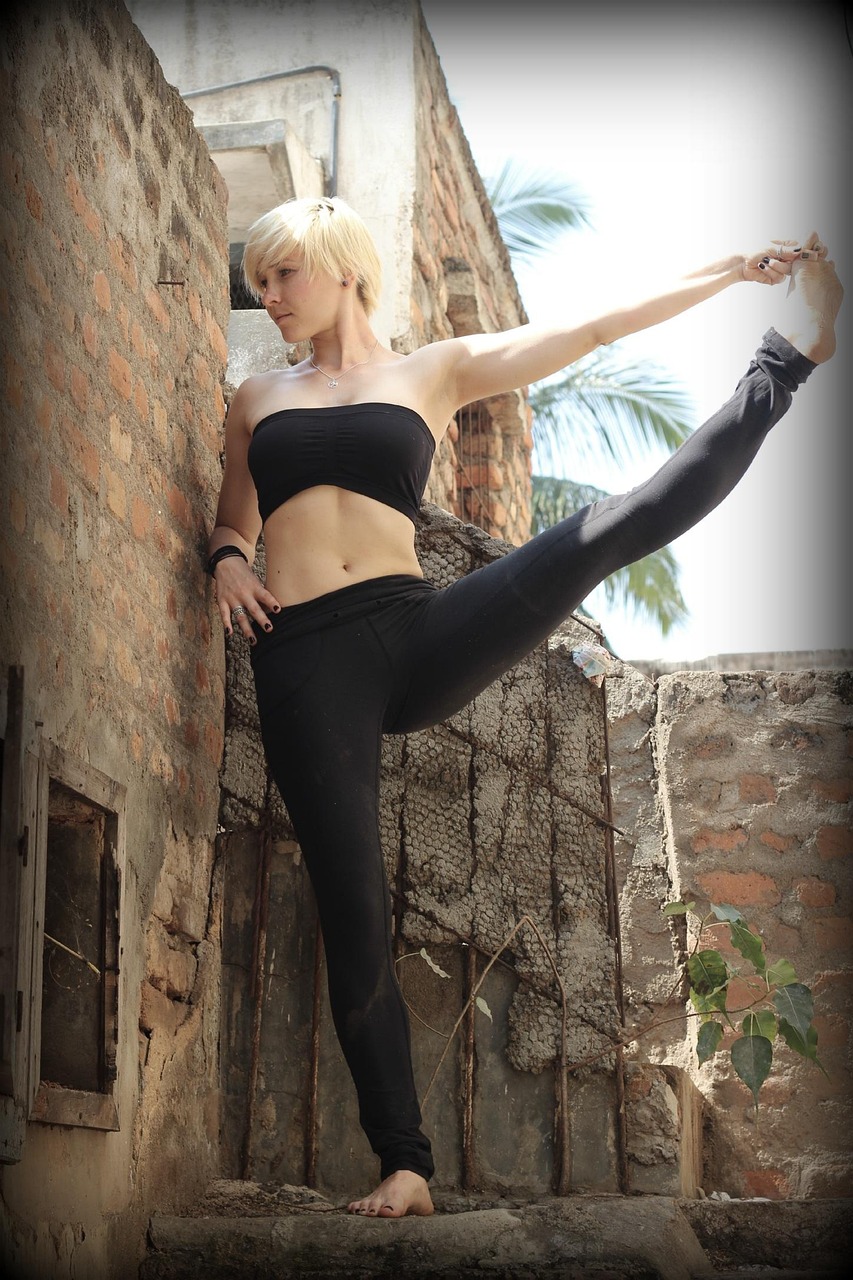
Initially perceived as chaotic and lacking in structure, Vinyasa Yoga faced skepticism for its dynamic flow. Critics often compared it to a disorganized dance class. But as people began to appreciate the seamless transition between postures, Vinyasa grew in popularity. This style emphasizes synchronizing breath with movement, creating a moving meditation. Practitioners find it both invigorating and calming, as it challenges the body while soothing the mind. Now, Vinyasa is celebrated for its creativity and adaptability, appealing to those who seek both physical and mental challenges. Its rise in popularity highlights society’s shift towards embracing fluidity and change.
Ashtanga Yoga: Discipline and Commitment
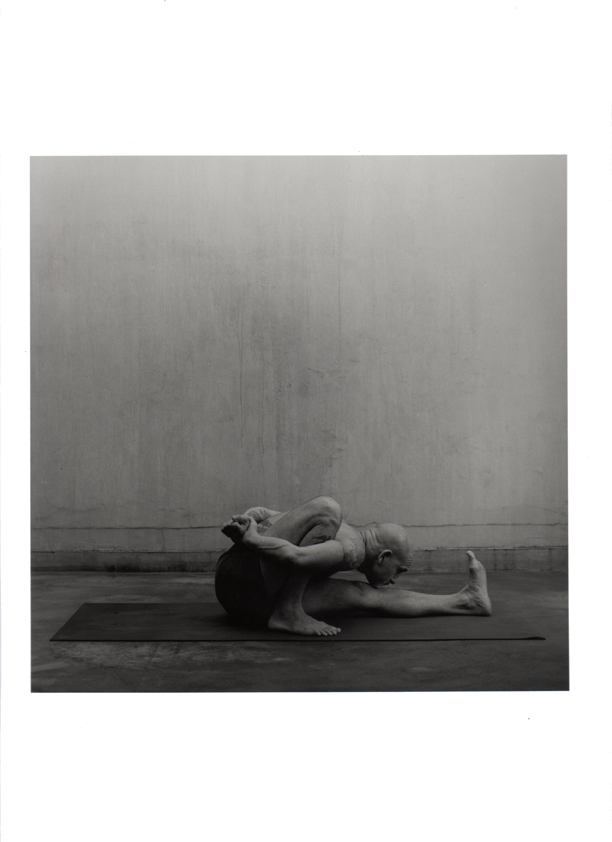
Ashtanga Yoga once faced criticism for its rigid structure and demanding nature. Many saw it as too militaristic, with its strict sequence of postures. However, for those who embraced it, Ashtanga became a transformative practice of discipline and dedication. The repetitive nature of the sequences allows practitioners to see tangible progress, both physically and mentally. Ashtanga requires commitment, but it rewards with strength, flexibility, and mental clarity. Today, it’s respected for instilling a sense of purpose and routine, making it a favorite among those who thrive on structure. The discipline it demands has become its greatest asset.
Iyengar Yoga: Precision and Alignment
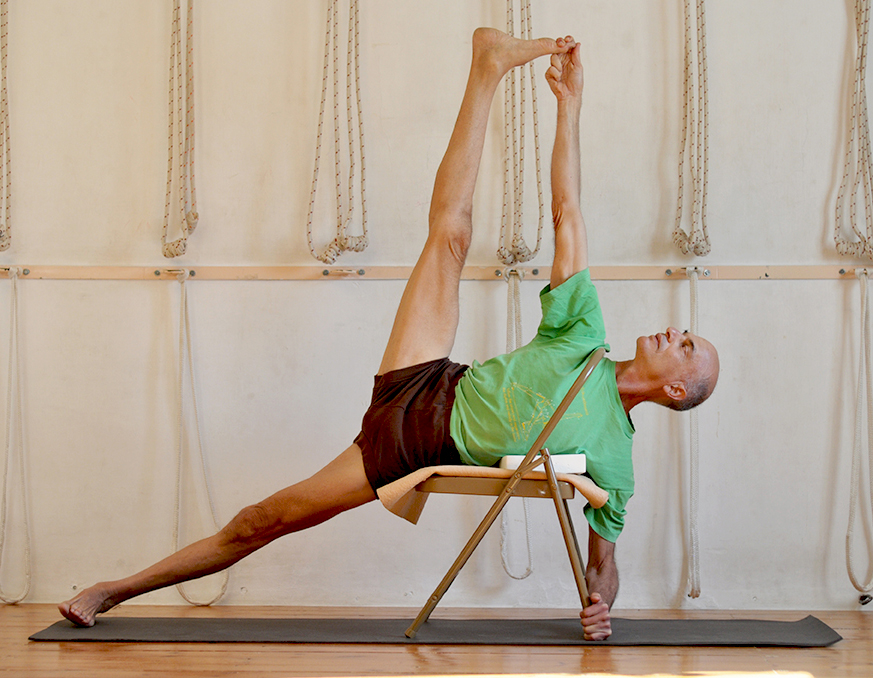
Iyengar Yoga was once mocked for its use of props like blocks, straps, and chairs. Critics argued it was yoga with training wheels. However, as more people experienced its benefits, Iyengar gained recognition for its focus on precision and alignment. This style is perfect for those recovering from injuries or seeking to deepen their understanding of each posture. Iyengar’s emphasis on detail helps practitioners build strength and flexibility without risking injury. Today, it’s respected for its therapeutic approach, making yoga accessible to all ages and abilities. The props once mocked are now seen as tools for mastery.
Yin Yoga: The Art of Stillness
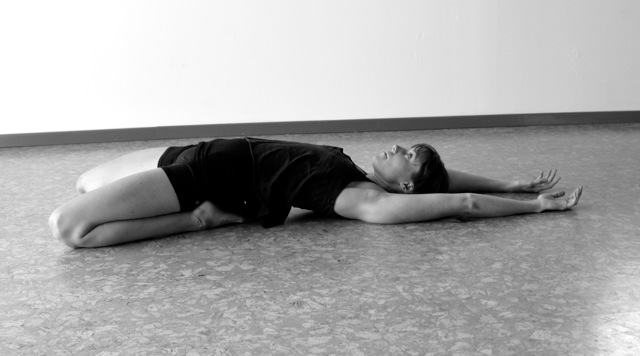
Yin Yoga was initially dismissed as too passive and boring. Critics failed to see the power in its gentle, long-held poses. However, as the pace of life accelerated, people began to appreciate Yin’s meditative qualities. This style focuses on deepening flexibility and releasing tension by holding poses for extended periods. It’s a practice of patience and introspection, offering a counterbalance to more vigorous styles. Yin Yoga is now respected for its ability to enhance joint health and reduce stress. In a world that rarely slows down, Yin teaches the value of stillness and surrender.
Kundalini Yoga: Awakening Inner Energy
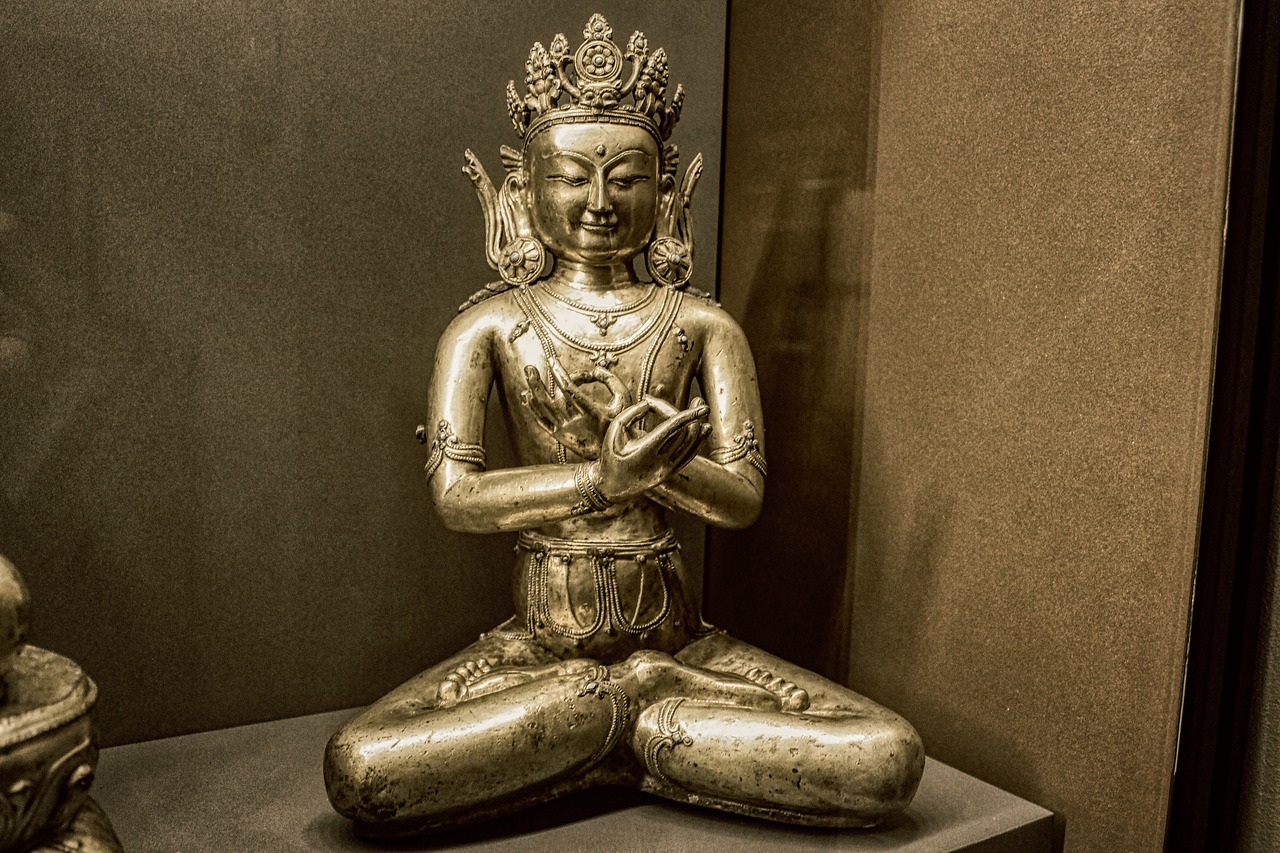
Kundalini Yoga was once viewed with skepticism due to its spiritual and mystical elements. Critics often dismissed it as too “out there.” However, as people sought deeper connections with themselves, Kundalini found its place. This style combines breathwork, chanting, and dynamic movements to awaken energy within. Practitioners report heightened awareness and emotional healing. Kundalini Yoga is now respected for its transformative potential, offering a path to self-discovery and empowerment. It’s a reminder that yoga is not just a physical practice but also a journey of the soul.
Bikram Yoga: Heated Intensity
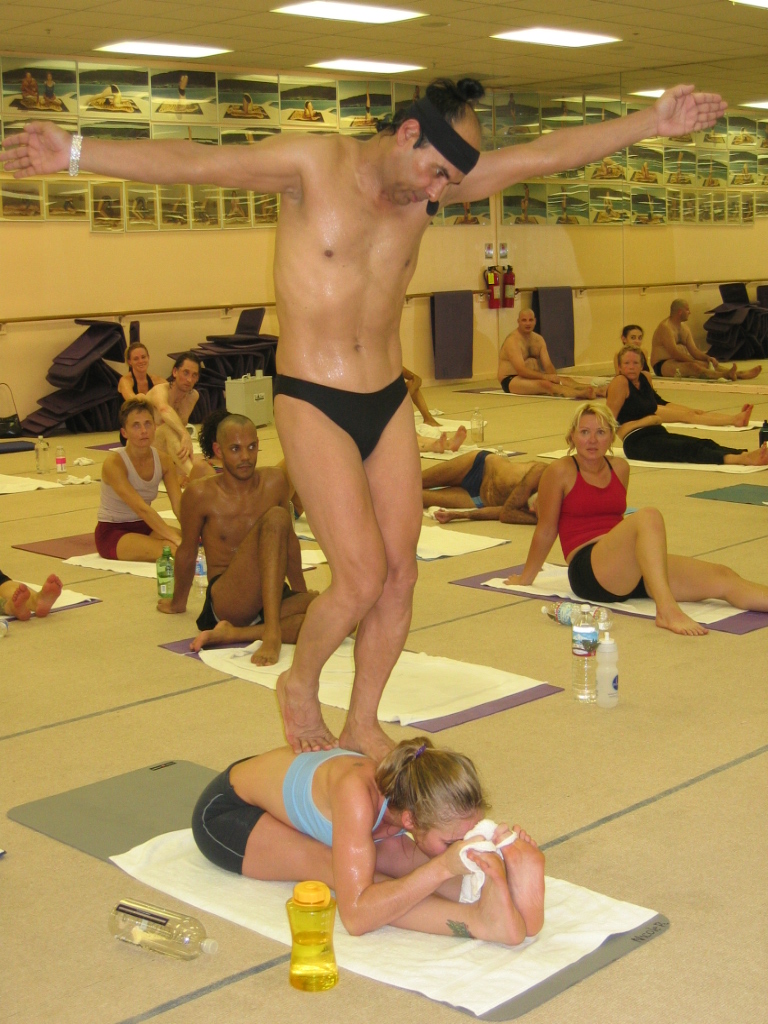
Bikram Yoga, practiced in a heated room, faced criticism for its intense conditions. Many saw it as a fad, questioning its safety and effectiveness. However, as more people experienced the detoxifying benefits of sweating and the challenge of maintaining poses in heat, Bikram gained a loyal following. This style builds endurance, strength, and mental fortitude. Despite controversies, Bikram is respected for its ability to push boundaries and foster resilience. The heat that once deterred is now seen as a catalyst for transformation.
Power Yoga: Strength and Dynamism
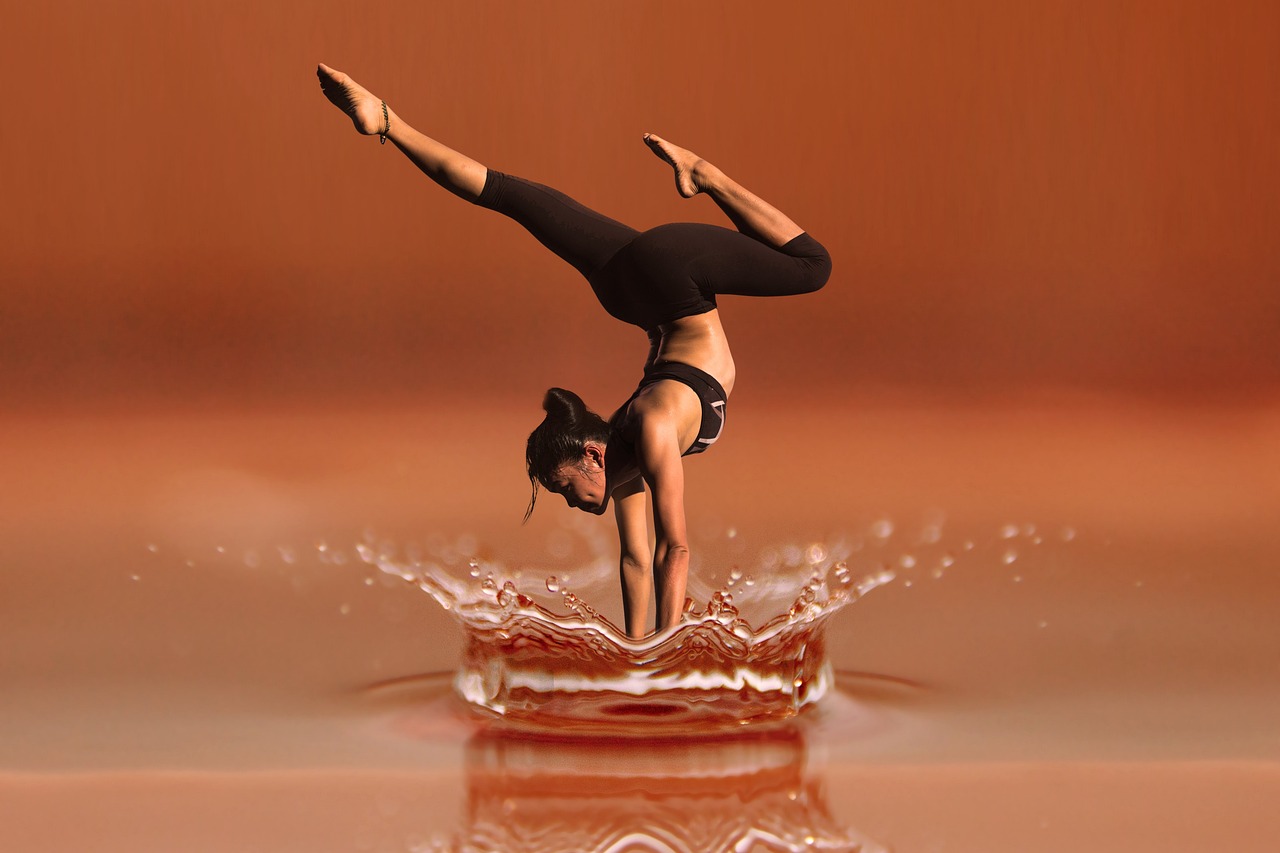
Power Yoga was initially dismissed as too Westernized, with critics claiming it strayed too far from traditional roots. However, its appeal lies in its focus on strength and cardiovascular fitness. Power Yoga offers a vigorous workout, attracting those who seek both physical challenge and mental relaxation. This style is adaptable, allowing instructors to incorporate diverse elements. Today, Power Yoga is respected for its ability to build muscle, enhance stamina, and promote weight loss. It’s a testament to yoga’s versatility and its ability to evolve with changing fitness trends.
Restorative Yoga: Healing and Recovery
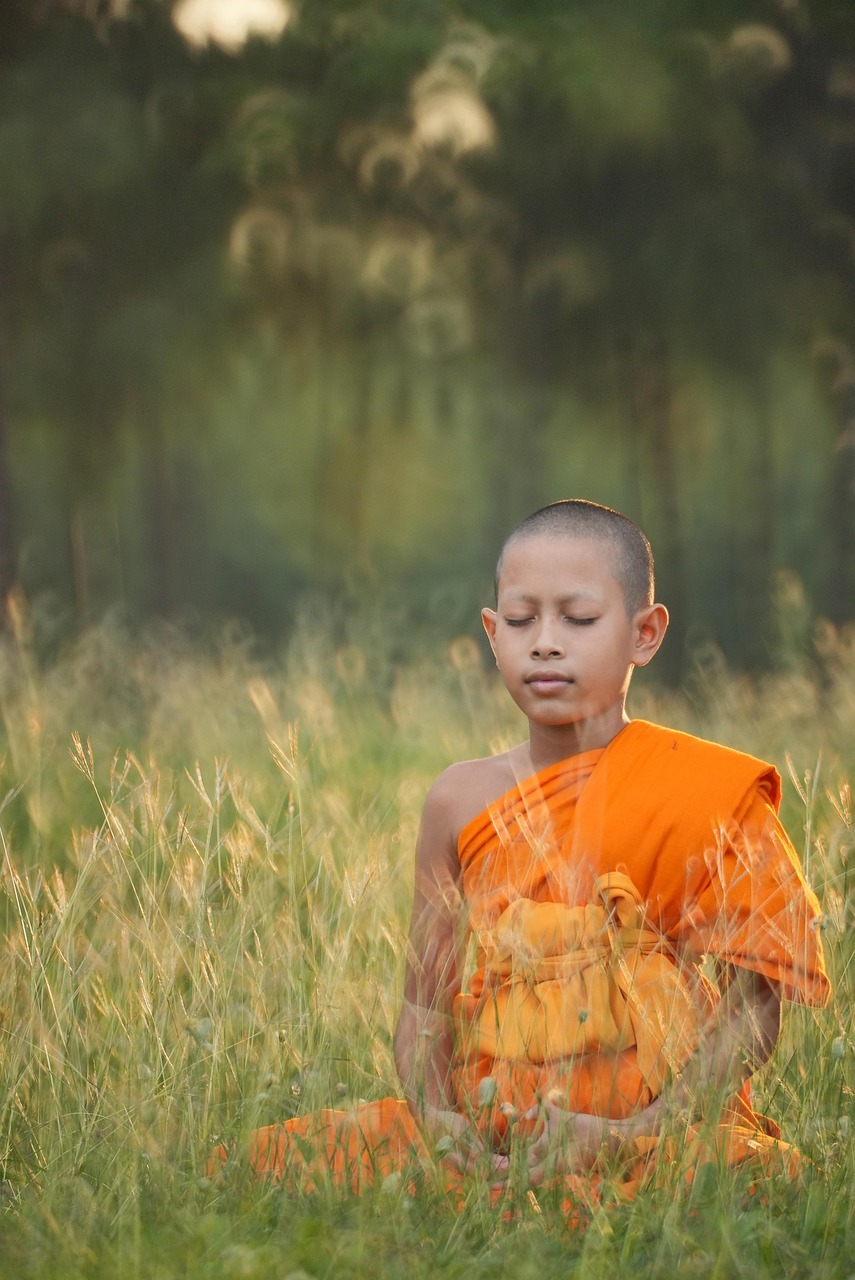
Restorative Yoga was once overlooked as too gentle and uneventful. Critics failed to see its potential for healing and recovery. However, as stress-related illnesses increased, people turned to Restorative Yoga for its calming effects. This style focuses on relaxation and rejuvenation, using props to support the body in restful poses. It’s a practice of self-care, promoting deep relaxation and stress relief. Restorative Yoga is now respected for its therapeutic benefits, offering a sanctuary of peace in a demanding world. It’s a reminder that sometimes, doing less is the most powerful choice.
AcroYoga: Trust and Connection
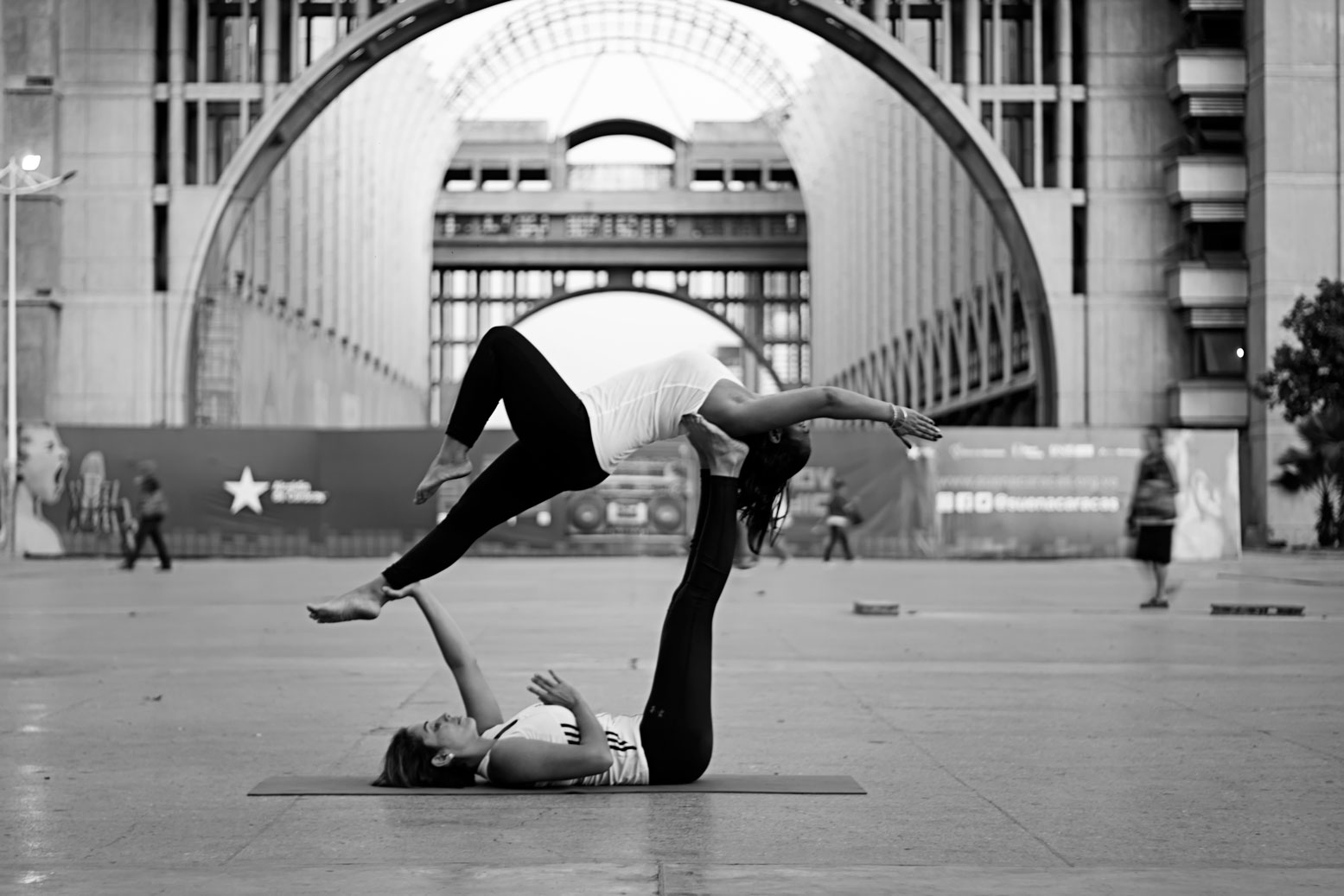
AcroYoga was initially mocked as a circus act rather than a legitimate practice. Critics saw it as a novelty rather than true yoga. However, as people experienced the joy and connection it fosters, AcroYoga gained respect. This style combines yoga, acrobatics, and Thai massage, building trust and communication between partners. It’s a playful yet challenging practice that enhances strength, balance, and flexibility. AcroYoga is now respected for its ability to build community and deepen relationships. It’s a reminder that yoga can be both serious and fun, offering a unique way to connect with others.
Anusara Yoga: Heart-Centered Practice
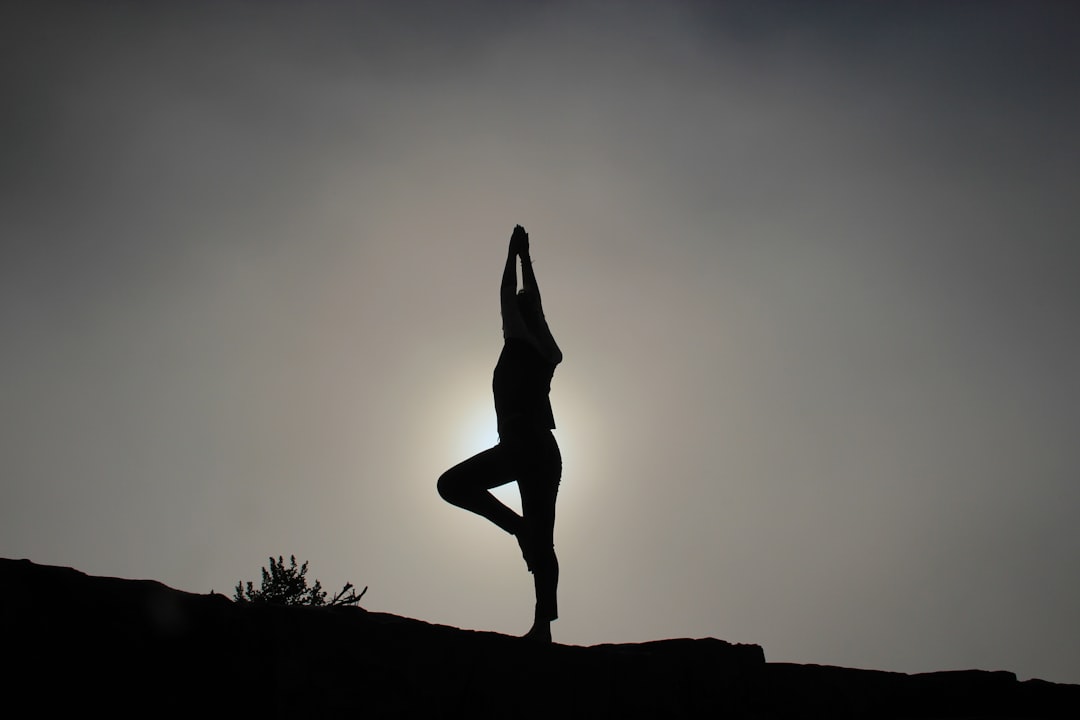
Anusara Yoga faced skepticism for its heart-centered philosophy and focus on alignment. Critics dismissed it as overly sentimental. However, its emphasis on opening the heart and finding joy in the practice resonated with many. Anusara encourages self-expression and creativity, making it accessible to all. It’s a practice that celebrates individuality while fostering a sense of community. Anusara Yoga is now respected for its positive approach and its ability to inspire personal growth. It’s a reminder that yoga is not just about poses but also about embracing one’s true self.
Jivamukti Yoga: Spiritual Activism
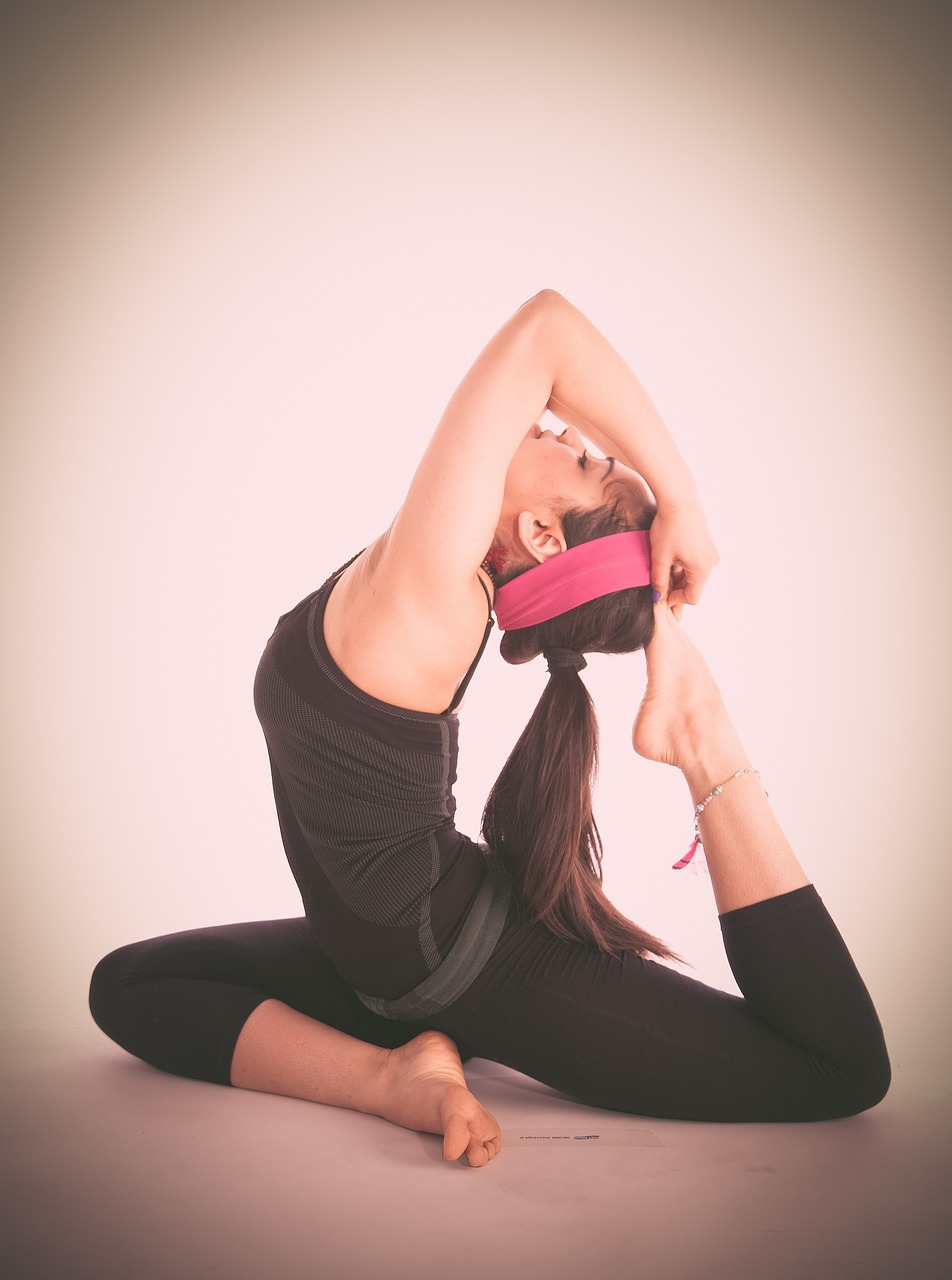
Jivamukti Yoga was initially dismissed for its activist stance and incorporation of music and chanting. Critics saw it as too radical for mainstream acceptance. However, its focus on compassion, environmentalism, and social justice resonated with a new generation of yogis. Jivamukti combines physical practice with meditation, chanting, and discussion, creating a holistic experience. It’s a practice that challenges not just the body but also the mind and spirit. Jivamukti Yoga is now respected for its commitment to making the world a better place. It’s a reminder that yoga can be a force for positive change.
Sivananda Yoga: Holistic Well-being
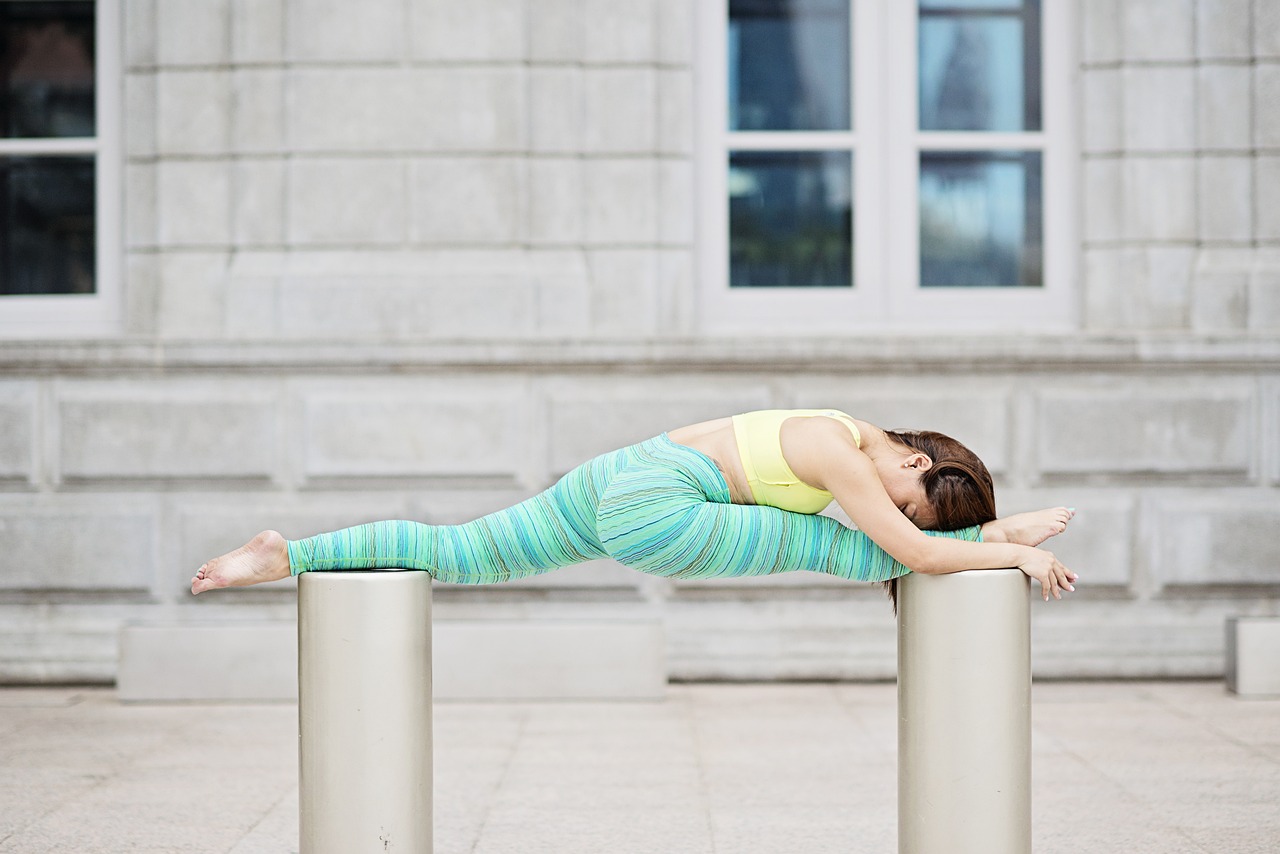
Sivananda Yoga was once dismissed as too traditional and rigid in its approach. Critics saw it as outdated in a modern world. However, its holistic focus on health and well-being has gained appreciation. Sivananda Yoga incorporates postures, breathing exercises, relaxation, and meditation to promote balance and harmony. It’s a practice that nurtures the body, mind, and spirit, offering a path to inner peace. Sivananda Yoga is now respected for its timeless wisdom and its ability to enhance overall well-being. It’s a reminder that some traditions are worth preserving.
Hot Yoga: Sweating Out Stress
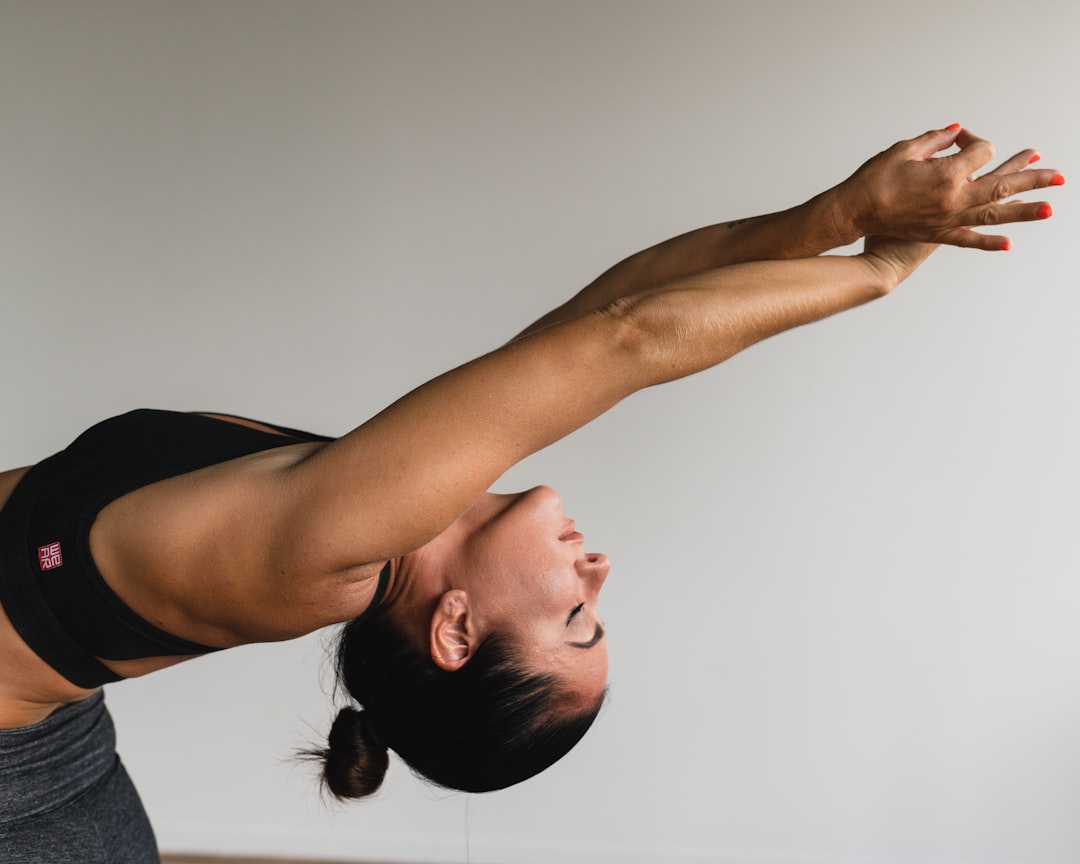
Hot Yoga, like Bikram, faced criticism for its heated environment. Critics questioned its safety and authenticity. However, as more people experienced the benefits of sweating out toxins and improving flexibility, Hot Yoga gained popularity. This style offers a challenging workout, enhancing cardiovascular health and mental focus. Hot Yoga is now respected for its ability to build endurance and release stress. It’s a reminder that sometimes, stepping out of one’s comfort zone leads to growth.
Chair Yoga: Accessibility and Inclusion
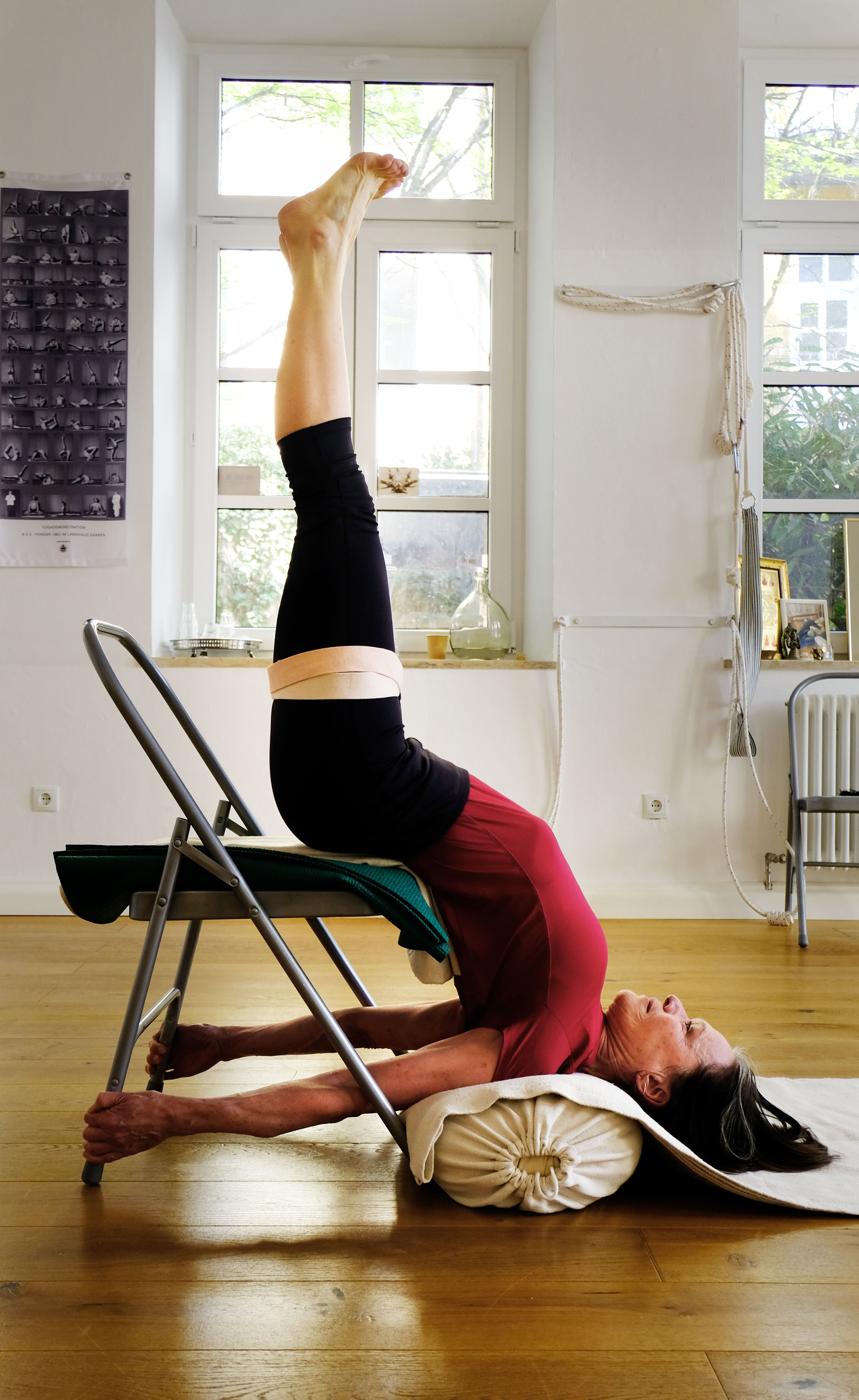
Chair Yoga was once overlooked as too simplistic and only for the elderly or disabled. Critics failed to see its potential for inclusivity. However, as yoga’s popularity grew, so did the demand for accessible practices. Chair Yoga offers a way for people of all abilities to experience the benefits of yoga. It focuses on gentle movements and breathing, promoting flexibility and relaxation. Chair Yoga is now respected for its ability to bring yoga to everyone, regardless of age or ability. It’s a reminder that yoga is for every body.