

The Illusion of Increased Productivity
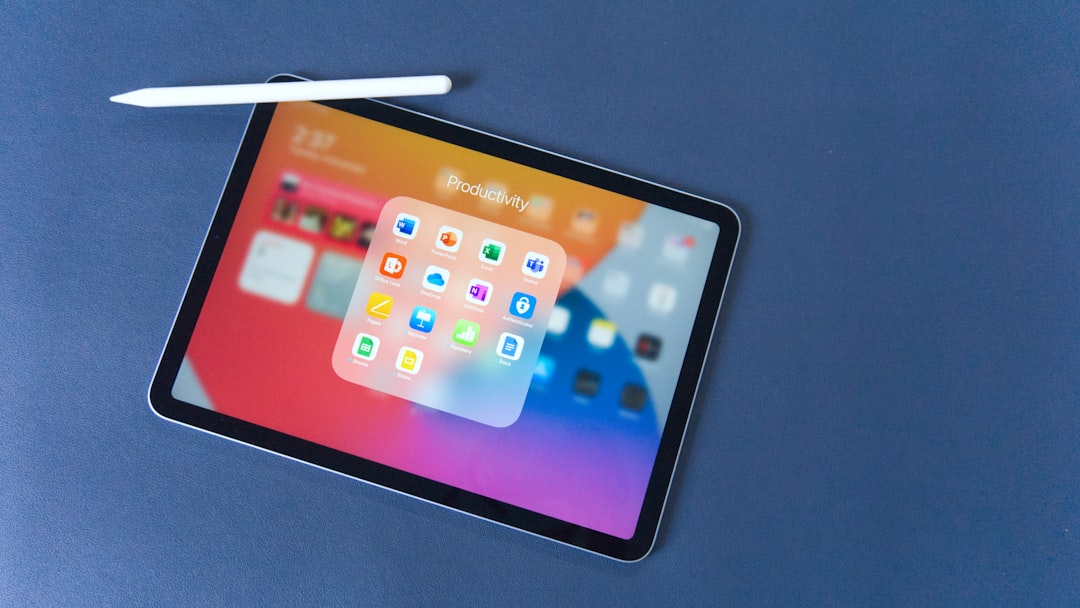
In today’s fast-paced world, productivity apps promise to be the saviors of our busy lives. They claim to transform the chaos into an organized symphony of tasks, deadlines, and reminders. But are they really delivering on their promise? Many users find themselves drowning in notifications, constantly reminded of what they haven’t accomplished yet. These apps often create an illusion of increased productivity. Instead of simplifying life, they add layers of complexity, making users feel more overwhelmed than ever. The constant updates and pings can disrupt concentration, making it difficult to focus on any single task. In the end, the quest for efficiency might just be leading us down a path of stress and distraction, rather than peace and accomplishment.
Constant Connectivity: A Double-Edged Sword

One of the main features of productivity apps is their ability to keep us connected at all times. While this seems like a benefit, it can quickly become a burden. The pressure to stay connected and responsive can lead to burnout. When work and personal life blur, stress levels can skyrocket. Notifications don’t respect boundaries; they can pop up during dinner or while spending time with family, pulling users back into work mode. This constant connectivity can make it hard to relax, as there’s always the nagging feeling that something needs attention. Paradoxically, in trying to help us manage time better, these apps often steal the precious time meant for relaxation and personal growth.
The Overwhelm of Choice
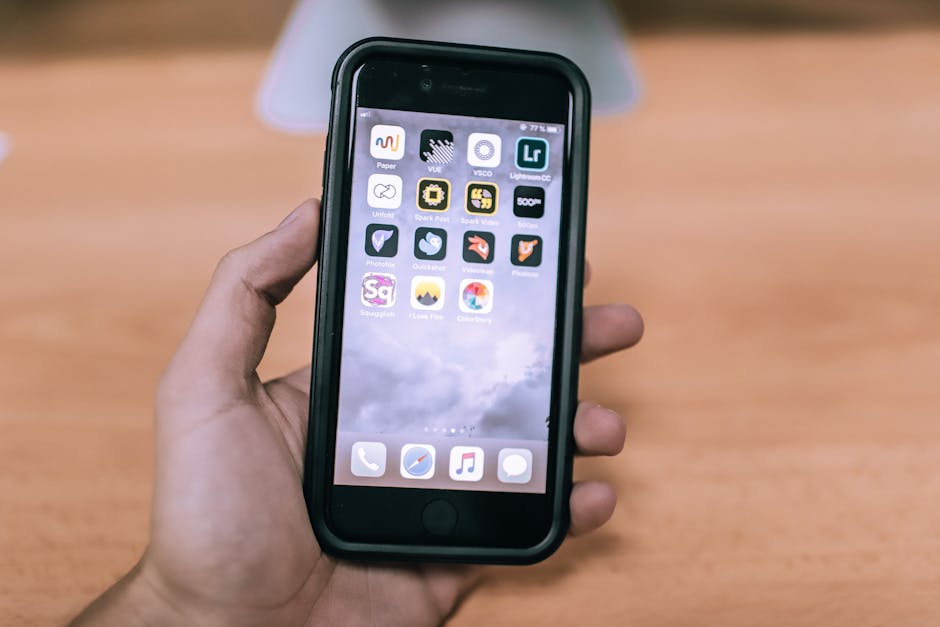
With hundreds of productivity apps available, choosing the right one can be daunting. Each app comes with its own set of features and promises, leaving users spoiled for choice. This abundance can lead to decision fatigue, where the sheer number of options becomes overwhelming. The pressure to select the best tool can add stress rather than alleviate it. Many users find themselves switching from one app to another, hoping to find the perfect fit. This constant switching can waste time and lead to frustration, as users often end up juggling multiple apps that don’t integrate well with each other. Instead of streamlining tasks, they find themselves entangled in a web of apps, each demanding attention.
Data Overload: Too Much Information
Productivity apps often come with a plethora of features designed to track every aspect of our lives. From task lists to time trackers, the data can quickly become overwhelming. Users may find themselves spending more time managing their productivity tools than actually getting work done. The constant influx of information can lead to analysis paralysis, where the sheer volume of data makes it difficult to prioritize tasks. Instead of providing clarity, these apps can cloud judgment and increase anxiety. In attempting to optimize every minute, users can lose sight of the bigger picture, becoming bogged down by minutiae that don’t truly matter.
Notifications: The Continuous Interruptions

While notifications are designed to keep users on track, they can often have the opposite effect. They interrupt the flow of work, breaking concentration and increasing stress levels. Each ping and buzz can pull attention away from the task at hand, making it difficult to regain focus. This constant interruption can lead to a fragmented workday, where tasks take longer to complete and satisfaction diminishes. Users may find themselves jumping from one task to another, without fully finishing anything. This cycle of interruptions can be exhausting, leaving individuals feeling drained and unproductive by the end of the day.
The Tyranny of the To-Do List

The to-do list is a staple feature in most productivity apps. While it can be a helpful tool for organizing tasks, it can also become a source of stress. A never-ending list of tasks can feel overwhelming, leading to feelings of inadequacy when items aren’t checked off. The pressure to complete every task can overshadow the satisfaction of completing meaningful work. Users might find themselves focusing on quantity rather than quality, rushing through tasks just to clear the list. This can lead to a cycle of stress and dissatisfaction, as the list never truly ends. Instead of empowering users, the to-do list can become a tyrant, dictating every moment of the day.
The Myth of Multitasking

Many productivity apps encourage multitasking, promising increased efficiency by juggling multiple tasks at once. However, research has shown that multitasking can actually reduce productivity. Switching between tasks can lead to mistakes and decreased focus. The brain isn’t wired to handle multiple streams of information simultaneously, leading to cognitive overload. This myth of multitasking can create stress, as users try to do more in less time. Instead of achieving more, they may find themselves spreading their attention too thin, leading to burnout and reduced quality of work. The promise of multitasking often turns into a pitfall, trapping users in a cycle of stress and inefficiency.
Privacy Concerns: Who’s Watching?

As productivity apps collect data on user habits and behaviors, privacy concerns come to the forefront. Users may worry about who has access to their information and how it’s being used. This lack of control can add another layer of stress, as individuals feel their privacy is being invaded. The fear of data breaches and unauthorized access can make users hesitant to fully engage with these apps. Instead of feeling empowered, they may feel vulnerable and exposed. This concern can overshadow the potential benefits of productivity apps, as users weigh the risks of sharing personal information with third-party companies.
The Pressure to Perform

Productivity apps can create a culture of constant performance, where users feel the need to be productive at all times. This pressure can lead to burnout, as individuals push themselves beyond their limits. The focus on productivity can overshadow the importance of rest and relaxation, leading to a cycle of stress and exhaustion. Users may feel guilty for taking breaks, as the app constantly reminds them of unfinished tasks. The pressure to perform can become overwhelming, as individuals strive to meet unrealistic expectations. Instead of fostering a healthy work-life balance, these apps can contribute to a culture of overwork and stress.
The Search for Balance

In the quest for productivity, finding balance is crucial. While productivity apps offer tools to manage tasks and time, they can also contribute to stress and burnout. Users must be mindful of how these tools impact their well-being, setting boundaries to maintain a healthy work-life balance. It’s important to remember that productivity isn’t just about getting more done; it’s about achieving meaningful work while maintaining personal well-being. By using these apps mindfully and setting boundaries, individuals can reclaim their time and find freedom from the stress of constant productivity. Embracing balance is key to truly benefiting from productivity tools without falling into the trap of stress and overwhelm.