
In today’s fast-paced digital world, the notion of presence has undergone a significant transformation. The proliferation of social media and instant communication tools has created a web of connections that can often give the illusion of closeness. Yet, this perceived presence frequently leaves individuals feeling emotionally starved. This article explores the psychological impact of digital interactions, the influence of social media on emotional health, and the significance of fostering authentic human connections.
The Digital Age: A Double-Edged Sword

Technology has dramatically changed the way we communicate, for better and worse. On one hand, it allows us to connect with people from all over the world. On the other, it often leads to relationships that are shallow and lacking in depth. According to a Pew Research Center study, 69% of adults in the U.S. use social media, but many still report feelings of loneliness. This paradox highlights a crucial distinction: being connected isn’t the same as feeling connected.
– **Statistics:**
– 69% of U.S. adults use social media.
– 54% feel overwhelmed by the need to maintain an online presence.
– 30% experience loneliness despite being active on social platforms.
The Psychology Behind the Illusion

The illusion of presence is rooted in our brain’s response to social interaction. When we receive likes or comments, our brain releases dopamine, often referred to as the “feel-good” hormone. This can create a fleeting sense of happiness. However, these interactions usually lack emotional depth, leading to a cycle of needing more interactions without true satisfaction.
– **Key Points:**
– Dopamine provides temporary happiness.
– Shallow interactions can result in emotional dissatisfaction.
– The brain desires deeper connections for enduring contentment.
Emotional Starvation: Signs and Symptoms

Emotional starvation can manifest in numerous ways. Individuals might feel lonely, anxious, or even depressed, despite a plethora of digital connections. Some signs to watch for include persistent feelings of emptiness, heightened anxiety when offline, difficulties in forming real-life connections, and a pervasive sense of disconnection from oneself and others. Recognizing these symptoms is crucial in addressing emotional starvation.
The Impact of Social Media on Mental Health
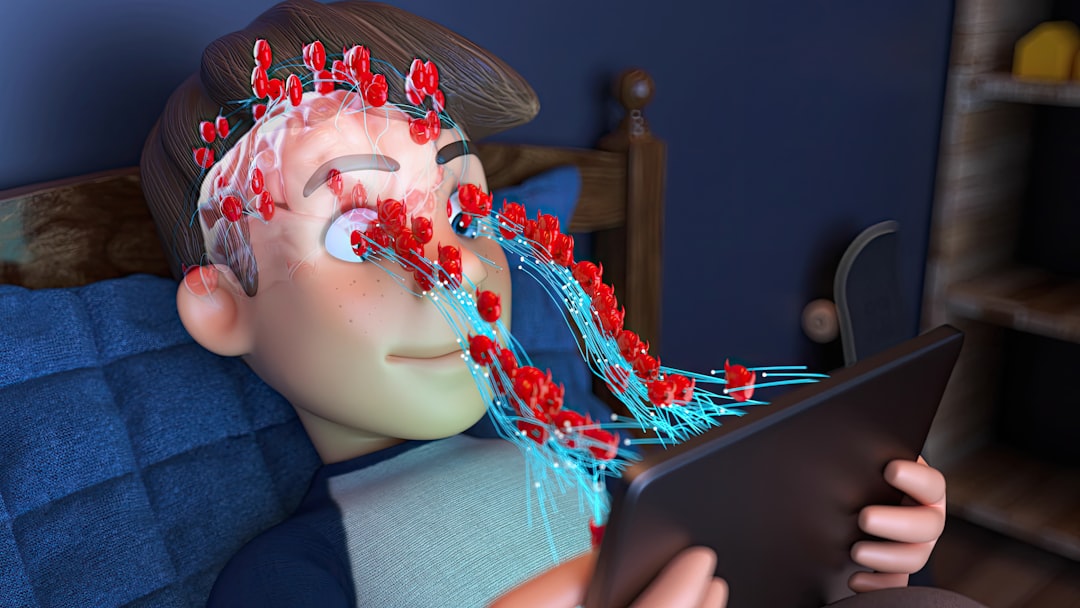
Research has shown a strong link between excessive social media use and mental health concerns. A study in “Cyberpsychology, Behavior, and Social Networking” found that individuals who spend more time on social media report higher levels of anxiety and depression. The constant comparison with others can intensify feelings of inadequacy and isolation.
– **Findings:**
– 38% of users feel inadequate after comparisons.
– Greater social media use correlates with increased anxiety and depression.
– FOMO, or the “fear of missing out,” often leads to compulsive social media checking.
The Importance of Genuine Connections

To counteract emotional starvation, it’s vital to prioritize real human connections. Engaging in face-to-face interactions, joining community events, and nurturing relationships with loved ones can greatly improve emotional well-being. Research indicates that individuals with robust social ties are generally happier and healthier.
– **Benefits of Genuine Connections:**
– Better mental health and emotional strength.
– Increased feelings of belonging and support.
– Higher life satisfaction and happiness.
Strategies to Overcome Emotional Starvation

1. **Limit Social Media Use:** Establish boundaries for your daily social media activities to diminish feelings of inadequacy and anxiety.
2. **Engage in Real-Life Activities:** Consider joining clubs, volunteering, or participating in local events to nurture genuine connections.
3. **Practice Mindfulness:** Aim to be present in your interactions, both online and offline, to foster deeper connections.
4. **Seek Professional Help:** If loneliness persists, consult a mental health professional for guidance and support.
The illusion of presence birthed by digital interactions can often leave us feeling emotionally deprived. Recognizing the signs of emotional starvation and taking proactive steps to foster real connections is essential for enhancing our emotional health. In an era where superficial connections are rampant, prioritizing authenticity is crucial to addressing the emotional void many of us experience.