
When War Comes to Your Doorstep
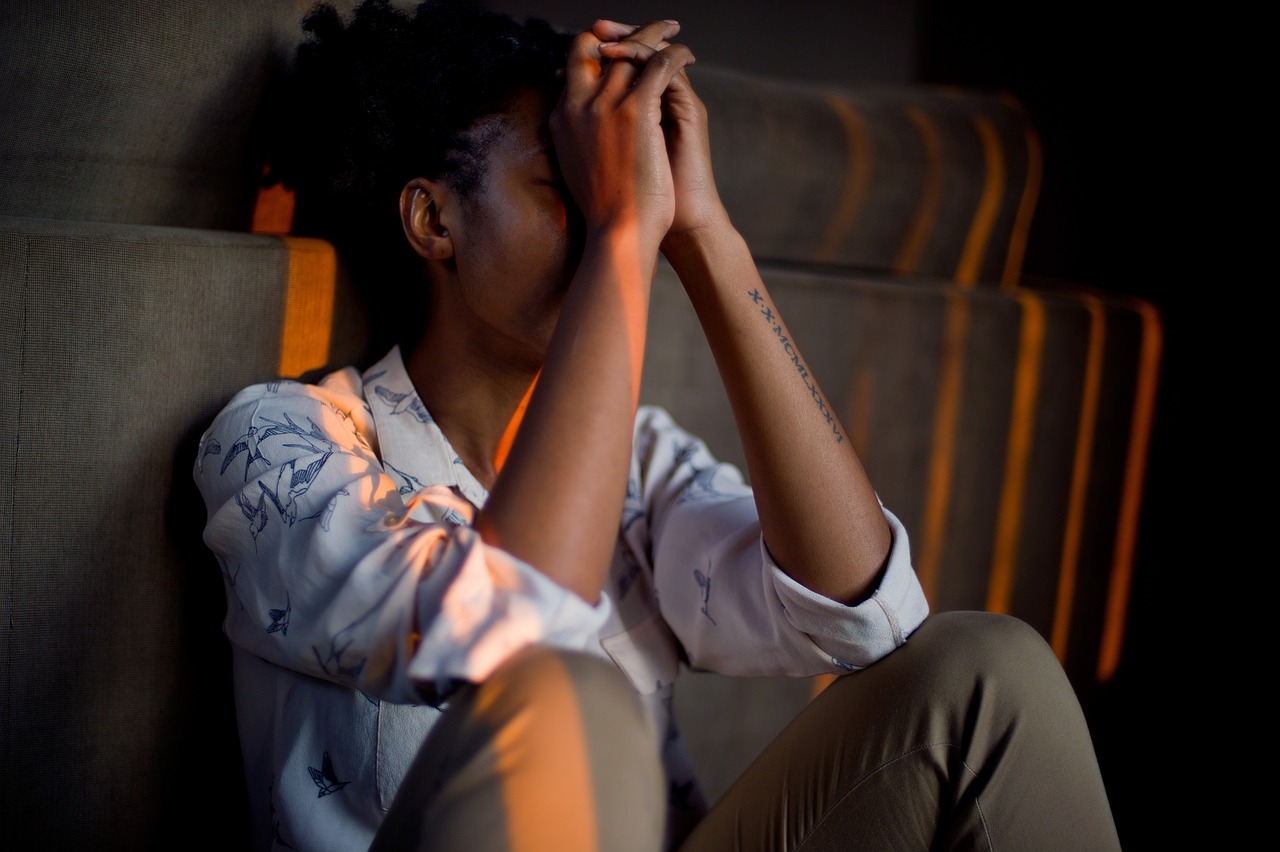
The sound of sirens has become a heartbreaking soundtrack for many families in both Israel and Iran as the conflict escalated dramatically in June 2025. What started as proxy confrontations has now exploded into direct warfare between the two nations, beginning with Israeli airstrikes on June 12, 2025. The psychological toll isn’t just numbers on a page – it’s real people waking up to nightmares, children who can’t sleep, and parents desperately trying to shield their families from a world that suddenly feels very unsafe. The recent attacks have already claimed hundreds of civilian lives and targeted key infrastructure, including nuclear facilities.
The Mental Health Crisis Unfolding in Real Time
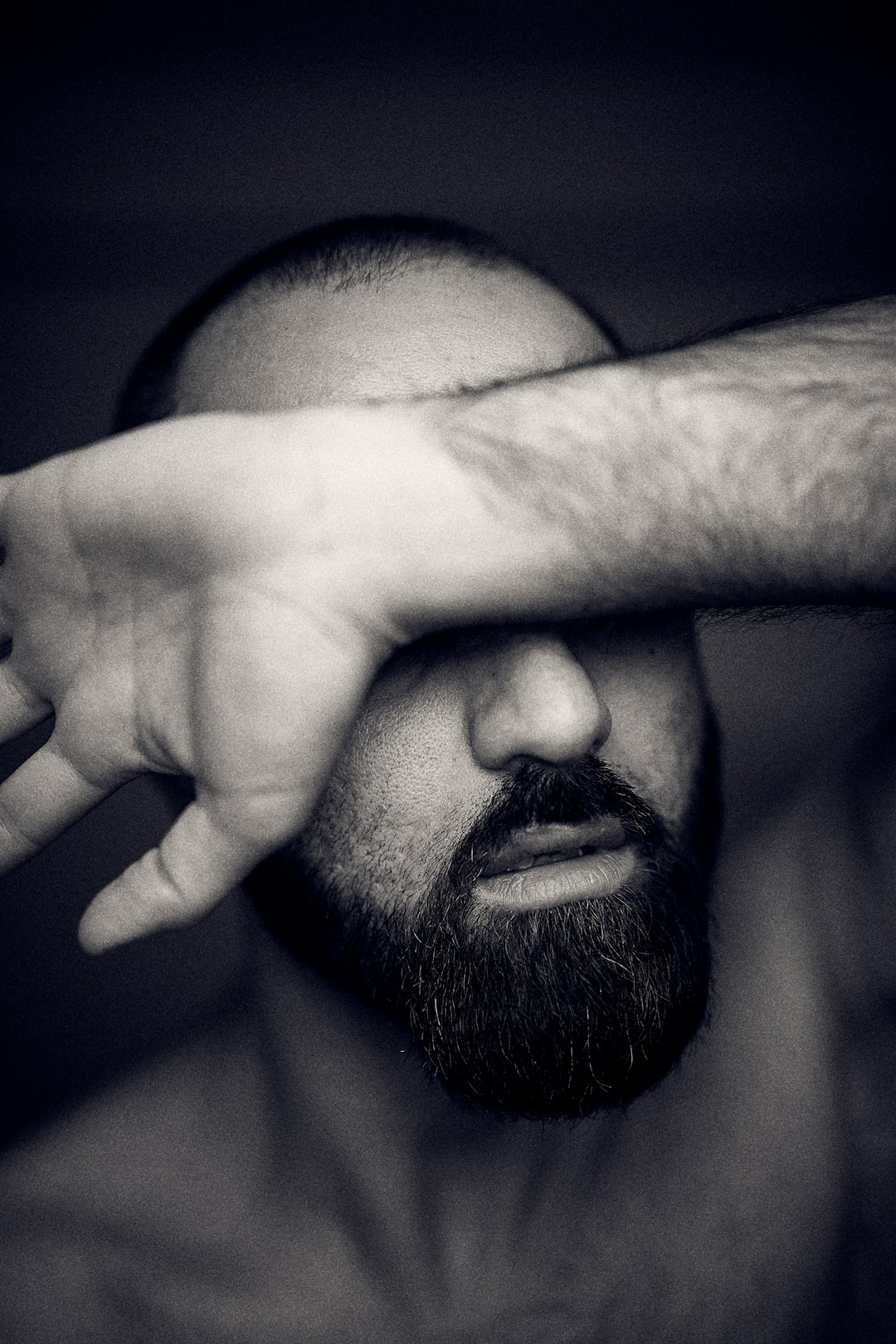
Think about the last time you heard unexpected loud noises at night – your heart probably raced, right? Now imagine that happening daily, knowing it could mean life or death. Research shows the October 7, 2023 attack in Israel had “a broad and significant impact on the mental health of the Israeli population,” with findings underscoring “the need to provide rapid, nationwide assessments and triage for interventions to address the mental health needs of Jewish and Arab citizens”. Studies found that PTSD prevalence doubled, generalized anxiety disorder increased 18%, and depression increased 13.5% following the initial attacks. The ongoing direct conflict with Iran is only making these numbers worse.
Children Bear the Heaviest Psychological Burden
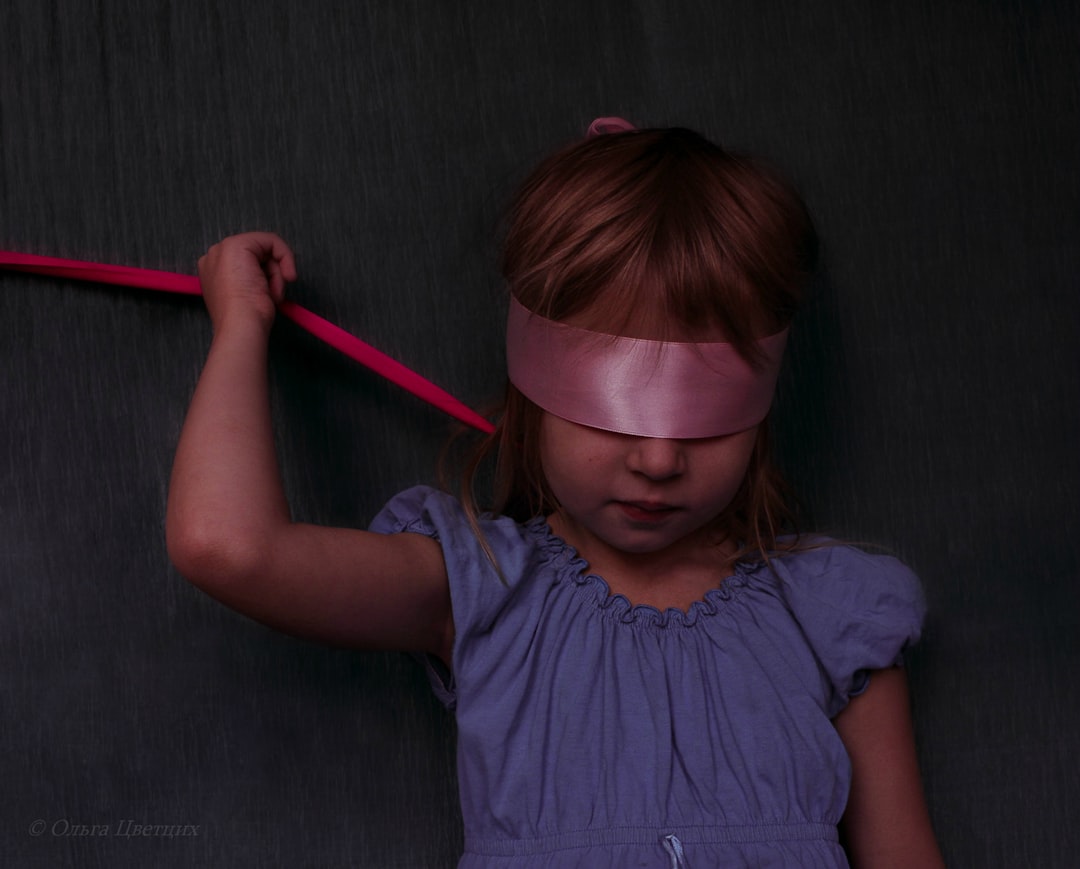
Mental health experts are documenting alarming symptoms in children exposed to ongoing conflict, including “confusion, lack of concentration, inattention, ADHD, incoherent speech,” along with “social withdrawal or maybe anger and violence, wetting their bed, fear of darkness, generic tension, a flashback or nightmares”. It’s like watching childhood innocence crumble in real time. War traumas shake the foundation of a child’s current and future emotional, psychological, and cognitive development with implications for their self-concept and relationships with others, and “the effects of this war will undoubtedly be felt for generations”. These aren’t just temporary fears that kids will “get over” – they’re deep psychological wounds that can affect how children see the world for decades to come.
The Shocking Statistics That Tell the Real Story
Previous studies from earlier conflicts in Israel showed that 76.7% of individuals exposed to war-related trauma exhibited at least one symptom associated with PTSD, while 9.4% met the criteria for a full PTSD diagnosis. But here’s what’s truly alarming: experts now predict that 5.3% of Israelis, or more than 520,000 people, will develop PTSD tied to the October 7 attacks and the ongoing conflicts. A staggering 38% of survey respondents reported thinking about committing suicide, though it’s still unclear how this translates to actual suicide rates. These numbers represent real families torn apart by psychological trauma.
Military Personnel Face Their Own Mental Health Crisis
The Israeli Defense Ministry estimates it will be treating approximately 100,000 wounded personnel by 2030, with half expected to experience PTSD, while current statistics show that of around 3,000 soldiers checked by the military’s mental health system since October 7, 82% returned to battle. The psychological toll on soldiers is becoming deadly serious – 28 soldiers were believed to have died by suicide since the start of the war, compared to only 10 such deaths recorded in 2023 before the attacks, and 14 in 2022 and 11 in 2021. It’s a stark reminder that the people we ask to protect us are paying an enormous psychological price that often goes unseen.
Cultural and Ethnic Minorities Face Disproportionate Impact
Israeli Arabs were found to be at increased risk for a range of mental health issues, with this vulnerability attributed to “a lack of political, societal, economic, and psychological resources necessary to mitigate the effects of traumatic events,” plus minority groups often face “social strain, stigmatization, and discrimination, leading to lower prioritization of their needs by state authorities”. Both Jewish and Arab populations exhibited similar levels (12-15.4%) of probable PTSD, but the support systems available to them differ dramatically. While Jews reported higher exposure to war-related events, more Arabs desired mental health help but faced barriers like stigma and scarce resources.
The Healthcare System Struggles to Keep Up

Mental health professionals unanimously stated that Israel’s mental health system had been “woefully underfunded and on the verge of collapse before the attacks,” leading to a dramatic budget increase of nearly 1.4 billion shekels ($392.2 million) for mental health services, representing a 70% jump from the previous year’s budget. Imagine trying to fix a broken dam while the flood is already rushing through – that’s essentially what mental health workers are facing right now. New specialized trauma departments are opening, like Tel Aviv’s Ichilov Hospital’s PTSD treatment center, with President Isaac Herzog acknowledging that “the acute need to strengthen and perfect Israel’s mental health system must stand atop the national list of priorities in the long years of rehabilitation ahead”.
The reality is that wars don’t just destroy buildings and claim lives – they shatter minds and souls in ways that can take generations to heal. While the world watches the political and military developments unfold between Israel and Iran, behind the headlines are millions of people whose mental health hangs in the balance, desperately needing support that may not come fast enough.